10 minFebruary 13, 2020

Our spy tools monitor millions of push notification ads from over 90+ countries and thousands of publishers.
Get StartedYears ago, web advertisers rely on pop-ups and embedded links on affiliate web pages to get more traffic and in turn get better conversion rates for their websites. Today, with various developments made on every browser and almost every mobile phone, we are blessed with a significant marketing tool that performs more reliably and creates better engagement in the simplest way: Push Notifications.
If you are new to push traffic and/or unaware of what it can do for your business, here are some things you might want to know.
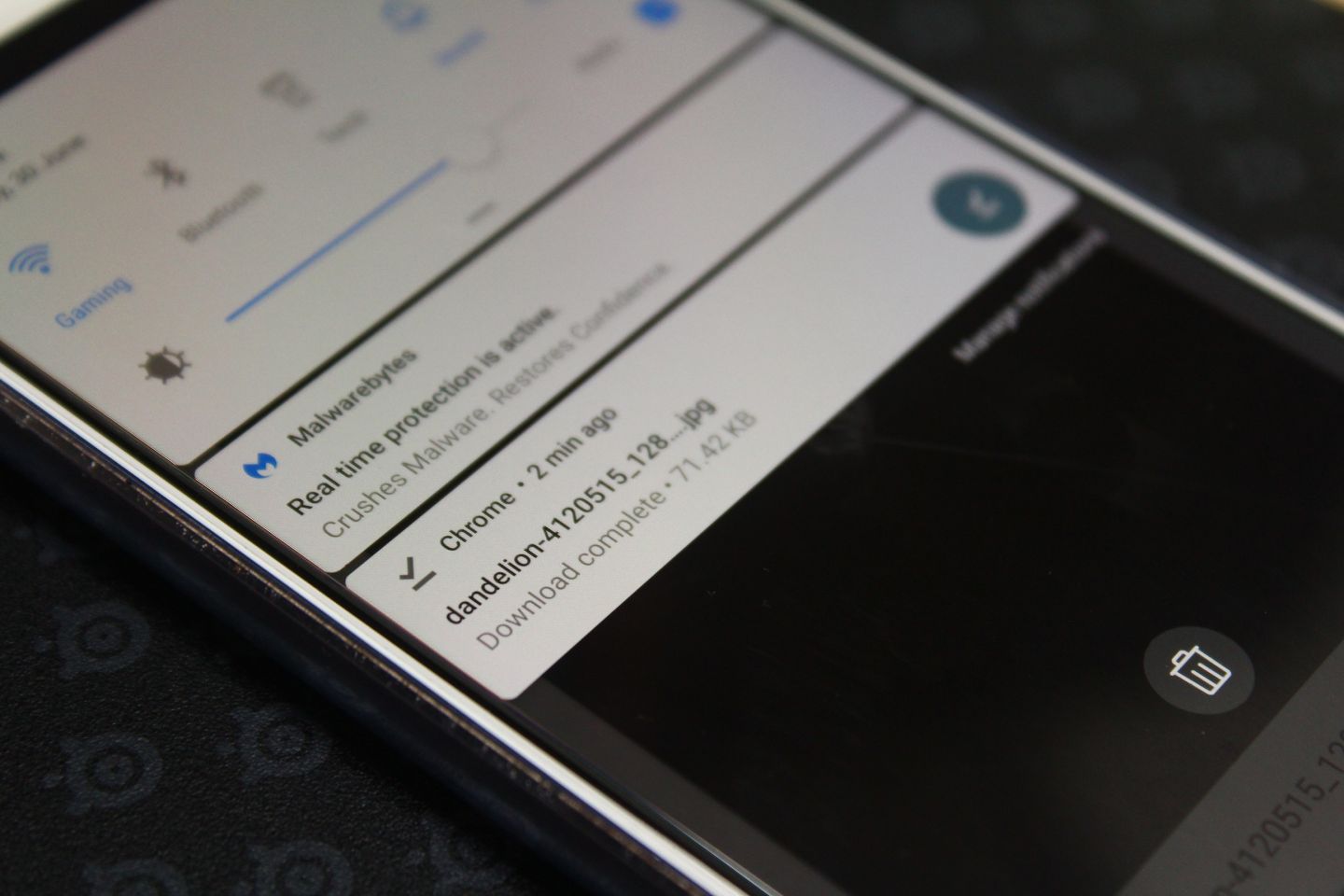
If you have ever used a web browser like Chrome or Safari, or if you’ve ever used a smartphone, then you know what a push notification is: it’s those tiny boxes that pop up on your screen that provide relevant information and/or provide a call-to-action. Whether you got an email or a message, or if your delivery has arrived, or if there’s an activity in an app you’re subscribed to, your phone screen will show you bits of information that you can then act on.
In affiliate marketing, a specific type of push notification is used: Push Ads Notification. Essentially, push traffic is the web or mobile traffic you get when you apply push ads notifications as a digital marketing strategy.
Push Ads will show you things that you might want or be interested in. How come it knows what you are interested in, you ask? Well, that’s because a push notification, unlike pop-ups, is strictly opt-in: meaning, you will only get them if and when you choose to receive them. You might have “agreed” to receive push ads from a website that you have been browsing, which in turn provides a little bit of information about you, the user, to the advertiser. Such information may include your location, device type, ISP, and more.
As a marketer, this gives you a lot of flexibility and even better chances at engaging your target audience, as push notifications are considered less intrusive than emails, SMS, or pop-ups.
Push ad notifications are available both on desktop and mobile, except on iOS (although there is a possibility that this might change soon). This means that anyone who has access to the Internet (except iPhone users) is a potential customer, and anyone who opts to receive push notifications can receive push ads (of course, if they opted-in).
If you are a publisher, you can take advantage of push ads by setting up a quick and easy subscription option for when users visit your website(s).
Since your audience has already decided to hear from you, your push ads notifications are most likely to be opened and viewed by your customers because they are already expecting it. As opposed to emails or SMS, a push ad tends to be a friendlier and more personalized way of connecting with your users. Apart from that, push traffic generated from push ads are known to have better conversion rates: you can make an impression even on people who are busy (or simply have short attention spans).
Push traffic providers are confident that there is zero bot activity with this type of traffic because it is strictly opt-in. Also, visiting a landing page requires human action, such as clicking on the ad to open the site or close the pop-up.
Push Ads Notifications also give your users the peace of mind, as these ads are safe from malware, adware, trademark violations, auto-downloads, or any other material that could be potentially harmful to your users and their devices.
If you use Push Ads Notifications well, then it has the potential to give you the results that you want and even replace all other marketing tools that you are currently using. As such, if you really want to step up your marketing game, Push Ads Notifications is one of the best ways to go.
Receive top converting landing pages in your inbox every week from us.
Must Read
AI-powered ad platforms can optimize campaigns efficiently while quietly steering budgets toward narrow, platform-defined outcomes. Learn how to use Anstrex as an outside-in audit layer to uncover machine bias, compare real market behavior, and build AI media plans with stronger guardrails, audit loops, and human overrides.
Liam O’Connor
7 minSep 16, 2026
Recently Updated
Agentic AI is changing how performance marketers manage bids, budgets, creative, and emerging ad surfaces such as ChatGPT and AI-native media. This guide shows how to use competitive intelligence, sandbox testing, and Anstrex-style research to study these systems without putting today’s media budget at unnecessary risk.
Marcus Chen
7 minSep 15, 2026
Most Read
Mass reach can generate impressive numbers without delivering meaningful revenue. This guide shows how competitor intelligence can uncover high-intent micro-audiences and help marketers build focused campaigns that prioritize conversion, relevance, and ROI over vanity metrics.
Samantha Reed
7 minSep 12, 2026