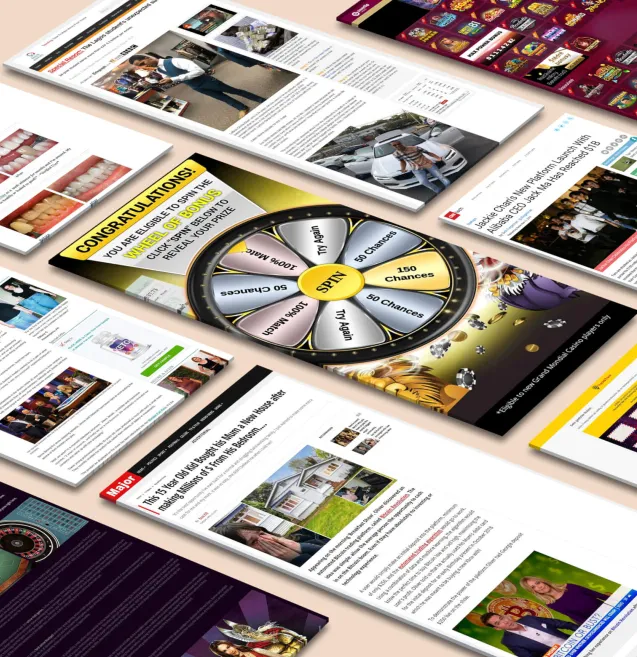
Наши инструменты отслеживают миллионы рекламных кампаний в форматах native, push, pop и TikTok.
НачатьDecember is a crucial month for digital marketers. It's the most profitable shopping season of the year, with high consumer spending and strong buying intent. This is when you need to stand out and grab attention.
A cross-channel strategy for December: combining native, push, and pop for stronger ROAS is no longer optional—it's necessary to survive in today's crowded advertising world. You have to reach your audience wherever they are, at the moment they're ready to make a purchase, and with a message that truly connects.
Your marketing plan for December needs to be precise. By blending the smooth content experience of native ads with the immediate impact of push notifications and the eye-catching nature of pop ads, you create multiple opportunities to guide customers towards buying. This cross-channel advertising approach reinforces your message without overwhelming your audience.
The goal? Maximizing your Return on Ad Spend during holiday campaigns when every dollar matters and competition for consumer attention is fierce. You can achieve ROAS improvement by bringing together these three powerful ad formats into a cohesive, data-driven strategy.
A cross-channel advertising strategy, as detailed in this article on cross-channel marketing, coordinates multiple ad formats and platforms to create a unified customer experience. You're not just running separate campaigns on different channels—you're orchestrating them to work together, amplifying your message and guiding users through their purchase journey.
The benefits speak directly to your bottom line:
December demands a tailored multi-channel marketing approach because consumer behavior shifts dramatically. Your audience isn't browsing casually—they're actively hunting for deals, comparing options rapidly, and making quick purchase decisions under time pressure. Generic, single-channel campaigns simply can't capture the urgency and complexity of holiday shopping patterns.
Multi-channel marketing for higher ROAS works because you're meeting customers where they are, when they're ready to act. Native ads build initial interest while users research products. Push notifications create urgency when deals go live. Pop ads capture attention at decision-making moments. Each format plays a specific role in moving users closer to conversion.
The holiday season compresses months of typical shopping behavior into weeks. Your December ad campaigns need the redundancy and reinforcement that only a coordinated cross-channel strategy can provide. When native, push, and pop ads work in concert, you create multiple opportunities to convert the same user without overwhelming them.
Native ads serve as the foundation of trust-building in your December campaigns. These advertisements blend naturally into the content your audience already consumes, whether they're reading holiday gift guides, browsing product reviews, or scrolling through lifestyle content. You'll see higher engagement rates because native ads don't interrupt the user experience—they enhance it. When someone clicks on a native ad about "10 Perfect Tech Gifts Under $100," they're actively seeking that information, making them far more receptive to your message than if you'd interrupted their browsing with a disruptive banner.
Push notifications deliver your time-sensitive December offers directly to users' devices with surgical precision. You can send a notification about your flash sale ending in two hours, a back-in-stock alert for that sold-out item, or a personalized reminder about abandoned carts. The average click-through rate for push notifications hovers around 7%, significantly higher than traditional display ads. The key lies in timing—sending a push notification at 8 PM when your user typically browses can generate 3x better results than random scheduling.
Pop ads integration captures attention at critical decision-making moments. A well-timed exit-intent popup offering a 15% discount code can recover potentially lost sales, while an entry popup highlighting your free shipping threshold educates visitors immediately. You're creating urgency and providing value simultaneously, turning casual browsers into committed buyers during the high-stakes December shopping period.
The real power of native push pop ad integration lies in creating a synchronized customer journey where each ad format amplifies the others. You need to design your campaigns so native ads introduce your brand story and build initial trust, push notifications deliver timely reminders when users show intent signals, and pop ads capture decisive moments with compelling offers.
Start with native advertising to warm up your audience through valuable content. Track users who engage with your native placements, then retarget them with push notifications containing personalized product recommendations. Reserve pop ads for high-intent moments—when users visit pricing pages or add items to cart—to deliver that final conversion push with exclusive December deals.
You should establish frequency caps that account for total exposure across all three channels, not just individual platforms. A user who sees your native ad twice, receives one push notification, and encounters a single pop-up experiences five touchpoints—this combined frequency matters more than channel-specific metrics.
Space your touchpoints strategically: allow 24-48 hours between native ad exposure and push notifications, then trigger pop ads only after specific behavioral signals. This rhythm respects user attention while keeping your brand present during critical December shopping windows, driving stronger ROAS through coordinated pressure rather than overwhelming bombardment.
December consumer behavior follows predictable patterns that you can exploit for better campaign results. Shoppers typically start browsing in early December, with purchase intent spiking during specific windows: the first weekend, mid-month payday periods, and the final rush before Christmas. Your seasonal targeting strategies need to account for these micro-moments rather than treating December as a single homogeneous period.
Data from previous years reveals that mobile shopping peaks between 8-10 PM on weekdays, while desktop conversions dominate weekend mornings. You should adjust your native ad placements and push notification schedules to match these device-specific behaviors. The average consumer sees 4,000-10,000 ads daily in December, making precision timing essential for cutting through the noise.
Your bidding strategies require dynamic adjustment as competition intensifies. Consider implementing dayparting with increased bids during proven conversion windows:
Budget allocation should shift toward high-performing channels as real-time data comes in. If your push notifications generate 3x ROAS compared to pop ads during evening hours, reallocate 30-40% of your pop budget to push campaigns. This fluid approach to December ad campaign optimization prevents wasted spend on underperforming channels during your most valuable selling days.
Cross platform media buying 2025 is being reshaped by automation technologies that fundamentally change how you approach campaign management. AI-driven targeting systems now analyze user behavior patterns across native, push, and pop channels simultaneously, identifying micro-moments when specific ad formats will generate the highest response rates. You're seeing platforms deploy machine learning algorithms that automatically shift budgets between channels based on real-time performance data, eliminating the manual guesswork that previously dominated December campaigns.
Programmatic buying trends have evolved beyond simple automated bidding. You can now leverage predictive analytics that forecast which audience segments will convert best through specific ad formats during different December shopping phases. The technology identifies users who respond better to native content versus those who convert from push notifications, then allocates impressions accordingly.
Media budget allocation requires a dynamic approach rather than fixed percentages. You should implement:
The key to successful cross platform media buying 2025 lies in maintaining creative consistency while allowing each channel's unique strengths to shine. You're not just buying ad space—you're orchestrating a synchronized experience where native ads warm prospects, push notifications drive urgency, and pop ads capture immediate conversions.
ROAS measurement stands as your primary indicator when evaluating December campaigns, but you need channel-specific metrics to understand where your budget delivers the strongest returns. Breaking down ROAS by individual channels—native, push, and pop—reveals which format drives the most profitable conversions during peak shopping periods.
Cross-channel analytics requires tracking these essential performance metrics:
You'll want analytics platforms that unify data from all three channels into a single dashboard. Tools like Google Analytics 4, Adobe Analytics, or specialized attribution platforms let you map the customer journey across native content consumption, push notification clicks, and pop ad interactions. This unified view shows how channels work together rather than in isolation.
Performance tracking metrics become especially valuable when you implement multi-touch attribution models. These models assign credit to each touchpoint in the conversion path, revealing whether your native ads prime audiences that later respond to push notifications or pop offers.
December brings unique holiday advertising challenges that can derail even well-planned campaigns. Audience saturation becomes inevitable when consumers face a barrage of promotional messages from countless brands competing for attention. You'll notice message overlap across your channels, where the same user receives similar offers through native ads, push notifications, and pop-ups within hours of each other.
Ad fatigue prevention requires strategic frequency capping across all channels. Set daily impression limits per user—typically 3-5 exposures across all formats combined. Rotate your creative assets every 48-72 hours to maintain freshness. You can implement sequential messaging where each channel delivers a different piece of your campaign narrative rather than repeating identical offers.
Budget constraints intensify during peak shopping days like Black Friday and Cyber Monday. You need to prioritize high-performing channels based on real-time data rather than spreading resources evenly. Consider implementing dayparting strategies that concentrate spend during proven conversion windows—typically 7-9 PM for consumer audiences.
Compliance issues multiply during December as advertising platforms enforce stricter policies around promotional claims and urgency messaging. You must verify that countdown timers reflect actual offer deadlines and that "limited stock" claims are substantiated. Privacy regulations like GDPR and CCPA require explicit consent for push notifications, making opt-in rate optimization critical to your campaign reach.
Platform-specific restrictions on holiday-themed content vary significantly. Review each network's advertising policies at least two weeks before launch to avoid disapprovals that could sideline your campaigns during critical selling periods.
December marketing requires careful planning, teamwork, and strategic thinking across all channels you use. The Cross-Channel Strategy for December: Combining Native, Push, and Pop for Stronger ROAS isn't just about running multiple ad formats—it's about creating a unified experience that guides customers through their holiday shopping journey.
You've seen how native ads build trust through seamless content integration, push notifications deliver timely urgency, and pop ads capture attention at critical moments. When these channels work together with consistent messaging and smart timing, you create integrated marketing success December campaigns that stand out in the crowded holiday marketplace.
Maximizing holiday ROAS requires you to stay flexible with 2025's changing media buying trends. AI-driven targeting, automation tools, and real-time analytics give you the power to adjust campaigns on the go. The brands that succeed this December will be those that embrace cross-platform coordination while maintaining genuine connections with their audiences.
Your success lies in treating each channel as part of a larger ecosystem—one where every touchpoint reinforces your message and drives customers closer to conversion.
Получайте лучшие конверсионные лендинги каждую неделю на свою почту.
Коротко
После Черной пятницы покупатели хотят большего, чем просто скидки, — им нужны общение и смысл. Узнайте, как креативное сторителлинг может превратить постпродажные кампании в мощные драйверы конверсии. Научитесь создавать нарративы, которые укрепляют доверие, усиливают лояльность к бренду и вдохновляют на действия, выходящие за рамки скидок. Идеально подходит для маркетологов, стремящихся поддерживать высокую вовлеченность еще долго после окончания ажиотажа вокруг распродаж.
Marcus Chen
7 миннояб. 29, 2025
Подробный разбор
После праздничной суеты анализ эффективности рекламы имеет ключевое значение для улучшения будущих результатов. Узнайте, как ИИ может раскрыть скрытые инсайты, выявить возможности для оптимизации и улучшить таргетинг для повышения ROI. Узнайте, как автоматизация на основе данных помогает поддерживать импульс даже после пикового сезона. Идеально подходит для маркетологов, ищущих более эффективные способы улучшения эффективности кампаний после праздников.
Samantha Reed
7 миннояб. 28, 2025
Популярное
Годовые кампании не должны страдать от усталости от рекламы. Изучите инновационные способы обновления своих маркетинговых усилий за счет свежих креативов, обновленных сообщений и более точной таргетизации. Узнайте, как найти баланс между инновациями и последовательностью, чтобы удерживать вовлеченность аудитории и стабильные конверсии. Идеально подходит для рекламодателей, стремящихся завершить год с новой энергией и ощутимыми результатами.
Dan Smith
7 миннояб. 27, 2025