10 минавгуста 13, 2026

Наши инструменты отслеживают миллионы рекламных кампаний в форматах native, push, pop и TikTok.
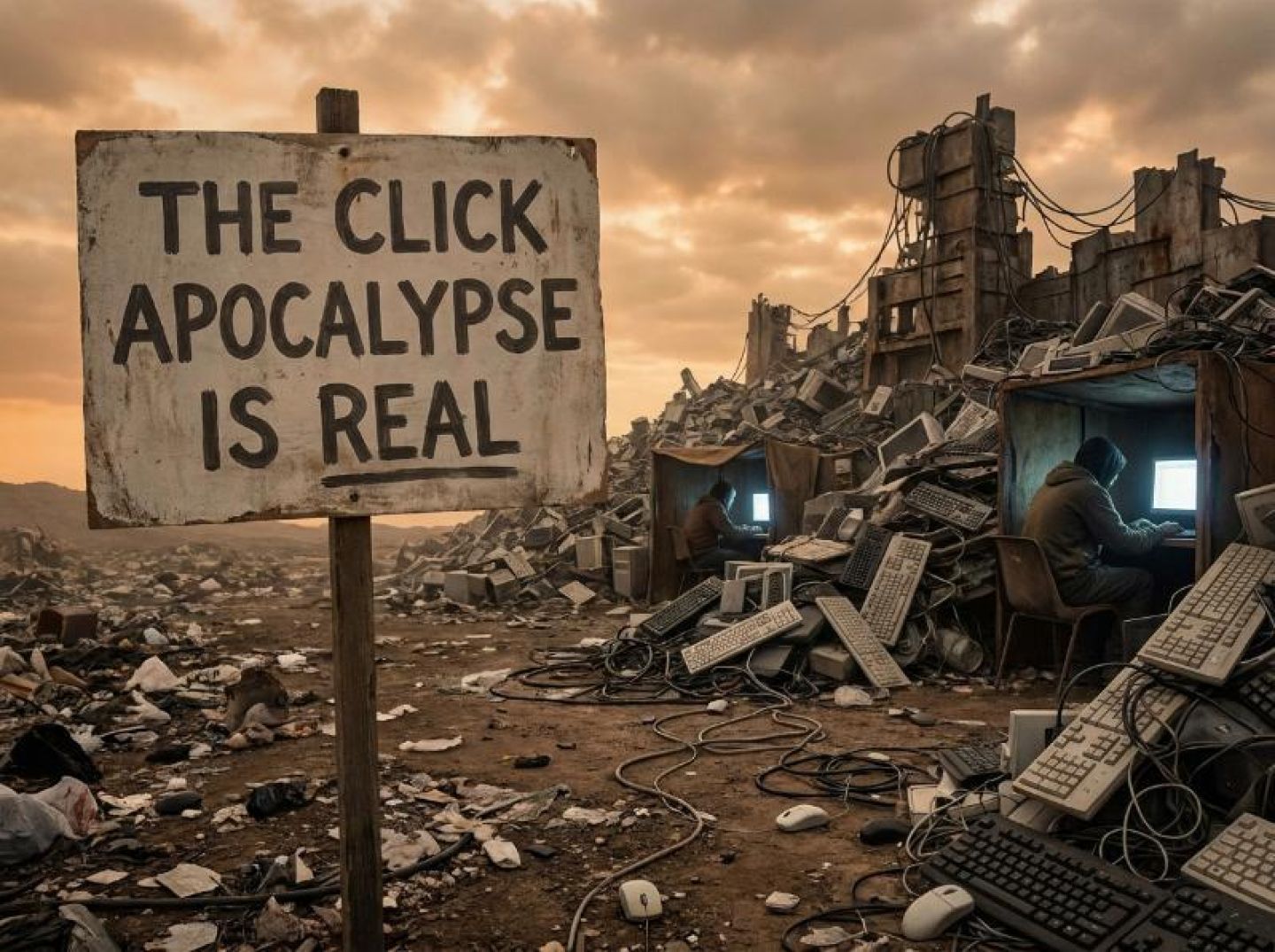
НачатьКаждый квартал мир SEO публикует очередную серию мрачных отчетов о трафике, и каждый квартал разговоры ведутся по одному и тому же сценарию: органические клики стремительно падают, Google отбирает у нас трафик, и надвигается конец света. Паника не беспочвенна — просто она направлена не на ту цель.
Цифры действительно ошеломляют. В поисковых запросах, где появляются обзоры ИИ, среднее количество органических кликов по внешним ссылкам снизилось на 38%, в то время как количество поисков без кликов выросло с 54% до 72%, согласно промежуточному исследованию исследователей из Индийской школы бизнеса и Университета Карнеги-Меллона. Более того, эти созданные ИИ сводки больше не являются редким экспериментом: по состоянию на февраль 2026 года BrightEdge выявила их активацию почти в половине всех отслеживаемых запросов — точнее, в 48%, причем в некоторых отраслях этот показатель достигает 84%. Между тем отдельный анализ компании Advanced Web Ranking показал, что CTR по информационным запросам сокращается повсеместно, причем первые четыре органические позиции в совокупности потеряли семь процентных пунктов показателя CTR на настольных компьютерах всего за один квартал. Учитывая также тот факт, что теперь 60% поисковых запросов заканчиваются без единого клика, как подтвердило исследование Mediassociates, мы видим контуры реального структурного сдвига, а не временные колебания алгоритма.
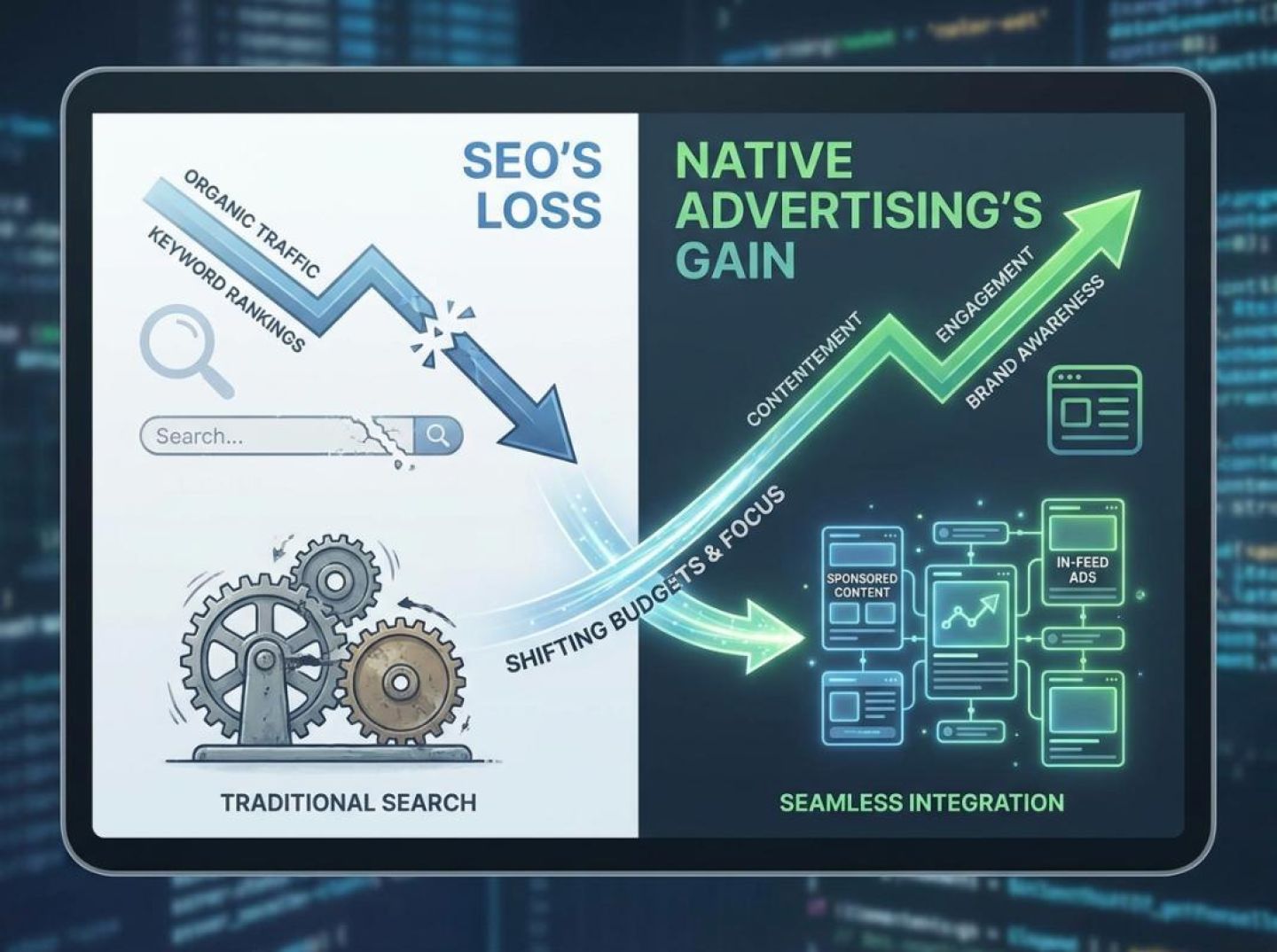
Но именно на этом этапе дискуссия в индустрии сворачивает не туда. Сообщество SEO-специалистов считает этот сбой своим личным кризисом, поглощая всё внимание спорами о метриках видимости, заменителях брендового поиска и стратегиях упоминаний. Почти никто не обсуждает параллельные подземные толчки, происходящие прямо под поверхностью нативной рекламы — и именно они могут оказаться более значимыми.
Задумайтесь, что на самом деле происходит, когда пользователь видит обзор от ИИ. Сформированный с помощью Gemini краткий обзор Google читает, анализирует и представляет основную информацию из нескольких источников до того, как пользователь нажмёт на синюю ссылку. Информационное любопытство пользователя — "что такое", "как работает", "почему мне нужно" — получает ответ прямо на странице результатов. Если такой пользователь всё же переходит на статью издателя, он уже не приходит с широким, исследовательским настроем, который нативная реклама в течение десяти лет училась перехватывать. Его намерения уже обработаны ИИ. То, что проходит сквозь фильтр ИИ, становится уже, более целенаправленным и принципиально отличным: сравнение с целью покупки, проверка бренда или глубокое изучение аспектов, не вошедших в краткий обзор.
Перед рекламодателями в формате нативной рекламы встаёт именно этот вызов. Вся концепция размещения нативной рекламы основывается на подборе рекламных материалов в стиле контента для пользователей, находящихся в поисковом настроении — тех, кто просматривает контент, получает знания, удовлетворяет любопытство. Такая аудитория по-прежнему существует, но ей всё чаще удаётся получить нужную информацию, не заходя на сайт издателя, где размещены ваш виджет Taboola или блок спонсируемого материала. Трафик, который всё же приходит, имеет такую «целевую направленность», какую, по словам анализа HubSpot, можно охарактеризовать как «высокий намеренный интерес» — пользователи уже по сути предварительно отобраны благодаря уточняющим вопросам искусственного интеллекта и таргетингу подзапросов. Это звучит как хорошая новость, пока вы не поймёте, что ваш творческий нативный контент, целевая страница и стратегия ставок изначально были рассчитаны на любопытствующего пользователя, а не на осведомлённого оценщика.
Суть проблемы заключается не в том, что миллиарды переходов исчезают. Сам Google сообщает о рекордно высоком уровне поисковых запросов, а значит, общий объём аудитории на самом деле растёт, даже если отдельные его части сокращаются. Подлинная проблема в том, что те переходы, которые прошли через систему AI Overview, отличаются совершенно иным профилем потребительского намерения — и нативные рекламодатели, оптимизирующие кампании под старый профиль, фактически делают ставки на призрака.
Традиционный подход к нативной рекламе был разработан для определённого момента в пути пользователя: переход по ссылке как стартовая точка. Пользователь вводил запрос, просматривал список синих ссылок, попадал на страницу издателя и только затем начинал процесс знакомства с продуктом, сравнения и принятия решения. Заголовки, пробуждающие любопытство, образовательные статьи-рекламы и контент на стадии повышения осведомлённости процветали в этой среде, потому что страница издателя и была слоем для открытия нового. Сейчас этот слой сам по себе исчезает внутри самой страницы поисковой выдачи, и последствия для рекламодателей, использующих нативную рекламу, колоссальны.
Как объясняется в анализе Moz новой ситуации с видимостью в ИИ, пользователь теперь может задать подробный вопрос с несколькими условиями, получить обобщённый ответ, сравнить варианты и сформировать предпочтение — всё это до того, как нажать на какой-либо результат. Влияние оказывается заранее, внутри ответов, сгенерированных ИИ, где бренды упоминаются, цитируются, рекомендуются или полностью игнорируются. С технической точки зрения это означает, что обзоры ИИ поглощают функции, ранее выполнявшиеся контентом верхнего и среднего уровней воронки. Образовательные материалы о продуктах, сравнение функций, подборки «лучшее из», объяснения вроде «что такое X» — именно эти форматы контента ИИ агрессивнее всего обобщает, потому что их проще всего сжать до прямого ответа.
Пользователь, который переходит по ссылке сейчас, — это не тот же пользователь, что переходил по ссылке восемнадцать месяцев назад. Он уже проинформирован. Он уже видел сравнение. У него, возможно, уже сформировался определённый выбор. Он приходит на страницу издателя не для того, чтобы узнавать что-то новое, а чтобы проверить, подтвердить или совершить действие. Это кардинально меняет то, что должно говориться в креативах нативной рекламы, и в какой точке продолжить диалог на целевой странице.
Если ваша нативная реклама до сих пор начинается со слов: «Знаете ли вы, что 73 % домовладельцев упускают одну важную деталь?» — вы обращаетесь к пользователю, которого больше не существует по ту сторону клика. Пробел в любопытстве, который раньше обеспечивал эффективность рекламных материалов на этапе осведомлённости, уже заполнен самой системой AI Overview. Пользователь, пришедший на вашу страницу, уже прошёл этап открытия, и ваши креативы должны встретить его на этом этапе — контентом со сравнениями, заявлениями, подкреплёнными доказательствами, отзывами, прозрачностью цен и предложениями с прямым призывом к действию, уважающими работу, уже проделанную на SERP.
Существует одно важнейшее исключение, которое предоставляет рекламодателям нативной рекламы стратегическую опорную точку. Как отмечал Нил Патель, транзакционный контент, связанный с конкретными намерениями совершить покупку, продолжает привлекать клики, поскольку ИИ-сводки не могут завершить покупку. ИИ может подсказать пользователю, какая модель беговой обуви лучше всего подходит для плоскостопия, но он не может оформить заказ. Именно здесь нативная реклама сохраняет — и, возможно, даже усиливает — свою силу: в тот самый момент, когда пользователь, уже владеющий информацией, нуждается в последнем толчке к конверсии. Патель также рекомендует практический шаг диагностики: в Google Search Console фильтруйте по «Обзорам ИИ» в разделе «Внешний вид поиска», чтобы сравнить показы и клики, поскольку стабильные показы при снижении числа кликов — это самый явный признак того, что ваш контент потребляется внутри SERP, а не на вашей странице.
Для рекламодателей в формате нативной рекламы стратегический вывод очевиден. Прекратите создавать кампании, исходя из предположения, что вы — первая точка контакта с пользователем. Разрабатывайте креативы для тех пользователей, которые уже знают, чего хотят и ищут причины, по которым им следует выбрать именно вас — или по которым не следует выбирать вашего конкурента. Замените образовательные приёмы социальным доказательством. Замените рекламные статьи объяснительного характера на посадочные страницы сравнений. Выдвигайте на первое место предложения, а не интригу. Воронка продаж не исчезла; просто теперь верхние две трети этой воронки принадлежат ИИ от Google. Ваша задача — уверенно владеть последней третью.
Если поиск ИИ меняет сторону спроса в уравнении нативной рекламы — сжимая воронку намерений до того, как пользователи доберутся до страницы издателя — тогда рекламный ИИ платформ одновременно искажает сторону предложения. Результатом становится клещеобразное движение, которое наказывает любого рекламодателя, действующего в автопилоте, и урон усиливается теми способами, которые большинство медийных покупателей никогда не видят на своих панелях.
Начните с проблемы, скрывающейся внутри ваших собственных кампаний. Автоматизированные рекламные продукты Google, в частности Performance Max и более новый AI Max для поиска, предназначены для максимизации измеримых конверсий при минимальной видимой стоимости. Это звучит именно так, как вам нужно, пока вы не поймете, что алгоритм считает успехом. Как сообщал AdExchanger, когда рекламодатели передают ИИ Google контроль, «первой вещью, которую ИИ сделает, станет резкое повышение ставок на название бренда и другие сильные признаки органической покупки». Другими словами, самый простой путь алгоритма к конверсии — это не привлечение новых клиентов, а перехват тех, кто уже собирался у вас покупать, и присвоение себе заслуг за продажу. Ваш отчет о показателях выглядит великолепно. А ваш дополнительный доход равен нулю.
Этот каннибализм брендовых терминов уже достаточно плох для рекламодателей с прямым откликом, но для рекламодателей в формате нативной рекламы он катастрофичен. Нативные кампании зависят от охвата аудитории в режиме настоящего открытия для себя чего-то нового — люди просматривают контент, изучают темы, открыты для влияния. Когда ИИ платформы остаётся без ограничений, он смещается в сторону самых дешёвых доступных сигналов, что всё чаще означает покупку рекламных мест на низкокачественных MFA-сайтах, где фальшивый контент существует исключительно для генерации показов. Эти клики учитываются как результативность. Но это не настоящая результативность.
Meta играет в ту же игру, но с другого ракурса. Введённая в марте система «атрибуции через взаимодействие» (engage-through attribution) расширила определение конверсии, на которую повлияло объявление, тихо завышая отчётные результаты такими способами, что расходы на социальные сети кажутся более эффективными, даже без каких-либо изменений в реальном поведении потребителей. В сочетании с незаметными изменениями в «безопасных зонах» для объявлений, что увеличивает количество случайных нажатий, платформы формируют измеряемую среду, в которой каждый вложенный доллар выглядит продуктивным — даже тогда, когда это не так.
Теперь наложите сверху разрушительный эффект ИИ-поиска. Информационные запросы, которые ранее приносили вашу лучшую целевую аудиторию — заинтересованных, находящихся на стадии исследования читателей, попадающих на страницы издателей с намерением изучать контент — всё чаще получают ответы в обзорах ИИ ещё до совершения перехода. Оставшийся трафик смещается в сторону транзакционных, узнаваемых брендов или навигационных запросов. Таким образом, пока ИИ платформ активно оптимизируется под призрачные метрики и низкокачественный контент, пул высококачественной аудитории, на которую он должен нацеливаться, одновременно сокращается. Вы агрессивнее конкурируете за худший трафик и оцениваете результаты с помощью инструментов, созданных, чтобы убедить вас, что всё в порядке.
Дилемма отказа делает независимую проверку ещё более важной. Как отмечал Ahrefs, Google теперь предлагает издателям переключатель для отказа от функций ИИ-поиска, но использование этой опции означает потерю потенциального трафика — при этом Google по-прежнему утаивает данные, необходимые для осознанного решения о подобном компромиссе. Эта информационная асимметрия распространяется и на рекламную сторону. Google контролирует то, что вы видите в отчётах о кампаниях, и информация, которую он выбирает для отображения, всегда выгодна его собственным продуктам.
Именно поэтому рекламодатели, которым удастся преуспеть в таких условиях, рассматривают ИИ платформы как инструмент, которым нужно управлять и ограничивать, а не доверять. Они агрессивно используют списки минус-слов, чтобы предотвратить каннибализацию брендовых запросов. Они проверяют отчёты о размещении, чтобы исключить низкокачественную рекламную инвентаризацию MFA. И, что особенно важно, они применяют независимые инструменты конкурентной разведки, такие как Anstrex Native, чтобы проверить, что действительно приносит конверсии в рамках всей медийной сети, сопоставляя реальную эффективность креативов, стратегии посадочных страниц и тенденции на уровне сетей с тем, что отображают платформенные панели управления. Когда судья одновременно является и командой соперника, вам необходим собственный счётчик очков.
Каждый тектонический сдвиг в цифровых медиа вызывает одну и ту же асимметрию: страдания тех, кто строил на старом фундаменте, и огромные возможности для тех, кто достаточно быстр, чтобы строить на новом. Переворот, связанный с ИИ-поиском, не является исключением — за тем лишь отличием, что на сей раз возможность для нативной рекламы буквально лежит на поверхности, скрытая в сигналах бедствия, которые транслируют издатели.
Начнем с предложения. Когда органический трафик резко падает у изданий среднего и небольшого уровня — снижение, которое Нил Патель документально подтвердил на уровне примерно 60% для сайтов без сильного доменного авторитета — эти издания не исчезают просто так. У них по-прежнему есть рекламные объёмы. Им всё ещё нужны доходы. Но при меньшем количестве просмотров страниц, подлежащих монетизации, они сталкиваются с классической проблемой избыточного предложения: одинаковое количество рекламных мест стремится привлечь меньше пользователей, что ведёт к снижению CPM. Для рекламодателей в нативной сети это создаёт рынок покупателя. Рекламные объёмы на сайтах с контентом, которые ранее требовали премиальных ставок, теперь внезапно доступны со скидкой, а издатели охотнее идут на переговоры по качеству размещения, ограничениям по частоте показов и интеграции креативов, чем это было двенадцать месяцев назад.
Но более дешёвые объявления имеют ценность только в том случае, если оставшийся трафик стоит того, чтобы до него дотянуться, — и здесь вступает в действие второй фактор. Состав оставшихся кликов резко меняется. Как сообщало издание Search Engine Journal, наличие AI Overviews приводит к падению органических кликов на 38% по запросам, где они появляются, в то время как количество безкликовых поисковых запросов возрастает с 54% до 72%. Запросы, которые всё ещё генерируют клики, как правило, являются высоконамеренными, транзакционными или настолько сложными, что пользователю будет недостаточно одного абзаца с резюме. Это означает, что трафик, попадающий на страницы издателей, всё чаще состоит из людей, которые находятся глубже в воронке принятия решений, — именно такая аудитория наиболее привлекательна для рекламодателей, использующих нативную рекламу. Категории, соответствующие намерениям, возникающим после появления сводок ИИ, такие как сравнение финансовых услуг, оценка программного обеспечения и принятие решений о покупке товаров в сфере здравоохранения, демонстрируют рост эффективности как раз потому, что случайные пользователи уже были отсеяны с помощью сводки ИИ.
Третий фактор — конкурентный отход. Большинство медийных покупателей по-прежнему оценивают кампании с позиции, которую, по мнению маркетинговой команды HubSpot, устарела: количество сеансов и конверсий последнего клика. Когда эти показатели падают — а они неизбежно падают, когда обзоры ИИ оттягивают трафик из верхней части воронки, — владельцы бюджета впадают в панику и сокращают расходы. Конкуренция на аукционах ослабевает. Оставшиеся рекламодатели пользуются более низкой стоимостью за клик, лучшими позициями размещения и меньшим выгоранием креативов, поскольку через одни и те же слоты показывается меньше рекламы.
Вот где конкурентная разведка превращается в стратегическое оружие, а не в отчетную роскошь. Такие инструменты, как Anstrex Native, позволяют рекламодателям отслеживать эти изменения на уровне категорий в режиме реального времени — наблюдая, какие вертикали увеличивают расходы на размещение с высоким авторитетом, даже когда общий объем рынка сокращается, какие креативы завоевывают популярность среди аудитории с высоким уровнем интереса, посещающей страницы публикаторов, и, что особенно важно, какие конкуренты отступили от определенных источников инвентаря. Каждое отступление означает пробел: проверенный источник трафика с историческими данными о конверсиях, который теперь доступен по более низкой цене и с меньшей конкуренцией.
Стратегическая необходимость очевидна. Не ждите, пока рынок переоценит эти возможности. Публикаторы, теряющие трафик, — это ваши партнеры по поставке, а их трудности — ваш козырь. Конкуренты, неверно трактующие свои панели данных, — ваши невольные благотворители. А оставшийся трафик — меньший по объему, но более глубокий по интересу — это самая качественная аудитория, до которой нативная реклама когда-либо имела шанс добраться в масштабах.
Динамика, рассмотренная до настоящего момента — сокращение коэффициентов переходов, искажённые показатели эффективности и изменяющийся ландшафт предложения публикаций — требует большего, чем простое наблюдение. Она требует конкретных действий. Вот четыре шага, которые нативные рекламодатели должны предпринять немедленно.
Ход 1: Анализируйте трафик ИИ-агентов — вы не можете оптимизировать то, что не видите.
Прежде чем корректировать отдельные рекламные кампании, вы должны выяснить, какие ИИ-системы уже взаимодействуют с вашим контентом и с контентом ваших рекламодателей. Бот-аналитика Ahrefs теперь показывает, какие именно агенты и краулеры ИИ посещают ваши страницы и как часто, а также помогает проверить, подтверждается ли широко цитируемое утверждение Cloudflare о том, что боты ИИ составляют 50% интернет-трафика, применительно к вашим конкретным ресурсам. Это не просто формальный аудит. Это необходимое условие для всех прочих шагов из этого списка. Если вы обнаружите, что краулер OpenAI индексирует ваш самый успешный рекламный контент, а ИИ-системы Google его игнорируют, это укажет, на чём следует сосредоточить усилия по оптимизации. Если ИИ-агент сканирует ваши страницы, но никогда не упоминает их в ответах, у вас проблема с извлечением данных, а не с контентом. Настройте еженедельный мониторинг уже сейчас, чтобы создать базовый уровень перед тем, как наступит следующая волна алгоритмических изменений.
Ход 2: Оптимизация для поиска, цитирования и рекомендаций — не только для позиций в выдаче.
Традиционное SEO вывело вас на первую страницу. Видимость в ИИ требует, чтобы ваш бренд упоминался, точно представлялся и активно рекомендовался в сформированных ответах. Как объясняет блог Moz, большие языковые модели (LLM) полагаются не только на обучающие данные — они используют поиск, привязку и веб-поиск для формирования актуальных ответов, что означает, что базовые практики SEO, такие как индексируемость, структурированные данные и тематическая авторитетность, по-прежнему питают механизмы ИИ. Однако рекламодателям необходимо идти дальше. Структурируйте спонсируемый контент с четкими утверждениями, именованными сущностями и ясными атрибуциями, которые системы ИИ могут легко извлекать. Если ваш брендированный контент отвечает на сложный вопрос — например, "лучшая CRM-система с ограниченным бюджетом для небольших юридических фирм" — оформите его так, чтобы ИИ мог извлечь именно этот конкретный ответ, а не перефразировать более расплывчатую страницу конкурента.
Шаг 3: Создайте защитные механизмы против чрезмерного вмешательства ИИ платформ.
Тот же ИИ, который видоизменяет результаты поиска, также вносит изменения в расходы на вашу рекламу за кулисами. Продукты Google на базе ИИ, такие как AI Max и PMax, если их не контролировать, будут агрессивно делать ставки на название вашего бренда и гнаться за дешёвыми кликами на низкокачественной рекламной инвентаре. Как сообщает AdExchanger, крупнейшими покупателями низкокачественного, созданного исключительно для рекламы инвентаря являются рекламные продукты платформ с ИИ, ориентированные на людей в сомнительных местах по всему интернету. Рекламодателям необходимо еженедельно проводить аудит управления ключевыми словами, дисциплинированно использовать списки минус-слов и исключать размещения на MFA-сайтах при каждой программатической покупке. Относитесь к ИИ платформ как к сильному, но недоверенному сотруднику: полезному под контролем и разрушительному без него.
Шаг 4: Переходите на KPI без кликов раньше своих конкурентов.
Если в вашей отчетности успех по-прежнему измеряется количеством сессий и конверсиями по последнему клику, вы оцениваете лишь уменьшающуюся долю реального влияния. Отслеживайте рост объема поисковых запросов с брендом после показов платного контента. Анализируйте частоту упоминаний в обзорах ИИ по вашим целевым запросам. Измеряйте долю присутствия в ответах, формируемых ИИ, а не только в традиционной выдаче. Те рекламодатели, которые уже сейчас создадут такие системы измерения, сумеют продемонстрировать окупаемость инвестиций, когда руководство обязательно спросит, почему трафик остаётся стабильным при росте выручки, — тенденция, которая уже проявляется в различных отраслях по мере того, как поисковые запросы без кликов продолжают превышать 60% всех запросов.
Эти четыре шага нельзя выполнять последовательно — они должны происходить одновременно. Сдвиг в поиске на базе ИИ поощряет скорость, а окно возможностей для получения преимущества первопроходца в новых условиях функционирования нативной рекламы закрывается быстрее, чем осознают большинство команд.
Большинство кампаний нативной рекламы строились на простом предположении: таргетировать пользователей во время их исследований, поймать их на этапе любопытства и направить к конверсии. Такой подход имел смысл, когда информационные запросы стабильно приводили к переходам на страницы издателей, где размещались ваши нативные объявления. Но обзоры ИИ полностью разрушили эту логику. Когда пользователь задаёт вопрос: «какой матрас лучше всего подходит при болях в спине» или «как работает финансирование солнечных панелей», Google теперь сам формирует ответ прямо на странице результатов — и, как показало исследование Mediassociates, 60% поисковых запросов уже заканчиваются без переходов. Если ваши нативные кампании по-прежнему в значительной степени ориентированы на информационные запросы — подборки, пояснительные статьи, руководства — вы платите за размещение на страницах, на которые приходится всё меньшая доля трафика из поиска.
Исправление начинается с правильного аудита. Google Search Console теперь позволяет фильтровать данные об эффективности по наличию ответов в разделе «Обзор ИИ», чтобы вы могли точно видеть, по каким запросам появляются сгенерированные ИИ ответы и как это влияет на коэффициент кликабельности страниц, на которых запущены ваши кампании. Сопоставьте эти данные с вашими активными нативными размещениями. Если вы запускаете кампании в публикациях, контент которых попадает в результаты запросов, по которым доминируют обзоры ИИ, вы, скорее всего, платите за показы, которые в чистых цифрах выглядят стабильными, но ухудшаются по качеству, поскольку пользователи, которые всё же переходят по ссылкам, всё чаще относятся к тем, кому ответ ИИ оказался недостаточным, — к самовыбранной группе с иными моделями поведения по сравнению с широкой аудиторией поисковых намерений, на которую вы изначально ориентировались.
Затем добавьте конкурентную разведку. Используйте конкурентные данные Anstrex Native, чтобы проанализировать действия ваших соперников — в частности, начали ли они уже перераспределять бюджет в пользу транзакционных размещений и размещений, ориентированных на коммерческие намерения. Транзакционные запросы («купить», «подписаться», «получить предложение», «запланировать») гораздо меньше подвержены каннибализации со стороны обзоров ИИ, поскольку требуют действий, которые невозможно выполнить непосредственно в результатах поиска. Эти запросы по-прежнему генерируют переходы, а страницы, на которые они ведут, продолжают привлекать значимый трафик. Исследование WordStream по стабильности обзоров ИИ показало, что источники в ответах, созданных ИИ, непредсказуемо меняются из недели в неделю, что означает, что даже издатели, которые упоминаются, не могут рассчитывать на стабильный трафик из ссылок. Эта нестабильность делает размещения, ориентированные на информационные запросы, вдвойне рискованными: общий трафик сокращается, а та часть, которая приходит, является нестабильной.
С практической точки зрения это означает следующее. Получите список своих кампаний. Пометьте каждую кампанию в соответствии с основной целью — информационной, навигационной, коммерческой или транзакционной. Затем сравните тенденции эффективности за последние шесть месяцев, обращая особое внимание на кампании, где показы оставались стабильными, но такие метрики качества кликов, как время на сайте, показатель отказов и конверсии на последующих этапах, ухудшились. Такая картина является признаком влияния обзоров ИИ: страница издателя по-прежнему существует, формально по-прежнему получает трафик, но состав этого трафика незаметно изменился.
Перераспределите бюджет с кампаний, ориентированных на информационные запросы, на размещения с транзакционными и коммерческими целями, где пользователь уже прошёл этап исследований и готов к действию. Именно здесь наблюдается более тесная взаимосвязь с сигналами доверия, на которые всё чаще полагаются системы искусственного интеллекта при выборе брендов для отображения, поскольку страницы, созданные под транзакционные запросы, как правило, представляют бренды с четкой достоверностью, детальной информацией о продукте и инфраструктурой для конверсий, которую модели ИИ воспринимают как авторитетную. Короче говоря, категории запросов, где клики по-прежнему поступают свободно, — это те, в которых капитал вашего бренда возрастает, а не снижается.
Получайте лучшие конверсионные лендинги каждую неделю на свою почту.
Самое читаемое
Узнайте, почему креативы, удостоенные наград и получившие высокие оценки, не всегда приводят к прибыльным рекламным результатам. В этом руководстве показано, как превратить вдохновение в структурированное тестирование, расшифровать успешную рекламу в форматах Native, Push, Pop и TikTok, а также создать повторяемый цикл «креатив — эффективность».
David Kim
7 минсент. 25, 2026
Недавно обновлено
В рекламных подборках обычно фигурируют креативы, о которых все говорят, однако зачастую упускаются тихие нативные объявления, стабильно показывающие результат. В этом руководстве рассказывается, как сочетать вирусные креативы «герои» с незаметными фаворитами в Anstrex AI для создания, тестирования и постоянного совершенствования систем нативной рекламы на основе реальных показателей эффективности.
Liam O’Connor
7 минсент. 24, 2026
Гайд
Отслеживайте, как новое креативное руководство может изменить оригинальные рекламные кампании конкурентов, связывая назначения руководителей с изменениями в библиотеках объявлений, креативными шаблонами и стратегиями воронки. В этом руководстве показано, как использовать Anstrex для наблюдения за этими изменениями, выявления новых креативных систем и повторного проектирования воронок конкурентов без зависимости от внутренних данных об эффективности.
Marcus Chen
7 минсент. 24, 2026