9 миниюня 9, 2026

Наши инструменты отслеживают миллионы рекламных кампаний в форматах native, push, pop и TikTok.
НачатьПривычная схема поиска — ввести запрос, просмотреть десять синих ссылок, перейти по наиболее перспективной — рушится. Не постепенно, а с такой скоростью, которая застала врасплох значительную часть издательского и рекламного бизнеса. Как задокументировано Нилом Пателем, небольшие издатели столкнулись со снижением трафика на 60 процентов, поскольку платформы ИИ поглощают запросы, которые раньше гарантированно приводили посетителей на их страницы. К середине 2025 года платформы ИИ генерировали более миллиарда реферальных переходов — рост на 357 процентов по сравнению с предыдущим годом. Однако эти реферальные переходы всё ещё составляли менее одного процента от общего объёма веб-трафика, поскольку объём запросов, которые полностью решаются внутри интерфейсов ИИ, настолько огромен, что большинство из них вовсе не приводит к переходам за пределы платформы.
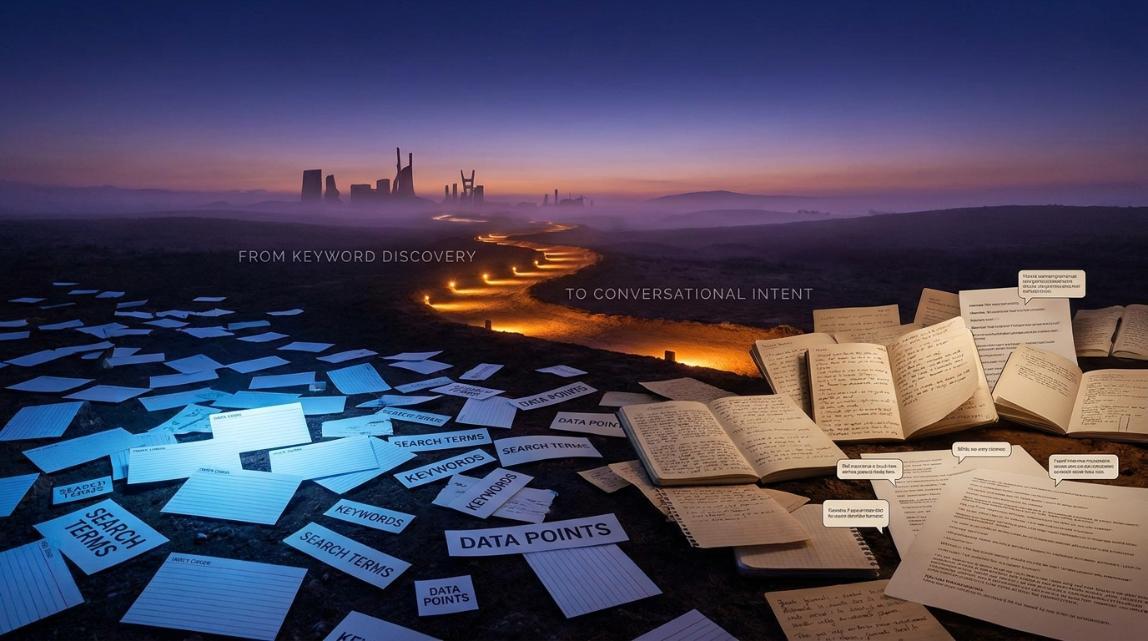
Вот та часть истории, которую большинство комментаторов понимают неправильно. Они трактуют происходящее как потерю — медленное уменьшение трафика, сокращение пирога, кризис для всех, кто построил свой бизнес на органическом поиске. Но такая трактовка путает сигнал со средством доставки. Намерения пользователей не исчезли. Люди по-прежнему хотят решать свои проблемы, сравнивать товары и принимать решения о покупке. Изменилось лишь то, что намерение, которое раньше выражалось щелчком по синей ссылке, теперь удовлетворяется в ходе диалога. Пользователь задаёт вопрос, ИИ обобщает информацию, и информационный этап пути завершается без единого просмотра страницы, зафиксированного в аналитике кого-либо.
То, что остается в памяти и привлекает внимание, является чем-то намного более ценным. Когда HubSpot проанализировала свои собственные данные, в отделе маркетинга обнаружили, что конверсия лидов, поступающих из ИИ, в 3 раза выше по сравнению с другими каналами. Это не просто незначительное улучшение. Это структурное изменение в значении клика. Читатель, который спросит у ИИ-помощника: «что такое оптимизация под поисковые ответы?», получит определение, возможно, список поставщиков и дальше продолжит свой путь, не посетив ни одного веб-сайта. Но читатель, который перейдет по ссылке после вопроса: «как команда B2B-маркетологов из пяти человек может внедрить AEO на своем блоге?» — уже решил свои поверхностные вопросы в рамках диалога. Он подтвердил наличие своей проблемы, оценил, кто был указан в ответах, и теперь приходит на ваш сайт, чтобы проверить информацию, сравнить варианты или совершить покупку. Сам по себе клик стал действием на более позднем этапе воронки, несущим в себе сильный сигнал покупки, который традиционный клик по результатам поисковой выдачи редко содержал.
Данные Adobe за второй квартал 2026 года подтверждают эту тенденцию с другой стороны. Как сообщила Real FiG Advertising + Marketing, трафик, пришедший с помощью ИИ, вырос на 393 процента в годовом исчислении, при этом конверсия оказалась на 42 процента выше, чем у традиционного поискового трафика. Пользователи, пришедшие из ChatGPT, Gemini и Perplexity, просматривают сайты не случайно — они приходят с чёткими ожиданиями и сильным намерением покупки, поскольку диалоговый интерфейс уже проделал работу по сужению их выбора.
Именно это делает текущий момент событием смещения, а не спадом. Общий объем человеческих намерений на рынке не уменьшился. Он концентрируется. Аудитория, которая раньше распределялась по десяти органическим результатам, теперь решает информационные запросы внутри ИИ и покидает эту среду только тогда, когда готова к действию. Это смещенное намерение должно где-то проявиться — на странице товара, в инструменте сравнения, в контенте, достаточно авторитетном, чтобы его процитировали прямо в ответе. И при этом оно не возвращается к традиционным выдачам таким образом, как на это настраивали маркетологи в течение двух десятилетий.
Для всех, кто запускает кампании нативной рекламы, это различие чрезвычайно важно. Меньше кликов не означает меньшее число покупателей. Это означает, что меньше случайных посетителей, разбавляющих сигнал вашей аудитории, и поток пользователей с высокой вовлеченностью и сосредоточенными намерениями, чье поведение совершенно не похоже на трафик, ориентированный на ключевые слова, поиск которых изначально закладывался в ваши модели таргетинга.
Действия Google на Marketing Live 2026 были очевидны. Это было признание. Когда компания, построившая империю стоимостью более 200 миллиардов долларов на рекламе, запускаемой по ключевым словам, представляет рекламу Conversational Discovery, специально предназначенную для AI Mode, она сообщает рынку то, что он и так подозревал: механизм перехода от ключевого слова к клику, обеспечивавший доходы поисковой рекламы на протяжении двух десятилетий, необратимо рушится.
Новые форматы рекламы — Conversational Discovery и Highlighted Answers — созданы для многораундовых диалогов, а не для одиночных запросов. Как сообщал Search Engine Journal, Gemini теперь анализирует не просто запрос по ключевому слову, а интерпретирует общий контекст всего разговора, прежде чем решить, какую рекламу показать. Это принципиальный отход от логики точного и фразового соответствия, которой руководствовалась поисковая реклама с запуска AdWords. Google больше не сопоставляет рекламу с тем, что кто-то ввёл, — он сопоставляет рекламу с тем, что, по мнению его ИИ, человек имеет в виду в ходе развивающегося диалога из нескольких вопросов.
Этот сдвиг также вносит серьезную неясность. Разговорные поисковые запросы изначально менее структурированы, чем ключевые запросы, а это означает, что измерение и оптимизация становятся гораздо более сложными по мере удлинения поисковых запросов и их ослабления связи с традиционным поведением ключевых слов. Рекламодатели, привыкшие видеть, по какому ключевому слову произошёл клик, за какую стоимость и с какой конверсией, столкнутся с более туманными отчётами, в которых логику размещения определяет ИИ Google, который они не могут полностью проверить.
И эта неясность не является случайной — она структурная. Как документально подтверждено AdExchanger, рекламные продукты Google на базе ИИ, такие как AI Max for Search и Performance Max, уже берут на себя прямой контроль над решениями о поисковых ключевых словах, причём компания всё чаще использует слово «направлять», чтобы описать, как её системы управляют таргетингом. Рекламодатели, передавшие управление, обнаруживают, что ИИ Google активно делает ставки на брендовые термины, подрывая органический трафик, и оптимизирует показы по сигналам атрибуции, завышающим собственную ценность Google, — даже тогда, когда бизнес и без того привлек бы этого клиента.
Здесь приводятся самые убедительные аргументы в пользу нативной рекламы в открытой сети. Смена Google на диалоговые форматы рекламы подтверждает тезис о том, что теперь намерение существует в диалоге, а не в отдельных ключевых словах. Однако реализация этого тезиса Google происходит внутри закрытой экосистемы, где платформа контролирует оптимизацию, владеет измерением результативности и удерживает конкурентную разведку за закрытыми непрозрачными слоями ИИ.
Нативная реклама предлагает то, что структурно невозможно в режиме ИИ Google: прозрачность в том, что действительно работает. Маркетологи, запускающие нативные кампании, могут видеть, какие именно заголовки, изображения и промостраницы используют конкуренты, чтобы привлекать аудиторию с высоким уровнем интереса. Они могут анализировать креативные стратегии конкурентов, проводить тестирование и осуществлять итерации, имея полную видимость конкурентной среды. Тем временем переход к таргетингу на основе намерений, обеспечиваемому моделями ИИ, анализирующими поведенческие сигналы и контекстные подсказки, происходит и в открытой сети — а не только внутри экосистемы Google.
Реклама Google с функцией Conversational Discovery подтверждает, что будущее рекламы — это контекстная и интерактивная реклама. Однако подтверждение и контроль — вещи разные. Когда логика размещения вашей рекламы определяется ИИ, который вы не можете проверить, внутри платформы, извлекающей выгоду из вашей зависимости от нее, вы не получаете стратегического преимущества — вы соглашаетесь на более изощренную форму привязки. Нативная реклама в открытой сети позволяет маркетологам использовать ту же гипотезу разговорного интента с более совершенным анализом, четкими метриками и видимостью в конкурентной среде, которую Google никогда не предоставит добровольно.
Структурное обоснование нативной рекламы в этих новых условиях заключается не в предпочтении форматов, а в физике процесса. Когда поисковые системы на базе ИИ решают первоочередные вопросы прямо в чат-интерфейсе, пользователи, переходящие по ссылкам к источникам контента, приходят туда с совершенно иными ожиданиями. Их базовые вопросы уже получили ответы. Они уже сравнили варианты в ходе диалога. Теперь они хотят глубины, проверки и конкретики — и хотят этого в редакционной среде, соответствующей уровню сложности только что завершённого ими исследовательского сеанса. Нативная реклама по своей сути существует именно в такой среде.
Рассмотрим данные. HubSpot выяснил, что лиды, полученные с помощью ИИ, конвертировались в три раза чаще, чем лиды из других каналов в 2025 году, именно потому, что формат подачи информации сначала в виде резюме позволяет отсеять случайных посетителей. Пользователь, который выходит из диалога с ChatGPT, чтобы прочитать подробную сравнительную статью или экспертный анализ, самостоятельно попадает в группу с высокой вовлечённостью. Он прошёл стадию «что это такое?» и перешёл к «какой из них выбрать?» или «как это реализовать?». Именно в этот момент контекстно-релевантная нативная рекомендация — спонсируемый глубокий анализ, сравнение продуктов, экспертное руководство — оказывает максимальное убедительное воздействие. Баннерная реклама, напротив, воспринимается как вмешательство из другой эпохи. Пре-ролл видео ощущается ещё хуже. Нативный креатив повторяет редакционный стиль контента, с которым читатель добровольно взаимодействует, а значит, пользуется тем же доверием и вниманием, что и основной контент.
Это преимущество становится еще более очевидным, если учесть, как сам таргетинг продолжает развиваться. Как сообщал ресурс MarTech, индустрия рекламы переходит от демографического таргетинга к сигналам реального поведенческого намерения — пониманию того, что пользователь хочет именно сейчас, на основе того, что он потребляет, а не его возрастной категории или уровня дохода. Платформы нативной рекламы уже много лет работают именно по этому принципу. Такие платформы, как Taboola, Outbrain и их конкуренты, всегда сопоставляли размещение рекламы с контекстной средой и паттернами потребления контента конкретным пользователем. Им не нужна ставка по ключевому слову, чтобы определить релевантность; они распознают сигналы самого контента. Пользователь, читающий длинную статью о решениях корпоративной кибербезопасности, уже заранее демонстрирует свои намерения — и ни одна демографическая группа не способна передать это так же точно.
Здесь перемещенный пользовательский запрос находит свое естественное пристанище. Старая воронка работала как конвейер: ключевой запрос, переход по ссылке на странице выдачи, целевая страница, конверсия. Поисковые системы с ИИ сократили верхнюю часть этого конвейера. Запросы, которые ранее выдавали десять синих ссылок, теперь формируют синтезированный ответ, в лучшем случае с несколькими указанными источниками. Однако пользователи, переходящие по этим ссылкам — те, кого HubSpot описывает как перешедших за пределы поверхностного уровня, чтобы проверить, сравнить или совершить конверсию — попадают на страницы с контентом, где рекламные блоки уже находятся на своих местах.
В отличие от новых рекламных объявлений Google с функцией Conversational Discovery, которые по-прежнему зависят от того, что пользователь остаётся в экосистеме поиска, нативная реклама находит пользователя там, где его путь продолжается на самом деле: в среде издателей, которые изначально заслужили упоминание. Редакционная статья, на которую ссылались в итогах работы ИИ, становится новой целевой страницей, а встроенная в неё нативная рекомендация — новым каналом конверсии. Это не нарушение процесса чтения. Это его продолжение — логичный следующий шаг, предложенный в том же редакционном стиле, к которому читатель уже изначально проявил интерес. Такое соответствие между форматом, контекстом и намерением пользователя — это то, что ни одна стандартная баннерная реклама или всплывающее объявление не могут воспроизвести.
Пока большинство рекламодателей всё ещё пересматривают свои бюджеты на поисковую рекламу и обсуждают оптимизацию с помощью ИИ, на поверхности появляется менее заметная тактическая возможность: систематически отслеживать, анализировать и воссоздавать нативные рекламные кампании конкурентов, которые уже начали получать трафик, переместившийся с поиска. Это не просто предположение — временно открыто окно для сбора разведывательных данных, и те бренды, которые пользуются им сейчас, создают барьеры, преодоление которых позже будет стоить дорого.
Логика проста. Как объясняет MarTech, ведущие рекламодатели уже внедряют непрерывные циклы оптимизации креативов, при которых ИИ оценивает сигналы вовлеченности и автоматически модифицирует сообщения для улучшения результатов. Бренды, тестирующие сотни вариантов, могут выявить победителей за несколько дней, а не кварталов. Но вот что упускают большинство: эти циклы оптимизации оставляют видимый след. Каждый тест заголовков, каждая версия целевой страницы, каждый выбор размещения у издателя генерируют конкурентные данные, доступные всем, кто уделяет внимание. Бренды, перераспределяющие расходы на нативную рекламу в пользу аудитории с высокой конверсионной готовностью после поиска с использованием ИИ, по сути, транслируют свою стратегическую тактику через свои креативы.
На что же вам следует обратить внимание? Начните с вертикальной концентрации. Финансы, здравоохранение, B2B SaaS и страхование являются первопроходцами — это сферы, в которых решения о покупке достаточно сложны, и резюме от AI-чатов редко охватывают весь путь принятия решений. Когда вы видите устойчивый рост креативов в этих сферах на таких нативных платформах, как Taboola, Outbrain или программатических сетях рекомендаций контента, вы наблюдаете реальное перераспределение бюджетов, а не эксперименты. Отслеживайте, на каких изданиях появляются эти кампании, с какой частотой обновляются креативы и оптимизированы ли посадочные страницы для сравнения контента в средней воронке или конверсии на нижнем этапе воронки.
Сами по себе креативные подходы раскрывают наиболее ценные сведения. Кампании, которые набирают популярность, не используют контент на уровне осведомленности о широких отраслевых темах. Они используют практичные заголовки, ориентированные на сравнение, например: «3 плана льготного медицинского страхования, включающих стоматологию в 2026 году», а не «Как понять свои варианты медицинского страхования». Эта тенденция точно соответствует тому, что подтверждают обобщенные рыночные данные: транзакционный контент, связанный с конкретными намерениями покупки, продолжает привлекать переходы, даже когда реферальный трафик сокращается у небольших издателей, которые полагаются на общий информационный контент. Креативы на стадии принятия решения превосходят информационные материалы для повышения узнаваемости, поскольку они адресованы пользователям, уже получившим ответы на предварительные вопросы от ChatGPT или Gemini и готовым оценивать конкретные решения.
Стратегия целевой страницы — это третий уровень сигнала. Следите за тем, как конкуренты отказываются от традиционных страниц сбора лидов в пользу насыщенных контентом сред сравнения — интерактивных инструментов, матриц функций в режиме сравнения, рецензий на продукты в редакционном стиле с встроенными путями конверсии. Эти страницы отражают глубину общения, которую пользователи только что испытали в чате с ИИ, и сохраняют процесс оценки, а не нарушают его резкой продажной речью.
Окно конкурентной разведки существует прямо сейчас, потому что большинство рекламодателей еще не установили связь между нарушением поиска с помощью ИИ и возможностями нативной рекламы. Они по-прежнему рассматривают нативную рекламу как дополнительный канал повышения осведомленности, а не как основной механизм захвата намерений. К тому времени, как более широкий рынок поймет, что американские компании, тратящие 57 миллиардов долларов на рекламу с использованием ИИ, меняют способы достижения пользователей с высокими намерениями, первопроходцы уже закрепят отношения с издателями, оптимизируют свои творческие циклы и поднимут цены на аукционах. Данные, необходимые для конкуренции, уже сейчас находятся в библиотеках рекламных кампаний конкурентов. Единственный вопрос в том, воспользуетесь ли вы ими до того, как окно закроется.
Теперь, когда вы понимаете ландшафт интеллектуальных решений, давайте рассмотрим, как это применить на практике. Этот четырёхэтапный план превращает динамику вытеснения, о которой мы говорили, в воспроизводимый рабочий процесс для маркетологов, запускающих нативные кампании.
Шаг 1: Определите сегменты аудитории с вытеснёнными запросами. Начните с выявления тех ключевых слов, на которые вы сейчас ориентируетесь, и которые наиболее уязвимы перед ответами ИИ — это запросы, на которые пользователи получают ответы, не переходя по ссылкам. В первую очередь сосредоточьтесь на информационных и ранних коммерческих запросах, поскольку именно их ИИ охватывает наиболее активно. Но не останавливайтесь на этом: как показал анализ Semrush более чем 10 миллионов ключевых слов, доля коммерческих запросов, вызывающих обзоры ИИ, выросла с 8,15% до 18,57% всего за тринадцать месяцев, а транзакционные запросы увеличились с менее чем 2% почти до 14%. Это означает, что следующими будут запросы по сравнению и оценке продуктов в середине воронки. Составьте актуальный список запросов, ранжированный по степени риска вытеснения, а затем сопоставьте эти темы с вашим самым конверсионным контентом, чтобы определить, где утрата трафика обойдётся вам наиболее дорого в денежном выражении.
Шаг 2: Создание оригинального креатива, соответствующего психологии после поиска с ИИ. Пользователи, которые находят ваш контент через нативную рекламу в таких условиях, не начинают с чистого листа — они уже вели диалог на уровне сводки с ИИ. Ваш креатив должен учитывать эту осведомлённость. Пропустите простые пояснительные элементы для новичков. Вместо этого делайте ставку на конкретику, нетривиальную точку зрения или эксклюзивные данные, которые невозможно воспроизвести в сводке ИИ. Данные HubSpot показали, что лиды, сгенерированные с помощью ИИ, конвертируются в три раза выше, чем лиды из других каналов, именно потому, что опыт, основанный на сводках, отсеивает случайных посетителей. Ваш нативный креатив должен имитировать этот эффект фильтрации, отбирая читателей уже в заголовке — например, «Какую структуру внедрения использовала наша пятиместная команда», а не «Что такое AEO?»
Шаг 3: Настройка процессов мониторинга конкурентов. Как мы отметили в предыдущем разделе, преимущество в креативности является временным. Настройте еженедельную рутину: извлекайте нативные кампании конкурентов из библиотек прозрачности, систематизируйте их посылы и отслеживайте, как они меняются в ответ на сдвиги в поиске с ИИ. Обращайте особое внимание на рекламу конкурентов, использующую разговорные формулировки или терминологию, связанную с ИИ — они уже определили ту же аудиторию, которую нацелились вы. Когда ИИ оценивает общий контекст беседы перед показом рекламы, бренды, понимающие конкурентные позиции в этом контексте, получат непропорционально большую долю внимания.
Шаг 4: Измеряйте успех с помощью показателей, отражающих новую форму воронки. Традиционные показатели вроде частоты кликов и стоимости за клик недостаточны, когда значительная часть пути покупателя теперь происходит внутри поисковых систем ответов, прежде чем пользователь доберется до вашего контента. Добавьте измерение частоты упоминания бренда на платформах искусственного интеллекта, метрики глубины вовлеченности, такие как глубина прокрутки и время на странице для трафика, генерируемого нативными источниками, и атрибуцию косвенных конверсий, чтобы отследить, как нативные точки взаимодействия способствуют формированию последующего воронки продаж. Как отметила MarTech, если ваш продукт не включен в сформированный ответ, вы фактически не существуют в момент проявления намерения пользователя, а значит, ваша система измерений должна отслеживать видимость в ответах ИИ как ведущий показатель, а не только последующие клики.
Общая идея всех четырех шагов одна и та же: перестаньте оптимизировать под исчезающее поведение пользователей в поиске и начните создавать системы, ориентированные на появляющиеся сигналы намерений. Маркетологи, которые воспримут это как одноразовую корректировку, отстанут. Те, кто внедрит это в операционный цикл — с картографированием, созданием, мониторингом, измерением и постоянными итерациями, — завоюют аудиторию, которую ИИ-поиск тихо им передает.
Получайте лучшие конверсионные лендинги каждую неделю на свою почту.
Самое читаемое
Узнайте, как специалисты по performance-маркетингу могут создавать кросс-канальные пути верификации, превращая скептически настроенных потенциальных клиентов в уверенных покупателей на платформах TikTok, в native-, push- и pop-рекламе. Научитесь согласовывать креативные сообщения, укреплять доверие на каждом соприкосновении и измерять скрытое влияние фрагментированных путей клиента с помощью конкурентной рекламной аналитики.
Elena Morales
7 минокт. 20, 2026
Недавно обновлено
Узнайте, как маркетологи, ориентированные на эффективность, могут превратить ответы, сгенерированные ИИ, в прибыльные творческие возможности для нативной рекламы, пуш-рекламы и рекламы в TikTok. Научитесь выявлять основные проблемы клиентов, проверять концепции кампаний с помощью библиотек рекламы Anstrex и TikTok, а также создавать основанную на данных творческую стратегию, которая будет выделяться на фоне низкокачественного контента, созданного ИИ.
Liam O’Connor
7 минокт. 16, 2026
Инструкция
Узнайте, как воссоздать рекламные стратегии конкурентов в ChatGPT, анализируя спонсируемые карточки, точки входа в диалог, целевые страницы и воронки ретаргетинга. Научитесь использовать данные о.native-рекламе и TikTok для выявления предложений конкурентов, поиска возможностей кросс-канальной интеграции и создания высококонверсионных рекламных кампаний.
David Kim
7 минокт. 14, 2026