9 минмая 16, 2026

Наши инструменты отслеживают миллионы push-объявлений из более чем 90 стран и у тысяч издателей.
НачатьНа протяжении большей части истории Google Ads ключевое слово было своего рода договором между рекламодателем и платформой. Вы указывали Google, какие именно поисковые запросы должны запускать ваши объявления, и Google выполнял это соглашение. "Точное" означало точное совпадение. "Фразовое" — совпадение по фразе. "Широкое" соответствие было добровольным риском для рекламодателей, готовых пожертвовать точностью ради охвата. Теперь это соглашение аннулировано — и партнёры, построившие на нём империи, только начинают осознавать, что будет дальше.
Эрозия произошла не за одну ночь. Она наступала постепенно, шаг за шагом, чтобы избежать протестов. Сначала в 2018 году появились близкие варианты, разрешающие точное соответствие ключевым словам при запросах, которые Google считал семантически похожими. Затем в 2021 году соответствие по фразе поглотило старый модификатор широкого соответствия, ещё больше размыв границы. В 2023 году перестройка снова сделала широкое соответствие конкурентоспособным, опираясь на сигналы Smart Bidding, а кампании Performance Max запустились со стандартным широким соответствием — без возможности отказаться. Как написал первый эвангелист AdWords от Google, типы соответствий, ранее обозначавшие точность, теперь просто ориентируются на «схожую цель», а с AI Max ключевые слова в кампаниях Поиска становятся вообще необязательными. Его вывод после 24 лет в отрасли суров: «Ключевые слова мертвы. Это не лозунг. Это техническая реальность».
Для брендовых рекламодателей с крупным бюджетом и богатыми данными первой стороны этот переход можно контролировать — и даже приветствовать. Автоматизация Google поощряет аккаунты, которые могут обеспечивать алгоритму тысячи конверсий в месяц. Машина учится быстрее, делает ставки разумнее и эффективно масштабируется при достаточном объеме данных. Но партнерский маркетинг никогда не был игрой в объем. Это была игра в точность. Вся модель основывалась на том, что можно назвать арбитражом точности: поиск точного низкочастотного запроса, где коммерческий интерес достигает пика, а конкуренция отстает, после чего покупка клика по стоимости привлечения, достаточно низкой, чтобы оставить прибыль с партнерского вознаграждения. Умелому партнеру не требовался бюджет, как у компаний из списка Fortune 500. Ему требовался безжалостно отточенный аккаунт — группы объявлений по одному ключевому слову, многоуровневые минус-слова, детальные корректировки ставок — и он стабильно превосходил рекламодателей, тратящих в десять раз больше.
Каждый инструмент, который сделал это возможным, теперь является обесценивающимся активом. Списки минус-слов всё ещё существуют, но они не успевают за тем, как ИИ Google решает, что ваш ключевой запрос с точным соответствием «лучший VPN для стриминга» также должен соответствовать запросу «как работают VPN», потому что намерение «связано». Отчёты по поисковым запросам, ранее бывшие основой диагностики оптимизации партнёрских программ, теперь скрывают всё возрастающую долю данных запросов за порогами конфиденциальности. Структуры SKAG — сверхорганизованные одноцелевые рекламные группы, которые практически были религией в сфере партнёрской контекстной рекламы, — не дают структурных преимуществ, когда алгоритм игнорирует вашу сегментацию в пользу собственных сигналов аудитории.
Поле игры изменилось, и изменилось в определённом направлении: в пользу рекламодателей, которые могут позволить машине обучаться за их счёт. Аукцион Google переходит к тому, что его собственные создатели описывают как чистое намерение без необходимости абстракции по ключевым словам — к системе, в которой конверсии питаются моделью, а модель находит клиентов. Этот эффект маховика выгоден рекламодателю с 5000 ежемесячных конверсий, а не аффилиату, еле сводящему концы с концами с 150.
Тем временем ландшафт, поощряющий креативность, а не подчинение алгоритмам, продолжает расширяться. Как заметил Brax, успех в каналах, таких как нативная реклама, зависит от того, как и когда вы что-то говорите, — от мастерства, тестирования и способности быстро адаптировать текст в реальном времени. Это те компетенции, которыми партнеры уже обладают. Разница в том, что в нативной и пуш-рекламе эти навыки по-прежнему напрямую приводят к конкурентному преимуществу, а не подавляются непрозрачным алгоритмом, который вы не можете видеть, проверять или контролировать.
Тихая смерть точности ключевых слов не грядёт. Она уже наступила. Остается лишь вопрос, заметили ли вы это до того, как исчезли ваши маржинальные доходы.
Партнёры, заполоняющие форумы предсказаниями апокалипсиса относительно перехода Google от точности ключевых слов, совершают классическую стратегическую ошибку: они оплакивают утрату старой игры, вместо того чтобы понять, что новая игра уже ведётся — и выиграна — на других платформах на протяжении многих лет. То, к чему Google переходит с AI Max и оптимизацией по широким сигналам, — это не чуждая парадигма. Это намерения аудитории. А понимание намерений аудитории — родной язык нативного рекламодателя.
Задумайтесь о том, что на самом деле происходит внутри экосистемы Google. Как признал один из первых архитекторов платформы, аукцион движется к «чистому намерению, без необходимости абстракции по ключевым словам». Умная ставка (Smart Bidding) оптимизируется по результатам. Broad Match полагается на поведенческие сигналы. Роль рекламодателя больше не в том, чтобы выбрать правильный запрос — теперь он должен понять правильного человека. Кто он? На какой стадии осведомленности он находится? В каком эмоциональном состоянии он действует? Это не вопросы поиска. Это вопросы нативной рекламы. Так было всегда.
Такие сети, как Taboola, Outbrain, MGID, и основные push-платформы никогда не имели возможности перехватить пользователя во время поиска. Нет введённого запроса, за который можно было бы зацепиться. Вместо этого рекламодателям в формате нативной рекламы пришлось освоить нечто более сложное: достучаться до людей во время пассивного потребления контента и заставить их заинтересоваться настолько, чтобы перейти по ссылке. Для этого требуется глубокое понимание психологии аудитории — какие пробелы в информации пробуждают любопытство, какие эмоциональные триггеры соответствуют той или иной тематике, какая комбинация миниатюры и заголовка заставит остановить прокрутку. Эта дисциплина целиком основана на творческой интуиции и постоянном тестировании.
Именно этой мышцей Google теперь требует от своих рекламодателей, только в нативной рекламе вы можете разработать её с гораздо большей автономией. Вы выбираете изображение. Вы пишете заголовок. Вы одновременно тестируете десятки вариантов и видите прозрачные данные об эффективности каждого из них. В Google Performance Max предлагает вам творческую «чёрную коробку», где алгоритм собирает активы, а вы надеетесь на лучшее. В нативной рекламе вы являетесь алгоритмом — и это преимущество, а не обуза.
Креативная гибкость, необходимая в нативной рекламе, весьма велика, но она также доступна для изучения и контроля. Как отметил Brax, успех в нативной рекламе зависит от понимания "эмоциональных течений, которые определяют вовлеченность потребителей" и постоянной адаптации языковой стратегии по мере изменения поведения потребителей. Это набор навыков. Его можно оттачивать, систематизировать и масштабировать. Сравните это с текущей моделью Google, где вам нужно ежемесячно вкладывать в алгоритм десятки тысяч долларов в виде данных о конверсии, прежде чем он начнет приносить результаты, — и где один лишь флаг по политике может уничтожить ваш аккаунт за одну ночь.
Тем временем инфраструктура, поддерживающая нативную рекламу, продолжает совершенствоваться. Конвергенция форматов нативной рекламы с программной закупкой означает, что партнеры теперь могут получать доступ к первоклассным рекламным местам в крупных масштабах через автоматизированные системы, сочетая эмоциональную точность тщательно созданных материалов с эффективностью реального времени ставок. Размещение в лентах, виджеты рекомендации контента и push-уведомления выигрывают от этого развития, предоставляя медийным покупателям сложные инструменты таргетинга без потери контроля над креативами.
Вот как следует взглянуть на это: Google не наказывает партнеров, отказываясь от ключевых слов. Он заставляет их мыслить так, как всегда мыслили рекламодатели в нативных сетях — с позиции аудиторий, подходов и эмоционального воздействия, а не поисковых запросов. Разница в том, что Google требует премиальную плату за возможность изучать этот урок в закрытой системе, в то время как нативные платформы позволяют осваивать его прозрачно, по доступной цене и на собственных условиях. Сдвиг от ключевых слов к намерениям аудитории — это не гостевая игра для нативных рекламодателей. Это домашняя площадка — и партнеры, которые это поняли, уже занимают свои позиции.
В Google Ads ваше конкурентное преимущество было архитектурным. Лидировали партнеры, которые создавали наиболее точные группы объявлений по одному ключевому слову, разрабатывали максимально детализированные стратегии ставок и использовали логику соответствия с хирургической точностью. Ваше преимущество заключалось в структуре — оно существовало в организации аккаунта, выборе ключевых слов и управлении ставками. Но, как ясно дал понять бывший эвангелист AdWords, который помогал создавать систему ключевых слов Google, это структурное преимущество исчезает. Когда Smart Bidding и AI Max берут на себя аукционные механизмы, а ключевые слова становятся необязательными, архитектор аккаунта теряет своё главное преимущество. Структура всех кампаний сходится к одному и тому же алгоритмически оптимизированному среднему.
В натуральной и нативной рекламе конкурентная ситуация противоположна. Ваше преимущество не структурное — оно творческое и стратегическое. Оно заключается в подходах, которые вы используете, в заголовках, которые вы пишете, в миниатюрных изображениях, которые вы подбираете к этим заголовкам, и в текстах посадочных страниц, с помощью которых вы преодолеваете разрыв между любопытством и конверсией. Это совершенно другой набор навыков, который создает значительно более прочный ров.
Рассмотрим, что способствует успеху или провалу нативной кампании. Заголовок, который работает на Taboola в США для препарата для похудения, может полностью провалиться в Германии или на Outbrain. Изображение, на котором крупным планом показан конкретный ингредиент, может превзойти снимок в стиле жизни на 300 процентов — или наоборот, в зависимости от недели. Как подчеркивает анализ нативных рекламных текстов Brax, такая среда поощряет креативность и наказывает за стагнацию, поскольку правильная фраза сегодня может оказаться промахом завтра. Постоянная эволюция того, что вызывает отклик, означает, что не существует эквивалента «создай и забудь» хорошо настроенной учетной записи Google Ads. Каждый удачный креатив имеет ограниченный срок годности, и именно партнеры, которые могут вовремя выявлять, дорабатывать и заменять успешные материалы до наступления усталости от них, достигают наибольших результатов.
Именно поэтому конкурентная разведка стала главным стратегическим преимуществом в экосистеме нативной и пуш-рекламы. Представьте себе: в эпоху Google Ads такие инструменты для исследования ключевых слов, как SEMrush и SpyFu, были незаменимы, поскольку показывали структурные основы рекламных кампаний конкурентов — какие ключевые слова они использовали, сколько ставили, как выстраивали свои объявления. В случае с нативной рекламой инструменты вроде Anstrex выполняют схожую функцию, но предоставляемая ими информация гораздо более насыщенная. Они позволяют увидеть, какие именно креативы используют конкуренты, в каких географиях, на каких сетях, с какими лендингами и как долго. Один только показатель продолжительности чрезвычайно ценен — креатив, который работает уже шестьдесят дней, с высокой долей вероятности приносит прибыль, а значит, концепция, заголовок и воронка, лежащие в его основе, уже подтверждены.
Эта разведывательная способность меняет способ работы опытных партнеров. Вместо запуска кампаний вслепую они изучают то, что уже работает, выявляют лежащий в основе психологический аспект, а затем уже через двадцать четыре часа запускают более чёткую версию. Навык заключается не в копировании, а в быстром распознавании закономерностей и творческой итерации. Вы читаете рынок в режиме реального времени и отвечаете более цепляющими заголовками, более сильными эмоциональными триггерами и более убедительными текстами на посадочных страницах.
Спрос на инновационные и креативные форматы рекламы продолжает расти во всей нативной экосистеме, что означает постоянный рост требований к качеству. Для опытных партнёров это, по сути, хорошие новости, потому что рост требований к качеству — это естественный фильтр, который устраняет безынициативных участников и вознаграждает тех, кто вкладывается в творческое мастерство и конкурентные исследования. Победителем в нативной рекламе становится не тот, у кого самый большой бюджет или самая сложная автоматизация. Победителем становится тот, у кого наиболее тонкое творческое чутьё, лучшая разведка и дисциплина, необходимая для постоянного тестирования. Это конкурентное преимущество, которое никакой алгоритм не может сделать массовым.
Давайте откажемся от вежливой лжи, что трафик с нативных площадок, push- и pop-рекламы — это варианты запасных каналов, которые вы неохотно тестируете, когда Google блокирует ваш аккаунт. Для современных партнеров эти три формата — не страховка. Это основа стратегии закупки трафика, которая предлагает то, что Google Ads систематически уничтожил: контроль.
Нативная реклама: Троянский конь в редакционном контенте
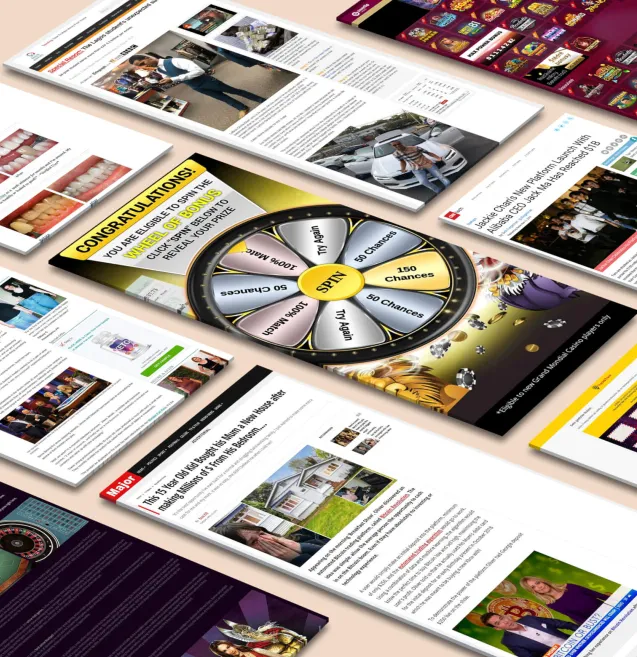
Нативные рекламные предложения — это виджеты «вокруг сети», которые вы видите на сайтах издателей, — размещают ваше предложение в потоке редакционного контента высококачественных площадок. Пользователь находится не в режиме «игнорирования рекламы», а в режиме потребления контента. И разнообразие форматов постоянно расширяется. Как отмечает AdPushup, нативная реклама охватывает сейчас ленты, встроенные блоки, рекомендации контента и рекламные списки, каждый из которых подходит для разных этапов воронки продаж и типов офферов. Интеграция нативной рекламы с программатиком означает, что вы можете получать такой трафик в больших объемах без необходимости заключать индивидуальные сделки с издателями, устанавливая ставки в прозрачных аукционах второй или первой цены, где вы точно видите, сколько платите и за что.
Для партнерок в нишах здравоохранения, БАДов, финансов и страхования — вертикалях, где политика Google превратилась в настоящую минную поляну из отклонений и приостановок аккаунтов, — нативные платформы предлагают нечто радикальное: им на самом деле нужны ваши расходы. Требования к соблюдению правил существуют, но они выполнимы и предсказуемы, а не зависят от прихотей непрозрачного алгоритма машинного обучения, способного уничтожить ваш аккаунт в 2 часа ночи в пятницу.
Пуш-уведомления: охват на уровне устройства с согласия пользователей
Реклама в пуш-уведомлениях доставляет ваше сообщение напрямую на устройство пользователя — на экран блокировки телефона или в панель уведомлений на компьютере — только при наличии четкого согласия. Это не навязчиво, в отличие от баннерной рекламы, которой пользователи научились игнорировать, в отличие от рекламы в виде баннеров; эта реклама личная, оперативная и обладает внутренним чувством срочности, которому немногие другие форматы могут противостоять. Стоимость за клик в пуш-сетях зачастую составляет лишь долю той суммы, которую вы платите за клик в поисковой рекламе Google, а механизм аукциона прост: вы делаете ставку на сегмент трафика, выигрываете или нет, а получаемые данные достаточно детализированы, чтобы оптимизировать рекламу по источнику, устройству, операционной системе и времени суток. Здесь отсутствует так называемый «этап обучения», когда алгоритм в течение недели расходует ваш бюджет, прежде чем решить, заслуживает ли ваша кампания трафика.
Поп и редирект: Игра на объем
Поп и редирект-трафик — это невзрачный, но надежный рабочая лошадка покупки партнерского трафика, и именно в этом заключается его преимущество. При СРМ, которые во многих регионах могут быть ниже доллара, поп-трафик позволяет тестировать посадочные страницы, офферы и углы подачи с статистической значимостью в течение нескольких часов, а не недель. Вы покупаете чистый объем, а это значит, что креативы и качество воронки становятся вашими единственными конкурентными преимуществами — именно тем видом преимуществ, основанных на навыках, которые автоматизация Google размывает.
Что объединяет триаду
Во всех трех каналах структурные преимущества остаются неизменными. Минимальные расходы на тестирование невелики — зачастую 100 долларов или меньше, чтобы подтвердить гипотезу. Механика аукционов прозрачна и не скрыта за проприетарным алгоритмом ставок. А творческие изменения полностью в ваших руках. Как подчеркивает Brax, успех в нативной рекламе требует от маркетологов быть гибкими и постоянно адаптировать использование эффективных рекламных формулировок, чтобы привлекать внимание и превращать просмотры в действия. Та же скорость креативных экспериментов применима и к пушам и поп-объявлениям: вы тестируете заголовки, изображения, подходы и посадочные страницы по своему графику, на основе своих данных и полностью под своим контролем.
Партнеры, которые сейчас процветают, — это не те, кто держится за аккаунт Google Ads и молится, чтобы следующее обновление политики не уничтожило их доход. Это те, кто понял, что триада нативной, пуш и поп-рекламы предлагает целую экосистему медийных закупок — систему, в которой правила понятны, данные принадлежат вам, а единственный важный алгоритм находится у вас в голове.
Самая сложная часть перехода с Google Ads на нативную рекламу и пуш-уведомления — не техническая, а когнитивная. Вы ведь не просто меняете одну панель управления на другую. Вы полностью заменяете ментальную модель. При поиске вы отвечали на заявленный интерес. В случае нативной рекламы и пушей вы создаёте интерес с нуля. Эта перемена меняет всё: как вы планируете, тестируете и масштабируете кампании.
Шаг первый: шпионьте, прежде чем тратить
В Google Ads вы начинали с исследования ключевых слов — вводили базовые термины в Планировщик ключевых слов, получали оценки объёмов поиска, определяли коммерческое намерение. В native и push-рекламе ваша исследовательская фаза выглядит совершенно иначе. Вы начинаете с конкурентной разведки. Прежде чем потратить хотя бы доллар на кампанию, воспользуйтесь инструментом вроде Anstrex, чтобы заглянуть за кулисы того, что уже запущено в вашей нише. Фильтруйте по рекламным сетям, географии, устройствам и вертикалям. Изучайте креативы, которые уже давно работают, — продолжительность показа является признаком рентабельности. Смотрите на посадочные страницы за этими объявлениями. Реконструируйте структуру воронки: что привлекает внимание в заголовке? Где находится продающая страница? Как выглядит призыв к действию? Это не плагиат. Это тонкая настройка. Вы создаёте мысленную карту того, что уже подтверждено рынком, чтобы ваши первые тесты основывались на обоснованных гипотезах, а не на слепых догадках.
Шаг второй: Замените список ключевых слов творческой тестовой стратегией
Google Ads научил вас мыслить категориями ключевых слов — тесно тематические рекламные группы, тонкая настройка минус-слов, сегментация по типам соответствия. Забудьте обо всём этом. В нативной и пуши-рекламе креатив и есть таргетинг. Ваш заголовок, изображение и миниатюра определяют, кто перейдёт по объявлению, а значит, в вашей тестовой стратегии приоритет должен отдаваться быстрой смене творческих решений. Настройте первые кампании на базе трёх-пяти различных творческих концепций, у каждой из которых будет несколько вариантов заголовков и изображений. Запускайте их одновременно на одних и тех же аудиториях и позволяйте данным по CTR и конверсиям выявлять победителей. Быстро отключайте слабые креативы — в течение 24–48 часов — и перенаправляйте бюджет на лучшие. Это не A/B-тестирование в привычном вам аккуратном и строго статистическом виде. Это массовая быстрая сортировка, и наиболее успешными в этой среде становятся те партнёры, которые могут быстро создавать и оценивать креативы.
Шаг третий: Думайте о подаче, а не о запросах
Именно здесь происходит самый глубокий сдвиг мышления. При поисковой рекламе вы подбирали объявление под запрос — кто-то вводил «лучшая кето добавка», и вы показывали ему рекламу кето добавки. Намерение уже было заложено изначально. В нативной и пуш-рекламе никто ничего не запрашивает. Пользователь читает статью или бегло смотрит на уведомление. Ваша задача — прервать его внимание и перенаправить его, а значит, вы должны думать о подаче — конкретных эмоциональных или психологических углах, которые заставят человека заинтересоваться вашим предложением в контексте, где он его изначально не искал. Средство для похудения продаётся не по ключевому слову «таблетки для похудения». Оно продаётся через определённый угол: тщеславие перед встречей выпускников, раздражение после провала диеты, любопытство по поводу странной рекомендации врача. Как показывает исследование Brax в области языка нативной рекламы, слова, которые вы выбираете, должны задевать эмоциональные струйки — любопытство, срочность, страх упустить выгоду, — потому что вы конкурируете не с другими объявлениями, а с редакционным контентом, который пользователь действительно хотел прочитать. Тем временем более широкий переход к более креативным и инновационным форматам рекламы означает, что статичные подходы быстро устаревают; выживут лишь те партнёры, которые рассматривают разработку подачи как постоянную дисциплину, а не разовую генерацию идей.
Суть в следующем: вы больше не архитектор структуры аккаунта. Вы — рассказчик с таблицей. Чем быстрее вы осознаете этот сдвиг, тем скорее найдёте путь к прибыльности на другой стороне.
Получайте лучшие конверсионные лендинги каждую неделю на свою почту.
Самое читаемое
Узнайте, почему креативы, удостоенные наград и получившие высокие оценки, не всегда приводят к прибыльным рекламным результатам. В этом руководстве показано, как превратить вдохновение в структурированное тестирование, расшифровать успешную рекламу в форматах Native, Push, Pop и TikTok, а также создать повторяемый цикл «креатив — эффективность».
David Kim
7 минсент. 25, 2026
Недавно обновлено
В рекламных подборках обычно фигурируют креативы, о которых все говорят, однако зачастую упускаются тихие нативные объявления, стабильно показывающие результат. В этом руководстве рассказывается, как сочетать вирусные креативы «герои» с незаметными фаворитами в Anstrex AI для создания, тестирования и постоянного совершенствования систем нативной рекламы на основе реальных показателей эффективности.
Liam O’Connor
7 минсент. 24, 2026
Гайд
Отслеживайте, как новое креативное руководство может изменить оригинальные рекламные кампании конкурентов, связывая назначения руководителей с изменениями в библиотеках объявлений, креативными шаблонами и стратегиями воронки. В этом руководстве показано, как использовать Anstrex для наблюдения за этими изменениями, выявления новых креативных систем и повторного проектирования воронок конкурентов без зависимости от внутренних данных об эффективности.
Marcus Chen
7 минсент. 24, 2026