8 минмая 16, 2026

Наши инструменты отслеживают миллионы push-объявлений из более чем 90 стран и у тысяч издателей.
НачатьКаждый квартал, кажется, появляется новая волна инструментов для документов на основе ИИ, которые, наконец, обещают решить проблему согласования заинтересованных сторон. Лучшие презентации. Более умные краткие описания. Совместные рабочие пространства, где стратегия практически создаётся сама собой. Маркетинговые команды вкладывают реальное время и бюджет в эти решения, убеждённые, что, если они просто представят свою стратегию более ясно — с более чётким оформлением, более выразительными визуальными материалами и более быстрым выполнением, — они добьются лучшего межфункционального согласия и ускорят реализацию.
Они не ошибаются в оценке проблемы. Несоответствие между маркетингом, продажами, продуктом и руководством по-прежнему остается одной из самых устойчивых помех эффективности. Однако чрезмерное внимание к улучшению способов внутреннего общения стратегии создало слепую зону, которая гораздо опаснее: тот факт, что ваша стратегия уже понятна любому, кто захочет взглянуть на то, что вы делаете публично.
Этот паттерн — оптимизация с фокусом на неправильном уровне — отражает динамику, которую недавно выявила Content Marketing Institute в своём исследовании по развитию навыков маркетологов. CMI обнаружила, что маркетологи в сильно трансформирующихся организациях чрезмерно сосредоточены на владении инструментами, воспринимая беглость в использовании новейшей платформы как показатель стратегических способностей. Шестьдесят пять процентов опрошенных маркетологов заявили, что стратегическое мышление имеет наибольшее значение, однако общие усилия отрасли по-прежнему направлены на освоение интерфейсов, а не на развитие суждений. Та же самая диспропорция наблюдается в том, как команды подходят к коммуникации стратегии: они оптимизируют контейнер — документы, презентации, помощники по написанию текстов на основе ИИ, которые их создают, — игнорируя при этом поверхность экспозиции, которую конкуренты могут отслеживать в реальном времени.
Этот охват огромен. Ваше рекламное объявление, текст целевой страницы, тарифные планы, график публикаций контента, набор ключевых слов — всё это доступно, поддаётся индексации и становится всё более отслеживаемым с помощью автоматизированных инструментов. Как ясно указано в обзоре инструментов мониторинга конкурентов от HubSpot, теперь команды конкурентов отслеживают изменения цен, запуск новых рекламных кампаний, перемещение в рейтингах и даже видимость в поиске на базе ИИ не раз в квартал, а ежедневно, как часть своей операционной дисциплины. Как указано в статье, конкурентная разведка «быстро устаревает» — изменение цен конкурента наиболее ценно в день его появления, а не два квартала спустя во время стратегического обзора. Вывод неутешительный: пока ваша команда шлифует внутреннюю презентацию, объясняющую смещение позиционирования в следующем квартале, конкуренты могут уже анализировать сигналы, указывающие на это изменение, ещё до того, как хотя бы один заинтересованный участник одобрит его.
Советы TopRank Blog по карьерному росту для сотрудников, занимающихся маркетингом B2B, подчеркивают, почему такое неправильное внимание продолжает существовать. Несколько лидеров в области маркетинга, с которыми проводилось интервью, призвали специалистов начинать с результатов, а не с инструментов, определять проблему, которую стоит решить, прежде чем выбирать технологию. Как выразился один из лидеров: «Не влюбляйтесь в инструмент, влюбляйтесь в проблему, которую вы решаете». Однако, когда речь заходит о согласовании заинтересованных сторон, большинство команд поступили как раз наоборот: они влюбились в более презентабельные презентации и более быстрое создание документов, не задавшись вопросом, не в другом ли месте кроется настоящая уязвимость.
Это вовсе не означает, что внутренняя согласованность не имеет значения. Конечно, имеет. Но вопросы согласованности являются второстепенными, если ваше руководство уже читаемо извне. Даже самый красиво оформленный стратегический документ в мире не спасёт вас, если конкурент сможет воссоздать ваш следующий шаг по вашей публичной активности быстрее, чем ваша собственная руководящая команда успеет его одобрить. Неприятная правда в том, что проблема, которую большинство команд пытается решить с помощью инструментов ИИ для работы с документами, вовсе не является проблемой коммуникации — это проблема стратегической уязвимости, которую никакая внутренняя полировка не способна устранить.
С самого момента запуска кампании вы публикуете свою стратегию. Не в совещательной комнате. Не в PDF-файле, защищённом SSO. В открытом интернете, где каждый конкурент с установленным расширением для браузера и каналом в Slack может увидеть это, сделать скриншот и воссоздать ход ваших мыслей.
Это вовсе не паранойя — это арифметика. Представьте, что происходит, когда вы запускаете новую целевую страницу с обновлённой позиционированием, корректируете ступень ценовой политики или выпускаете новое рекламное объявление в Meta или Google. В течение нескольких часов платформы по сбору конкурентной разведки фиксируют это изменение. Как ясно показывает анализ HubSpot инструментов мониторинга конкурентов, лучшие из этих решений специально разработаны для сокращения разрыва между сигналом и реакцией — что означает, что временной интервал между началом вашей кампании и ответными действиями конкурента стремится к нулю. Бывшее предположение о том, что конкуренты заметят ваши действия на следующей торговой выставке или в отчете о прибылях и убытках следующего квартала, устарело. Сегодня варианты заголовков вашего A/B теста превращаются в бриф другого специалиста по креативу ещё до того, как ваша команда успеет проанализировать данные эффективности.
Еще больше усугубляет ситуацию скорость, с которой конкуренты могут реагировать на то, что они наблюдают. Раньше стратегическое преимущество заключалось в информационной асимметрии: вы лучше знали своего клиента, провели исследования, обладали ценными рыночными инсайтами. Но, как описывает Джефф Буллас в своём анализе новых правил маркетинга на основе ИИ, сегодня ИИ позволяет командам работать в десять раз быстрее и в десять раз в большем объёме — это означает, что конкурент не просто замечает ваш новый подход, он может создать десяток его вариаций, протестировать их на нескольких каналах и проанализировать результаты ещё до начала вашего следующего внутреннего цикла обзора. Цикл копирования опережает цикл планирования. На вашем ежемесячном стратегическом совещании вы анализируете результаты кампаний, центральные идеи которых уже были усвоены, адаптированы и превзойдены рынком.
Это создает парадокс, который ни один документальный инструмент не в состоянии разрешить. Чем четче вы публично реализуете свою стратегию — резкую позиционирование, дифференцированные предложения, точно нацеленный креатив — тем понятнее становится ваша стратегия для всех, кто наблюдает. Ваши активные кампании и есть утечка служебной записки. Они сообщают не только то, что вы продаете, но и кому, по вашему мнению, вы это продаете, какие проблемы вы считаете наиболее важными и как вы решили представить ценность по сравнению с альтернативами. Каждый элемент — это сигнал: изображения, текст призыва к действию (CTA), структура URL, ориентир цены. Продвинутые конкуренты не просто бегло смотрят на ваши объявления — они загружают их в системы, которые выявляют закономерности по всему вашему публичному присутствию.
И экосистема, обеспечивающая этот надзор, становится только более мощной. Ожидается, что объем программной рекламы в одиночку превысит 700 миллиардов долларов к 2026 году, создавая обширный ландшафт, пригодный для машинного чтения, в котором каждый показ, размещение и рекламный материал генерируют анализируемые данные. Та же инфраструктура на базе ИИ, которая помогает вам в таргетинге и оптимизации, доступна всем остальным участникам вашей категории, которые используют одни и те же стратегии на основе одних и тех же сигналов.
Вывод неудобен, но неизбежен: ваш стратегический документ уже публичен. Он просто распространяется в виде рекламных объявлений и целевых страниц, а не слайдов. Внутренняя одержимость совершенствованием того, как вы формулируете стратегию для заинтересованных сторон, упускает тот факт, что ваша наиболее внимательная аудитория сидит не в конференц-зале — она находится в команде роста вашего конкурента и наблюдает за всем, что вы выпускаете.
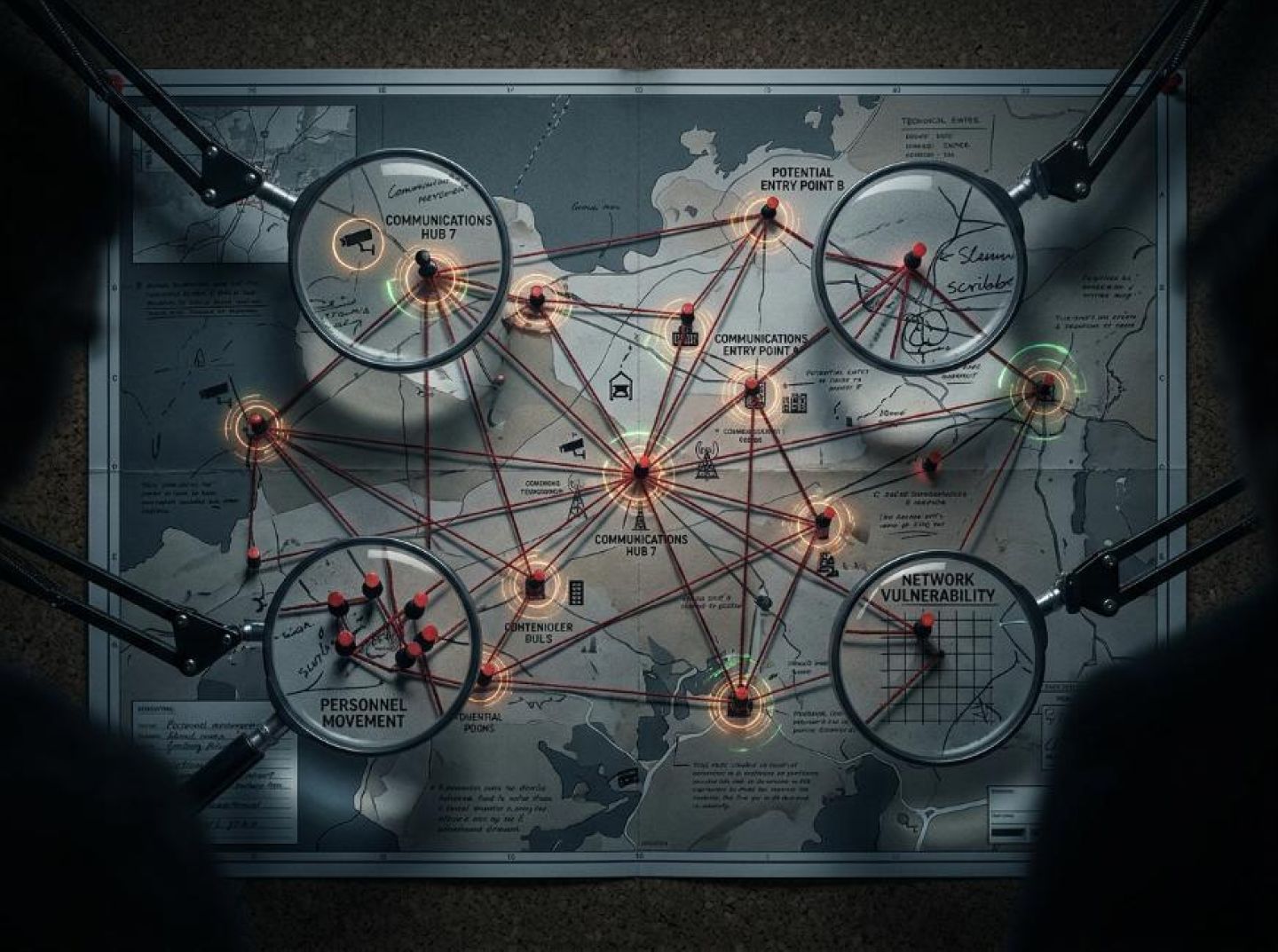
Представьте мониторинг конкурентов не как исследовательскую деятельность, а как модель угроз — карту всех аспектов, где ваша стратегия уязвима и где за вами кто-то следит. HubSpot выделяет пять отдельных категорий мониторинга конкурентов: SEO, видимость в поиске с использованием ИИ, социальные сети, платная реклама и изменения на сайтах/в ценах. Большинство маркетологов, видя такой список, думают о том, какие инструменты им следует применять. Поменяйте точку зрения. Этот список также описывает все направления, по которым конкуренты уже ведут наблюдение за вами — непрерывно, автоматически и практически без усилий.
Начните с поисковой оптимизации. Каждое ключевое слово, по которому вы занимаете позиции, каждая опубликованная страница, каждая полученная обратная ссылка фиксируются инструментами, такими как Ahrefs и SEMrush, почти в режиме реального времени. Ваши конкуренты не проводят ежеквартальные аудиты; у них есть автоматические оповещения, которые срабатывают в тот момент, когда вы поднимаетесь или теряете позицию. Они узнают, в какие темы вы вкладываетесь, ещё до того, как ваши коллеги увидят сводку по календарю контента. И stakes растут: как отмечает Contently, обзоры ИИ уже снижают количество кликов по самым высокоранжируемым страницам на 34,5%, что означает, что позиции в SEO, за которыми следят ваши конкуренты, одновременно становятся менее ценными — двойная уязвимость, которую большинство команд пока не осознало.
Переходите к видимости в поиске ИИ — новейшему уровню. Крупные языковые модели сжимают и переписывают информацию со всего веба, и сейчас появляется всё больше инструментов, которые отслеживают, какие бренды упоминаются в ответах, сгенерированных ИИ. Если ваш конкурент появляется в ответе ChatGPT, а вы — нет, он узнаёт об этом раньше вас — и раскрывает, почему так произошло.
Мониторинг соцсетей на сегодняшний день — это базовый минимум. Brandwatch, Sprout Social и десятки других платформ отслеживают каждое упоминание, сдвиги в тональности и тенденции вовлечённости на всех ваших каналах. Социальные команды ваших конкурентов, скорее всего, видят ваши данные по вовлечённости с той же детализацией, что и ваша собственная команда.
Платная реклама — это сфера, где творческая стратегия раскрывается наиболее откровенно. Каждая нативная реклама, каждая кампания в виде push-уведомлений, каждый рекламный креатив, который вы запускаете, каталогизируется платформами конкурентной разведки с момента публикации. Именно здесь работают такие инструменты, как Anstrex, специализирующиеся на отслеживании нативной рекламы и push-рекламы, которые индексируют кампании по основным рекламным сетям и позволяют любому конкуренту видеть ваши креативы, посадочные страницы, варианты текстов объявлений и даже примерное время публикации. Ваш тест A/B не является приватным. Ваш новый подход не остаётся сюрпризом. Кампания, над которой вы работали три недели в закрытом файле Figma, стала достоянием общественности с первой показанной рекламной выдачи.
Наконец, изменения в вебе и ценообразовании. Инструменты, такие как Visualping и Kompyte, отслеживают ваш сайт на предмет любых изменений — новый ценовой уровень, переосмысленная страница функций, обновленный заголовок на главной странице. Каждое стратегическое изменение, которое вы внедряете на свой сайт, фиксируется, помечается временной меткой и доставляется в почтовый ящик конкурента.
Ключевое различие здесь заключается не между мониторингом и игнорированием, а между мониторингом и анализом. Как уже отмечал Content Marketing Institute, долгосрочного преимущества первопроходца не существует, если инструменты широко доступны, а модели одновременно улучшаются для всех. Вашему конкуренту не нужно быть умнее вас. Ему просто нужно подписаться на те же автоматические рассылки и позволить наблюдению накапливаться. Дисбаланс в уровне разведки заключается не в том, у кого лучше инструменты. Речь идет о том, кто понимает, что каждая активная кампания, каждая опубликованная страница, любая корректировка цен — это сигнал, и кто считывает эти сигналы быстрее, чем вы их отправляете.
«Мы просто превзойдем их в исполнении». Это автоматический ответ каждый раз, когда кто-то поднимает проблему прозрачности, и он звучит разумно, пока вы не рассмотрите механику. Скорость является конкурентным преимуществом только тогда, когда ваши конкуренты не могут наблюдать за вашими действиями в реальном времени. В тот момент, когда они могут — а, как указано в предыдущем разделе, они уже могут — скорость исполнения перестает быть защитным рвом и превращается в субсидию. Вы платите за эксперименты; они платят только за копирование.
Инстинкт действовать быстро понятен, но опасно ошибочен. Как утверждает Contently, развенчивая распространенные мифы о маркетинге ИИ, команды регулярно используют ИИ, чтобы публиковать больше и быстрее, в то время как «ключевые метрики остаются неизменными». Трафик растет, но конверсии застывают. Контент попадает в поисковую выдачу по ключевым словам, но не решает реальные проблемы покупателей. Сама скорость превращается в стратегию, что по сути означает отсутствие стратегии. И когда ваши действия первопроходца видны каждому конкуренту, использующему даже базовые инструменты мониторинга, вы не создаете конкурентное преимущество — вы проводите открытое бета-тестирование своей следующей кампании, аудит которой может провести кто угодно.
Именно здесь иллюзия первопроходца разрушается наиболее явно. Преимущество в шесть месяцев в применении нового рекламного подхода, архитектуры воронки или структуры сообщений внутри организации, которая это разработала, кажется значительным. Но с внешней точки зрения это просто реальный кейс. Конкуренту, располагающему инструментами мониторинга, не потребуется шесть месяцев, чтобы догнать. Ему нужен всего один цикл — а иногда и меньше — чтобы увидеть, что вы запустили, измерить публичные сигналы результативности, выделить работающие элементы и улучшить остальное. Ваш бюджет научно-исследовательских и опытно-конструкторских работ фактически превращается в их аналитическую сводку.
Стоимость скорости без интеллекта становится еще более жестокой, если учесть нецелевое использование ресурсов. Jeffbullas описывает случай бренда в сфере финтеха, который инвестировал восемьдесят процентов своего бюджета на контент в LinkedIn и Twitter, и только потом, благодаря исследованию аудитории, выяснил, что его покупатели тратят в три раза больше времени на узкоспециализированных сайтах с обзорами бухгалтерского программного обеспечения. Бренд быстро действовал — регулярно публиковал материалы, постоянно присутствовал, демонстрировал активность, которая при ежеквартальном анализе выглядела как прогресс. Но это был прогресс в неправильном направлении. Как только бренд переключился на платформы, которые фактически используют его покупатели, количество квалифицированных входящих лидов увеличилось на 140 процентов за шестьдесят дней, без создания ни одного нового контентного материала.
Теперь представьте, что конкурент все это время пристально следил за брендом в сфере финансовых технологий. Он заметил бы стратегию распространения, ориентированную на LinkedIn, увидел посредственные показатели вовлеченности и сделал бы очевидный вывод задолго до того, как сам бренд осознал ситуацию. Скорость бренда не защитила его — она лишь усилила потери. А в условиях насыщенной среды с активным мониторингом эти потери даже не остаются частными. Это сигнал всем конкурентам, которые наблюдают за ситуацией, о том, что канал не приносит конверсии, и им достается эта информация совершенно бесплатно.
Совет от ведущих маркетологов из подборки TopRank Blog подтверждает эту точку зрения с другой стороны: главная ловушка в маркетинге, ускоренном ИИ, — это «путаница между ценностью повышения эффективности и реальным воздействием». Двигаться быстро и двигаться эффективно — это не одно и то же, а в условиях, когда конкуренты видят каждое ваше движение, скорость без стратегического мышления — это просто дорогостоящий эксперимент, счет за который вы оплачиваете совместно с теми, кто наблюдает за вами.
Если инструменты становятся товаром, а скорость исчезает как фактор отличия, очевидный последующий вопрос: что на самом деле создает устойчивое преимущество? Ответ не в секретном оружии или проприетарном рабочем процессе. Это стратегический подход — способность читать изменяющийся конкурентный ландшафт и делать более удачные ставки, чем другая сторона. Но вот нюанс, который большинство людей упускают: стратегическое мышление не происходит в вакууме. Оно требует исходного материала. И самым ценным исходным материалом на прозрачном рынке является конкурентная разведка, правильно интерпретированная.
Исследование Content Marketing Institute четко обосновывает этот тезис. Шестьдесят пять процентов маркетологов, участвовавших в опросе, заявили, что стратегическое мышление имеет наибольшее значение, поставив его выше владения инструментами, технической грамотности или любых других навыков. Наиболее редкий в маркетинге навык, утверждает CMI, — это способность человека «войти в помещение и с конкретикой и уверенностью объяснить, почему определённая стратегия подходит для определённой аудитории в определённый момент». Такую способность невозможно автоматизировать. Ни один генератор документов, ни один копирайтер на базе ИИ, ни один инструмент рабочих процессов не могут её воспроизвести. А в условиях, когда ваши кампании, рекламные материалы, посадочные страницы и стратегии контента доступны любому внимательному наблюдателю, стратегическое суждение — это единственное, что конкуренты не могут скопировать.
Но стратегический анализ, оторванный от реальности конкуренции, — это всего лишь догадки, выраженные с уверенностью. Здесь необходима конкретная основа. Как подчеркивается в обзоре карьерных советов блога TopRank, наиболее эффективные маркетологи «начинают с результатов, а не с инструментов» — каждая технология и каждый процесс должны быть привязаны к конкретным бизнес-результатам и ценности для клиента. Совет Роба Пейти в этой же статье звучит четко: «Маркетологи легко отвлекаются на задачи и игрушки. Мы часто попадаем в ловушку, думая, что использование большего количества инструментов позволит достичь успеха». Дисциплина заключается не в том, чтобы внедрять больше аналитических инструментов, а в том, чтобы обеспечить использование собираемой информации в рамках стратегической системы с четкими целями.
Это меняет подход к тому, как мы должны воспринимать платформы конкурентной разведки, такие как Anstrex. Они не являются "шпионскими инструментами" в классическом понимании. Это инструменты восприятия — аналог радарного экрана, который показывает, где находится каждый игрок на поле, какие схемы они используют и как эти схемы меняются со временем. Побеждают не те команды, которые дольше других скрывают свою стратегию. Побеждают те, кто видит всю картину целиком и действует более осознанно. Когда вы замечаете, что рекламное сообщение конкурента изменило тон, или видите, что соперник внезапно серьезно инвестирует в новый канал, — это сигнал. Стратегический вопрос заключается не в том, «как я могу это скопировать?», а в том, «что мне говорит этот шаг о том, в каком направлении, по мнению конкурента, движется рынок, и прав ли он?»
Это пример действия рамочной концепции, ориентированной в первую очередь на спрос. Вместо того чтобы реагировать один к одному на тактику конкурентов, лучшие маркетологи используют сигналы конкурентов для проверки стратегической гипотезы. Правильно ли мы вкладываем средства в аудиторию? Сохраняет ли наше позиционирование отличительные черты с учетом текущей ситуации на рынке в этом квартале? Один из конкурентов заметил пробел, который мы упустили, или он охотится за миражом? Для ответов на эти вопросы требуются как разведданные, так и способность их интерпретировать, и именно это сочетание CMI определяет как невозможное для автоматизации.
Таким образом, настоящий ров — это цикл: тщательный сбор конкурентной информации, интерпретация ее через призму стратегии, привязанной к результатам, принятие решительного решения, его реализация и затем наблюдение за реакцией рынка. Не скорость ради скорости. Не секретность в мире, где секретности не существует. А дисциплинированное сочетание ясного видения и качественного мышления — быстрее и точнее, чем конкуренты могут себе позволить. Это преимущество, которое ни один инструмент для работы с документами на базе ИИ не может воспроизвести, и которое ни один конкурент не может просто заметить и похитить.
Большинство стратегических обсуждений по-прежнему проходят по одному и тому же сценарию: кто-то готовит презентацию, назначает встречу, представляет заинтересованным сторонам план, собирает отзывы, вносит изменения и в итоге получает одобрение. К тому моменту, как план утверждают, конкурентная среда уже изменилась: конкурент запустил новую функцию, скорректировал цены или начал появляться в ответах, генерируемых ИИ, которых не существовало, когда создавалась презентация. Проблема не в том, что план был плохим. Проблема в самом формате — статичном, последовательном, зависящем от одобрения, — который по своей структуре неспособен угнаться за рынком, где конкурентная разведка, как отмечает HubSpot, устаревает очень быстро.
Решение проблемы заключается не в том, чтобы быстрее проходить через тот же процесс. Решение в том, чтобы изменить то, что вы на самом деле представляете. Вместо того чтобы входить на встречу с заинтересованными сторонами с фразой «вот наш план», вы входите с фразой «вот что мы знаем» — живым кратким докладом по конкурентной разведке, который рассматривает стратегию как непрерывный диалог, а не документ, который утверждают и затем откладывают в архив.
Этот сдвиг начинается с того, как вы внутри компании передаёте сигналы о конкурентах. Система HubSpot, превращающая наблюдение в действия, предполагает, что когда конкурент меняет страницу с ценами или запускает новую рекламу сравнения, этот сигнал должен поступать нужной команде через Slack, электронную почту или рабочий процесс на основе CRM — а не быть похороненным в квартальном отчёте. Когда CRM становится инструментом действий, а не просто инструментом для заметок, контекст конкурентной среды остаётся связанным с кампаниями, клиентами и решениями по воронке продаж, которые он должен поддерживать. Заинтересованным сторонам не нужно ждать следующего цикла обзора, чтобы узнать, что конкурент только что снизил цены на пятнадцать процентов. Они могут узнать об этом в тот же день, вместе с рекомендацией по ответным действиям.
Но повышение скорости распространения информации не поможет, если заинтересованные стороны не знают, как её использовать. Здесь особенно важна стратегическая рамка. Как советует Роб Пейти в блоге TopRank, ключевой момент — начинать с конечной цели, привязывая каждый инструмент и каждый сигнал к конкретному бизнес-результату, вместо того чтобы позволить объёму данных задавать тон обсуждению. Динамичная сводка — это не поток бесконечных уведомлений о конкурентах. Это тщательно подобранное ориентированное на результат описание, отвечающее на три вопроса: Что важного сделали конкуренты на этой неделе? Что это значит для нашего позиционирования? И нужно ли нам что-то менять?
Именно третий вопрос является ключевым для реальных культурных изменений. Традиционное согласование заинтересованных сторон предполагает, что план — это якорь. Изменения кажутся признанием неудачи. Но, как предупреждает Накул Гойал из CARFAX в той же статье TopRank, нельзя влюбляться в свой план. Когда формат краткого ознакомления заменяет стратегическую презентацию, адаптация перестаёт быть отклонением и становится главной целью. Заинтересованные стороны уже не одобряют фиксированный путь, а анализируют текущие допущения, соглашаются, какие из них всё ещё актуальны, и санкционируют действия в ответ на те, что уже не работают.
Фактически это означает перестройку ваших регулярных стратегических встреч вокруг шаблона конкурентной разведки: краткое резюме важных шагов конкурентов, оценка уровня угрозы применительно к вашим текущим кампаниям и воронке продаж, а также короткий список рекомендованных действий с уже назначенными ответственными. Цель состоит в том, чтобы встреча стала точкой принятия решений, а не презентацией. Все приходят, уже ознакомившись с разведданными — полученными через те же рабочие процессы, которые их выявили — и обсуждение полностью сосредоточено на том, что делать дальше.
Сначала это будет ощущаться непривычно. Большинство организаций склонны рассматривать стратегию как нечто, что разрабатывается, а затем исполняется. Но на рынке, где ваши конкуренты могут наблюдать и копировать ваши действия почти в режиме реального времени, победу одержат те организации, чьи обсуждения со стейкхолдерами основаны на том, что они знают сейчас, — а не на том, что планировали шесть недель назад.
Получайте лучшие конверсионные лендинги каждую неделю на свою почту.
Самое читаемое
Узнайте, почему креативы, удостоенные наград и получившие высокие оценки, не всегда приводят к прибыльным рекламным результатам. В этом руководстве показано, как превратить вдохновение в структурированное тестирование, расшифровать успешную рекламу в форматах Native, Push, Pop и TikTok, а также создать повторяемый цикл «креатив — эффективность».
David Kim
7 минсент. 25, 2026
Недавно обновлено
В рекламных подборках обычно фигурируют креативы, о которых все говорят, однако зачастую упускаются тихие нативные объявления, стабильно показывающие результат. В этом руководстве рассказывается, как сочетать вирусные креативы «герои» с незаметными фаворитами в Anstrex AI для создания, тестирования и постоянного совершенствования систем нативной рекламы на основе реальных показателей эффективности.
Liam O’Connor
7 минсент. 24, 2026
Гайд
Отслеживайте, как новое креативное руководство может изменить оригинальные рекламные кампании конкурентов, связывая назначения руководителей с изменениями в библиотеках объявлений, креативными шаблонами и стратегиями воронки. В этом руководстве показано, как использовать Anstrex для наблюдения за этими изменениями, выявления новых креативных систем и повторного проектирования воронок конкурентов без зависимости от внутренних данных об эффективности.
Marcus Chen
7 минсент. 24, 2026