7 минавгуста 12, 2026

Наши инструменты отслеживают миллионы push-объявлений из более чем 90 стран и у тысяч издателей.
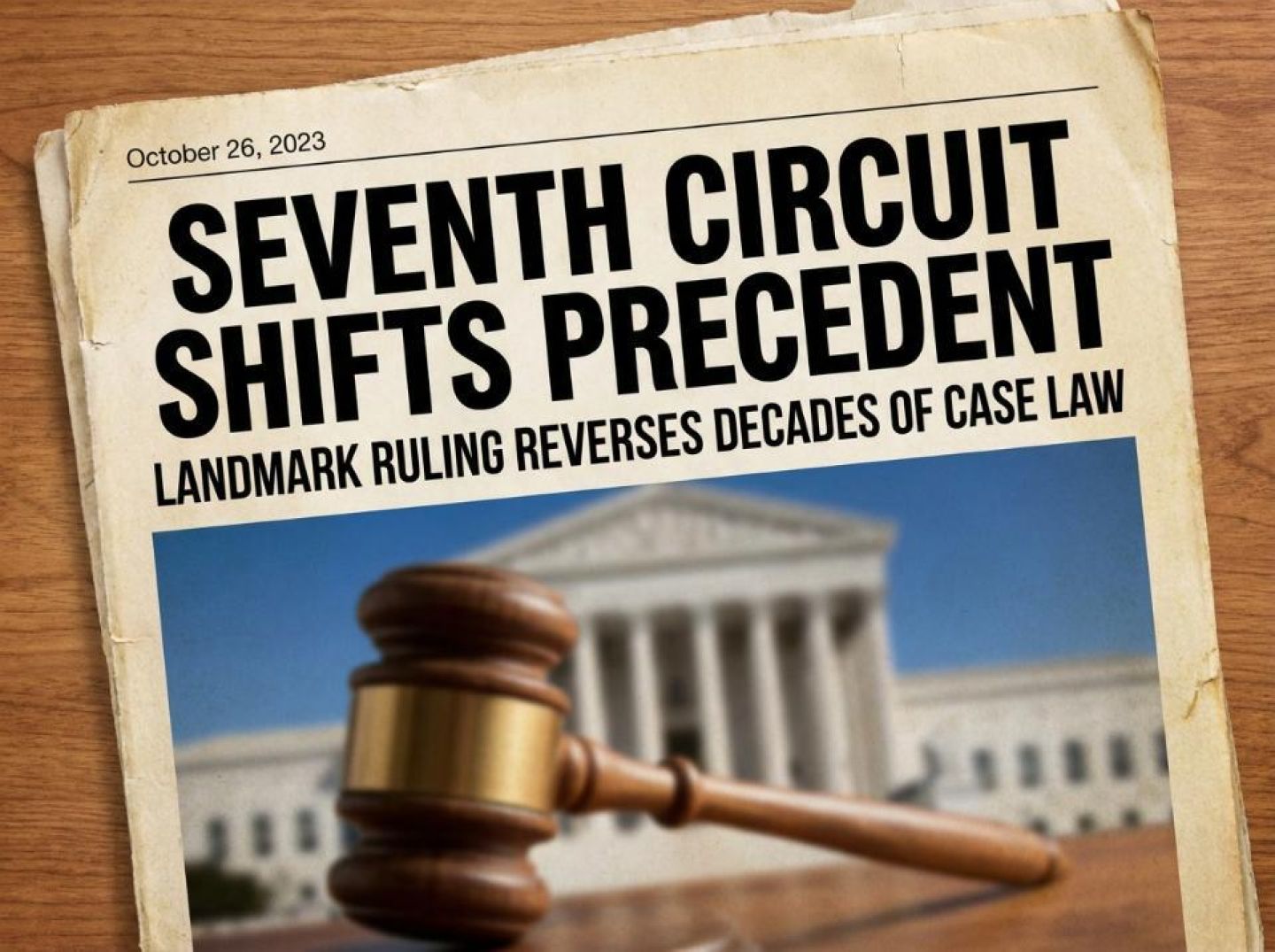
НачатьВ конце июля 2026 года Седьмой апелляционный суд вынес решение, которое вызвало резонанс далеко за пределами индустрии SMS-рассылок, которую он непосредственно затрагивал. В деле Steidinger v. Blackstone Medical Services суд существенно сузил сферу применения TCPA к текстовым сообщениям, постановив, что Конгресс ограничил право частного иска по разделу 227(c)(5) повторными «телефонными звонками» — то есть голосовой связью — а не письменными сообщениями, такими как SMS. Проще говоря: если компания игнорирует ваш ответ «STOP» на маркетинговое текстовое сообщение, вы больше не сможете подать в суд по положениям «Не звоните мне» в судебных округах, подведомственных Седьмому апелляционному суду. Положения FCC по-прежнему рассматривают SMS как звонки, и более широкие положения TCPA продолжают действовать, однако один из важнейших механизмов принудительного применения — возможность отдельных потребителей подавать частные иски по нарушениям «Не звоните мне» в отношении текстовых сообщений — был исключён из арсенала.
Обоснование суда было основано на положениях закона. Когда Конгресс принял TCPA в 1991 году, термин «телефонный звонок» означал голосовой разговор. В других частях закона Конгресс использовал более широкую формулировку «телефонный звонок или сообщение» для определения понятия «телефонная реклама», что свидетельствует о намеренном использовании более узкого термина. Седьмой апелляционный суд отверг аргументы истца о том, что нормативные акты FCC, распространяющие этот термин на текстовые сообщения, должны иметь приоритет, отметив, что эти положения в основном касаются других законодательных положений, а недавняя прецедентная практика Верховного суда поддерживает толкование закона в его буквальном смысле.
Почему же рекламодателям push-уведомлений стоит беспокоиться о решении по текстовым сообщениям? Потому что веб-уведомления функционируют в той же экосистеме согласия и отказа, и неясность в регулировании одного канала, как известно, имеет тенденцию переноситься на смежные. У push-уведомлений и текстовых сообщений схожая структура: оба требуют разрешения, оба приходят на персональные устройства и оба зависят от четких механизмов отказа для соблюдения законодательных и платформенных требований. Когда меняются предположения надзорных органов в отношении SMS, отголоски достигают и push-уведомлений. Как задокументировано в Search Engine Journal, соответствие требованиям веб-push уже является «непрерывным процессом», а не фиксированной структурой, и этот процесс становится сложнее, когда правовая основа в смежных каналах начинает меняться.
Вот что делает этот момент по-настоящему опасным для агрессивных маркетологов: постановление не легализует игнорирование отказов. Оно устраняет один механизм обеспечения соблюдения, оставляя другие — действия Комиссии по связи (FCC), законы штатов о защите потребителей, санкции на уровне платформ — полностью в силе. Это решение также потенциально создает расхождение между апелляционными судами, что может ускорить рассмотрение дела Верховным судом, а значит, правила могут вернуться с ещё большей силой и более широким охватом, чем существовали до Steidinger. Каждый маркетолог, который сейчас смягчит соблюдение отказов, строит кампании на песке.
Искушение будет явным. У маркетологов уже наблюдается сокращение базы подписчиков после обновлений Google в 2024 году, которые упростили отказ от подписки в Android, и как сообщал MarTech, это привело к резкому росту числа отказов от подписки и давлению на выручку во всей отрасли. На этом фоне судебное решение, которое, похоже, ослабляет контроль за отказом от подписки, может показаться облегчением. Но это не так. Это проверка на прочность. Те маркетологи, которые воспримут его именно так — проанализируют процессы получения согласия, улучшат выполнение отказов от подписки и будут документировать соответствие требованиям на каждом этапе — окажутся в позиции, позволяющей пережить любое окончательное решение Верховного суда. Те же, кто воспримут это как зелёный свет, окажутся одновременно уязвимыми во всех направлениях: юридическом, регуляторном и на уровне платформ.
Как подчеркивают юридические аналитики, наиболее безопасная стратегия — продолжать рассматривать все каналы сообщений как подпадающие под полное действие требований TCPA до поступления окончательных указаний. Это вовсе не трусость. Это стратегия.
Сужение ответственности по TCPA в Седьмом апелляционном суде может искушать рекламодателей рассылками думать, что давление в плане соблюдения требований ослабевает. Но это не так. В то время как правовой ландшафт сдвигается в одном направлении, уровень платформы — механизма обеспечения соблюдения, который фактически определяет, выживет или погибнет рекламная кампания с push-уведомлениями — неумолимо ужесточается. И в отличие от решения федерального суда, которое распространяется по системе в течение месяцев, меры по обеспечению соблюдения правил платформой уничтожают доходы за одну ночь.
Переломный момент наступил в конце 2024 года. Как подробно рассказал MarTech в своём анализе рынка push-рекламы, Google внедрил обновления в четвёртом квартале 2024 года, которые значительно упростили отписку от push-уведомлений в Android, одновременно ужесточив политику Google Safe Browsing. Поисковый гигант ограничил использование конкретных фраз и рекламных приёмов, связанных с кликбейтом и вводящими в заблуждение уведомлениями, и последствия наступили мгновенно: базы подписчиков сократились, домены были помечены или полностью заблокированы, а издатели, построившие свои бизнесы на высоком объёме push-трафика низкого качества, стали в реальном времени наблюдать за крахом своих бизнес-моделей. Не было никакого процесса раскрытия информации, переговоров по урегулированию или судебного пересмотра. Google действовал в одностороннем порядке, и вся отрасль приняла на себя этот удар.
Это реальность, которую скрывает дискуссия вокруг TCPA, когда она ограничивается рамками судов. Операторы push-рекламы действуют не в рамках единого режима соблюдения требований — они функционируют по двум режимам. Юридический уровень, формируемый такими законами, как TCPA, и обеспечиваемый через судебные иски, устанавливает предел: максимальную ответственность, которой подвергается маркетолог, если практика согласия не выдерживает судебной проверки. Но уровень платформы, регулируемый изменяющейся политикой Google и инфраструктурой Safe Browsing, устанавливает минимальный порог. Домен, помеченный в Safe Browsing, не просто теряет трафик — он теряет существование в экосистеме браузера. Chrome будет активно предупреждать пользователей об опасности этого сайта. Ни одно судебное решение не способно отменить этот статус в сколь-нибудь значимые сроки.
Особую опасность этой двойной системы создает то, что эти два уровня не движутся синхронно. Седьмой судебный округ ослабил юридическое определение того, что считается подлежащим преследованию нарушением TCPA в текстовых сообщениях. В то же время Google пошел в противоположном направлении, требуя более качественных сигналов согласия и наказывая агрессивные методы уведомлений строже, чем когда-либо прежде. Маркетологи, воспринявшие решение по TCPA как разрешение ослабить стандарты получения согласия, попадают в ловушку: они могут снизить риски судебных исков, одновременно повышая риски блокировки на уровне платформы.
Более продвинутые операторы уже осознали это. Как сообщал Search Engine Journal в своем обзоре рынка рекламы с помощью push-уведомлений, соответствие стало непрерывным процессом, а не разовой настройкой — для этого необходимы прозрачные процессы получения согласия, четко определенные ограничения по частоте показов и сообщения, тщательно синхронизированные с текущими требованиями политики. Издание отметило, что «настоящее разрешение стало по-настоящему ценным»: пользователи, которые случайно подписались, отказываются быстрее, чем раньше, в то время как те, кто дал согласие добровольно, конвертируются значительно лучше. Это соответствует общей тенденции рынка: рекламные охваты становятся более избирательными, но и более качественными, и каждый подписчик, давший надлежащее согласие, представляет большую долгосрочную ценность.
Стратегический вывод прост, но неприятен. Соответствие требованиям платформы — не отдельный процесс, отличный от юридического соответствия; это более немедленное и значимое обязательство. Иск по TCPA может рассматриваться годами. Оповещение через Safe Browsing может разрушить кампанию за несколько часов. Умные маркетологи рассматривают стандарты Google как основу операционной деятельности и строят свою правовую стратегию соответствия на этой базе, а не параллельно с ней. Оптимизация сразу под оба требования — это не излишняя осторожность; это единственная стратегия, позволяющая продолжать работать.
Документация по соблюдению требований всегда отстает. К тому времени, как отраслевая группа опубликует руководство с лучшими практиками или юридическая фирма распространит обновленную консультацию, платформы уже изменили параметры своей политики, рекламодатели уже адаптировались или были заблокированы, а руководство, которое вы читаете, представляет собой срез ситуации в мире, который уже не существует. Особенно это верно сейчас для push-рекламы, где, как мы уже упоминали, ужесточение политики безопасного серфинга со стороны Google и упрощенные процедуры отписки кардинально изменили правила вовлеченности. Вопрос не в том, что было соответствующим требованиям шесть месяцев назад. Вопрос в том, что выживает сейчас.
Вот где конкурентная разведка становится вашим самым надежным ориентиром в вопросах соответствия требованиям. Если рекламная кампания работает уже несколько недель или месяцев и при этом не была заблокирована, запрещена или потеряла свою аудиторию, это значит, что она успешно прошла все важные проверки — по внутренним правилам платформы, аудиты Safe Browsing, пороги жалоб пользователей и естественный отток, уничтожающий низкокачественные кампании. Такая выжившая кампания становится живым шаблоном соответствия нормам, и изучение её структуры даст вам больше знаний, чем любое статичное руководство.
Вот как на практике выглядит "реверс-инжиниринг выживших", и инструмент вроде Anstrex Push делает такой подход систематизированным. Вместо того чтобы гадать, какие креативы или формы подписки пройдут актуальные требования соответствия, вы можете отфильтровать кампании с длительным сроком работы в определённых вертикалях и изучить, что они на самом деле делают. Вот подход.
Дизайн страницы и текст согласия. Кампании, которые существуют долго, почти всегда содержат прозрачные и однозначные формулировки согласия. Как сообщал Content Marketing Institute, формы согласия с одним или двумя полями конвертируют лучше, чем длинные формы, требующие ненужные данные, а сигналы доверия, такие как четкая политика конфиденциальности, существенно повышают готовность потребителей подписаться. Тот же принцип применим к страницам получения согласия на push-уведомления: успешные кампании используют чёткие двухэтапные процессы получения согласия, где на первом этапе объясняется, на что именно подписывается пользователь, а второй этап запускает запрос разрешения в браузере. Одноэтапные процессы, при которых пользователю внезапно показывается диалог разрешения при загрузке страницы, подавляются как фильтрами платформ, так и высоким уровнем отписок.
Креативные сообщения, избегающие запрещённых шаблонов. В Anstrex Push отсортируйте объявления по продолжительности и внимательно изучите их тексты. Вы заметите, что кампании с длительным сроком жизни избегают фраз, создающих ложное ощущение срочности, вводящих в заблуждение утверждений и кликбейтных формулировок — именно такие методы были призваны подавить обновления Google. Выживают креативы, которые прямо указывают на преимущества и честно рассказывают, что произойдёт после клика.
Сигналы ограничения частоты. Вы не сможете увидеть точную частоту показа конкурента в инструменте шпионажа, но вы можете предположить её. Если кампания запущена месяцами подряд с стабильным охватом, не выгоревая аудиторию, значит, обњём показов ограничивается надлежащим образом. Сопоставьте данные о динамике рекламы в Anstrex с долговечностью кампаний, чтобы определить устойчивый ритм для вашей ниши.
Прозрачность целевой страницы. Перейдите по действующим кампаниям и обратите внимание на вид их целевых страниц. Как описано в MarTech, рекламодатели во всей индустрии перерабатывают свои воронки и ынуть большее внимание долгосрочной стоимости клиента вместо краткосрочного ROI. Целевые страницы в долгосрочных кампаниях отображают это — чёткие предложения о ценности, видимые механизмы отказа, отсутствие тёмных паттернов и контент, исполняющий всё, что обещано в пуш-уведомлении.
Создайте файл с образцами, организованный по вертикалям: финансы, здоровье, электронная коммерция, игры, утилиты. Для каждого из них фиксируйте структуру процесса получения согласия, формулировки согласия, творческий стиль, компоновку целевой страницы и стратегию видимой частоты. Обновляйте его ежемесячно. Это не одноразовый аудит — это постоянный радар соответствия, который адаптируется так же быстро, как и сами платформы. Текущие кампании показывают вам, как именно сегодня выглядит соответствие требованиям. Прислушайтесь к ним.
Решение не вызвало раскол. Оно просто устранило ограничения, которые удерживали обе стороны на одном пути.
Прежде чем механизм частного принуждения к соблюдению TCPA был фактически нейтрализован, агрессивные отправители и ориентированные на качество рекламодатели действовали в условиях одинаковой угрозы: слишком сильное давление могло привести к коллективному иску, уничтожившему всю прибыль. Это общее ограничение устанавливало минимальный порог поведения. Теперь, когда этого порога больше нет, две принципиально разные стратегии стремительно расходятся — и рыночные данные чётко показывают, какая из них выигрывает.
С одной стороны, у вас есть рекламодатели, которые воспринимают это решение как разрешение. Снижение риска судебных исков означает, что они могут растянуть сроки обработки отказов от подписки, увеличить лимиты частоты показов и применять все более обманные рекламные материалы, не опасаясь выплаты установленных законом компенсаций. Они будут создавать огромные списки подписчиков с помощью вводящих в заблуждение механик получения согласий, массово рассылать им сообщения, а неизбежную оттекаемость будут считать частью расходов на ведение бизнеса. В краткосрочной перспективе их показатели объема будут выглядеть впечатляюще. В среднесрочной перспективе они столкнутся напрямую с уже упомянутым нами уровнем применения правил на платформах и потянут за собой репутацию всего канала.
С другой стороны, у вас есть рекламодатели, которые понимают, что рынок действительно им говорит. Глобальный рынок рекламы с использованием push-уведомлений предположительно вырастет с 3,22 млрд долларов в 2026 году до 3,61 млрд к 2030 году — умеренный, но стабильный рост, который указывает на зрелость, а не на стремительное расширение. Такой рост не вознаграждает за объем. Он вознаграждает за эффективность. А данные об эффективности однозначны: по мере сокращения количества сообщений и снижения усталости пользователей, CTR в пуш-рекламе увеличился в 1,5–2 раза на платформах, отслеживающих эти изменения. Меньше сообщений, лучшая вовлеченность, более высокая пожизненная ценность на подписчика. Эпоха пуш-рекламы, ориентированной на объемы, уходит в прошлое, а те рекламодатели, которые готовы к будущему, уже рассматривают каждого подписавшегося пользователя как по-настоящему ценный актив.
Эта тенденция отражает то, что уже происходит в email-маркетинге. Исследование Intuit Mailchimp показало, что потребители получают сообщений от брендов больше, чем когда-либо, однако каждый четвертый признает, что они все больше отключаются, а лишь 23 процента маркетологов считают свои списки "очень качественными". Пуш-реклама достигает той же точки перелома, просто в более сжатые временные рамки. Выживут не те рекламодатели, у которых самые большие списки, а те, чьи аудитории действительно сами выбрали присутствие в них.
Вот парадокс, из-за которого возникает классическая гонка за качеством: агрессивные отправители, заполоняющие канал большим объёмом низкокачественного контента, провоцируют именно те самые жёсткие меры со стороны платформы, которые делают подписчиков добросовестных рекламодателей более ценными по сравнению с остальными. Каждое уведомление с использованием тёмных паттернов, которое приучает пользователя нажимать «заблокировать всё», уменьшает число подписчиков, доступных всем — а это значит, что оставшиеся подписчики, которые по-настоящему хотят получать сообщения от определённых брендов, становятся ещё более редкими и коммерчески значимыми. Судебное решение не меняет эту тенденцию. Оно ускоряет её и увеличивает цену ошибки при выборе неправильной стороны.
Здесь же конкурентная разведка становится скорее стратегической радиолокационной системой, а не просто инструментом оптимизации. Если вы используете Anstrex для мониторинга push-кампаний, вы можете наблюдать это разделение в реальном времени — отслеживая, какие архетипы рекламодателей наращивают объемы с все более агрессивным креативом, а какие сжимают свои сообщения, улучшают дисциплину частоты и продолжают функционировать, несмотря на волны ограничений со стороны платформ. Закономерности, которые проявятся в ближайшие двенадцать месяцев, расскажут вам о том, какая стратегия действительно вознаграждается рынком. Суд мог ослабить правовые ограничения, но экономические ограничения ужесточаются самостоятельно.
Проверка соответствия — это не разовое мероприятие, а постоянный процесс. И наиболее эффективный подход начинается не с собственных кампаний. Он начинается с анализа того, что сейчас делают ваши конкуренты, поскольку шпионские инструменты дают вам практически единственный в индустрии push-рекламы индикатор контроля в реальном времени.
Вот структура, разделённая на три этапа по 30 дней каждый.
Дни 1–30: Установите базовый уровень вашей активности
Начните с составления каталога всех кампаний push-уведомлений, которые вы в настоящее время проводите или проводили за последние 120 дней. Сопоставьте каждую кампанию с тремя переменными: механизм согласия в момент подписки, частота сообщений на подписчика в день и соответствие целевой страницы обещаниям, данным в содержании уведомления. Это не просто дополнительная рутинная задача — это основа всего последующего. По мере усложнения нормативного регулирования цифрового отслеживания, когда такие законы, как CIPA создают новые частные права на действия за перехват сообщений пользователей, вам необходимо чёткое представление о том, какие данные вы собираете, каким образом и с какими инструментами они обрабатываются. Ваша юридическая команда не сможет оценить риски, если маркетинговая команда не предоставит эту информацию.
Одновременно соберите данные шпионских инструментов по 20 ведущим рекламодателям в вашей отрасли. Зафиксируйте их процессы получения согласия, подходы к креативам, частотность показов и структуру целевых страниц. Вы не копируете — вы настраиваетесь. Если все серьёзные конкуренты уже перешли на явное двухэтапное согласие, а вы до сих пор используете однократные запросы разрешения в агрессивных всплывающих окнах, этот разрыв покажет вам, в каком направлении будет возрастать регуляторное давление, ещё до того как оно достигнет вас.
Дни 31–60: Проверка на соответствие новым стандартам
Возьмите исходный перечень и проверьте его с помощью фильтров соответствия, которые применяются на практике, а не тех, что опубликованы в документе политики восемнадцать месяцев назад. Ужесточение Google политик безопасного просмотра и упрощение механизмов отписки уже вызвали всплеск отписок и привели к блокировке или пометке доменов по всей экосистеме. Используйте данные разведки, чтобы определить, какие домены конкурентов исчезли с рынка за последние 90 дней. Паттерны оттока доменов — один из наиболее недоиспользуемых сигналов соответствия, доступных вам, — они показывают, что именно наказывают платформы, ещё до каких-либо официальных заявлений.
На этом этапе проверьте ограничения частоты отправки уведомлений с учётом реального поведения подписчиков. Тот факт, что только 23% маркетологов считают свои списки «очень высококачественными», должен настораживать всех, кто занимается push-рекламой, где отношения, основанные на согласии, ещё более хрупкие, чем в электронной почте. Если данные разведки показывают, что конкуренты сократили количество ежедневных уведомлений с пяти до двух, а ваши показатели отписок растут, рынок даёт вам сигнал, который внутренние панели мониторинга могут скрывать за агрегированными показателями кликабельности.
Дни 61–90: Создание цикла постоянного наблюдения
Заключительный этап превращает аудит из проекта в процесс. Настройте еженедельное получение данных с помощью шпионских инструментов по вашему набору конкурентов. Отслеживайте три метрики с течением времени: объем новых креативов (показатель скорости тестирования), частоту смены доменов (показатель давления, связанного с соблюдением требований) и изменения в дизайне страниц получения согласия (показатель сдвигов в стратегии получения согласия). Когда вы увидите, что крупный конкурент резко перешел от агрессивных форм согласия со счетчиком времени к чистым, основанным на преимуществах процессам получения согласия, это будет не вопрос творческих предпочтений, а реакция на изменения в законодательстве или требованиях платформы, которую вам нужно либо повторить, либо превзойти.
Рекламодатели, которые рассматривали соответствие требованиям как постепенный, непрерывный процесс, а не как фиксированную структуру, уже демонстрировали лучшие результаты до изменения рисковой ситуации после решения по делу TCPA. Теперь, когда снизилось давление частных исков, искушение нарушать правила возрастет. Ваш 90-дневный аудит призван обеспечить, чтобы вы сами не определили новые границы ответственности, переступив их.
Получайте лучшие конверсионные лендинги каждую неделю на свою почту.
Избранное
Узнайте, как превратить данные ad-spy, инсайты кампаний push/pop и аналитику Anstrex в измеримые кампании в формате mobile OOH. В этом руководстве показано, как тестировать выигрышные креативы, оптимизировать маршруты, подключать воронки через QR-коды и создавать полноценную атрибуцию для мобильных рекламных щитов.
Elena Morales
7 минсент. 22, 2026
Самое читаемое
Рекламные галереи могут раскрыть творческие тенденции, но без показателей эффективности они дают мало информации о том, что действительно работает. В этом руководстве показано, как использовать Anstrex, отслеживание данных и Brax, чтобы анализировать успешные нативные и баннерные рекламные объявления и превращать их проверенные подходы в измеримые шаблоны кампаний Pop и Push.
Marcus Chen
7 минсент. 21, 2026
Самое читаемое
Узнайте, как связать данные рекламного шпиона с поведением на сайте, информацией из CRM и результатами выручки, чтобы выявить реальные факторы рентабельности инвестиций. Узнайте, как превратить Anstrex из инструмента копирования креативов в замкнутую систему для тестирования выигрышных рекламных подходов, воронок и клиентских путей.
Dan Smith
7 минсент. 9, 2026