9 минмая 20, 2026

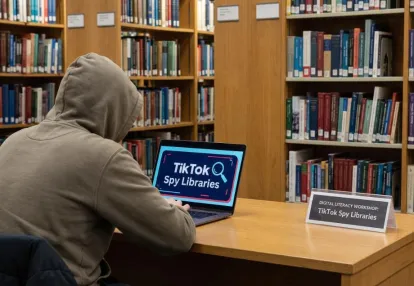
Наши инструменты отслеживают миллионы TikTok-объявлений из более чем 55 стран. Крупнейшая библиотека TikTok-рекламы в сфере e-commerce и мобильных приложений!
Попробуйте БЕСПЛАТНОTikTok официально перешёл порог, на который должен обратить внимание каждый рекламодатель. Как эксклюзивно раскрыла The Sun, платформа запустила новую подписку под названием TikTok Ad-Free 11 мая 2026 года, предоставляя пользователям из Великобритании возможность полностью убрать рекламу из своего контента за ежемесячную плату в размере 3,99 фунта стерлингов. Запуск происходит постепенно — не все пользователи сразу увидят эту опцию, — и доступна она только пользователям в возрасте 18 лет и старше. Важно отметить, что подписчики не получают никаких дополнительных функций или эксклюзивного контента. Они получают лишь одну вещь и только одну: отсутствие рекламы.
Именно эта простота делает данный шаг настолько значительным. TikTok не объединяет удаление рекламы с премиальными преимуществами или инструментами для создателей контента. Компания продает само удаление рекламы как продукт, что является крайне прозрачным признанием того, что значительная часть ее пользователей считает рекламу препятствием, от которого стоит избавиться за деньги. И хотя управляющий директор TikTok по Великобритании Крис Боджер подчеркнул, что реклама по-прежнему важна для поддержки малого и среднего бизнеса — отметив, что в одном только 2022 году малый и средний бизнес Великобритании получил посредством рекламы в TikTok около 1,2 млрд фунтов стерлингов — стратегическое направление очевидно.
Это происходит не в вакууме. TikTok следует стратегии, которую ранее применила компания Meta в Европе, где Facebook и Instagram начали взимать плату с пользователей за возможность пользоваться сервисами без рекламы в ответ на регуляторное давление, связанное с конфиденциальностью данных. Netflix, Amazon и Disney уже разделили свою аудиторию по аналогичному принципу, создав многоуровневые экосистемы, в которых самые чувствительные к цене зрители видят наибольшее количество рекламы, а подписчики, готовые больше платить, не сталкиваются с рекламой вообще. Теперь TikTok применяет ту же логику к самой увлекательной платформе коротких видео в социальных сетях, и последствия для рекламодателей будут серьёзными.
Очень важно и то, в какое время происходит запуск. TikTok активно позиционирует себя как важную платформу для коммерции: как сообщает AdExchanger об инициативах платформы стать «универсальным решением» благодаря таким проектам, как TikTok Shop, GMV Max и недавно запущенный TikTok GO для бронирования путешествий. В то же время, окончательное решение по сделке между TikTok и Oracle дало рекламодателям новую уверенность в долгосрочных инвестициях; аналитики прогнозируют рост рекламных доходов в США на 22,3% к 2026 году. Таким образом, TikTok одновременно стремится привлечь более крупные рекламные бюджеты и предоставляет своим самым преданным пользователям возможность избежать именно этих рекламных объявлений.
Даже если изначальный интерес к безрекламному тарифу будет умеренным — а первые показатели похожих предложений в Meta позволяют предположить, что так и будет — структурные изменения важнее краткосрочных цифр. TikTok создал экосистему с двумя уровнями. С одной стороны, пользователи с бесплатным доступом, которые продолжат видеть рекламу. С другой стороны, пользователи со статусом подписчика, которые не будут видеть рекламу. Для рекламодателей это означает, что аудитория, до которой можно добраться с помощью платных объявлений, вскоре станет лишь подмножеством общей базы пользователей TikTok, а не всей базой целиком. И эта доля будет только уменьшаться по мере того, как все больше пользователей узнают, что могут внести небольшую плату, чтобы избавиться от рекламы. Вопрос не в том, изменит ли это рекламу в TikTok, — а в том, насколько сильно и насколько быстро.
Математика, стоящая за платной подпиской TikTok без рекламы, повествует о ситуации, при которой каждому покупателю рекламы следует насторожиться и пересчитать свои расчёты. Ожидается, что в этом году глобальная выручка TikTok от рекламы достигнет 34,8 миллиарда долларов, а в США прогнозируется рост доходов на 22,3%, согласно анализу AdvertiseMint траектории развития платформы. Это означает, что больше брендов, бюджетов и рекламных кампаний хлынут в аукционную систему TikTok именно в тот момент, когда значительная часть аудитории вот-вот исчезнет из пула пользователей, пользующихся бесплатной версией с рекламой. Результатом станет ситуация повышенного давления, которая кардинально изменит стоимость привлечения аудитории — а также саму эту аудиторию.
Эта динамика напрямую влияет на ставки за тысячу показов (CPM). Как отмечается в анализе стоимости рекламы в TikTok от Joinative, ставки CPM в TikTok уже начинаются примерно с 10 долларов США при минимальном бюджете кампании в 500 долларов, что помещает платформу в категорию, недоступную для небольших компаний. Теперь добавьте сокращение количества рекламных инвентарей. Когда большее количество рекламодателей конкурирует за меньшее количество доступных показов, цены на аукционах растут — это базовый закон спроса и предложения, применяемый к программатик-закупкам. Бренды, которые раньше считали ставки CPM в TikTok выгодными по сравнению с Instagram или YouTube, могут обнаружить, что это преимущество быстро исчезает, особенно в востребованных нишах, таких как красота, мода и потребительская электроника, где плотность рекламы уже высока.
Эту проблему усугубляет неточность таргетинга. Алгоритм TikTok процветает за счёт поведенческих данных, собранных по всей базе пользователей, однако показ рекламы зависит от подмножества пользователей, которые действительно видят рекламу. По мере сужения этого подмножества и изменения его демографического профиля способность платформы эффективно сопоставлять рекламодателей с их целевой аудиторией снижается. Аналоговые аудитории теряют схожесть. Базы для ретаргетинга истощаются. Модели оптимизации конверсий получают меньше данных для работы. Наиболее остро это почувствуют рекламодатели среднего звена, у которых нет огромных бюджетов, чтобы достичь охвата методом грубой силы, — именно те компании, которых поддерживал TikTok, отметив, что малый бизнес Великобритании в одном лишь 2022 году получил около 1,2 миллиарда фунтов стерлингов выручки от рекламы на этой платформе.
Итак, в чём суть игры? Вы не можете контролировать аукцион. Вы не можете помешать платным пользователям уйти. Но вы можете контролировать тот единственный фактор, который определяет, привлечёт ли ваша реклама внимание или будет проигнорирована за доли секунды: само креативное содержание. На рынке, где каждый показ обходится дороже, стоимость запуска посредственных креативов — это не просто потраченные впустую деньги, а конкурентное преимущество, увеличивающееся с каждым новым циклом кампании. Именно здесь угадывание становится по-настоящему опасным, а понимание того, что действительно работает в ленте, с помощью инструментов конкурентной разведки, таких как Anstrex Instream, переходит из желательной опции в стратегическую необходимость. Когда аудитория сокращается, а ставки растут, победу одержат те бренды, которые будут воссоздавать успех, а не надеяться на удачу.
TikTok никогда не был платформой, где процветает отполированная, студийного качества реклама. Но в мире, где отсутствует бесплатный безрекламный тариф, последствия игнорирования этой реальности изменились с низкого показателя вовлеченности до почти полной невидимости.
Вот что многие бренды по-прежнему отказываются принимать: пользователи, остающиеся в вашей аудитории, поддерживающей рекламу, — это не пассивные зрители, терпящие перерывы. Это самые искушенные пользователи TikTok на платформе — те, кто живет на странице «Для вас», кто научился одним движением пальца пролистывать все, что нарушает поток контента, за менее чем секунду, и кто отказался платить 3,99 фунта стерлингов, потому что реклама их пока не раздражает достаточно. В тот момент, когда ваш ролик начинает ощущаться как реклама, вы их потеряли. А с премиальными размещениями, такими как TopView, занимающими весь экран и показывающимися при открытии приложения, спрятать посредственную идею за точностью таргетинга становится невозможно.
Самый большой творческий грех по-прежнему остается самым распространенным. Как ясно указано в руководстве Vidyard по рекламе в TikTok, «самая большая ошибка маркетологов в TikTok — это использование рекламных материалов с других социальных платформ, таких как Instagram, без учёта того, как они воспринимаются». Эта ошибка — взять фирменный ролик в формате 16:9, вставить его в вертикальный кадр и назвать это стратегией в TikTok — изначально стоила дорого. Сейчас она приобретает катастрофический характер. Когда ваша целевая аудитория меньше и умнее, каждый показ, который игнорируют, не вызвав ни малейшего отклика, — это не просто потраченные впустую деньги; это активное обучение алгоритма не приоритизировать ваш контент.
Иван Хоровиц, генеральный директор рекламного агентства Movers + Shakers, понимал это, когда его команда разрабатывала кампанию для бренда красоты Elf. Он рассказал Vidyard, что «для нас было очень важно, чтобы всё, что мы создавали для этой кампании, очень органично вписывалось в способ функционирования TikTok», подчеркнув необработанную, неподдельную энергию платформы в отличие от отточенной эстетики, доминирующей в Instagram. Эта кампания стала одной из самых успешных брендированных хэштег-задач в истории TikTok — не благодаря крупным медиа-закупкам, а потому что креатив был неотличим от органического контента вокруг него.
TikTok четко видит, куда все движется, и создает продукты, которые стимулируют рекламодателей к такой масштабной аутентичности. На мероприятии TikTok World в мае платформа представила TopReach Creative Sequencing — возможность, позволяющую рекламодателям управлять одновременной работой размещений TopView и TopFeed, расширяя высокую заметность до более глубокого, многоэтапного сторителлинга вместо постоянного повторения одного сообщения. Параллельно с этим новое предложение Branded Buzz позволяет брендам сотрудничать с создателями контента в широких масштабах, генерируя большое количество видео, выполненных в естественной манере, за короткий период времени, чтобы заполнить ленту контентом, похожим на органический. Подразделение L'Oréal в Бразилии протестировало оба этих инструмента в рамках рождественской кампании по продвижению люксовой парфюмерии, и видео Branded Buzz, созданные при участии блогеров, набрали более 42 миллионов просмотров всего за две недели.
Сигнал из самой дорожной карты продукта TikTok однозначен: управляемые создателями, последовательные, свойственные платформе формы повествования — это не просто приятное дополнение, а направление, вокруг которого строится вся рекламная экосистема. Бренды, продолжающие использовать переделанные Instagram Reels или чрезмерно затасканные демонстрации продукции, не просто показывают слабые результаты. В условиях, когда каждый пользователь, не платящий за подписку, сознательно выбирает оставить рекламу в своей ленте, «сойдёт» креатив становится вашим главным конкурентным недостатком и самым быстрым способом израсходовать бюджет, не получив за это ничего взамен.
Проблема очевидна: меньшая аудитория, зависящая от рекламы, более высокие CPM и пользователи, которые будут наказывать всё, что выглядит неуместно в их ленте. Решение не в том, чтобы генерировать больше креативов и надеяться, что что-то сработает, — а в том, чтобы изучить уже успешные примеры и систематически воссоздать их по кирпичикам.
Именно здесь конкурентная разведка становится самым эффективным инструментом в вашей креативной стратегии. Концепция проста: вместо того чтобы каждый раз начинать с чистого листа при создании новой рекламы, вы анализируете наиболее успешные креативы, уже запущенные в вашей нише, выясняете, почему они работают, и используете эти знания для построения матрицы тестов, основанной на фактических данных, а не на интуиции. AdvertiseMint рекомендует брендам "протестировать более широкий спектр рекламных форматов и подходов к подаче сообщений" и "использовать ИИ и автоматизацию", чтобы сохранять конкурентоспособность, — здравый совет, но он предполагает наличие бюджета и ресурсов для одновременного тестирования десятков вариантов. У большинства команд этого нет. Конкурентная разведка действует как усилитель, сокращая путь от гипотезы к успешному креативу, показывая вам то, что рынок уже подтвердил.
Проблема TikTok заключается в том, что творческий ландшафт здесь уникально фрагментирован. В отличие от платформ со стандартизированными рекламными блоками, рекламная экосистема TikTok охватывает все — от рекламы в ленте, наиболее доступного формата для небольших брендов, до размещения TopView, занимающего весь экран спустя несколько секунд после открытия приложения, а также Spark Ads, усиливающих органический контент авторов, и брендированных эффектов на основе технологии дополненной реальности. Каждый формат имеет свои правила, свои требования к темпу, свою связь с вниманием пользователя. Успех в одном формате не гарантирует успех в другом, из-за чего массовое тестирование всех форматов становится непомерно дорогим.
Именно эту нишу призван занять инструмент вроде Anstrex Instream. Вместо того чтобы гадать, какой тип крючка, размещение CTA или визуальное оформление может заинтересовать вашу аудиторию, вы можете отфильтровать наиболее эффективные рекламные объявления TikTok в ленте по нишам, показателям вовлеченности, продолжительности видео и сроку размещения — косвенному признаку стабильных результатов, который отличает настоящие победители от кратковременных экспериментов. Чем дольше объявление активно и продолжает тратить бюджет, тем больше уверенности, что оно приносит конверсии.
Вот практическая схема превращения конкурентной разведки в креатив:
Шаг 1: Изучите свою конкурентную среду. Определите прямых конкурентов и смежные бренды, аудитория которых пересекается с вашей. Не ограничивайтесь очевидными соперниками — лучшее творческое вдохновение порой приходит из тех категорий, которые разделяют вашу психологию покупателя, но не ваш продукт.
Шаг 2: Проанализируйте их самые эффективные креативы. С помощью Anstrex Instream, отсортируйте по вовлечённости и длительности показа, чтобы выявить объявления, которые не просто получают просмотры, но и стабильно демонстрируют высокие результаты в течение недель или месяцев. Именно эти креативы стоит изучить.
Шаг 3: Деконструируйте шаблоны. Разберите каждый элемент — время появления зацепа (устанавливают ли лучшие рекламные буквально свой сценарий за первые 1,5 секунды или за первые 3?), частота и расположение текстовых надписей, выбор музыки и звукового оформления, обращается ли артист к камере или демонстрирует товар, и где располагается призыв к действию относительно эмоционального пика.
Шаг 4: Создайте вариации, характерные для местного контента. Опираясь на структурные шаблоны, создайте свой оригинальный креатив, который следует проверенной архитектуре и в то же время отражает ваш бренд и предложение. Как подчеркнул Эван Хоровитч из Movers + Shakers, разрабатывая кампании для таких брендов, как Elf, контент должен "чувствоваться очень естественно в рамках того, как работает TikTok" — всё, что пахнет переизданной рекламой для Instagram, окажется безупешным.
Шаг 5: Тестируйте и итерируйтесь с точностью. Теперь ваши A/B-тесты — не выстрелы вслепую. Вы тестируете обоснованные гипотезы — варианты заголовков, призывов к действию и форматов, которые уже показали востребованность на рынке. Каждый цикл тестирования становится быстрее, дешевле и с большей вероятностью выявляет победителя.
Речь идет не о копировании конкурентов, а о том, чтобы заранее понять обстановку в масштабе, прежде чем войти в помещение.
Появление платной подписки без рекламы в TikTok меняет не только творческий подход — оно кардинально видоизменяет то, как рекламодателям нужно думать о составе аудитории, планировании медиа и расходовании каждого доллара. Работа в двухуровневой экосистеме означает признание того, что аудитория, доступная через платную рекламу, теперь является лишь подмножеством общей базы пользователей TikTok, и разработка стратегии, которая процветает в этих ограничениях, а не борется с ними.
Переосмыслите, кого вы на самом деле достигаете
Первый шаг — отказаться от предположения, что ваши рекламные кампании в TikTok могут охватить всех. По мере внедрения подписки без рекламы по цене 3,99 фунта стерлингов в месяц и аналогичного ценообразования на других рынках значительная часть самых вовлечённых и крупнейших тратящих пользователей платформы будет постепенно отказываться от показа рекламы полностью. Ваши планы размещения рекламы должны явно учитывать это сокращение аудитории. Это означает корректировку прогнозов охвата в сторону понижения и тщательную проверку моделей частоты показов — ведь демонстрация одной и той же рекламы чаще оставшейся меньшей аудитории не является стратегией, это путь к усталости и негативному восприятию.
Начните с разделения вашей стратегии TikTok на два отдельных направления: направление платной медиарекламы, ориентированной на аудиторию, поддерживающую платформу рекламой, с жёстко оптимизированным креативом, и направление органического и создаваемого авторами контента, нацеленного на всех пользователей платформы, включая обладателей премиум-подписки, которые никогда не увидят традиционные рекламные блоки.
Перераспределите бюджет в пользу каналов создания контента и коммерции
Если значительная часть вашей наиболее ценной аудитории стала недоступной через стандартные рекламные размещения, вам нужны альтернативные пути. Здесь особенно важен развивающийся набор продуктов TikTok. Инструменты, такие как Branded Buzz, позволяющий рекламодателям в масштабе сотрудничать с авторами контента и быстро создавать большой объем материалов, позволяют появляться в лентах органически — в виде контента создателей, а не навязчивой рекламы. Аналогично, поисковые центры предоставляют брендам постоянное и легко находимое присутствие, не зависящее от показов рекламы. Подписчики без рекламы по-прежнему будут видеть контент создателей, посещать TikTok Shop и участвовать в хэштег-вызовах. Ваш бюджет должен учитывать такое поведение.
Подумайте о перераспределении 20–30 процентов вашего бюджета на TikTok на партнерства с авторами контента, Spark Ads для продвижения органических публикаций и оптимизацию TikTok Shop. Эти каналы работают на стыке традиционной рекламы и органического контента — именно в той серой зоне, где существуют пользователи без рекламы.
Выход за рамки показов в измерении эффективности
Традиционные метрики медиапланирования теряют свою актуальность в мире, разделённом на два сегмента. Показы и CPM измеряют только то, что происходит в рамках тарифного плана с рекламой, оставляя без измерения или недооценивая органические усилия и деятельность создателей контента. Создайте систему измерений, объединяющую метрики охвата за счёт рекламы с показателями органического вовлечения: просмотры видео создателей, уровень участия в хэштегах, данные о конверсиях TikTok Shop и видимости в поиске.
Те бренды, которые добьются успеха в этих новых условиях, выиграют не за счёт наибольших затрат на рекламу в ленте. Они победят потому, что поймут: главная ошибка маркетологов на TikTok заключается в использовании креативов, скопированных с других платформ, без адаптации под экосистему платформы — а к 2026 году эта экосистема включает в себя аудиторию, доступ к которой невозможно купить. Подход должен простираться дальше платной рекламы. Он должен охватывать каждый контактный пункт, где бренд может появляться аутентично, независимо от того, использует зритель бесплатный или платный тариф. Это не просто творческая задача. Это структурный сдвиг в том, как с нуля следует формировать бюджеты на TikTok.
Получайте лучшие конверсионные лендинги каждую неделю на свою почту.
Обязательно к прочтению
Узнайте, как превратить один сильный бренд-момент в масштабируемые воронки Native, Push и Pop, вместо того чтобы полагаться на одно главное объявление. В этом руководстве рассматриваются модульный креатив, построение воронок в TikTok, конкурентная разведка с Anstrex, тестирование на разных каналах и повторяемая цепочка поставок креативов.
Dan Smith
7 минсент. 26, 2026
Недавно обновлено
Узнайте, как библиотеки слежения TikTok могут стать инструментом предварительного тестирования креативов для наружной рекламы, помогая маркетологам определять эффективные зацепки, форматы и сообщения до запуска кампаний на бортах автомобилей и в цифровых рекламных щитах. В данном руководстве представлен гибридный рабочий процесс, включающий анализ цифровых рекламных паттернов, их цифровое тестирование, подтверждение результатов в реальных условиях и возврат данных в систему многоразового креативного интеллекта.
Samantha Reed
7 минсент. 23, 2026
Выбор редакции
Узнайте, как превратить тренды в области еды, спорта и технологий в структурированные гипотезы творческого тестирования вместо разовых идей для рекламы. Научитесь создавать отраслевые шаблоны, тестировать их в форматах Native, Push, Pops и TikTok, а также использовать данные эффективности для постоянного совершенствования своей стратегии креативов.
Dan Smith
7 минсент. 20, 2026