12 миниюня 20, 2026

Наши инструменты отслеживают миллионы рекламных кампаний в форматах native, push, pop и TikTok.
НачатьНативная реклама родилась из простого и убедительного понимания: людям не нравится, когда их отвлекают. Как отмечает AdPushup, аудитория стала распознавать каждый трюк, который использовали рекламщики — юмор, шокирующую подачу, эмоциональное манипулирование, — что привело к возникновению «слепоты к баннерам», когда рекламные объявления стали просто игнорироваться. Предполагалось, что нативная реклама станет противоядием. Её основная философия заключается в том, чтобы сделать рекламу менее похожей на рекламу, встроив брендовые сообщения в редакционный поток настолько органично, что потребители не будут инстинктивно отводить взгляд. И на какое-то время это прекрасно работало.
Но между философией и реализацией индустрия допустила катастрофическую ошибку в интерпретации. Она спутала «ненавязчивость» с «невидимостью».
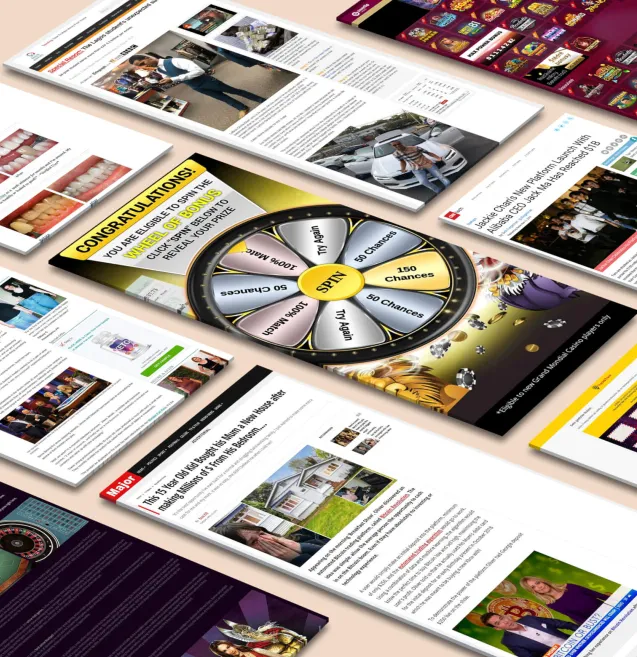
Пролистайте виджет рекомендации контента любого крупного издателя сегодня — тот, что размещается под статьей и заполняется сетями вроде Taboola или Outbrain — и вы заметите кое-что удивительное в его однообразии. Все миниатюры выглядят одинаково. Фотографии лиц с офисными улыбками, слегка повернутые налево. Заголовки, намекающие на любопытство, выполненные одинаковыми шрифтами. Приглушенные цветовые палитры сливались в однородную полосу бежевой посредственности. Объявления не прерывают чтение, верно. Но они и не воспринимаются. Они стали визуальным белым шумом, цифровым эквивалентом обоев в приемной у стоматолога. Нативная реклама не искоренила баннерную слепоту. Она лишь породила новую разновидность: нативную слепоту.
Ирония почти поэтична. Формат, созданный, чтобы привлекать внимание, уважая его, в действительности научил аудиторию игнорировать совершенно новую область страницы. Когда каждый рекламодатель следует одному и тому же сценарию маскировки, результатом становится не набор доверенных, естественно воспринимаемых контентных впечатлений. Это сетка неразличимых миниатюр, которые взгляд проскакивает с той же отточенной эффективностью, с какой ранее проходил над баннерами 728x90.
Именно здесь аналогия с рекламным щитом оказывается поучительной. Никто, проезжая мимо рекламного щита, не путает его с частью ландшафта. Рекламные щиты не притворяются чем-то другим, кроме того, что они есть — целенаправленной попыткой привлечь ваше внимание в общем физическом пространстве. И тем не менее, лучшие из них работают не за счёт более громких криков, а за счёт того, что они выглядят более эффектно, остроумно и запоминающимся образом по сравнению с окружающим пейзажем. Они заслуживают внимания благодаря творческому отличию, а не маскировке.
В области нативной рекламы этот принцип в значительной степени был заброшен. Как напоминает руководство Voluum по творческой стратегии нативной рекламы специалистам, у вас и вашего конкурента одинаковое количество пикселей для рекламы, и то, что отличает вас от других — это ваша креативность. Этот совет кажется очевидным, почти банальным. Но он резко контрастирует с индустрией, которая в целом настроилась на стандартизацию. Когда каждый бренд использует одни и те же шаблоны рекомендаций контента, одинаковые безопасные изображения и одинаковую расплывчатую формулировку, предназначенную для того, чтобы не вызывать помех, — креативность ценится не просто низко; она была активно подавлена во имя «вписывания».
Рынок нативной рекламы огромен и продолжает расти — по прогнозам отраслевых анализов, к 2025 году он достигнет 402 миллиардов долларов США по всему миру. В этих масштабах особенно пугающей выглядит творческая стагнация. Сотни миллиардов долларов вкладываются в формат, где главная стратегия — выглядеть точно так же, как и всё остальное в ленте. Бренды платят повышенные цены за то, чтобы их учтиво игнорировали.
Изначальная идея нативной рекламы — ненавязчивость, доверие, плавная интеграция — никогда не была неверной. Однако отраслевая интерпретация этого обещания оказалась катастрофически буквальной. Быть ненавязчивым — не значит лишать себя визуальной идентичности. Действовать на основе доверия — не значит быть робким. А слияние с редакционной средой — не значит отказываться от всего, что может заставить человека остановить прокрутку. Те рекламодатели, которые понимают эту разницу, используют урок, известный дизайнерам билбордов уже на протяжении столетия: можно уважать чужое пространство и при этом привлекать внимание. Главное — быть достойным взгляда.
Дизайнеры рекламных щитов работают в самых жестких творческих условиях во всей рекламной индустрии. Здесь нет клика, нет повтора, нет второго шанса. Водитель, движущийся на скоростной автомагистрали, уделяет рекламному щиту примерно от пяти до шести секунд внимания — зачастую ещё меньше — и за это время всё сообщение должно быть воспринято. Эта суровая реальность сформировала дисциплину безжалостной ясности, изучение которой пошло бы на пользу цифровым рекламодателям, в особенности тем, кто размещает нативную рекламу.
Принципы кажутся обманчиво простыми, но чрезвычайно трудны в качественном исполнении. Как задокументировано OOH Today, самые эффективные билборды используют броские макеты, читаемые шрифты и ясные сообщения, которые проезжающие водители понимают мгновенно. Это означает одно главное изображение, одно сообщение, одну эмоциональную реакцию. Всё остальное убирается — не потому что у дизайнеров мало амбиций, а потому что среда беспощадна ко всему, что требует второго взгляда.
Рассмотрим подход современных билбордов к минимализму и максимализму. Это не эстетические предпочтения, выбранные случайно; это стратегические решения, согласованные с контекстом. Минималистский креатив — чистые макеты, жирные шрифты, сжатый текст — доминирует на автомагистралях, где важнейшими являются быстрая читаемость и хорошее запоминание. Максималистский дизайн с его яркими цветами, многослойной графикой и энергичными композициями используется в визуально перегруженных городских районах, где билборд должен перекрывать окружение. Оба подхода работают, потому что применяются осознанно. Ключевое слово — целесообразность: каждый элемент либо оправдывает своё присутствие, либо исключается.
Затем идёт роль юмора, динамичных компоновок и контекстных сообщений, все это становится все более важным в современных кампаниях наружной рекламы. Остроумные слоганы и отсылки к культуре делают билборды более запоминающимися, а дизайны, имитирующие движение, естественным образом привлекают взгляд зрителя. Ориентированные на местоположение сообщения — например, бренд тако, упоминающий съезд, к которому вы приближаетесь, или реклама спортивного зала, говорящая о районе, через который вы проезжаете, — добавляют уровень значимости, превращая беглый взгляд в момент узнавания. Билборд не просто требует внимания; он заслуживает его, создавая ощущение, что принадлежит конкретной окружающей водителя среде.
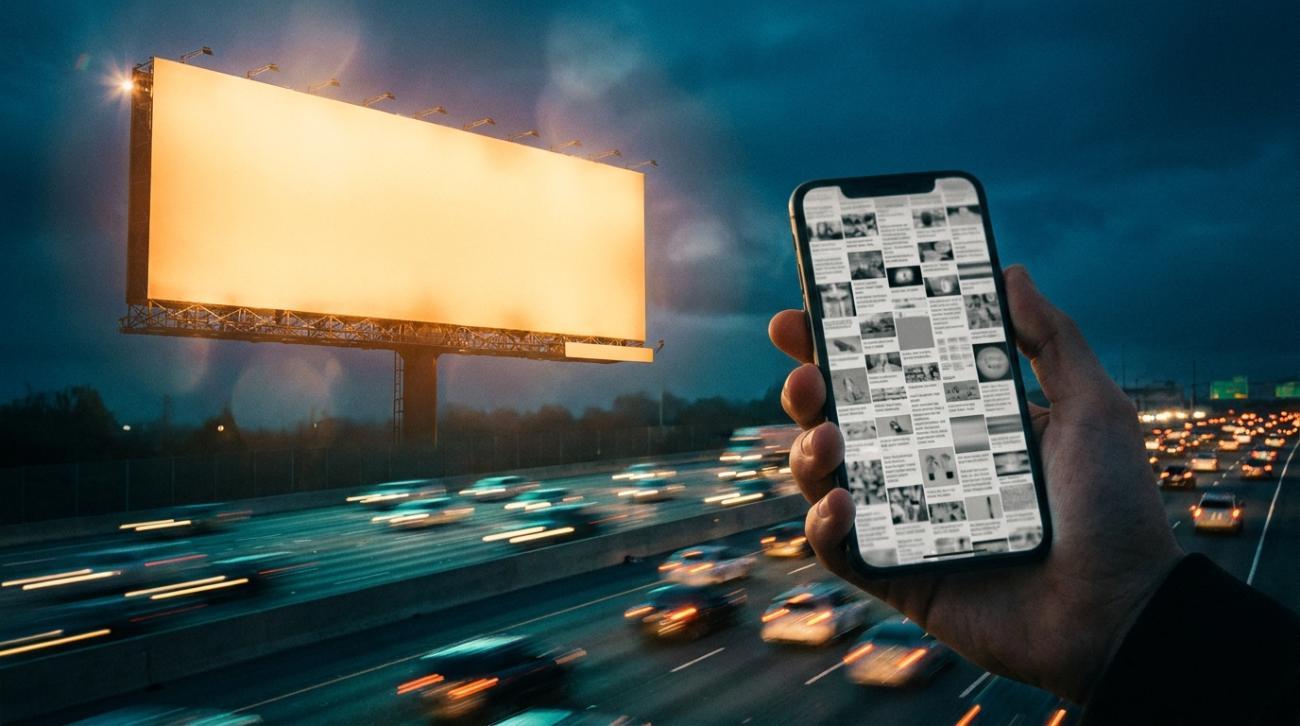
Теперь перенесём эти ограничения на мобильную ленту. Палец, пролистывающий виджет рекомендаций контента, — это цифровой эквивалент автомобиля, проезжающего мимо рекламного щита со скоростью 95 км/ч. Пользователь находится в движении, отвлечён и окружён десятками конкурирующих карточек. И всё же рекламодатели в ленте постоянно нарушают все принципы, которые специалисты по билбордам считают незыблемыми. Они перегружают заголовки множеством ценностных предложений. Они накладывают текст на насыщенные изображения, который становится слишком мелким и нечитаемым на экране телефона. Они полностью игнорируют контекст, показывая одинаковый безликий креатив независимо от издателя, контента вокруг него или времени суток.
Данные подтверждают интуицию дизайнера наружной рекламы, даже в цифровой среде. Исследования Taboola для рынка США показывают, что изображения без наложенного текста обеспечивают на 19% более высокий показатель кликабельности, чем перегруженные альтернативы, а цветные изображения превосходят черно-белые на 49%. Другими словами, одни и те же принципы — визуальная ясность, одно сильное изображение, позволяющее креативу «дышать» — приносят измеримо лучшие результаты в нативных лентах, так же как и на разделительной полосе шоссе.
Преимущество дизайнера рекламного щита заключается не в таланте или бюджете. Оно в ограничении. Когда вы не можете добавить абзац основного текста, второстепенный призыв к действию и карусель снимков продукта, вас вынуждают достичь той ясности, которая действительно доходит до людей. У создателей нативной рекламы нет таких ограничений — и это заметно. Гибкость формата стала творческим недостатком, позволяя ту самую перегруженность и сложность, которые шестисекундное окно никогда бы не допустило.
Творческая дисциплина индустрии рекламных щитов — это не набор эстетических предпочтений, а совокупность инженерных решений, отточенных десятилетиями суровой обратной связью из реального мира. Три из этих решений напрямую переходят в тактики нативной рекламы, которые большинство покупателей упускают.
1. Контраст: Нарушение визуального ритма ленты
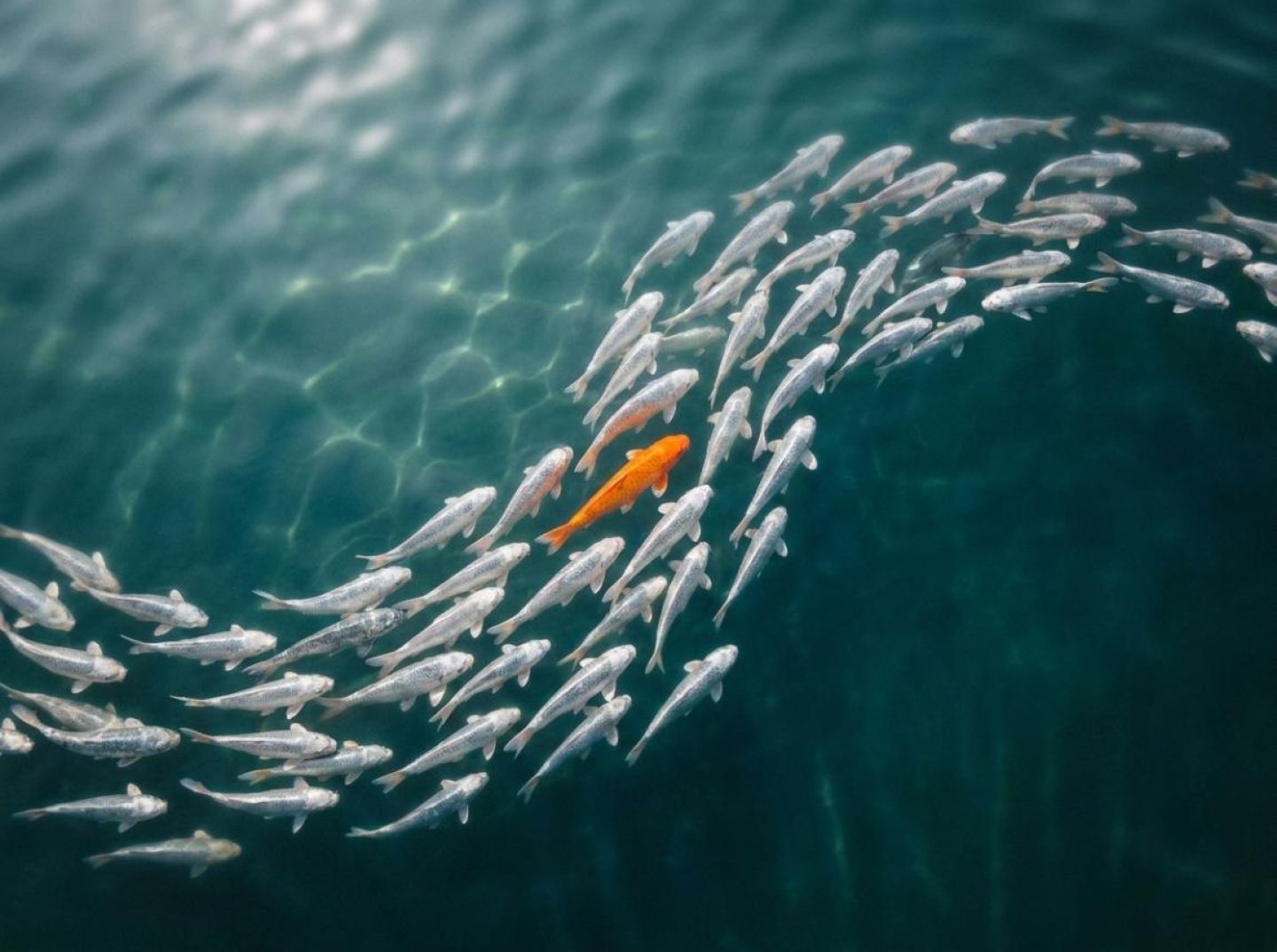
Билборд, сливающийся с горизонтом, — это неудачный билборд. Тот же принцип действует и для миниатюры нативной рекламы, которая соответствует приглушённому, редакционному тону всего окружающего контента. Цель не в том, чтобы выглядеть как реклама, а в том, чтобы создать визуальный разрыв, который глаз не сможет пропустить. В наружной рекламе это яркие цвета, динамичные композиции и смелая типографика, разработанные, чтобы выделяться на визуально насыщенных городских фонах. В нативной рекламе аналогом является выбор изображения для миниатюры, которое нарушает доминирующую цветовую палитру ленты: насыщенное оранжевое изображение среди моря фотографий в прохладных тонах или крупный план лица на фоне широкоугольных пейзажей. Данные самой Taboola подтверждают это: как сообщало The Native Agency, цветные фото обеспечивают на 49% более высокий CTR по сравнению с чёрно-белыми изображениями. Урок не в том, чтобы «использовать цвет», а в том, чтобы использовать цвет стратегически: применять визуальную выразительность там, где окружающий контент визуально лёгкий, и наоборот. Контраст зависит от контекста. Он работает только в том случае, если вы понимаете, с чем именно вы его создаете.
2. Краткость: тест на семи словах
Если ваш заголовок не выдержит скорости 110 км/ч, он не выдержит и скорости пролистывания. Дизайнеры наружной рекламы давно знают, что текст должен передавать смысл в считанных словах, поскольку при высокой скорости требуется мгновенная читаемость — минималистичный креатив с минимальным количеством текста обеспечивает самую быструю читаемость и лучшее запоминание. Нативные рекламодатели должны использовать тот же подход. Сведите ваш заголовок к самой сути. Если для передачи основной мысли требуется больше семи слов, вы пишете для читателя, который уже перестал листать, а такого читателя еще не существует. Согласно данным Taboola, изображения без наложенного текста превосходят изображения с текстом на 19%, что подтверждает: визуальную работу должна выполнять миниатюра, а текстовую — заголовок. Разделение этих функций — вместо их перегрузки в одном кадре — соответствует принципу наружной рекламы, согласно которому каждый элемент выполняет одну конкретную, недвусмысленную задачу.
3. Контекстуальное намерение: креатив с учётом размещения
Наиболее продуманные кампании OOH не просто арендуют места — они создают креативы специально под эти места. Билборд у съезда с трассы возле автосалона не должен использовать те же тексты, что и билборд около аэропорта. Практика таргетированного месседжинга, учитывающего местоположение, делает информационные щиты более релевантными для водителей в конкретной обстановке, и именно это правило нативные рекламодатели нарушают чаще всего. Большинство кампаний используют идентичный креатив на всех изданиях в своей сети — один и тот же миниатюрный баннер и заголовок на тематическом сайте о здоровье, финансовом портале и сайте новостей о знаменитостях. Как подчёркивается в руководстве Voluum по нативной рекламе, то, что отличает одного рекламодателя от другого — это эксперименты с креативами и готовность выяснять, что работает для конкретных сегментов и размещений. Нативная реклама финансового продукта на издании по личным финансам должна затрагивать страх перед пенсией, а не использовать общие образы богатства. Та же реклама на новостном сайте может быть сфокусирована на экономической неопределённости. Креатив должен разрабатываться под контекст потребления, а не просто под демографические характеристики аудитории. Представьте каждое размещение на издании как отдельный съезд с трассы — и создавайте билборд соответствующим образом.
Эти три принципа — контраст, краткость и контекстуальное намерение — не являются философией дизайна, которую можно лишь любоваться издали. Это рабочие инструкции, ожидающие своего применения — один миниатюрный рисунок, один заголовок и одно размещение за раз.
Всякий раз, когда кто-то предлагает применить креативное мышление в стиле рекламных щитов к нативной рекламе, в стороне возникает предсказуемое возражение: «Но весь смысл нативной рекламы — в том, чтобы органично вписываться. Если мы сделаем её броской, мы разрушим преимущество доверия».
Это разумное опасение, но при этом совершенно ложная дилемма.
Концепция ценности нативной рекламы всегда основывалась на её ненавязчивом характере. Как объясняет AdPushup, нативная реклама успешна, потому что она использует "мягкий интерактивный подход", создавая "автоматическую, более прочную основу для доверия" по сравнению с более агрессивными маркетинговыми методами. Это доверие реально, его можно измерить, и его стоит защищать. Никто не утверждает, что нативная реклама должна начинать вести себя как всплывающие окна или автозапускающееся видео.
Но вот важнейшее различие, которое большинство закупщиков медиа упускают: быть ненавязчивым — это не то же самое, что быть невидимым. И в настоящий момент индустрия нативной рекламы настолько перепутала эти два понятия, что среднестатистическая реклама в ленте неотличима от безликих материалов вокруг неё — не потому, что она уважает редакционную среду, а потому, что по умолчанию использует одни и те же выцветшие стоковые фотографии, одни и те же пресные формулы заголовков и ту же визуальную безликость, которые уже выбрали все остальные рекламодатели в ленте. Результат — это не бесшовная интеграция. Это превращение в безликую обои.
Индустрия рекламных щитов решила эту проблему уже давно. Лучшая наружная реклама не вызывает агрессии. Вспомните знаменитые кампании Apple с силуэтами iPod или остроумные слоганы The Economist на красном фоне. Эти щиты не кричали — они просто не давали себя игнорировать. Как отмечает OOH Today, минималистичные и максималистичные стили работают в наружной рекламе, если они «используются осознанно и созданы для быстрого восприятия». Ключевое слово — осознанно. Чистый, смелый билборд привлекает внимание не благодаря нарушению визуальных норм автострады или городского квартала, а за счет достаточного контраста, ясности и эмоциональной определенности, чтобы выделиться на фоне визуального шума. Он заслуживает взгляда. Он не перехватывает его.
Нативные рекламодатели должны стремиться к точно такой же динамике. Цель заключается не в том, чтобы нарушить эстетику издателя, а в том, чтобы стать самым привлекательным элементом в ней. Это означает замену шаблонных изображений на визуальные материалы, несущие настоящую эмоциональную нагрузку: крупный план человеческого выражения лица вместо рукопожатия в конференц-зале, насыщенная цветовая палитра вместо корпоративного серого, заголовок, вызывающий конкретное чувство, а не просто сухое описание предложения. Как говорится в руководстве Voluum по нативной рекламе, «у вас и вашего конкурента одинаковое количество пикселей для объявления» — то, что превращает эффективность в пустую трату, — это креативность, проявленная в этих пикселях.
Вот в чем заключается принцип компаундинга, который понимают слишком немногие сторонники нативной рекламы: доверие и внимание — это не альтернатива. Они являются множителями. Нативная реклама, которая вписывается в контекст, вызывает доверие, но не привлекает внимания, — а доверие без внимания не приносит ни одного клика. Баннерная реклама, кричащая о себе, но выглядящая чужеродной, привлекает взгляд, но вызывает скептицизм. Выигрышная золотая середина — та самая точка равновесия билбордов, та самая выигрышная зона великой нативной рекламы — креатив, который кажется естественной частью ленты и заставляет палец пользователя замереть. Визуальная смелость в рамках редакционного контекста. Магнетизм, а не агрессия.
Ложная дилемма между вписыванием и выделением тихо превратилась в одно из самых затратных допущений в цифровых медиа. Каждая нативная кампания, по умолчанию выбирающая безопасный, незапоминающийся креатив ради «нежелания мешать», платит полную стоимость размещения, а затем добровольно отказывается от внимания, которое приобрела. Билборды не могут позволить себе такую роскошь на скорости шестидесяти миль в час. Нативным рекламодателям не следует мириться с этим на скорости прокручивающего ленту пальца.
Знать, что работает смелая образность, минимальный текст и контекстуальная релевантность — это одно. Систематически находить доказательства того, что уже работает в вашей конкретной нише, а затем строить воспроизводимый процесс на основе этих инсайтов — это совсем другое. Здесь большинство рекламодателей в формате нативной рекламы терпят неудачу: они полагаются на инстинкт там, где должны полагаться на аналитику.
Подумайте о том, как работает компания, продающая рекламные щиты, до того, как продаст одну единственную рекламную площадку. Команда проезжает по маршруту. Они фотографируют окружающий ландшафт — конкурирующие вывески, архитектурные особенности, обзорность, схемы транспортных потоков. Они точно понимают, что водитель увидит за несколько секунд до появления билборда и после него. И лишь затем они разрабатывают креативы, которые будут выделяться на фоне этой конкретной обстановки. У нативных рекламодателей есть доступ к цифровому эквиваленту такой разведки, но большинство никогда этого не использует.
Инструменты конкурентной разведки — такие платформы, как Anstrex, AdPlexity или PowerAdSpy, позволяют анализировать текущие рекламные кампании в сетях нативной рекламы в масштабах. Вы можете фильтровать по вертикалям, издателям, сетям, географии. Вы видите, какие креативы работают дольше всего (это надежный показатель эффективности, поскольку никто не будет платить за провальные объявления месяцами). И вы можете систематически фиксировать закономерности: какие миниатюры используют яркие, чистые изображения без текста? Какие заголовки достаточно короткие, чтобы работать, как текст на билборде? Какие объявления контекстуально соответствуют сопровождающему редакционному контенту?
Этот аудит — ваш анализ трассы. После того как вы каталогизировали ландшафт, следующим шагом является выделение креативов, соответствующих принципам, вдохновлённым OOH, рассмотренным в предыдущих разделах — высокая контрастность, визуальная простота, уместность контекста — и использование их в качестве эталона для ваших креативов. Вы не копируете их. Вы выявляете структурные принципы, которые привлекают внимание в конкретной среде размещения, а затем разрабатываете креативы, которые превосходят по контрасту, ясности и релевантности.
Однако интеллект без дисциплины исполнения — всего лишь разглядывание витрин. Рынок нативной рекламы, как ожидается, вырастет с 85,83 млрд долларов в 2020 году до 402 млрд к 2025 году, что означает, что лента становится всё более переполненной каждый квартал. Больше рекламодателей означает большее выгорание креативов, а это значит, что то, что работало в прошлом месяце, в этом месяце уже может оказаться незаметным. Вам нужна систематическая тестовая платформа, а не одноразовая генерация идей.
Эта стратегия основана на объеме и скорости. Как подчеркивается в руководстве Voluum по нативной рекламе, существует тесная корреляция между регулярным обновлением рекламных материалов и эффективностью: рекламодателям следует добавлять новые вариации изображений и заголовков каждые пару дней, и ни один креатив не должен работать дольше трех месяцев. Такой подход аналогичен тому, как компании, управляющие рекламными щитами, обновляют свое размещение: они знают, что даже самое эффектное изображение теряет свою силу, как только аудитория привыкает к нему.
Сочетайте этот ритм обновлений с тщательным сплит-тестированием. Не меняйте креативы произвольно — тестируйте один параметр за раз, сравнивая с установленными вами ориентирами, вдохновленными наружной рекламой. Привлекает ли больше внимания чистое миниатюрное изображение без текста, чем захламленная версия? Лучше ли работает заголовок из семи слов по сравнению с двенадцатисловным? Дает ли изображение, соответствующее контексту и стилю издания, лучший результат, чем стандартное стоковое фото? Проверяйте данные ежедневно, особенно в первые дни кампании, и используйте белые и черные списки для выявления наиболее конвертирующих размещений, чтобы сосредоточить расходы там, где ваши креативные принципы могут действительно проявить себя.
Цель не в том, чтобы превратить нативную рекламу в миниатюрные рекламные щиты. Цель — принять за основу дисциплину, используемую в индустрии рекламных щитов: сначала изучить среду, разработать рекламу с учётом конкретного контекста внимания, в который вы входите, неустанно измерять эффективность и менять рекламу до появления усталости от неё. Интуиция может однажды подсказать удачную идею. Процесс, основанный на конкурентной разведке и структурированном тестировании, будет стабильно генерировать успешные идеи.
Цифры впечатляют, и они должны вызывать дискомфорт у каждого маркетолога, отвечающего за эффективность. Ожидается, что затраты на нативную рекламу вырастут на 372% с 2020 по 2025 год, увеличившись с 85,83 миллиарда долларов до глобальной рыночной стоимости в 402 миллиарда долларов. Это уже не нишевый канал. Это доминирующая сила в цифровой рекламе — сила, которая теперь соперничает или даже превосходит бюджеты, выделяемые на многие традиционные форматы. И все же, пролистав рекомендательный виджет любого крупного издателя, вы столкнетесь с творческой пустыней: размытые стоковые фотографии, кликбейтные заголовки без содержания, миниатюры, которые выглядят так, будто их собрали за шестьдесят секунд человек, никогда не изучавший, что заставляет человеческий глаз остановиться.
Вот и заключается парадокс в основе современной нативной рекламы. Бюджеты растут. Творчество — нет.
Подумайте, что поняли дизайнеры билбордов уже несколько десятилетий назад: когда вы соревнуетесь за мизерную долю внимания человека в условиях высокой скорости, ясность, смелая визуализация и сильный дизайн — это не просто приятное дополнение, а механизмы выживания. Каждый элемент на таком щите должен оправдывать своё присутствие, иначе он будет удалён. А теперь сравните эту дисциплину со средней миниатюрой нативной рекламы. Здесь нет композиционного замысла. Нет стратегии цвета. Нет понимания того, как изображение будет отображаться в шестьдесят пикселей в высоту на мобильном экране. Результат — сотни миллиардов долларов вливается в формат, в котором первое — и зачастую единственное — впечатление, которое потребитель получает, это посредственное изображение в паре с незапоминающимся заголовком.
Это проблема всего рынка, но в то же время это огромная индивидуальная возможность. Когда уровень креатива во всей экосистеме настолько низок, даже незначительные улучшения качества миниатюр могут дать несоразмерно высокие результаты. Вам не нужно быть гением. Вам просто нужно действовать осознанно среди моря рекламодателей, которые таковыми не являются.
Данные подтверждают это. Как показало исследование Taboola для рынка США, простые творческие решения — использование цветных изображений вместо черно-белых, удаление текстовых наложений с фотографий — могут увеличить CTR на 19–49%. Это не незначительный рост, достигнутый благодаря сложному машинному обучению. Это фундаментальные принципы дизайна, которые большинство рекламодателей просто игнорируют. В терминах рекламных щитов это всё равно что обнаружить, что половина рекламы на шоссе печатается шрифтами, которые невозможно прочитать, — и затем выбрать читаемый.
Здесь цена упущенной выгоды огромна. Если расходы на нативную рекламу действительно достигнут масштабов, прогнозируемых аналитиками, и большая часть этих затрат продолжит финансировать ленивые миниатюры и не вдохновляющие заголовки, общий ущерб может легко составить десятки миллиардов долларов ежегодно. Каждый показ, сделанный с помощью плохо разработанного креатива, — это деньги, потраченные на возможность привлечь внимание, которая так и не была дана по-настоящему.
Как прямо указано в рекламном FAQ Voluum, вы и ваш конкурент получаете одинаковое количество пикселей для объявления — и то, что вас отличает, это ваша креативность. Это не просто красивые слова. Это реальность конкуренции в формате, где холст каждого рекламодателя идентичен по размеру, размещению и контексту. Единственная переменная, которая остаётся, — это то, что вы помещаете на этот холст.
А в настоящее время большинство рекламодателей размещают почти ничего такого, что стоило бы смотреть. Это означает, что рекламодатель, который решит серьёзно отнестись к созданию эскизов — который применит визуальную строгость дизайнера рекламных щитов к ограничениям блока нативной рекламы, — не просто улучшает свои кампании. Он использует системную неэффективность, которую большая часть рынка даже не осознаёт как проблему. В экосистеме стоимостью 402 миллиарда долларов это вовсе не небольшое преимущество. Это структурное преимущество, скрытое на виду.
Получайте лучшие конверсионные лендинги каждую неделю на свою почту.
Подробный разбор
Узнайте, как рекламная аналитика на уровне города может помочь маркетологам создавать кампании, которые воспринимаются как местные, но масштабируются глобально. Научитесь использовать Anstrex для выявления географических, языковых, творческих закономерностей и особенных для воронки продаж паттернов на Native, TikTok, Push и Pops, а затем превращайте эти данные в постоянно эффективные локализованные кампании.
Elena Morales
7 минсент. 16, 2026
Самое читаемое
Генерация спроса смещается от одной лишь маркетинговой автоматизации к рыночной аналитике в реальном времени и проверенным креативным сигналам. В этом руководстве показано, как использовать аналитику объявлений из родных источников, пуши, pop-окна и TikTok, чтобы выявить наиболее эффективные зацепки, превратить их в интеллектуальную собственность для генерации спроса и применить эти данные во всей клиентской воронке: рекламе, электронной почте, посадочных страницах и на всех этапах пути клиента.
Elena Morales
7 минсент. 13, 2026
Самое читаемое
Узнайте, как связать данные рекламного шпиона с поведением на сайте, информацией из CRM и результатами выручки, чтобы выявить реальные факторы рентабельности инвестиций. Узнайте, как превратить Anstrex из инструмента копирования креативов в замкнутую систему для тестирования выигрышных рекламных подходов, воронок и клиентских путей.
Dan Smith
7 минсент. 9, 2026