6 minNovember 1, 2026

Our spy tools monitor millions of native ads from over 60+ countries and thousands of publishers.
Get StartedIf you’re still treating local SEO as a channel that begins and ends with Google rankings, you may be overlooking one of its most valuable assets: the customer-intent data hidden inside your city pages.
Pages targeting searches such as “plumber in Austin,” “plumber in Round Rock,” or “emergency AC repair near [neighborhood]” do more than attract local visitors. They help reveal where demand exists, which services people need, what problems they want solved, and how urgently they want a solution.
A well-structured city-page strategy can give businesses a clearer picture of the local markets they serve. As explained in this guide to city pages and local SEO, location-specific pages can help businesses target surrounding communities with content that reflects local search needs.
But the opportunity doesn't have to stop at organic traffic.
Local search visibility is changing. Search results increasingly combine traditional organic listings with paid placements and AI-generated features. The result is a more competitive environment in which businesses cannot assume that ranking alone will consistently deliver all the visibility they need. WordStream's local SEO tips and research offer additional context on the changing local search landscape.
That doesn't mean local demand has disappeared. It means marketers need to understand where that demand is coming from and how to reach potential customers through more than one channel.
This is where native, push, and TikTok advertising become useful.
Instead of treating local SEO, paid social, and performance advertising as separate activities, marketers can use city pages as a source of audience and creative insights. Search queries can inspire ad hooks. Location-level engagement can inform geographic testing. Frequently asked questions can become advertorial topics, short-form videos, and landing-page content.
The result is a more coordinated acquisition strategy: local SEO helps identify demand, while paid campaigns extend reach and create additional opportunities to convert it.
This guide explains how to build that connection, use Anstrex to research relevant advertising funnels, and turn local search insights into cross-channel campaigns.
Most marketers think of city pages as a way to rank for more location-based keywords. That is one important purpose, but it doesn't capture their full strategic value.
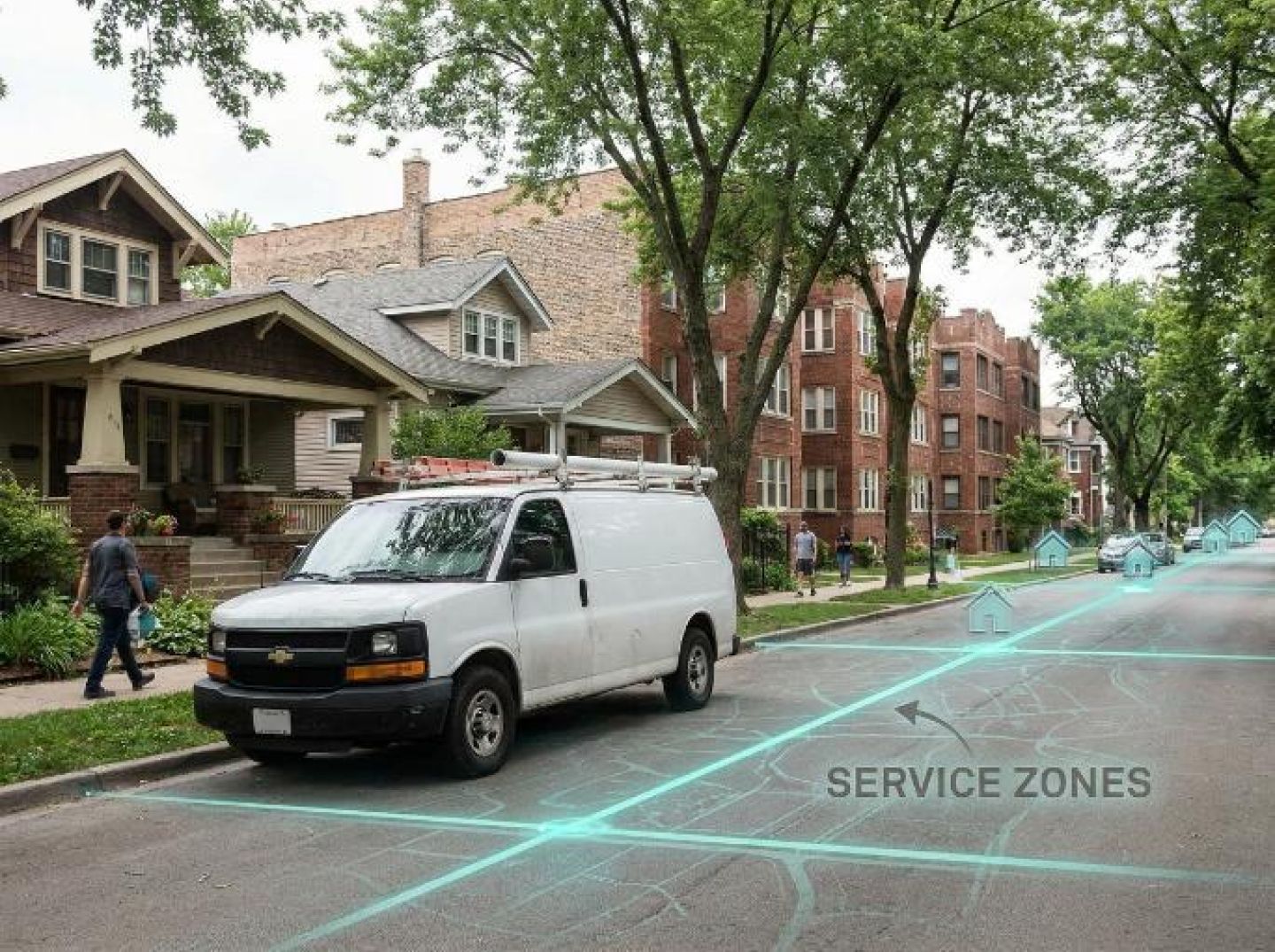
A page targeting “plumber in Austin” or “roof repair in Round Rock” connects a specific service with a specific geographic market. It gives search engines relevant location information while giving marketers a way to analyze which services and locations attract potential customers.
Local searches often contain meaningful commercial signals. Someone searching for “emergency plumber near me” has a different immediate need from someone searching for “how does residential plumbing work?”
The Semrush guide to local SEO explains how location and service-related search terms help businesses reach people looking for nearby products and services. Modifiers such as “near me,” “emergency,” and a service combined with a city name can help distinguish local intent from broader informational interest.
That distinction matters when you plan campaigns outside search.
Native advertising, push notifications, and TikTok can reach people who are not actively searching at that moment. However, marketers still need a strong understanding of the problems, locations, and messages that matter to their intended audiences.
City-page analytics can help provide that context.
For example, a multi-location home services business might discover that:
These observations can help shape campaign decisions. They do not automatically prove that every visitor is ready to buy, but they offer a more useful starting point than broad assumptions about a local audience.
City pages can also help businesses expand their geographic coverage. In an example discussed in Neil Patel's education marketing guide, localized pages were used to reach communities around multiple campus locations. The broader lesson is that location-specific content can create additional entry points into a business's acquisition funnel.
Agencies such as PGN Agency also discuss city pages as a way to target local search demand with more relevant content.
The strategic value of city pages comes from three connected functions:
When you treat city pages as more than ranking assets, you can begin using their insights to improve the rest of your marketing strategy.
Organic local visibility can be valuable, but it has limitations. A city page can attract high-intent visitors, yet its reach is still influenced by search demand, rankings, competition, and the visibility available on the results page.
Consider a page targeting “same-day AC repair in Austin.” Its visitors may be highly relevant to the service, but the business cannot assume that every potential customer in Austin will search for that exact phrase or find the page.
This is where paid amplification can complement organic acquisition.
The goal isn't to replace local SEO with paid advertising. It's to use what local SEO reveals to make paid campaigns more relevant.
A city page can help identify which services and locations attract valuable visits. Paid campaigns can then extend the business's reach to people in those geographic areas who may not be searching at that exact moment.
For example, if a business sees consistent interest in emergency plumbing services in a particular suburb, it can test locally relevant native ads or short-form videos that address common plumbing problems.
The campaign should still be evaluated using its own results. Organic engagement is a useful source of hypotheses, not proof that a paid campaign will perform.
Visitors who interact with city pages may provide useful signals for audience segmentation, provided the business has appropriate consent, tracking, and platform permissions.
Rather than grouping every website visitor into one broad audience, marketers can organize audiences by meaningful behavior:
These groups can support more relevant follow-up campaigns where the advertising platform permits the required audience collection and activation.
For example, someone who visited an emergency AC repair page might receive a follow-up message about service availability, while someone who reviewed installation options might see content explaining the installation process.
Competitive search categories can be expensive, and organic rankings are not guaranteed to remain stable. A paid amplification layer gives businesses additional ways to reach their target markets.
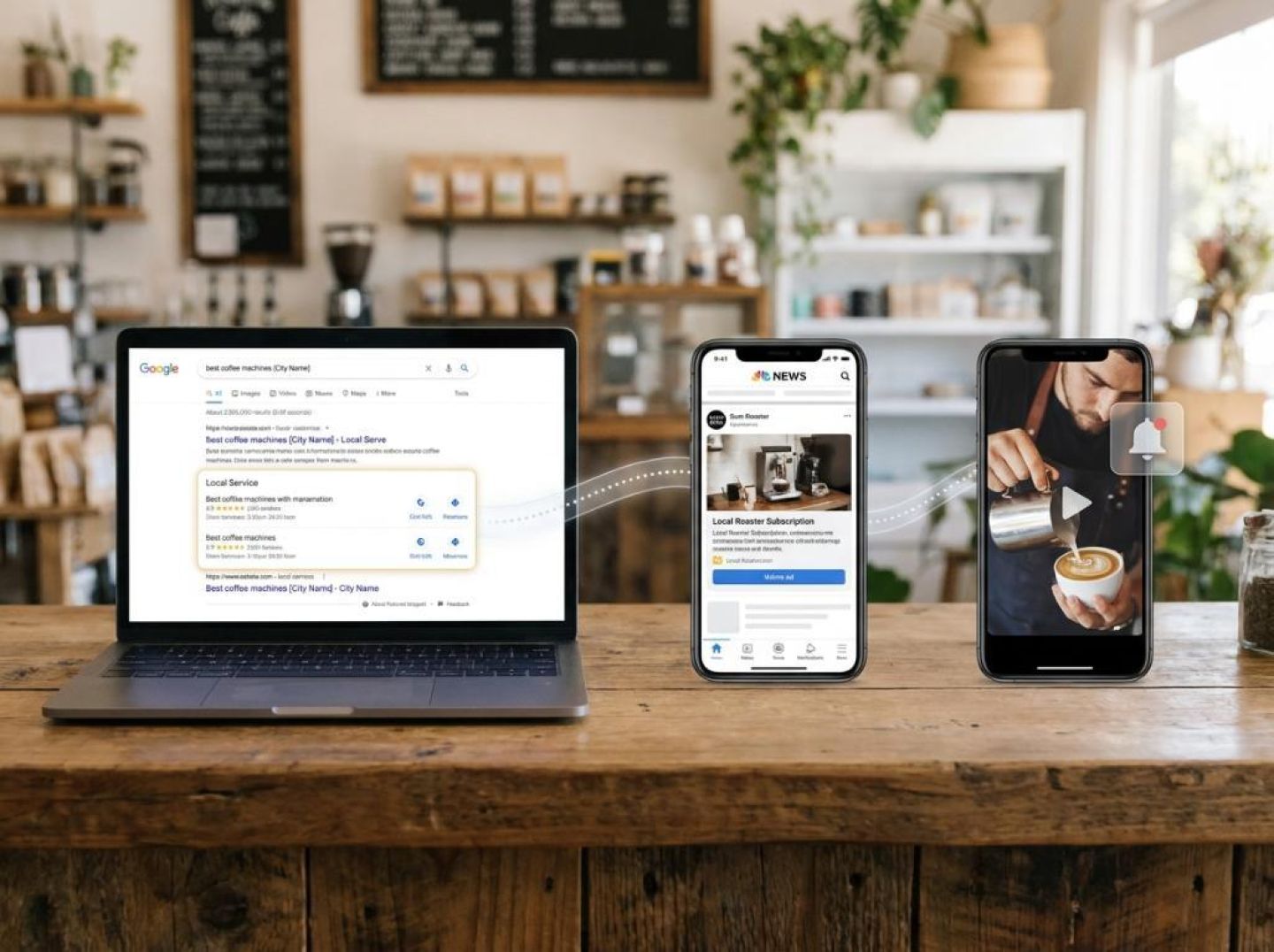
Native advertising can introduce a service through editorial-style content. Push advertising can deliver concise, timely messages to opted-in subscribers. TikTok can use short-form storytelling to make local problems and solutions more relatable.
These channels have different audience behaviors and campaign economics. A lower CPM or CPC does not automatically mean a lower customer acquisition cost. Marketers must evaluate the complete path from impression to qualified lead and, ultimately, revenue.
The local SEO budget discussion from IndoorMedia provides context for the ongoing investment required to build local search visibility.
The opportunity is to combine that long-term organic investment with paid campaigns that can be tested, measured, and adjusted independently.
The next step is to turn city-page traffic into organized marketing intelligence.
The objective isn't simply to find the pages with the most visits. It's to understand which combinations of location, service, search intent, and visitor behavior are associated with meaningful business actions.
Start by reviewing the queries that bring visitors to your city pages.
Local search terms often contain modifiers that reveal what a person wants.
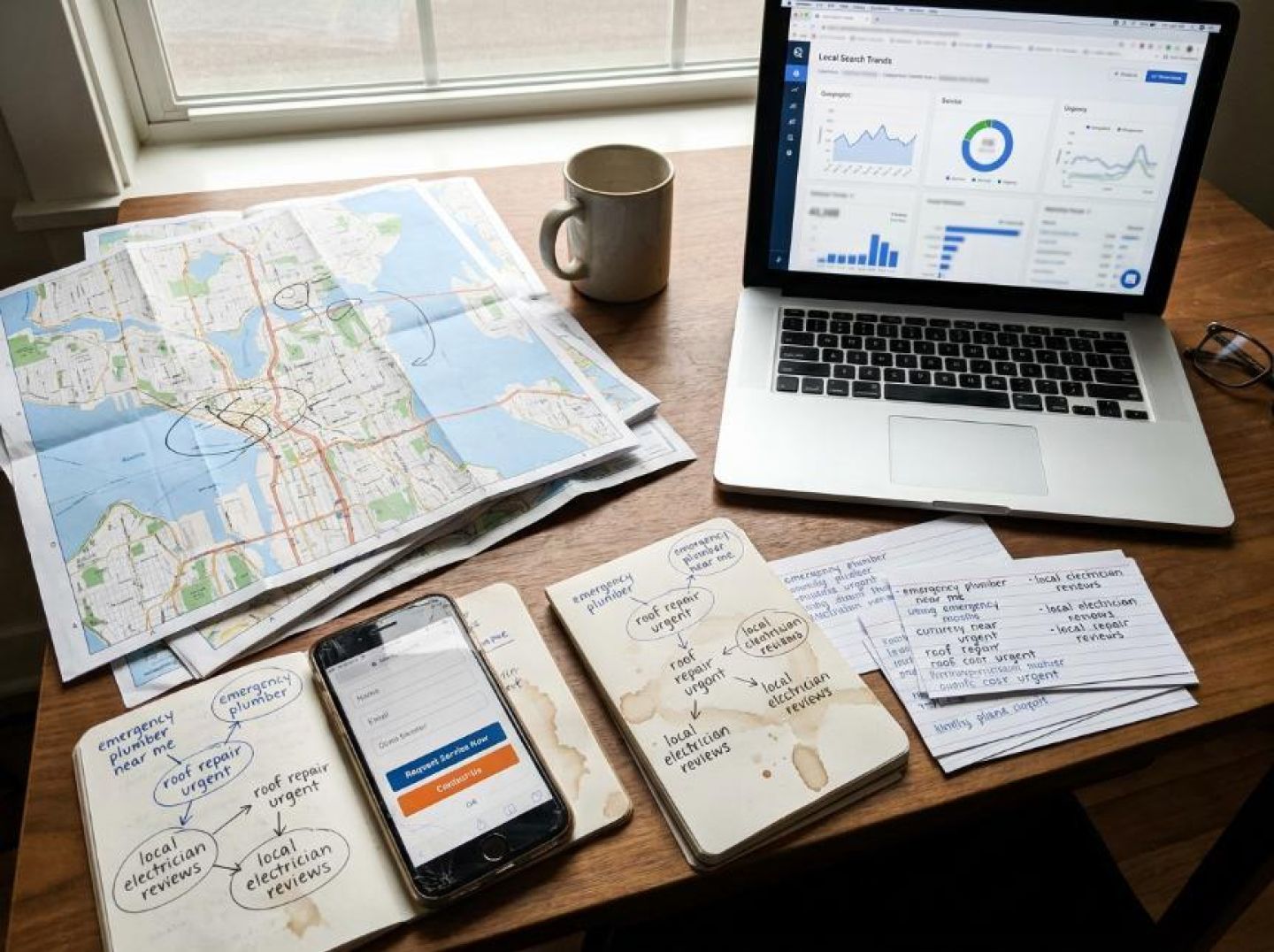
Using data from tools such as Google Search Console, keyword research platforms, website analytics, and call-tracking systems, group relevant queries into categories.
Service and location
Service and problem
Service and urgency
Research and comparison
The Semrush local SEO guide provides useful background on the relationship between local search terms and location-based intent.
Once the queries are collected, organize them by three dimensions.
1. Intent level
2. Job type or use case
3. Customer concern
This structure makes it easier to compare different local markets and identify which messages deserve additional testing.
Search queries show what brought visitors to a page. On-page behavior can help reveal what they did next.
Useful events may include:
Where possible, connect these events to the page's location and service category. A visitor who clicks to call from an emergency repair page is showing a different level of engagement from someone who simply reads an informational article.
Use consistent event definitions and, where possible, connect website activity to qualified leads and actual sales. Otherwise, you risk optimizing campaigns around low-value actions.
City pages also reveal the words and details customers use to describe their needs.
For example, a page that attracts searches for “hard water in Pflugerville” may inspire content about mineral buildup and water quality. A page that attracts “flat roof repair downtown” searches may suggest a more specific commercial roofing angle.
These details can become:
The key is to use actual query and customer language rather than assuming every neighborhood responds to the same message.
One unusual query or a single lead does not establish a reliable trend. Aggregate the data over a meaningful period and compare results across locations.
Ask:
The answers can help prioritize campaign tests. They should also be reviewed against lead quality and revenue, not just traffic or form submissions.
Once you understand which local searches and website behaviors matter, you can use advertising intelligence to research how similar customer problems are presented in paid campaigns.
This is where Anstrex becomes useful.
City-page data helps you understand your own audience and service markets. Anstrex helps you investigate advertising creatives, landing pages, and funnel structures appearing across supported advertising sources.
The two sources answer different questions:
Combining these perspectives can help you develop more informed campaign hypotheses.
Start with the query groups that are most relevant to your business.
For example:
| Local search theme | Advertising angle to investigate |
|---|---|
| Emergency plumbing | Urgency, immediate assistance, service availability |
| Same-day AC repair | Fast response, seasonal discomfort, convenience |
| Roof replacement cost | Pricing education, financing, comparison |
| Cosmetic dentist near me | Trust, testimonials, treatment explanations |
| Water damage cleanup | Property protection, response time, inspection |
You can use the service and problem themes as starting points for searches inside Anstrex.
The objective is not necessarily to find an exact competitor match. It is to discover how advertisers in related verticals communicate with audiences facing similar problems.
When reviewing campaigns, examine more than the creative itself.
Look for:
A campaign that appears repeatedly or has multiple creative variations can be worth investigating. However, visible campaign longevity and creative rotation are clues about advertiser activity—not proof of profitability, conversion rate, or return on ad spend.
Use those observations to form testable ideas, then validate them with your own campaign results.
After identifying a promising campaign structure, compare it with your city-page findings.
For example:
The point is to preserve the customer concern that brought someone into your funnel.
1. The advertising angle
Identify whether the campaign leads with urgency, trust, savings, convenience, safety, or another benefit.
Compare the message with the language found in your search queries and customer conversations.
2. The pre-lander or advertorial
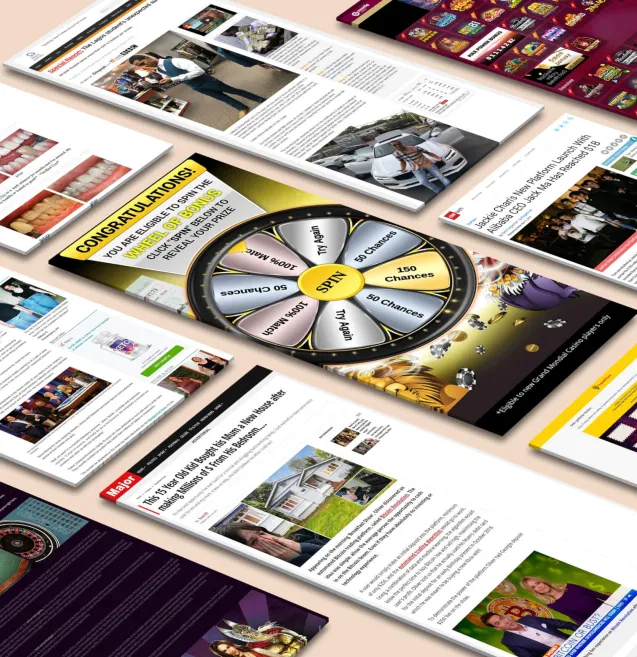
Some funnels use an educational page, story, checklist, or comparison before introducing the offer. Study how the page builds context, answers objections, and guides the visitor toward the next step.
For a home-services business, this might be a guide explaining what to check before hiring a contractor. For a local dental practice, it might be an explanation of treatment options and common questions.
3. The offer and conversion path
Observe how the advertiser introduces the action:
These structures can inspire your own tests, but they should be adapted to your actual service, audience, and operational capacity.
The result is a research process in which local SEO identifies the customer problem and Anstrex helps you investigate how that problem is being addressed in paid advertising.
A multi-channel strategy only works when the customer experience feels connected.
If someone searches for emergency AC repair in a specific city, visits a relevant page, and later sees an advertisement, the messaging should not suddenly shift to an unrelated generic promotion.
The goal is to preserve the original service need, geographic relevance, and customer concern as the person moves between channels.
Think of the funnel as three coordinated stages.
The journey begins when someone discovers a city page through a local search.
The page they visit, the service they investigate, and the actions they take can help organize your analytics into meaningful segments.
For example, visitors to an emergency plumbing page can be categorized separately from visitors researching a planned bathroom renovation, subject to your consent and tracking setup.
This segmentation helps you understand which audiences and needs deserve different follow-up messages.
Neil Patel's education marketing example illustrates how localized pages can expand the entry points into a broader acquisition strategy. The same general principle can inform businesses serving multiple cities or neighborhoods.
Native advertising can continue the conversation through educational or editorial-style content.
Someone who visited a same-day AC repair page might be more interested in an article explaining common signs of AC failure than in a generic company introduction.
A relevant native funnel could look like this:
Push advertising can serve a different purpose. Where users have opted in and the targeting context is appropriate, a notification can communicate timely information or bring attention back to a relevant offer.
For example, a message might highlight seasonal maintenance availability or a service reminder. Avoid implying that the business knows a person's private browsing activity unless the user has explicitly consented to that use and the messaging is accurate.
TikTok can introduce local problems and solutions through short-form storytelling.
Rather than relying only on generic promotional videos, use the questions and concerns found in city-page research to develop relatable creative concepts.
Examples include:
Local references can make these stories more relevant, but avoid unsupported claims about response times, prices, or service availability.
A TikTok viewer may later search for the business by name or location. Consistent branding, useful city pages, and a well-maintained local presence can help create a more connected experience across those interactions.
A cross-channel funnel needs consistent measurement.
Use campaign-specific tracking parameters, consistent conversion definitions, and analytics that distinguish between initial engagement and qualified business outcomes.
Measure:
Do not assume that a TikTok view, native click, push subscription, or city-page visit has equal commercial value. Each channel has a different role, and its contribution should be evaluated against the business outcome it is intended to support.
The most useful strategy is one in which every channel contributes a clear function while maintaining a consistent customer journey.
City pages can do much more than help a business appear for location-based searches. They can help marketers understand where demand is concentrated, which services attract attention, and what problems potential customers are trying to solve.
That information becomes more valuable when it informs the rest of the acquisition strategy.
Use local search queries and website behavior to identify meaningful customer segments. Use Anstrex to research how advertisers present similar problems, structure their landing pages, and guide visitors toward an action. Then translate the strongest insights into coordinated native, push, and TikTok campaigns.
The objective isn't to copy another advertiser or assume that organic traffic guarantees paid conversions. It is to replace broad guesses with better-informed tests.
When your city pages, ad creatives, landing pages, and measurement system all reflect the same customer needs, your marketing becomes more connected. Local SEO helps reveal the demand. Advertising intelligence helps you investigate how to reach it. Cross-channel campaigns give you additional opportunities to turn that understanding into qualified leads and revenue.
Instead of treating every platform as a separate acquisition project, build one system around the local customers you want to reach.
Receive top converting landing pages in your inbox every week from us.
In-Depth
AI disclosure alone cannot prove a brand is trustworthy. Discover how verified performance, competitive intelligence, and transparent evidence can strengthen buyer confidence.
Dan Smith
7 minNov 1, 2026
Most Read
Web analytics shows what visitors do on your properties. Discover how ad intelligence adds a competitive view of the offers, messages, and funnels shaping your market.
Rachel Thompson
7 minNov 1, 2026
Must Read
City pages reveal where local demand exists and what customers need. Learn how to use those insights to build smarter native, push, and TikTok campaigns.
David Kim
7 minNov 1, 2026