6 миндекабря 22, 2025

Наши инструменты отслеживают миллионы push-объявлений из более чем 90 стран и у тысяч издателей.
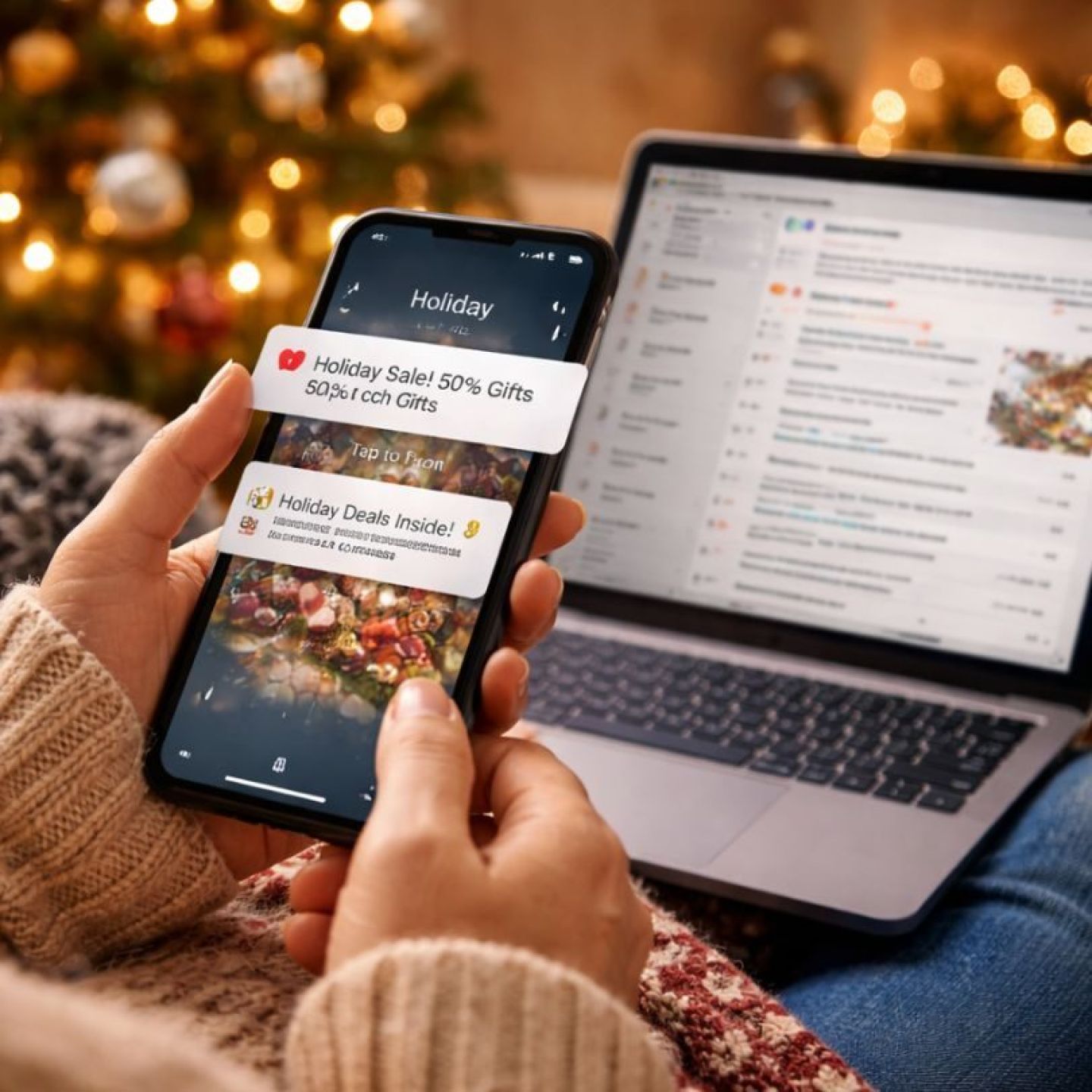
НачатьПраздничный сезон — самое конкурентное время года для маркетологов. Почтовые ящики ваших клиентов заполнены рекламными сообщениями, телефоны постоянно издают уведомления, а их время внимания сокращается до секунд. Эффективные праздничные сообщения важны не просто так — они определяют, достигнете ли вы целей по выручке или позволите конкурентам захватить ваш рынок.
В чём сложность? Каждый бренд борется за ограниченное внимание в этот решающий период. Вы соревнуетесь не только с прямыми конкурентами, но и со всеми ритейлерами, поставщиками услуг и интернет-магазинами, которые стараются выполнить свои годовые планы.
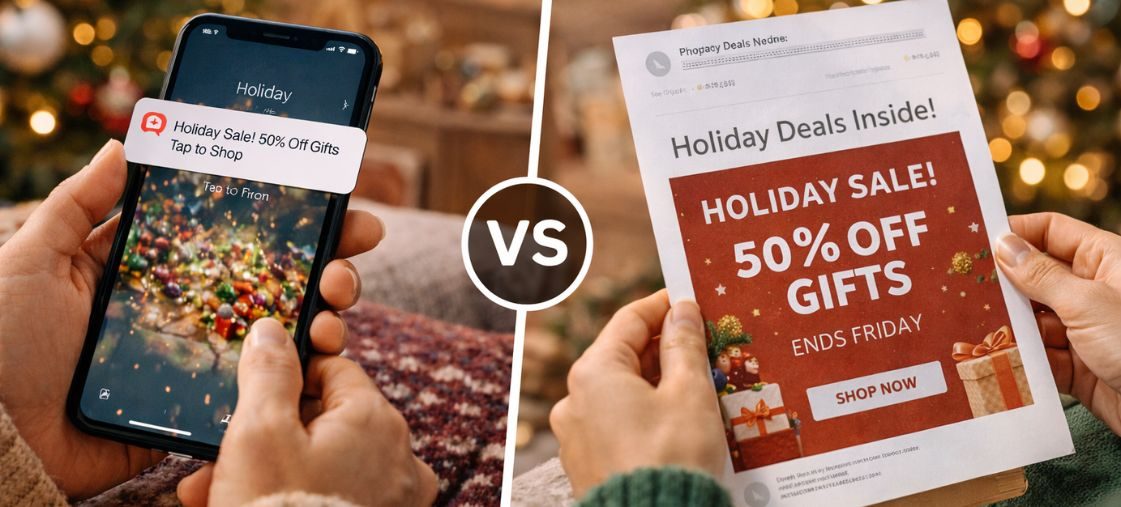
Два канала доминируют в стратегии праздничного маркетинга: пуш-уведомления против email. У каждого из них есть свои преимущества в борьбе с информационным шумом. Электронная почта позволяет использовать насыщенный контент и охватывает широкую аудиторию, в то время как пуш-уведомления обеспечивают мгновенную видимость на мобильных устройствах. Вопрос не в том, какой канал выбрать, — а в том, как стратегически использовать оба, чтобы максимизировать продажи в праздничный сезон.
Имейл-маркетинг в праздничный сезон остается одним из самых мощных инструментов для масштабного охвата клиентов. Вы можете создавать подробные презентации товаров, делиться полными руководствами по подаркам и запускать кампании, построенные на историях, которые находят отклик в праздничных эмоциях вашей аудитории. Этот канал дает неограниченное пространство, чтобы рассказать историю вашего бренда, показать множество товаров и добавить насыщенные визуальные элементы, передающие праздничное настроение.
Функции автоматизации имейл-платформ позволяют заранее запланировать кампании, сегментировать аудиторию на основе истории покупок и отправлять персонализированные сообщения в ответ на действия клиентов. Вы можете отправлять напоминания о заброшенных корзинах, письма после покупки и кампании по возвращению клиентов без ручного вмешательства.
Реальность конкуренции за внимание в почтовом ящике в праздники крайне жестока. Показатели открытия имейлов обычно колеблются около 20–30% в пиковые периоды шопинга, а в некоторых отраслях вовлеченность ещё ниже. Ваш тщательно составленный текст конкурирует с десятками других рекламных писем, ежедневно заполняющих почтовые ящики. Фильтры спама становятся строже в периоды высокой нагрузки, потенциально блокируя легитимные маркетинговые сообщения от получения подписчиками.
Креативные темы писем становятся вашей первой линией обороны от безвестности в почте. Вам нужно привлечь внимание за считанные секунды, избегая слов, вызывающих срабатывание спам-фильтров. Персонализированные имейлы, ссылающиеся на предыдущие покупки или просмотренные товары, показывают значительно лучшие результаты, чем массовые рассылки. Четкие призывы к действию направляют получателей к конкретным действиям — будь то «Покупать сейчас», «Получите скидку 30%» или «Посмотреть ваш персональный подарочный гид».
Ключ в правильном балансе частоты и пользы, гарантируя, что каждое письмо оправдывает свое присутствие в почтовом ящике подписчика.
Пуш-уведомления о распродажах во время праздников обеспечивают непревзойденную мгновенную доставку, которая прорывается сквозь цифровой шум. Когда вы отправляете пуш-уведомление, оно появляется прямо на экране блокировки вашего клиента в течение нескольких секунд — не нужно сортировать папку входящих, не нужно рисковать попаданием в спам.
Преимущество мобильного маркетинга становится особенно очевидным в пиковые моменты покупок. Ваш клиент просматривает телефон в 14:00, и тут появляется уведомление о флаш-распродаже. Он нажимает, выбирает товар, покупает. В этом и заключается мощь немедленного взаимодействия.
Высокая видимость выделяет пуш-уведомления среди всех остальных каналов. Эти оповещения требуют внимания с самого момента получения. Вы достигаете клиентов в тот момент, когда они уже пользуются устройствами, тем самым значительно сокращая путь до покупки. Я видел, как коэффициент конверсии резко возрастал в Черную пятницу, когда бренды отправляли уведомления с ограниченным по времени предложением или оповещениями о наличии товара на складе.
В чем подвох? Пользователям нужно установить ваше приложение и разрешить уведомления. Это довольно серьезный барьер по сравнению с универсальной доступностью электронной почты. Не все скачивают приложения, а многие пользователи отказываются от уведомлений при первом запуске приложения.
Перегрузка уведомлениями — ваша главная угроза. Чрезмерное количество оповещений приведет к тому, что пользователи отключат уведомления или вовсе удалят приложение. Мой главный совет: отправляйте пуш-уведомления только в действительно ценные моменты. Используйте их для эксклюзивных предложений, оповещений о возврате товара в наличии или реальной срочности, например: «Распродажа заканчивается через 2 часа». В этом канале качество всегда важнее количества.
При сравнении каналов push-уведомлений и email-маркетинга для праздничных кампаний важно понимать, как каждый канал работает в этот напряжённый период. Различия в охвате аудитории и степени вовлечённости становятся особенно очевидны, когда потребители перегружены промо-сообщениями.
Email-маркетинг позволяет охватить более широкую аудиторию. Вам не нужно, чтобы пользователи устанавливали приложение или предоставляли специальные разрешения — достаточно лишь email-адреса. Это означает, что охват email-кампаний потенциально гораздо шире.
С другой стороны, push-уведомления нацелены только на пользователей, установивших ваше приложение и согласившихся получать уведомления. Это означает, что ваша аудитория меньше, но пользователи, которые получают сообщения, как правило, более вовлечены.
Эффективность каждого канала во время праздников зависит от ваших целей.
Спор между push- и email-маркетингом сводится к выбору: глубина против скорости.
Однако важно учитывать, что email, push-уведомления и встроенные сообщения могут обеспечивать разный уровень вовлечённости в зависимости от выбранной стратегии. Каждый канал имеет свои сильные и слабые стороны, которые необходимо тщательно учитывать при планировании праздничной маркетинговой стратегии.
Нельзя полагаться только на один канал, чтобы выделиться среди праздничной суеты. Мультиканальный подход к праздничному маркетингу усиливает ваше сообщение, позволяя охватить клиентов там, где они наиболее активны. Объединяя электронную почту, push-уведомления, SMS и социальные сети, вы создаете несколько точек контакта, которые укрепляют ваш бренд и повышают вероятность конверсии.
Каждый канал в вашей многоканальной стратегии праздничных кампаний выполняет определённую задачу:
Вместе эти каналы создают целостный опыт, сопровождающий клиентов на протяжении всего их праздничного шопинга.
Настоящая сила мультиканального праздничного маркетинга кроется в персонализации. Вы можете использовать данные о клиентах, чтобы адаптировать сообщения на каждой платформе:
Данные о клиентах раскрывают историю покупок, предпочтения и модели взаимодействия. Эти данные позволяют сегментировать аудиторию и предлагать актуальные предложения в подходящее время. Клиенту, открывшему письмо про зимние пальто, придет push-уведомление, когда на эти пальто начнётся скидка. Тот, кто перешёл по ссылке в SMS, получит последующее письмо с дополнительными аксессуарами.
Сезон маркетинга праздников кардинально меняется, и вам нужно адаптировать свою стратегию коммуникации, чтобы оставаться конкурентоспособным. Покупатели начинают делать праздничные покупки раньше, чем когда-либо, из-за экономической неопределенности и стремления распределить расходы. Это более длительное время покупок означает, что ваши кампании следует запускать в октябре или даже в конце сентября, а не ждать до Черной пятницы.
Рост мобильной торговли продолжает менять то, как клиенты взаимодействуют с праздничными акциями. Более 70% покупателей в праздничный сезон просматривают товары и совершают покупки на мобильных устройствах, что делает адаптацию сообщений под мобильные устройства обязательной. Ваши push-уведомления и электронные письма должны безупречно отображаться на маленьких экранах, иметь отзывчивый дизайн и кнопки, удобные для нажатия пальцем, чтобы конверсии были легкими.
Персонализация с помощью ИИ в праздничном маркетинге стала прорывом для брендов, стремящихся выделиться на фоне конкурентов. Алгоритмы машинного обучения анализируют поведение при просмотре, историю покупок и шаблоны взаимодействия, чтобы предлагать рекомендации по товарам, которые выглядят так, будто их подбирали специально для каждого клиента. Вы можете использовать инструменты на основе ИИ, чтобы определить оптимальное время отправки сообщений, предсказать, какие товары наиболее вероятно купит конкретный клиент, и автоматически сегментировать свою аудиторию для сверхточных кампаний.
Сочетание раннего времени покупок и клиентов, использующих в первую очередь мобильные устройства, означает, что ваши сообщения должны быть:
Контент, который вы предоставляете, имеет такое же значение, как и выбранный вами канал. Подарочные гиды в маркетинге праздников стали необходимыми инструментами для прорыва сквозь сезонную шумиху. Эти подобранные коллекции помогают растерявшимся покупателям быстро принимать решения, одновременно демонстрируя ваш ассортимент в нужном контексте. Вы можете сегментировать подарочные гиды по типу получателя (подарки для него, для неё, для детей), по ценовому диапазону или по интересам, чтобы учесть разные потребности клиентов.
Интерактивный контент для праздничных кампаний выводит вовлечённость на новый уровень. Викторины, которые подбирают идеальные подарки по типу личности, календари обратного отсчёта с ежедневными предложениями или функции виртуальной примерки создают запоминающиеся впечатления, недоступные обычному контенту. Встраивая такие интерактивные элементы в письма, вы даёте получателям причину дольше взаимодействовать с вашим сообщением. Push-уведомления могут возвращать пользователей к этим впечатлениям своевременными напоминаниями о новых интерактивных функциях или временных акциях.
Ключевое различие между Push-уведомлениями и электронной почтой: праздничные сообщения, пробивающиеся сквозь шум, становится очевидным при рассмотрении глубины контента. Электронная почта позволяет демонстрировать полные подарочные гиды с насыщенными изображениями, подробными описаниями и множественными призывами к действию. Push-уведомления наиболее эффективны как начальные точки — короткие, привлекательные сообщения, перенаправляющие пользователей к интерактивному контенту. Вы можете отправить push-уведомление с надписью «Ваш персональный подарочный гид уже готов!», которое приведёт к развёрнутому опыту в письме. Такой многоуровневый подход учитывает сильные стороны каждого канала, создавая целостный путь клиента.
Время-sensitive акции превращают случайных покупателей в моментальных покупателей. Когда вы отправляете предложения с ограниченным сроком действия во время праздничных распродаж через push-уведомления или электронную почту, вы используете психологический принцип дефицита, чтобы повлиять на принятие ими решений.
Push-уведомления отлично подходят для создания чувства срочности в маркетинговых сообщениях, поскольку они появляются непосредственно на экранах пользователей. Например, уведомление о «флеш-распродаже» с надписью «Осталось 4 часа: скидка 40% на весь ассортимент» сразу привлекает внимание. В отличие от электронных писем, для которых пользователям нужно активно проверять свой почтовый ящик, push-уведомления прерывают их день непреодолимым предложением. Эта немедленность может привести к значительному увеличению коэффициента конверсии, зачастую на 20–30%, по сравнению с обычными рекламными сообщениями.
Электронный маркетинг имеет свои эффективные методы работы с времязависимыми кампаниями. Вы можете повысить ажиотаж, включив счетчики обратного отсчета в дизайн писем, демонстрируя, сколько времени осталось до истечения срока действия предложения. Темы писем, такие как «Заканчивается сегодня ночью: ваш эксклюзивный код на скидку 50%», создают ощущение срочности еще до того, как получатели откроют письмо.
Чтобы добиться успеха как в push-уведомлениях, так и в email-маркетинге, крайне важно быть искренним и придерживаться своих обещаний. Если вы говорите, что предложение заканчивается в полночь, убедитесь, что оно действительно заканчивается в это время. Покупатели быстро замечают ложные тактики срочности и начнут игнорировать ваши сообщения, если обнаружат, что ваши «ограниченные по времени» предложения на самом деле повторяются еженедельно.
Чтобы сделать ваши предложения еще более привлекательными, объединяйте конкретные временные рамки с четкими ценовыми предложениями. Например, фраза «Бесплатная доставка заканчивается через 6 часов» в сочетании с «Экономия 25 долларов на заказах свыше 100 долларов» дает клиентам как стимул для действий, так и срок, к которому нужно успеть.
Раннее планирование праздничных кампаний отличает успешные бренды от тех, кто в последний момент пытается всё организовать. Вам нужно составить календарь рассылок как минимум за 8–12 недель до основных дат шопинга. Такой график даёт вам время:
Конкурентная праздничная пора требует, чтобы вы зарезервировали расписание рассылок заранее. Поставщики услуг электронной почты и платформы push-уведомлений испытывают пик нагрузки в ноябре и декабре, что может повлиять на доставку при задержке.
Персонализация на основе данных в праздничных сообщениях превращает стандартные акции в релевантные предложения. Вам следует проанализировать результаты кампаний прошлого года, чтобы определить, какие категории товаров вызвали отклик у разных групп клиентов. Эти данные помогут создавать таргетированные сообщения, учитывающие индивидуальные предпочтения.
Данные о клиентах показывают паттерны, которые нельзя игнорировать. Покупатель, заказавший зимнее пальто в прошлом декабре, вероятно, имеет иные потребности, чем клиент, купивший технику для кухни. Используйте эти поведенческие данные для персонализации:
Сравнение push-уведомлений и электронной почты заключается не в выборе одного победителя—речь идет об использовании обоих каналов стратегически. Ваш итоговый план праздничных сообщений должен быть сосредоточен на интеграции, а не на конкуренции.
Вы будете выделяться, когда:
Наиболее успешная стратегия праздничных сообщений сочетает оперативность push-уведомлений с глубиной контента электронной почты. Вы делаете не просто рассылку сообщений—вы создаете бесшовный опыт на всех каналах, учитывая предпочтения своей аудитории и принося ценность.
Начните заранее, постоянно тестируйте и позволяйте данным определять ваши решения. Ваши клиенты с нетерпением ждут взаимодействия с брендами, которые понимают их потребности и продуманно общаются через каждый канал.
Получайте лучшие конверсионные лендинги каждую неделю на свою почту.
Самое читаемое
Узнайте, как связать данные рекламного шпиона с поведением на сайте, информацией из CRM и результатами выручки, чтобы выявить реальные факторы рентабельности инвестиций. Узнайте, как превратить Anstrex из инструмента копирования креативов в замкнутую систему для тестирования выигрышных рекламных подходов, воронок и клиентских путей.
Dan Smith
7 минсент. 9, 2026
Обязательно к прочтению
Агентный ИИ перемещает исследование и сравнение продуктов на более ранний этап, часто до того, как покупатели нажмут на нативную или пуш-рекламу. В этой статье объясняется, как маркетологи могут адаптироваться к этим изменениям, делая фиды продуктов, предложения, креативные подходы, доказательства и пользовательский опыт на целевых страницах более понятными для систем ИИ и легкими для рекомендаций. Также рассматриваются изменения в кликах с высокой покупательской активностью, причины того, как рекомендации, сгенерированные ИИ, трансформируют креативные подходы, и способы оптимизации для решений, принятых с помощью ИИ, и для действий конечных пользователей.
Samantha Reed
7 минавг. 30, 2026
Выбор редакции
По мере снижения органических кликов и роста конкуренции в платном привлечении рекламодателям необходимо выйти за рамки CTR и CPC и сосредоточиться на архитектуре конверсии, которая связывает рекламные объявления, целевые страницы, предложения и опыт после клика. В этой статье объясняется, как деанализировать воронки конкурентов, выявить закономерности, прошедшие проверку в реальных условиях, и использовать эти знания для создания более сильных и оригинальных систем конверсии.
Dan Smith
7 минавг. 29, 2026