9 минавгуста 14, 2026

Наши инструменты отслеживают миллионы рекламных кампаний в форматах native, push, pop и TikTok.
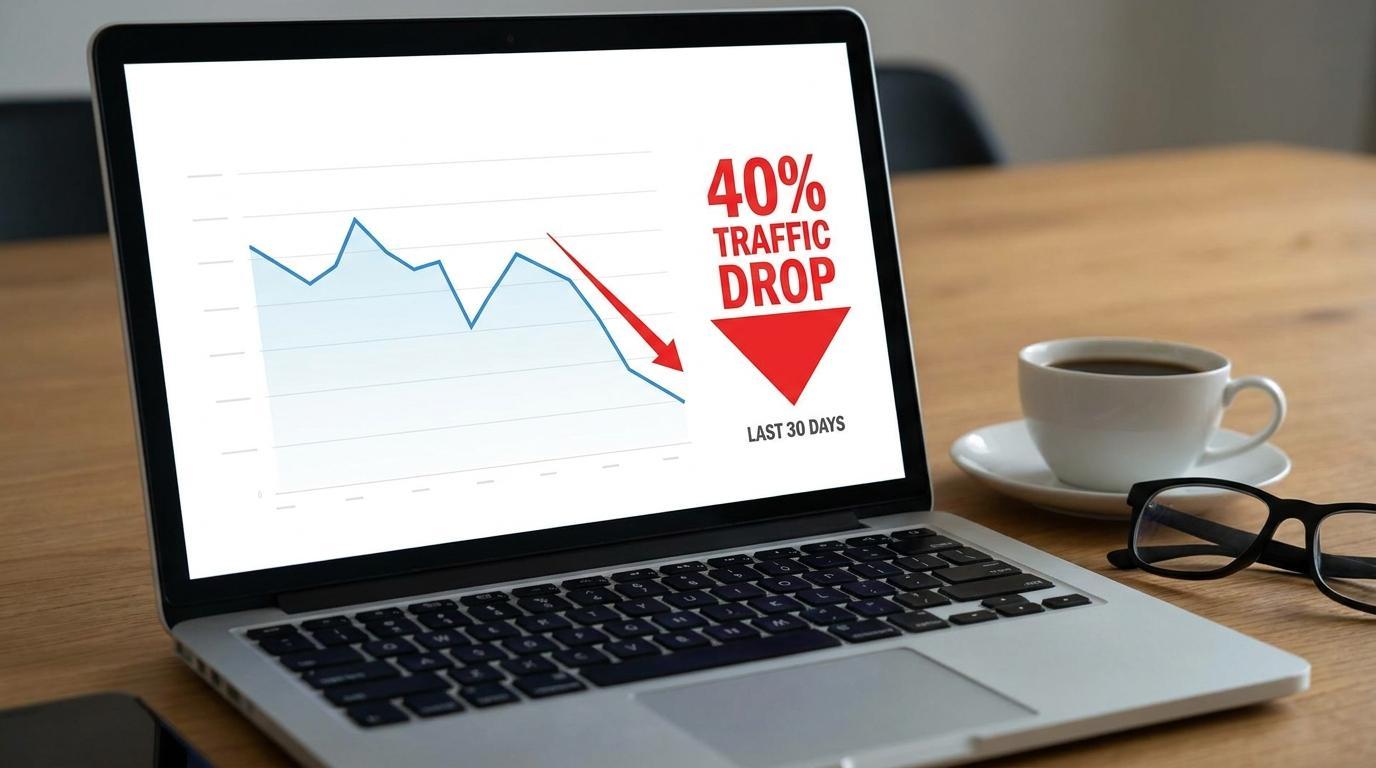
НачатьЦифры не вызывают двусмысленности и не являются временными. Во втором квартале 2026 года данные рекламного альянса издателей Ozone показали, что предложение рекламы в Великобритании и США сократилось на 40 процентов по сравнению с прошлым годом на фоне того, что обзоры и чат-боты на основе ИИ поглотили поисковый трафик, на основе которого издатели в течение двух десятилетий строили свой бизнес. Это не просто один издатель, у которого плохой квартал. Это структурный крах архитектуры предложения, которая обеспечивала TikTok-ads-payment-problems-how-to-add-a-payment-method" target="_blank" rel="noreferrer noopener">цифровую рекламу с самого начала программной рекламы.
Reach — британский издательский гигант, стоящий за Mirror, Express и десятками региональных изданий, — сообщил, что просмотры страниц на платформе снизились на 40 процентов в годовом исчислении за тот же период, что привело к падению цифровых доходов на 11 процентов и общих доходов на девять процентов в первой половине 2026 года. И вот деталь, которая должна остановить каждого медиапокупателя: генеральный директор Reach Пирс Норт сообщил инвесторам, что компания теперь исходит из предположения, что трафик из Google "вряд ли восстановится". Не "потребуется время для восстановления". Не "испытывает циклическое падение". Вряд ли восстановится. Это генеральный директор крупного публичного издателя, открыто заявляющий акционерам очевидное, будучи юридически обязанным говорить правду.
Более широкие данные не менее суровы. Анализ Chartbeat более чем 2500 новостных сайтов по всему миру показал, что реферальный трафик из поиска Google снизился на 33 процента в 2025 году, что является колоссальной совокупной потерей. Однако потери распределены неравномерно. Мелкие издатели — с менее чем 10 000 ежедневных просмотров страниц — пострадали сильнее всего, с падением реферального трафика из поиска на 60 процентов за два года. Как ясно показывает анализ Нила Пателя, это не колебания, вызванные одним обновлением алгоритма, которое можно обойти грамотной SEO-командой. Это направляющий сдвиг в том, как аудитория находит и потребляет информацию, обусловленный генерируемыми ИИ ответами, удовлетворяющими запросы до того, как будет сделан хотя бы один клик.
И траектория ускоряется. Согласно исследованию AOP, представленному изданию Press Gazette, трафик издателей, поступающий из Google, к третьему кварталу 2027 года сократится вдвое, а органические поисковые переходы уже упали на 7,1 процента только в период с первого по второй квартал 2025 года. Учитывая заявленное намерение Google сделать свой режим ИИ с нулевым количеством кликов центральным элементом будущего поиска, в отчете сделан вывод, что «не будет преувеличением ожидать ускорения падения».
Это реальность, которая важна для всех, кто покупает, продает или занимается арбитражем нativ-рекламы: архитектура предложения, задававшая ценовые ориентиры последнее десятилетие, окончательно разрушена. Кривые инвентаря, на основе которых строились ваши медиа-планы 2024 года, ожидания по CPM, прогнозы охватов аудитории — всё это создавалось на карте ландшафта, который больше не существует. Об этом знают издатели. Их руководители открыто заявляют об этом на звонках по итогам кварталов, перестраивая свои бизнесы вокруг подписок, лицензионных соглашений и дистрибуции вне платформ. Вопрос в том, обновляют ли рекламодатели и арбитражники свои собственные модели с такой же честностью — или же они по-прежнему планируют кампании, исходя из базовых показателей трафика, исчезнувших ещё несколько месяцев назад. Откровенное признание Пайерса Норта — это не предупреждение. Это стартовый выстрел. Старое равновесие между объёмом трафика издателей и ценами на нативную рекламу нарушается в режиме реального времени, и окно возможностей для использования этого нарушения открыто уже сейчас.
Внимание не исчезает. Оно подчиняется закону сохранения, который ближе к физике, чем к экономике: когда оно уходит с одной поверхности, оно скапливается где-то в другом месте. Сокращение предложения на 40%, о котором говорилось в предыдущем разделе, представляет собой огромный объем человеческого любопытства, который по-прежнему существует, — просто оно больше не поступает к издателям через поисковый канал Google. Понимание того, куда именно оно ушло, является первым шагом к оценке арбитража, который оно создает.
Начнём с точки отправления: самой страницы результатов поисковой системы. Доля поисковых запросов в Google, завершающихся без кликов, увеличилась с 45% в 2016 году до 68% в 2026 году, и этот процесс коренным образом ускорился с появлением AI Overviews. Для запросов, которые вызывают появление AI Overview, — особенно информационных запросов, вокруг которых редакционные издатели строили всю свою модель трафика, — последствия ещё более выражены. Ahrefs выяснил, что первый органический результат теперь теряет около 58% кликов, если присутствует AI Overview, по сравнению с 34,5% годом ранее. Как отметила MarTech, AI Overviews появляются значительно чаще при информационных запросах, чем при коммерческих, а это значит, что контент, который большинство издателей производят в больших объёмах, как раз тот контент, для которого у Google меньше всего стимулов направлять трафик.
Но люди, стоящие за 68% поисковых запросов без кликов, не перестали нуждаться в информации. Некоторые получили ответ из обзора ИИ и продолжили дальше. Другие полностью изменили свои привычки поиска — перешли на YouTube, TikTok, темы на Reddit, диалоги в ChatGPT, рассылки, на которые они действительно сами подписались. Эта тенденция прослеживается в данных о прямом трафике: анализ компании Similarweb, опубликованный Search Engine Journal, показывает, что прямой трафик сократился во всех сегментах издателей за три года, при этом популярные издания потеряли 33,1%, а даже премиальные издатели потеряли 23,4%. Эрозия носит поколенческий характер. Аудитория младше 35 лет сокращается примерно на треть быстрее, чем старше 35 лет — именно та демографическая группа, которая должна была стать платящими подписчиками будущего и ценными показами рекламы.
Некоторые издатели правильно прочитали ситуацию. Reach, крупнейшее коммерческое издательство в Великобритании, активно сосредоточилось на распространении контента там, где находятся аудитории, вместо ожидания, что они посетят собственные ресурсы. Результат: рост доходов вне платформы более чем на 90%, цифра, отражающая перемещение внимания. Социальные платформы, видео-поверхности, агрегированные ленты — это новые читальные залы.
Структура привлечения внимания выглядит примерно так: YouTube и короткие видео берут на себя потребность в инструкциях и объяснениях, которая раньше удовлетворялась через блоги. Интерфейсы ИИ-чатов поглощают запросы на фактическую информацию, которые ранее обеспечивали огромные объёмы просмотров страниц. Нишевые сообщества — Reddit, серверы Discord, тематические Substack'и — забирают на себя запросы, основанные на доверии и поиске мнений, где анонимный контент издателей изначально не пользовался особенным доверием. А издатели, делающие ставку на email, сохраняют лояльные отношения, которые систематически игнорировались рекламной моделью открытой сети.
Для программных покупателей это перераспределение крайне неравномерно — и именно в этой неравномерности заключается возможность. Объёмы размещения на этих новых площадках либо оцениваются по устаревшим представлениям, недоплачивая им, либо включаются в аукционы платформ, где редакционное окружение ещё не является премиальным сигналом, а в ряде случаев вообще не доступны программным покупкам системно. Эти 40% внимания, ушедшие из поисковых воронок издателей, не исчезли бесследно. Они распределены по фрагментированному ландшафту, где большинство инфраструктуры для покупок ещё не успело адаптироваться — что как раз и создаёт условия для окна арбитража.
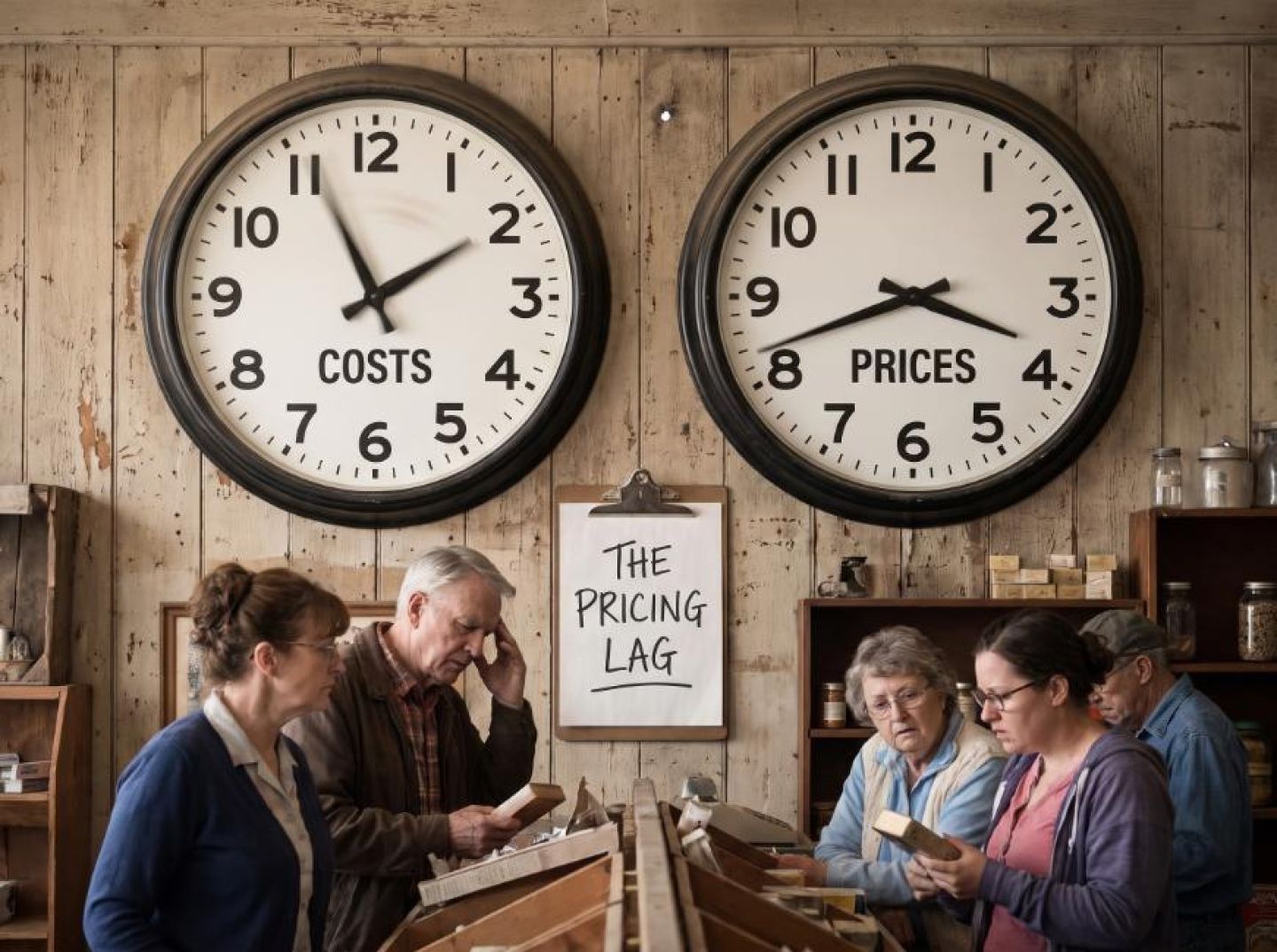
Аудитория переместилась. Инвентарь изменился. Но ценники не поспевают за этим — и именно в этом разрыве и возникает арбитраж.
Существуют структурные причины, по которым цены на рекламный инвентарь по-прежнему привязаны к карте, которая больше не соответствует реальной ситуации. Первая — это чистое инерционное сопротивление переменам. Программная закупка по-прежнему проходит преимущественно через устоявшиеся каналы SSP и долгосрочные отношения с издателями, созданные для мира, в котором премиальные издатели обладали стабильным, ориентированным на поисковый трафик охватом. Платформы сторон спроса оптимизируют закупки на основе исторических данных об эффективности, а алгоритмы, лежащие в основе этих решений, обучались на многолетних моделях трафика, которые теперь в реальном времени разрушаются. Как задокументировал AdExchanger, экосистема программной закупки только начинает работу по устранению фрагментации и предоставлению покупателям более прозрачной информации о реальном происхождении показов — процесс, который по своей сути отстаёт от реальности, которую он пытается измерить.
Вторым структурным разрывом является безопасность бренда. Списки включения и исключения в крупных агентствах создавались, когда ландшафт издателей был стабильным. Эти списки по-прежнему отдают предпочтение устоявшимся доменам и наказывают или игнорируют новые источники офферов — региональные каналы YouTube, узкоспециализированные информационные бюллетени, создателей контента в социальных сетях, контент издателей вне платформ — независимо от качества аудитории. Обновление этих систем требует ручной проверки, утверждения комитетами и зачастую пересмотра контрактов. Ни одна из этих структур не способна адаптироваться со скоростью перераспределения трафика.
Третий, и, возможно, самый парадоксальный фактор — это дефицит, выдающий себя за ценность. По мере того, как премиальные издатели теряют просмотры страниц из поиска, их доступный программатический оффер сокращается. Однако заказы на размещение и обязательства по расходам брендов — многие из которых закреплены на квартальной или годовой основе — сокращаются не в таком же темпе. В результате CPM на падающих премиальных источниках искусственно поддерживается на высоком уровне. Меньшее количество показов поглощает тот же бюджет, из-за чего цена за единицу растет даже при снижении базовой аудитории. Цена может выглядеть стабильной или даже повышаться, однако реальная ценность каждого показа ухудшается, поскольку самых коммерчески мотивированных пользователей поиска всё чаще перехватывают на начальном этапе с помощью ИИ-сводок.
Между тем направления, куда на самом деле перемещается внимание, по-прежнему резко недооцениваются. Расхождение не является равномерным, и именно эта неравномерность создает реальные возможности. Анализ данных Similarweb, проведенный Search Engine Journal, показал, что The Telegraph потерял всего 8,9% прямого трафика за три года, в то время как Birmingham Mail потерял 54,6%, а Mirror — 52,9%. Прочность премиум-сегмента действительно существует, но лишь в узком диапазоне. Огромная середина издательского бизнеса распадается на внеплатформенные форматы, социальные видео и экосистемы создателей контента, которые DSP и трейдинг-дески агентств едва начали индексировать.
Сами издатели адаптируются. Генеральный директор Reach Пирс Норт признал, что компания делает ставку на видео, взаимодействие в соцсетях, распространение вне платформ и соглашения по лицензированию ИИ — по сути, преследуя свою аудиторию на новые платформы, где она теперь находится. Однако эти источники дохода пока находятся в зачаточном состоянии и еще не полностью интегрированы в программные закупки. Рекламные бюджеты не последовали за вниманием аудитории.
Это несоответствие во времени. Перераспределение аудитории происходит сейчас. Переход к новой модели издателей происходит сейчас. Однако пересчет цен на рекламные ресурсы по всей экосистеме идет медленнее — он регулируется годовыми медиапланами, ежеквартальными обзорами, устоявшимися отношениями с SSP и бюрократическими процедурами обеспечения брендовой безопасности, которые обновляются циклично, а не в режиме реального времени. Для покупателей нативной рекламы и арбитражников контента, которые могут определить, куда перемещается аудитория, и приобрести это внимание до того, как программная рекламная машина поспеет за изменениями, окно возможностей измеряется кварталами, а не годами. И оно уже открыто.
Разница между умной нативной покупкой и напрасной сводится к одному диагностическому вопросу: почему у этого издателя снизился трафик? Не все спады одинаковы, и умение отличить реальное уничтожение спроса от перемещения спроса — вот что отличает арбитражную аналитику от поверхностных панелей.
Начните с дифференциации по четырем причинам. Как показывает диагностическая модель MarTech, страница может терять клики по как минимум четырем разным причинам: потеря позиций в выдаче из-за конкурента, перехват кликов ИИ через обзоры, изменение базового поискового запроса или прямое снижение интереса к теме. Только последний случай означает реальное падение спроса. Остальные три означают, что аудитория по-прежнему существует; просто она теперь перехватывается или переадресовывается. Для нативных рекламодателей это различие имеет решающее значение. Издатель, чей трафик резко снизился, потому что обзоры ИИ поглотили его информационные запросы, по-прежнему охватывает тематическую нишу, в которой сохраняется интерес со стороны пользователей, — вы просто покупаете его рекламные инвентари по сильно сниженным ценам, поскольку их CPM снизились вслед за падением трафика.
Наиболее полезным местом для начала является Google Search Console. Метод изоляции Нила Пателя включает фильтрацию по типу запроса, сравнение тенденций показов с тенденциями кликов в течение скользящих 90-дневных периодов и выделение категорий, в которых показы остаются стабильными, а клики резко падают — неоспоримый признак поглощения через обзоры ИИ. Наибольшему воздействию подвергаются информационные запросы; коммерческие и транзакционные запросы остаются относительно защищенными. Эта асимметрия формирует карту: вертикали контента, включающие запросы типа "что такое", "как сделать" и "лучшие практики", — это те направления, где издательские активы наиболее недооценены по сравнению со спросом аудитории, который по-прежнему существует за этими запросами.
После того, как вы определили обескровленные вертикали, следующим шагом является отслеживание того, куда на самом деле уходят аудитории. Поведенческие данные указывают на три основных направления: социальные ленты, рассылки и видео. Британское издание Reach прямо признало этот переход в отчете за первую половину 2026 года, изменив стратегию в сторону "вовлеченности в социальных сетях, распространения за пределами платформы и качественного видео", осознав, что трафик из Google "вряд ли восстановится". За тем, куда движется Reach, следует вся экосистема издателей среднего звена. Отслеживайте кривые роста подписчиков на рассылки, активность на каналах YouTube и всплески вовлеченности в социальных сетях у издателей в ваших целевых вертикалях — именно эти показатели являются первыми признаками того, где можно достигнуть концентрированного внимания с помощью нативных размещений.
Последний этап стратегии использует разницу между упомянутыми и неупомянутыми ресурсами. Исследование компании Seer Interactive за 2026 год, охватившее 5,47 миллиона запросов по 53 брендам, показало, что бренды, упомянутые в сводках ИИ, получают на 120% больше органических кликов на каждый показ по сравнению с конкурентами без упоминаний на той же SERP, в то время как у неупомянутых брендов CTR падает на 67%. Это приводит к формированию двухуровневой экономики издателей. Неупомянутые издатели одновременно теряют трафик и доходы от рекламы — их рекламные места дешевеют и продолжают удешевляться. Упомянутые издатели, напротив, сохраняют или даже увеличивают объём кликов, и их CPM отражает это.
Двойная арбитражная стратегия заключается в покупке нативных размещений на ресурсах без упоминаний по заниженным ценам и одновременных инвестициях в стратегию контента на уровне сущностей, которая обеспечит упоминания вашего бренда в сводках ИИ. Вы получаете доступ к дешёвому охвату сегодня и одновременно создаёте упоминаемость, которая будет приносить прибыль в будущем. Издатели, проигрывающие в этой гонке, не раскрывают причину поражения, но данные, если вы знаете, где их искать, расскажут вам всё.
У каждого окна арбитража есть период полураспада, и этот отсчет уже начался. Разрыв между сниженным трафиком издателей и устаревшими минимальными ставками CPM не продлится вечно — остается лишь вопрос, какие факторы в первую очередь его ликвидируют и насколько у покупателей, действующих сейчас, еще осталось времени для маневра.
Наиболее очевидным механизмом устранения разрыва является перекалибровка измерений. В настоящее время программная цена по-прежнему во многом зависит от объема показов и устаревших показателей трафика, существовавших до появления обзоров ИИ. Но, как задокументировано AdExchanger, отрасль активно реструктурирует движение инвентаря по аукциону, чтобы покупатели получали более четкое представление о происхождении показов, а издатели могли лучше сохранять качество аудитории. Как только SSP и DSP завершат очистку того, что AdExchanger называет "трубами" — устранят синтетические сайты, ужесточат оптимизацию пути поставки и начнут отображать метрики вовлеченности наряду с обычными показами — оставшийся инвентарь от легитимных издателей будет переоценен в сторону повышения. Меньшее общее количество показов более высокого доказуемого качества означает дефицит, а дефицит уничтожает арбитражные разницы.
Вторая сила — это адаптация издателей. Снижение трафика не является смертным приговором для каждого попавшего в него сайта; это фильтр. Те издатели, которые переживут эту чистку, выйдут наружу с более узкой, но явно более вовлечённой аудиторией, и будут устанавливать цены соответственно. Джефф Буллас, пишущий на основании личного опыта наблюдения за тем, как его тщательно подготовленные статьи копируются и отображаются в обзорах ИИ без возврата хотя бы одного посетителя, формулирует сдвиг резко: это не проблема контент-маркетинга, от которой можно избавиться оптимизацией — это структурный рыночный сдвиг, и он постоянен. Издатели, которые осознают это, уже переходят к построению сообществ, использованию данных первой стороны и прямым моделям монетизации, полностью обходящим программную закупку. Каждый издатель, который совершит этот переход, станет на один источник недорогого native-инвентаря меньше.
В-третьих, осведомленность рекламодателей растет быстрее, чем большинство покупателей осознают. Исследование VideoWeek о роли ИИ в телевизионной рекламе показало, что продавцы уже сосредоточены на улучшении способов упаковки, классификации и ценообразования предложения — это прямая реакция на опасения, что эффективность, достигаемая за счет ИИ, чрезмерно выгодна покупателям. Лишь восемь процентов продавцов ожидают, что издатели получат наибольшую выгоду от внедрения ИИ, что означает, что продавцы активно работают над изменением этого соотношения. Когда издатели коллективно совершенствуют управление доходами, объемы недопроданных запасов сокращаются.
Как же выглядит окно возможностей на самом деле в данный момент? Оно выглядит как коридор продолжительностью от двенадцати до восемнадцати месяцев, в котором пересекаются три условия: трафик издателей снизился, но ставки CPM еще полностью не скорректировались; программные каналы все еще содержат достаточно много шума, чтобы внимательные покупатели могли выбирать качественные размещения по низким ценам; и большинство конкурирующих рекламодателей по-прежнему ориентируются на метрики охвата верхней части воронки, что заставляет их полностью избегать ресурсов с уменьшившимся трафиком. Последнее условие является наиболее хрупким. Как только критическая масса рекламодателей, ориентирующихся на эффективность, покажет, что аудитория издателя, оставшаяся после оттока случайных посетителей благодаря ответам ИИ, конвертируется по премиальным ставкам, — весь рынок последует за ними, и цены мгновенно отразят новую реальность.
Практическое следствие очевидно: лучшее время для закрепления встраивания нативной рекламы на ресурсах с сильным редакционным контентом, но низким трафиком — до того, как система измерений наверстает упущенное. Согласуйте сейчас квартальные или полугодовые прайс-листы, пока отделы продаж мотивированы снижением числа просмотров страниц. К тому времени, когда индустрия завершит перенастройку вокруг внимания, глубины вовлеченности и сигналов первой стороны, «дно» уже поднимется — и арбитраж станет кейсом, а не стратегией.
Получайте лучшие конверсионные лендинги каждую неделю на свою почту.
Самое читаемое
Узнайте, почему креативы, удостоенные наград и получившие высокие оценки, не всегда приводят к прибыльным рекламным результатам. В этом руководстве показано, как превратить вдохновение в структурированное тестирование, расшифровать успешную рекламу в форматах Native, Push, Pop и TikTok, а также создать повторяемый цикл «креатив — эффективность».
David Kim
7 минсент. 25, 2026
Недавно обновлено
В рекламных подборках обычно фигурируют креативы, о которых все говорят, однако зачастую упускаются тихие нативные объявления, стабильно показывающие результат. В этом руководстве рассказывается, как сочетать вирусные креативы «герои» с незаметными фаворитами в Anstrex AI для создания, тестирования и постоянного совершенствования систем нативной рекламы на основе реальных показателей эффективности.
Liam O’Connor
7 минсент. 24, 2026
Гайд
Отслеживайте, как новое креативное руководство может изменить оригинальные рекламные кампании конкурентов, связывая назначения руководителей с изменениями в библиотеках объявлений, креативными шаблонами и стратегиями воронки. В этом руководстве показано, как использовать Anstrex для наблюдения за этими изменениями, выявления новых креативных систем и повторного проектирования воронок конкурентов без зависимости от внутренних данных об эффективности.
Marcus Chen
7 минсент. 24, 2026