7 минмая 31, 2026

Наш инструмент для дропшиппинга интегрируется с магазинами Shopify и WooCommerce и полностью автоматизирует ваш дропшиппинг-бизнес!
НачатьБольшинство дропшипперов просто пролистали анонс универсальной корзины на Google I/O 2026, отнеся его к категории "очередное обновление Google Покупок" наряду с десятком других новых функций. Такое инстинктивное пренебрежение является стратегической ошибкой. То, что представила Google, — это не постепенное улучшение карточек товаров или обновлённый инструмент сравнения. Это основа постоянной корзины для покупок на базе ИИ, которая сопровождает пользователей в Поиске, Gemini, YouTube и Gmail, — корзины, которая думает, следит и действует от имени покупателя.
Вот как это работает. Пользователь, просматривающий Google Поиск, может добавить товар в свою универсальную корзину. Позже, в процессе общения с Gemini или просмотра видео на YouTube, он может добавить в ту же корзину товары совершенно от других продавцов. В фоновом режиме модели Gemini от Google непрерывно отслеживают снижение цен, оповещают об изменениях в наличии, находят бонусы по программам лояльности и даже выявляют несовместимость товаров. Если вы собираете настраиваемый ПК из комплектующих от разных ритейлеров, корзина заранее укажет на проблемы совместимости и предложит альтернативы, прежде чем вы начнёте оформление заказа. Это не пассивный список желаний. Это ИИ-помощник по покупкам с активной функцией оптимизации покупки на стороне покупателя.
Инфраструктура, лежащая в основе всего этого, — это Универсальный коммерческий протокол, который Google описывает как единый слой, позволяющий его системам напрямую взаимодействовать с торговыми системами продавцов. Среди партнёров на запуске, уже интегрированных в систему, — Nike, Sephora, Target, Ulta Beauty, Walmart, Wayfair и Shopify, включая таких продавцов, как Fenty и Steve Madden. Как сообщал Adweek, функция нативного оформления покупок позволяет потребителям делать покупки у бесчисленных продавцов, не покидая ресурсов Google, фактически укрепляя изолированный сад, созданный для удержания покупателей внутри экосистемы, а не для перехода на внешние сайты. Юридически продавцы по-прежнему владеют сделками, но теперь Google владеет средой, в которой эти сделки происходят.
И это не только пилотный проект для США. Google подтвердила, что в ближайшие месяцы UCP будет расширена на Канаду и Австралию, за ними последует Великобритания. Протокол также распространяется на новые направления, начиная с бронирования отелей и доставки местной еды. Следующим шагом станет интеграция с YouTube в США. Это полноценный инфраструктурный проект с глобальным планом развития, а не бета-эксперимент, затерявшийся среди анонсов I/O.
Для дропшипперов последствия будут серьезными и конкретными. Традиционный процесс покупки по схеме дропшиппинга зависит от цепочки трений: пользователь нажимает на результат в Google, попадает на отдельный магазин, просматривает товары без понимания цен, и совершает покупку до того, как начнется сравнение цен. Universal Cart разрушает каждое звено этой цепочки. Он активно отслеживает цены у разных продавцов, что означает, что товар дропшиппера с наценкой оказывается в одной корзине с более дешевыми аналогами от крупных ритейлеров. Он предлагает альтернативы. Он показывает скидки, которые покупатель не искал. И делает всё это, не требуя от пользователя посещения сайта дропшиппера.
Google больше не направляет трафик. Он поглощает транзакцию. Вице-президент компании по глобальной рекламе Дэн Тейлор четко обозначил этот сдвиг: «Мы переходим от маркетинговой автоматизации к маркетинговому интеллекту», — сказал он журналистам на Google Marketing Live. Для любого, чья бизнес-модель зависит от Google как от реферального механизма, направляющего пользователей наружу, это одно предложение должно прозвучать как предупредительный выстрел.
Модель бизнеса дропшиппера всегда была изящно простой: найти товар на AliExpress или у местного поставщика, разместить его в интернет-магазине с оптимизацией под Google с хорошей наценкой, привлекать трафик через рекламу в Google Покупки или органический поиск и забирать разницу. Каждый заработанный доллар зависит от одного хрупкого события — перехода пользователя из Google на ваш сайт. Именно этот переход Google сейчас и устраняет.
Исторически Google Поиск работал как трамплин. Пользователи вводили запрос, просматривали результаты и перебрасывались на сайты ритейлеров, где и происходила реальная сделка. Дропшипперы процветали в такой архитектуре. Они создавали посадочные страницы, оптимизированные под сигналы ранжирования Google, запускали рекламные кампании с товарами через Merchant Center и конкурировали по расходам на рекламу, чтобы перехватить намерение покупки в момент его возникновения. Интернет-магазин был движком конверсий, а Google — всего лишь каналом трафика.
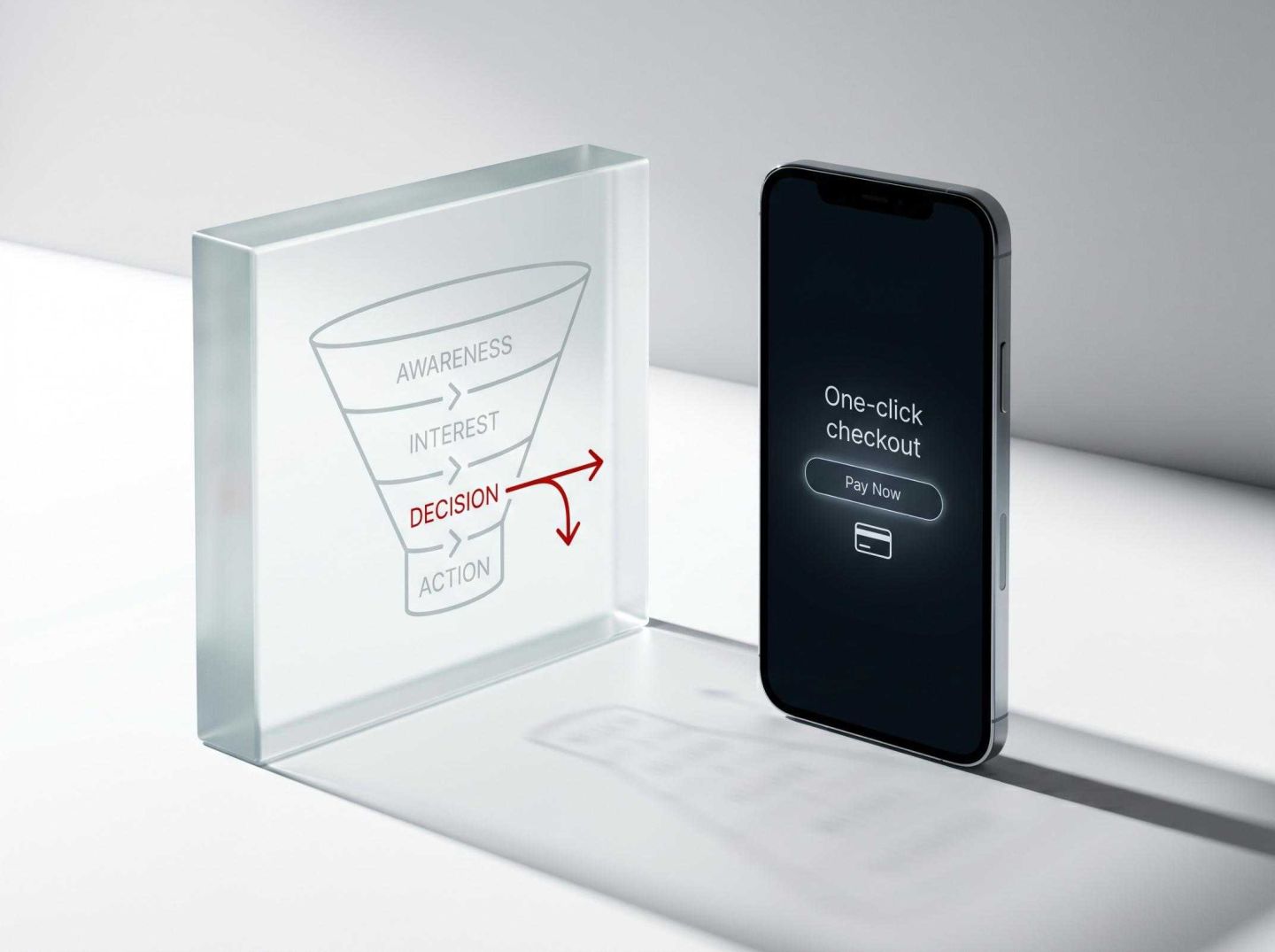
Универсальная корзина и связанная с ней инфраструктура полностью меняют это соотношение. Как сообщал Marketing Dive, Google теперь внедряет встроенный процесс оформления покупки в режиме ИИ, что позволяет пользователям совершать покупки, не покидая интерфейс поиска. Для продавцов, интегрированных с Универсальным коммерческим протоколом, весь воронка превращается в одну среду, контролируемую Google. Витрина становится не просто необязательной — она невидимой.
Механизмы вытеснения многоуровневые и продуманные. Возьмем, к примеру, рекламу в Google с использованием ИИ для покупок, которую компания внедряет для приобретений, требующих тщательного выбора, с встроенными «объяснениями», которые обобщают информацию о товаре и объясняют пользователям, почему тот или иной товар является оптимальным выбором—функция, которую раньше выполняла целевая страница дропшиппера. Затем идут прямые предложения, позволяющие ритейлерам загружать скидки, раздачи и купоны, которые Gemini может динамически подбирать или объединять в пакеты в зависимости от контекста диалога пользователя. Бренды, такие как Chewy, Gap и L'Oréal, уже используют этот формат, который вскоре будет расширен и на туристические платформы. Тем временем Business Agent for Leads заменяет статичные формы сбора заявок чат-агентами на базе ИИ, обученными на контенте сайта рекламодателя, что позволяет удерживать интерес пользователя и конвертировать прямо внутри платформы.
Каждая из этих функций основана на общей философии дизайна: удерживать пользователя внутри экосистемы Google. Как выразился Adweek, это «усиливает барьеры вокруг сада Google, стимулируя потребителей просматривать контент и совершать покупки исключительно в экосистеме Google, устраняя необходимость переходить на сайт продавца». Дэн Тейлор, вице-президент Google по глобальной рекламе, описал этот сдвиг как переход от «маркетинговой автоматизации к маркетинговому интеллекту» — различие, которое должно насторожить любого, чье конкурентное преимущество основано на использовании информационных пробелов между ценой поставщика и готовностью потребителя платить.
Именно здесь ущерб становится критическим именно для дропшипперов. ИИ Google не просто удерживает пользователей внутри платформы; он активно предлагает лучшие альтернативы. Universal Cart автоматически отслеживает снижение цен, отмечает несовместимости и предлагает возможности для экономии. Система, которая заблаговременно предлагает более дешевые варианты и наборы предложений от интегрированных ритейлеров, таких как Walmart, Target и Sephora, будет постоянно обходить посредника, продающего тот же товар по более высокой цене, с более медленной доставкой и без инфраструктуры лояльности. Воронка, которую дропшипперы оптимизировали в течение многих лет, не просто теряет клиентов — Google полностью перестраивает её, и в новой архитектуре нет места продавцу, единственным торговым предложением которого было появление в результатах поиска.
Очевидный контраргумент уже распространяется на форумах и в каналах Slack, посвященных дропшиппингу: «Просто интегрируйтесь с UCP и Universal Cart, как все остальные». Это звучит разумно. Shopify присутствует в списке стартовых партнёров, и большинство дропшипперов используют магазины Shopify, так что с технической точки зрения дверь открыта. Но приглядитесь повнимательнее к тем, кто действительно находится по ту сторону этой двери. Как сообщал Adweek, партнёрами по запуску Universal Cart стали Nike, Sephora, Target, Ulta Beauty, Walmart, Wayfair, а также отдельные продавцы Shopify, такие как Fenty и Steve Madden. Это не случайный набор — это тщательно отобранный перечень брендов с мощной логистической инфраструктурой, системами актуального учёта запасов в реальном времени, налаженными программами лояльности и способностью диктовать цены, поскольку они владеют продукцией или производят её напрямую. Продавцы Shopify, получившие доступ, не являются обычными перепродавцами; это ведущие бренды, работающие по модели direct-to-consumer. Наличие магазина на Shopify не гарантирует вход в этот клуб, точно так же как аренда торговой точки на Пятой авеню не превращает вас в Tiffany's.
Более глубокая проблема носит архитектурный характер. Система Google — это не пассивная торговая площадка, которая просто перечисляет всех зарегистрировавшихся и оставляет потребителям решать всё самостоятельно. Это активный интеллектуальный уровень, предназначенный для оценки, сравнения и рекомендаций. Universal Cart работает на моделях Gemini, которые активно выявляют несовместимые товары, предлагают альтернативы и сверяют информацию о ваших платежных преимуществах и программах лояльности, чтобы оптимизировать каждую покупку. Это означает, что ИИ не просто представляет варианты, а выносит суждения. А эти суждения основаны на структурированных сигналах, которые дропшипперы принципиально не способны качественно обеспечить: точные данные о наличии запасов в реальном времени, конкурентоспособные цены, обязательства по быстрой доставке и интеграции программ лояльности, создающие ощутимую ценность для постоянных клиентов.
Представьте, что происходит, когда товар дроп-шиппера появляется в универсальной корзине наряду с предложениями Walmart или Target. Дроп-шиппер продаёт чехол для телефона, поступающий от поставщика в Шэньчжэне, с наценкой в 300 %, сроком доставки 10–14 дней и без политики возврата, выходящей за рамки настроек по умолчанию в Shopify. Walmart продаёт тот же самый чехол для телефона, или товар, который алгоритмически определяется как функционально идентичный, менее чем за половину цены, с двухдневной доставкой, бесплатным возвратом и автоматическим начислением бонусов по программе лояльности Walmart+. Gemini не нужно действовать враждебно, чтобы уничтожить предложение дроп-шиппера. Достаточно просто быть полезным. Когда ИИ сообщает покупателю, что дешевая и быстрая альтернатива доступна от проверенного продавца и что по его существующей карте лояльности он сможет дополнительно сэкономить, товар дроп-шиппера становится не просто менее конкурентоспособным — он становится явно и измеримо хуже в прямом сравнении, которое потребитель даже не просил предоставить.
Это и есть основная ловушка. Интеграция не создаёт паритет, она создаёт прозрачность. Модель дропшиппинга всегда зависела от определённого дисбаланса информации — потребитель не видит, что тот же товар можно купить дешевле в другом месте, не подозревает, что срок доставки аномально долог, и не знает, что никаких реальных преимуществ за лояльность не предусмотрено. Каждое преимущество ритейлеров, обладающих качественными карточками товаров, точными данными об остатках и конкурентоспособными ценами, как отмечал Search Engine Roundtable, раскрывая функции интеллектуального анализа корзины, становится обременительным для продавцов, у которых таких данных нет. ИИ, который отслеживает снижение цен, проверяет совместимость и помнит статус вашей лояльности, — это не нейтральный посредник. Это поисковая система сравнения с предпочтением качественных сигналов, а дропшипперы приходят в эту перестрелку с ножом.
Подключение к UCP не решает проблему видимости. Это лишь ускоряет её, поскольку ваши наименее сильные стороны оказываются прямо рядом с сильнейшими сторонами конкурента в рамках единого интерфейса, курируемого ИИ, который покупатель никогда не должен покидать.
Вот неудобная правда, в которой одновременно содержится зерно стратегии выживания: универсальной корзины Google не существует на TikTok. Её нет на Instagram Reels, Pinterest или любой другой платформе нативной рекламы, где дропшипперы могут установить прямую связь между привлекательным контентом и страницей оформления заказа. Когда потенциальный покупатель находит товар через пятнадцатисекундную видеорекламу в TikTok и переходит по ссылке на магазин Shopify через внутренний браузер приложения, в фоновом режиме не работает модель Gemini, чтобы заранее выявить альтернативы и предложить более дешевые варианты из Target или Walmart. Никакая интеллектуальная корзина не сравнивает шестьдесят миллиардов позиций в Shopping Graph, чтобы продать товар дешевле вас. Есть только покупатель, ваш креатив и ваш магазин — именно такой контролируемый контекст покупки, который Google систематически уничтожает на собственных платформах.
Это ключевая стратегическая идея, которая разделяет дропшипперов, которые будут процветать в условиях пост-Universal Cart, и тех, кто будет постепенно вытеснен из-за сжатия прибыли. На социальных платформах механизм открытия — это сама реклама: демонстрация, трансформация, зацепка, которая останавливает прокрутку. Намерение покупателя формируется контентом, а не поисковым запросом, который Google может перехватить и перенаправить. И поскольку вся транзакция происходит за пределами экосистемы Google, никакие встроенные возможности оформления заказа, теперь внедряемые непосредственно в AI Mode не могут вмешаться между моментом возникновения желания и моментом покупки.
Операторы, которые уже осуществляют этот переход, делают это не вслепую. Они используют инфраструктуру конкурентной разведки — инструменты шпионажа за продуктами и библиотеки рекламных креативов, — чтобы систематически воссоздавать то, что уже работает на этих платформах. Такие инструменты, как PiPiADS, Minea и TikTok Creative Center, позволяют фильтровать по уровню вовлеченности, продолжительности показа и категории товаров, чтобы определить, какие именно товары, подходы и форматы видео успешно масштабируются конкурентами. Когда вы видите рекламу конкурента, которая транслируется тридцать или сорок дней подряд с растущим бюджетом, это сигнал, подкрепленный реальными доходами, а не домыслами. Вы можете изучить зацепку, стиль демонстрации товара, структуру целевой страницы и формулировку предложения, а затем создать собственную версию с уникальным подходом или улучшенным качеством креатива.
Методика проста. Во-первых, найдите успешные товары, просматривая рекламные библиотеки в поиске креативов с постоянными расходами и высокой вовлеченностью. Во-вторых, проанализируйте структуру креатива: какой у него привлекающий элемент в начале, какое возражение рассматривается в середине видео и какой призыв к действию завершает ролик? В-третьих, найдите поставщика товара или его улучшенной версии, создайте целевую страницу, оптимизированную под источник трафика, и запустите собственные креативные кампании с разделенным тестированием. В-четвертых, постоянно итерируйтесь, поскольку социальные платформы поощряют свежие креативы больше, чем любые другие переменные.
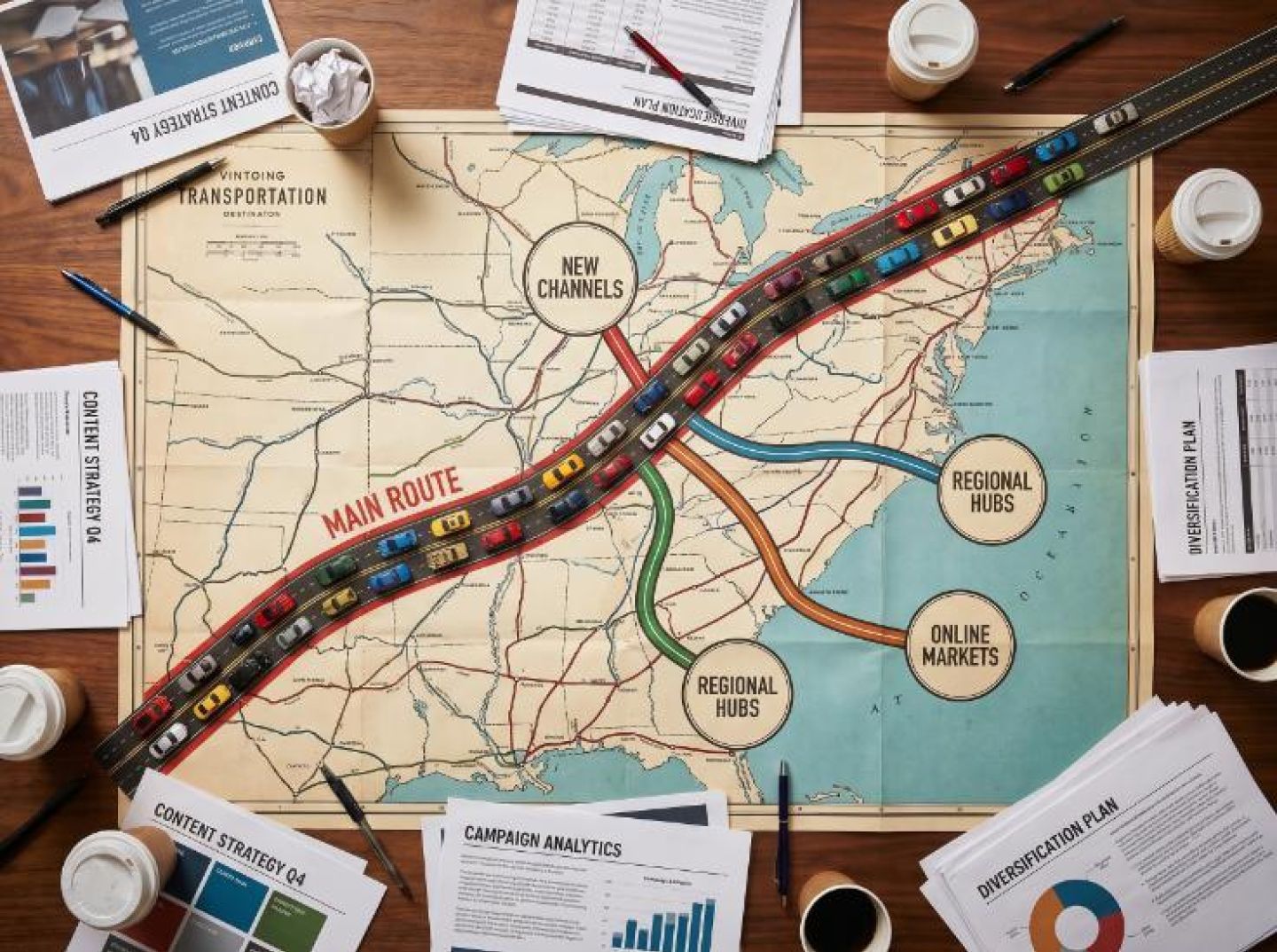
То, что делает этот подход структурно устойчивым к усилиям Google по внедрению агентской торговли, заключается в том, что он не зависит от ранжирования, каналов покупок или какой-либо инфраструктуры, находящейся под контролем Google. Покупатель никогда не вводит поисковый запрос. Он никогда не сталкивается с каруселью сравнений. Он никогда не видит Универсальной корзины, которая отслеживает цены и предлагает предложения от конкурирующих продавцов. Весь вороночный процесс—от привлечения внимания до формирования желания и оформления покупки—происходит на территории, где условия диктует дропшиппер. Это не просто обходной путь. В мире, где Google активно создает ИИ-системы, призванные оптимизировать каждую сделку в пользу потребителя, а не маржи продавца, контроль над слоем поиска на платформах, не контролируемых Google, — это не просто умная диверсификация. Это новый базовый уровень выживания.
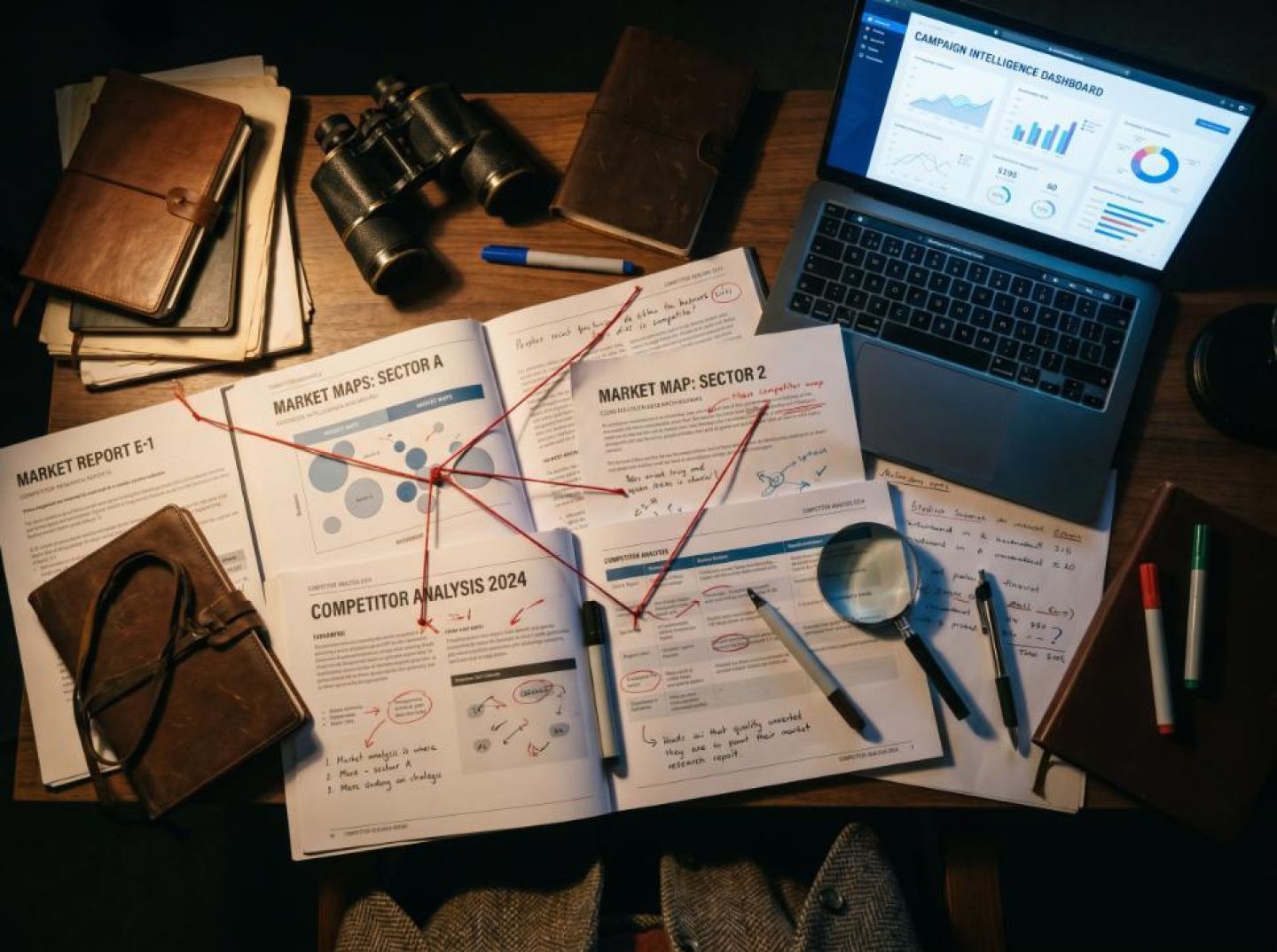
Если экосистема электронной коммерции Google превращается в замкнутый цикл покупок, в котором системы ИИ активно управляют процессом покупки от лица потребителей, то наиболее ценным навыком современного дропшиппера уже является не оптимизация фидов, а сбор конкурентной разведки на тех площадках, куда не проникает закрытый экосистема Google. Это означает создание систематического, воспроизводимого процесса использования инструментов для анализа рекламы и платформ для исследования товаров, с целью понять, что на самом деле работает в Meta, TikTok и других социальных каналах, где вы по-прежнему контролируете взаимосвязь между креативом и оплатой.
Вот структура, которая заменит ваш старый руководство по Google Shopping.
Шаг первый: определите товары с постоянными расходами на рекламу, а не с вирусными всплесками. Такие инструменты, как AdSpy, Minea, PiPiADS и TikTok Creative Center, позволяют фильтровать рекламу по продолжительности, вовлечённости и платформе. Вам нужно искать не товар, ставший вирусным на три дня, а тот, на который продавец постоянно тратит деньги на рекламу в течение четырёх-восьми недель и более. Постоянные расходы — это ближайший показатель рентабельности, не имея доступа к реальным финансовым результатам. Если конкурент продолжает вкладывать деньги в рекламу товара через несколько рекламных наборов в течение нескольких недель, он, скорее всего, получает прибыль. Перепроверьте найденную информацию с помощью данных о продажах из сервисов типа Sell The Trend или Ecomhunt, чтобы подтвердить спрос, прежде чем закупать товар или налаживать связи с поставщиками.
Шаг второй: деонструируйте креативные форматы и элементы, которые стимулируют вовлеченность. Как только вы определили успешные товары, изучите сами рекламные объявления. В TikTok первые один-три секунды определяют, будет ли кто-то смотреть дальше. Запишите структуру зацепок: это начало с акцентом на проблеме? Создание интриги? Тестимониал в стиле пользовательского контента вроде "Не могу поверить, что это действительно работает"? В Meta обращайте внимание, используют ли победители статические изображения, карусели или видео — и каково соотношение снимков в повседневной обстановке и демонстрации продукта. Создайте файл примеров, организованный по типам зацепок, а не по категориям товаров. Зацепки можно переносить; товары — нет.
Шаг третий: обратный инжиниринг архитектуры целевой страницы. Перейдите по выигрышным объявлениям и изучите, куда они направляют трафик. Лучшие дропшипперы в социальных сетях уже давно перешли от стандартных страниц товаров на Shopify. Обратите внимание на определённые структурные элементы: встроенные видеорекомендации в верхней части страницы, «прилипающие» кнопки добавления в корзину, таблицы сравнения с аналогами известных брендов и механизмы создания срочности, например, счётчики остатков товаров в реальном времени. Инструменты вроде BuiltWith или Wappalyzer помогут определить, какие приложения и скрипты использует конкурент в своём магазине, что даст подсказки об их воронках дополнительных продаж, процессах после покупки и стратегиях удержания клиентов.
Шаг четвёртый: Выявляйте появляющиеся тенденции до насыщения. Здесь дисциплина приносит сложный доход. Еженедельно отслеживайте панель трендовых продуктов в центре креативов TikTok. Обращайте внимание на товары, появляющиеся в рекламе с низким общим объёмом объявлений, но с быстро растущим вовлечением, — это указывает на начало новой тенденции. Проверяйте данные с помощью Google Trends (да, Google здесь всё ещё полезен) и Pinterest Trends, чтобы убедиться, что интерес к поиску растёт одновременно на нескольких платформах.
Вся эта рабочая модель заменяет собой старую основную компетенцию в виде подстройки названий товаров и GTIN-номеров для Google Shopping. В условиях, когда Google стимулирует потребителей к просмотру товаров и покупкам исключительно в своей экосистеме, не посещая ваш магазин, выживут те дропшипперы, которые будут рассматривать конкурентную разведку в социальных сетях не как разовую тактику, а как ежедневный ритм работы — так же, как раньше они рассматривали управление фидами как двигатель своего бизнеса.
Получайте лучшие конверсионные лендинги каждую неделю на свою почту.
Недавно обновлено
Узнайте, как превратить отмеченные наградами кампании бренда в масштабируемые кампании с оплатой за показ, всплывающей рекламой, нативной рекламой, TikTok и дропшиппингом. В этом руководстве показано, как анализировать проверенные воронки, выявлять психологию успешных креативов, адаптировать идеи крупных брендов под прямые призывы к действию и использовать ИИ для создания высокотемповых вариантов, которые можно оценивать по ROAS и CPA.
Liam O’Connor
7 минокт. 3, 2026
Гайд
Большинство дропшипперов рассматривают популярность в TikTok как сигнал к покупке, хотя на самом деле это часто уже показатель поздней стадии. В этой статье объясняется, как анализировать рекламную активность, вход новых рекламодателей, зрелость креативов, ускорение расходов и метрики изменения показателей, чтобы находить товары с потенциалом на более раннем этапе. Здесь также представлена практическая система оценки и 48-часовая проверка, которые помогут дропшипперам решить, сохраняет ли вирусный товар достаточную маржу и перспективы на рынке перед выходом на него.
Priya Kapoor
7 минавг. 19, 2026
Гайд
Бурно развивающаяся экосистема спортивных создателей контента в TikTok открывает новые возможности для дропшипперов, которые знают, где искать. Отслеживая демонстрации продуктов от создателей контента вместе с рекламой конкурентов, продавцы могут выявлять появляющиеся продукты до того, как рынок станет перенасыщенным. Сочетание органических тенденций от создателей и информации о рекламе позволяет быстрее проверять продукты, создавать более сильный креатив и получать лучшую прибыль в быстро развивающихся спортивных нишах.
Liam O’Connor
7 минавг. 5, 2026