6 минмая 30, 2026

Наши инструменты отслеживают миллионы рекламных кампаний в форматах native, push, pop и TikTok.
НачатьНа протяжении многих лет конкурентная разведка в платном поиске строилась на удобном предположении: если у вашего соперника показывается реклама, кто-то мог увидеть её, сделать скриншот и воссоздать лежащую в её основе стратегию. Объявления Google на Marketing Live и I/O 2026 не просто пошатнули это предположение — они полностью его разрушили.
Сами по себе основные показатели впечатляют. Режим ИИ теперь насчитывает более миллиарда пользователей в месяц, и Google подтвердил на I/O, что данный функционал теперь во всём мире работает на основе Gemini 3.5 Flash — самой мощной агентной модели компании на сегодняшний день. Но настоящие потрясения вызывают рекламные форматы, внедрённые в эту инфраструктуру. Google представил два новых рекламных формата в виде пояснений — «Разговорное открытие» и «Выделенные ответы», каждый из которых предназначен для работы внутри диалогов с чатботами в несколько шагов, а не рядом со статической страницей с десятью синими ссылками.
Рассмотрим, как на самом деле работает диалоговое исследование. Как сообщал Search Engine Journal, вместо основного полагания на таргетинг по ключевым словам, Gemini создает индивидуальный творческий подход и предлагает особенности товара, связанные с контекстом диалога. В качестве собственного примера Google приведен пользователь, который спрашивает, как сделать, чтобы дом пах как "элитные спа-салоны или дождливый лес", используя решения с минимальным уходом — такой извилистый, очень личный запрос, который ни один планировщик ключевых слов никогда не предсказал бы. Реклама, которая появляется, не берется из заранее подготовленной библиотеки материалов; она формируется на лету моделью, интерпретирующей поток диалога пользователя.
Highlighted Answers применяет аналогичный подход к запросам на этапе исследования, размещая рекламу прямо внутри списков рекомендаций, созданных в режиме ИИ — представьте себе человека, оценивающего приложения для изучения языков перед поездкой за границу. Рекламодатель не делает ставку на ключевое слово и не надеется появиться рядом с результатами; он встраивается в поток тщательно подобранных рекомендаций, при этом модель определяет релевантность на основе сигналов, которые ни одна внешняя сторона не может наблюдать.
И формат блица не заканчивается на этом. Google внедряет рекламу покупок с поддержкой ИИ, включающую пояснения о том, почему конкретный товар является правильным выбором, а также Бизнес-агента по работе с лидами, который позволяет пользователям мгновенно общаться с агентом, обученным исключительно на основе данных с сайта рекламодателя, полностью заменяя статическую форму захвата лидов. Пожалуй, наиболее показательным является расширение функции Прямых предложений, позволяющей рекламодателям загружать различные скидки и купоны, после чего Gemini подбирает или комбинирует их в персонализированный набор на основе контекста поискового запроса пользователя — функцию, которую уже используют такие бренды, как Chewy, Gap и L'Oréal, и которая вскоре появится на туристических платформах, таких как Expedia и Booking.com.
Тем временем интеллектуальное поле поиска теперь активно поощряет более длинные и мультимодальные запросы — расширяясь по мере ввода текста и направляя сложные запросы напрямую в режим ИИ. Эти дизайнерские сигналы означают, что большее количество пользователей будет попадать в среду, где размещаются такие динамически генерируемые объявления.
Вот к чему это приводит: рекламный креатив генерируется моделью, выбор размещения зависит от приватного диалога, а само предложение — конкретная скидка или пакет — формируется в режиме реального времени с помощью Gemini, которая интерпретирует сигналы намерений, существующие только в рамках этой сессии. Ни один конкурент не сможет воспроизвести этот диалог. Ни один инструмент сканирования не сможет восстановить контекст. Ни одна библиотека рекламы никогда не сохранит то, что было показано, потому что показанное существовало ровно для одного пользователя в один конкретный момент, а затем исчезло. Традиционное представление о «просмотре рекламы конкурента» в новой экосистеме Google не просто усложняется — оно становится принципиально устаревшим.
До недавнего времени в арсенале конкурентной разведки для контекстной рекламы имелся надежный выход: даже если вы не могли увидеть саму рекламу, вы могли перейти по ссылке. Вы попадали на страницу товара конкурента, делали снимок экрана с предложением, отмечали цены, изучали стратегию скидок и воссоздавали воронку продаж. Последние коммерческие инфраструктурные решения Google не просто препятствуют такому переходу — они архитектурно устраняют его.
В центре этого сдвига находится Universal Cart — единая корзина для покупок, которая работает одновременно на сайтах продавцов и в сервисах Google. Потребитель может добавить в корзину косметику Sephora прямо из приложения Gemini, добавить чистящие средства Target через поиск Google и положить пару кроссовок Nike в ту же корзину с помощью видео на YouTube, а затем оформить заказ в рамках одной транзакции, не посещая ни один из сайтов ритейлеров. Среди партнёров по запуску уже есть Sephora, Target, Nike, Ulta Beauty, Walmart, Wayfair и Shopify, а сама система работает на основе Universal Commerce Protocol (UCP) от Google — открытого стандарта для агентской торговли, который позволяет серверной части Google напрямую взаимодействовать с системами управления запасами и доставки продавцов.
Последствия для конкурентной видимости серьезны. Как сообщалось на Marketing Dive, Google внедряет встроенный процесс оформления заказа непосредственно в режим ИИ, что означает, что пользователям не нужно покидать функцию для завершения покупки. В сочетании с прямым предложением — когда Gemini подбирает или объединяет наиболее актуальные скидки, бесплатные раздачи и купоны на основе контекста разговора — это создает полный коммерческий цикл, в котором обнаружение, рассмотрение, презентация предложения и сделка происходят исключительно на платформах Google.
Задумайтесь, что это означает для сторонних инструментов, на которые маркетологи полагались в течение многих лет. Эти инструменты работают, сканируя общедоступные URL, каталогизируя видимые рекламные объявления и отслеживая изменения на целевых страницах. Но когда весь процесс покупки сводится к единому интерфейсу Google, не остается URL для перехода, которые можно сканировать. Нет целевых страниц, которые можно сделать в виде скриншотов. Нет общедоступных рекламных блоков, которые можно было бы каталогизировать в традиционном смысле. Сама транзакция — включая конкретный пакет предложения, сформированный Gemini для данного пользователя — является кратковременной и персонализированной, создается в моменте и видна только потребителю, который ее инициировал.
Вице-президент Google по глобальной рекламе Дэн Тейлор описал перемены в амбициозных терминах, говоря о переходе «от маркетинговой автоматизации к маркетинговому интеллекту». Но, по определению, интеллект требует наблюдаемых сигналов. И Google систематически внутренне накапливает эти сигналы. Цены, которые конкурент предлагает через Direct Offers? Заблокированы внутри AI Mode. Стратегия скидочных пакетов, которую формирует Gemini? Уникальна для каждого запроса, никогда не отображается как статическая страница. Процесс оформления заказа и состав корзины? Полностью ограничены инфраструктурой Universal Cart, работающей на всех платформах.
Даже транзакционные метаданные, которые аналитики ранее извлекали с целевых страниц конкурентов — например, временные рамки акций, пороги бесплатной доставки и шаблоны допродаж — теперь находятся за пределами Google. Компания утверждает, что не превращается в торгованую площадку. Эшиш Гупта, вице-президент и генеральный менеджер направления торговых услуг, заявил Adweek, что Google рассматривает себя как "посредника, который напрямую связывает покупателей с компаниями". Однако посредники, контролирующие площадку, список гостей, общение и кассу, как правило, накапливают иной вид власти — власть непрозрачности. А для специалистов по конкурентной разведке непрозрачность — это не просто неудобство. Это вопрос выживания.
Даже рекламодатели, оплачивающие эти новые форматы, не могут в полной мере видеть, что происходит внутри них — и именно этот факт должен насторожить каждого специалиста по конкурентной разведке в отрасли.
Как отмечает Search Engine Journal в своем анализе новых рекламных форматов в режиме ИИ, разговорные поисковые запросы «намного менее структурированы, чем традиционные поисковые запросы по ключевым словам», что «может затруднить для рекламодателей понимание того, какие именно запросы, темы или взаимодействия реально повлияли на результативность с течением времени». Это не незначительное неудобство. Это фундаментальный разрыв в цепочке обратной связи, которая на протяжении двух десятилетий определяла маркетинг на основе эффективности. Старая модель была элегантной в своей простоте: вы делали ставку на ключевое слово, кто-то искал это слово, переходил по вашей рекламе, и вы могли проследить всю цепочку от запроса до конверсии. Каждое звено было наблюдаемым, измеримым и, что важно, воспроизводимым конкурентами, наблюдающими со стороны.
Теперь эта цепочка разорвана уже на первом звене. Когда пользователь вводит что-то вроде: "Я хочу, чтобы в моём доме пахло как в дорогих спа-салонах или в лесу во время дождя. Какие есть необременительные способы сделать аромат дома потрясающим?" — в традиционном смысле нет ключевого слова, на которое можно было бы сделать ставку. Gemini интерпретирует более широкий контекст всего разговора, оценивает намерение на протяжении нескольких этапов диалога, а затем генерирует индивидуальное креативное содержание в ответ. Рекламодатель видит конверсию на своей панели управления, но путь, который привёл к ней, неясен — это чёрный ящик контекстных выводов, который даже собственные аналитические инструменты Google с трудом могут разложить на поддающиеся действия элементы.
Проблема усугубляется, если учесть, как сама точка входа претерпевает изменения. Охватываемость Semrush переработанного интерфейса Google описывает новое интеллектуальное поле поиска, которое активно поощряет более длинные, мультимодальные запросы и по умолчанию направляет их в режим ИИ. Это не тонкая настройка интерфейса; это целенаправленное изменение воронки, формирующее поведение пользователей в соответствии с разновидностью неструктурированных, исследовательских запросов, которые противоречат традиционным ключевым таксономиям. Каждый запрос, попадающий в этот поток, становится труднее классифицировать, труднее анализировать и труднее воспроизводить — будь вы рекламодателем, оплатившим показ, или конкурентом, пытающимся понять, что работает.
Теперь применим эту логику к конкурентной разведке. Если рекламодатели первого уровня — люди с прямым доступом к панелям инструментов Google Ads, данным о конверсиях и сигналам аудитории — сталкиваются с трудностями в определении эффективности конкретных разговорных триггеров, какой шанс у внешнего наблюдателя? Ответ — нулевой. Традиционный метод шпионских инструментов основывался на стабильной, наблюдаемой зависимости между ключевыми словами, текстами рекламы и посадочными страницами. Все три переменные были отдельными и поддающимися запросам. В системе, где Gemini динамически генерирует рекламные объявления на основе товарного фида бренда в ответ на уникальный разговорный контекст, отсутствует стабильный текст объявления для извлечения данных, нет фиксированного ключевого слова для отслеживания и всё реже — внешней посадочной страницы для посещения.
Это кризис измерений, который создал Google, и, надо отдать ему должное, который он молча признал, назвав эти форматы экспериментами, которые все еще тестируются в режиме ИИ. Однако тенденция очевидна. По мере того как разговорные запросы становятся стандартным поведением при поиске, а творческие идеи для рекламы, созданные ИИ, превращаются в норму, само понятие «отслеживание стратегии конкурента в поиске» начинает терять четкий смысл. Вы не можете разобрать стратегию по кусочкам, которую даже ее создатели не могут полностью отследить. И именно эта структурная реальность, а не временное отсутствие инструментов, должна заставить маркетологов перенаправить свои усилия по сбору разведывательных данных на каналы, где наблюдение по-прежнему возможно.
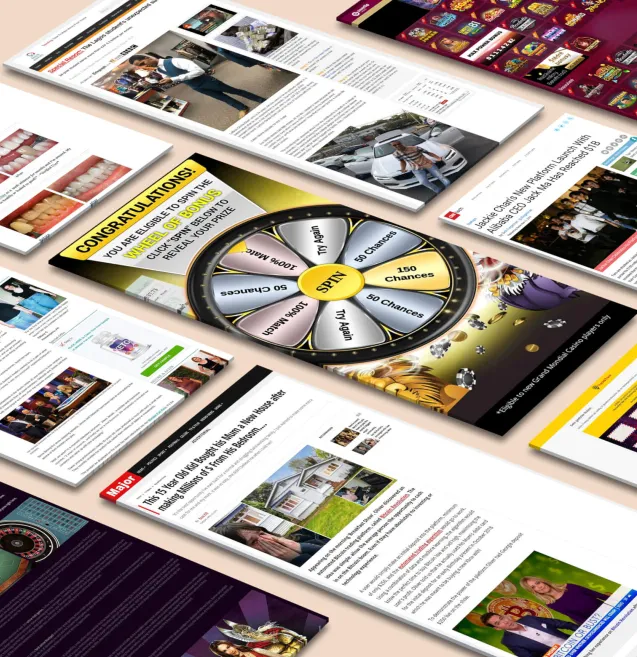
Теперь сравните всё, что мы только что описали, — эфемерные, привязанные к сессии рекламные блоки, созданные Gemini, которые ни один внешний наблюдатель не сможет воспроизвести, — с простым родным рекламным виджетом, расположенным в боковой панели статьи. Он находится прямо там. На странице. С URL-адресом, который можно посетить, эскизом, который можно сделать снимок экрана, и заголовком, который можно прочитать дословно. Это различие не косметическое. Оно архитектурное, и оно имеет глубокие последствия для всех, чья работа зависит от понимания того, как конкуренты используют свой рекламный бюджет.
Экосистемы нативной и пуш-рекламы — Taboola, Outbrain, MGID, PropellerAds и множество мелких сетей пуш-уведомлений — работают по принципиально иной модели доставки, чем та, которую Google создаёт внутри режима ИИ. Как задокументировано AdPushup, нативная реклама включает форматы, такие как блоки в лентах, виджеты рекомендаций контента, рекламные списки и спонсируемые публикации, которые размещаются на страницах издателей как отдельные, индексируемые элементы. Они не создаются в реальном времени языковой моделью, интерпретирующей личные нюансы поискового запроса пользователя. Они показываются в определённых позициях на сайтах издателей на основе параметров таргетинга и остаются на этих страницах достаточно долго, чтобы сторонние сканеры могли систематически их обнаруживать.
Именно эта устойчивость делает возможным весь уровень конкурентной разведки. Инструменты, такие как Anstrex, AdPlexity и SpyPush, существуют именно потому, что нативная реклама и пуши оставляют наблюдаемые следы. Они сканируют сети паблишеров, каталогизируют креативы — заголовки, миниатюрные изображения, тексты объявлений — и записывают метаданные о посадочных страницах, примерной продолжительности показов, источниках трафика и географической таргетировке. Медиабайер может зайти на одну из таких платформ и уже через несколько минут увидеть, какие подходы использовал конкурент в прошлом месяце, какие креативы работали дольше всего (надежный показатель эффективности), какую структуру посадочных страниц он использует и на каких сайтах паблишеров размещался трафик. Каждый компонент воронки, от первого показа до поведения после перехода, становится понятным.
То, что этот текст легко читается, не случайно. Это побочный результат технического способа подачи рекламы: в виде HTML-элементов, встроенных в страницы издателей, которые может отобразить и зафиксировать любой браузер — или бот. Сравните это со средой AI Mode, которую описал Marketing Dive, где такие форматы рекламы, как Conversational Discovery, используют Gemini для «генерации уникального рекламного контента» на основе конкретного контекста подробного и детального запроса пользователя. Два пользователя, задающие немного отличающиеся версии одного и того же вопроса, не обязательно увидят одну и ту же рекламу, один и тот же текст или одинаковый акцент на продуктах. Здесь нет статичного контента для сканирования, нет постоянной страницы, которую можно посетить повторно, нет артефакта, который инструмент слежения мог бы систематически проиндексировать.
Это не делает нативную рекламу превосходящей поисковую выдачу Google с точки зрения охвата, качества намерений или потенциала конверсии. Никто не утверждает, что виджет Taboola обладает коммерческой значимостью высоконамеренного поискового запроса в Google. Но это не та сравниваемая величина. Вопрос для команд по конкурентной разведке заключается не в том, «какой канал самый мощный?», а в том, «из какого канала я могу реально извлечь информацию?» И на данный момент нативная и пуш-реклама представляют собой последние крупные экосистемы платных медиа, где ответ однозначно положительный. Вы можете видеть креативы. Вы можете отследить переходы. Вы можете систематизировать предложения. Вы можете наблюдать, как проходят тесты в течение нескольких недель. Вы можете создать основанную на фактах картину стратегии конкурента, не полагаясь на предположения, оценки или догадки.
В эпоху, когда Google активно направляет миллиард пользователей в месяц в режим ИИ — среду, предназначенную для обеспечения конфиденциальности и персонализации взаимодействий, — каналы, которые все еще демонстрируют свою работу, полезны не только на тактическом уровне. Они стратегически необходимы.
Стратегической реакцией на все, что мы рассмотрели до сих пор, является не паника, а выстраивание систематической практики конкурентной разведки вокруг каналов, которые по-прежнему дают вам что-то, с чем можно работать. Вот практическая основа для реализации именно этого.
Шаг 1: Используйте инструменты шпионажа за native-рекламой для получения креативной и структурной аналитики. Платформы вроде Anstrex, AdPlexity и SpyPush существуют именно потому, что сети native- и push-рекламы демонстрируют свою рекламу иным образом, чем Google, который делает это всё меньше. Используйте их, чтобы собрать базу успешных заголовков, стилей миниатюр и журналистских подходов в вашей нише. Особое внимание уделяйте рекламе с длительным сроком показа — если у конкурента один и тот же рекламный лендинг в журналистском стиле работает восемь недель, это устойчивый сигнал прибыльности. Фиксируйте также структуру целевых страниц: соотношение редакционного контента и размещения призыва к действию, тип социального доказательства, а также использует ли воронка тест, список или страницу прямого отклика. Как отмечает AdPushup, спрос на качественный и инновационный контент в native-рекламе продолжает расти, а значит, бренды, вкладывающиеся в эти форматы, серьёзно подходят к креативной стратегии своего контента — стратегии, которую вы можете проанализировать и использовать в своих целях.
Шаг 2: Анализируйте предложения конкурентов и структуру их воронок, которые невидимы в Google, но полностью видны в нативной рекламе. Поскольку нативная реклама ведёт к реальным индексируемым URL с полными пользовательскими сценариями, вы можете пройти весь путь конверсии конкурента — от миниатюры объявления до предварительной страницы и до страницы оформления заказа или формы сбора лидов. Попробуйте повторить это с рекламой Conversational Discovery в режиме ИИ. Вы не сможете. Как сообщал Search Engine Journal, диалоговые поисковые запросы гораздо менее структурированы, чем традиционные поисковые запросы по ключевым словам, а объявления, показываемые в них, динамически генерируются Gemini на основе контекста сеанса. Здесь нет статичного креатива, который можно сделать скриншотом, и нет фиксированной целевой страницы для анализа. Нативная же реклама, напротив, открывает перед вами всю стратегию напоказ.
Шаг 3: Рассматривайте креативы для нативной рекламы как сигнал более широкой стратегии. Это тот аспект, который упускают большинство маркетологов. Если конкурент активно масштабирует определенный подход в нативной рекламе — например, играет на страхах, связанных с регуляторными изменениями, или делает акцент на преимуществах нового функционала продукта, — такая структура сообщения не возникла сама по себе. Скорее всего, она была разработана маркетинговой командой, которая использует аналогичные стратегические подходы в Google, Meta и email. Вы можете не видеть их креативы для рекламы в режиме ИИ, но можете выявить их тематическую основу по тому, что они тестируют в каналах, которые вы видите.
Шаг 4: Создайте родную «тестовую лабораторию» для концепций, которые вы планируете развернуть в непрозрачных каналах. Поскольку нативные платформы обеспечивают полную креативную прозрачность и относительно быструю обратную связь, они являются идеальными испытательными площадками. Протестируйте пять вариантов заголовков, три структуры посадочных страниц и две подачи предложения в нативных форматах. Определите, какие комбинации дают наилучшие показатели кликабельности и конверсии. Затем возьмите эти проверенные концепции и адаптируйте их под каналы вроде AI Mode, где у вас будет гораздо меньше возможностей видеть, что работает, и намного меньше шансов недорого вносить итерации. Логика проста: проводите свои эксперименты там, где видно табло с результатами, а затем внедряйте победителей туда, где вы не можете видеть результаты.
Это не обходной путь. Это структурное преимущество — то, которое существует именно потому, что рекламная экосистема делится на каналы, которые вы можете читать, и каналы, которые вы не можете читать. Маркетологи, которые распознают это разделение и организуют свою аналитическую деятельность соответствующим образом, будут иметь значительное преимущество перед теми, кто по-прежнему пытается выполнить реверс-инжиниринг разговора, сгенерированного ИИ, который им никогда не предназначался видеть.
Получайте лучшие конверсионные лендинги каждую неделю на свою почту.
Обязательно к прочтению
Узнайте, как нативные рекламодатели могут превращать повседневные моменты в запоминающиеся и эффективные кампании с помощью ивентизации. Научитесь использовать ограниченность, временные предложения, контекстную таргетинг и постоянные микрособытия для вовлечения аудитории, повышения релевантности кампаний и выявления выигрышных стратегий конкурентов с Anstrex.
Priya Kapoor
7 минокт. 11, 2026
Избранное
Узнайте, как превратить рекламные акции и вирусные маркетинговые кампании в кампании с высокой доходностью. Научитесь создавать скрытые воронки с помощью ретаргетинга, посадочных страниц, нативной рекламы, пуш-рекламы, поп-рекламы и кампаний в TikTok, которые преобразуют узнаваемость бренда в измеримые конверсии и прибыль.
Samantha Reed
7 минокт. 10, 2026
Гайд
Узнайте, почему рекомендации знаменитостей и глобальная интеллектуальная собственность не всегда приводят к успеху в рекламе. В этом руководстве с использованием данных рекламного шпионажа рассматриваются такие аспекты, как релевантность аудитории, контекст размещения, тестирование креативов и эффективность после перехода по ссылке, которые помогают рекламодателям создавать кампании с высокой отдачей без дорогостоящего сотрудничества со знаменитостями.
Elena Morales
7 минокт. 9, 2026