8 миниюня 8, 2026

Наш инструмент для дропшиппинга интегрируется с магазинами Shopify и WooCommerce и полностью автоматизирует ваш дропшиппинг-бизнес!
НачатьНа протяжении многих лет бренды электронной коммерции зацикливались на одних и тех же показателях: позициях по ключевым словам, частоте кликов, стоимости клика и средней позиции объявлений. Эти цифры показывали, где вы находитесь на странице результатов. Но страница результатов больше не является основным местом для большинства покупательских впечатлений с использованием ИИ — и Google тихо подтвердил это, создав совершенно новую систему измерений, которая делает устаревшим мышление, основанное на позициях.
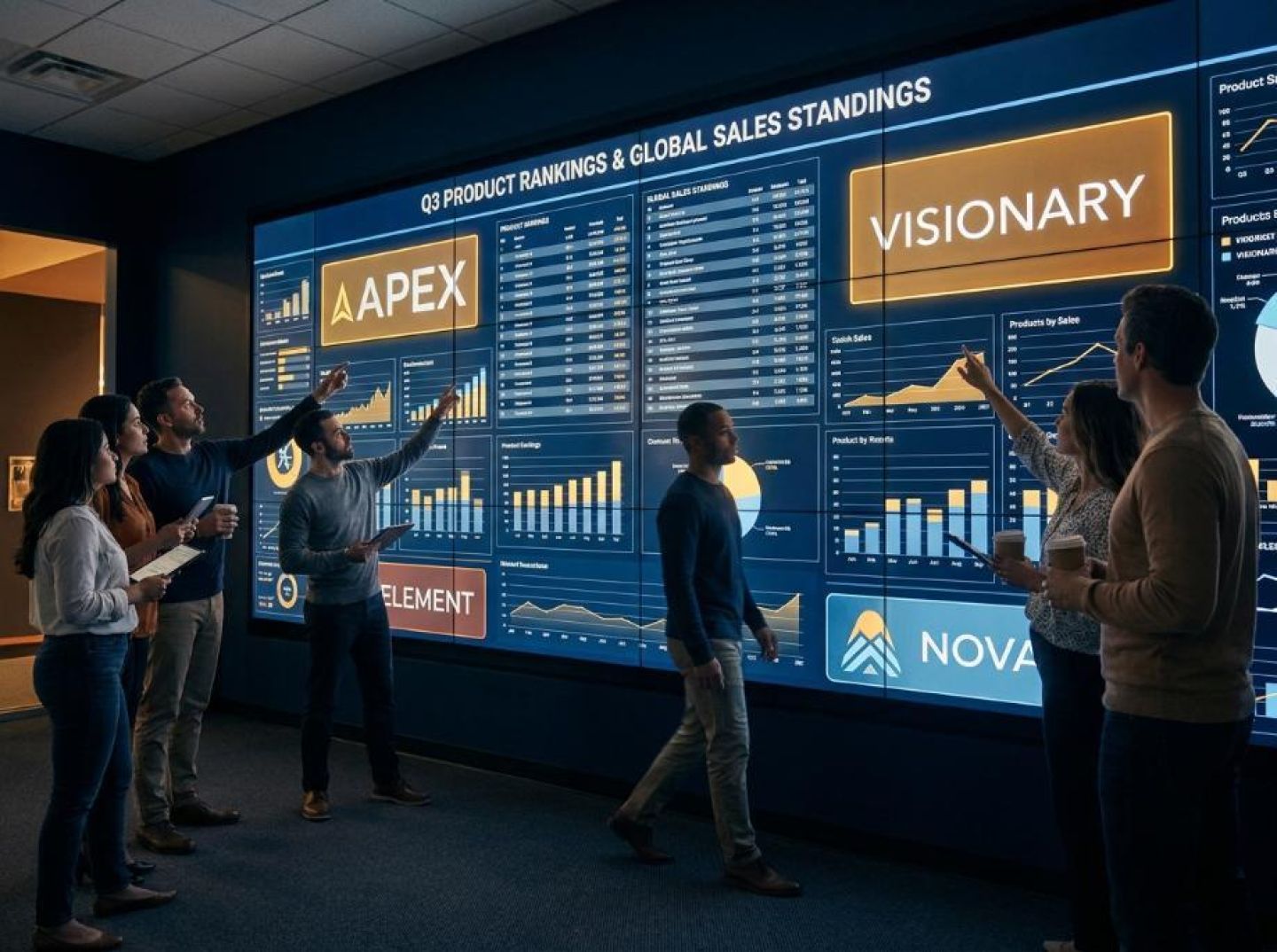
В конце мая 2026 года Google начал внедрение аналитики эффективности ИИ в Merchant Center, предоставив ритейлерам первый встроенный взгляд на то, как товары появляются в результатах диалоговых покупок в режиме ИИ, в обзорах ИИ и в приложении Gemini. Это не просто обновление панели инструментов или скрытый бета-переключатель в настройках. Это новая категория отчётов с четырьмя отдельными представлениями данных — доля голоса, эффективность воронки продаж, аналитика по товарным терминам и пробелы в атрибутах товаров, — каждая из которых предназначена для измерения того, что традиционная аналитика электронной коммерции никогда не могла: как ИИ Google решает, какие бренды рекомендовать, когда покупатель задаёт вопрос вместо ввода ключевого слова.
Метрика доли охвата заслуживает особого внимания, поскольку кардинально переосмысливает значение "видимости". Как объясняется в анализе Semrush нового отчёта, это относительная метрика — не показатель трафика или позиций — и она оценивает, насколько часто ваш бренд появляется в AI-опытах по сравнению с аналогичными брендами. Если это звучит больше как медийная метрика планирования, чем как метрика поисковой оптимизации, то это как раз и есть суть. Видимость в AI-покупках функционирует как доля медиа, а не доля поиска. Вы уже не боретесь за третье место вместо пятого. Вы боретесь за то, назовёт ли вас ИИ вообще, когда покупатель спросит: "Какая лучшая водонепроницаемая туристическая обувь до 200 долларов?"
Это различие имеет огромное значение, поскольку делает неэффективной стратегию, которой до сих пор придерживаются большинство команд электронной коммерции. Повышение ставок не решит проблему низкой видимости в ИИ, как и перегрузка названий товаров ключевыми словами. Данные об эффективности воронки продаж делают это ещё более очевидным, поскольку отображают видимость ИИ на трёх этапах — обнаружение, оценка и покупка, — позволяя брендам точно определить, на каком этапе они входят в диалог с ИИ и, что ещё важнее, на каком выбывают. Бренд может появиться, когда кто-то просматривает категории, но исчезнуть в тот момент, когда покупатель сузит критерии поиска, просто потому что в продуктах отсутствуют структурированные атрибуты, необходимые ИИ для уверенной рекомендации.
Вот где отчет о пробелах в атрибутах продукта становится скрытым оружием. Google теперь будет отмечать отсутствующие структурированные данные о товарах — цвет, материал, стиль и другие характеристики, — потому что системам ИИ для шопинга нужны полные и хорошо организованные данные, чтобы сопоставлять товары с поисковыми запросами на естественном языке. Если в карточке конкурента указано "смесь дышащей мериносовой шерсти", а у вас просто "шерсть", ИИ вовсе не наказывает вас из злобы. Он просто с большей уверенностью определяет релевантность другого товара.
То, что делает этот момент определяющим для категории, заключается не только в самих данных, а в том, что Google впервые сделал видимость в ИИ измеримой конкурентной площадкой. Раньше, до появления этого отчета, бренды могли терять рекомендации ИИ и даже не знать об этом. Теперь незнание — это уже не просто стратегическое неудобство. Это измеримая уязвимость, которой присвоено конкретное число, которое обновляется в вашем Merchant Center, в то время как ваши конкуренты уже анализируют свои данные.
Если бы у большинства маркетинговых команд была инфраструктура для обнаружения вышеописанного стратегического разрыва, он был бы подконтролен. Но это не так. Согласно исследованию Semrush 2026 года, лишь 22% маркетологов полностью интегрировали видимость в поиске на основе ИИ в свою SEO- и маркетинговую деятельность. Это означает, что почти четыре из пяти команд управляют своей органической стратегией без систематического понимания того, появляется ли их бренд в ответах ИИ-инструментов при поиске покупателей, и в какой мере.
Это не просто незначительное отставание в оснащении. Это организационная слепая зона с усугубляющимися последствиями. То же исследование показало, что 37% маркетологов утверждают, что в ответах, генерируемых ИИ, чаще упоминаются конкуренты, чем их бренд. Еще 30% сообщают, что их бренд описан неточно, а 29% говорят, что их позиционирование воспринимается как безликоe или неясное. Это не редкие случаи. Это типичный результат для любого бренда, который преднамеренно не формировали данные, используемые системами ИИ для построения рекомендаций, — такие данные, как структурированный контент, отзывы сторонних лиц, медиа-покрытие и согласованность данных на уровне сущностей.
Особую опасность представляет то, что видимость в ИИ распределяет внимание не так, как традиционный поиск. При стандартном локальном поиске в Google у компании есть разумные шансы попасть в локальную тройку — согласно анализу паттернов ИИ-рекомендаций от Search Engine Journal, примерно 35,9% локаций бренда появляются там. Напротив, ChatGPT рекомендует лишь около 1,2% тех же локаций бренда. Это не просто более узкий воронкообразный процесс — это совершенно иная игра с доминированием главного победителя. Бренды, получившие место в ответе, сгенерированном ИИ, получают не просто большую видимость; они фактически вытесняют всех конкурентов, не попавших в список.
Эта ситуация с доминированием главного победителя отражает результаты исследования Magenta Associates в сфере B2B: всего пять брендов получают 80% главных ответов, генерируемых ИИ, в каждой конкретной категории. Тогда как традиционный поиск раньше предлагал десять синих ссылок на первой странице, ответы ИИ отображают максимум четыре-семь брендов, а при запросах на конкретные товары — зачастую еще меньше.
Операционный разрыв — это то, что делает стратегическую возможность настолько несимметричной. Когда работа по обеспечению видимости охватывает контент, PR, продукт и управление отзывами, но при этом ни одна команда не отвечает за комплексный результат, который на самом деле потребляют системы ИИ, результатом становятся фрагментированные сигналы и ослабленное представление бренда. Команды могут чувствовать, что они согласованы в своих целях, однако никто не отвечает за конечный результат отображения бренда в синтезированном ответе ИИ.
Рассмотрим практические последствия: команда продуктового маркетинга обновляет позиционирующие формулировки на сайте, но профили сторонних обзоров по-прежнему отражают аргументацию прошлого года. PR обеспечивает публикацию в отраслевом издании, но структурированные данные на страницах самого бренда не соответствуют утверждениям в статье. Каждая команда хорошо справляется со своими задачами изолированно. Однако модели ИИ не оценивают источники в изоляции — они сопоставляют данные по всем источникам, а несогласованность наказывается отсутствием упоминаний или неточностью.
78% команд, которые не наладили отслеживание видимости ИИ, теряют не только данные. Они уступают повествование о собственном бренде тем фрагментарным, устаревшим или искажённым данным, которые алгоритмы ИИ находят в первую очередь. А поскольку ответы ИИ сжимают целые категории в несколько рекомендаций, цена этого пробела не линейна — она экспоненциальна. Каждый месяц, когда бренд остаётся без контроля, — это месяц, когда конкуренты остаются на сцене в одиночку.
Конкурентный анализ раньше был относительно узкой дисциплиной: выгрузка позиций конкурентов по ключевым словам, скриншоты их рекламных объявлений, построение профиля обратных ссылок и создание матрицы позиционирования. Такой подход по-прежнему имеет значение, но в нём упущено целое измерение — то, в котором системы ИИ решают, какие бренды и товары рекомендовать, ещё до того, как человек увидит результаты поиска.
Рамки уже меняются. Традиционная методология исследования конкурентов от Semrush — выявление органических соперников, анализ пробелов в ключевых словах и деконструкция стратегий контента — теперь расширяется в сферу, которой не существовало два года назад. Теперь вопрос уже не только в том, «по каким ключевым словам ранжируются мои конкуренты, а я — нет?» Важнее знать: «в каких запросах к ИИ появляются товары моих конкурентов, когда покупатель просит рекомендацию?». Это различие важно, потому что за этими двумя сценариями стоят совершенно разные модели поведения потребителей, как ясно показывает анализ инструментов аналитики поиска ИИ от HubSpot: когда кто-то спрашивает у ChatGPT, какой товар лучший в определённой категории, модель генерирует прямую рекомендацию, и бизнес либо присутствует в этой рекомендации, либо нет.
Формирующийся стек конкурентной разведки отражает эту реальность. HubSpot выделяет четыре основных рабочих процесса, которые теперь поддерживают инструменты аналитики поиска на основе ИИ: планирование контента на основе пробелов в запросах, мониторинг бренда на платформах ИИ, отслеживание совместного упоминания конкурентов и атрибуция, связывающая ссылки ИИ с конверсиями. Отслеживание запросов — способность определять и отслеживать конкретные вопросы, которые задают покупатели системам ИИ, — стало базовой единицей измерения, заменив позицию ключевого слова как атомарную метрику видимости. Охват нескольких платформ больше не является вариантом: бренд может доминировать в рекомендациях на ChatGPT и при этом полностью отсутствовать в Perplexity или Gemini.
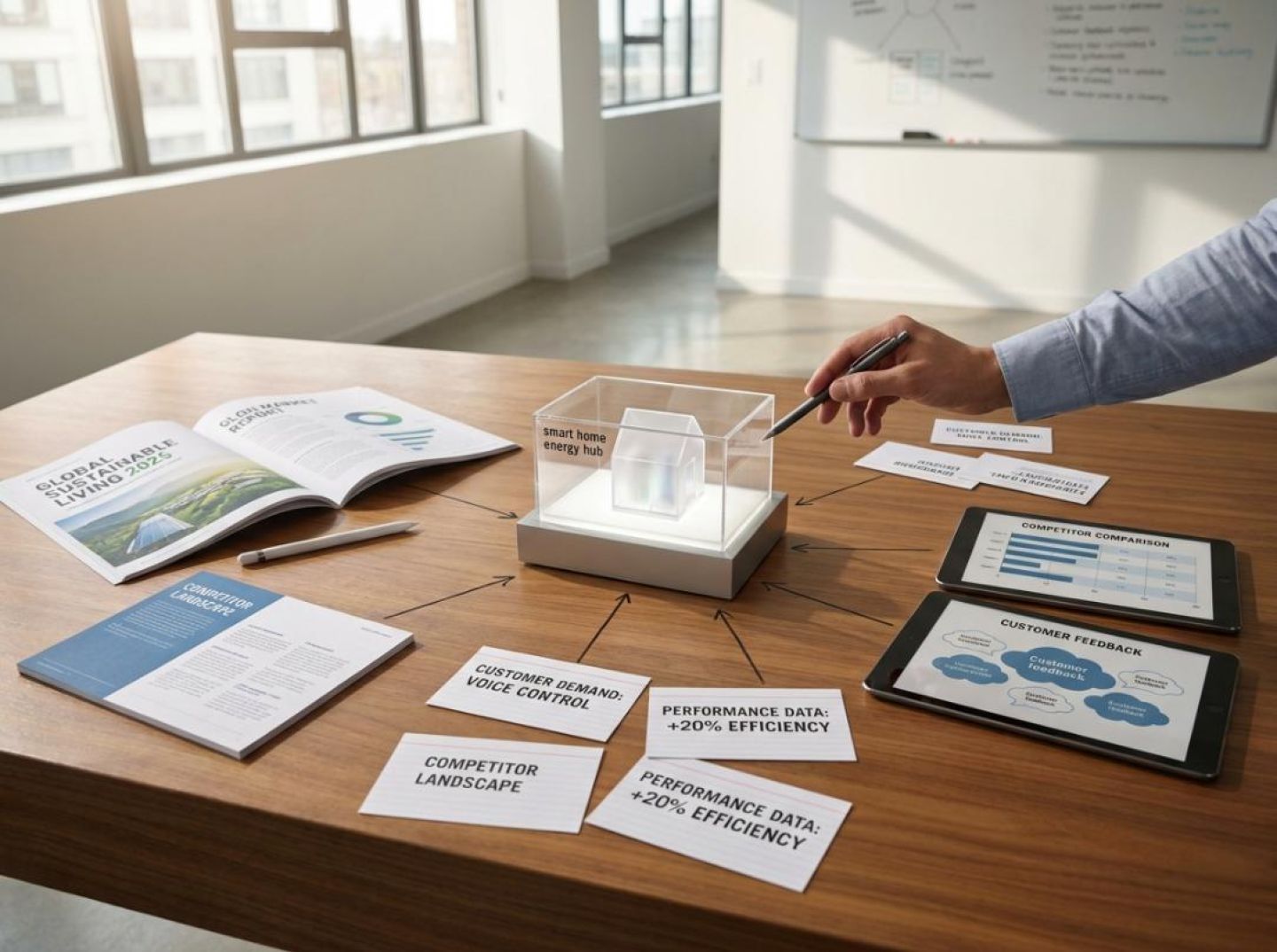
Между тем новый отчет Google о работе ИИ в Merchant Center предоставляет сигналы, напрямую связанные с информацией о конкурирующих продуктах. Как сообщила Semrush, в отчете отображается доля голоса, сопоставленная с аналогичными брендами, аналитика по поисковым запросам, показывающая, какие разговорные запросы фактически обрабатываются интерфейсами ИИ, а также пробелы в атрибутах товаров, выявляющие отсутствующие структурированные данные, такие как цвет, материал и стиль. Это не показатели уровня бренда. Это сигналы на уровне продукта, которые точно показывают, где ваш каталог не соответствует требованиям ИИ-систем для демонстрации, сравнения и рекомендаций ваших товаров. Как отметила MarTech, ритейлерам, возможно, придется рассматривать товарные фиды скорее как SEO-контент, полнота, контекст и релевантность которого в естественной речи определяют, будут ли ИИ-инструменты для покупок включать их вообще.
Вот проблема, которую пока не решили ни конкурентная платформа Semrush, ни инструменты оценки HubSpot: ни один из этих процессов не связывает сигналы видимости ИИ с конкурентной информацией на уровне продукта так, чтобы это служило дропшипперам и рекламодателям, ориентированным на результат. Анализ на уровне бренда — знание того, что о вашем конкуренте чаще упоминают в ответах ИИ — полезен, но недостаточен. Настоящее преимущество находится на уровне продукта. Какие именно SKU набирают импульс видимости в ИИ в категории до насыщения? Какие комбинации атрибутов продукта вызывают рекомендации, которым ваш каталог не соответствует? Какие продукты конкурентов упоминаются вместе с вашими и отбирают ли они долю рынка или расширяют пул альтернатив?
Книга по конкурентному анализу обзавелась новой главой, но пишут её фрагментарно в различных несвязанных инструментах. Лидерами станут те команды, которые объединят сигналы ИИ из Merchant Center, данные о видимости на уровне запросов и информацию об атрибутах продуктов в единый процесс — превратив нынешний мониторинг на уровне бренда в систему раннего предупреждения на уровне продукта.
Здесь теоретическая основа превращается в практическое преимущество. Инструменты для создания системы подтверждения по двум сигналам при выборе продукта уже существуют — просто большинство операторов электронной коммерции пока не соединили их вместе. Сопоставляя новые инсайты производительности на основе ИИ из Google Merchant Center с конкурентной продуктовой информацией с платформ, таких как Anstrex Dropship, вы можете выявить товары, набирающие обороты в рекомендациях ИИ, еще до того, как рост цен на привлечение трафика через платную социальную рекламу сделает их менее выгодными.
Рабочий процесс начинается в Merchant Center. Как сообщалось на Semrush, новый отчет об эффективности ИИ включает аналитику по товарным терминам, определяя популярные поисковые запросы, которые пользователи вводят при использовании диалоговых функций покупок, а также вашу долю охвата по каждому из них. Представьте это как сигнал текущего спроса, профильтрованный через то, что фактически показывают интерфейсы ИИ, — не то, что люди вводят в традиционную поисковую строку, а то, что они описывают естественным языком в Gemini, AI Mode и AI Overview. Когда вы видите рост доли охвата по товарному термину, которого раньше не было в ваших обычных конкурентных каналах, это и есть Сигнал Один.
Сигнал №2 появляется при проверке возрастающего показателя продукта в базе данных конкурентной разведки Anstrex Dropship. Anstrex отслеживает рекламные материалы конкурентов на платформах социальной рекламы, показывает, какие товары получают популярность в дропшиппинге и интернет-рекламе, а также выявляет поставщиков, предлагающих эти товары. Если категория товара набирает популярность в рекомендациях ИИ в Merchant Center, но имеет минимальную конкуренцию в платной социальной рекламе в Anstrex, вы нашли нишу — подтвержденный спрос при низкой насыщенности рекламодателями.
Вот пошаговая инструкция:
Шаг 1: Установите регулярную периодичность — минимум еженедельно — для анализа инсайтов по товарным запросам в Центре магазина. Отмечайте любые запросы с растущей долей охвата, особенно те, которые связаны с категориями товаров, которые вы можете реально закупить и разместить.
Шаг 2: Используйте эти растущие запросы в Anstrex Dropship и ищите активность конкурирующих рекламодателей. Сколько рекламодателей загружают креативы для этого товара? Как долго эти рекламные объsяsявления уже активны? Числа мало или бурно растут?
Шаг 3: Оцените разрыв. Если видимость в АИ растёт, а рекламная конкуренция остаётся скудной, то вы находитесь в периоде до насыщения рынком. Это — ваша зона запуска.
Шаг 4: Перед публикацией вернитесь к аналитике атрибутов товаров в Merchant Center. Как отметили в MarTech, Google теперь отмечает отсутствующие структурированные данные о товарах, такие как цвет, материал и стиль — пробелы, имеющие значение, поскольку системам AI для покупок необходимы полные и хорошо организованные данные о товарах, чтобы сопоставлять товары с поисковыми запросами на естественном языке. Создавайте карточки товаров так, чтобы заполнять все пробелы в атрибутах, которые выявляет Merchant Center. Это не просто дополнительная оптимизация; это разница между тем, порекомендует ли AI ваш товар или пропустит его.
Шаг 5: Запускайте рекламные кампании в социальных сетях, пока товар всё ещё находится на стадии усиления с помощью ИИ. Используйте инструмент творческой аналитики Anstrex, чтобы проанализировать, какие подходы к сообщениям тестируют первопроходцы, а затем выделяйтесь. Цель — одновременно охватить оба канала: органические рекомендации ИИ, привлекающие трафик открытий, и платную социальную рекламу, стимулирующую прямые конверсии, — до того, как неизбежное уплотнение конкурентов сожмёт ваши маржи.
Сила этого рабочего процесса заключается не в каждом из сигналов по отдельности. ИИ-аналитика Merchant Center показывает, как выглядит спрос с точки зрения коммерции на основе диалогов. Anstrex показывает, как выглядит конкурирующее предложение в каналах с оплатой за рекламу. Товары, которые появляются в первом случае, но отсутствуют во втором, представляют собой нечто близкое к арбитражной возможности в электронной коммерции: окно, когда ИИ уже провел валидацию спроса, но ваши конкуренты ещё не заметили сигнал, чтобы воспользоваться им.
Большинство операторов электронной коммерции рассматривают свой поток товаров как логистический артефакт — таблицу, которая загружает товарные запасы в Google Покупки и синхронизирует цены. Такая концепция вскоре может обойтись дорого. По мере того как ИИ-системы для покупок становятся более разговорными, полнота ваших товарных данных перестаёт быть вопросом внутренней администрации; теперь это главный фактор, определяющий, будет ли ваш товар показан, сравнён или вообще рекомендован.
Google делает это явным. Как сообщал MarTech, новые аналитические данные о работе ИИ, появляющиеся в Merchant Center, будут активно отмечать отсутствующие структурированные сведения о товарах — такие атрибуты, как цвет, материал и стиль, которые большинство ритейлеров считают необязательными полями. Причина проста: когда покупатель задаёт ИИ-системе вопрос: «лёгкие водонепроницаемые туристические ботинки тёмно-зелёного цвета», система может сопоставить товары только в том случае, если эти описания действительно содержатся в структурированной, пригодной для чтения машинами форме. Если в вашем прайс-листе указаны «туристические ботинки» с ценой и изображением, но больше ничего, то вы невидимы для этого запроса — не потому что ваш товар не подходит, а потому что ваши данные неполные.
Это превращает оптимизацию фидов товаров из механической задачи в стратегическую. Новые аналитические данные о характеристиках товаров от Google покажут конкретные параметры, которые покупатели фактически ищут в интерактивных средах с ИИ, предоставляя командам электронной коммерции четкий сигнал о том, какие характеристики наиболее важны в их категории. Это принципиально иной механизм обратной связи по сравнению с традиционным исследованием ключевых слов. Вместо того чтобы гадать, какие прилагательные вставить в название, вы сможете увидеть точные пробелы между тем, что ищут покупатели, и тем, что предлагает ваш фид.
Проблема в том, что большинство ритейлеров к этому не готовы. Только 22% маркетологов полностью интегрировали видимость в поиске с помощью ИИ в свои рабочие процессы, а это значит, что подавляющее большинство фидов товаров в любой категории по-прежнему оптимизированы в рамках старой парадигмы — название, цена, категория, изображение, и готово. Это создаёт неравную возможность для тех, кто готов рассматривать обогащение товарных данных как конкурентное преимущество, а не просто формальность.
Вот где инструменты конкурентной разведки становятся необходимыми, а не факультативными. Платформы вроде Anstrex Dropship позволяют извлекать подробные данные о товарах у конкурентов, которые уже добились успеха в вашей категории, изучая структуру их полных листингов, полноту атрибутов и описательную лексику. Когда вы сопоставляете эти данные о конкурентах с информацией из нового Merchant Center от Google о пробелах в атрибутах и наиболее эффективных терминах товаров, вы фактически воссоздаете идеальный профиль листинга для обеспечения видимости в ИИ. Вы не копируете товар конкурента; вы расшифровываете архитектуру данных, из-за которой системы ИИ выбирают один листинг вместо другого.
Вот как об этом можно подумать: если Google теперь рассматривает товарные фиды скорее как SEO-контент, где полнота, контекст и релевантность естественного языка влияют на возможность появления в диалоговых результатах, тогда конкурентные данные о продуктах становятся аналогом аудита обратных ссылок. Они показывают, что делают лидеры по структуре, чтобы вы могли достичь или превзойти насыщенность их данных до того, как рынок поспеет за вами.
Речь идет не о патенте или собственной технологии. Это дисциплина в работе, применяемая к новому стандарту, который большинство ваших конкурентов еще не осознали. Каждый отсутствующий атрибут в вашем фиде — это запрос, на который вы не можете ответить. Каждое насыщенное поле — это диалог, в который вы входите. И прямо сейчас именно разрыв между этими двумя состояниями становится причиной тихой перераспределения доли рынка.
Получайте лучшие конверсионные лендинги каждую неделю на свою почту.
Обязательно к прочтению
Узнайте, как технологии виртуальной примерки, ИИ-ассистенты для покупок и конкурентная рекламная аналитика меняют рекламу в электронной коммерции. Научитесь выявлять перспективные товары, ориентированные на ИИ, с помощью Anstrex, создавать разговорные рекламные материалы, оптимизировать целевые страницы для персонализированного шоппинга и измерять реальное воздействие цепочек взаимодействия с клиентами, управляемых ИИ.
Marcus Chen
7 минокт. 13, 2026
Недавно обновлено
Узнайте, как превратить отмеченные наградами кампании бренда в масштабируемые кампании с оплатой за показ, всплывающей рекламой, нативной рекламой, TikTok и дропшиппингом. В этом руководстве показано, как анализировать проверенные воронки, выявлять психологию успешных креативов, адаптировать идеи крупных брендов под прямые призывы к действию и использовать ИИ для создания высокотемповых вариантов, которые можно оценивать по ROAS и CPA.
Liam O’Connor
7 минокт. 3, 2026
Гайд
Большинство дропшипперов рассматривают популярность в TikTok как сигнал к покупке, хотя на самом деле это часто уже показатель поздней стадии. В этой статье объясняется, как анализировать рекламную активность, вход новых рекламодателей, зрелость креативов, ускорение расходов и метрики изменения показателей, чтобы находить товары с потенциалом на более раннем этапе. Здесь также представлена практическая система оценки и 48-часовая проверка, которые помогут дропшипперам решить, сохраняет ли вирусный товар достаточную маржу и перспективы на рынке перед выходом на него.
Priya Kapoor
7 минавг. 19, 2026