12 минсентября 1, 2026

Наши инструменты отслеживают миллионы рекламных кампаний в форматах native, push, pop и TikTok.
НачатьМаркетологи, ориентированные на эффективность, не изобрели ловушку вирусного зрелища, но именно мы сейчас за неё платим.
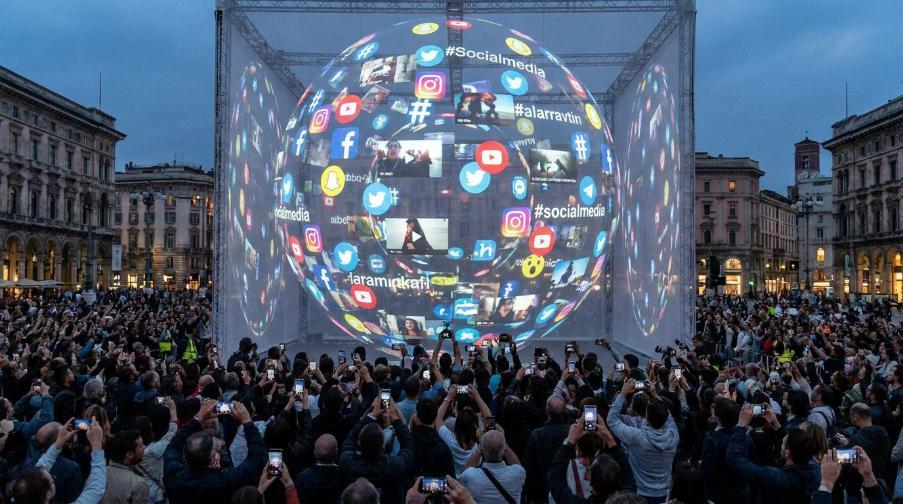
Индустрия не устает повторять нам, что путь к росту прост: нужно создать что-то «сумасшедше креативное», «невозможно пропустить», «стоит поделиться». Организовать флешмоб. Устроить шоу. Запустить тренд в соцсетях. Скрестить пальцы и надеяться, что настал ваш момент вроде челленджа Ice Bucket.
Руководства по недорогим приёмам для стартапов, например, с энтузиазмом рекомендуют флешмобы, уличные выступления и «вирусные кампании на малом бюджете», которые «распространяются как огонь» по платформам, как поясняет команда Brax. Обещание опьяняет: бесплатные показы, сарафанное радио, масштабный охват без огромных затрат.
Но вот неудобная правда: «вау» — это не маркетинговая цель. «Стать вирусным» — это не KPI. И в условиях насыщенной творчеством и ускоренной искусственным интеллектом рекламной экосистемы 2026 года погоня за зрелищностью становится прямо несовместимой с дисциплинированным ростом, ориентированным на результат.
Фундаментальная проблема в том, что вирусность — это результат, а не стратегия. Вы можете создать условия, которые повысят её вероятность, но вы не можете положить «просмотры» на банковский счёт. Массовое выступление, привлекающее толпу и сто историй в Instagram, — это всего лишь маркетинговый спектакль, если вы не можете связать этот момент с целевым трафиком, дополнительной выручкой или ощутимым ростом бренда. Охват без релевантности — это просто шум.
На малом уровне эти расходы в основном представляют собой альтернативные издержки: ваша команда тратит недели на придумывание «грандиозной идеи» вместо систематического тестирования меньших, более точных гипотез. На уровне крупных предприятий последствия носят гораздо более структурный характер. Когда компания вроде Unilever создаёт сеть из 300 000 создателей контента, где 71% создателей используют ИИ-инструменты для быстрого производства и публикации материалов, прежние методы определения того, как выглядит «отличный креатив», просто перестают работать. Ручная модерация и ежеквартальные отчёты по бренду слишком медленны; A/B тестирование каждого варианта математически невозможно.
Как сообщает Search Engine Journal, именно эту брешь пытаются закрыть DAIVID и ADIN.AI: они строят непрерывный цикл между креативным интеллектом и медиа-внедрением, который оценивает креативы в масштабах, связывает эти оценки с результатами медийной эффективности в реальном времени и превращает исторические данные в пригодные для использования ориентиры. Другими словами, они пытаются вывести «креатив» из сферы ощущений в сферу подотчётных систем принятия решений.
Вот настоящая граница между “вау” и ROI: оценивается ли ваш креатив как изолированное зрелище или как контролируемый элемент в модели эффективности?
Мы также живем в эпоху, когда структурные преимущества достигаются не за счет создания одной идеальной рекламы, а за счет постоянной генерации и тестирования множества сильных вариантов. Покупатели в Meta уже прошли через этот переход. Если раньше успех зависел от сложной структуры кампаний и стратегий ставок, то сейчас ключевым фактором становится объем и качество креативов, тестируемых в упрощенной структуре аккаунта. Специалисты, опрошенные Social Media Examiner, описывают современный подход, который больше напоминает не “создать один вирусный хит”, а “запустить сжатую кампанию, подать в нее группу намеренно различных креативов и постоянно улучшать то, что действительно работает”.
Однако и здесь ловушка зрелища появляется в другой ипостаси. Рекомендации «тестировать 100 или 200 креативов в неделю» звучат, как основанные на данных, но если эти креативы — просто незначительные вариации одной и той же посредственной идеи, вы создали фабрику статистического подтверждения собственной посредственности. Как отмечает один из руководителей по эффективности в той же статье Social Media Examiner, когда команды тестируют меньший объём, но вкладывают усилия в то, чтобы каждая концепция была по-настоящему новой и уникальной, результаты значительно возрастают. Волшебство заключается не в объёме, а в разных идеях, строго оценённых.
ИИ лишь ускоряет этот раскол. С одной стороны, он позволяет в массовом порядке создавать малозатратные зрелища: шаблонные вызовы в TikTok, однотипные рекламные шаблоны, посты в стиле инфлюенсеров, выпускаемые тысячами. С другой стороны, в руках маркетологов, понимающих, как связать креативные решения с бизнес-результатами, ИИ превращается в инфраструктуру: более быстрое создание концепций, ускоренное производство и оперативная обратная связь, напрямую связанная с эффективностью рекламы.
Ловушка вирусного зрелища говорит вам, что ваша задача — удивлять людей. Реальность performance-маркетинга заявляет, что ваша задача — систематически находить, проверять и масштабировать те немногие креативные идеи, которые реально влияют на показатели. Чем скорее вы перестанете оптимизировать ради аплодисментов и начнёте оптимизировать ради подотчётного обучения, тем быстрее слово «креатив» перестанет быть игрой в рулетку и начнёт работать как рычаг.
Креатив всегда имел значение, но в эпоху автоматизированной закупки медиа он стал чем-то более значимым: вашей де-факто таргетировкой.
Поскольку Google, Meta и TikTok направляют вас к охватным, управляемым ИИ настройкам, таким как кампании Performance Max и Advantage+, платформы незаметно перемещают определение аудитории из настройки объявлений в само объявление. Как отмечается в одном из аналитических обзоров, «ИИ делает креатив новой таргетировкой», поскольку заголовки, изображения и ключевые элементы теперь входят в число главных сигналов, которые платформы используют, чтобы решить, кому показывать объявление и какую реакцию оно, вероятно, вызовет (MarTech).
Этот сдвиг повышает ставки такими способами, о которых культура маркетинга, одержимая трюками, почти никогда не говорит.
На протяжении многих лет маркетологи на результат могли писать довольно общие тексты, предполагать приемлемое предложение и поручать сложные системы таргетинга выполнение основной работы. Нужны потенциальные аспиранты? Добавляйте поведенческие признаки образования. Нужны пациенты, нуждающиеся в замене коленного сустава? Комбинируйте интересы к здоровью и ключевые слова по намерениям. Нужны покупатели страхования в среднем возрасте? Сужайте аудиторию по возрасту и жизненному этапу. Согласно анализу этого перехода, эти параметры по-прежнему существуют, однако их влияние уменьшается, поскольку платформы просят вас действовать более масштабно, снабжать систему высококачественными конверсиями и позволять алгоритму самому определить, кто клюнет (MarTech).
В таких условиях ваш креатив уже не просто средство убеждения. Это фильтрация.
Каждая строка текста и каждый кадр видео действуют как магнит для одного типа людей и отталкивают других. Это отлично подходит, когда вы намеренно создаете рекламу, кричащую: «это только для разочарованных финансовых директоров в компаниях B2B SaaS с выручкой от 50 до 200 миллионов долларов». Катастрофа происходит, когда вы гонитесь за «вау», а не за соответствием аудитории, и алгоритм узнаёт, что чаще всего с вашими объявлениями взаимодействуют студенты, любящие умные ролики, профессионалы, убивающие время в дороге на работу, или коллеги по отрасли, аплодирующие вам за «продвижение работы».
Именно поэтому сейчас так дорого попадать в ловушку вирусного зрелища. Постановка, ориентированная в первую очередь на широкое развлечение, заставляет алгоритмы платформ искать больше людей, ведущих себя как «поклонники этого спектакля», а не «потенциально заинтересованные покупатели». Чем больше бюджета вы вкладываете в такие креативы, тем сильнее закрепляете неправильный образ целевой аудитории.
Между тем индустрия рекламы параллельно обсуждает в Каннах тему “tворческой эффективности”, которая зачастую ограничивается коллекционированием наград. Недавние публикации о фестивале отмечают, что, несмотря на всеобщее восхваление творческой человеческой мысли и мастерства, маркетологам всё ещё трудно доказать, что именно их самые отмечаемые работы реально способствуют достижению бизнес-результатов, несмотря на появление новых контекстных и ИИ-инструментов, созданных для анализа того, какие креативы показывают лучшие результаты и почему (AdExchanger). Эту пропасть уже не могут себе позволить специалисты по performance-маркетингу.
Внутри платформ успех приносит не та команда, которая создаёт 200 похожих вариантов безопасной рекламы, а та, которая предоставляет алгоритму действительно разные креативные идеи, каждая из которых направлена на конкретную аудиторию или решает определённую задачу. Специалисты, глубоко работающие в экосистеме Meta, сообщают, что прежняя игра в сложные стратегии ставок и сверхдетальную настройку структур уступила место более простой конфигурации: объединённая кампания, сильный сигнал конверсии и постоянный поток новых, отличающихся креативов, которые можно тестировать и масштабировать (Social Media Examiner).
Обратите внимание на нюанс: «более креативный» не означает «более случайный». Когда команды бессмысленно генерируют десятки незначительных правок, результаты застревают на месте, потому что они просто тиражируют один и тот же посредственный сигнал. Когда они тестируют меньше концепций, но более целенаправленно — новые ракурсы, новые предложения, новые доказательства, новые форматы — производительность зачастую возрастает, потому что каждый элемент даёт алгоритму чёткое понимание, кто конвертируется и почему (Social Media Examiner).
В то же время некоторые из самых интересных недавних кейсов из мира рекламных премий указывают на иную модель “крупной” креативности — где идея конкретна и меняет поведение, а не просто эффектна. Рекламная кампания, незаметно добавившая три слова к миллионам страховых контрактов, обеспечила устойчивый рост числа новых полисов и улучшила восприятие бренда, доказав, что небольшие, но глубоко релевантные вмешательства могут иметь значительный эффект, если они подкреплены умной стратегией распространения и измерения результатов (MarTech). Именно так в лучшем виде выглядит креатив как сигнал таргетинга: сама идея кодирует, для кого она предназначена.
Для маркетологов, ориентированных на результат, последствия очевидны. По мере того как закупка медиарекламы становится всё более автоматизированной, вы больше не можете скрывать слабую стратегию и расплывчатое позиционирование за счёт изощрённых уловок таргетинга. Теперь ваш креатив — это входная дверь, вышибала и список гостей одновременно. Если вы создаёте его ради аплодисментов, а не ради отбора целевой аудитории, алгоритм с любовью оптимизирует вас в неправильное помещение — и сделает это быстрее и эффективнее, чем когда-либо.
Жюри премий, панельные дискуссии на конференциях и системы отслеживания брендов пытаются сделать одно и то же: определить, что «сработало». Проблема в том, что большинство из них измеряют не то, за что на самом деле несут ответственность маркетологи эффективности.
Возьмём Канны. В этом году, по сообщениям, около 40% работ использовали ИИ на каком-либо этапе процесса, однако обсуждения на месте всё ещё вращались вокруг старых зрелищ: безупречных видеороликов бренда, сложных активаций и тщательно созданных шедевров, призванных впечатлить жюри на Круазетт. Участники открыто признавали, что обсуждения ИИ и данных на сцене отставали примерно на пять шагов от того, что они уже делают в повседневной работе, как сказал один руководитель агентства репортёру, освещавшему итоги Cannes Lions. Другими словами, наиболее отмечаемые работы до сих пор оцениваются в основном по художественному мастерству, культурной значимости и эмоциональной вовлечённости — а не по тому, насколько прибыльно они масштабировались в Meta Advantage+ или повысили дополнительный поисковый спрос при устойчивом ROAS.
Дело не в том, что мастерство или эмоции не имеют значения. Они имеют. Но система наград структурно предвзята в пользу заметных, самодостаточных историй: красивого фильма; эффектного трюка, подходящего для видеопрезентации; изобретательного использования комментариев Reddit, говорящих о «человечности» и «уязвимости». Это то, что жюри может воспринять за три минуты, обсудить и оценить. То, что они не могут легко оценить — потому что доказательства просто отсутствуют в зале — это способность работы стабильно привлекать равнодушную аудиторию, выживать в условиях высокой частоты или создавать накопительный эффект на разных каналах.
Панели и подборки кейсов усугубляют ситуацию. Типичный сценарий сокращает месяцы сложного экспериментирования до аккуратного линейного повествования: «мы запустили X, затем произошло Y». В реальности всё ближе к тому, как ведут себя современные кампании, когда появляется высокорезультативный актив: они вызывают непредсказуемые волны поисковых запросов, обсуждений в соцсетях и интереса в разных каналах. Как отметили в одном анализе кампании чемпионата мира по футболу, самые эмоционально вовлекающие ролики не просто «побеждали» в рейтингах — они создавали карту спроса, где люди сразу обращались в Google и YouTube, чтобы узнать больше или продолжить взаимодействие, что окупилось лишь потому, что стратегия поиска и видео заранее планировалась как единая система генерации спроса. Именно этот цикл обратной связи — ТВ → поиск → YouTube → сайт → конверсия — и несёт реальную ценность, однако большинство премиальных повествований заканчиваются на «людям понравилась реклама».
Исследования брендов находятся на противоположной стороне спектра: медленные, дорогие и неточные. Они сообщат вам, что масштабная акция немного повысила «осведомлённость» или «учёт» на несколько пунктов по сравнению с предыдущим кварталом. Но они не скажут, тихо ли ваши действия в TikTok обучают алгоритмы платформы находить больше покупателей, или действительно ли ваш «вирусный» креатив улучшил показатели конверсии после того, как первоначальный эффект новизны сошёл на нет. Тем временем сами платформы упрощают сложность аккаунтов и перекладывают ответственность за результат на креативы. Специалисты описывали, как эволюция Meta от сложных стратегий ставок к «одной свёрнутой кампании, набору креативов и постоянному тестированию» сделала креатив главным рычагом эффективности, причём настройки ИИ просто усиливают любые идеи, которые вы им предоставляете, будь они блестящими или посредственными, как объяснил один эксперт в интервью о новых инструментах и отслеживании рекламы в Facebook.
Вот в чем заключается основная проблема измерения: системы, придающие статус и формирующие вкусы — жюри Канн, экспертные группы фестивалей, традиционные исследования здоровья бренда — продвигают работы, которые легко понять изолированно и долго оценивать. Системы, которые на самом деле определяют, вернется ли ваш бюджет с дополнительными средствами — алгоритмы платформ, поведение поиска в разных каналах, тесты инкрементальности — работают с такой скоростью, детализацией и уровнем взаимозависимости, что культура награждений просто не предназначена их замечать.
Вы можете ощутить это напряжение даже внутри самого творческого дискурса. Комментаторы отметили «противопоставление» фестивалю, насыщенному ИИ, где некоторые из самых высокооценённых кампаний были сознательно аналоговыми, созданными вручную и отказавшимися от автоматизации, как заметил один топ-менеджер в обзоре Канн. Такая обратная реакция понятна с эмоциональной и художественной точек зрения. Но если ваш рост ограничен стоимостью привлечения клиентов (CAC) и сроками окупаемости, более важный вопрос — не «Является ли это любовно созданным аналоговым продуктом?», а «Даёт ли эта идея в данном формате алгоритму достаточно сигналов, чтобы находить нужных людей в нужном количестве и по нужной цене — и можем ли мы это доказать?»
Пока индустрия не начнёт выделять работы на основе того, насколько эффективно они замыкают цикл — от внимания до намерений и выручки — специалистам по эффективному маркетингу будут и дальше говорить лестную полуправду: если идея покорила зал, значит, она покорит и рынок. На самом деле всё гораздо сложнее, и настоящая таблица результатов вовсе не висит в фестивальном зале.
Откройте любой достойный инструмент для шпионажа за рекламой в Facebook, TikTok или YouTube инструмент для шпионажа за рекламой, и вы увидите реальность, разделённую на две части, о которой премии и обсуждения в LinkedIn почти никогда не упоминают.
С одной стороны, у вас есть вирусное шоу: сочные, кинематографические ролики, остроумная сатира, насыщенные визуальные образы с участием ИИ, визуально «премиальные» брендовые фильмы. С другой — творческие тягловые лошадки: уродливый пользовательский контент, подборки отзывов, дрожащие кадры основателей, кривые записи экрана. Только одна из этих групп на самом деле приносит доход.
Инструменты для шпионажа за рекламой жестоко обнажают этот разрыв, поскольку раскрывают наиболее важное поведение: какую рекламу бренды продолжают оплачивать, чтобы показывать.
Большинство инструментов выявляют как минимум три сигнала, отличающих прибыльные креативы от бесполезных:
Вот где ловушка вирусного зрелища становится опасной. С точки зрения Канн или отчета о трендах, может показаться, что задача состоит в создании максимально оригинального, легко распространяемого или кропотливо сделанного продукта. Например, освещение этого года фестиваля акцентировало внимание на том, как “ремесло совершило возвращение”, при этом наглядные примеры практического применения эффектов, такие как ретро-реклама Coinbase “Your Way Out”, и ребрендинги с акцентом на аналоговые технологии, например у Apple TV, прославлялись как противоядие от “насыщенных искусственным интеллектом Канн”. Это интересный культурный сигнал. Но он почти ничего не говорит о том, как эти идеи вели себя внутри кампании Advantage+ Shopping.
Инструменты-шпионы, напротив, совершенно буквальны. Им безразлично, использовалось ли для видео Midjourney, система динамического управления камерой или iPhone стажера. Они показывают, что выдержало настоящий огонь.
Вы также заметите кое-что ещё, когда будете сопоставлять творческие шаблоны с тем, что сообщают практики: победители — это не результат «большего количества контента» в общем смысле; они являются результатом большего количества уникальных подходов. В экосистеме Meta, в частности, мыслящие специалисты уже перешли к структуре, при которой запускается сжатая кампания, а креативы рассматриваются как основной инструмент, при этом непрерывно тестируются новые углы подачи, чтобы найти то, что действительно меняет тенденцию. Как сказал один практик Social Media Examiner, бренды, которые выпускают 100–200 похожих объявлений в неделю, в итоге просто «массово производят однотипные посредственные объявления», в то время как небольшие, более осознанные тесты действительно новых идей приводят к скачкам эффективности.
Инструменты шпионажа покажут вам, кто попал в эту ловушку посредственности. Посмотрите на библиотеку конкурента, и вы увидите ряды почти идентичных каруселей, шаблонные видеоролики в стиле повседневной жизни и стандартные подписи. Большой объём при низкой доле фантазии. Очень немногие объявления долго находятся на рынке. На бумаге этот бренд «агрессивно тестирует»; на деле он кормит платформы бесконечным шведским столом неразличимых материалов.
С другой стороны, вы найдете рекламодателей, библиотеки которых выглядят почти хаотично: совершенно разные заголовки, форматы и ценности — но с небольшой подгруппой, явно предпочтительной с точки зрения расходов и долгосрочности. Это маркетологи, которые тихо усвоили ту же самую истину, которую инструменты на основе ИИ воплощают в жизнь: креативы являются основным фактором результативности, но только тогда, когда вы можете напрямую связать их с эффективностью и быстро итерировать. Именно такую проблему описал Айн Форрестер из DAIVID, когда сказал, что креативы «оценивались изолированно, отдельно от результатов медиа», и его команда ликвидирует этот разрыв, интегрируя оценку и медиа-решения в единый непрерывный цикл.
Для специалистов по performance-маркетингу урок прост: перестаньте черпать вдохновение из коротких видео; начните черпать его из архива. Инструменты шпионажа не скажут вам, почему реклама работает, но они покажут вам, какие именно объявления ваш рынок действительно готов оплачивать, чтобы поддерживать их в рабочем состоянии. Это тот сырьевой материал, который вам необходим, чтобы воссоздать проверенные концепции, разработать более точные тесты и выбраться из ловушки гонки за вирусностью к чему-то гораздо менее эффектному, но значительно более прибыльному: повторяемым креативам, которые могут выдержать недели широкого таргетинга, рост CPA и алгоритм, который все чаще использует вашу рекламу как сам механизм таргетинга.
Если вирусное шоу — это ловушка, то путь из неё лежит через скучное слово, которое большинство людей лишь притворяется, что используют: аудит.
Речь идёт не о вопросах «соответствует ли это нашему имиджу?» или «произведёт ли это впечатление на креативного директора в Каннах?», а о вопросе «стабильно ли это создаёт клиентов при приемлемых затратах?». Когда директора по маркетингу признаются, что им до сих пор не удаётся доказать реальную эффективность своих креативов, хотя медиа измеряются до десятых долей, как ясно показывает недавнее освещение пробелов в эффективности, команды, отвечающие за результативность, не могут позволить себе действовать наугад.
Ниже приведён практический, воспроизводимый план по созданию и оценке креативов с целью конверсии, а не ради популярности.
Прежде чем приступить к раскадровке, определите успех с точки зрения показателей эффективности:
Это ваша творческая таблица результатов. Если метрики в ней не указаны — это всего лишь мнения.
У вас уже есть лучший «инструмент шпионажа» на земле: история вашего аккаунта.
Возьмите данные по креативам за последние 3–6 месяцев и отсортируйте их по стоимости за главное действие, а не по просмотрам или вовлечённости. Ваша цель — понять, какие объявления действительно работают, а какие созданы только ради наград.
Для каждого креатива укажите:
Вы почти всегда будете замечать одну и ту же закономерность, которую раскрывают шпионские инструменты: неуверенные материалы, созданные вокруг реальных людей и реального контекста, тихо обыгрывают роскошные зрелища. Иронично, что это перекликается с тем, что жюри отмечало в кампаниях, таких как Dove, которая делала ставку на честные отзывы с Reddit и бренды, которые, как отмечается в анализе работ Канн, “переориентировались на свою человеческую сторону” — за исключением того, что маркетологи эффективности делают это ради ROAS, а не ради наград.
Превратите это в одностраничный документ о “креативных истинах”: уловки, подходы и шаблоны доказательств, которые неоднократно появляются в ваших победителях, независимо от канала.
Крупные, единые концепции негибкие. Модульные системы можно тестировать.
Возьмите на заметку подход, который используют продвинутые социальные команды при создании клипов: они снимают длительные и гибкие сессии, а затем вырезают и переупорядочивают наиболее эффективные моменты — например, Taco Bell превратили видео с участием фанатов о знакомствах в короткие ролики, которые позже стали частью телевизионной рекламы, как объяснили в разборе одной из кампаний, посвящённой запуску “quesalupa”, в статье о создании контента на основе клипов.
Для эффективности:
Каждый вариант — это гипотеза о сообщении, а не просто “другое видео”.
Тестирование — это не «посмотрим, какой вариант выиграет». Это программа для получения ответов на конкретные вопросы:
Используйте фиксированные переменные, чтобы изолировать выводы:
Опираться на собственные метрики платформы как первоначальные фильтры — показатель остановки прокрутки, удержание в вступлении и CTR, — но выдвигать победителя только тогда, когда он доказал свою эффективность в реальном привлечении. Это позволяет закрыть именно тот пробел, при котором многие брендовые команды по-прежнему «тоскуют» по ориентированному на человека творчеству, но не могут подтвердить, что оно обеспечивает конверсию — дисбаланс, на который указывается в обзоре трудностей маркетологов с измерением результатов.
Вам не нужно запрещать масштабные проекты — вам просто нужно изолировать их, чтобы они тихо не подрывали вашу систему привлечения клиентов.
Установите правила для зрелищ:
Это убережёт вас от гонки за поглощающими бюджет флешмобами, рекламными акциями или задачами «стань вирусным», которые в стартап-руководствах иногда романтизируются как «бесплатный маркетинг», хотя те же источники втихую признают, что вирусный успех по-прежнему зависит от резонанса, а не театральности, когда описывают недорогие тренды, такие как социальные челленджи и уличные выступления, в тактиках агрессивного роста.
Каждый квартал обобщайте полученные знания в живую “Библию креативов для повышения эффективности”, которая будет направлять новое производство:
Когда креативные партнёры приходят с идеями, вы больше не обсуждаете вкусы. Вы задаёте один вопрос: «Где это встраивается в то, что мы уже знаем как работающее, и какую новую, поддающуюся проверке гипотезу мы добавляем в копилку?»
Так вы избегаете ловушки вирусного шоу: не отвергая креатив, а настаивая на том, чтобы каждый кадр оправдывал своё место на единственной таблице результатов, которая важна для маркетолога, ориентированного на эффективность.
Творческое мужество захвачено неверным подсчетом очков. В большинстве обсуждений в отрасли «смелый» по-прежнему означает «готовый поставить миллионы на грандиозное, рискованное представление». Для специалистов по performance-маркетингу это определение не просто бесполезно; это активно опасно.
Более полезное определение исходит из другой предпосылки: самое смелое, что вы можете сделать с креативом сегодня, — это позволить реальности судить о нем.
Это звучит очевидно, но взгляните на то, как отрасль ведет себя до сих пор. В Каннах жюри в восторге от работ, которые вызывают у людей какие-то чувства, но лишь изредка упоминают, привели ли они к продажам. Даже когда фестиваль отмечает результативность, история всё равно подается как трейлер фильма: грандиозная идея, грандиозный ролик, грандиозный эффект. Однако некоторые из самых успешных проектов этого года вовсе не были построены на кинематографической эффектности. Это были небольшие, точечные вмешательства, эффективность которых затем подтвердилась на рынке.
Возьмем изменение политики AXA France под названием «Три слова», при котором в существующий пункт о переезде было тихо добавлено «и домашнее насилие». Структурно шаг был незначительным, однако он помог увеличить трафик по страхованию домов на 321% и повысить количество заключенных контрактов, которые действовали шесть месяцев, на 9%, согласно освещению брендов, чьи небольшие действия принесли большой результат. Эта кампания победила не потому, что она сопровождалась трогательным роликом; она победила, потому что работа изменила поведение людей в значительном масштабе и в измеримой форме.
Вот модель креативной смелости, которую специалистам по маркетингу стоит перенять: сознательно небольшие, проверяемые ставки, сделанные открыто, с бизнес-показателями в роли арбитра.
Платформы уже подталкивают вас в этом направлении. По мере того как широкие продукты, основанные на ИИ, такие как Performance Max и Advantage+, подрывают вашу способность вручную выбирать аудиторию, именно креатив становится слоем фильтрации. Заголовки, визуальные элементы и зацепки теперь указывают алгоритму, кого искать, и именно поэтому несколько наблюдателей утверждают, что ИИ превращает креатив в новый таргетинг. Осмелым шагом в такой среде будет не цепляться сильнее за уловки для аудитории, а принять тот факт, что сама ваша реклама является фильтром, и создать культуру тестирования, достаточную жесткую, чтобы постоянно совершенствовать этот фильтр.
Это меняет представление о “рискованном“:
Вы уже можете увидеть создание этой инфраструктуры в других сферах индустрии. В экосистемах инфлюенсеров и создателей контента, где одновременно создаются и распространяются сотни тысяч материалов, старые, медленные методы оценки креатива просто перестают работать. Именно поэтому такие партнерства, как DAIVID и ADIN.AI, внедряют прямую оценку креативов в процесс медиапокупок, создавая «живой цикл», в котором материалы оцениваются, тиражируются или отклоняются в режиме реального времени по мере поступления данных об эффективности, как указано в анализе возможности работы сети из 300 000 инфлюенсеров, построенной на AI-контенте. Интересен не уровень упоминания модных словечес AI; интересна модель управления. Креатив рассматривается как портфель, а не как шедевр.
Для маркетологов, ориентированных на результат, переосмысление творческой смелости означает изменение своей эмоциональной привязанности:
Ирония в том, что это гораздо ближе к тому, чего действительно хотят некоторые жюри и участники от брендов. Когда наблюдатели Канн говорят о желании увидеть аутентичность “со всеми изъянами” и уходе от гиперотполированных, одержимых данными совершенствований, как об этом говорили несколько руководителей в обзоре этого года, они описывают именно ту мысль, которая лежит в основе эффективной рекламы на основе пользовательского контента и грубых видео основателей. Маркетологи, ориентированные на результат, уже живут в этом мире; их шанс — взять его под контроль, а не оправдываться за него.
Поэтому переосмыслите историю храбрости таким образом: ваша смелость измеряется не авангардностью сценария или уровнем блеска ролика вашего оператора. Она измеряется тем, насколько вы готовы позволить таблице, панели мониторинга или живой системе тестирования переопределять ваше эго. Мир вирусных шоу до сих пор рассматривает креатив как утверждение. Настоящее преимущество мира эффективного маркетинга — рассматривать креатив как постоянно обновляющуюся гипотезу, в отношении которой вы достаточно смелы, чтобы ошибаться быстро и публично.
Получайте лучшие конверсионные лендинги каждую неделю на свою почту.
Обязательно к прочтению
Узнайте, как усталость от рекламы, созданной ИИ, делает нативные, пуш-кампании и кампании TikTok все более похожими, ослабляя вовлеченность и сокращая конкурентные преимущества. Научитесь использовать инструменты анализа конкурентной рекламы для выявления повторяющихся творческих шаблонов, разработки более оригинальной рекламы и выделения среди аукционов рекламы с использованием ИИ.
Liam O’Connor
7 минокт. 14, 2026
Инструкция
Узнайте, как связать рекламу вне дома (OOH) с цифровыми рекламными кампаниями для создания измеримых многоканальных воронок. Откройте для себя, как планировать маршруты светодиодных грузовиков, синхронизировать рекламу в поиске и социальных сетях, оптимизировать мобильные посадочные страницы и отслеживать конверсии, чтобы оффлайн-реклама приносила измеримые бизнес-результаты.
Samantha Reed
7 минокт. 13, 2026
Гайд
Узнайте, как реклама на открытом воздухе (OOH) может обеспечить измеримые конверсии, сочетая физические размещения с цифровыми рекламными кампаниями. Освойте использование геолокационной аналитики, данных о конкурентах, мобильной OOH-рекламы, ретаргетинга в TikTok, локализованных промостраниц и аналитики атрибуции для построения многоканальных воронок с высокой рентабельностью инвестиций.
Rachel Thompson
7 минокт. 12, 2026