
Наши инструменты отслеживают миллионы TikTok-объявлений из более чем 55 стран. Крупнейшая библиотека TikTok-рекламы в сфере e-commerce и мобильных приложений!
Попробуйте БЕСПЛАТНОБольшинство брендов рассматривают TikTok как рекламный щит со скроллом — они размещают здесь отполированный рекламный ролик, таргетируются на аудиторию и надеются, что алгоритм сделает всё остальное. Bumble поступила иначе. Вместо того чтобы запускать рекламу в TikTok, сервис для знакомств создал ежемесячное регулярное шоу советов под названием Bee Line на YouTube — серийное, ориентированное на личность ведущего, построенное на той самой тревожности в вопросах знакомств, которая доминирует в групповых чатах — а затем использовала TikTok как инструмент привлечения аудитории к этому шоу. Различие важнее, чем может показаться на первый взгляд, потому что оно показывает растущий разрыв между брендами, покупающими внимание в TikTok, и теми, кто зарабатывает его, создавая системы контента, которые платформа поощряет.
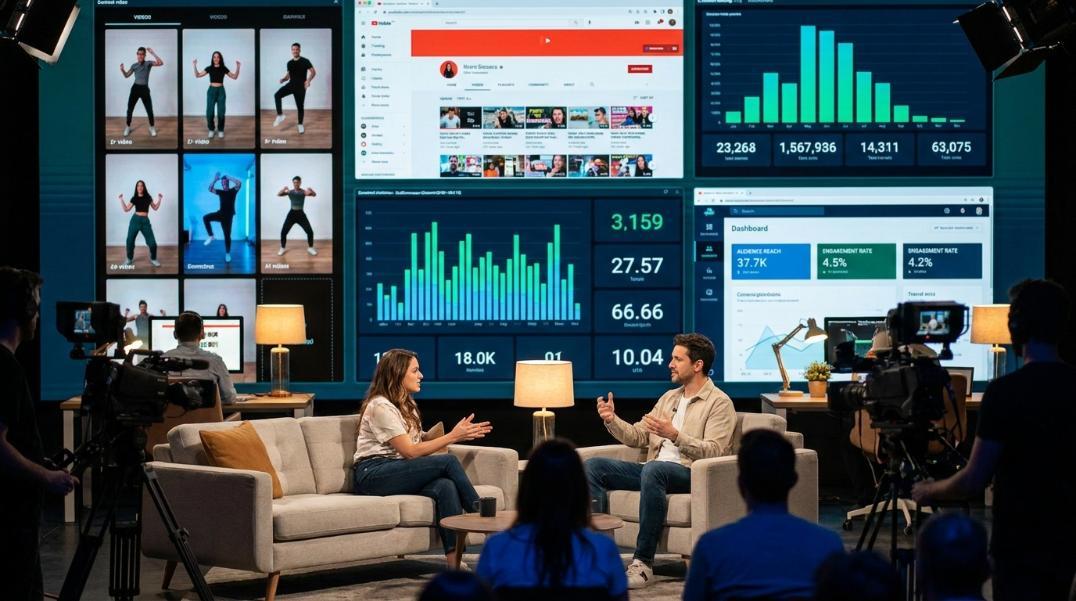
Творческая архитектура заслуживает пристального внимания. Каждый выпуск Bee Line следует неформальному формату ток-шоу: ведущий разбирает реальные проблемы в любовной сфере, присланные пользователями, дополняет это советами экспертов по отношениям или гостей, важных с культурной точки зрения, и подаёт всё это с лёгкой, слегка хаотичной энергией создателя, который просто случайно включил запись. Никаких демонстраций продукта. Никаких обзоров функций. Никаких призывов к действию «скачайте сейчас», неуклюже вшитых в финальный кадр. Сам контент и есть ценное предложение — близкие по духу ситуации, позволяющие зрителю почувствовать, что его услышали, в паре с действительно полезными советами, которые можно применить на свидании. Бренд Bumble вплетён в контекст, а не приклеен к нему.
Затем добавляется слой TikTok. Вместо того чтобы просто вырезать фрагменты и перепостить их, Bumble использует TikTok как родную платформу для распространения. Короткие видеоролики из выпусков Bee Line пересобираются, чтобы соответствовать ритму, композиции и тону органичного контента, создаваемого блогерами, — тому самому виду постов, который уже хорошо работает на странице «Для вас». Это и есть ключевой шаг. Как поясняет социальный стратег Эми Уоттс, бренды, которые приходят на TikTok с ожиданием «привлечь запросы на демо-версии и обсуждать эффективность и оптимизацию», совершенно не понимают аудитории. Нужно уважать то, чего на самом деле хочет аудитория каждой платформы, а аудитория TikTok хочет развлекательного контента, вызывающего эмоциональный отклик, и материалов, которые не выглядят сделанными в конференц-зале. Похоже, Bumble полностью усвоил этот принцип.
Такой подход также использует структурное преимущество, которое большинство рекламодателей в сфере производительности упускают. Алгоритм TikTok вознаграждает качество контента, а не размер аккаунта, что означает, что сильный креатив может достичь аудитории, намного превышающей существующую базу подписчиков бренда. Когда ваши видеоролики в TikTok по-настоящему развлекательны — они не просто соответствуют визуальному языку платформы, но и построены так, чтобы приносить ценность на своих собственных условиях — алгоритм становится усилителем органического охвата. Это принципиально иная динамика, чем оплата показов в надежде, что ваше таргетирование сработает.
То, что делает Bee Line структурно отличным от традиционного брендированного контента или стандартного партнёрства с инфлюенсером — это серийный формат. Единовременный спонсируемый пост исчезает в ленте в течение нескольких часов. Сотрудничество с инфлюенсером даёт вам заимствованную доверительность лишь на период кампании. Но регулярное шоу даёт Bumble то, чего у большинства рекламодателей просто нет: причину, по которой люди будут возвращаться снова. Это создаёт эффект воронки контента — каждый выпуск порождает новые клипы в TikTok, каждый клип привлекает новых зрителей к YouTube-сериалу, а сам сериал выстраивает привычку просмотра, которая со временем только усиливается. Бренд перестаёт просто арендовать внимание на чужом канале; он одновременно формирует собственную аудиторию на двух платформах.
Именно этот разрыв существует между простой рекламой в TikTok и созданием системы контента, которая использует TikTok так, как этого хочет сама платформа. И большинство брендов даже не начали устранять этот разрыв.
То, что формат Bee Line от Bumble эффективен, не является следствием удачи или благосклонности платформы — тут важна структура. Под внешней непринуждённостью шоу, напоминающей колонку советов, лежат три творческие модели, тонко настроенные под принципы работы ленты TikTok, под поощрение алгоритма и под уже сформировавшиеся привычки пользователей взаимодействовать с контентом. Маркетологи, способные распознавать и воспроизводить эти модели, будут обгонять тех, кто продолжает насильно втискивать традиционные прямые форматы в ленту, которая активно наказывает за это.
Первый шаблон: эпизодические зацепки, создающие открытые циклы. Каждый выпуск Bee Line заканчивается не четким завершением, а эмоциональной интригой — вопрос остается без ответа, свидание заканчивается в подвешенном состоянии, обещается «вторая часть». Это механизм открытого цикла, который исполнители на TikTok используют уже много лет, чтобы заставить зрителей возвращаться. Формат использует базовую когнитивную предвзятость: незавершённые сюжеты создают психологическое напряжение, требующее разрешения. Когда пользователь подписывается, сохраняет видео или возвращается на канал, алгоритм TikTok фиксирует такие действия как сигналы высокой вовлечённости. Как подтверждается в рекомендациях самого TikTok, в ленте «Для вас» особый вес придаётся взаимодействиям пользователей, таким как подписки, репосты и повторные просмотры, при решении, какой контент показывать. Это означает, что эпизодический контент, получающий такие сигналы, со временем усиливает собственное распространение. Для Bumble это превращает однократный показ рекламы в постоянные отношения с контентом.
Второй паттерн: постановка проблемы и ее решение, имитирующая органический советующий контент. Доминирующие органические жанры в TikTok — «собираюсь с вами» с признаниями, незапрошенные советы по знакомствам, монологи на тему «что бы я хотел знать раньше» — все они имеют одинаковую основу: сначала называется болезненная и знакомая каждому проблема, а затем предлагается путь к решению. Bee Line полностью заимствует эту структуру. Каждая серия начинается с реальной трудности в сфере знакомств («Почему он отвечает на сообщение только через 48 часов?»), подтверждает тревогу зрителя, а затем представляет функции Bumble как логичное решение. Это не случайно; это стратегия контента, призванная использовать тот факт, что рекламные форматы TikTok в лучшем случае выглядят и воспринимаются так же, как контент, который люди уже смотрят, и именно это родное качество обеспечивает более высокую вовлеченность и лучшие результаты конверсии. Формат «проблема-решение» работает лучше традиционной демонстрации продукта, так как проникает через сопереживание, а не прерывание — зритель чувствует, что его поняли, ещё до того, как ему начали что-то предлагать.
Третий паттерн: вовлечение, вызванное тревожностью. Приложения для знакомств находятся на пересечении некоторых самых сильных эмоциональных состояний в социальных сетях — неуверенность, боязнь упустить что-то важное, социальное сравнение, страх одиночества. Bumble не избегает этой эмоциональной нагрузки; она наоборот напрямую использует её. Темы шоу выбираются не только по признаку релевантности продукту, но и по уровню эмоционального накала: отношения с неясным статусом, игнорирование (ghosting), чувство отвращения ("ick"). Это стратегически оправдано, потому что среда TikTok изначально наэлектризована эмоциями и склонна к откровениям. Контент, соответствующий этой фоновой эмоциональной окраске, не воспринимается как реклама — он кажется разговором, который зритель уже ведёт с самим собой. Срочность здесь личная, а не коммерческая, именно поэтому она вызывает вовлечённость, а не желание пропустить.
Эти три паттерна, работающие совместно, объясняют, почему уровень вовлеченности TikTok, составляющий 3,7 процента, почти в восемь раз выше, чем у Instagram, — но только для контента, заслужившего свое место в ленте. Это число — не платформенная привилегия, одинаково предоставляемая всем рекламодателям. Это награда за творческий подход, при котором реклама ведет себя как обычный контент. Традиционная реклама с прямым откликом — та, что начинается с логотипа, предлагает ценность в первую очередь и заканчивается призывом к действию, — нарушает все структурные нормы, по которым алгоритм TikTok оценивает актуальность. Такая реклама наказывается низким процентом завершения просмотра, ограниченным охватом и завышенными CPM. Формат Bumble получает вознаграждение, потому что он обратно инжинирит ленту, а не борется с ней. И такой обратный инжиниринг можно воспроизвести в любой нише — финтех, здравоохранение, SaaS — при условии, что маркетологи готовы создавать контент под среду, а не против нее.
Годами руководство по performance-маркетингу проводило четкую грань: контент бренда размещался в верхней части воронки, креативы прямого отклика — в нижней, и эти две команды редко общались между собой. Эта концепция имела смысл, когда повышение осведомленности и конверсия происходили на разных платформах: реклама на телевидении закладывала основу, а поисковая реклама приносила клики. Но TikTok разрушает эту архитектуру быстрее, чем любая другая платформа в истории, а форматы вроде Bee Line от Bumble созданы для того, чтобы использовать этот коллапс.
Сдвиг заключается не в философии, а в инфраструктуре. Как подробно описал Social Media Examiner, TikTok перемещает весь маркетинговый воронок внутрь одного приложения, используя инструменты с поддержкой ИИ, затрагивающие каждый этап — от создания органического и платного контента до контроля над тем, как бренд отображается в поиске и позволяет людям бронировать и покупать, не покидая платформу. Это означает, что контент, который выглядит как осознание бренда — скит с советами о знакомствах, релятебл-история о плохом первом свидании — теперь может находиться непосредственно на начальном этапе измеряемого события конверсии. Обнаружение напрямую ведет к покупке без перехода на другую платформу, без цепочек пикселей ретаргетинга и без передачи бюджета от команды бренда к команде эффективности.
Цифры делают ситуацию еще труднее игнорировать. TikTok Shop обеспечил 15,82 млрд долларов США продаж в свой первый полный календарный год, и четверть этих покупателей впервые узнали о продукте из рекламы, которую изначально не восприняли как рекламу. Перечитайте это: 25% конверсий начались с контента, который был настолько органичным, что полностью обошел рекламный фильтр зрителя. Это не метрики брендинга. Это история атрибуции фактического дохода, которая полностью подтверждает именно тот формат, который использует Bumble — серийный, ориентированный на личность контент, который привлекает внимание так же, как органические записи, и в то же время тихо работает как первый контакт в кампании, нацеленной на установки.
Новые последовательные форматы рекламы TikTok усиливают эту стратегию. Формат Prime Time позволяет рекламодателям показывать серию креативов в определённом порядке, имитируя повествовательную арку шоу, а не логику однократного показа традиционной рекламы. Для бренда вроде Bumble это идеальный вариант: можно представить ведущего в одном ролике, усилить эмоциональную вовлечённость в следующем и показать призыв к установке приложения в третьем — всё в одной сессии и в одном приложении. Пользователь никогда не ощущает переход от контента к конверсии, потому что инфраструктура создана так, чтобы сделать этот переход незаметным.
Именно поэтому здесь особенно важна стратегия нативной рекламы. Нативная реклама достигает успеха именно потому, что соответствует форме и функциям платформы, на которой размещается, зачастую до такой степени, что пользователи даже не осознают, что взаимодействуют с рекламой, пока уже глубоко погружены в контент. Bee Line от Bumble работает по тому же принципу, но с более высоким уровнем амбиций — речь идёт не просто о визуальном сходстве с обычной записью в ленте, а о соответствии форматным ожиданиям аудитории платформы, которая привыкла воспринимать сериальный контент от создателей как развлечение.
Для команд, отвечающих за эффективность, это означает структурные, а не тактические изменения. Если в вашей компании показ контента в стиле шоу по-прежнему проходит через команду бренда, а команда эффективности ограничена статичными карточками и сокращением пользовательского контента, вы строите воронку, которую TikTok активно пытается стереть. Торговые марки, которые выиграют следующий этап платного социального маркетинга, — это не те, у кого лучшее прямое рекламное творчество или лучшие брендинговые ролики, а те, кто перестал притворяться, что это разные вещи.
Каждый формат в TikTok проходит один и тот же жизненный цикл: несколько первых пользователей находят творческую структуру, которая выглядит свежо на фоне ленты, показатели эффективности резко возрастают, поскольку алгоритм поощряет новизну и вовлеченность, конкуренты замечают это и копируют шаблон, и в течение 60–90 дней формат оказывается перенасыщенным — CPM растет, CTR падают, а бренды, подключившиеся поздно, вынуждены платить больше за уменьшающуюся отдачу. Следовательно, конкурентное преимущество — это не размер бюджета, а скорость распознавания закономерностей.
Наиболее доступной отправной точкой является собственный творческий центр TikTok, в котором представлены лучшие рекламные объявления, фильтруемые по отрасли, целям, региону и временному периоду. Однако большинство маркетологов просматривают его пассивно — просто пролистывая в поисках «вдохновения», а не проводя структурного анализа. Более правильный подход заключается в том, чтобы отфильтровать объявления по своей нише, отсортировать по показателю вовлеченности за последние семь дней, а затем обращать внимание на сигналы, выявленные в разделе 2: сюжетные крючки, обещающие продолжение («Часть 1», нумерованные серии, концовки с интригой), структуру «проблема-решение», начинающуюся с болевой точки до появления бренда, и триггеры эмоционального вовлечения, побуждающие к комментариям, а не просто к пассивному просмотру. Если вы замечаете, что одна и та же структурная основа появляется у трех или более не связанных между собой рекламодателей в течение двух недель, это означает, что перед вами — формирующийся формат, а не единичный творческий успех.
Сторонние инструменты для шпионажа за рекламой расширяют возможности. Платформы вроде Foreplay, Minea и AdSpy позволяют одновременно отслеживать творческие шаблоны в тысячах активных кампаний, сохранять структурные образцы и контролировать, как долго определенные форматы остаются в ротации — косвенный показатель их эффективности. Ключевое правило — помечать сохраняемое не по брендам или товарам, а по структуре формата: «эпизодический монолог ведущего в камеру», «выявление проблемы через уличное интервью», «отзыв в формате дуэта». Со временем ваша подборка референсов превращается в карту трендов, показывающую, какие структуры быстро набирают популярность, а какие достигают плато.
Эта разведка важна, потому что форматы нативной рекламы эволюционируют в сторону всё более креативных и инновационных структур, которые расширяют границы того, что аудитория распознаёт как рекламу. Переход от статичного пользовательского контента к эпизодическим, стилизованным под шоу форматам нативной рекламе, которые демонстрирует Bumble, — это не одноразовая трансформация, а часть циклического процесса, в котором форматы, опережающие сегодня, становятся шаблонами, которые все копируют завтра. Бренды, создающие производственные цепочки под формат после того, как он уже стал общепринятым шаблоном, по сути платят максимальные CPM за стандартизированный креатив.
Более разумная стратегия — это то, что Нил Патель называет расходами на новые форматы на раннем этапе как «инвестиции в обучение». Принцип очевидно применим к премиум-размещениям в TikTok, однако он в равной степени справедлив и для самих рекламных форматов. Когда ваши инструменты аналитики обнаруживают структурный шаблон, который всё ещё находится на начальной стадии внедрения — возможно, его используют пять-десять рекламодателей, есть сильные сигналы вовлечённости, ещё нет признаков массового подражания — выделение тестового бюджета на этот формат приносит двойную отдачу: непосредственные данные об эффективности при CPM ниже насыщения и накопленные знания о механике формата, которые умножаются при масштабировании.
Именно поэтому важно понимать, как алгоритм TikTok учитывает сигналы вовлеченности, при оценке форматов. Лента «Для вас» отдает приоритет взаимодействию пользователей, просмотру видео до конца и поведенческим сигналам, а значит, форматы, специально продуманные для увеличения времени просмотра и активности в комментариях (серийные зацепки, открытые вопросы, эмоциональные откровения), изначально получают преимущество от алгоритма. Оценивая новый формат с помощью инструментов конкурентного анализа, задайте себе вопрос: способствует ли его структура показателям, которые поощряет рейтинговая система TikTok? Если да, а распространение формата пока невелико, вы нашли своё окно возможностей.
Бренды, которые сегодня побеждают в TikTok, не тратят больше своих конкурентов. Они лучше их анализируют ситуацию — определяют структурные изменения при переходе от одной эры креативов к следующей и развивают способность создавать контент в соответствии с новой структурой до того, как остальной рынок поймёт это и начнёт вытеснять преимущество.
Получайте лучшие конверсионные лендинги каждую неделю на свою почту.
Обязательно к прочтению
Узнайте, как преодолеть разрыв между шумихой вокруг бренда и прибылью на бэкенде, превращая эффективные кампании в масштабируемые и измеримые воронки продаж. В этом руководстве рассказывается, как превратить яркие концепции в истории эффективности, проанализировать конкурентов и выявить креативные шаблоны, которые можно масштабировать по всем каналам.
Elena Morales
7 минокт. 3, 2026
Недавно обновлено
Узнайте, как превратить отмеченные наградами кампании бренда в масштабируемые кампании с оплатой за показ, всплывающей рекламой, нативной рекламой, TikTok и дропшиппингом. В этом руководстве показано, как анализировать проверенные воронки, выявлять психологию успешных креативов, адаптировать идеи крупных брендов под прямые призывы к действию и использовать ИИ для создания высокотемповых вариантов, которые можно оценивать по ROAS и CPA.
Liam O’Connor
7 минокт. 3, 2026
Гайд
Узнайте, как специалисты по рекламе могут превратить креативы, удостоенные наград, в масштабируемые кампании в форматах Native, Push и Pop, отделив славу креатива от измеримых результатов. В этом руководстве показано, как использовать Anstrex, тестирование на основе ИИ и модульные воронки продаж, чтобы воссоздать проверенные структуры креативов и масштабировать те, которые действительно конвертируют.
Priya Kapoor
7 минокт. 3, 2026