7 минмая 20, 2026

Наши инструменты отслеживают миллионы рекламных кампаний в форматах native, push, pop и TikTok.
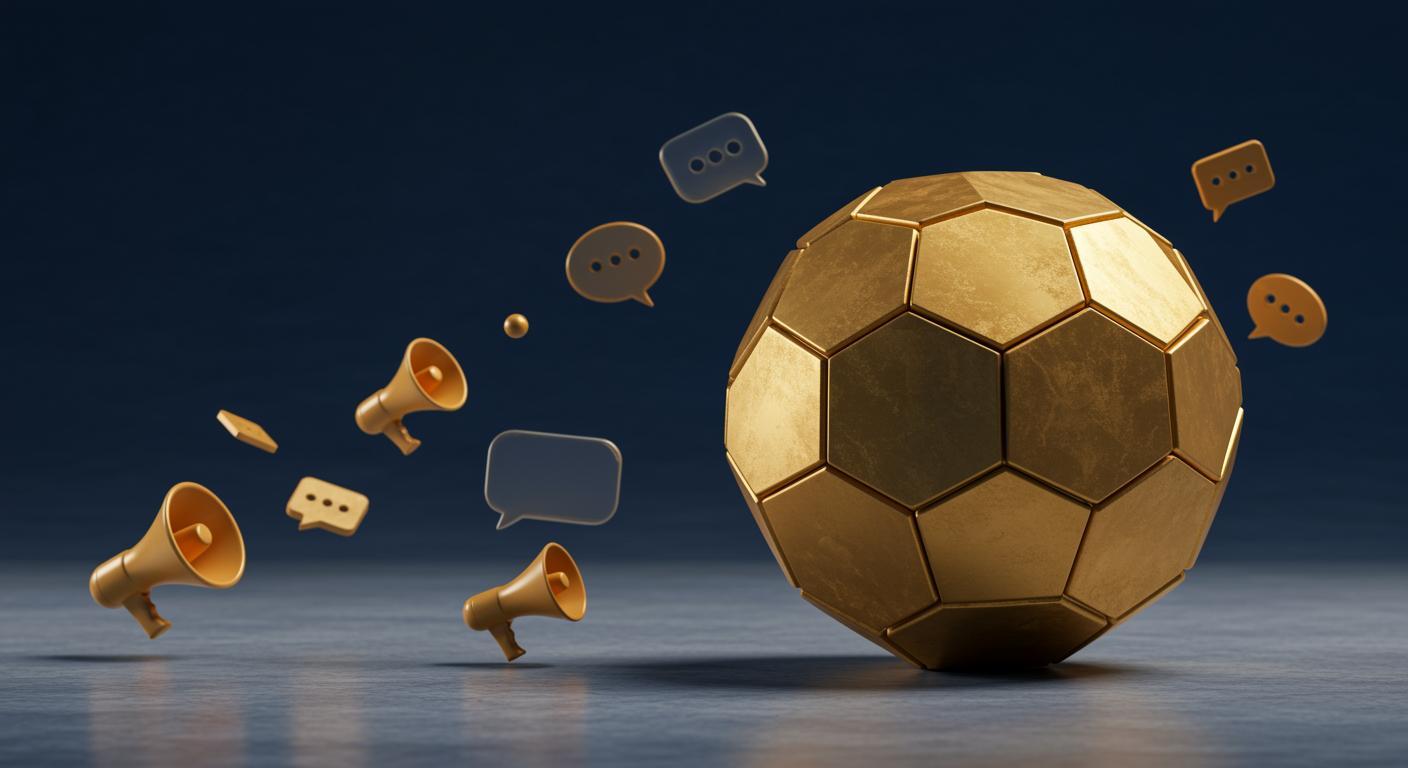
НачатьКогда Miller Lite выпустила 12-пакет, имевший форму футбольного мяча — в честь крупного турнира, — большинство маркетинговых комментаторов отнесли это к «умной упаковочной акции» и двинулись дальше. Однако такой взгляд полностью упускает суть. Пакет в форме футбольного мяча не был упаковкой в каком-либо реальном смысле. Его было неудобно нести, неэффективно складывать, и, по сути, он справлялся с основной задачей транспортировки пива хуже, чем стандартная картонная коробка. Тем не менее, он представлял собой физическую нативную рекламу — один из наиболее удачных примеров применения принципов нативной рекламы за пределами экрана.
Вот что на самом деле произошло. Поклонники уже глубоко погрузились в футбольную культуру: смотрели матчи, устраивали сеансы совместного просмотра, накидывали на себя шарфы и флаги. Miller Lite не вторгался в это поведение с баннером или билбордом. Вместо этого бренд вошел в культурный момент, трансформировав свою продукцию в артефакт, с которым люди уже ассоциировали это событие. Упаковка появлялась в гостиных и на автопарковках не как реклама, а как предмет для разговоров, реквизит, символ того, что человек, держащий её в руках, находится в самой гуще происходящего. Люди делали фото, делились ими и обсуждали — не потому что Miller Lite их об этом просил, а потому что сам объект привлекал внимание на своих собственных условиях.
Именно этот механизм определяет эффективный нативный креатив в цифровом мире. Как объясняется в анализе AdPushup топовых нативных кампаний, лучшие нативные объявления успешны, потому что они воспринимаются как «продолжение основного контента», а не как его прерывание. Набор футбольных мячей делал то же самое — он развивал контент футбольной фан-культуры, а не нарушал его рекламным предложением. И точно так же, как эффективная цифровая нативная реклама имитирует стиль, используя юмор, узнаваемые ситуации или трендовые темы, чтобы заинтересовать аудиторию, этот набор отражал визуальный язык и эмоциональную атмосферу самого турнира.
Но называть это «умным» и на этом остановиться — не помогает никому создавать лучшие кампании. Гораздо полезнее определить три структурных принципа, которые легли в основу упаковки футбольного мяча, — поскольку именно эти принципы лежат в основе каждой эффективной нативной рекламы, будь то на полке, в ленте социальной сети или внутри редакционного потока издателя.
Во-первых, новизна формата. Упаковка оказалась успешной, потому что она поместила привычный продукт в неожиданную тару. Пиво не изменилось; изменилась форма сопутствующего опыта. В нативной рекламе креативность — это то, что отличает вас от конкурентов, получающих точно такие же пиксели и размещение. Упаковка в форме футбольного мяча — это физический эквивалент заголовка, останавливающего прокрутку, — она заслуживает второго взгляда, потому что сам формат вызывает удивление.
Во-вторых, социальная валюта. Люди не просто покупали упаковку; они демонстрировали её. Она превратилась в нечто, что стоило показывать, в объект, который говорил о человеке, владеющем им. Это и есть двигатель распространения, лежащий в основе интернет-контента, — причина, по которой списки, викторины и культурные комментарии работают лучше прямых рекламных сообщений. Упаковка давала людям повод опубликовать что-то, не требуя к этому побуждения.
В-третьих, своевременная культурная значимость. Этот набор не предлагался круглый год. Он был привязан к конкретному турниру, к определённому периоду коллективного внимания. Именно это ограничение придавало ему срочность и смысл. Уберите футбольный контекст, и это будет всего лишь странный ящик. Важность имело именно время выпуска.
Эти три принципа — новизна формата, социальная значимость и своевременная культурная актуальность — составляют аналитическую основу всего, что следует далее в этой статье. Они нужны не просто для описания одной рекламной кампании пива. Это структурная ДНК нативной рекламы, которая действительно работает, и понимание этих принципов меняет ваш подход к каждому созданному вами продукту.
Пакет с футбольными мячами привлек внимание не потому, что в нем говорилось что-то иное. Он победил, потому что представлял собой нечто иное. Сообщение, напечатанное на его поверхности, было таким же, как и в других акциях Miller Lite — брендирование турнира, логотип, юридические отказы. Люди останавливались, фотографировали его и делились им из-за самой упаковки. Двенадцать банок были объединены в сферу вместо прямоугольника, и это единственное структурное отличие перевесило всё остальное. Это первый и, возможно, самый важный урок для нативной рекламы: формат вашей рекламы является более сильным инструментом привлечения внимания, чем любой текст, помещённый внутри неё.
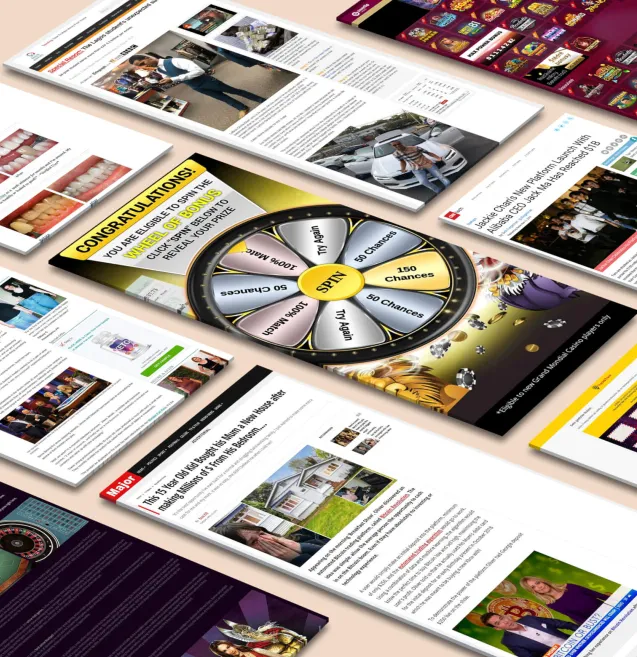
Большинство рекламодателей одержимы заголовками и миниатюрными изображениями, оставляя при этом структурный контейнер своей рекламы совершенно неизменным. Они меняют слова, тестируют эмоции, чередуют стоковые фотографии — всё это внутри одного и того же виджета контента, который используют все остальные рекламодатели в сети. Результат — новая форма того самого явления, которое нативная реклама была призвана решить. Игнорирование баннеров присуще не только дисплейной рекламе. Оно переносится на любой визуальный шаблон, который повторяется достаточно часто, чтобы мозг начал распознавать его как нечто, что можно игнорировать. Пролистайте ленту Taboola или Outbrain в нижней части страницы любого крупного издателя, и вы сразу это заметите: сетка одинаковых по размеру миниатюр в паре с заголовками, вызывающими любопытство, каждая из которых практически неотличима от следующей. Сама лента стала баннером.
Нативная реклама должна была стать противоядием. Как объясняется в обзоре нативных рекламных сетей от AdPushup, нативная реклама успешна, потому что она «ненавязчива и адаптируется под пользователя», что «открывает пространство для креатива и предоставляет уникальный контент, который аудитории кажется более привлекательным, чем традиционная реклама». Но такое креативное пространство работает только в том случае, если рекламодатели действительно его используют. Когда каждый конкурент заполняет это пространство одинаковым форматом — тёмная миниатюра, белый текст сверху, заголовок с многоточием — креативное преимущество исчезает. Адаптивность без дифференциации — это просто камуфляж, а камуфляж перестаёт работать, когда все носят одинаковый узор.
Бренды, которым удается пробиться, интуитивно это понимают. Рассмотрим примеры, основанные на формате, которые стабильно превосходят стандартные виджеты. Платные нативные объявления BuzzFeed работают не благодаря превосходному копирайтингу, а потому что сам формат списка имитирует тон и структуру окружающего развлекательного контента, из-за чего реклама воспринимается как "ещё один интересный материал для чтения". Нативная реклама Volkswagen в виде путеводителя по путешествиям успешна по той же структурной причине — она представлена в виде насыщенного визуального руководства по автомобильным путешествиям на сайте о стиле жизни, дополняя существующий контент о путешествиях, а не прерывая его. В обоих случаях форма контента выполняла убеждающую функцию до того, как хоть одно слово из текста рекламы было прочитано.
Именно здесь инструменты конкурентной разведки — такие как шпионские инструменты AdPlexity, Anstrex или встроенные библиотеки креативов на платформах вроде Voluum — становятся неоценимы. Как советует руководство Voluum по нативной рекламе: «вы и ваши конкуренты получаете одинаковое количество пикселей для рекламы» и «то, что отличает вас от других, — это ваша креативность». Инструменты шпионажа позволяют увидеть, как именно эти пиксели используются на всей сети. Вы можете каталогизировать доминирующие стили миниатюр, популярные формулы заголовков, цветовые палитры, характерные для конкретного размещения. Как только вы определите шаблон, вы можете сознательно его нарушить — как Miller Lite, посмотрев на полку, заполненную прямоугольными коробками, выпустил сферическую упаковку.
Решение проблемы слепоты пользователей к баннерам на уровне ленты — это никогда не более громкое сообщение. Это нарушение формата, осуществляемое внутри родной рамки. Вы не настолько агрессивно нарушаете нормы платформы, чтобы выглядеть посторонним; вы слегка искажаете их, чтобы заслужить когнитивную паузу, которую никакой заголовок, каким бы умным он ни был, не может создать самостоятельно. Контейнер несёт сообщение ещё до того, как сообщение начинает говорить.
Люди не делятся вещами просто так. Они делятся тем, что делает их более привлекательными. Джонатан Бергер назвал это «социальной валютой» — идеей о том, что мы распространяем контент, который помогает нам выглядеть осведомлёнными, остроумными и вовлечёнными в современную культуру в глазах окружающих. Упаковка с футбольным мячом была образцовым примером этого принципа. Никто не носил эту неуклюжую сферу из магазина, потому что это был самый эргономичный способ перевозить двенадцать банок пива Miller Lite. Люди носили её потому, что их видели с ней — на барбекю, во время просмотра матчей, в истории в Instagram. Это говорило о них: «Я в теме Чемпионата мира по футболу. Я понимаю шутку. Мне весело». Эта упаковка была сначала социальным реквизитом, и лишь во вторую очередь — ёмкостью для напитков.
Это та перспектива, которую большинство нативных рекламодателей никогда не удосуживаются рассмотреть. Они озабочены показателями кликабельности и стоимостью привлечения клиента, игнорируя более фундаментальный вопрос: Что говорит о человеке, нажавшем на эту рекламу, сам этот клик?
Рассмотрим кампанию Dell, опубликованную как спонсируемый материал в The New York Times, в которой исследуются изменения в рабочих привычках и рост удалённого взаимодействия. На первый взгляд, это игра на повышение узнаваемости бренда. Но настоящая причина её успеха более тонкая. Dell решила включиться в актуальную культурную дискуссию о том, как и где люди работают, позиционируя статью как журналистику, богатую реальными инсайтами, а не как рекламу продукта. Когда читатель делится этой статьёй в LinkedIn или пересылает её коллеге, упоминание Dell становится второстепенным. Что на самом деле демонстрирует пересылающий: «Я в курсе тенденций рынка труда. Я думаю о будущем работы». Социальная выгода — это воспринимаемый интеллект читателя, а Dell выступает лишь молчаливым бенефициаром.
Именно эту динамику использовал набор футбольных мячей в физическом пространстве. И именно эта динамика отличает нативные объявления, с которыми взаимодействуют, от тех, мимо которых пролистывают, не уделяя им ни малейшего внимания.
Большинство креативов нативной рекламы проваливают то, что я называю "тест скриншотом". Честно ответьте себе: стал бы кто-нибудь делать скриншот вашего миниатюрного изображения и отправлять его другу? Стал бы кто-нибудь кидать заголовок в групповой чат? Если ответ отрицательный — если ваш креатив представляет собой просто изображение продукта с описанием преимуществ, — вы создали коммерческую транзакцию, а не социальный объект. Как подчёркивает исследование нативной рекламы от Voluum, вы и ваш конкурент получаете одинаковое количество пикселей для рекламы, поэтому то, что вас отличает, — это креативность, заслуживающая внимания, а не требующая его.
Рекламные объявления с самым высоким CTR проходят проверку скриншотом, потому что предоставляют информацию или формулировку, которую зритель может использовать в общении. Заголовок вроде "Тенденция удалённой работы, из-за которой тихо паникуют генеральные директора", даёт читателю социальное оружие — тему для разговора, сведения, которые стоит знать, мнение, которое можно выразить. А заголовок "Ноутбуки Dell: созданы для удалённых работников" даёт им вообще ничего, кроме рекламного утверждения.
Вот практический способ выполнить реверс-инжиниринг этого. Откройте любой инструмент для шпионажа за рекламой — AdSpy, Anstrex, любой, какой вам нравится, — и отфильтруйте нативные объявления с необычно долгим сроком действия. Объявление, которое работает непрерывно шестьдесят или девяносто дней, является показателем сильной устойчивой вовлеченности; рекламодатель не стал бы платить за него, если бы оно не работало. Теперь изучите этих «выживших». Вы заметите закономерность: основная идея практически всегда содержит встроенные социальные преимущества. Они ссылаются на тенденцию, о которой читатель хочет, чтобы знали другие. Они подают знакомую тему под нестандартным углом, позволяя тому, кто делится, выглядеть проницательным. Они предлагают информацию вида «знаете ли вы», фактически достойную распространения.
Когда будете создавать следующее оригинальное рекламное объявление, перестаньте спрашивать: «Что я хочу, чтобы зритель сделал?» и начните спрашивать: «Кем позволит себе быть зритель, нажав на это? чем?». Если распространение вашей рекламы позволит кому-то выглядеть умнее, смешнее или более осведомленным в культуре, вам не придется гнаться за кликами. Клики будут преследовать вас.
Вот в чем дело с набором пива в форме мяча, что упускают большинство маркетинговых анализов: у него был срок годности. Не на банках — на самой идее. За пределами крупного турнира по футболу, сферический набор пива — это просто странная, неудобная тара, которая катается и падает с вашей кухонной стойки. Но во время Чемпионата мира? Это гениальное решение. Такое временное ограничение — это не слабость. Именно это и придавало набору ощущение особой значимости — он появился как раз в тот момент, когда миллионы людей полностью погрузились в футбольную культуру, уже искали способы отметить событие, уже были готовы взаимодействовать с чем угодно, что указывало на общий опыт, который они переживали.
Вот что делает культурный момент для креатива. Он превращает рекламу из вторжения в полезный вклад. Когда бренд согласует своё сообщение с тем, о чём аудитория уже думает, что ищет и обсуждает, реклама перестаёт ощущаться как нечто навязанное извне и становится естественным продолжением уже идущего разговора. Подумайте, как Dell сотрудничала с The New York Times над спонсируемым материалом об изменении привычек работы и трендах удалённой занятости — кампания сработала именно потому, что Dell стремилась включиться в актуальную культурную дискуссию о том, как и где люди работают. Рекламе не нужно было искусственно создавать интерес к теме. Интерес уже существовал, звучащий на культурной волне, к которой Dell просто подстроилась.
Та же логика применима во всех отраслях. Модель нативной рекламы BuzzFeed процветает, потому что её платные объявления используют популярные темы, чтобы привлечь аудиторию, пришедшую именно за таким современным и легко распространяемым контентом. Нативные рекламные материалы Volkswagen, посвящённые путешествиям, работают, потому что они соответствуют духу приключений, который ищет аудитория, просматривая контент о стиле жизни и путешествиях. В каждом случае бренду не пришлось заставлять аудиторию вступать в новый диалог. Он просто появился — гладко и естественно — в уже идущей беседе.
То, что делает культурный контекст наиболее реализуемым из трёх изученных нами принципов, заключается в том, что, в отличие от новизны формата или социальной ценности, его можно запланировать. Вы можете сесть в январе и распланировать каждый культурный момент, который будет важен вашей аудитории в течение следующих двенадцати месяцев: спортивные события, церемонии награждений, праздники, сезон возвращения в школу, избирательные циклы, премьеры поп-культуры, отраслевые конференции. Это предсказуемые волны. Креативная стратегия состоит в том, чтобы создать рекламу вокруг волны, а не продукта, превратив продукт в средство участия в моменте, точно так же, как двенадцатибутылочная упаковка Miller Lite стала средством участия в Чемпионате мира по футболу.
Вот практический метод. Во-первых, составьте культурный календарь, ориентированный на интересы вашей аудитории и вашу нишу. Во-вторых, воспользуйтесь инструментами анализа конкурентов, чтобы выяснить, какие рекламодатели уже тестируют сезонные темы — это покажет, какие культурные события генерируют достаточно большой объём, чтобы их было выгодно использовать. В-третьих, подготовьте креативы, в которых культурный контекст выступает на первом плане, а продукт органично встроен в него, а не наоборот. Как подчёркивается в руководстве Voluum по нативной рекламе, существует сильная корреляция между регулярным обновлением объявлений и их эффективностью, что означает: креативы, привязанные к культурным событиям, следует планировать к циклическому включению и отключению, а не оставлять работать бессрочно после окончания актуального периода.
Ограничение — это сила. Набор футбольных мячей в июле — это гениально. Набор футбольных мячей в феврале — это ненужный никому товар. Этому же принципу подчиняется каждый элемент оригинального креатива, который вы создаете: когда вы выберете правильное время, чтобы ваше сообщение «поймало» культурную волну, на которой уже находится ваша аудитория, вы перестанете плыть против течения и начнете двигаться по нему.
Теперь вы понимаете принципы — нарушение формата, возможность распространения и культурный контекст. Но как на практике выявить эти паттерны в действии? Как перейти от восхищения пивной упаковкой в виде футбольного мяча в кейсе к выявлению аналогичных механизмов в native-кампаниях, на которых можно учиться уже сейчас? Ответ кроется в системном подходе обратного проектирования с использованием инструментов конкурентной разведки, более известных как spy-инструменты.
Процесс начинается с разведки по объему. Когда вы открываете любой крупный инструмент для шпионажа — будь то AdPlexity, Anstrex, SpyFu или платформа, ориентированная на нативную рекламу, — первым желанием может быть поиск по нише или ключевому слову. Подавите это желание. Вместо этого фильтруйте по показателям вовлеченности и сортируйте по продолжительности показа. Объявления, которые работают уже несколько недель или месяцев, являются выжившими; они заслужили свое место благодаря эффективности. Те объявления, которые работают всего день-два, могут быть просто тестами, которые еще не были остановлены. Вы ищете креатив, аналогичный тому набору футбольных мячей: что-то, что явно пробилось сквозь шум достаточно надолго, чтобы оправдать продолжительные расходы.
Далее примените то, что я называю «трехпринципной линзой». Для каждой высокоэффективной нативной рекламы, которую вы найдете, последовательно задайте три вопроса. Во-первых, нарушает ли этот креатив ожидаемый формат? Посмотрите на миниатюру. Это отполированное стоковое фото или она выглядит так, будто друг мог бы вам ее прислать? Лучшая нативная реклама успешна именно потому, что следует тому, что в руководстве по рекламе Voluum описывается как креативность в рамках ограничений, — понимание того, что у вас и ваших конкурентов одинаковое количество пикселей, и то, что вас отличает, — это то, насколько креативно вы их используете. Неожиданный ракурс изображения, нестандартная обрезка или заголовок, больше похожий на сплетню, чем на рекламу, — все это признаки форматного нарушения в действии.
Во-вторых, есть ли у рекламы социальная ценность? Сделает ли кто-нибудь скриншот этой рекламы и отправит другу? Упомянет ли он о ней в групповом чате? Оценить это только с помощью инструмента слежения сложнее, но здесь могут помочь косвенные показатели вовлеченности. Обратите внимание на распространение рекламы на множестве площадок. Реклама, которая появляется на широком спектре сайтов, часто делает это потому, что ее содержание настолько близко разным аудиториям, что вызывает клики — признак того, что рекламу готовы делиться.
В-третьих, использует ли креатив волну культуры? Проверьте даты. Сопоставьте события в новостном цикле или культурном календаре, происходившие в момент запуска рекламы. Вы часто обнаружите, что наиболее эффективные оригинальные креативы включаются в актуальные дискуссии, подобно тому, как оригинальная реклама Dell, опубликованная The New York Times, целенаправленно затронула культурные разговоры об изменяющихся привычках работы и тенденциях удаленной занятости, чтобы позиционировать бренд как соответствующий современным требованиям технологический помощник. Подобное временнóе совпадение не случайно — это стратегия, а инструменты слежения позволяют увидеть временные метки, раскрывающие эту закономерность.
Наконец, создайте файл с образцами, организованный не по нишам, а по принципам. Создайте три папки — Нарушение формата, Социальная ценность, Культурный контекст — и помещайте каждую успешную рекламу в ту папку, которая наилучшим образом объясняет, почему она сработала. Со временем вы начнете замечать, что самые сильные рекламные объявления часто задействуют два или даже все три принципа одновременно, как это сделал сферический упаковочный формат пива. Эта структура помогает не только анализировать то, что сделали другие. Она тренирует вас замечать структурную основу креатива, который привлекает внимание, а не просто вторгается в него, что является базовой философией всей ценности нативной рекламы — создавать такие рекламные объявления, с которыми люди действительно хотят взаимодействовать. Как только вы усвоите эти закономерности, вы перестанете копировать конкурентов и начнёте обыгрывать их.
Получайте лучшие конверсионные лендинги каждую неделю на свою почту.
Недавно обновлено
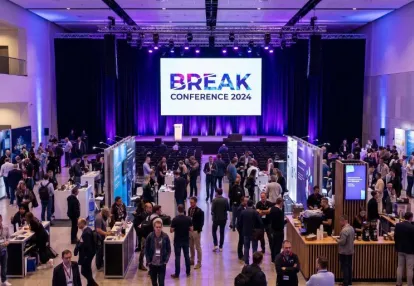
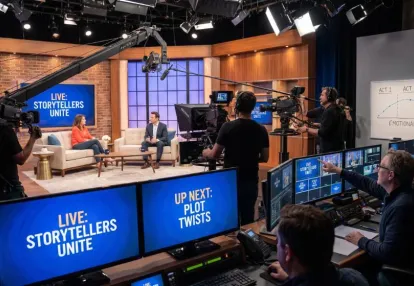
Узнайте, как мероприятие Pure Leaf «Break Conference» превратило знаменитый спортивный момент в масштабируемую историю нативной рекламы. В этом руководстве показано, как специалистам по performance-маркетингу превратить сторителлинг бренда в измеримые кампании в форматах нативной рекламы, пуш-уведомлений, поп-рекламы, партнерских программ и TikTok, используя разведданные о рекламе и творческие работы с акцентом на повествование.
Marcus Chen
7 минсент. 29, 2026
Обязательно к прочтению
Узнайте, как мероприятие Pure Leaf «Break Conference» можно использовать в качестве стратегии, охватывающей весь воронку продаж, включая Native, Push и Pop-рекламу. В этом руководстве показано, как маркетологи могут использовать контент создателей, TikTok Instream, Anstrex, поисковые данные и PR-сигналы, чтобы превратить позитивную акцию бренда в измеримый механизм эффективности.
Priya Kapoor
7 минсент. 27, 2026
Обязательно к прочтению
Узнайте, как превратить один сильный бренд-момент в масштабируемые воронки Native, Push и Pop, вместо того чтобы полагаться на одно главное объявление. В этом руководстве рассматриваются модульный креатив, построение воронок в TikTok, конкурентная разведка с Anstrex, тестирование на разных каналах и повторяемая цепочка поставок креативов.
Dan Smith
7 минсент. 26, 2026