

6 минавгуста 12, 2026

Наши инструменты отслеживают миллионы рекламных кампаний в форматах native, push, pop и TikTok.
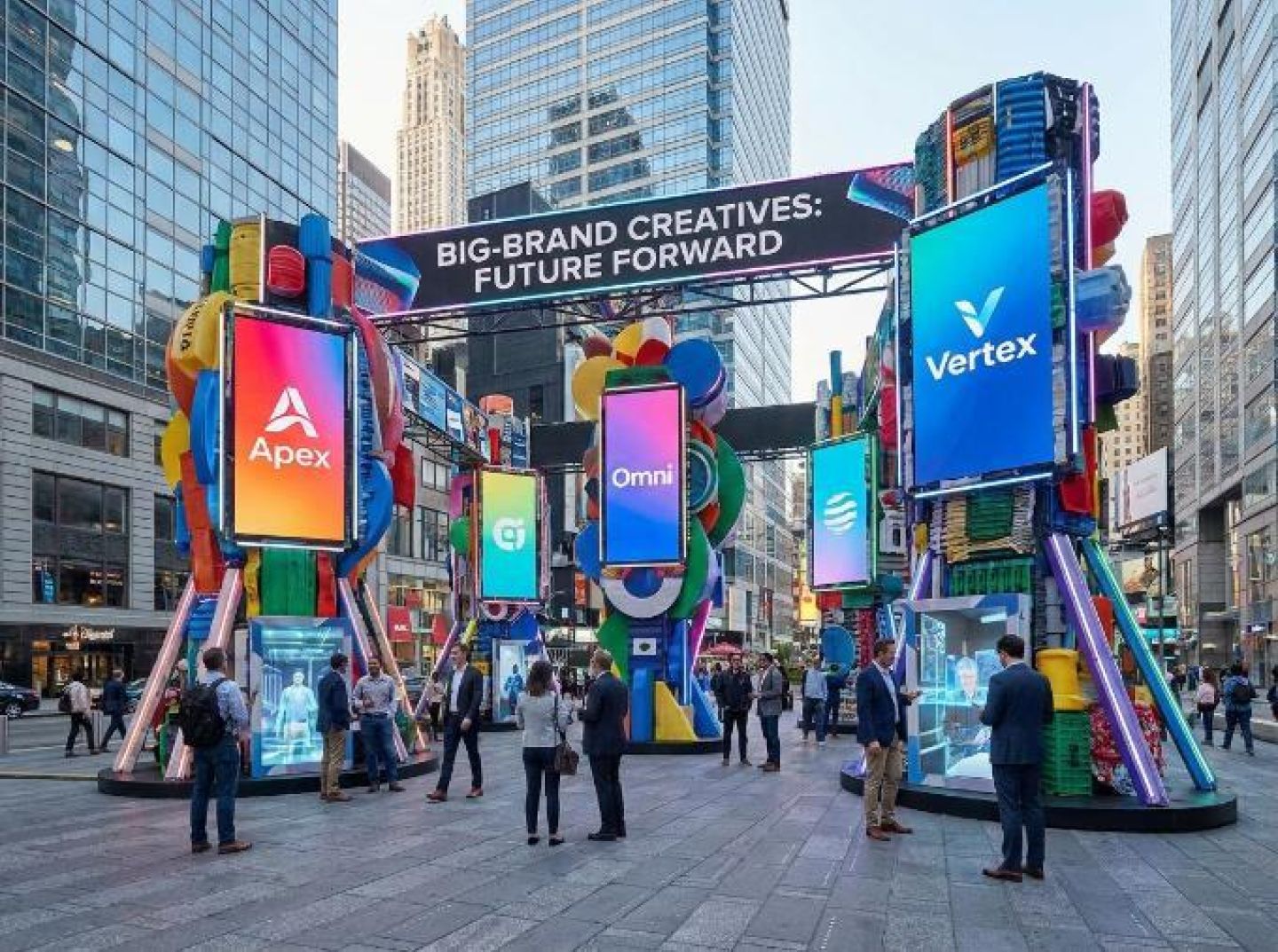
НачатьКаждую неделю очередной крупный бренд объявляет о масштабной новой кампании — ребрендинге, сезонной акции, запуске продукта с многомиллионными вложениями в рекламу. Большинство специалистов по performance-маркетингу бегло просматривают новость, мысленно относят её к категории «брендовая активность» и возвращаются к корректировке ставок за клик. Это ошибка, которая, возможно, является самой дорогостоящей слепой зоной в аффилиатном и директ-маркетинге сегодня.
Основная проблема заключается в ложной дихотомии. Маркетологи эффективности давно разделили рекламный мир на два лагеря: брендовые рекламодатели, щедро тратящие на повышение узнаваемости, и маркетологи эффективности, одержимые измеримой отдачей. Предполагается, что эти два мира функционируют по разным законам — что рекламный ролик крупной компании на Суперкубке не может дать никакого опыта специалисту, запускающему кампании по генерации лидов в сетях нативной рекламы. Но такая постановка вопроса игнорирует важную реальность: крупные бренды делают не только ставку на повышение узнаваемости. Они тестируют креативные подходы, сегменты аудитории и структуры воронки продаж с бюджетами, значительно превосходящими те, которые большинство независимых маркетологов могут себе позволить. И каждый из этих тестов оставляет след в инструментах анализа рекламы, доступных каждому.
Запуск масштабной рекламной кампании следует рассматривать не как отраслевые новости, а как событие-триггер — конкретный момент, который подскажет, когда именно нужно запускать инструменты сбора конкурентной разведки и начинать сбор данных. Когда компания, например Tuckernuck, начинает запускать рекламу на CTV и корректировать её на основе данных об участии и эффективности в режиме реального времени, этот итерационный процесс формирует чёткую последовательность изменений в креативах, таргетинге и посадочных страницах. Пресс-релиз сообщает, что кампания существует. Данные из рекламных шпионских сервисов покажут, чему бренд на самом деле научился, когда начал тратить деньги.
Именно этот разрыв между публичным повествованием и реальным исполнением платной медиакампании и является возможностью для сбора разведывательных данных. Пресс-релиз скажет, что бренд «взаимодействует с поколением Z через искреннее сторителлинг». А библиотеки объявлений и шпионские инструменты продемонстрируют конкретные хуки, стили миниатюр, структуры текстов и призывы к действию, которые прошли тестирование. Одно — это рекламное шоу, второе — подтверждённое исследование, оплаченное чужим бюджетом.
Особую силу этому подходу придает то, что крупные бренды редко стартуют в полном объеме. Как отмечал MarTech, наиболее эффективные кампании сначала доказывают свою состоятельность, прежде чем начинать масштабирование. Большинство запусков платной рекламы проходят поэтапно: сначала запускаются первоначальные небольшие тесты («пули»), собирающие данные, перед тем как будут запущены масштабные вливания бюджетов («калиброванные пушечные ядра»). Эта поэтапная структура означает, что если вы начинаете наблюдать за кампанией с самого момента ее анонсирования, вы можете в режиме почти реального времени проследить весь процесс тестирования: какие креативы добавляются, какие исчезают через несколько дней, какие посадочные страницы заменяют оригиналы и на какую целевую аудиторию бренд делает ставку по мере увеличения бюджета.
Для партнерских маркетологов и медийных покупателей это функционально бесплатные исследования и разработки. Вы наблюдаете, как публично разворачивается многомиллионная программа тестирования, извлекаете выигрышные переменные и адаптируете их под свои собственные предложения и воронки. Бренд берет на себя расходы в случае неудачи. Вы получаете уроки от того, что оказалось успешным.
Однако необходимым условием является знание того, когда стоит смотреть. Именно поэтому использование объявлений о запуске кампаний в качестве сигналов для исследования — а не фонового шума — кардинально меняет ценность вашей системы сбора конкурентной разведки. Данные всегда существовали. Вопрос в том, обращали ли вы внимание в нужный момент, чтобы их зафиксировать.
Когда крупный бренд запускает кампанию, первый этап рассчитан на то, чтобы привлечь максимальное внимание: билборды на магистралях для автомобилистов, тридцатисекундные телеролики в прайм-тайм, продуманные кампании в социальных сетях с кинематографическим качеством. Но именно то, что происходит дальше, должно вызывать наибольший интерес у специалистов по performance-маркетингу. Уже через несколько дней, а иногда и часов, это же рекламное сообщение появляется в нативных рекламных сетях и каналах пуш-уведомлений. И в этот момент оно претерпевает кардинальные изменения, на которые большинство людей совершенно не обращают внимания.
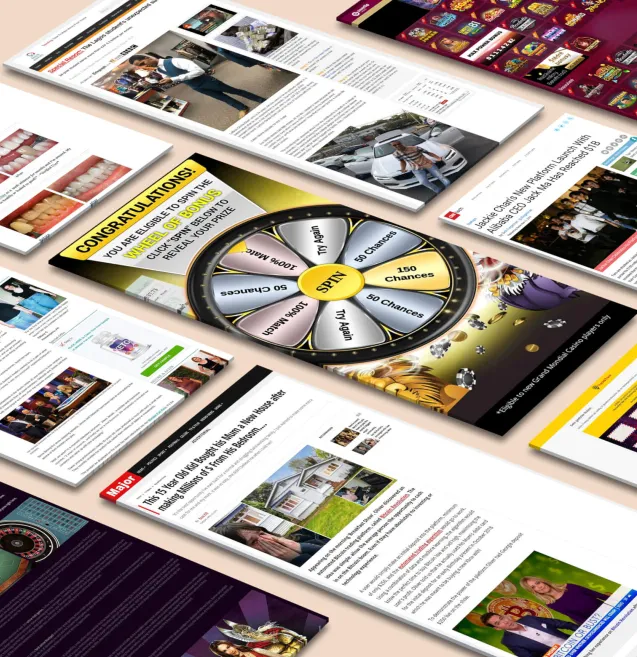
Рекламный щит, как правило, создается с целью запоминания. Это логотип, слоган, возможно, лицо знаменитости — все оптимизировано для трехсекундного взгляда на скорости шестьдесят миль в час. Рекламный ролик на телевидении добавляет эмоции, повествование и мифологию бренда. Но что касается нативной рекламы? Здесь маркетинговой команде бренда пришлось ответить на более сложный вопрос: какое единственное сообщение, какой конкретный эмоциональный рычаг заставит человека на самом деле нажать? Именно поэтому именно нативные объявления и рекламные уведомления являются местом, где сосредоточено реальное намерение добиться результатов. В отличие от объявлений, ориентированных на повышение узнаваемости, каждый элемент нативной рекламы — заголовок, миниатюра, первая строка рекламной статьи — оптимизирован под действие, а не просто под количество показов.
Начните с формул заголовков. Тогда как в социальных сетях бренд может написать «Представляем будущее чистой кожи», нативная версия на платформах Taboola или Outbrain будет звучать ближе к «Дерматологи пересматривают всё, что они знали о увлажнении». Сдвиг очевиден: от декларативного бренда к провокационному, журналистскому зачину, вызывающему любопытство. Изображения следуют той же логике. Глянцевые фото продуктов заменяются контекстными, почти необдуманно выглядящими снимками — крупный план текстуры настоящей кожи, вид «через плечо» человека, читающего этикетку. Эти решения не случайны. Как подробно описал Brax, каждый элемент нативной рекламной кампании должен соотноситься с чёткими, измеримыми целями, и необходимость показать результат вынуждает бренды устранять всё, что напрямую не способствует клику или конверсии.
Эмоциональные акценты также меняются. Рекламные кампании, выходящие в эфир, как правило, апеллируют к стремлениям и идентичности — «Станьте тем, кто…» — в то время как нативные объявления активно используют страх упустить возможность, раздувание проблем и социальное доказательство. Вы заметите заголовки, подчеркивающие авторитет («Почему специалисты по питанию переходят на…») или срочность («Окно для этого предложения скоро закроется»). Структура рекламных материалов за такими объявлениями действует как мини-страницы продаж, включая повествовательную линию, проходящую от определения проблемы через укрепление доверия к мягкому призыву к действию.
Особую ценность для специалистов по performance-маркетингу представляет метод, с помощью которого крупные бренды с высокой точностью переносят свои физические кампании в цифровые каналы ретаргетинга и программатик. Как сообщает OOH Today, бренды теперь используют первичные данные, полученные от внеплоскостных активностей — включая идентификаторы мобильных устройств, захваченные во время физического контакта — чтобы формировать списки для ретаргетинга, которые напрямую подаются в программатик-дисплей и платную социальную рекламу. Появляющиеся нативные объявления через неделю после серии рекламных щитов бренда — не случайность; это конверсионный слой специально выстроенной воронки.
Именно здесь такие инструменты, как Anstrex Native и Anstrex Push, становятся незаменимыми. Вместо того чтобы гадать, какие сообщения бренд тестирует для прямого отклика, вы можете просмотреть их реальные креативы в форматах native и push, сравнить их с первоначальными слоганами и выявить, что именно изменилось при переходе от осведомлённости к действию. Заголовок, который успешно перешёл из сценария телевизионной рекламы в миниатюру native-объявления, — это заголовок, который, по данным бренда, работает. Эмоциональный посыл, выбранный для push-уведомления — сведённый к самой сжатой и неотложной форме — это именно тот подход, который уже подтверждён их тестированием. Вам не нужно тратить тысячи долларов на сплит-тесты, чтобы узнать то, что они уже знают. Вам просто нужно знать, где искать.
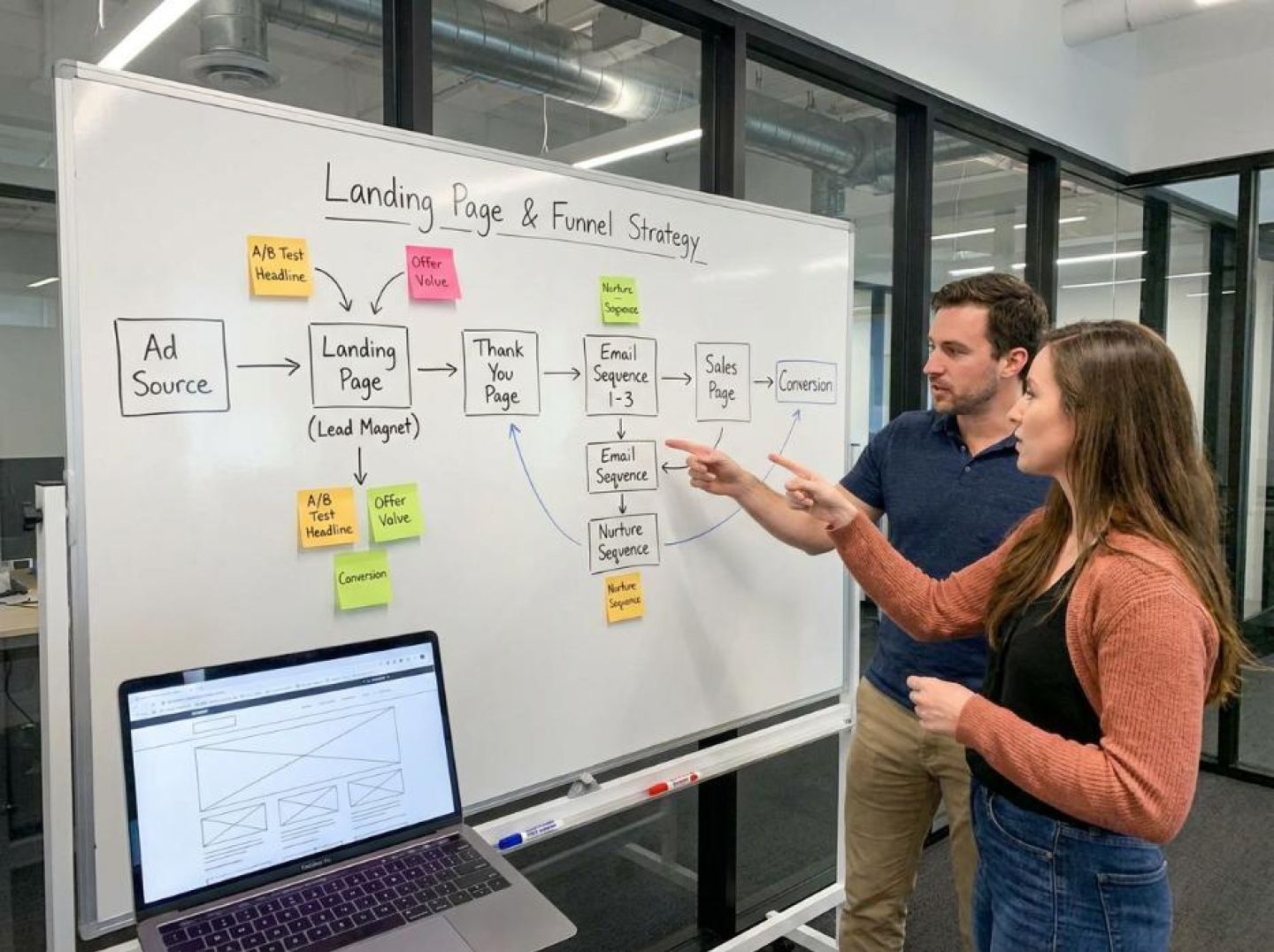
Креатив объявления — это лишь половина успеха. То, что происходит после клика — целевая страница, рекламная статья, воронка конверсии — именно здесь бренд показывает, как на самом деле превращает внимание в доход. И именно здесь, на виду у всех, для специалистов по performance-маркетингу, анализирующих данные ad spy, скрываются самые значительные конкурентные преимущества.
Когда вы замечаете рекламную кампанию крупного бренда в инструменте для анализа, первое, что приходит в голову — изучить заголовок, миниатюру и текст рекламы. Но настоящий сигнал находится дальше по воронке. Проследите за кликом, и вы обнаружите одну из двух ситуаций: либо тщательно выстроенную воронку, в которой каждый элемент подкрепляет обещание из рекламы, либо разрозненный опыт, указывающий на то, что бренд всё ещё находится в стадии тестирования. Обе ситуации дают вам ценную информацию, но требуют разного подхода.
Начните с соответствия сообщения. Как поясняется в руководстве Semrush по стратегии контекстной рекламы, страница, на которую попадает ваша целевая аудитория, должна подтверждать обещание, заявленное в рекламе — сразу после клика должно быть понятно, что пользователь оказался в нужном месте. Когда рекламная кампания бренда предлагает конкретное утверждение («Сократите счет за электроэнергию на 40% этим летом»), а целевая страница начинается с той же конкретики, перед вами — проверенная воронка, созданная с высокой уверенностью в результате. Такая согласованность возникла не случайно. Она прошла несколько этапов оптимизации и означает, что бренд подтвердил эффективность именно этого подхода. Изучите её структуру: ритм заголовка, способ подачи социальных доказательств, расположение первого призыва к действию относительно эмоциональной линии страницы и то, как переход от редакционного контента к прямому предложению оформлен на странице.
Когда объявление и целевая страница рассказывают разные истории — например, объявление намекает на лайфхак личных финансов, но на странице сразу идет общий обзор продукта — вы наблюдаете раннюю стадию тестирования. Несоответствие сообщений — это не просто проблема конверсии. Как отмечает Semrush, когда объявление и страница подают разные посылы, вы затемняете сигналы, которые используют как покупатели, так и системы ИИ, чтобы понять, что предлагает бренд. Эта несогласованность — ваш шанс. Мелкий рекламодатель, который создаст более слаженную и последовательную версию того же воронки, может превзойти кампанию крупного бренда ещё до того, как тот завершит итерации.
Особое внимание уделите тому, как крупные бренды организуют переход от рекламно-информационного контента к конверсии в нативных кампаниях. Лучшие из них на протяжении первых 60–70 % страницы выглядят как редакционный контент — описание проблемы, история, вовлекающая аудиторию, сигналы доверия, вплетённые в повествование — и лишь затем переходят к предложению. Сама точка перехода заслуживает изучения: используют ли они отзыв в качестве связующего элемента? Сравнительную таблицу? Откровение по типу «что я обнаружил»? Эти структурные решения отражают инсайты по оптимизации конверсии, которые были получены за счёт реального бюджета.
Одним из важнейших аспектов, который упускают большинство маркетологов, является целостность атрибуции за этими воронками. Как предупреждает блог Stream Companies, платформенные дашборды имеют склонность к саморекламе — когда несколько платформ заявляют о заслугах за одну и ту же конверсию, отчитываемые результаты превышают реальные показатели выручки. Крупные бренды, запускающие нативные кампании в сочетании с ремаркетингом в поиске и социальных сетях, об этом знают, и поэтому на их целевых страницах часто присутствуют независимые параметры отслеживания, которые можно увидеть в структуре URL. Когда вы видите UTM-метки, кастомные цепочки редиректов или наслоение пикселей на скопированной целевой странице, это говорит о том, что бренд производит независимую атрибуцию по разным каналам, — признак зрелой, масштабируемой воронки, а не экспериментального теста.
Именно здесь такие инструменты, как функция клонирования целевых страниц в Anstrex, становятся незаменимыми. Скриншоты быстро устаревают — бренды обновляют страницы и меняют элементы за считанные дни. Сохранение полного HTML-кода позволяет вам проанализировать структуру страницы, изучить подачу предложения, определить размещение социального доказательства и сопоставить ваши собственные воронки с тем, что уже доказало эффективность в кампаниях с многомиллионными бюджетами. Реклама привлекла ваше внимание. Целевая страница показывает, как бренд превращает это внимание в продажи.
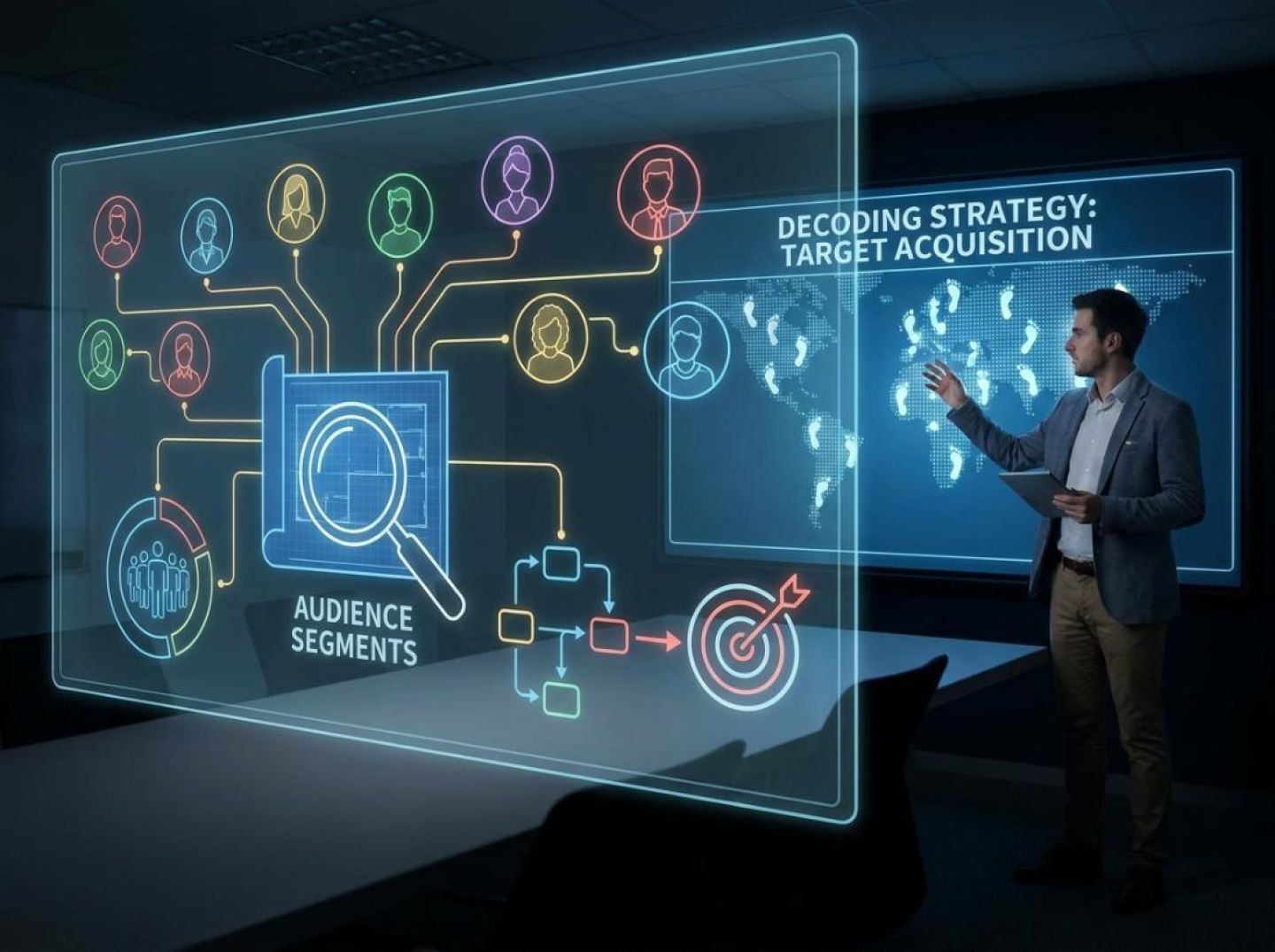
Вы не можете видеть данные первой стороны бренда, но вы можете видеть его следы в своем инструменте для слежки за рекламой. Каждое решение по размещению, каждый вариант креатива, каждое географическое разделение — это сигнал, и когда вы знаете, как интерпретировать эти сигналы в совокупности, вы получаете стратегию сегментации аудитории бренда, выложенную перед вами в явном виде.
Начните с паттернов размещения рекламы на сайтах издателей. Когда бренд запускает разные нативные объявления на различных издательских сетях — например, рекламную статью на медицинскую тему на сайтах о здоровье и акцент на экономии на сайтах о личных финансах — это не непоследовательность. Это раскрытие различных целевых аудиторий, на которых бренд одновременно ориентируется. Каждое сочетание объявления и издателя представляет гипотезу о том, кто конвертируется и где эта аудитория проводит свое время. Отслеживая с помощью инструмента, подобного Anstrex, на каких издателях и в каких местах размещения бренд появляется постоянно, можно определить среды, где сосредоточена аудитория с высокой вероятностью конверсии, и нацеливаться на те же издательские экосистемы в своих собственных кампаниях, эффективно заимствуя информацию о таргетинге бренда, не получая доступ к его данным.
Географические паттерны таргетинга рассказывают аналогичную содержательную историю. Когда вы замечаете, что бренд запускает кампании push-уведомлений с разными текстами в разных городах — сообщения, нацеленные на срочность, в одном регионе и ориентированные на образ жизни в другом, — вы наблюдаете сегментацию аудитории в реальном времени. Это не случайное тестирование. Бренды с продвинутыми данными операций формируют точечные аудитории, где их наиболее ценные пользователи представляют все более узкую часть общего трафика, что означает, что их таргетинг становится все более целенаправленным с каждой итерацией кампании. Географические различия, которые вы видите в шпионских данных, отражают результат работы моделей склонности, которые оценивают пользователей по вероятности конверсии, а затем соответствующим образом адаптируют сообщения.
Разделение по устройствам предоставляет еще один читаемый сигнал. Бренд, который публикует визуально насыщенные рекламные статьи длинного формата исключительно на настольных компьютерах, а на мобильных устройствах демонстрирует короткие объявления с призывом к немедленной реакции, адаптируется не просто к размеру экрана. Он сегментирует аудиторию по намерению совершить покупку и стадии воронки продаж. Объявления на настольных компьютерах часто ориентируются на пользователей, находящихся на этапе исследования и готовых прочитать рекламную статью объемом 1500 слов, тогда как мобильные объявления призваны захватить импульсивные решения или провести ретаргетинг пользователей, которые уже знакомы с продуктом из других источников. Как подчеркивает MarTech, наиболее эффективные кампании доказывают свою результативность до масштабирования, а такие различия в креативах по устройствам позволяют брендам проверить, какие сегменты приносят конверсии, прежде чем увеличивать рекламный бюджет.
То, что делает этот анализ еще более ценным, — это понимание того, что происходит за кулисами. Бренды больше не полагаются исключительно на таргетинг, предоставляемый платформами. Как сообщал OOH Today, передовые компании собирают идентификаторы устройств на основе физического охвата рекламной кампанией — такие как рекламные билборды на грузовиках, интерактивные активации, спонсорство мероприятий — и используют их в похожих моделях для формирования аудиторий цифрового привлечения. Список для ретаргетинга, созданный на основе маршрута мобильного билборда по целевому району, становится основой для программной покупки баннерной рекламы, ретаргетинга в социальных сетях и интеграции с CRM, полностью замыкая цикл атрибуции.
Это означает, что нативная реклама, которую вы видите в инструменте шпионажа, могла вовсе не возникнуть в результате чисто цифровой стратегии таргетинга. Она могла быть результатом активации сквозного потока данных из офлайна в цифровую среду, который невозможно увидеть, не понимая общей инфраструктуры. Вариации креативов, географически ориентированные сообщения, выбор издателей — всё это ведёт к данным о первой аудитории, собранным брендом из источников, о которых большинство конкурентов даже не задумываются.
Практический вывод прост. Вам не нужно иметь доступ к платформе данных о клиентах бренда, чтобы извлечь выгоду из его стратегии. Вам нужен систематический процесс фиксации моделей размещения в рамках кампаний, фиксации того, какие рекламные подходы появляются на тех или иных категориях издателей, и картографирование географических и устройственных различий, раскрывающих логику сегментации. Когда вы запускаете свои собственные кампании в тех же средах издателей с креативами, похоже структурированными, вы не копируете — вы соревнуетесь на той самой арене, которую уже подтвердил аналитический отдел бренда.
Интеллект без исполнения — это просто развлечение. Всё, о чем говорилось в предыдущих разделах — анализ творческих материалов, деконструкция промо-страниц, расшифровка стратегий аудитории — превращается в безделицу, если у вас нет повторяемой системы, превращающей эти идеи в реальные кампании, приносящие доход. Вот рабочий процесс, который объединяет всё воедино.
Шаг 1: Определяйте грядущие запуски рекламных кампаний бренда до выхода на платные медиа. Настройте Google-оповещения для брендов из вашей ниши в сочетании с такими словами, как «запуск кампании», «новый продукт» и «брендовое партнёрство». Отслеживайте RSS-каналы отраслевых СМИ и социальные сети брендов, чтобы находить контент-тизеры. Большинство крупных брендов дают понять о своих кампаниях за несколько дней или недель до старта рекламы, что даёт вам фору в подготовке.
Шаг 2: Настройте фильтры поиска в инструменте шпионажа за рекламой в течение 48–72 часов после запуска. Как только вы обнаружите признаки активации кампании, настройте фильтры по ключевым словам бренда в Anstrex Native и Push, чтобы отслеживать платную рекламу по мере её появления. Фильтруйте по рекламодателю, диапазону дат и рекламной сети. Проверяйте ежедневно в первую неделю — именно тогда вы увидите полный набор креативов, включая варианты A/B-тестирования, показывающие, какие подходы бренд активно тестирует.
Шаг 3: Классифицируйте креативы по типу угла, структуре целевой страницы и размещению у издателя. Создайте простую таблицу или базу данных в Notion с колонками для основной идеи креатива (страх, стремление, любопытство, социальное доказательство), формата целевой страницы (рекламная статья, воронка-опрос, прямая страница продукта), типа призыва к действию и издателя, где появлялось каждое объявление. Со временем этот каталог станет вашей собственной закрытой базой интеллектуальных данных — записью того, какие углы тестируют наиболее финансово обеспеченные команды в вашей нише и где.
Шаг 4: Адаптируйте выигрышные углы под свои собственные партнерские или прямые предложения. Вы не копируете креативы. Вы извлекаете психологическую основу — эмоциональный триггер, структуру повествования, механизм доказательства — и перестраиваете её вокруг собственного продукта или предложения. Если наиболее эффективная нативная реклама бренда использует угол «трансформации до/после» на издательских площадках в сфере здоровья, протестируйте ту же архитектуру повествования с собственными изображениями, утверждениями и языком, безопасным с точки зрения соответствия требованиям.
Шаг 5: Запускайте кампанию с поэтапным бюджетом, а не массированной атакой. Как уже отмечал MarTech, предварительные крупные расходы на рекламу до подтверждения её эффективности обычно приводят к дорогим ошибкам, а не к ускоренному росту. Начните с небольшого ежедневного бюджета для трёх–пяти креативных вариантов, дайте данным накопиться в течение пяти–семи дней и масштабируйте только победителей.
Шаг 6: Отслеживайте эффективность по SMART-целям, а не по показательным, но бессмысленным метрикам. Прежде чем запускать любую кампанию, определите, как будет выглядеть успех, в конкретных и измеримых терминах — именно такой подход к постановке SMART-целей рекомендует Brax для кампаний нативной рекламы. Независимо от того, ставите ли вы целью улучшить CTR на 15% в течение 30 дней или достичь определённого порога стоимости привлечения клиента, такие ориентиры помогут избежать бесконечной оптимизации без реального результата.
Шаг 7: Перераспределите бюджет на основе реальных показателей многоканальной эффективности, а не данных, предоставленных платформами. Панели управления платформ часто завышают количество конверсий из-за пересекающейся атрибуции, поэтому рекомендует Stream Companies применять несколько моделей атрибуции — первый контакт, последний контакт и многоканальную — чтобы получить полную картину эффективности перед перераспределением средств между каналами. Сравните, как каждый вариант креатива и источник трафика работают по всем трем моделям. Вариант, который выглядит победителем при модели последнего контакта, может оказаться посредственным, если учитывать весь путь клиента.
Шаг 8: Внесите результаты обратно в каталог интеллектуальной информации. Каждая кампания, которую вы запускаете, генерирует данные, благодаря которым анализ конкурентов становится всё более чётким. Фиксируйте, какие направления, навязанные на бренд, показали наилучшие результаты, какие структуры лондинга принесли наилучшие конверсии, и какие расположения на площадке публикаций обеспечили наилучшее качество трафика. Это создаёт самоподдерживающийся возвратный цикл: лучшая информация приводит к лучшим кампаниям, которые создают более качественные данные, что позволяет улучшить следующий запрос интеллектуальной информации.
Проводите этот процесс с периодичностью в две недели и вы создадите то, чего большинство маркетологов никогда не создавали, — систематический, основанный на доказательствах процесс, позволяющий преобразовывать интеллектуальную информацию о большом бренде в измеримую прибыль от каждой кампании.
Получайте лучшие конверсионные лендинги каждую неделю на свою почту.
Гайд
Отслеживайте, как новое креативное руководство может изменить оригинальные рекламные кампании конкурентов, связывая назначения руководителей с изменениями в библиотеках объявлений, креативными шаблонами и стратегиями воронки. В этом руководстве показано, как использовать Anstrex для наблюдения за этими изменениями, выявления новых креативных систем и повторного проектирования воронок конкурентов без зависимости от внутренних данных об эффективности.
Marcus Chen
7 минсент. 24, 2026
Гайд
Рекламные объявления, удостоенные наград, могут вдохновить на создание результативного креатива, но их необходимо переработать с учётом особенностей алгоритмов, лент и поведения пользователей в Native и TikTok. В этом руководстве показано, как преобразовать масштабируемый креатив высокого уровня в цепляющие зацепки, углы подачи, форматы и системы тестирования с использованием ИИ, способные повысить эффективность.
Elena Morales
7 минсент. 19, 2026
Подробный разбор
Узнайте, как рекламная аналитика на уровне города может помочь маркетологам создавать кампании, которые воспринимаются как местные, но масштабируются глобально. Научитесь использовать Anstrex для выявления географических, языковых, творческих закономерностей и особенных для воронки продаж паттернов на Native, TikTok, Push и Pops, а затем превращайте эти данные в постоянно эффективные локализованные кампании.
Elena Morales
7 минсент. 16, 2026







)