7 минсентября 3, 2026

Наши инструменты отслеживают миллионы рекламных кампаний в форматах native, push, pop и TikTok.
НачатьМаркетинг эффективности никогда ранее не был настолько «ориентированным на данные» — и в то же время менее надежным с точки зрения достоверности данных.
В течение десяти лет наихудшим сценарием при плохой отслеживаемости становился неловкий слайд в отчете за квартал. Пиксель срабатывал дважды, загрузка CRM не выполнялась, оффлайн конверсии исчезали на несколько недель; в итоге кто-то замечал, что цифры не сходятся, находил проблему, устранял её и двигался дальше. Плохие данные были проблемой отчетности: чем-то, что исправляли, чтобы не пришлось объяснять неловкие расхождения на совещании, как недавно описал один анализ подхода к плохой отслеживаемости в прошлом.
Этот мир исчез.
Сегодня те же ошибочные данные не просто портят информационные панели, они переобучают машины, которые решают, куда потратить каждый дополнительный доллар. Системы умных ставок платформ не ждут вашего ежемесячного анализа. Они считывают ваши сигналы конверсии в реальном времени и корректируют таргетинг и ставки ещё до того, как человек заподозрит неладное, что означает: одна неверно настроенная метка или завышенное значение может незаметно перенаправить миллионы бюджета на неправильных пользователей, в неправильные геозоны или на нежелательные действия, как уже предупреждало освещение автоматизированной закупки рекламы.
Другими словами, цена плохих данных сместилась от «раздражающих отклонений» к «нарастающей неправильной расстановке приоритетов». Ошибочное число в отчёте требует лишь пояснения. Ошибочное число в модели ставок становится стратегией, которую вы не выбирали.
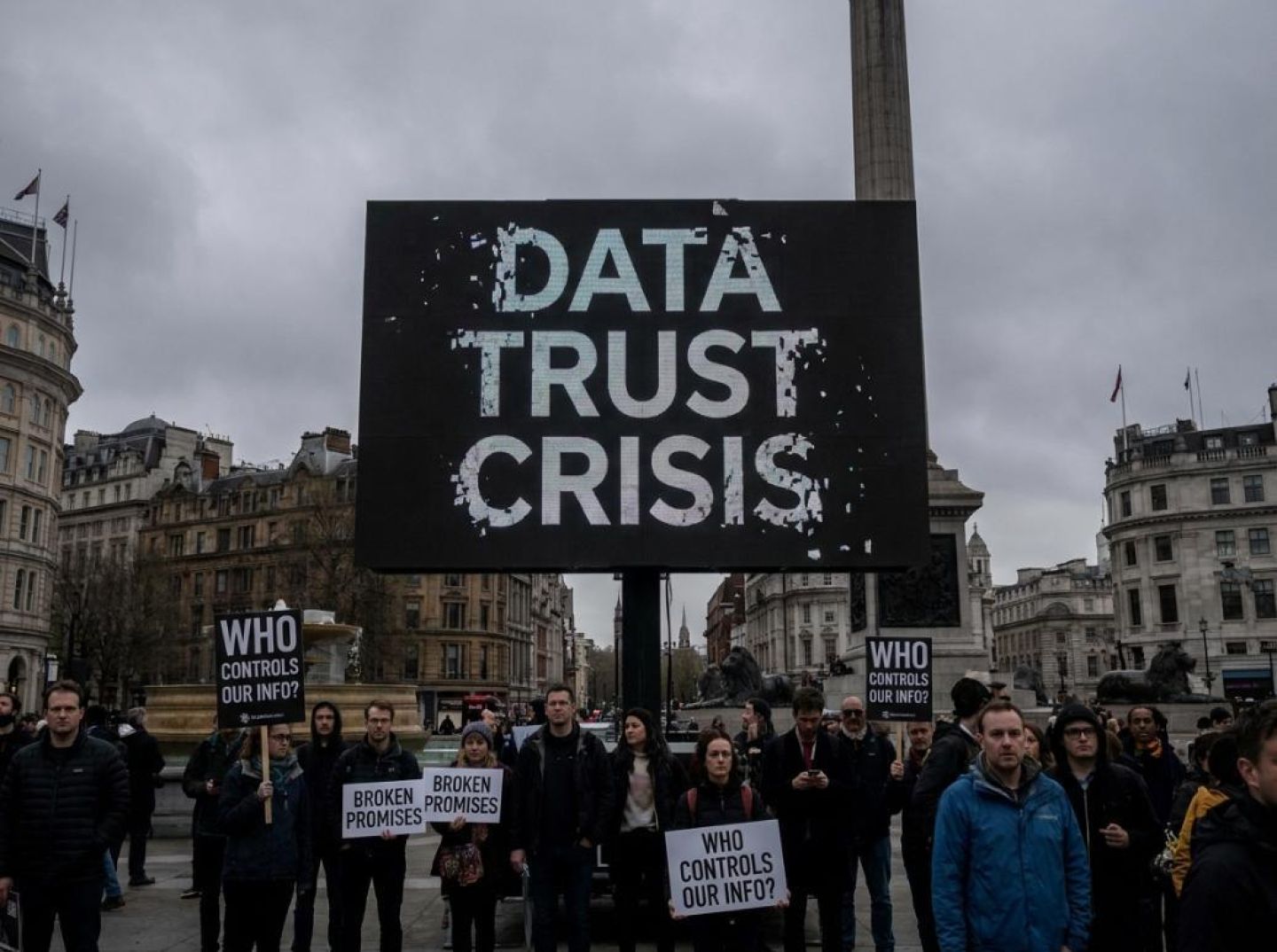
Именно этот кризис доверия к данным специалисты по performance-маркетингу не учитывают при оптимизации.
Широкая экосистема была одержима масштабом. Поставщики хвастаются “trillions of signals”, “hundreds of millions of profiles” или обширными графами домохозяйств как сокращённым показателем сложности. Но, как недавно утверждал один руководитель продукта в подробном анализе того, почему масштаб данных переоценён, объём больше не является тем преимуществом, каким мы его считаем. Большие наборы данных полны дублирующихся записей, устаревших атрибутов и отключённых идентификаторов. Когда эти неточности поступают в системы искусственного интеллекта, которые теперь ежедневно принимают тысячи или миллионы решений, проблема индустрии “мусор на входе — мусор на выходе” превращается в “мусор на входе — мусор, усиленный в разы”.
Последствия обманчиво будничны, но чрезвычайно затратны. Бюджеты на рекламу тратятся на людей, которые никогда не входили в целевую аудиторию. Высокодоходные клиенты определяются неправильно, в то время как настоящие лоялисты игнорируются. Частота показов в разных каналах либо значительно недооценивается, либо серьёзно завышается. Командам по эффективности приходится оптимизировать показатели и прокси-метрики, которые ведут не туда, потому что базовые данные об идентификации и поведении не согласованы — тенденция, которую подробно освещает анализ Marketing Dive рисков точности данных.
В то же время на стороне потребителей наблюдается параллельное снижение уровня доверия. Когда исследователи опросили сотни маркетологов об использовании ИИ, каждый респондент заявил, что уже использует его, однако последующие исследования Института Нюрнберга по ИИ в маркетинге показали, что скептицизм потребителей связан не столько с самими алгоритмами. Речь идет о том, как бренды собирают, управляют и используют персональные данные. Даже простые уведомления о том, что «этот рекламный материал создан с помощью ИИ», снижают доверие и вовлеченность, и не потому, что людям не нравится автоматизация, а потому, что они не уверены, что их информация используется ответственно.
Таким образом, специалисты по performance-маркетингу оказались зажаты с обеих сторон. С одной стороны, непрозрачные платформы и цепочка поставок рекламных технологий с давней историей несоответствия интересов создали то, что один из экспертов отрасли назвал постоянной проблемой доверия в рекламных технологиях, даже если мы перестали говорить об этом вслух. С другой стороны, всё более грамотные в вопросах данных потребители воспринимают «персонализацию на основе ИИ» скорее как потенциальное злоупотребление своими данными, а не как услугу.
Неприятная правда заключается в том, что большинство команд по-прежнему тратят больше времени на обсуждение зацепок и заголовков, чем на анализ потоков конверсий и аудиторных каналов, которые сегодня определяют судьбу этих креативов. Мы изводимся по поводу последних 5% показателя CTR, игнорируя при этом 50% сигналов, которые могут быть неправильно помечены, дублированы или вообще ошибочны.
Это не философская проблема; это проблема эффективности. Если автоматизация оптимизирует только по тем сигналам, которые вы ей предоставляете, тогда реальное конкурентное преимущество — это не слегка лучшая реклама или ещё один канал. Преимущество в том, можете ли вы доверять данным, на основе которых обучаются ваши алгоритмы, потому что в автоматизированном мире вы хороши только настолько, насколько хороши конверсии, на которых вы обучаетесь.
Платформам не нужно лгать вам, чтобы манипулировать вами. Им достаточно просто продолжать говорить правду... выборочно.
На поверхности ваши панели выглядят точно: каскад десятичных чисел, указывающий на научную определённость. Но внутри чёрного ящика две тихие силы переосмысливают реальность таким образом, который большинство маркетологов, ориентированных на результат, замечают лишь как «хм, это странно» во время еженедельного совещания: завышение ценности и алгоритмическое дрейфование.
Инфляция показателей — это мягкий вид мошенничества в рамках экономики внимания. Это не клик- или импресс-мошенничество; это систематическое преувеличение влияния того, что касается платформ, и принижение значения того, что они не могут увидеть. Когда каждый закрытый сад сам оценивает свои результаты, показатель “эффективности” становится скорее повествованием, чем фактом. Системы ставок на основе ИИ обучены максимизировать конверсии, фиксируемые их собственными пикселями, а не реальные бизнес-результаты. Как отмечал один из аналитических обзоров автоматизированной закупки рекламы, неточные данные о конверсиях не просто искажают отчеты, они активно обучают системы ставок преследовать не тех клиентов, заставляя ИИ “oптимизировать” показатели за счёт более дешёвых и менее ценных событий, которые выглядят отлично в пределах платформы, но не приводят к прибыли в реальном мире, как заметил ресурс MarTech.
Вы видите это каждый раз, когда рекламная кампания на платформе заявляет о всплеске “dobavleniya v korzinu”, а ваша выручка остаётся прежней. Или когда ROAS по бренду резко растёт, потому что алгоритм незаметно перераспределил расходы на тех людей, которые и так собирались купить. Это не ошибки; это логичный результат работы машин, максимизирующих метрику, которую вы им задали, в рамках ограничений видимости, которые вы сами приняли.
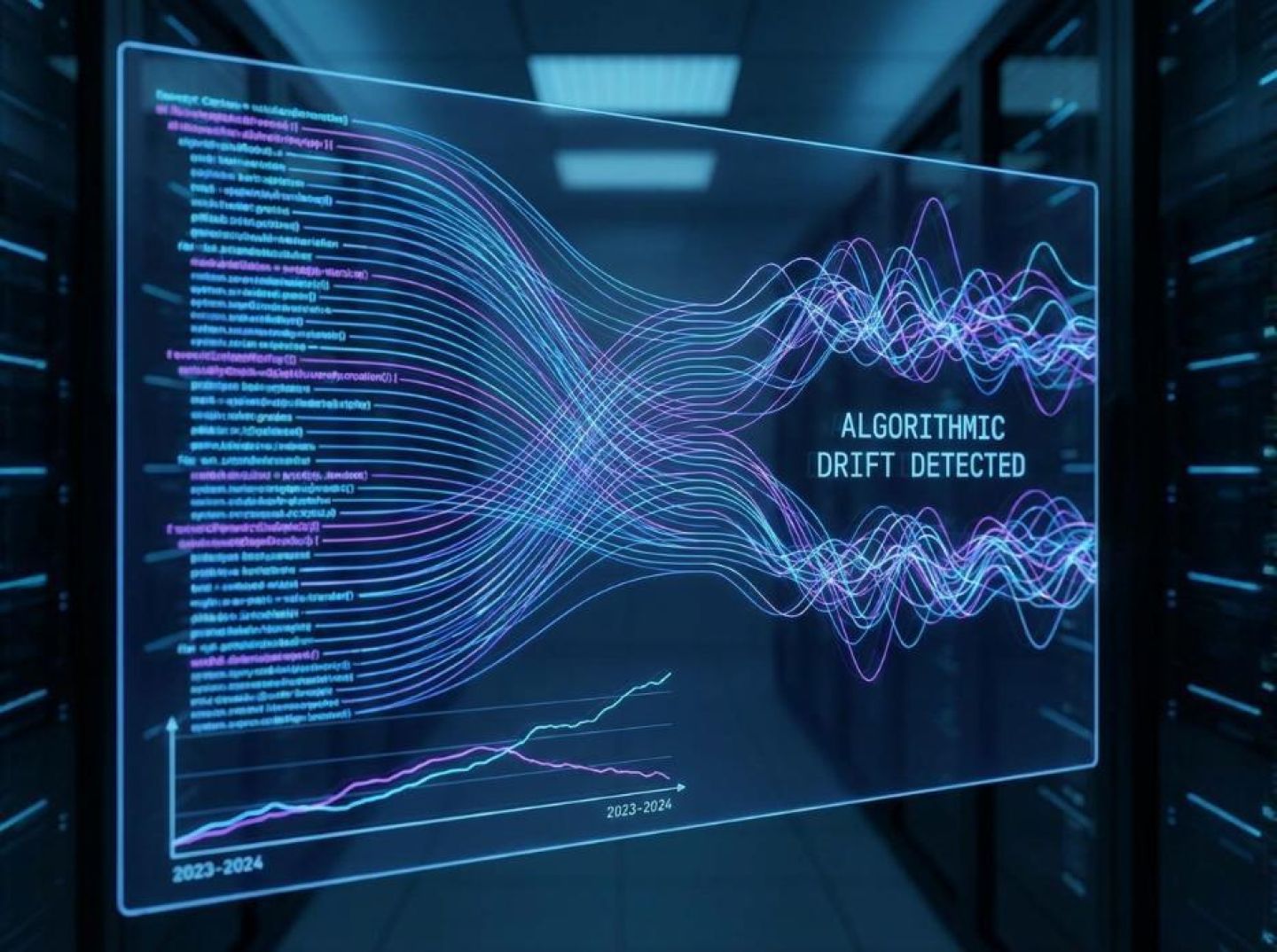
Вторая сила, смещение алгоритмов, более опасна, потому что её труднее заметить. По мере того как ИИ берёт на себя всё большую часть оптимизационного стека, алгоритмы постоянно обновляют модели на основе тех данных, которые поступают в текущий момент. Однако качество этих данных ухудшается. Изменения в политике конфиденциальности, потеря сигналов и фрагментация идентификации постепенно подрывают базовый набор данных, в то время как системы, зависящие от него, ежедневно принимают миллионы микрорешений. Как отмечал один старший руководитель продуктом, одержимость отрасли объёмами замаскировала более насущный вопрос—насколько точны эти данные на самом деле?—именно в тот момент, когда алгоритмическое принятие решений стало центральным элементом маркетинговой деятельности, как сообщила Marketing Dive.
Результатом становится замкнутый круг ложной уверенности. Ваши ставки, бюджеты и ротация креативов настраиваются моделями, которые всё больше полагаются на выводимые и неполные сигналы. В то же время ваши данные о клиентах фрагментируются между всё большим числом инструментов и каналов, пронизаны устаревшей информацией и противоречивыми идентификаторами. Лидеры отрасли уже предупреждают, что маркетинговые команды сильно переоценивают надёжность собственных клиентских данных, в то время как функции ИИ добавляют ещё один уровень сгенерированных и выводимых данных, расширяя разрыв между воспринимаемым и реальным качеством данных, как подчеркнул недавний анонс сессии MarTech.
Именно здесь платформенное газлайтинг проявляется особенно остро: когда цифры последовательны внутри системы, но ложны с внешней точки зрения. Ваш представитель в Meta может продемонстрировать вам стабильный рост конверсий из года в год. Панели управления Google могут доказать, что интеллектуальные ставки достигают целевого CPA. Ваш программатик-партнёр может показать охват и частоту показов по массивной “таргетируемой” аудитории. Но если базовая графа идентификации устарела, метки конверсий срабатывают некорректно, а оффлайн-доход не интегрирован, вы фактически оптимизируете результаты, глядя в кривое зеркало.
На уровне экосистемы стимулы лишь усугубляют ситуацию, а не улучшают её. На рынке традиционно ценится масштаб данных выше точности, причём поставщики хвастаются триллионами сигналов и гигантскими графами, даже если эти наборы данных переполнены дубликатами, устаревшими атрибутами и неподтверждёнными идентификаторами — как отмечал Marketing Dive. Платформы и посредники выигрывают, привлекая больше расходов, а не доказывая, что каждое решение по оптимизации действительно увеличивает вашу предельную прибыль.
Для маркетологов, ориентированных на эффективность, вывод неприятен: нельзя больше считать показатели эффективности, сообщаемые платформой, нейтральной территорией. Те же факторы, которые сделали автоматизацию мощной — скорость, масштаб, самообучение — теперь усиливают каждое скрытое искажение в ваших данных. Завышение ценности льстит каналу. Алгоритмический дрейф незаметно переопределяет ваших «лучших» клиентов и «успешные» кампании. Если вы не создадите собственные внешние точки сравнения, вы спорите с очень сложной машиной, которая уже оптимизирована так, чтобы выигрывать этот спор.
Данные первой стороны стали стандартным ответом на каждую проблему эффективности. ROAS падает? “Укрепите свою стратегию по использованию данных первой стороны.” Проблемы с атрибуцией? “Инвестируйте в CDP.” Потеря сигнала из-за iOS и правил конфиденциальности? “Контролируйте отношения и владейте данными.”
Советы необходимы маркетологам, ориентированным на результат, — но при этом по-прежнему совершенно недостаточны.
Суть проблемы не в том, что у брендов нет данных; проблема в том, что они не могут надежно превратить эти данные в эффективные решения с необходимой скоростью и детализацией, которые требуются платные медиа. Как указал один анализ современных технологических стеков, реальное узкое место — это “невозможность превратить уже имеющиеся данные в операционные решения”, а не нехватка входящих данных или ещё одного поставщика услуг, и большинство “сбоев” ИИ в маркетинге на самом деле являются сбоями данных, а не сбоями моделей.
В теории, данные первой стороны должны решить эту проблему. На практике они сталкиваются с четырьмя структурными реалиями performance-маркетинга.
Во-первых, охват ваших данных первой стороны сильно различается в зависимости от категории и бизнес-модели. Бренд в сфере путешествий или электронной коммерции с огромным количеством сессий входа в систему, корзин и покупок идеально подходит для инструментов оптимизации “bring your own data”, таких как продукт кастомных алгоритмов, разработанный Adobe, который работает исключительно на сигналах бренда или, когда они доступны, на проверенных партнёрских источниках, например розничных медиа-сетях, как описано в недавней статье о подходе Adobe. Однако, если вы работаете в категории CPG и продаете исключительно через ритейлеров, ваши “собственные” поведенческие данные очень ограничены. Даже руководство Adobe признаёт, что у CPG “нет такого большого преимущества”, поэтому они вынуждены использовать прокси-цели, такие как “Высокозначимые действия”, вместо реальных продаж.
Вот тихая правда: целые группы рекламодателей просто не могут создать надежную систему эффективности только на основе аналитики своего сайта и CRM, независимо от того, сколько белых книг утверждают обратное. Их лучшие сигналы находятся внутри ритейлеров, торговых площадок и закрытых экосистем, над которыми они не имеют контроля.
Во-вторых, наличие большего количества данных первой стороны не означает автоматически лучшие решения. Если данные неполные, устаревшие или плохо интегрированы, они превращаются в обузу. Автоматизация усиливает эту проблему. Как предупреждал один анализ качества данных в эпоху ИИ, неточные входные данные не просто вводят в заблуждение; они вводят в заблуждение “в масштабе”, заставляя команды “оптимизировать работу для неправильной аудитории, сигналов и результатов”, в то время как бюджеты тихо сгорают, а доверие к отчетности разрушается, поскольку данные неверны с высокой скоростью и в масштабе.
Эта динамика крайне сурова для маркетологов, ориентированных на результат, чья работа требует принятия решений по оптимизации ежедневно или даже ежечасно. Одна несовершенная модель склонности или неправильно настроенное событие могут свести всю стратегию ставок к провалу задолго до того, как кто-либо заметит аномалию в ежемесячном контроле данных.
В-третьих, решения, предоставляемые первоисточниками, не решают проблему доверия — они просто перемещают ее. Потребителей в первую очередь волнует не сам ИИ; их беспокоит, как бренды собирают и используют их личную информацию. Исследование, представленное в недавнем анализе недоверия к ИИ, показало, что уверенность снижается, когда люди замечают использование ИИ в маркетинге, особенно если им непонятно, как именно их данные используются системой, и что обозначение контента как созданного с помощью ИИ может фактически снизить вовлеченность, если бренды не открыто информируют о практике работы с данными.
Таким образом, даже если ваша система данных, полученных от первоисточников, безупречна, в тот момент, когда вы начинаете подавать эти данные в «черные ящики» оптимизации — будь то Performance Max от Google, Advantage+ Shopping от Meta или даже ваш внутренний ИИ-план, — вы сталкиваетесь с проблемой восприятия. Вы не можете одновременно говорить финансистам «доверьтесь модели», а потребителям — «доверьтесь нам с вашими данными», не обеспечив при этом видимые меры защиты и разумные принципы использования данных.
Наконец, данные первой стороны не дают вам внешних ориентиров. Они сообщают вам, что ваши клиенты делали у вас; но не говорят, что они могли бы делать в других местах, чем занимаются конкуренты или как алгоритмы платформ перераспределяют спрос и предложение. Именно этот внешний контекст маркетологи по эффективности теряют, когда платформы закрывают доступ к своим сигналам, тихо завышают ценность конверсий, которые они могут видеть, и перенаправляют аукционную динамику внутрь непрозрачных продуктов “удобной кнопки”, работающих на данных, к которым вы никогда не получите доступ.
Вы можете усилить свою систему отслеживания, очистить свою CRM и передавать события в CDP — и вам следует это делать. Но если вы настраиваете только те данные, которыми владеете, вы по-прежнему управляете полетом по приборам в кабине, которую разработали платформы. Чтобы выйти из кризиса доверия к данным, нужно нечто более радикальное: сопоставлять ваши показания с тем, что на самом деле происходит за пределами вашей системы, и при необходимости “шпионить” за более широкой экосистемой, чтобы сохранять достоверность собственных показателей.
Шпионаж в контексте маркетинга — это не работа под покрывалом. Это калибровка.
Когда цифры в ваших аккаунтах перестают соответствовать поведению, которое вы наблюдаете в реальности, конкурентная разведка становится «слоем правды», с которым можно сверить собственные данные. Не для того, чтобы заменить их, а чтобы протестировать под давлением.
Внутри платформ ваша судьба связана с замкнутым циклом обратной связи: срабатывания пикселей, моделируемые конверсии и оптимизация «чёрного ящика». Когда эти входные данные неверны, алгоритм в массовом порядке усваивает плохие привычки. Как отметил один анализ автоматизированной закупки рекламы, неточные данные о конверсиях заставляют системы ставок «оптимизировать под неправильных клиентов», превращая то, что раньше было просто проблемой отчетности, в реальную проблему бюджета, при которой каждый ложный сигнал всё дальше сбивает алгоритм с курса («плохие данные учат ИИ тратить ваш рекламный бюджет впустую»). Вы ощущаете это в виде растущих стоимости привлечения, скачущего ROAS или каналов, которые внезапно «перестают работать» без каких-либо очевидных изменений с вашей стороны.
Конкурентный анализ разрушает эту изоляцию. Когда вы систематически “шпионите” за расходами конкурентов, сменой креативов, предложениями, landing-страницами и их очевидной аудиторной ориентацией, вы создаете внешнюю контрольную группу. Если ваши данные утверждают, что “рынок отошел от предложения A”, но трое лидеров вашей категории активно используют версии того же самого предложения с новыми креативами и увеличенной долей показов, значит, где-то внутри вашей системы анализов искажается сигнал.
Именно здесь различие между масштабом и точностью перестает быть академическим и становится операционным. В течение десятилетия экосистема идеализировала объемы наборов данных — триллионы сигналов, миллиарды идентификаторов, — однако, как недавно утверждал один из старших руководителей продуктов, реальный риск в условиях медиа-среды, управляемой ИИ, заключается не в малых объемах данных, а в неверных данных, поскольку ошибки теперь распространяются “с высокой скоростью и в огромных масштабах” одновременно в таргетировании, оптимизации и измерении результатов (“почему точность данных важнее масштаба данных на фоне роста ИИ”). Конкурентный анализ — это один из немногих инструментов, который полностью находится за пределами этого зараженного цикла.
При правильном выполнении это даёт вам три ключевые функции:
2. Выявление завышения стоимости и несогласованных стимулов.
Закрытые экосистемы структурно заинтересованы в демонстрации успеха. Когда методы моделирования конверсий становятся агрессивными, окна для учёта просмотренных объявлений увеличиваются, а взаимодействия в верхней части воронки незаметно переходят в разряд “высокой ценности”, ваши цифры растут, даже если реальные бизнес-результаты застопорились. Внешнее наблюдение даёт вам точку отсчёта: если ваша указанная рентабельность рекламных инвестиций (ROAS) резко растёт, в то время как конкуренты заметно снижают цены, продлевают пробные периоды или добавляют бесплатные бонусы, скорее всего, ваши данные искусственно завышаются, а не отражают реальную ситуацию. Их публичное поведение выдаёт давление, которому они подвергаются; если ваши дашборды этого не отражают, это не потому что вы чудесным образом застрахованы — это потому, что ваша система измерений работает некорректно.
3. Мост между островами первичных данных и реальными рынками.
Инструменты, основанные на собственных первичных данных — от продуктов с кастомными алгоритмами до CDP и чистых комнат — мощны, но они же и самореферентны. Как заметил один исполнительный директор в сфере рекламных технологий, сравнивая инструменты открытого веба с “удобными кнопками продуктивности”, такими как PMax от Google и Advantage+ Shopping от Meta, существует компромисс между прозрачностью и удобством: закрытые экосистемы оптимизируют на основе своих данных, а не обязательно на основании вашего понимания ценности, и вы не можете увидеть, как работают эти модели (“Adobe Advertising только что запустила собственный продукт с кастомными алгоритмами”). Конкурентная разведка возвращает вас на реальный рынок, где покупатели сравнивают, кликают, уходят и конвертируются, переходя между брендами. Это показывает, какие сюжеты привлекают внимание, какие форматы перенасыщены и где на самом деле возникают трудности в пользовательском пути — независимо от того, что, по мнению ваших собственных данных, происходит.
Результатом является не идеальная истина, а триангулированная истина. Ваши данные первой стороны показывают, что люди делали внутри вашего бизнеса. Отчеты платформ показывают, во что их алгоритмы хотят, чтобы вы поверили. Конкурентная разведка демонстрирует, как остальной рынок ведет себя в тех же макроусловиях.
Там, где эти три источника совпадают, вы можете действовать с уверенностью. Там, где они расходятся, вы обнаруживаете трещины, в которых неверные данные искажают реальность, — и именно там вы можете начать «шпионить», чтобы принимать решения, основанные на том, что покупатели действительно делают, а не просто на том, что говорят ваши дашборды.
Если шпионаж — это уровень правды, то реальная ценность появляется, когда вы напрямую связываете эту правду со способом планирования, запуска и оптимизации кампаний. Конкурентная разведка — это не просто отчет, который вы читаете; это обновление операционной системы для всего вашего цикла обратной связи.
Представьте это как создание параллельной цепи оптимизации. Внутри платформ ваш цикл выглядит так: показ → клик → пиксель/модель → ставка. Вне платформ ваш цикл шпионажа выглядит так: действие конкурента → публичный сигнал → выведенный результат → стратегическая реакция. Волшебство происходит, когда вы позволяете этим циклам взаимно проверять друг друга, вместо того чтобы оставлять «черный ящик» рекламной платформы изолированным.
Начните с единого общего «источника скептицизма». Вы уже знаете, что большее количество данных не означает лучшие данные; фрагментированные стеки, выведенные ИИ-сигналы и устаревающие идентификаторы означают, что большая часть того, что выдаёт себя за «точность», на самом деле является шумом, как ясно показывает анализ MarTech кризиса доверия к данным. Поэтому вы рассматриваете результативность внутри платформы как гипотезу, а не как факт, и используете разведданные для её проверки или опровержения.
Практический способ сделать это — превратить каждое значительное инициативное действие конкурента, которое вы замечаете в своих шпионских инструментах, в конкретный тест:
Каждое из этих действий превращается в краткое описание эксперимента: “Если они делают ставку на X, что это означает относительно спроса, маржи или динамики конверсии в данный момент?” Вы не копируете тактику, а разрабатываете контролируемый вариант, соответствующий вашему бренду, и запускаете его параллельно с вашим текущим лидером, используя одинаковые бюджеты и четкие метрики успеха.
Цель не в том, чтобы шпионские данные диктовали тактику, а в том, чтобы ваш собственный цикл оптимизации был основан на внешней реальности. Автоматизация охотно будет чрезмерно акцентироваться на любых конверсиях, которые вы ей предоставляете, даже если они ошибочны. Как отметили в одном предупреждении об управлении ставками с помощью ИИ, плохие данные о конверсиях больше не просто нарушают отчетность — они активно обучают алгоритмы преследовать не тех пользователей, тратя ваш бюджет в реальном времени, как указывается в освещении MarTech автоматической рекламы. Шпионские данные дают вам независимый взгляд, чтобы на ранней стадии выявить подобные негативные петли обратной связи.
Так формируется цикл оптимизации на основе высокого уровня доверия:
Обратите внимание на то, что вы здесь действительно делаете: вы укрепляете доверие, а не добавляете больше данных. В мире, где масштаб стал чем-то вроде культа, но при этом крупные наборы данных переполнены дубликатами, устаревшими записями и разрозненными сигналами, конкурентное преимущество теперь определяется точностью и достоверностью, а не объемом, как утверждается в одной из статей Marketing Dive о точности данных. Данные шпионажа — один из немногих источников, которые вы все еще можете напрямую наблюдать в реальных условиях, без посредничества ваших поставщиков.
Со временем этот процесс также превращается в механизм управления. Когда агентства или платформы предлагают действия, не соответствующие тому, что вы видите в конкурентной среде, вы уже не сталкиваетесь с противостоянием «чувства против чувств» — у вас есть структурированная внешняя проверка реальности. Это важно в условиях, когда рекламодатели уже неоднократно высказывают обеспокоенность по поводу недостаточной прозрачности и несоответствия стимулов в решениях своих партнеров в области медиа, как подчеркивается в недавних репортажах AdExchanger о проблемах доверия к агентствам.
Конечное состояние — это не всезнание; это устойчивость. Вы принимаете, что некоторые части ваших данных всегда будут неверными, запаздывающими или приблизительными. Но постоянно "наблюдая", как деньги и внимание перемещаются по вашей категории, а затем включая эту информацию в обоснованное тестирование, вы создаете цикл, при котором даже несовершенные данные дают надежное направление. Вы больше не оптимизируете работу внутри запечатанного черного ящика — вы постепенно приближаетесь к истине.
Получайте лучшие конверсионные лендинги каждую неделю на свою почту.
Обязательно к прочтению
Узнайте, как усталость от рекламы, созданной ИИ, делает нативные, пуш-кампании и кампании TikTok все более похожими, ослабляя вовлеченность и сокращая конкурентные преимущества. Научитесь использовать инструменты анализа конкурентной рекламы для выявления повторяющихся творческих шаблонов, разработки более оригинальной рекламы и выделения среди аукционов рекламы с использованием ИИ.
Liam O’Connor
7 минокт. 14, 2026
Инструкция
Узнайте, как связать рекламу вне дома (OOH) с цифровыми рекламными кампаниями для создания измеримых многоканальных воронок. Откройте для себя, как планировать маршруты светодиодных грузовиков, синхронизировать рекламу в поиске и социальных сетях, оптимизировать мобильные посадочные страницы и отслеживать конверсии, чтобы оффлайн-реклама приносила измеримые бизнес-результаты.
Samantha Reed
7 минокт. 13, 2026
Гайд
Узнайте, как реклама на открытом воздухе (OOH) может обеспечить измеримые конверсии, сочетая физические размещения с цифровыми рекламными кампаниями. Освойте использование геолокационной аналитики, данных о конкурентах, мобильной OOH-рекламы, ретаргетинга в TikTok, локализованных промостраниц и аналитики атрибуции для построения многоканальных воронок с высокой рентабельностью инвестиций.
Rachel Thompson
7 минокт. 12, 2026