

12 миниюня 19, 2026

Наши инструменты отслеживают миллионы рекламных кампаний в форматах native, push, pop и TikTok.
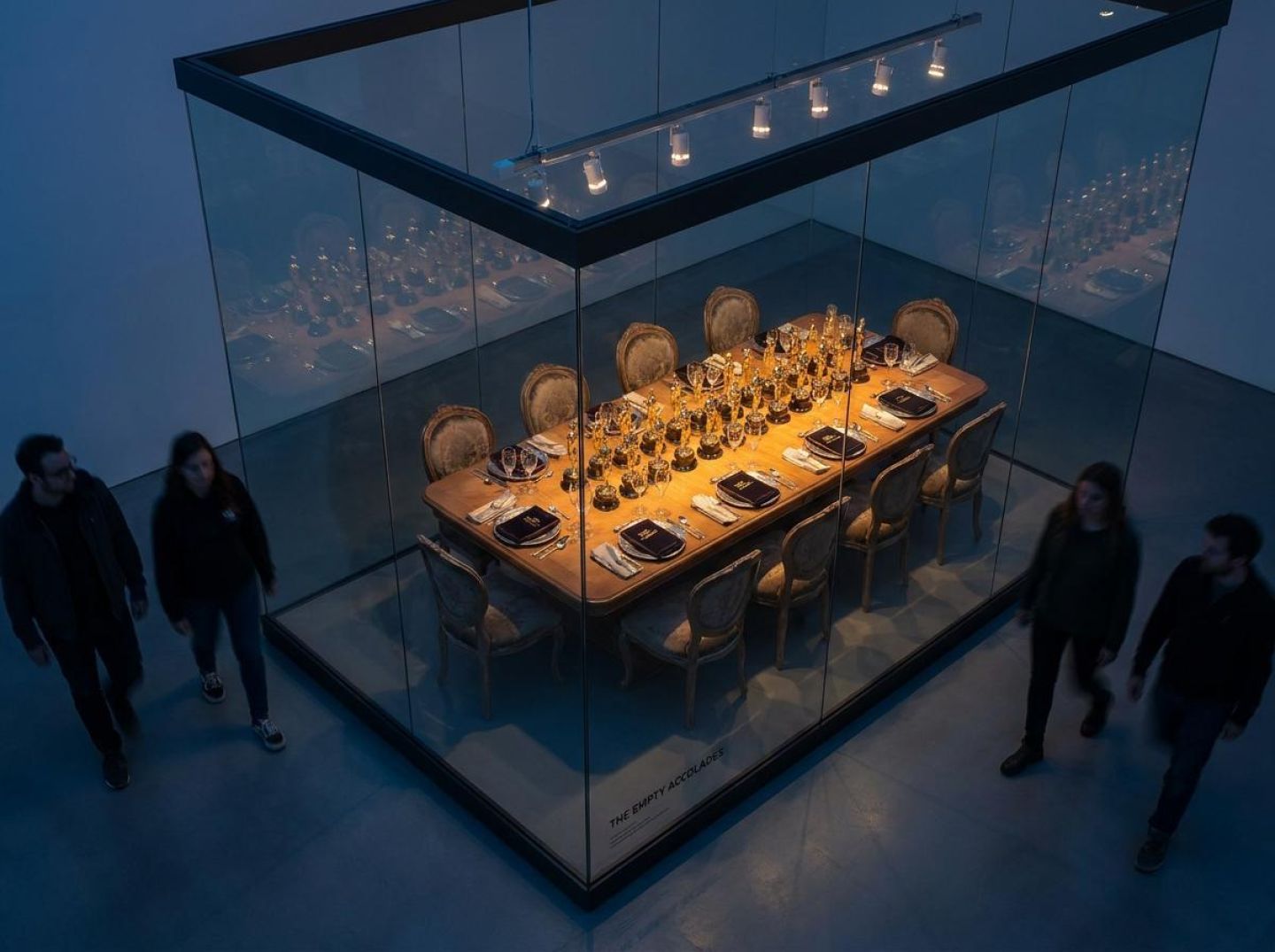
НачатьКаждый май рекламная индустрия собирается, чтобы похлопать себе в ладоши. Ритуал хорошо знаком: жюри совещается за закрытыми дверями, шорт-листы просачиваются в Twitter, и несколько кампаний поднимаются до статуса культурных артефактов — не потому, что они понравились потребителям, а потому, что они понравились другим креативщикам. Премия D&AD 2026 года представила особенно яркое исследование случая того, что ценит индустрия, когда разговаривает сама с собой.
Рассмотрим победителей премии Yellow Pencil, появившихся в этом году. Ролик Mother London для Anthropic, показанный на Суперкубке, который ещё до окончания праздника окрестили «противоречивым», стал примером брендового кинематографа, призванного вызвать разговоры об искусственном интеллекте. В рекламной кампании adam&eveDDB «Expedition Impossible» для Columbia спортивная линейка превратилась в кинематографическое зрелище. В работе Uncommon Creative Studio под названием «Periodic Fable» для The Ordinary был представлен уход за кожей через призму научно-фантастического повествования. Каждая кампания демонстрировала техническое мастерство, амбициозность сюжета и почти вызывающее безразличие к тому, нажмёт ли кто-нибудь кнопку «Купить сейчас» после просмотра.
Масштаб конкурса подчёркивает его притягательность. Заявки поступили из 89 стран — это рекордное число в истории D&AD, и только в номинации «Культура» количество заявок выросло на 49% по сравнению с предыдущим годом. Были представлены три абсолютно новые категории: Спортивные развлечения, Культурное влияние и Трансформация бренда. Сама структура категорий раскрывает приоритеты. Они сгруппированы не по таким показателям, как возврат на рекламные вложения, стоимость привлечения клиента или коэффициент кликабельности. Они сосредоточены вокруг культурного престижа.
Прислушайтесь к языку, и архитектура системы ценностей станет предельно ясной. Президент D&AD Лиза Смит высоко оценила «решительную творческую смелость и превосходство, продемонстрированные на выставке», отметив, что победившие команды «смело осваивали по-настоящему новые территории — от повествования и традиционного мастерства до новых технологий и новых форм самовыражения». Работы победили, сказала она, потому что «они продвинули вперед стандарт творческого превосходства». Не стандарт коммерческой эффективности. Не стандарт измеримой реакции потребителей. Стандарт творческого превосходства — метрику, которую оценивают исключительно другие профессионалы этого ремесла.
Это не случайность и не коррупция. Это система, функционирующая точно так, как задумано. Цель наградных шоу — формировать творческую иерархию, привлекать таланты в агентства и оправдывать высокие гонорары. Основная аудитория работы, получившей Yellow Pencil — это жюри, которое ее наградило, креативный директор, который будет использовать ее при подборе команды, и отраслевая пресса, которая включит ее в списки прогнозов Канн. Потребитель, просматривающий ленту контента в обычный вторник днем в 14:00, — тот самый человек, которого нативная реклама действительно должна достигать, — просто не входит в уравнение.
Это различие имеет огромное значение, если учесть параллельную вселенную, где реклама действительно покупается и продается в масштабах. Сегодня нативная реклама составляет преобладающую долю всех расходов на баннерную рекламу, и ее эффективность основана на принципах, которые почти философски противоположны критериям рекламных премий. Тогда как D&AD поощряет нарушение шаблонов, нативная реклама поощряет отсутствие таких нарушений — объявления, которые бесшовно встраиваются в редакционные среды, где они появляются. Тогда как судьи премии Pencil отмечают смелость и новизну, в нативной рекламе эффективность определяется данными о релевантности и привычности. Как документально подтверждено Basis, наиболее эффективный спонсируемый контент работает именно потому, что он «естественным образом вписывается в форму и функцию редакционной среды, в которой он находится».
Таким образом, у нас есть две рекламные экосистемы, действующие в соответствии с совершенно разными законами физики. Одна поощряет работу, вызывающую восхищённое изумление коллег. Другая — работу, заставляющую незнакомцев нажимать. Понимание того, что это разные игры — на разных площадках и с разными судьями, — это первый шаг к пониманию того, почему копирование творческих решений, удостоенных наград, в нативную рекламную единицу является одной из самых дорогостоящих ошибок, которые может совершить маркетолог.
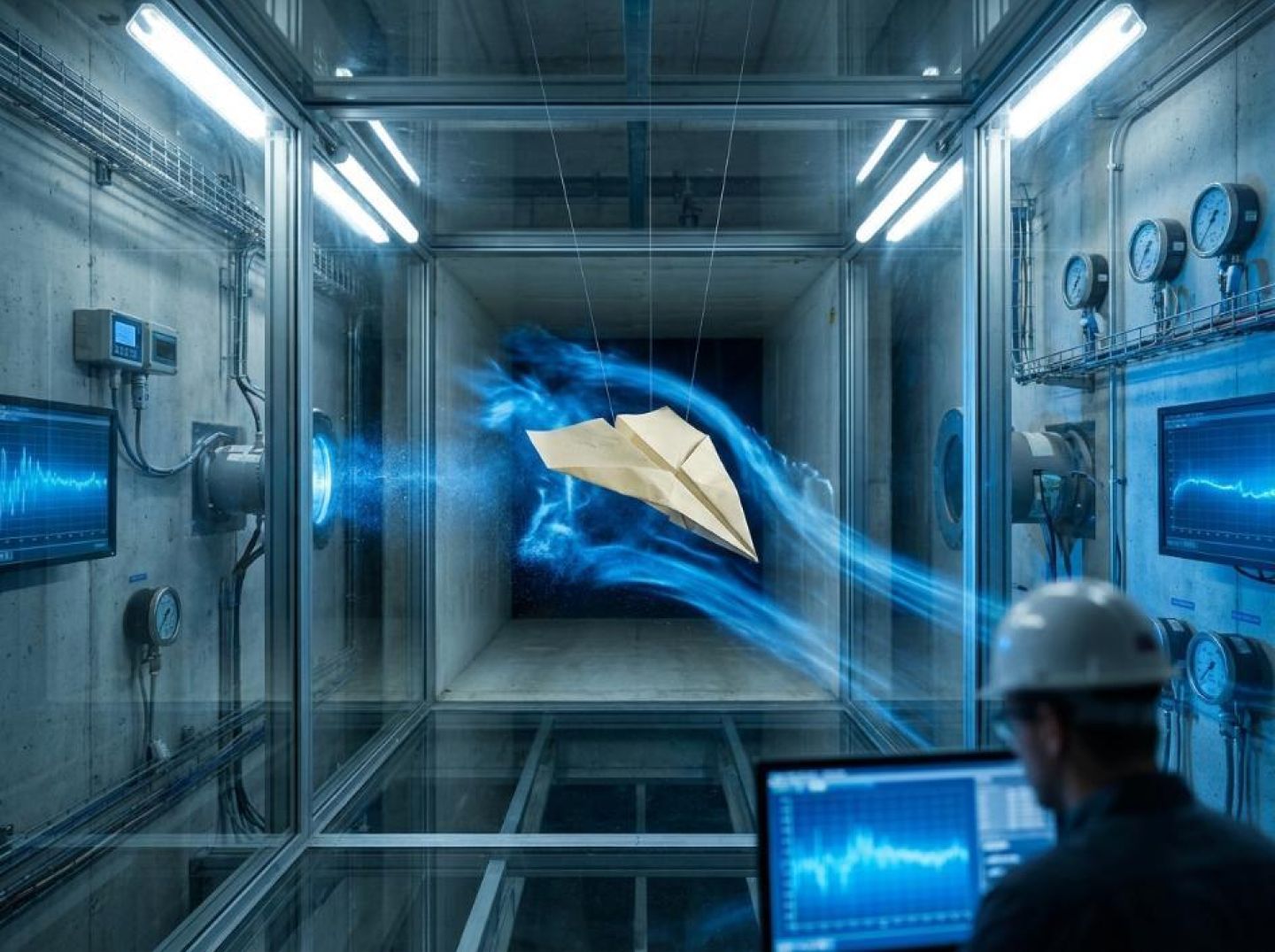
Нативная реклама — это не креативный формат. Это операционная среда, подчиняющаяся собственной физике, своим законам движения и имеющая собственное определение успеха. Чтобы понять, почему работы, удостоенные наград, терпят неудачу здесь, вы должны сначала понять, что именно представляет собой это «здесь».
На самом базовом уровне нативная реклама описывает платный контент, который имитирует внешний вид, ощущение и функциональность редакционной среды, в которой она размещается. Спонсируемая статья на новостном сайте, написанная в стиле журналистики. Рекламная публикация в ленте социальной сети, похожая на запись, которой поделился друг. Рекомендуемая история под основной статьей, напоминающая другую редакционную рекомендацию. Реклама работает именно потому, что она не раскрывает себя как таковая. Это не узкая тактика: на долю нативной рекламы сейчас приходится почти 60% всех расходов на баннерную рекламу в США, доминирование, построенное на одном непоколебимом принципе — отсутствии нарушения пользовательского опыта.
Главная цель — камуфляж. Реклама должна настолько безупречно сочетаться с окружающим контентом, чтобы пользователи начали взаимодействовать с ней, даже не осознавая, что имеют дело с платным контентом. Палец продолжает пролистывать ленту с прежней скоростью. Взгляд переходит к заголовку с тем же ожиданием, как и к любому другому заголовку на странице. Переход по ссылке происходит не потому, что пользователя поразило кинематографическое качество, а потому что он проявил любопытство — так же, как проявил бы его к любому другому фрагменту контента в ленте.
Теперь подумайте о том, за что награждают D&AD. Как отметила Лиза Смит на церемонии в этом году, победившие работы выделялись своей "смелостью и превосходством в креативе", "продвижением в действительно новую территорию" в рассказах, мастерстве и новых технологиях. Кампании, получившие карандаш, разработаны для того, чтобы нарушать шаблон — останавливать вас в процессе пролистывания благодаря концептуальной дерзости, эмоциональной глубине и качеству исполнения, которое кричит: "это не обычный контент". Именно в этом и заключается весь смысл. Работа требует, чтобы вы заметили, что это реклама, восхитились её конструкцией, почувствовали что-то настолько глубоко, что бренд навсегда останется в вашей памяти.
Здесь и заключается основной парадокс: качества, которые приносят победу в виде карандашей — уникальность, художественное стремление, широкий бренд-сторителлинг — это как раз те качества, которые вызывают поведение пролистывания мимо в условиях нативной среды. Они нарушают камуфляж. Красиво оформленный, глубоко эмоциональный брендовый фильм, вставленный в виджет Taboola под новостной статьёй, воспринимается не как "смелое творчество". Он воспринимается как реклама — то самое, чем натив по замыслу никогда не должен выглядеть.
Это не абстрактные эстетические рассуждения. Разрыв в эффективности можно измерить. Нативная реклама обеспечивает на 18% больший рост намерения покупки, чем традиционная баннерная реклама, и этот эффект возникает именно благодаря тому, что она воспринимается как контент, а не как реклама. В тот момент, когда нативное размещение обнаруживает своё коммерческое происхождение через отточенную операторскую работу, узнаваемый голос бренда или тот самый тон, что вызывает восхищение коллег на рекламных фестивалях, у пользователя активируется мысленный фильтр рекламы. Включается слепота к баннерам. Прокрутка ускоряется.
Структурное противоречие ещё глубже. Как документально подтверждено в AdExchanger, современные цифровые системы уже и так страдают от предвзятости в пользу каналов, наиболее близких к наблюдаемым действиям конверсии, тогда как вся ценность нативной рекламы заключается в работе до этого осознанного момента — она создаёт спрос, а не перехватывает его. Логика рекламных фестивалей полностью противоположна этому механизму. Она направлена на момент узнавания — взгляните на эту рекламу — в то время как сила нативной рекламы проявляется в момент до узнавания, в ту долю секунды, когда платный и органический контент неразличимы. Один подход поощряет проблеск восхищения, другой — отсутствие подозрительности. Это не просто разные приоритеты. Это противоположные силы.
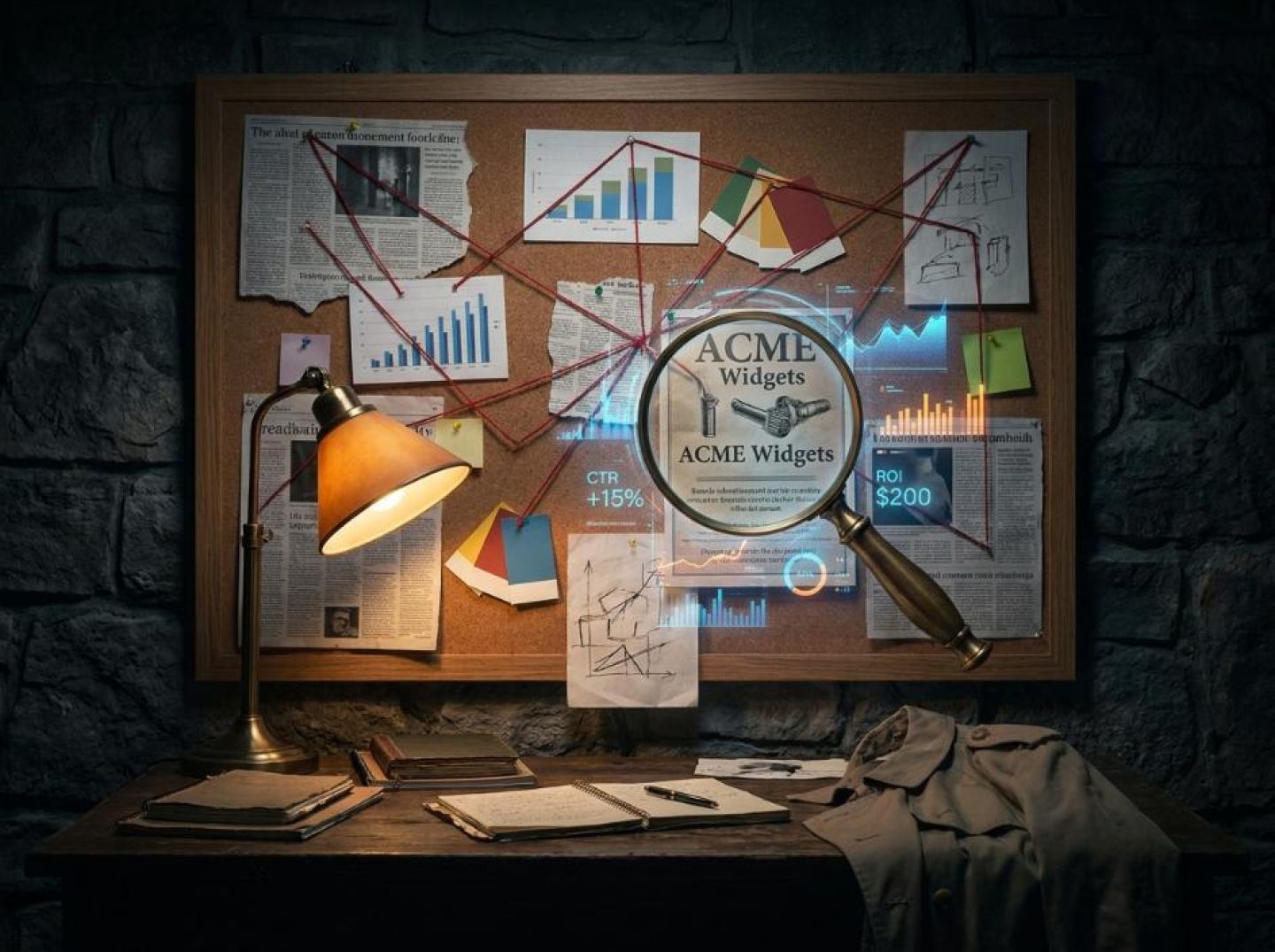
За каждым нативным объявлением, которое действительно конвертируется в масштабах, стоит рабочий процесс, который ужаснул бы любого креативного директора, готовящего работу на конкурс D&AD. Он не начинается с брифа, стендборда или мозгового штурма по поводу культурных противоречий. Он начинается с инструмента шпионажа — платформы конкурентной разведки, которая позволяет маркетологам, ориентированным на результат, видеть точно, какие рекламные кампании запускают их конкуренты, на каких площадках и как долго. Этот процесс носит следственный, а не вдохновенный характер. И выявляемые им паттерны формируют антиэстетику, противоположную всем принципам, которые свято чтут премиальные платформы.
Вот как это работает на практике. Медиабаер, запускающий нативную кампанию, не начинает с вопроса: «В чем заключается главная идея?». Они начинают с анализа ситуации — изучают текущие креативы конкурентов, систематизируют структуры заголовков, отмечают изображения, которые регулярно встречаются в успешных кампаниях, а также фиксируют объявления, проработавшие достаточно долго, чтобы предположить их прибыльность. И результаты постоянно показывают набор принципов, настолько предсказуемых, что они превратились в непреложные догмы.
Первый принцип: заголовки, вызывающие любопытство. Не креативные слоганы, не поэтичная двусмысленность — функциональная нехватка информации. «Врачи возмущены этим новым...» или «Она полила свой сад уксусом, а затем произошло вот что...». Эти заголовки работают не потому, что написаны хорошо, а потому что эксплуатируют неврологический зуд. Читателю обязательно нужно кликнуть, чтобы восполнить пробел. Ни одно жюри никогда не похвалило бы подобное. Ни один креативщик не добавил бы это в портфолио. Но данные беспощадны в своем вердикте: заголовки, вызывающие любопытство, превосходят отточенные брендовые сообщения с огромным отрывом в ленточных средах.
Во-вторых: сырые, неполированные изображения. Фотографии, которые выигрывают в нативной рекламе, похожи на сделанные на телефон при плохом освещении. Они выглядят как журналистские — как будто случайный снимок, сопровождающий настоящую статью, а не подготовленный материал. Это противоположно кинематографическому мастерству, за которое вручают Pencil'ы. Но, как задокументировано в Basis, нативная реклама успешна именно потому, что она смешивается с окружающим контентом, предлагая пользовательский опыт, который кажется менее навязчивым по сравнению с традиционной баннерной рекламой. Красиво оформленное изображение громко кричит: «реклама». Слегка зернистое, сдвинутое в сторону фото шепчет: «статья». И побеждает именно шепот.
В-третьих, и, возможно, самое важное: скорость. Процесс создания рекламы, удостоенной Pencil'а от D&AD, может растягиваться на месяцы — разработка концепции, утверждение клиентом, съемки, пост-продакшн. Нативная реклама функционирует в совершенно ином темпе. Рекомендации Voluum четко это отражают: маркетологам следует добавлять новые варианты изображений и заголовков каждые пару дней, а отдельный креатив не должен работать дольше трех месяцев. Причина проста — аудитория в нативной среде чрезвычайно быстро привыкает к баннерам, и даже высокопроизводительный креатив устает уже через несколько недель. Решение заключается не в том, чтобы создавать что-то более долговечное. А в том, чтобы чаще создавать что-то одноразовое.
Этот темп требует соблюдения рабочего процесса, построенного на постоянном сплит-тестировании. Маркетологи, ориентированные на результат, проверяют данные ежедневно, зачастую одновременно запуская десятки комбинаций заголовков и изображений, используя белые и черные списки, чтобы определить размещения у издателей и сегменты аудитории, которые приносят реальные конверсии против бесполезных кликов. Одна кампания может использовать сотню вариантов креативов за квартал. Те, кто остаются, выбираются не по вкусу, а по стоимости привлечения клиента.
То, что появляется в результате этого процесса, представляет собой контр-канон креативной работы: уродливый по замыслу, одноразовый по необходимости, эффективный по результатам измерений. Эти креативы успешны не потому, что они "выходят на по-настоящему новую территорию" — таков язык D&AD, описывающий его высочайший стандарт, — а потому, что они неустанно эксплуатируют поведенческие паттерны, многократно проверенные и подтверждённые миллионами раз. Чем меньше реклама выглядит как реклама, тем лучше она работает. Это эмпирическая истина, которую никогда не подтвердит ни одно жюри премии, поскольку признание этой истины означало бы признание того, что мастерство, оригинальность и эстетические амбиции порой становятся врагами эффективности.
Победитель D&AD Pencil создается, чтобы просуществовать долго. В этом весь смысл. Работы попадают в архив, становятся темами кейсов, их обсуждают на отраслевых конференциях на протяжении многих лет. Как выразилась президент D&AD Лиза Смит, победившие работы «продвинули стандарты творческого превосходства вперед» — формулировка, подразумевающая нечто постоянное, повышенную планку, которая остается на новой высоте. На конкурс поступают работы из 89 стран. Лучшие кампании становятся ориентирами для целого поколения креативщиков. Ролик Mother London для Anthropic, работы adam&eve для Columbia, проект Uncommon для The Ordinary — всё это создано, чтобы запомниться, пересматриваться и почитаться. Долговечность — не побочный продукт великих креативов, удостоенных наград. Это их самая основа.
Теперь рассмотрим временную реальность нативной рекламы. Творческое переутомление — постепенное снижение показателей переходов, когда аудитория многократно видит одно и то же объявление — является главной причиной падения эффективности в этом канале. Руководство Voluum однозначно: творческому контенту не следует работать дольше трех месяцев, и маркетологи, которые обновляют его новыми вариантами каждые несколько дней, демонстрируют значительно более устойчивые результаты. В этой экосистеме одноразовость творческого контента — это не сожалительная неэффективность. Это структурная необходимость. Объявление, которое отлично работало в понедельник, к пятнице уже нужно готовить к завершению.
Речь идет не просто о разных стратегиях. Это противоположные теории творческой ценности. Модель наград говорит: тщательно вкладывайтесь, аккуратно создавайте, производите то, что будет существовать долго. Модель эффективности говорит: производите быстро, безжалостно тестируйте, выбрасывайте без сожалений. Одна модель рассматривает привязанность к работе как признак качества. Другая считает её когнитивной ошибкой, которая разрушит вашу кампанию.
Масштаб внутреннего рынка делает это противоречие ещё более неразрешимым. С учётом прогнозируемого роста расходов на нативную рекламу на 372% с 2020 по 2025 год — с достижением в глобальном масштабе примерно 402 миллиардов долларов — огромный объём рекламных мест требует индустриального подхода к созданию креативов. Нельзя заполнить такое количество рекламных площадей работами ручной работы, достойными наград. Математика не сходится. Сроки не работают. Экономика не работает. Работает только креативный метаболизм: постоянный цикл производства, размещения, измерения и замены, при котором каждый отдельный рекламный материал рассматривается как расходный материал, а система его генерации — как настоящий актив.
Это принципиально несовместимо с моделью, которую прославляют наградные шоу. Генеральный директор D&AD Дэвид Паттон говорил о заявках, отражающих "креативные амбиции мирового уровня", реализуемые "на каждом континенте", — и он прав, когда говорит о мире брендинга. Но экосистема нативной рекламы объёмом 402 миллиарда долларов функционирует в принципиально ином ритме. Она не вознаграждает амбиции, выполнение которых занимает месяцы. Она вознаграждает скорость, способную угнаться за темпом усталости аудитории.
Маркетолог, который влюбляется в свою собственную рекламу, — это маркетолог, который наблюдает, как снижаются показатели кликабельности, отказываясь при этом заменить плохо работающее объявление. И эта проблема усугубляется по мере того, как вся отрасль движется к тому, что Adweek описал как ситуацию, при которой конкуренты имеют доступ к идентичным рекламным продуктам на базе искусственного интеллекта и инфраструктуре данных — выровненное поле для инструментов эффективности, где ключевым преимуществом становится скорость творческой итерации, а не постоянство креатива. Когда у всех одинаковый движок оптимизации, побеждает тот, кто может быстрее остальных поставлять свежие материалы.
В нативной рекламе креатив — это не памятник. Это топливо. А топливо предназначено для сжигания.
Итак, если творческий подход, удостоенный наград, оказывается неэффективным в родной среде, а чисто ориентированная на данные итерация лишает бренд его смысла, что находится посередине? Ответ — не компромисс, а совершенно иная система работы, которая объединяет инстинкт сторителлинга креативного директора с беспощадными циклами обратной связи performance-маркетолога.
Исходная точка — признание того, что нативная реклама существует в уникальном пространстве. Как объясняет Basis, нативная реклама разрабатывается так, чтобы имитировать внешний вид, атмосферу и функциональность своей редакционной среды — настолько органично вписываясь, что потребители порою даже не осознают, что взаимодействуют с рекламой. Эта способность менять облик означает, что креатив должен привлекать внимание за счёт genuine intrigue, а не силы визуального воздействия. Концепция уровня D&AD может обладать достаточной глубиной сторителлинга, чтобы добиться этого, но её нужно декомпозировать — разбить на модульные элементы, которые можно тестировать, заменять и обновлять, не теряя нарративной цельности.
Представьте себе сторителлинг бренда фрагментами. Вместо единого монолитного рекламного ролика, подход «моста» создает систему заголовков, изображений и вариантов лендингов, которые все вращаются вокруг центральной эмоциональной идеи, но выражают её в десятках вариантов, поддающихся тестированию. Эмоциональное ядро — та часть, которую жюри наград распознает как подлинную человеческую истину — остаётся неизменным. Всё остальное меняется. Рекомендации Voluum по эффективности напрямую подтверждают этот принцип: существует сильная корреляция между регулярным обновлением рекламного креатива и устойчивыми результатами, при этом ни один вариант не должен использоваться дольше трёх месяцев, чтобы не наступило утомление. Искусство заключается не в создании одного идеального объявления. Оно заключается в построении творческой архитектуры, достаточно гибкой, чтобы производить пятьдесят вариаций, каждая из которых остаётся правдивой.
Именно здесь дискуссия о методах измерений становится особенно важной. Как отмечал AdExchanger, действующие в отрасли системы атрибуции рискуют спутать естественную склонность к покупке с эффективностью рекламы — чрезмерно учитывая каналы нижней воронки, пользующиеся уже существующим спросом, и недостаточно учитывая медиа, формирующие этот спрос. Креативы мостика должны принимать во внимание этот структурный перекос. Это означает создание натуральных кампаний, которые оптимизируются не просто под клик, а создают эмоциональные условия, повышающие вероятность последующих конверсий и их учет. Заголовок, называющий конкретную проблему, в паре с изображением, скорее репортажного, чем вдохновляющего характера, может посеять зерно лояльности к бренду, которое принесет выгоду на всех каналах — даже если последнее касание так и не будет засчитано.
CMO Nutrafol Дина Баири точно обозначила это противоречие, подчеркнув, что сегодня большинство брендов работают в равных условиях с точки зрения инструментов performance-маркетинга и рекламных продуктов на базе ИИ, и именно эмоциональный сторителлинг бренда становится настоящим конкурентным преимуществом. Креативы мостика берут эту идею и реализуют её в натуральном формате: использовать эмоциональное воздействие, которое получает награды, но подавать его в форматах, рассчитанных на постоянную итерацию, быстрое тестирование и подачу, типичную для платформы.
То, что на самом деле приносит результат, — это не безупречная рекламная кампания и не прямая утилитарная реклама. Это система, которая рассматривает креатив как живой организм — основанный на подлинной идее бренда, но постоянно сбрасывающий и обновляющий свою поверхность, чтобы оставаться актуальным для ленты, момента и данных. Мост не разделяет разницу между искусством и эффективностью. Он рассматривает оба аспекта как компоненты, порождающие нечто более адаптивное, чем то, что традиционно создавалось каждой из этих дисциплин в отдельности.
Теги
Получайте лучшие конверсионные лендинги каждую неделю на свою почту.
Подробный разбор
Узнайте, как рекламная аналитика на уровне города может помочь маркетологам создавать кампании, которые воспринимаются как местные, но масштабируются глобально. Научитесь использовать Anstrex для выявления географических, языковых, творческих закономерностей и особенных для воронки продаж паттернов на Native, TikTok, Push и Pops, а затем превращайте эти данные в постоянно эффективные локализованные кампании.
Elena Morales
7 минсент. 16, 2026
Самое читаемое
Генерация спроса смещается от одной лишь маркетинговой автоматизации к рыночной аналитике в реальном времени и проверенным креативным сигналам. В этом руководстве показано, как использовать аналитику объявлений из родных источников, пуши, pop-окна и TikTok, чтобы выявить наиболее эффективные зацепки, превратить их в интеллектуальную собственность для генерации спроса и применить эти данные во всей клиентской воронке: рекламе, электронной почте, посадочных страницах и на всех этапах пути клиента.
Elena Morales
7 минсент. 13, 2026
Самое читаемое
Узнайте, как связать данные рекламного шпиона с поведением на сайте, информацией из CRM и результатами выручки, чтобы выявить реальные факторы рентабельности инвестиций. Узнайте, как превратить Anstrex из инструмента копирования креативов в замкнутую систему для тестирования выигрышных рекламных подходов, воронок и клиентских путей.
Dan Smith
7 минсент. 9, 2026







)