9 миниюня 10, 2026

Наши инструменты отслеживают миллионы всплывающих и pop-under объявлений из более чем 90 стран и у тысяч издателей.
НачатьКаждый год индустрия рекламы собирается, чтобы отпраздновать свои лучшие работы. В D&AD жюри вручает престижные карандаши за мастерство и концептуальную смелость. На Cannes Lions обладателей главного приза превозносят за культурный вызов и кинематографическое исполнение. В One Show группы креативных директоров награждают коллег, которые зашли дальше всех в расширении эстетических границ. Критерии оценки на этих фестивалях имеют общую основу: оригинальность, художественное исполнение, эмоциональная масштабность и повествовательный риск, заставляющий других творческих работников наклоняться вперёд в своих креслах. Без сомнения, это значимые стандарты, но они не являются вашими стандартами, если ваша задача — изменить показатель стоимости привлечения клиента.
Маркетологи, ориентированные на эффективность, действуют в рамках принципиально иной системы оценки. Их табло результатов составлено из показателей кликабельности, коэффициентов конверсии, возврата от рекламных расходов и пожизненной ценности клиента. Успешный креатив в этом мире — это не тот, что получает аплодисменты жюри на юге Франции; это тот, который проходит множественный тест среди сорока девяти других вариантов и при этом приносит прибыльные результаты в масштабах. Как отмечают аналитики Brax, результативность рекламных кампаний зависит от таких показателей, как средние значения CTR, коэффициенты конверсии и стоимость за клик, — ключевые метрики эффективности, к которым жюри никогда не обращаются, поднимая свои молоточки.
Эти две системы не просто разные. Они структурно противоположны. Награды поощряют новизну — идею, которую никто раньше не видел, формат, нарушающий традиции, визуальный язык, игнорирующий категории. Рынки эффективности поощряют релевантность — заголовок, отражающий намерение ищущего, изображение, сигнализирующее о немедленной полезности, посадочную страницу, устраняющую любые препятствия между любопытством и покупкой. Новизна требует от аудитории остановиться и оценить. Релевантность требует от аудитории действовать, не задумываясь дважды. Одно вознаграждает автора за исключительность; другое вознаграждает сообщение за то, что оно подходит рынку, как ключ к замку.
Здесь важный фрагмент данных потребителей меняет весь спор. Согласно исследованию Voluum о лучших практиках нативной рекламы, 61% потребителей считают, что если рекламное сообщение хорошее, им все равно, спонсируется ли оно брендом. Перечитайте это. Большинство вашей аудитории не наказывает вас за коммерческий характер. Они не требуют рассказывания историй на уровне авторского кино или концептуальных фейерверков. Они наказывают вас за неприменимость. Последствия огромны: аудитория уже смирилась с контентом, спонсируемым брендами. Чего они не приняли, так это контент, который тратит их время впустую.
Это и есть парадокс карандаша в его наиболее ясной форме. Рекламные премии отмечают рекламу, которая поражает экспертов — самоизбираемую группу старших креативщиков, профессионально привыкших к обычной рекламе и потому более всего жаждущих неожиданности. Между тем статистика в 61 % показывает, что обычные потребители хотят чего-то гораздо более простого: дайте мне сообщение, которое важно для меня, и я взаимодействую с ним независимо от того, кто за него заплатил. Жюри хочет быть поражено. Покупатель хочет быть понятым.
Собственная платформа Voluum для планирования кампаний усиливает это разделение, различая цели повышения осведомленности и цели эффективности как два отдельных стратегических направления — одно измеряет, сколько людей просматривают ваш контент и как долго, другое измеряет, приводит ли этот контент к конверсиям. Награды за рекламу почти исключительно отмечают направление повышения осведомленности, а затем представляют своих победителей как универсальные образцы рекламного мастерства. Маркетологи, ориентированные на результат, которые принимают такую перспективу, в итоге оптимизируют свою деятельность не по тому показателю.
Чем скорее мы перестанем рассматривать эти направления как две противоположные стороны одной медали и начнем воспринимать их как две совершенно разные игры, тем быстрее команды по эффективности избавятся от комплекса неполноценности по отношению к творчеству, который заставляет их гнаться за эстетикой в ущерб результату. Награды отмечают искусство рекламы. Конверсии отмечают инженерное мастерство формирования поведения. Оба направления имеют право на существование, но путаница между ними — это то, куда уходят бюджеты, чтобы там умереть.
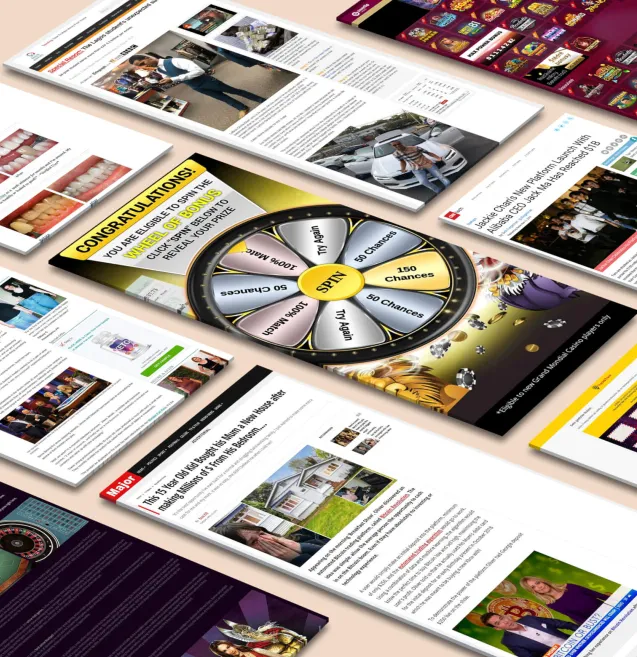
Где-то за кадром красных дорожек Канн и церемоний D&AD существует параллельная вселенная рекламы, с которой большинство креативных специалистов никогда не сталкиваются. В ней нет известных брендов, нет агентств, осуществляющих продвижение, и нет блестящих кейсов, показанных под меланхоличную музыку на фортепиано. Она работает на нативной рекламе, встроенной в ленты контента, пуши, доходящие до пользователей на экране блокировки, и поп- или попандер-кампаниях, возникающих за окнами браузера. В совокупности эта экосистема управляет огромными бюджетами — миллиарды долларов ежегодно — и приносит измеримую, поддающуюся проверке прибыль. И всё же она остаётся почти полностью невидимой для мира премий по одной простой причине: ни у кого из причастных нет стимула делать её заметной.
Стоит разобраться в механизмах этой теневой экономики, поскольку они демонстрируют совершенно иную взаимосвязь между качеством креативов и финансовой доходностью. Рассмотрим модель CPM, доминирующую в нативной рекламе. Как поясняется в анализе экономики нативной рекламы на сайте native advertising economics, когда вы платите за тысячу показов, поиск наиболее эффективных наборов креативов запускает эффект «летящего колеса», который невозможно понять, мысля категориями рекламных премий. Каждый клик по вашей рекламе повышает популярность вашего предложения, в то время как ваш стоимость тысячи показов остается прежней или даже снижается. Напротив, в модели CPC сильный набор креативов может фактически привести к отрицательной рентабельности, поскольку чем больше кликов он приносит, тем выше становятся общие расходы. Это структурное преимущество поощряет постоянное тестирование креативов — не стремление создать одно совершенное шедевральное произведение, а быструю итерацию заголовков, изображений и подходов до тех пор, пока данные не покажут победителя.
Этот маховик приводит к парадоксальному результату: креативы производительности становятся дешевле по мере масштабирования. Рекламодатель, который обнаруживает комбинацию нативной рекламы с показателем кликабельности 1,2% при CPM в 4 доллара, платит меньше за каждого вовлеченного пользователя по мере увеличения покупки показов, поскольку знаменатель растет, а основа затрат остается неизменной. Сравните это с экономикой наград, где одна кампания может стоить миллионы на производство и медиа для одного сосредоточенного момента культурной заметности — показ на Суперкубке, кейс из Канн, пиар-акция. Одна модель наращивает ценность. Другая — расходует ее.
Партнеры и медийные покупатели, которые преуспевают в этой экосистеме, работают с дисциплиной, которая была бы чужда большинству креативных отделов агентств. Каждый элемент рекламы — миниатюру, заголовок, прелендинг, призыв к действию — они рассматривают как переменную, подлежащую тестированию по сравнению с отраслевыми стандартами и историческими показателями, а не как выражение видения креативного директора. Если кампания не достигает ожидаемых показателей кликабельности или конверсии, её не защищают на совещании; её прекращают и заменяют в течение нескольких часов. Результаты оцениваются не по субъективным внутренним ожиданиям, а по сравнению с данными конкурентной среды, полученным от рекламных платформ и маркетинговых исследовательских компаний.
Все это никогда не появится в списках лауреатов премий. Нет клиентского логотипа для демонстрации, нет знаменитого режиссера, которому можно было бы отдать должное, нет глубокой эмоциональной истории, которую можно было бы показать жюри. Сама реклама зачастую отличается простотой, доходящей до аскетичности, — заголовок, привлекающий любопытство, изображение в стиле стоковой графики, целевая страница, сконструированная ради ясности, а не изысканности. Визуально они ни на что не похожи. Зато конвертируют безумно хорошо.
И в этом весь смысл. Самая прибыльная реклама в цифровом маркетинге изначально никогда не создавалась для того, чтобы произвести впечатление на кого-либо, кроме того единственного человека, который видит ее именно в тот момент, когда готов перейти по ссылке. Ее создают для аудитории, а не для жюри, и экономика щедро вознаграждает такой выбор, умножая прибыль — чего не способны сделать ни один карандаш, ни лев.
Если бы вы попросили жюри Канн определить, что такое великий креатив, вы бы услышали такие слова, как «смелый», «неожиданный», «в отклике с культурой». Если бы вы задали этот же вопрос специалисту по performance-маркетингу, который масштабно запускает нативные кампании, вы бы услышали нечто гораздо менее поэтичное, но зато бесконечно более ответственное: «А конвертирует ли это?». Оба ответа описывают реальное мастерство. Но только один из них проверяется на прочность каждый час живым трафиком, и только один наказывает самолюбование немедленными финансовыми последствиями.
Творческое превосходство в сфере эффективности начинается не с идеи, а с аудитории. Как указано в лучших практиках нативной рекламы на блоге Voluum, первое правило — знать свою аудиторию: создать демографический и поведенческий портрет, понять, какие проблемы она пытается решить, и гарантировать, что каждый элемент рекламы разработан специально для привлечения именно этого портрета. Это не мягкое пожелание, скрытое в творческом брифе; это основополагающее ограничение, формирующее каждый заголовок, миниатюру и целевую страницу. Творческие работы, претендующие на награды, могут абстрактно обращаться к «культуре». Креативы, нацеленные на результат, должны обращаться к конкретному человеку, просматривающему определённую ленту контента в конкретный момент его процесса принятия решения. Пространство для абстракций отсутствует.
Вторая дисциплина — ясность целей. В рамках модели Voluum маркетологи должны четко определить цели, которых они хотят достичь, будь то генерация лидов, продажи, трафик или узнаваемость бренда, еще до создания первой творческой единицы. Это напрямую связано с системным подходом, на котором настаивают такие платформы, как Brax, делая акцент на измеримых целях, релевантных KPI и принятии решений на основе данных. Целевой креатив — это никогда не единичное действие; это система. Реклама связана с целевой страницей, которая связана с предложением, которое, в свою очередь, связывается с процессом после конверсии, и каждый узел этой цепи измеряется. Красивая реклама, которая приводит клики на страницу с конверсией 0,3%, — это не креатив, а дорогостоящее украшение.
Затем идет принцип, который наиболее четко разделяет результативную работу и работу ради самовыражения: добавленная ценность. Согласно методологии Voluum, рекламодателям следует предоставлять пользователям что-то интересное для чтения, просмотра или восприятия, а также убедиться, что это действительно связано с контекстом, в котором появляется реклама. Это более строгое творческое ограничение, чем «сделать что-то неожиданное». Оно требует, чтобы реклама оправдывала свое присутствие, принося пользу — отвечая на вопрос, решая проблему или предоставляя информацию, в которой пользователь не знал, что нуждается. Шестьдесят один процент потребителей не против спонсируемого контента, если сообщение действительно ценно. Эта статистика должна преследовать каждого креативного директора, который считает, что аудитория по своей природе ненавидит рекламу. Они не ненавидят рекламу. Они ненавидят рекламу, которая тратит их время впустую.
И, наконец, почти парадоксальным образом, руководство Voluum призывает маркетологов эффективности быть креативными, потому что у вас и вашего конкурента одинаковое количество пикселей для рекламы. То, что вас отличает, — это то, как вы их используете. Это креативность при максимальных ограничениях: без киношного времени показа, без премиального размещения, без использования известного бренда. Только заголовок, изображение и ценное предложение, конкурирующие с десятками других рекламных объявлений в одной и той же ленте. Умение выигрывать такие соревнования — снова и снова, у разных аудиторий, географий и устройств — требует большей дисциплины, чем реклама в Суперкубке продолжительностью шестьдесят секунд, а не меньшей. Разница лишь в том, что за это никто не вручает вам трофей. Отчёт о выручке и есть трофей.
Маркетологам, ориентированным на результат, не нужно жюри, чтобы определить эффективность их работы. У них есть кое-что более требовательное: система KPI, которая выносит свой вердикт в режиме реального времени, и при этом каждую секунду проведения кампании деньги находятся на кону. Показатели кликабельности, конверсии, стоимость клика, стоимость тысячи показов, рентабельность расходов на рекламу — это не просто показатели для галочки, приукрашенные визуальными эффектами дашбордов. Это беспощадные, постоянно обновляемые отчеты, которые разделяют прибыльные кампании и дорогостоящие ошибки.
То, что делает эту систему более строгой, чем любая награда, — это не только точность, но и честность. D&AD Pencil награждает единственный момент творческого суждения небольшой группы экспертов. Показатель конверсии отражает устойчивый, нарастающий результат творчества, таргетинга, предложения, посадочной страницы и соответствия аудитории, работающих совместно. Показатель конверсии нельзя обмануть с помощью умного видео-кейса. Либо люди кликнули, либо нет. Либо они купили, либо ушли. Метрике неважны ваши намерения.
И сложность этих KPI выходит за рамки того, что могут оценить большинство маркетологов-практиков. Например, в мобильных играх важные метрики выходят далеко за пределы базового eCPM и включают ARPDAU, показатели согласия, показатели завершения и степень заполнения — каждая из них представляет собой отдельный механизм, напрямую влияющий на доход. Показатель согласия, который систематически ниже 30%, — это не творческий провал в традиционном смысле, а сигнал о том, что предложение вознаграждения не достигает цели. Такая диагностическая детализация отсутствует в рамках любой системы награждения. Ни одно жюри еще никогда не возвращало награду с пояснением, какой конкретный элемент рекламы показал плохие результаты и насколько.
Итак, если специалисты по маркетингу эффективности отказались от системы наград, что они используют для конкурентного сравнения? Ответ — отраслевые стандарты, и они выполняют роль тихих эквивалентов конкурентных трофеев в мире эффективности. Как объясняет Brax в своем руководстве по отслеживанию эффективности нативной рекламы, сравнение ваших кампаний с отраслевыми стандартами дает реалистичное представление о конкурентной среде, отражая среднюю эффективность в различных секторах на основе исторических данных по широкому кругу кампаний. Если ваш CTR или CPC превосходит эталонный показатель, ваша кампания идет хорошо. Если вы не дотягиваете до него, это сигнал выявить проблемы и оптимизировать кампанию, а не подавать другую заявку в другую категорию.
Но вот важная деталь: показатели эффективности — это средние значения, а средние значения являются неточными инструментами. На них влияет тип продукта, демография аудитории, география и еще десятки других переменных, из-за которых прямое сравнение получается неточным. Brax четко подчеркивает, что оценку эффективности следует проводить, сравнивая как собственные предыдущие данные, так и общепринятые отраслевые стандарты, потому что контекст меняет все. Показатель CTR 0,8% может быть выдающимся в сфере финансовых услуг и посредственным в сфере развлечений. Без учета контекста показатель эффективности — это просто число.
И это выявляет реальный пробел в арсенале инструментов маркетолога, отвечающего за эффективность. Отраслевые отчеты от рекламных платформ и исследовательских компаний предоставляют полезные ориентировочные данные, но, как признает Brax, крайне маловероятно, что вы получите доступ к реальным данным конкурентов. Вы можете сравнивать свои показатели со средними по категории, но вы не увидите, какие именно заголовки используют ваши конкуренты, какие изображения приносят им клики или как изменилась их креативная стратегия за последний квартал. Вы измеряете себя по сравнению с тенью.
Именно здесь необходимо изменить подход. Миру выступлений не нужны жюри — у него уже есть показатели, которые честнее и строже любой оценки комиссии. Ему нужно мышление: способность видеть не просто то, как вы выступаете по сравнению со средним показателем, но и то, что на самом деле делают лучшие участники в вашей сфере. А что если бы вы могли получить в больших масштабах данные о креативах конкурентов — не в качестве разовой шпионской миссии, а как постоянный, структурированный поток информации о конкурентных стратегиях?
Маркетологи эффективности живут в условиях парадокса. Они точно знают, что происходит с их собственными кампаниями — каждый клик, каждая конверсия, каждый цент расходов отслеживаются в режиме реального времени. Но когда речь заходит о понимании того, что работает у всех остальных в их нише, они по сути слетают с радара. Как отмечает Brax, сравнение своей эффективности с отраслевыми стандартами крайне важно для установления реалистичных ориентиров, однако получение таких конкурентных данных обычно означает долгие поиски опубликованных исследований, отчетов и резюме ассоциаций отрасли, которые оказываются на вашем столе спустя месяцы или даже годы после их выхода. В условиях, когда творческое выгорание может убить кампанию за несколько дней, устаревшие ориентиры едва ли лучше полного их отсутствия.
Между тем ставки в области выбора креативов продолжают расти. Как объясняет Voluum Blog, достичь рентабельности инвестиций в нативной рекламе становится значительно проще, если вы находите свои наиболее эффективные наборы креативов — особенно в моделях CPM, где каждый дополнительный клик увеличивает ценность без роста затрат. Вся игра, другими словами, зависит от поиска креативов. Речь идет не о тех, которые побеждают на конкурсах, а о тех, которые выживают при постоянной, в режиме реального времени, оценке рынком. Проблема в том, что большинство маркетологов пытаются находить выигрышные креативы только за счет внутренних итераций: проводят тест за тестом, тратят бюджет на гипотезы и надеются случайно наткнуться на рабочую формулу до того, как расходы на размещение рекламы обгонят процесс обучения.
Именно эту брешь призваны закрыть инструменты для анализа рекламы, и именно здесь Anstrex кардинально меняет уравнение. Вместо того чтобы гадать, какие заголовки, изображения или подходы могут сработать, маркетологи могут использовать Anstrex, чтобы увидеть, какие именно native-, push- и pop-креативы в настоящее время работают и масштабируются на основных рекламных сетях. Это не тематические исследования за прошлый квартал. Не пресс-релизы конкурентов об успешных кампаниях. Это реальные, находящиеся в обращении креативы, которые выдерживают единственный важный фактор отбора — реакцию реальной аудитории, подкрепленную расходами реальных рекламодателей.
Представьте это как библиотеку креативов для рекламных кампаний, отобранную самим рынком. Каждое объявление в базе данных Anstrex заслужило своё место не благодаря субъективной оценке жюри, а благодаря постоянным вложениям — рекламодатель выбрал продолжение показов, что означает получение дохода. Вы можете фильтровать по вертикали, по рекламной сети, по географии, по длительности активности креатива. Длительность становится показателем эффективности. Объявление, которое транслируется в течение шестидесяти дней на множестве источников трафика, говорит вам кое-что, о чём ни одна премия никогда не скажет: это работает, и работает в крупных масштабах.
Практические последствия очевидны. Вместо того чтобы начинать каждую кампанию с чистого листа — мучительно размышляя, сможет ли заголовок, вызывающий любопытство, превзойти заголовок, ориентированный на выгоду, или сможет ли изображение в стиле жизни победить снимок продукта — маркетологи могут изучить те шаблоны, которые уже работают в их нише. Они могут проанализировать структурные решения, лежащие в основе самых эффективных креативов: эмоциональный тон, синтаксис заголовка, композицию изображения, архитектуру посадочной страницы. Это не копирование; это конкурентная разведка, применяемая к креативной стратегии, та же самая дисциплина, которую команды по разработке продуктов и аналитики ценообразования применяют на протяжении десятилетий.
Brax прав, утверждая, что понимание конкурентной среды крайне важно, но трудно достижимо с помощью традиционных методов. Anstrex устраняет эту трудность, делая среду видимой — доступной для поиска, фильтрации и непрерывного обновления. Когда Voluum подчеркивает, что рекламодатели в формате нативной рекламы должны проявлять творчество, потому что все конкуренты получают одинаковое количество пикселей, возникает непроизнесённый вопрос: творчество по сравнению с чем? Вы не сможете выделиться, не зная сначала, чем вы хотите отличаться. Anstrex задаёт эту базовую основу, превращая неясность конкуренции в конкурентное преимущество и предоставляя маркетологам, ориентированным на результат, то единственное, чего никогда не давали конкурсы: доказательства того, что действительно работает, основанные на решениях самой большой и беспощадной жюри в рекламе — аудитории, которая либо нажимает, либо пролистывает.
Получайте лучшие конверсионные лендинги каждую неделю на свою почту.
Обязательно к прочтению
Узнайте, как поисковые системы на основе ИИ и агентная модель покупок меняют трафик, видимость рекламы и воронку performance-маркетинга. Научитесь использовать конкурентную рекламную аналитику и данные об ИИ-поиске, чтобы выявлять новые приоритеты покупателей, усиливать сообщения кампаний, создавать более эффективные посадочные страницы и находить возможности за пределами традиционных кликов.
Samantha Reed
7 минокт. 24, 2026
Обязательно к прочтению
Узнайте, как усталость от рекламы, созданной ИИ, делает нативные, пуш-кампании и кампании TikTok все более похожими, ослабляя вовлеченность и сокращая конкурентные преимущества. Научитесь использовать инструменты анализа конкурентной рекламы для выявления повторяющихся творческих шаблонов, разработки более оригинальной рекламы и выделения среди аукционов рекламы с использованием ИИ.
Liam O’Connor
7 минокт. 14, 2026
Инструкция
Узнайте, как связать рекламу вне дома (OOH) с цифровыми рекламными кампаниями для создания измеримых многоканальных воронок. Откройте для себя, как планировать маршруты светодиодных грузовиков, синхронизировать рекламу в поиске и социальных сетях, оптимизировать мобильные посадочные страницы и отслеживать конверсии, чтобы оффлайн-реклама приносила измеримые бизнес-результаты.
Samantha Reed
7 минокт. 13, 2026