12 миниюня 18, 2026

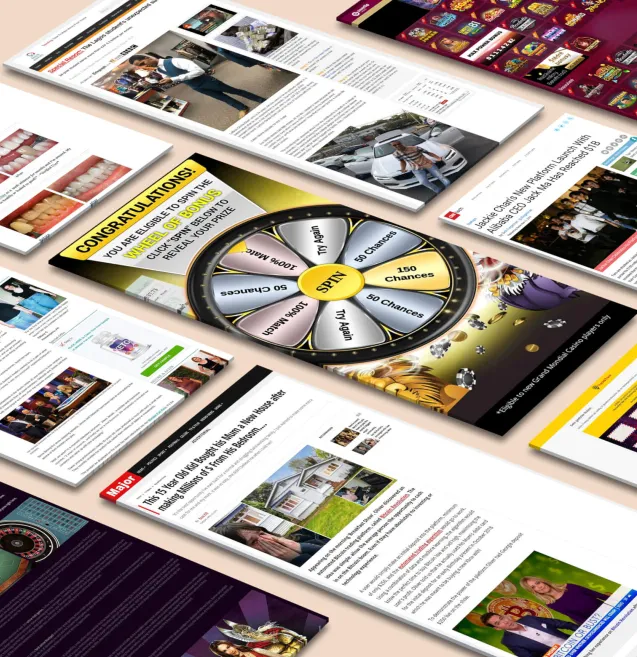
Наши инструменты отслеживают миллионы рекламных кампаний в форматах native, push, pop и TikTok.
НачатьПрямо сейчас, пока вы читаете это, ваши конкуренты проводят сплит-тесты заголовков, меняют главные изображения, корректируют текст призывов к действию и отключают неэффективные варианты еще до обеда. Это не предположение — это базовая реальность современной эффективной рекламы. Вопрос не в том, важен ли A/B-тестинг. Вопрос в том, достаточно ли ваша собственная программа тестирования, какой бы тщательной она ни была, чтобы вы оставались впереди, когда буквально все остальные делают то же самое.
Рассмотрим рынок нативной рекламы, где рекламные объявления в формате контента живут и умирают в зависимости от тонкости креативного подхода. Как прямо указано в руководстве Voluum по нативной рекламе, A/B-тестирование является «основой бизнеса нативной рекламы», поскольку огромный объем контента создает бесконечные возможности для оптимизации сообщений, адаптации к сегментированным аудиториям и оттачивания подходов. Современные специализированные трекеры позволяют легко динамически менять посадочные страницы, что даёт возможность даже одиночным покупателям трафика проводить сложные мультивариантные эксперименты, для которых ещё десять лет назад требовалась команда инженеров. Барьеры входа рухнули. Инфраструктура тестирования, которая раньше была реальным конкурентным преимуществом, сегодня стала товарным ресурсом.
Та же самая стандартизация охватила все остальные платные каналы. В нативных и медийных кампаниях основанные на аналитике A/B-тесты рекламных элементов — заголовков, изображений и кнопок призыва к действию — описываются не как продвинутая тактика, а как базовая функция, которой должен пользоваться любой серьёзный рекламодатель. Сравните фактический заголовок с эмоциональным. Сопоставьте яркое изображение с минималистичным вариантом. Проверьте срочные призывы к действию против мягких, ненавязчивых формулировок. Измерьте CTR и вовлечённость, определите победителя и внесите улучшения. Пошаговая инструкция хорошо задокументирована, широко распространена и принята повсеместно. Если вы запускаете нативные кампании без её использования, вы не «выбираете иной подход» — вы просто отстаете.
Вот какой некомфортный вывод из этого следует: когда все игроки за столом используют одинаковую методологию оптимизации, сама методология перестаёт быть фактором различия. Традиционный сценарий CRO — тестировать внутри, развивать успешные варианты, масштабировать то, что работает — необходим, но он неполон. Он исходит из предположения, что вы действуете в вакууме, и единственными ценнейшими данными являются ваши собственные. На самом деле, ваш внутренний цикл тестирования медленен по сравнению с совокупным уровнем интеллекта, генерируемым по всему вашему конкурентному ландшафту. Каждый конкурент одновременно тратит бюджет, чтобы выяснить, какие подходы находят отклик, какие эмоциональные триггеры приводят к конверсии и какие структуры посадочных страниц удерживают внимание. Эти выводы уже существуют, они зашифрованы в рекламе, которую ваши конкуренты продолжают показывать, и в той, которую они тихо отключают.
Именно здесь и смещается реальное преимущество. Рекламодатели, которые выходят вперёд, — это не просто более эффективные тестировщики, это более внимательные наблюдатели. Они дополняют собственные циклы оптимизации данными конкурентной разведки, используя такие инструменты, как Google Ads Transparency Center и Auction Insights, чтобы анализировать, какую рекламу запускают другие участники рынка, где они её показывают и как со временем меняются их сообщения. Они рассматривают видимые результаты A/B-тестов конкурентов как бесплатные маркетинговые исследования — огромную постоянно работающую фокус-группу, финансируемую чужим рекламным бюджетом.
Вывод имеет большое значение: вам не нужно каждый раз начинать с нуля с каждой гипотезой. Вам не нужно тратить недели бюджета, чтобы выяснить, что заголовок в форме вопроса работает лучше, чем утвердительный заголовок в вашей нише, если три конкурента уже пришли к этому формату после нескольких месяцев собственных тестов. Весь цикл тестирования, итераций и масштабирования сокращается, когда вы начинаете с анализа, а не интуиции. Процесс анализа собственных данных остается важным, но рекламодатели, получающие значительное преимущество в 2024 году и далее, — это те, кто сначала смотрят вовне, и именно этому остальная часть статьи покажет вам, как делать.
Рекламные сети — это дарвиновская среда, безжалостная и эффективная, такая, которую ни одна фокус-группа или исследование бренда не в состоянии воспроизвести. Каждый показ стоит денег. Каждый клик измеряется. Каждая конверсия — или её отсутствие — возвращается в цикл принятия решений, который либо сохраняет креатив в эфире, либо отправляет его на свалку. Когда вы понимаете эту динамику, библиотеки рекламы конкурентов перестают восприниматься как простые источники вдохновения и превращаются в краудсорсинговые рыночные исследования, подкреплённые бюджетом, за которые кто-то уже заплатил.
Логика проста. Рекламодатель, запускающий кампанию в масштабе, за первые несколько недель перебирает десятки вариантов заголовков, изображений и текстов объявлений. Инструменты аналитики показывают, какие из этих вариантов обеспечивают более высокий CTR и вовлеченность, а слабые варианты быстро отсекаются. Ни один разумный покупатель трафика не будет продолжать тратить бюджет на креатив, не приносящий конверсий. Поэтому, когда вы видите объявление, которое непрерывно работает уже четыре, шесть или восемь недель, перед вами не лень или пренебрежение. Вы видите выжившее объявление. Оно оправдало своё место, обеспечив достаточный возврат расходов на рекламу, чтобы продолжать существование. Его долгое присутствие — показатель рентабельности.
Именно поэтому формирование привычки ежемесячно просматривать обновления креативов конкурентов, вместо однократного анализа конкуренции, повышает уровень вашей стратегической осведомлённости. Единоразовый снимок говорит вам, что пытается делать конкурент. Анализ динамики показывает, что на самом деле работает. Когда через четыре недели вы возвращаетесь и видите, что тот же эмоциональный заголовок всё ещё активен, в то время как три фактических варианта исчезли, рынок дает вам результат теста. Вы не потратили на это ни копейки.
Теперь представьте, что такой вывод справедлив для ваших пяти главных конкурентов. Если все они независимо пришли к схожему подходу — например, заголовки, основанные на избегании потерь, вместо акцента на преимуществах, или пользовательские изображения вместо профессиональных студийных снимков — такая конвергенция является статистически значимой, чего ваш собственный изолированный A/B-тест с несколькими тысячами показов может никогда не достигнуть. Каждый конкурент провёл свой собственный тест на своей аудитории, с собственным бюджетом и своими критериями измерения. То, что все они пришли к одному и тому же результату, аналогично независимой проверке результата в научных исследованиях. Это не гарантирует, что аналогичный подход сработает у вас в точности, но существенно сужает поле поиска и указывает, где находятся варианты с наибольшей вероятностью успеха.
Практическая выгода огромна. Вместо того чтобы потратить 5000 долларов и две недели, чтобы с нуля выяснить, что ваша целевая аудитория лучше реагирует на эмоциональные сообщения, чем на списки функций, вы можете заметить этот вывод в реальных условиях и перенаправить бюджет на оттачивание реализации — тестирование своих вариантов в рамках уже проверенной структуры, а не тестирование самой структуры. Вы также можете изучить целевые страницы конкурентов, анализируя сообщения и предложения, чтобы понять, соответствует ли посткликовый опыт обещанию, данному в рекламе, и получить полную картину воронки, которая приносит результаты.
Это вовсе не означает, что нужно бездумно копировать конкурентов. Это означает, что самую затратную часть оптимизации — определение правильного стратегического направления — можно существенно упростить, обратив внимание на сигналы, которые естественным образом создаются в платных медийных средах. Каждая реклама, которая живёт ещё неделю, — это точка данных. Каждый креатив, который был отключён, — это точка данных. В совокупности они образуют живой, постоянно обновляемый отчёт по исследованиям, написанный на языке реальных долларов и реального поведения потребителей. Единственный вопрос в том, читаете ли вы его.
Большинство маркетологов попадают в одну из двух категорий: те, кто постоянно отслеживает, что запускают конкуренты, и те, кто сосредотачивается исключительно на оптимизации собственных кампаний. Редко эти два подхода объединяются в единый согласованный рабочий процесс. Но настоящее преимущество заключается в создании интеллектуальной системы, которая напрямую передаёт внешние наблюдения во внутренний процесс тестирования — чтобы то, что вы узнали во вторник об успешном креативе конкурента, стало вариантом, который вы тестируете в среду. Вот как собрать такую систему поэтапно.
Уровень 1: Рекламные библиотеки платформы
Начните с того, что есть в наличии и является официальным. Центр прозрачности Google Ads позволяет искать любого верифицированного рекламодателя и просматривать креативы, которые он в данный момент использует в Поиске, Картинках и на YouTube. Это не раскроет информацию о таргетинге аудитории или распределении бюджета, но покажет, в какие сообщения и форматы вкладывают средства конкуренты, — этого зачастую достаточно, чтобы выявить подходы, которые вы сами ранее не рассматривали. Библиотека рекламы Meta предоставляет аналогичный обзор для Facebook и Instagram. Эти инструменты составляют вашу базу: они бесплатны, обновляются практически в режиме реального времени и дают достоверное представление первой стороны о конкурентной среде.
Слой 2: Специализированные инструменты для шпионажа и платформы для конкурентных исследований
Библиотеки, встроенные в платформы, имеют слепые зоны. Они не покажут вам нативную рекламу, запущенную на Taboola, Outbrain или сетях push-уведомлений, и не позволят оценить тенденции расходов или конкуренцию на уровне ключевых слов. Здесь на помощь приходят специализированные исследовательские платформы. Как подробно описано в блоге Semrush, такие инструменты, как Advertising Research и Auction Insights, позволяют отслеживать еженедельные изменения позиций ключевых слов конкурентов, выявлять новые возможности для платной рекламы на уровне ключевых слов ежемесячно и отслеживать изменения расходов с течением времени — превращая разовый снимок в постоянную систему сбора разведданных. Стоит принять их рекомендованную таблицу периодичности: еженедельный контроль позиций ключевых слов и расходов, ежемесячный обзор обновлений рекламных объявлений и новых игроков на рынке, а также ежеквартальный аудит конфликтов минус-слов и стратегий Shopping-объявлений. Такой ритм превращает эпизодическое любопытство в структурированную дисциплину.
Что касается нативных каналов и push-рекламы, платформы вроде Brax обеспечивают мониторинг в реальном времени в сочетании с возможностями автоматизации и настройки отчетов, которые позволяют одновременно отслеживать эффективность на нескольких сетях нативной рекламы — определяя, на каких сетях достигаются наилучшие результаты, и выявляя неэффективные площадки до того, как они истощат бюджет.
Уровень 3: Ваша внутренняя инфраструктура тестирования — недостающее звено
Именно здесь большинство стеков дают сбой. Вы можете собрать всю возможную конкурентную информацию в мире, но если ваша внутренняя инфраструктура тестирования не может быстро на неё реагировать, эти идеи просто пропадут впустую. И неприятная правда заключается в том, что многие рекламодатели уже имеют ограничения в этой области. Как указывает блог Voluum, Google Analytics не позволяет маркетологам менять адреса назначения кампаний, а это означает невозможность корректного A/B-тестирования посадочных страниц — серьёзное ограничение, когда вы пытаетесь проверить, будет ли подход конкурента работать для вашей аудитории. Специализированные трекеры рекламы решают эту проблему с помощью технологии перенаправления, при которой пользователь, нажимающий на рекламу, проходит через домен трекера, который может динамически изменять конечный адрес. Это позволяет по-настоящему проводить сплит-тестирование посадочных страниц, предложений и воронок продаж, чего решения, основанные только на пикселях, просто не могут повторить.
Стратегическое значение очевидно: если ваши внутренние возможности тестирования ограничены, внешняя разведка становится ещё более ценной в качестве ярлыка. Вместо того чтобы проводить десятки исследовательских тестов, чтобы выяснить, что работает, вы позволяете конкурентам тратить свой бюджет на поиск удачных подходов, а затем проверяете наиболее перспективные из них с помощью сфокусированного, хорошо налаженного теста у себя. Стек представляет собой не три отдельных инструмента в трёх вкладках браузера. Это замкнутый цикл — наблюдать извне, определять приоритеты внутри, тщательно тестировать и возвращать результаты обратно в следующий цикл мониторинга конкурентов.
Одноразовая проверка конкурентов — это любопытство. Повторяющаяся система — стратегическое преимущество. Разница между маркетологами, которые время от времени заглядывают в рекламу конкурентов, и теми, кто постоянно обходит их, заключается в ритме — структурированном, воспроизводимом ритме наблюдения, анализа и действий, который превращает разрозненные выводы в стратегическое преимущество.
Основой этой системы является простая истина, которую явно формулирует система анализа конкурентов от Semrush: «Одноразовый анализ дает вам снимок. Периодическое выполнение одинаковых проверок еженедельно, ежемесячно или ежеквартально дает представление о том, как двигаются конкуренты, что они тестируют и куда инвестируют с течением времени». Хотя их таблица периодичности была разработана для рекламы в поиске, данный принцип напрямую применим к нативной рекламе и рекламе через push-уведомления — вам просто нужно адаптировать задачи под креативную, ориентированную на аудиторию природу этих каналов.
Вот как выглядит практическая система сбора конкурентной разведки, адаптированная под мониторинг нативной и push-рекламы:
Еженедельно: креативное сканирование (30 минут). Каждую неделю запускайте инструменты отслеживания конкурентов и отвечайте на три вопроса. Какие рекламные объявления конкурентов появились с момента вашего последнего сканирования? Какие креативы работают уже две недели или дольше — четкий сигнал их рентабельности? И какие объявления исчезли, что говорит о провале тестирования? Заносите каждое наблюдение в общую таблицу или дашборд. Эта еженедельная проверка — основа вашей системы, и именно здесь вы сможете заметить новые подходы ещё до того, как они заполонят рынок.
Ежемесячно: анализ углов подачи (1–2 часа). Отдалитесь от отдельных креативов и посмотрите на общие темы сообщений. Сходятся ли несколько конкурентов на одних и тех же эмоциональных триггерах — страх упущенной выгоды, пробелы в любопытстве, социальное доказательство? Наблюдается ли переход с рекламных лендингов к формату списков? Ежемесячные анализы углов подачи выявляют стратегические закономерности, которые невозможно заметить при еженедельном мониторинге. Именно в это время следует обновлять свою базу образцов и помечать креативы по углам подачи, форматам и предполагаемым стадиям воронки.
Ежеквартально: стратегические обзоры (полдня). Каждый квартал проводите комплексный анализ изменений в конкурентной и креативной среде. Какие конкуренты активно наращивали масштабы? Кто отступил? Какие принципиально новые игроки появились на ваших вертикалях? Сравните текущую ситуацию с вашими записями за последние три месяца и выявите макротенденции — изменения в позиционировании предложений, корректировки в языке соответствия требованиям или новые предпочтения платформ.
Наиболее частым возражением против этого ритма является нехватка времени. Но это не обязательно должна быть рутинная ручная работа. Как отмечает Brax в своем руководстве по отслеживанию эффективности, современные аналитические платформы предлагают возможности автоматизации и настраиваемой отчетности, которые «устраняют необходимость в ручном сборе и интерпретации данных», а некоторые даже позволяют настроить уведомления по электронной почте, чтобы вы могли отслеживать состояние кампаний — включая изменения со стороны конкурентов — без ежедневного входа в систему. Использование автоматизированных оповещений в сочетании с еженедельными проверками означает, что вы получаете уведомления при любых существенных изменениях между запланированными проверками, что сокращает разрыв между оперативной информацией и структурированным анализом.
Сейчас вот концепция, которую большинство рекламодателей полностью упускают: список отменённых креативов. Это текущий журнал углов, которые протестировали и забросили ваши конкуренты — рекламные объявления, появившиеся на несколько дней, а затем исчезнувшие. Большинство людей игнорируют их. Это ошибка. Отменённый креатив говорит о том, что конкурент с хорошим финансированием потратил деньги, чтобы проверить определённый подход, и пришёл к выводу, что он не работает. Это исследование, за которое они заплатили, а вы получили бесплатно. Ведите этот список параллельно с вашим активным файлом идей, и перед запуском любого нового теста сверяйтесь с ним. Если три конкурента уже попробовали и отказались от приёма "ограниченное время, государственный возврат средств" в вашей нише, вероятно, вам не нужно тратить деньги, чтобы прийти к тому же выводу.
Сам по себе процесс прост. Именно дисциплина, необходимая для его поддержания, отделяет тех, кто действует реагируя, от тех, кто умеет предвидеть.
Самое большое заблуждение относительно конкурентной разведки заключается в том, что она ведёт к подражанию. На самом деле, её наиболее эффективное применение — вычитание, а именно удаление наименее эффективных гипотез из вашей очереди тестирования до того, как вы потратите хоть один доллар, чтобы доказать, что они не работают. Когда ваша еженедельная активность выявляет закономерности в вашей отрасли — допустим, сообщения, основанные на избегании потерь, стабильно обеспечивают более длительный срок жизни рекламы, чем заголовки, создающие любопытство, или когда изображения образа жизни превосходят продукт-шоты в кампаниях каждого конкурента — вы получаете в наследство месяцы чужого дорогостоящего опыта. Цель не в том, чтобы копировать чужие удачные объявления. Цель — пропустить сразу нижнюю половину воронки тестирования и начинать каждый эксперимент с гораздо более высокой отправной точки.
Представьте себе это так: большинство программ A/B-тестирования начинаются в неведении. Вы тестируете широкие направляющие гипотезы — лучше ли работает юмор, чем срочность? Нужно ли делать акцент на цене или на результатах? Эти общие вопросы поглощают циклы тестирования и бюджет, принося ответы, которые ваши конкуренты, возможно, уже проверили в массовом масштабе. Мониторинг конкурентов дает вам эти общие ответы бесплатно. Внутреннее тестирование вы можете сосредоточить на гораздо более детальном уровне, где действительно достигаются результаты: не нужно ли использовать обращение к страху, а какое именно обращение к страху; не стоит ли показывать человеческое лицо в миниатюре, а какое выражение лица, какая композиция, какой цвет фона.
Именно здесь критически важным становится тщательное тестирование на уровне отдельных элементов. Как указывает Brax в своей методике оптимизации нативной рекламы, наиболее эффективные A/B-тесты изолируют конкретные творческие переменные — заголовок против заголовка, изображение против изображения, призыв к действию срочного характера против более мягкого подхода — затем анализируют изменения в эффективности, чтобы выявить, что приводит к измеримо более высоким показателям кликабельности. Также подчеркивается важность тестирования не только самого объявления, но и параметров таргетинга, а также использование нескольких сетей нативной рекламы, чтобы определить, какие платформы приносят наилучшие результаты для вашего контента. Когда конкурентная разведка уже сузила ваш стратегический вектор, такие детальные тесты становятся чрезвычайно эффективными. Вы больше не ищете, что работает — вы оптимизируете уже работающее.
Но творческая доработка — это лишь половина дела. Вам также нужна техническая инфраструктура, чтобы действовать на основе конкурентных данных сразу же после их появления, а для этого необходимо уметь динамически переключать направления в режиме реального времени. Именно здесь большинство базовых аналитических платформ оказываются не на высоте. Как объясняется в документации по отслеживанию Voluum, Google Analytics не позволяет маркетологам менять направления кампаний, из-за чего становится невозможным настоящий сплит-тестинг. Отслеживание на основе переадресации в Voluum решает эту проблему, направляя пользователей через домен отслеживания на динамически назначаемые посадочные страницы — функция, которую системы отслеживания на основе пикселей просто не могут воспроизвести. Когда утром в понедельник ваш анализ конкурентов покажет, что соперник резко сместился в сторону сравнительных посадочных страниц, сплит-тестирование на основе переадресации позволит вам создать конкурирующий вариант в тот же день днём и испытать его против текущего контрольного варианта, не нарушая при этом работающий трафик.
Именно эффект сложного процента отличает хорошую программу тестирования от великолепной. Каждое конкурентное наблюдение уточняет вашу гипотезу. Каждая уточненная гипотеза приводит к более быстрому и однозначному тесту. Каждый однозначный тест освобождает бюджет и ресурсы для следующего раунда усовершенствований. За несколько недель и месяцев вы не просто идете в ногу с конкурентами — вы систематически извлекаете выгоду из их экспериментов, накладывая на них собственные собственные наработки. Ваши конкуренты финансируют ваши НИО. Минимум, что вы можете сделать, — это обращать внимание.
Каждая из рассмотренных ранее методологий основывается на неявном предположении, которое заслуживает проверки: то, что вы видите извне, в точности отражает полную картину стратегии конкурента. Это не так. Воспринимать информацию о конкурентах как истину в последней инстанции, а не как отправную точку, — один из самых быстрых способов разрушить собственное конкурентное преимущество — и понимание границ этой информации так же важно, как и знание того, как её собирать.
Наиболее фундаментальное ограничение — это видимость. Такие инструменты, как Центр прозрачности рекламы Google, позволяют просматривать креативы, которые рекламодатель использовал в сети Google, включая географические регионы и актуальность, но, как ясно показывает собственный анализ от Semrush, они не предоставляют данных о ключевых словах, ставках или эффективности. Вы видите лишь результат стратегии — заголовки, изображения, предложения — но не имеете доступа к тем входным данным, которые её сформировали. Вам неизвестны их цели по стоимости привлечения клиента, внутренние показатели конверсии, расчёты пожизненной ценности клиента или уровни рентабельности, делающие для них устойчивым внешне агрессивное предложение, которое для вас может оказаться губительным. Конкурент, предлагающий «первый месяц бесплатно», может делать это потому, что его данные по удержанию клиентов это оправдывают, а может, потому что он сжигает венчурный капитал, не имея пути к прибыльности. С внешней стороны обе ситуации выглядят одинаково.
Параметры таргетинга на аудиторию представляют собой еще одну критическую слепую зону. Особенно это характерно для кампаний Performance Max, которые по своей сути не используют ключевые слова. Вы можете видеть, какие сообщения и креативы выбирают конкуренты, но вы не можете узнать, какие аудитории или сигналы вызвали показ этих объявлений. Успешность креатива конкурента может быть обусловлена исключительно тонко настроенной сегментацией аудитории, повторить которую невозможно просто скопировав объявление. Без понимания таргетинга вы по сути пытаетесь воссоздать рецепт, лишь попробовав блюдо — вы можете приблизиться к результату, но пропустите тот ингредиент, который делает его успешным.
Кроме того, существует ловушка последователя. Когда несколько компаний на одном рынке постоянно следят друг за другом и приходят к схожим формулировкам, результатом становится не общая оптимизация, а насыщение рынка и усталость аудитории от креативов. Если каждая SaaS-компания в вашей нише начнет использовать один и тот же слоган «сэкономьте 40% при годовой оплате», потому что один бренд, похоже, достиг успеха с ним, аудитория перестанет реагировать. Формат рекламы, изначально пробивавшийся сквозь шум, сам становится этим шумом. Как отмечается в руководстве Voluum по стратегии тестирования, маркетологам необходимо постоянно менять комбинации и переосмысливать то, что работает, — подход, несовместимый с пассивным копированием. Цель — дифференциация, а не дублирование.
Также необходимо учитывать временные искажения. Анализ аукционов и библиотеки объявлений показывают, что конкуренты делают сейчас или делали недавно, но стратегические изменения зачастую требуют недель или месяцев, чтобы проявиться в видимых кампаниях. К тому времени, как вы заметите новое позиционирование конкурента, он, возможно, уже собрал достаточно данных, чтобы понять, работает ли оно, и начал планировать следующие шаги. Вы всегда реагируете на слегка устаревшую версию их стратегии.
Это вовсе не означает, что конкурентная разведка ненадежна — это значит, что она по замыслу неполная. Решение не в том, чтобы прекратить следить. Нужно воспринимать каждый внешний сигнал как гипотезу, а не вывод. Используйте данные о конкурентах, чтобы генерировать идеи для тестирования, выявлять пробелы на рынке и оценивать свою долю голоса. Но всегда проверяйте эти гипотезы на основе собственных данных первой стороны, своей маржи и поведения своей аудитории. Побеждают не те компании, которые наблюдают наиболее внимательно. Побеждают те, кто наблюдает с умом, безжалостно тестирует и никогда не забывает, что самые важные показатели в их бизнесе — это те, которые не могут увидеть конкуренты.
Получайте лучшие конверсионные лендинги каждую неделю на свою почту.
Самое читаемое
Генерация спроса смещается от одной лишь маркетинговой автоматизации к рыночной аналитике в реальном времени и проверенным креативным сигналам. В этом руководстве показано, как использовать аналитику объявлений из родных источников, пуши, pop-окна и TikTok, чтобы выявить наиболее эффективные зацепки, превратить их в интеллектуальную собственность для генерации спроса и применить эти данные во всей клиентской воронке: рекламе, электронной почте, посадочных страницах и на всех этапах пути клиента.
Elena Morales
7 минсент. 13, 2026
Самое читаемое
Узнайте, как связать данные рекламного шпиона с поведением на сайте, информацией из CRM и результатами выручки, чтобы выявить реальные факторы рентабельности инвестиций. Узнайте, как превратить Anstrex из инструмента копирования креативов в замкнутую систему для тестирования выигрышных рекламных подходов, воронок и клиентских путей.
Dan Smith
7 минсент. 9, 2026
Обязательно к прочтению
Агентный ИИ перемещает исследование и сравнение продуктов на более ранний этап, часто до того, как покупатели нажмут на нативную или пуш-рекламу. В этой статье объясняется, как маркетологи могут адаптироваться к этим изменениям, делая фиды продуктов, предложения, креативные подходы, доказательства и пользовательский опыт на целевых страницах более понятными для систем ИИ и легкими для рекомендаций. Также рассматриваются изменения в кликах с высокой покупательской активностью, причины того, как рекомендации, сгенерированные ИИ, трансформируют креативные подходы, и способы оптимизации для решений, принятых с помощью ИИ, и для действий конечных пользователей.
Samantha Reed
7 минавг. 30, 2026