8 минмая 27, 2026

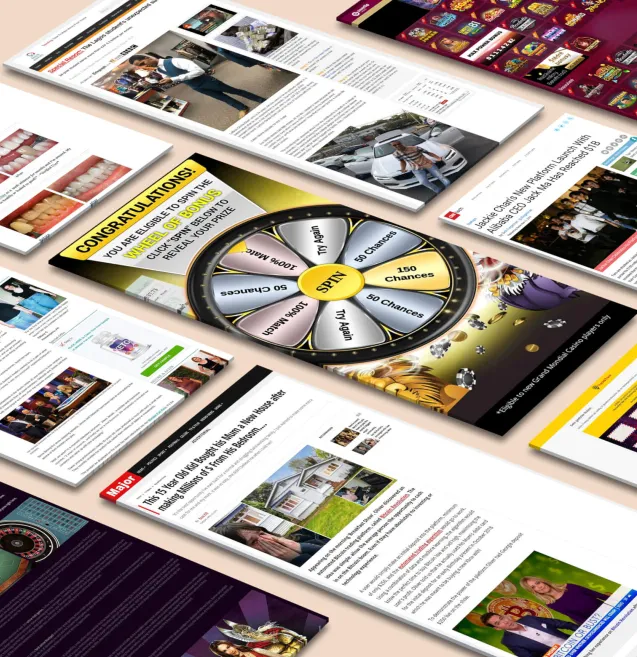
Наши инструменты отслеживают миллионы рекламных кампаний в форматах native, push, pop и TikTok.
НачатьЕсли вы запускаете рекламные кампании, вы уже знакомы с этим ощущением: количество органических кликов находится на уровне стагнации, несмотря на стабильные показы. Объяснение обманчиво простое. Поисковый запрос без кликов возникает тогда, когда пользователь находит ответ прямо на странице результатов поиска, не заходя на внешний веб-сайт. Google предоставляет нужную информацию с помощью обзоров на основе ИИ, выделенных сниппетов, информационных панелей, блоков «Вопросы, которые задают другие», локальных подборок и медиакаруселей — создавая настолько полный набор элементов на странице SERP, что переход на ваш сайт становится необязательным. Для маркетологов, работающих с эффективностью рекламы, это означает, что верхняя часть воронки, которую они годами оптимизировали, постепенно и незаметно разрушается изнутри.
Масштаб проблемы трудно переоценить. Теперь почти любой значимый информационный запрос — по вопросам здоровья, финансов, путешествий, образования, изучения товаров — приводит к тому, что над результатами поиска отображается синтезированный ответ. И речь идет не только о Google. Как отмечает Semrush, платформы поиска на основе ИИ, такие как ChatGPT, Perplexity, Claude и Gemini, также формируют обобщённые ответы, используя данные со всего интернета, позволяя пользователям получать рекомендации или пояснения без перехода на отдельные веб-сайты. Явление «нулевых кликов» распространилось за пределы одного поисковика и стало новой парадигмой получения информации пользователями в интернете.
То, что делает эту тенденцию необратимой, заключается в том, что структурные стимулы указывают лишь в одном направлении. Удержание пользователей на странице результатов поиска увеличивает показ рекламы и вовлечённость в собственную экосистему Google, что означает, что платформа заинтересована финансово отвечать на большее количество запросов внутри, а не направлять трафик на ваши целевые страницы. Каждое новое объявление о продукте подтверждает эту закономерность. Новый формат Бизнес-агента для лидов, находящийся сейчас в бета-версии, позволяет потенциальному клиенту общаться с ИИ-агентом, обученным исключительно на веб-сайте рекламодателя, — и при этом не покидая страницы поисковой выдачи. Функция Direct Offers, которую уже используют такие бренды, как Chewy, Gap и L'Oréal, использует Gemini для предоставления индивидуальных скидок внутри диалогов в режиме ИИ. А с появлением встроенного опыта оформления покупки в режиме ИИ пользователи теперь могут совершить покупку, не выходя из интерфейса Google вообще. Весь путь покупателя — от обнаружения товара до рассмотрения и совершения транзакции — поглощается самой страницей результатов поиска.
Это не временное изменение алгоритма, которое можно пережить с помощью лучшей разметки схемы и молитвы. Это постоянный архитектурный сдвиг, при котором платформа, от которой вы зависите для привлечения пользователей, систематически сокращает количество переходов на открытый веб. Дорожная карта Google четко обозначает направление: больше ответов, созданных с помощью ИИ, больше коммерции внутри платформы, больше причин для пользователей оставаться именно там, где они есть. Каждая новая функция усиливает этот цикл, а снижение вашего органического CTR — это и есть результат.
Маркетологи, которые считают это всплеском — чем-то, что самокорректируется после того, как пройдет новизна обзоров ИИ, — строят свой бизнес на фундаменте, который активно разрушается той самой платформой, от которой они зависят. Между тем, как отмечает Brax, зависимость от органического трафика означает оказаться во власти поисковых систем, в то время как платные каналы в открытом интернете обеспечивают стабильность, критически важную, когда алгоритмы меняются прямо под вами. Вопрос уже не в том, будет ли поиск без кликов размывать вашу воронку. Это уже происходит. Вопрос в том, что вы собираетесь делать с трафиком, который вы больше не получаете.
На конференции Google Marketing Live 2026 компания представила не просто поэтапные обновления форматов рекламы, а план захвата всего пути покупки, при котором покупатель никогда не касается вашего сайта. Понимание каждой части этого плана крайне важно, потому что вместе они представляют собой самую агрессивную на данный момент попытку вставить Google между покупателем и брендом в самый момент совершения платежа.
Начните с рекламы Google Покупки с использованием ИИ. Когда кто-то ищет товар, требующий тщательного выбора, например кофемашину, Gemini теперь отображает наиболее соответствующие товары рекламодателей и мгновенно создаёт персонализированное объяснение, почему именно этот товар подходит запросу пользователя. Текст объяснения не является шаблонным — он генерируется моделью динамически, исходя из контекста запроса. Годами бренды серьёзно вкладывались в детальные страницы товаров, руководства по сравнению и подборки обзоров, чтобы завоевать внимание пользователя как раз в момент принятия решения. Теперь же Google создаёт собственный убедительный слой на странице выдачи, который может быть более персонализированным, чем любой статичный целевой сайт.
Затем есть Business Agent for Leads, который в настоящее время находится в бета-версии в США. Как объяснил Marketing Dive, потенциальный студент, изучающий университеты, может нажать кнопку "Чат" в рекламе и мгновенно начать общение с агентом на базе Gemini, обученным исключительно на сайте рекламодателя, — без статичных форм, перенаправлений и посадочных страниц. Контактные данные квалифицируются прямо в интерфейсе Google. Дэн Тейлор, вице-президент Google по глобальной рекламе, четко обозначил более широкие изменения: компания переходит "от маркетинговой автоматизации к маркетинговому интеллекту", как сообщало Amazon-with-new-native-checkout-rolls-out-ai-ad-explainers/" target="_blank" rel="noreferrer noopener">Adweek с мероприятия. Под интеллектом в данном контексте подразумевается, что ИИ Google решает, что увидит пользователь, как будет представлена торговая марка и когда появится призыв к конверсии.
Расширение Direct Offers добавляет еще один уровень. Такие бренды, как Chewy, Gap и L'Oréal, уже размещают предложения в рекламе в режиме ИИ, но теперь Google включает объединение акций — рекламодатели загружают скидки, бесплатные раздачи и местные купоны, а Gemini самостоятельно формирует наиболее привлекательный набор для конкретного поискового запроса. Маркетологи задают границы и ограничения; решения по представлению товаров принимает ИИ. Это значительная передача творческого и стратегического контроля платформе.
Однако кульминацией является встроенный процесс оформления заказа с помощью Universal Commerce Protocol. Новая универсальная корзина Google позволяет потребителю добавить помаду Sephora из приложения Gemini, хозяйственные товары Target из Поиска и кроссовки Nike из рекламы на YouTube и затем оформить покупку у всех трех продавцов в одной транзакции, не покидая Google. Ритейлеры юридически владеют транзакцией, но Google владеет пользовательским опытом, данными и отношениями. Характеристика от Adweek оказалась точной: данный шаг "усиливает стены вокруг сада Google" и ставит компанию в прямое противостояние с доминированием Amazon в сфере коммерции.
Увеличьте масштаб, и картина становится очевидной. Google систематически внедрил ИИ на всех этапах: осведомленность (обзоры с ИИ), рассмотрение (объяснения в разделе Покупки, Агент для генерации лидов), продвижение (пакетные прямые предложения) и теперь сделки (встроенная оплата). Каждый этап, для которого раньше требовался переход на ваш сайт, теперь может быть завершен внутри экосистемы Google. Ваша целевая страница не просто обгоняется — она становится необязательной. Для любого маркетолога, чья бизнес-модель зависит от привлечения переходов и последующего взаимодействия на сайте, это уже не будущая угроза. Это текущая реальность архитектуры, и она требует стратегии диверсификации, которая не зависит целиком от готовности Google направлять вам трафик.
Причина, по которой нативная реклама обходит проблему отсутствия кликов, заключается не в изобретательных тактиках, а в архитектуре. Чтобы понять почему, нужно визуально сравнить два пути трафика.
В модели, зависящей от поиска, каждый визит на ваш сайт должен сначала пройти через посредника. Пользователь вводит запрос, и слой ИИ — будь то обзор на основе ИИ, информационная панель или новые рекламные объявления Google с покупками, основанные на ИИ и с объяснениями от Gemini — решает, какую информацию показать, ещё до того, как пользователь увидит синюю ссылку. Этот посредник может резюмировать ваш контент, ответить на вопрос пользователя на месте или перенаправить внимание на рекламу конкурента. Вы не контролируете пространство, не контролируете подачу информации и, всё чаще, вообще не получаете кликов.
Нативная реклама функционирует в совершенно отдельной экосистеме. Нет SERP. Нет обзора на основе ИИ. Нет информационной панели, которая стояла бы между вашим креативом и вниманием пользователя. Нативный рекламный блок размещается непосредственно на странице издателя — встроен в ленту статей на новостном сайте, расположен рядом с редакционным контентом в блоге о стиле жизни или отображается через виджет рекомендации контента в нижней части статьи. Когда пользователь нажимает, он попадает на вашу страницу. Точка. Ни один алгоритм не решил сначала сделать краткое резюме вашей целевой страницы. Ни одна генеративная модель не перефразировала ваше ценное предложение в трёхпредложенную выдержку. Путь от показа до клика и перехода на ваш ресурс является прямым, опосредованным и полностью под вашим контролем.
Это структурное различие даёт три преимущества, которые сейчас особенно важны.
Контроль. Как указано в руководстве Brax по арбитражу, с нативной рекламой вы решаете, где будут отображаться ваши объявления, кто их увидит и как будет представлена ваша торговая марка — это уровень контроля, которого органический поиск никогда не предоставлял, а поисковые системы с ИИ-посредничеством активно его снижают. Вы выбираете рекламные сети, составляете заголовок и миниатюру, а также определяете сегменты аудитории. Если определённое размещение работает плохо, вы приостанавливаете его. Если аудитория издателя хорошо конвертируется, вы наращиваете охват. Ни один из этих инструментов не зависит от готовности алгоритма показывать вашу ссылку.
Стабильность. Аналогичный анализ Brax подчеркивает, что нативная реклама обеспечивает устойчивость, защищая кампании от постоянно меняющегося ландшафта онлайн-алгоритмов — качество, которое делает её достаточно надежной для построения целого арбитражного бизнеса, где предсказуемость прибыли является обязательным условием. Если экономическая модель эффективна в понедельник, она будет эффективна и в пятницу, потому что ни одна платформа не добавит новый уровень AI-суммирования между вашей рекламой и кликом в одночасье.
Масштаб. Это не узконаправленная тактика. В 2023 году расходы на показ нативной цифровой рекламы достигли 97,46 миллиарда долларов США, что составляет более 59,7 процента от всех расходов на цифровую рекламу в США. В то же время платформы рекомендации контента, такие как Taboola, обеспечивают персонализированные нативные размещения на тысячах веб-сайтов издателей, предоставляя рекламодателям возможность охватить аудиторию в особенно впечатляющие моменты, когда пользователи уже занимаются потреблением контента и открыты для знакомства с чем-то новым. Охват огромен, инфраструктура зрелая, а предложение качественных рекламных мест продолжает расти.
Сложите эти три преимущества вместе, и вы поймёте, почему нативный трафик — это не просто альтернативный источник: это структурная защита. Трафик из поиска теперь проходит через ИИ-фильтр, который становится всё более агрессивным с каждым новым продуктом. Нативный трафик полностью обходит этот фильтр, доставляя пользователей на ваш ресурс по пути, который никакая языковая модель не может перехватить, обобщить или перенаправить. Для любой команды, чей воронка зависит от привлечения реальных людей на реальные целевые страницы, это архитектурное различие уже не является просто приятным дополнением. Это и есть самая суть.
Те маркетологи, которые будут преуспевать в этих новых условиях, — это не те, кто неохотно переводит пять процентов своего бюджета на нативную рекламу «просто для тестирования». Это те, кто с нуля перестраивает свою архитектуру привлечения аудитории вокруг этого канала — систему креативов, посадочные страницы, стратегии аудитории и системы измерений, созданные специально для реального функционирования нативной рекламы.
Начните с кардинальной смены мышления: нативная реклама достигает людей в контексте потребления контента, а не поиска ответа. Когда кто-то нажимает на результат поиска, он хочет получить конкретную информацию или решение, и хочет этого быстро — именно поэтому AI Overviews настолько эффективны в перехвате такой аудитории. Но когда человек листает статью на новостном сайте или в издании о стиле жизни, он находится в режиме открытия чего-то нового. Он просматривает, читает и искренне открыт для знакомства с чем-то интересным. Это психологическое состояние формирует принципиально другого посетителя — того, кто приходит на вашу страницу, готовый воспринимать историю, а не просто извлечь один факт и уйти.
Это различие должно определять любое решение в вашей стратегии нативной рекламы с приоритетом, начиная с таргетинга аудитории. Большинство крупных нативных сетей — Taboola, Outbrain, MGID и других — предлагают таргетинг по категориям интересов, устройствам, географии, времени суток и спискам разрешённых издателей. Существует искушение охватить широкую аудиторию и оптимизировать только по стоимости за клик, однако такой подход переносит в этот канал менталитет эпохи поиска, ориентированный на объём, в то время как здесь вознаграждается точность. Вместо этого создавайте узкие сегменты аудитории, ориентируясь на контент-ниши, максимально соответствующие вашему предложению, а затем добавляйте таргетинг на уровне издателей, чтобы гарантировать, что ваша реклама появляется рядом с тематическими статьями, настраивающими читателей на восприятие вашего сообщения. Приоритет качества над количеством здесь — не просто благие пожелания; это ключевой принцип, отличающий прибыльные нативные кампании от дорогостоящих.
Креатив — это то, где большинство адаптированных кампаний в поиске терпят неудачу сразу. Поисковая реклама поощряет релевантность и прямолинейность ключевых слов. Нативная реклама пробуждает любопытство. Ваши заголовки должны читаться как редакционные материалы — например, «Почему дерматологи пересматривают рекомендации по использованию солнцезащитных средств этим летом», а не «Купите солнцезащитный крем SPF 50 онлайн». Как подчёркивается в анализе форматов нативной рекламы от AdPushup, растёт спрос на качественный и инновационный рекламный контент, и бренды, инвестирующие в действительно привлекательные креативы, стабильно обходят те, которые используют стандартные баннеры. Сочетайте заголовки в редакционном стиле с визуальными материалами, пробуждающими любопытство, — подлинными фотографиями, которые выглядят так, будто принадлежат ленте контента, а не отполированными изображениями товаров, которые кричат «реклама».
Ваша целевая страница имеет не меньшее значение. Переход по нативной рекламе должен погружать посетителя в опыт, продолжающий журналистское обещание заголовка: история в формате рекламно-информационной статьи, интерактивная викторина или подробное руководство. Если человек, привлечённый интригующей нативной рекламой, попадает на безликую продуктовую страницу с кнопкой «Купить сейчас», это вызывает когнитивный диссонанс и резко снижает показатели конверсии.
Наконец, учтите временные рамки конкуренции. Google активно развивает инфраструктуру — от рекламы покупок с поддержкой ИИ и объяснительными текстами, сгенерированными Gemini, до нативных решений для оформления покупок, позволяющих удерживать потребителей внутри своей экосистемы, — чтобы даже клики по платным объявлениям в поиске никогда не достигали вашего домена. Каждая новая функция усиливает «закрытый сад» поиска. Нативная же реклама напрямую доставляет посетителей на страницы, принадлежащие вам, без промежуточных звеньев, перехватывающих намерения или встающих между вашим брендом и вашим клиентом.
Практическая основа проста: выделяйте значимый бюджет (не остаточные средства), нанимайте или обучайте креативных специалистов, мыслящих как редакторы, создавайте целевые страницы, соответствующие менталитету поиска, и измеряйте глубину вовлеченности — время на странице, глубину прокрутки, процент сбора электронных адресов, — а не просто количество кликов. Те маркетологи, которые сегодня относятся к нативной рекламе как к основному каналу, завтра займут наиболее защищенную позицию в привлечении аудитории.
Одна из самых распространенных причин, по которым специалисты по маркетингу эффективности чрезмерно делают ставку на поисковые системы, заключается в предполагаемом преимуществе в данных. В экосистеме Google можно получить данные по частотности ключевых слов, отслеживать позиции конкурентов, сравнивать относительную частоту кликов по позициям и точно определить, какие запросы используют конкуренты для ставок, — и всё это до того, как потратить первый доллар. Такой уровень аналитики создаёт ощущение стратегической уверенности, которое сложно воспроизвести, и именно по этой причине команды продолжают вкладывать бюджет в канал, где, как задокументировано Semrush, количество нулевых кликов растёт, и пользователи всё реже переходят на сайт рекламодателя. Маркетологи понимают, что трафик сокращается, однако данные кажутся слишком ценными, чтобы отказаться от них.
Но вот чего большинство из этих маркетологов не осознаёт: экосистема нативной рекламы теперь также обладает собственным уровнем конкурентной разведки — и во многих аспектах он является более практичным, чем то, что предоставляет поисковая реклама.
Новое поколение инструментов шпионажа за рекламой и систем конкурентной разведки позволяет фильтровать активные native-кампании по сети, вертикали, географическому рынку, типу устройства и, что особенно важно, по продолжительности показа рекламы. Именно этот последний параметр меняет всё. В поиске вы можете увидеть, что конкурент делает ставку на ключевое слово, но вам трудно определить, прибыльна ли для него эта ставка. В native-рекламе продолжительность показа служит надежным индикатором эффективности. Если креатив демонстрируется на Taboola или Outbrain в течение шестидесяти дней подряд, то, скорее всего, он прибыльный — ни один рекламодатель не будет вкладывать деньги в убыточную кампанию два месяца подряд. Фильтруя долгоиграющие креативы в вашей нише, вы можете заранее выявить проверенные структуры заголовков, стили изображений, форматы посадочных страниц и подходы к подаче предложения, прежде чем начинать тратить бюджет на тестирование.
Этот фактор кардинально меняет экономику выхода на native-площадки. Вместо подхода "выпусти и надейся", когда вы запускаете десятки вариантов креативов и ждете, пока данные покажут, что работает, вы начинаете с короткого списка шаблонов, которые уже приносят успех на рынке. Ваш первый раунд тестов превращается в работу над улучшением, а не в процесс поиска, что резко сокращает кривую обучения и снижает стоимость каждого полученного инсайта, из-за которой новые каналы кажутся рискованными.
Методология повторяет то, что уже делают опытные специалисты по поисковому маркетингу, используя платформы для сбора конкурентной разведки, чтобы изучать рекламные тексты конкурентов, посадочные страницы и пробелы в ключевых словах. Разница в том, что встроенные инструменты разведки часто предоставляют более подробные креативные данные — вы можете увидеть реальное миниатюрное изображение, полный заголовок, контекст издателя, в котором появилась реклама, и то, как посадочная страница рекламодателя структурирована для конверсии холодного трафика. Такой уровень прозрачности креативов формат текстовой рекламы в поиске просто не предлагает.
Этот уровень интеллекта также обеспечивает постепенное улучшение с течением времени. Как сама Google заявила, будущее рекламы движется к автоматизированной оптимизации креативов и динамичному представлению предложений. Нативные рекламодатели, внедрившие систематический контроль за конкурентами в свой рабочий процесс, уже работают именно таким образом — постоянно анализируют появление новых креативных шаблонов, тестируют варианты на основе проверенных эталонов и выводят из обращения неэффективные объявления до того, как они потратят бюджет.
Практический вывод прост. Если вы до сих пор придерживаетесь поиска из соображений удобства принятия решений на основе данных, то теперь этот аргумент больше не действует. Внутренняя экосистема теперь предоставляет вам те же возможности для изучения действий конкурентов, понимания причин их эффективности и использования этих знаний для создания кампаний с изначально более высокой вероятностью успеха. Разрыв в доступе к данным устранён. То, что остаётся, — это просто инерция привычки, а на рынке, где поисковые функции, основанные на ИИ, активно поглощают ваши органические и платные клики, привычка является самой дорогой стратегией.
У каждого опытного покупателя медиа есть свой вариант одной и той же страшной истории: утро, когда он открывает свою панель и обнаруживает, что изменение на одной платформе — обновление алгоритма, изменение политики, переработка модели ставок — разрушило их основной канал привлечения за одну ночь. Маркетологи, которые быстро оправились, были не теми, кто бросился «чинить» сломанный канал. Это были те, кто уже распределил свои риски между несколькими источниками трафика, обеспечив, чтобы ни одна платформа не могла держать весь их воронок в заложниках.
Идея диверсификации не нова, но необходимость в ней никогда ранее не была столь острой. Ускорение Google в сторону генерируемых ИИ ответов и коммерции непосредственно на странице выдачи SERP — это пример риска консолидации платформ. Как сообщал Adweek, новая функция Universal Cart и интеграция собственной оплаты разработаны так, чтобы покупатели могли полностью просматривать и совершать покупки в экосистеме Google, без необходимости переходить на внешние сайты. Если платформа намеренно строит свою инфраструктуру так, чтобы сократить количество переходов за пределы её системы, любая компания, зависящая от этих переходов для выживания, функционирует лишь на отсрочке.
Именно здесь мышление, ориентированное на портфель, становится необходимым. Представьте источники трафика так же, как управляющий фондом рассматривает классы активов. Поисковый трафик может быть вашей акцией «голубой фишки» — надежной, хорошо изученной, исторически результативной. Но даже у «голубых фишек» есть риск концентрации. Социальные платформы работают как высокодоходные облигации: в благоприятных условиях приносят впечатляющие результаты, но при этом волатильны и подвержены внезапной переоценке, когда меняются алгоритмы. В отличие от них, нативная реклама ведет себя скорее как диверсифицированный фонд дохода — стабильна, масштабируема и структурно защищена от эффекта «нулевого клика», разрушающего другие каналы.
Структурные преимущества нативной рекламы для диверсификации стоит внимательно изучить. Как объясняется в блоге Brax, нативная реклама дает вам прямой контроль над тем, где и у кого показываются ваши объявления и как представляется ваш бренд — уровень автономии, которого органический поиск просто не может обеспечить. Когда вы контролируете размещение и таргетинг на уровне кампании, а не полагаетесь на благосклонность алгоритма, вы создаете устойчивость в своей модели привлечения, а не просто надеетесь на нее.
Между тем охват native-рекламы распространяется на тысячи премиальных издательских сайтов в открытом интернете, что означает, что ваш трафик не зависит от успехов одного отдельного ресурса. В гостевой статье в блоге Voluum от Taboola подчеркивается такой многоплатформенный охват, отмечается, что платформы рекомендации контента обеспечивают персонализированную native-рекламу на популярных издательских сайтах, предоставляя рекламодателям доступ к аудитории в моменты, когда пользователи уже потребляют контент и открыты к открытию чего-то нового. Эта распределенная модель доставки сама по себе является защитой: даже если один издательский сайт показывает низкие результаты или изменяет свою структуру, ваши кампании продолжают работать на сотнях других ресурсов без перебоев.
Самые продвинутые маркетологи рассматривают диверсификацию не как оборонительную позицию, а как наступательную стратегию. Когда ваши конкуренты в панике из-за того, что последняя функция ИИ от Google только что поглотила ещё один кусок их показателя переходов, вы спокойно масштабируете внутреннюю кампанию, которая уже обеспечивала двадцать или тридцать процентов вашей воронки продаж. Вы не реагируете на потрясения — вы защищены от них.
Создание такой изоляции требует большего, чем произвольное распределение бюджета по каналам. Это требует специально разработанного креатива для каждой среды, целевых страниц, оптимизированных под профиль намерений каждого источника трафика, и структур измерений, которые могут точно определять ценность в рамках многоканального портфеля. Маркетологи, которые займутся этой работой сейчас — до того, как очередное усиление безкликовых ситуаций вынудит их действовать, — получат структурное преимущество, которое будет увеличиваться со временем. Те, кто будет ждать, окажутся в положении слабости, будут вынуждены спешно осваивать новый канал под давлением, в то время как их затраты на привлечение вырастут, а воронка продаж иссякнет.
Получайте лучшие конверсионные лендинги каждую неделю на свою почту.
Гайд
Узнайте, как нативные рекламодатели могут превратить психологию масштабных брендовых акций, таких как «Break Conference» и «World Menu Heist», в кампании с измеримыми результатами. Научитесь использовать ограниченность, собственные интеллектуальные права, фан-сообщества, вовлечение и кросс-канальные воронки для создания нативных кампаний и кампаний в TikTok, которые привлекают внимание и обеспечивают конверсии.
Marcus Chen
7 минокт. 8, 2026
Самое читаемое
Узнайте, как превратить спорт, закуски, тренды создателей контента и моменты поп-культуры в рекламные воронки с высокой рентабельностью инвестиций, не полагаясь на крупные бюджеты. В этом руководстве показано, как использовать Anstrex Native, Instream и Push-аналитику для выявления возникающих культурных аспектов, анализа продолжительности и воздействия рекламы, а также адаптации проверенных концепций к размещению на более дешёвых площадках.
Rachel Thompson
7 минокт. 7, 2026
Инструкция
Узнайте, как конкуренты превращают «великолепную рекламу» в прибыль на всех этапах воронки продаж, создавая скрытый уровень поиска, нативной рекламы, CTV, социальных сетей, DOOH и аналитики вокруг своего основного креатива. Научитесь воссоздавать эти системы с помощью рекламной аналитики и выявлять сигналы, которые показывают, как на самом деле монетизируются кампании.
David Kim
7 минокт. 6, 2026