9 minSeptember 26, 2026

Our spy tools monitor millions of native ads from over 60+ countries and thousands of publishers.
Get StartedIf you’ve spent years selling six sheets, wallscapes, and spectaculars, you’re already closer to performance media than most programmatic buyers want to admit.
Look at any current OOH jobs board and a pattern jumps off the page. The roles highlighted in the recurring “Employment Opportunities” roundups on OOH Today—Sales Managers in Southern Illinois, Business Development reps in New York, National Account Executives in Los Angeles, local sellers in Denver—are all built around the same core muscles: prospecting, qualifying, educating, and closing performance-conscious advertisers.
The Southern Illinois Sales Manager role, for example, is tasked with leading a team to “develop and execute sales strategies, grow revenue and market share, and identify new business opportunities” for a local outdoor company specializing in high-impact billboards and digital displays, as its listing describes. That is not a “nice-to-have” brand gig; it’s a quota-carrying, market-building performance remit. Likewise, the Business Development Representative at Liquid Outdoor Media is hired to run proactive outreach to larger regional advertisers and agencies across key markets, per a separate OOH Today posting. That means understanding verticals, identifying high-intent categories, and stitching together narratives that link exposure to outcomes.
In other words, OOH careers have always been about performance; the metrics just used to be fuzzier.
What’s changed is that the out-of-home toolkit now looks remarkably like the toolkit of a performance marketer. Platforms such as AdQuick ingest mobility, demographic, and behavioral data to model audience delivery at the level of individual faces and frames. Their AI-powered optimization engines analyze “trillions of possible combinations of OOH units” to ensure “every ad dollar is placed strategically,” enabling campaigns that are planned and optimized with the same kind of algorithmic rigor that native and push networks use to allocate impressions and bids.
Crucially, this data is delivered in real time, bringing OOH measurement “into parity with modern performance channels,” as the AdQuick team puts it. That closes the historical gap between the steel in the ground and the spreadsheet on the CMO’s desk. When you can show incremental footfall, site visits, or app installs attributable to specific units, the line between a “branding” board and a performance placement disappears.
For people who’ve grown up in this environment—selling digital spectaculars in entertainment districts, negotiating mall kiosks, bundling experiential activations with media, like the integrated sponsorship offerings described in Liquid Outdoor’s listing—several critical skills map almost one-to-one to native and push:
OOH specialists are not trying to break into an alien world; they’re standing on the doorstep of a performance ecosystem that has quietly been converging with their own. As out-of-home itself becomes a “strategic, performance channel” fully integrated into omnichannel media plans, according to AdQuick’s positioning, the people who can fluently move between steel structures and signal data will be the ones best equipped to own performance-driven native and push budgets next.
OOH sellers are used to arguing for locations. Performance marketers argue for outcomes. The trick in this pivot isn’t abandoning what you know; it’s translating “I’ve got an amazing board on I‑95” into “I can reliably buy and scale conversions at or below your target CPA.”
Look at how many OOH roles in the recurring employment roundups on OOH Today are framed: Business Development Representative, Ad Sales Account Executive, National Account Executive. The job is winning new business, not managing yield curves. That’s your first advantage in native and push: you already know how to open doors.
What changes is the conversation once you’re in the room.
Instead of, “How many faces do you need for Q4?” you lead with, “What’s the cost per lead you need this quarter, and how fast do you need to get there?” Performance-native platforms can show almost real-time delivery and response data in the same way modern OOH tools now deliver impression and movement data in real time, bringing the channel into parity with other performance media, as the AdQuick team describes. You’re not guessing at impact; you’re proposing measurable experiments.
Practically, this means reframing your core sales motions:
Selling OOH inventory taught you to defend rate cards, CPMs, and share of voice. In performance-native and push, those instincts become even sharper—you just swap CPM for CPA, CPL, or ROAS.
When you sold a digital spectacular or mall kiosk network, you probably walked clients through why a higher CPM still made sense: better sightlines, more impressions, higher dwell time. Those same muscles apply when you explain why a higher CPC on a premium native placement is worth it because it converts 3–5x better than cheap remnant traffic.
You’re already used to talking about:
Modern OOH platforms use machine learning to analyze trillions of possible combinations of units and audience data to maximize impact, as AdQuick outlines. Performance-native buying works on the same principle: you’re selling access to a system that continually reallocates spend to the combinations of audience, creative, and placement that drive the cheapest qualified actions.
Your job isn’t to memorize every lever in the interface. It’s to internalize the unit economics—what a “good” cost per result looks like for your verticals—and then anchor conversations there instead of on impressions and price per board.
OOH sales roles highlighted in OOH Today’s recurring classifieds emphasize proactive outreach and “building lasting client relationships.” That relationship-building instinct is the bridge into performance strategy.
Performance clients don’t need someone who can win a single insertion order; they need a partner who can:
2. Translate learnings into business decisions.
Instead of post-campaign recaps about “estimated impressions,” you’re sharing hard insights: which hooks actually moved trials, which geos are over‑ or under‑indexed on conversion, which price points held up. This is the same leap OOH is making as it shifts from intuition to intelligent, data‑driven planning, a shift described as turning “the unmeasurable measurable” in.
3. Negotiate around outcomes.
You already negotiate value-adds, bonus spots, and sponsorship layers across a network of billboards and experiential assets. In performance, those value-adds become custom audience builds, creative testing support, or incremental budget unlocks once a target CPA or ROAS is hit.
If you can move from “How many boards do you want?” to “How aggressively do you want to buy profitable growth?” you’re no longer an inventory seller. You’re a performance strategist who happens to speak OOH—and that combination is exactly what most native and push buyers are missing.
If you’ve spent years juggling leases, permits, installers, and maintenance crews, you’re closer to performance media operations than you think. The job description language for OOH “Director of Operations” and “Real Estate VP/Director” roles in the recurring employment listings already hints at it: coordinate multiple stakeholders, keep assets live, minimize downtime, and hit campaign windows. Performance-native and push channels need the same mindset—just with different infrastructure and a different definition of “site.”
In OOH, “operations” often starts with dirt and steel. You’re matching the right board to the right audience at the right time, then orchestrating installers, printers, landlords, and municipalities so the campaign actually goes live when the IO says it will. In native and push, the “real estate” is placements inside walled gardens: publisher widgets, content feeds, lock screens, notification trays. Instead of working a city map, you’re working an exchange UI—but the questions are eerily familiar:
If you’ve ever re-routed a buy around a construction tarp or a zoning delay, you already understand what performance teams call “channel redundancy” and “traffic shaping.”
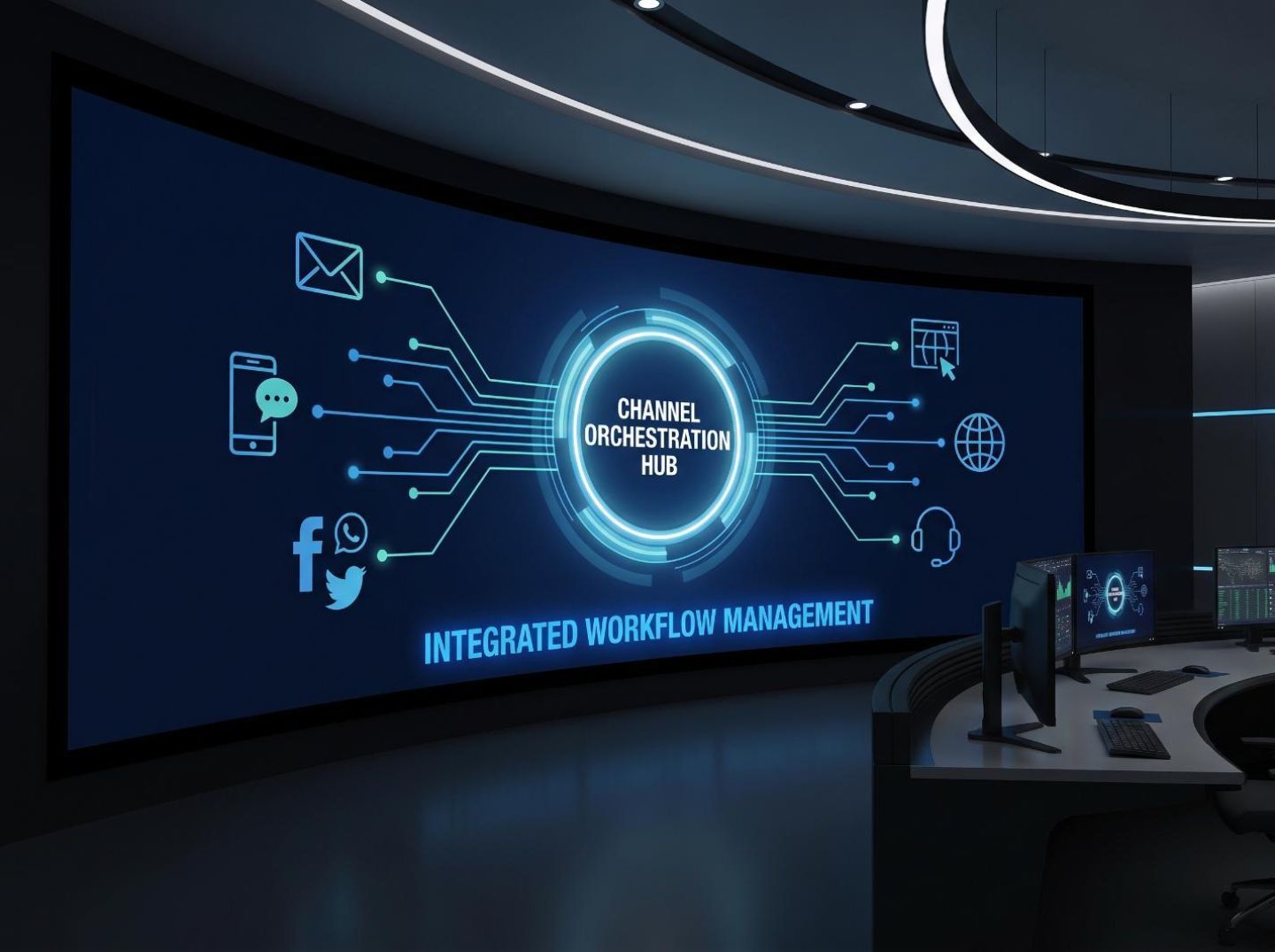
The biggest shift is that physical site logistics give way to channel orchestration. Where you once coordinated printing, shipping, and install schedules, you now orchestrate campaigns across multiple networks: Taboola or Outbrain for native, various mobile ad networks and OEM partners for push, maybe a DSP or two layered on top. Platforms like AdQuick’s OOH stack already treat thousands of boards as one orchestrated system, using machine learning to route spend across “trillions of possible combinations” of units. Native and push operations simply apply that same orchestration logic inside digital inventories instead of along interstate corridors.
The other thing that changes is what “live” means. In OOH, the binary is comforting: the board is either up or it’s not. In performance, a campaign can be technically live but functionally broken: tracking pixel not firing, event misconfigured, budgets capping at noon, bids too low to win auctions. Here your field-honed obsession with uptime becomes an analytics discipline. You graduate from “did we install the vinyl?” to “are we logged impressions, clicks, add‑to‑carts, and purchases in real time, and does that data reconcile across platforms?”
The upside is that the measurement layer you always wished you had in OOH is actually available by default. Where you once relied on modeled impressions and recall studies, tools now push granular performance data in real time, putting these channels “into parity with modern performance channels,” as AdQuick notes about its own work to make the “unmeasurable measurable.” In native and push, that kind of telemetry isn’t a premium add‑on; it’s table stakes. Your operational charter expands from making sure ads appear to making sure every impression is attributable, optimizable, and comparable to every other channel in the mix.
Your real estate chops come back into play when you start thinking about how push and native sit inside the media ecosystem. That “halo effect” you’ve seen when a big OOH splash lifts search and social now runs the other way too: a hyper-efficient push program can spike branded queries that make your high‑impact placements even more valuable, and vice versa, a high‑reach native burst can prime audiences before they ever walk past a board. Modern OOH platforms are already positioning the medium as a “non‑negotiable part of modern marketing strategies” precisely because they can now prove this kind of cross-channel effect, as AdQuick’s team has argued. When you bring native and push into that mix, you’re no longer just placing media—you’re architecting how channels talk to each other.
Look again at the way OOH operations and real estate roles are framed in OOH Today’s job roundups: site selection, stakeholder management, compliance, and campaign execution across “digital and static” assets. Translating those skills into performance means re-labeling some of your instincts: “site selection” becomes inventory curation, “lease negotiation” becomes platform and partner negotiation, “posting schedules” become bid strategies and pacing plans, and “proof-of-performance photos” become live dashboards and attribution reports.
If you can already manage a network of physical assets spread across a region, coordinating vendors, landlords, and clients under real-world constraints, you’re a short jump from managing a portfolio of digital channels under budget and performance constraints. The artifacts change—from steel structures and vinyl to pixels and event logs—but the operational DNA is the same: orchestrate complex systems, keep them running, and prove they’re working.
If you’ve ever fought for a spectacular on Sunset or wrapped a fleet of trucks, you already understand the core brief of great performance creative: seize attention in a hostile environment, deliver one idea instantly, and make it memorable enough that someone takes action later.
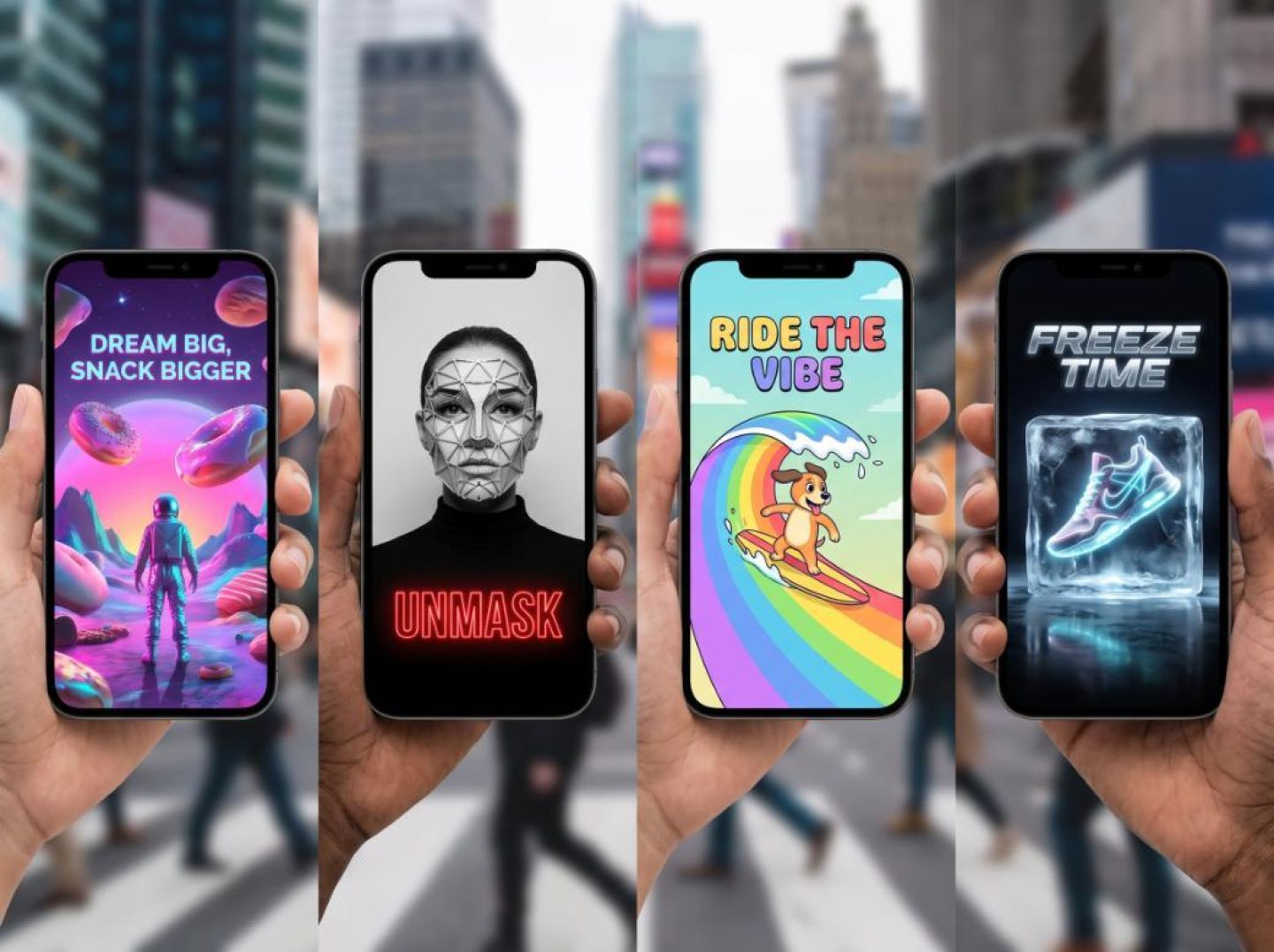
Native and push are the same game — just on a five‑inch screen instead of a 14’x48’.
OOH forces discipline. You’ve learned to:
Those instincts are gold in feeds and notification trays.
Where many digital teams over‑complicate, your bias toward brutal simplicity becomes a superpower. The same instincts that made a truck‑side for a local bank legible in traffic can make a native ad headline irresistible in a crowded content feed. Scrolling users are just drivers with less risk of whiplash.
If you’ve collaborated with “Graphic Designer/Brand Marketing Specialist – OOH” roles like the one SILVERCAST lists in recurring employment opportunities, you’ve seen how a single visual concept has to flex from spectacular to kiosk to social resize. Native and push are simply more placements in that system — with the added twist that you can now test ten variations in a day instead of swapping vinyl every six weeks.
Traditional OOH is often sold as a ta‑da moment: the big reveal, the iconic placement, the stunt. In performance channels, that reveal must be embedded inside a funnel:
Your OOH experience with experiential and sponsorship — like the “innovative digital and experiential advertising opportunities” described in Liquid Outdoor’s lifestyle‑center activations — maps directly to this. On the ground, you’ve already thought in sequences:
Performance creatives simply compress that journey into a few coordinated assets: native ad → pre‑sell article or landing page → retargeting push → offer page. You’re still designing an experience — just without the insurance forms and forklift.
Most native and push campaigns die because they assume captive attention and perfect comprehension. You know better.
Take your billboard instincts and bake them into your new toolset:
OOH has historically been light on feedback. Platforms like AdQuick changed that by turning placements into measurable, optimizable assets. Native and push take this to the extreme: every impression, click, and conversion can refine your work.
That doesn’t mean abandoning taste and intuition. It means treating every creative like a mini test:
You used to wait weeks and a post‑campaign recap to learn if a spectacular worked. Now your “spectaculars” live inside dashboards that refresh by the minute. The creative muscles are the same — attention, clarity, emotion — but the feedback loop is finally fast enough to make you dangerous.
Receive top converting landing pages in your inbox every week from us.
Editor’s Pick
Learn how OOH professionals can transfer their sales, operations, creative, and experiential skills into performance-driven Native and Push advertising. This guide breaks down how billboard expertise translates into digital media buying, channel orchestration, scroll-stopping creative, funnels, and measurable performance.
Rachel Thompson
7 minSep 26, 2026
Most Read
Discover why award-winning and highly praised creative does not always translate into profitable advertising performance. This guide shows how to turn inspiration into structured testing, reverse-engineer winning ads across Native, Push, Pop, and TikTok, and build a repeatable creative-performance loop.
David Kim
7 minSep 25, 2026
Recently Updated
Featured ad lists capture the creative everyone talks about, but they often miss the quiet native ads that consistently drive performance. This guide shows how to combine viral “hero” creatives with under-the-radar winners in Anstrex AI to build, test, and continuously improve native advertising systems based on real performance signals.
Liam O’Connor
7 minSep 24, 2026