6 minNovember 7, 2026

Our spy tools monitor millions of TikTok ads from over 55+ countries. Biggest TikTok Ad Library in E-commerce and Mobile Apps!
Try It FREEA viral TikTok can generate attention, engagement, and even sales. But what happens when the video stops trending, the audience moves on, or the platform changes how content is distributed?
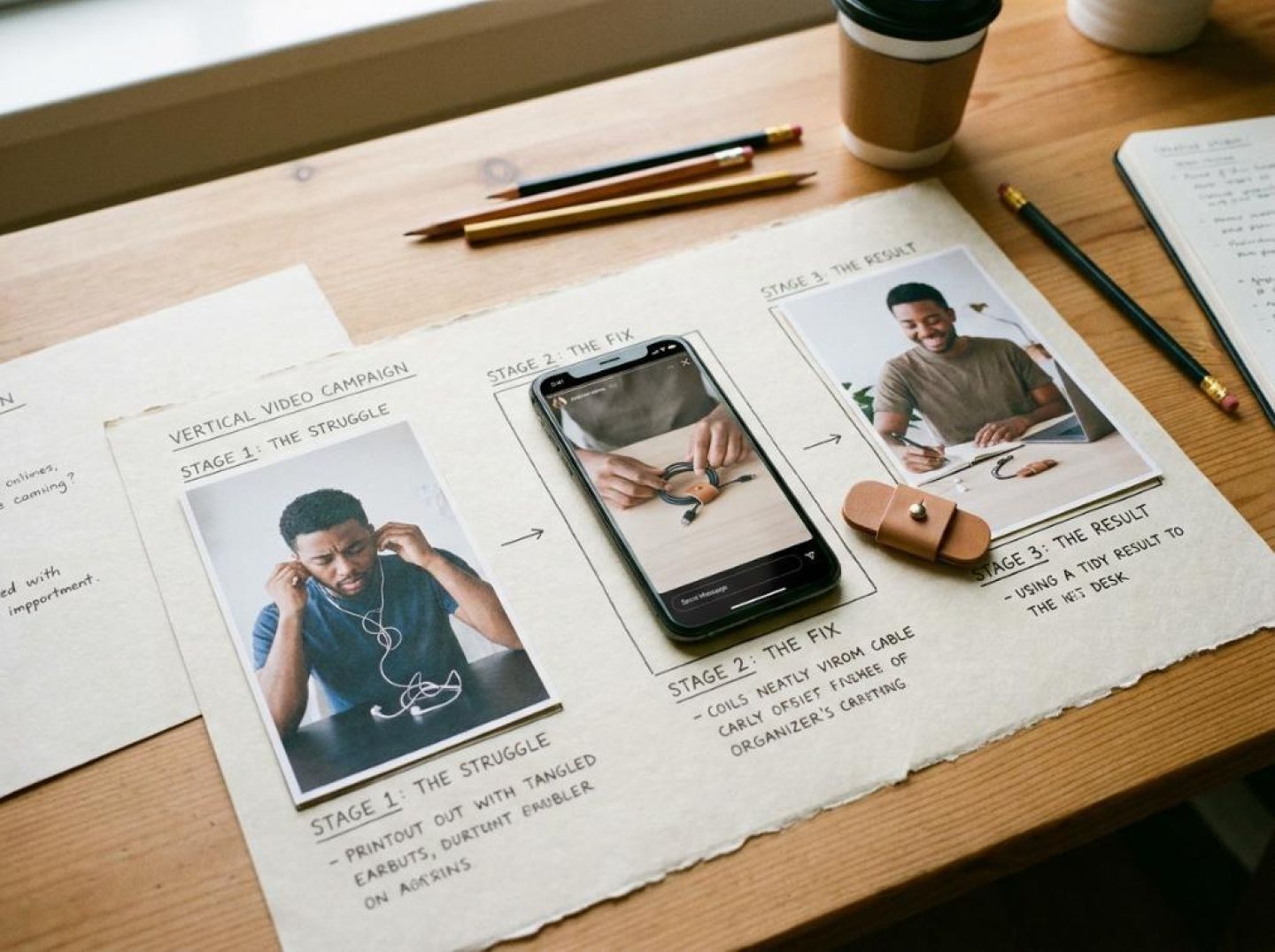
For performance marketers, the bigger opportunity is not simply creating another viral advertisement. It is understanding why a creative resonates, identifying the audience and offer behind it, and adapting those insights into a repeatable advertising system.
That means thinking beyond individual channels.
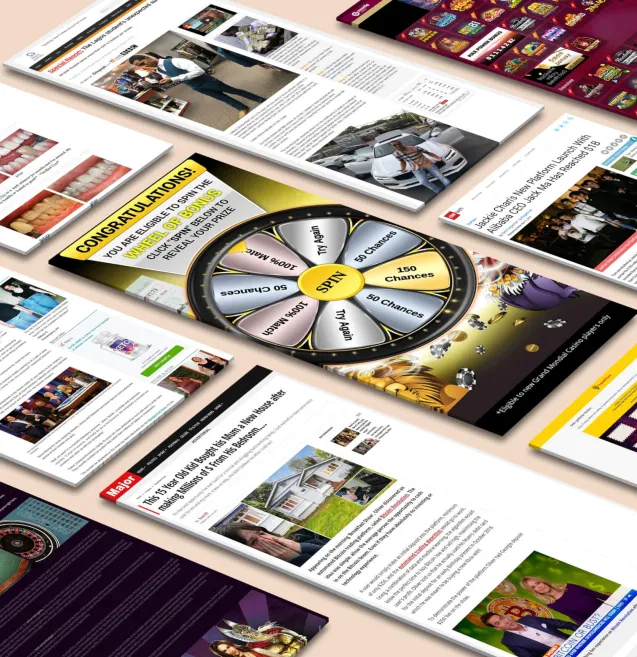
A TikTok video might reveal a compelling customer problem. A Native advertisement can turn that problem into a curiosity-driven headline. A Push notification can deliver a timely reminder, while a Pop campaign can introduce a direct response opportunity. Each format has a different role, but the underlying message can remain connected.
This approach becomes especially relevant as advertising platforms introduce more AI-assisted discovery, targeting, creative generation, and in-app commerce experiences.
Instead of planning campaigns around isolated traffic sources, marketers need to understand the customer journey across the environments where discovery and conversion happen.
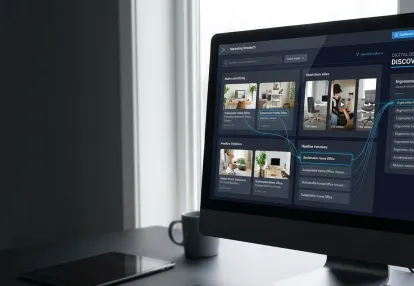
With Anstrex In-Stream, advertisers can research TikTok creative patterns, study the messages competitors are using, and identify ideas worth testing beyond the original platform.
The objective is not to copy a viral video and distribute it everywhere. It is to turn useful creative insights into cross-channel campaigns that can continue working after the original trend has passed.
Channel-first planning made sense when marketers treated each platform as a separate traffic source feeding into a website or search engine.
TikTok generated awareness. Instagram encouraged engagement. Google captured search intent. The website handled conversion.
That model is still useful as a basic planning framework, but it does not fully describe how modern advertising experiences work.
Platforms increasingly combine discovery, content, recommendations, and conversion features within the same environment. At the same time, AI-assisted systems are changing how advertisements are created, distributed, and matched with audiences.
TikTok is a useful example of this shift.
The platform is developing tools that support several stages of the marketing process, from creative production and creator collaboration to product discovery and commerce.
As Social Media Examiner explains in its coverage of TikTok's all-in-one funnel tools, TikTok's Symphony and commerce-related capabilities are expanding the ways brands can create content and connect discovery with action inside the platform.
That changes the way marketers should think about a TikTok campaign.
A video does not necessarily need to send every viewer to an external website to create value. Depending on the campaign objective and available features, users may discover a product, evaluate an offer, complete a lead form, or purchase within the app.
The platform itself can support multiple stages of the customer journey.
Automation has also changed how advertisers approach targeting.
Broad targeting, automated bidding, and recommendation systems allow platforms to make more distribution decisions using their own signals and optimization models.
This makes creative strategy increasingly important.
MarTech's discussion of creative becoming the new targeting explores how the message and visual presentation of an advertisement can help platforms identify the people most likely to respond.
A video that opens with a specific problem may attract a different audience from one that starts with a product demonstration or broad lifestyle message.
The first few seconds matter because they help viewers decide whether the content is relevant. Engagement and conversion signals may then contribute to the platform's delivery and optimization processes.
This does not mean creative replaces every form of targeting. It means that the creative itself can play an increasingly important role in communicating relevance.
A shopper might discover a product through TikTok, search for reviews inside the platform, compare alternatives through Google, and later encounter a Native advertisement.
Another customer might see a creator video, complete an in-app lead form, and receive a follow-up message through a different channel.
The path varies by product, audience, and buying situation.
TikTok's advertising experiences can also incorporate qualification steps. In an example discussed by the HubSpot Marketing Blog, Invisalign used a Smile Quiz as part of its TikTok campaign to help qualify prospective customers before the lead form.
That illustrates how a social advertisement can do more than generate a click. It can introduce a product, gather useful information, and encourage a more meaningful next action.
TikTok is also developing AI-assisted workflows for creative and creator collaboration. VideoWeek's industry coverage discusses developments around TikTok's Symphony tools and their role in helping advertisers produce and manage content.
Meanwhile, marketers are exploring ways to reuse AI-assisted workflows and creative skills across platforms. Social Media Examiner's analysis of AI and TikTok advertising considers how these capabilities may influence advertising production beyond a single channel.
When marketers focus only on where advertisements appear, they can overlook three important things:
The better organizing principle is the customer journey.
Understand the questions people ask, the problems they want to solve, the signals that indicate interest, and the creative messages that make your offer relevant.
Then decide how each advertising channel can support the next step.
You do not necessarily have a TikTok problem. You may have a pattern-recognition problem.
Scrolling through endless videos can produce plenty of inspiration, but inspiration alone does not create a campaign strategy.
The challenge is identifying which creative concepts deserve further research and which are simply entertaining one-off posts.
This is where Anstrex In-Stream can become part of a more structured research process.
Instead of collecting random viral videos, focus on creative patterns, offers, audience problems, and destination experiences that may be relevant to your own advertising objectives.
A video can receive significant attention without generating meaningful business results.
Views and engagement are useful indicators of audience response, but they do not automatically establish purchase intent, lead quality, or profitability.
The more useful question is:
What does this creative reveal about the audience, the problem, and the offer?
The HubSpot Marketing Blog's breakdown of TikTok lead-generation campaigns discusses how campaign design and qualification experiences can influence lead generation.
Apply that perspective when researching advertisements through Anstrex In-Stream.
Rather than focusing only on viral popularity, organize your research around three areas.
Start with advertisers in your exact or adjacent market.
Look for creative concepts associated with relevant objectives, such as:
For example, if you are researching fitness products, an entertaining workout video may not be as useful as an advertisement that addresses a specific customer concern and connects it to a clear product offer.
Likewise, an advertiser promoting a software product may provide more useful inspiration through a problem-focused demonstration than through a general brand-awareness video.
The goal is to identify advertising that connects with a customer problem similar to yours.
Pay attention to how advertisements change over time.
Look for recurring concepts, multiple versions of the same message, and variations that retain a consistent offer or visual approach.
A creative that remains visible for a long period may deserve further investigation, but it is not proof of profitability. Advertisements can remain active for several reasons, and public-facing tools do not reveal the advertiser's complete performance data.
The same caution applies to multiple creatives from one advertiser. A large creative collection may indicate active testing, production, or campaign expansion, but it does not establish which variation is producing the best return.
Use these patterns to decide what deserves a closer look.
The opening seconds of a short-form video are especially useful for understanding how an advertiser communicates relevance.
Start by grouping the advertisements you find according to their opening approach.
Examples include:
Ask what the viewer is being invited to recognize.
Does the video call out a particular audience? Does it identify a frustration? Does it promise a result? Does it introduce a product immediately or build curiosity first?
These details can help you identify recurring creative structures worth testing.
Once you find advertisements worth studying, tag them consistently.
Useful categories include:
Hook type: Question, bold claim, transformation, demonstration, POV, or contrarian take.
Persona callout: The customer or audience identified in the opening message.
Offer mechanics: Quiz, diagnostic, bundle, discount, free tool, trial, or waitlist.
Destination: TikTok Shop, native lead form, external landing page, survey, or product page.
This creates a more useful research library than a folder of unrelated screenshots.
A relevant example of managing creator content at scale comes from Henkel's Pravana line. As Adweek's coverage of creator commerce at scale describes, the brand's creator activity grew into a large volume of content, creating a need for systems that could help identify which assets deserved further attention and potential paid amplification.
The broader lesson is that large creative libraries require a way to organize, evaluate, and prioritize content.
Anstrex can serve as a research starting point for identifying patterns in visible advertising activity. Your own campaign testing and performance data must determine which ideas deserve investment.
The final step is to ask where the creative pattern might be useful outside TikTok.
For example:
The Invisalign example discussed by HubSpot is useful here because it demonstrates how a qualification experience can become part of the advertising journey rather than simply a separate form after the click.
Used this way, Anstrex In-Stream is more than a swipe file. It becomes part of a research process that helps you identify, organize, and investigate creative patterns that may have value across your marketing channels.
TikTok funnels fail when marketers treat every video like a television advertisement with a comment section.
A successful campaign needs more than a compelling opening. It needs a clear path from attention to interest, qualification, and action.
A TikTok-native funnel takes advantage of the platform's own discovery and conversion experiences while keeping the customer journey connected to the brand's broader marketing strategy.
A large audience does not automatically represent a qualified audience.
If your objective is lead generation or sales, look beyond impressions and views. Consider the actions that indicate someone is becoming more interested in your offer.
Depending on your campaign, these may include:
These actions do not all carry equal value. Their importance depends on the product, buying cycle, and campaign objective.
The Invisalign example covered by HubSpot illustrates the value of using an in-ad Smile Quiz to qualify interest before asking prospects to complete a lead form.
Instead of treating the advertisement as a message that sends people elsewhere, the campaign incorporated a qualifying experience into the journey.
You can apply the same principle to other products and services.
A skincare brand might introduce a product-selection quiz. A software company might offer a short diagnostic. A home improvement business might use a project estimator to help prospects identify what they need.
Give each creative a clear job:
Measure these stages using metrics that match their purpose rather than treating every view as a buying signal.
One advertisement rarely communicates everything a customer needs to make a decision.
A sequence can introduce a problem, demonstrate a solution, and provide evidence that helps the audience evaluate the offer.
The source discusses TikTok's sequential advertising formats and references Neil Patel's overview of TikTok's premium advertising push.
Even without a premium sequential placement, you can apply the same storytelling principle to your own creative planning.
Build a three-part creative sequence:
1. Context ad
Introduce the problem in language your audience recognizes.
For example, a software advertiser might begin with the frustration of managing several marketing reports manually.
2. Solution ad
Show how the product or service addresses that problem in a specific situation.
Use a demonstration, workflow, or product walkthrough rather than relying only on broad claims.
3. Proof ad
Provide a reason to believe the solution is worth considering.
This could include a customer testimonial, a product demonstration, a documented case study, or a relevant comparison.
The sequence should have narrative continuity. Each creative should contribute something new rather than simply repeat the same message.
You can later adapt that structure into a YouTube video series, a landing-page sequence, or supporting content for search.
Creator-led content can provide a more natural way to demonstrate products and communicate customer experiences.
A polished brand advertisement is not the only creative format worth testing. Depending on the category, informal demonstrations, reviews, unboxing videos, and everyday product-use scenarios may provide useful alternatives.
The Pravana example from Adweek illustrates how creator activity can expand into a substantial content operation.
As the volume of content grows, manually reviewing every asset becomes increasingly difficult.
A more organized process can help teams:
TikTok's Symphony tools are also part of this broader shift toward AI-assisted creative production and creator workflows, as discussed in VideoWeek's coverage.
AI can help manage production and organization, but human review remains important for brand suitability, accuracy, rights, and message quality.
A TikTok-native funnel should make the next step as convenient as possible.
Depending on the campaign and available platform features, this may involve:
The source references Neil Patel's discussion of TikTok's premium advertising and commerce developments when describing the platform's expanding role in product discovery and conversion.
The important point is not that every business should move its entire funnel inside TikTok. It is that marketers should evaluate the native experiences available to their audience and choose the most appropriate conversion path.
After identifying which messages and offers work in your own campaigns, extend the learning beyond TikTok.
Use the strongest customer language, common objections, product explanations, and proof points to inform:
Your TikTok creative is not the entire funnel. It can be the starting point for a connected system that supports discovery and conversion across other channels.
A TikTok creative cannot simply be reposted into Native, Push, or Pop advertising and expected to work in the same way.
Each advertising environment has its own format, user expectations, and attention patterns.
The challenge is to preserve the central idea behind the original creative while adapting the message to the environment where it will appear.
Think of your TikTok creative as the original story. Native, Push, and Pop are different adaptations of that story.
Before adapting a creative, identify the elements that make its message understandable and relevant.
Focus on three things:
The promise: What outcome or benefit does the opening communicate?
The problem: What frustration, need, or situation does the creative address?
The proof: What demonstration, explanation, or evidence makes the message credible?
For example, a TikTok advertisement for an advertising research tool might open with a question about spending money on ads without knowing which creatives are working.
The underlying message is not simply about an analytics dashboard. It is about the frustration of making advertising decisions without enough competitive insight.
MarTech's analysis of creative as a targeting signal provides useful context for why a clear opening message can help communicate relevance.
When adapting the concept, preserve the customer problem and the promise of the solution.
Those are the elements that should carry across formats.
TikTok gives advertisers a short window to capture attention through motion, sound, and a visual opening.
Native and Push formats often need to communicate the idea much faster.
A useful approach is to compress the original message without removing the audience qualifier.
Consider this example:
| Format | Adapted message |
|---|---|
| TikTok | “Already spending at least $2K a month on ads but still unsure which creatives are driving results?” |
| Native headline | “Spending $2K+ on ads but unsure which creatives work?” |
| Push title | “Still guessing which ad creative works?” |
| Pop headline | “Wasting budget on untested creatives?” |
These are illustrative adaptations, not proven winning headlines.
Notice that each version keeps the central problem: advertisers are spending money without enough clarity about their creative decisions.
The wording changes because each format has different space and attention constraints.
For Native, the headline and lead image need to work together. For Push, the title needs to communicate enough value to earn an open. For Pop, the headline and immediate destination need to make the next step clear.
TikTok creative often depends on a creator's personality, setting, voice, and visual presentation.
Native and Pop advertising may appear in environments where the surrounding page or content provides more of the context.
That means the adaptation should preserve the emotional message while changing the visual treatment.
For example:
The objective is not to reproduce the original creator or video frame. It is to preserve the emotional beat that made the message understandable.
That could be skepticism, relief, curiosity, frustration, or the feeling of discovering a solution.
Advertising networks increasingly use automation and recommendation systems to distribute campaigns.
The source also references TikTok's expansion beyond its own app through the TikTok advertising ecosystem and third-party inventory.
When working across several channels, maintain a clear relationship between the original concept and its adaptations.
A practical creative taxonomy might include:
Use consistent naming and UTMs so that you can compare results across formats and understand which adaptations are being tested.
This does not mean AI systems automatically identify and favor every creative that shares a theme. Consistent naming is primarily useful for your own campaign organization, reporting, and analysis.
When using automated expansion or network-level distribution, review the available placement controls, brand-safety settings, and performance reporting. Do not assume every placement will be appropriate simply because the original creative performed well elsewhere.
Your job is to preserve the message and maintain control over the campaign's strategic direction.
A TikTok-native experience can make it easier for users to move from discovery to action without navigating a complicated external journey.
When adapting that campaign for Native, Push, or Pop, think about how to preserve the same sense of momentum.
For example:
Push: Send users to a relevant pre-sell page, product page, quiz, or lead form rather than automatically directing everyone to the homepage.
Pop: Make the destination immediately understandable, mobile-friendly, and easy to navigate. Keep forms and purchase steps as simple as the business requirements allow.
Native: Match the promise in the headline and image to the experience on the destination page. If the advertisement offers a product comparison or diagnostic, the landing page should deliver that experience rather than introduce an unrelated offer.
The goal is not to copy TikTok's interface. It is to preserve a smooth transition between the message and the next action.
When the same customer problem, promise, and offer remain recognizable across formats, your campaigns can feel connected without forcing every channel to look identical.
A viral TikTok can be a valuable starting point, but its impact should not end with views, likes, or a temporary increase in attention.
The real opportunity is to understand the creative principles behind the response.
What customer problem did the video identify? Which message made the offer relevant? What kind of demonstration or proof helped explain the product? What action did the advertisement encourage?
Those insights can inform more than another TikTok video.
With a structured research process, marketers can use Anstrex In-Stream to investigate visible TikTok advertising activity, organize creative patterns, and identify ideas worth testing. Those ideas can then be adapted into Native headlines, Push messages, Pop creatives, landing pages, and other campaign assets.
But adaptation is not the same as copying.
Every format has its own requirements. A hook that works in a creator-led video may need a shorter headline for Native or Push. A product demonstration may need a more direct visual for a Pop placement. The underlying message can remain consistent while the execution changes.
AI and automation can support creative production, distribution, and campaign optimization. Your own testing and performance data still need to determine which combinations deserve further investment.
The strongest cross-channel strategy is not the one that makes every advertisement look the same. It is the one that makes every advertisement contribute to a coherent customer journey.
Research the creative. Understand the message. Adapt the experience. Then let your own results determine what scales.
Receive top converting landing pages in your inbox every week from us.
Trending
TikTok can reveal creative angles, audience problems, and offers worth investigating. Discover how to use Anstrex In-Stream to research TikTok campaigns, build in-app funnel experiences, and adapt the strongest messaging patterns for Native, Push, and Pop advertising.
Dan Smith
7 minNov 7, 2026
How-To
AI-powered search is changing how users discover products and services. Learn how to analyze competitor advertisements, landing pages, and cross-channel creative patterns with Anstrex to build more relevant campaigns and content.
Liam O’Connor
7 minNov 5, 2026
Guide
Keyword tools show what people are already searching for. Native and TikTok ad intelligence can reveal the specific problems, audiences, and outcomes gaining attention before those signals become obvious in search data.
Marcus Chen
7 minNov 5, 2026