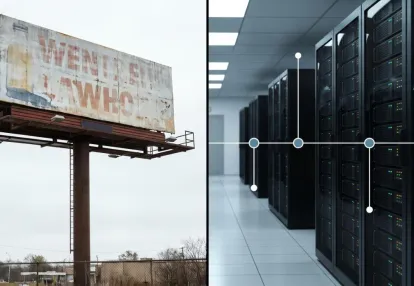
Learn how OOH employers can move beyond selling billboard inventory and start monetizing the full funnel impact of every outdoor impression. This guide shows how to connect OOH with Native and TikTok-style funnels using competitive intelligence, creative research, tracking, retargeting, and performance-focused roles.

Our spy tools monitor millions of TikTok ads from over 55+ countries. Biggest TikTok Ad Library in E-commerce and Mobile Apps!
Explore what OOH hiring trends reveal about the gap between traditional billboard operations and the industry’s performance-marketing ambitions. This guide examines job boards, missing data roles, and the growing need for competitive intelligence and performance-focused tools in out-of-home advertising.
Explore how experience-led brand storytelling is shifting influence inside modern organizations, moving creative leadership closer to strategy, culture, and the C-suite. This guide examines the rise of experience architects, creator-driven storytelling, thought leadership, and the evolving role of performance marketers as creative intelligence teams.
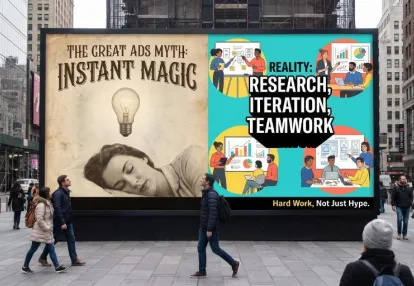
Learn why “great ads” are no longer enough in an AI-first advertising economy, where creative is increasingly used as a targeting signal and performance input. This guide explains how to build data-obsessed creative teams, replace vibes-based inspiration with live creative intelligence, and turn every campaign into a learning engine.
Discover how Pure Leaf’s “Break Conference” can be deconstructed as a full-funnel strategy spanning Native, Push, and Pop advertising. This guide shows how marketers can use creator content, TikTok Instream, Anstrex, search data, and PR signals to turn a feel-good brand stunt into a measurable performance engine.
Discover why many OOH job descriptions still reflect a 2008-era, inventory-first mindset and how operators can redesign roles around data, performance, and competitive intelligence. This guide shows how sales reps, general managers, mobile OOH teams, and performance marketers can turn OOH into a measurable, full-funnel growth channel.
Explore what OOH job classifieds reveal about the future of competitive ad intelligence and why traditional sales skills alone may no longer be enough. This guide shows how sales, operations, installation, and creative teams can become intelligence nodes that help OOH companies spot market shifts and competitor activity faster.
Testing only inside Google Ads and TikTok can hide platform bias, attribution problems, and misleading performance signals. This guide shows how to combine spy-tool intelligence with controlled experiments across Google, TikTok, Native, Push, and Pops to identify which creative and funnel patterns actually drive incremental results.
Generic AI output is becoming easier to recognize and harder to differentiate in performance marketing. This guide shows how to turn competitor spy data into structured AI inputs, build expert-backed creative workflows, and generate original ads that use market intelligence without copying competitors.
More MarTech does not always mean better performance. This guide explains why ad intelligence can give performance marketers faster, more actionable competitive signals while reducing the complexity, data fragmentation, and operational friction of bloated marketing stacks.
Follower counts and polished profiles don’t always reveal which creators can actually drive sales. This guide shows how to use ad spy data to identify proven creator content, evaluate performance signals, and build a stronger influencer shortlist before spending your budget.
GEO is evolving from a reporting exercise into a growth strategy, and paid ad data can provide valuable insight into the narratives, intents, and signals AI engines encounter. This guide explains how to use Anstrex and ad spy intelligence to research proven messaging, build AI-ready content, monitor competitors, and strengthen your brand’s presence in generative search.
Learn how to apply the Network Operations Center (NOC) model to modern media buying by connecting creative, delivery, site, CRM, and revenue signals in one operating system. This guide shows how to use Anstrex, AI tools, alerts, guardrails, and incident runbooks to monitor TikTok and paid media performance and respond faster to problems.