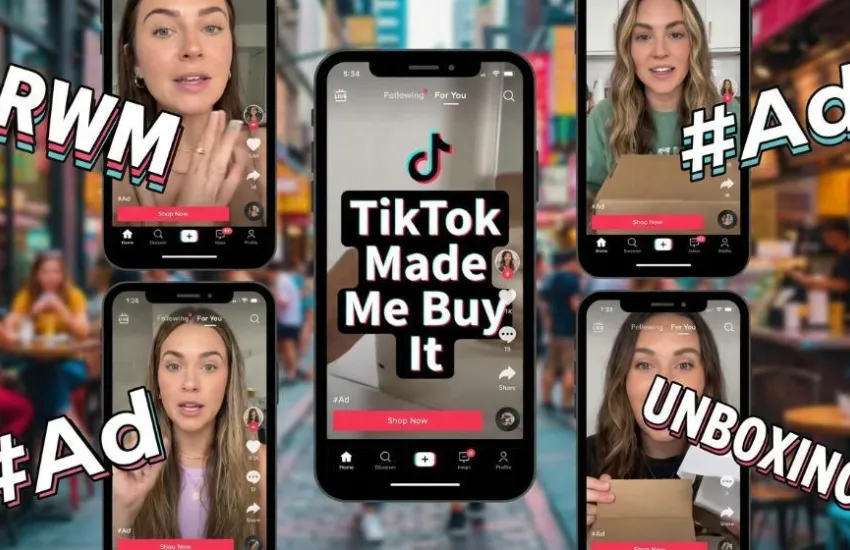
TikTok's speed and volatility create both major opportunities and major risks for advertisers. This article explains why marketers should distinguish between short-lived viral spikes, longer-lasting cultural waves, and paid commerce signals, rather than treating every trending topic as an advertising opportunity. It argues that paid ad longevity is a stronger performance signal than organic trend volume, while competitive intelligence can also reveal creative authenticity, emerging AI-content risks, and brand-safety patterns.

Our spy tools monitor millions of TikTok ads from over 55+ countries. Biggest TikTok Ad Library in E-commerce and Mobile Apps!
Performance marketers often waste creative budget before a campaign even launches by choosing hooks, angles, and visual directions based on instinct rather than validated signals. This article applies AMC-style storytelling principles to ad creative, using a Tension → Stakes → Resolution framework to create more intentional and differentiated concepts. It also shows how competitor ad research and creative longevity can reveal proven narrative patterns before production, helping marketers turn competitive intelligence into stronger creative hypotheses instead of simply producing more variations.
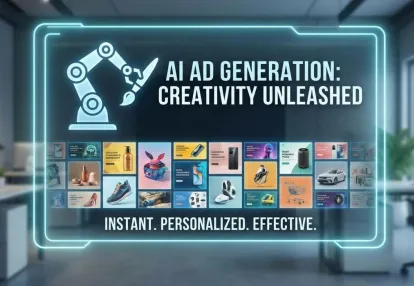
AI can generate advertising creative at unprecedented speed, but speed without market intelligence can produce an endless stream of generic, undifferentiated ads. This article argues for an intelligence-first workflow: study live competitor campaigns before generating anything, identify durable creative and landing-page patterns, structure those findings into a competitive signal base, and then feed that intelligence into AI alongside brand context. The result is AI-assisted creative grounded in real market behavior rather than generic prompts and assumptions.
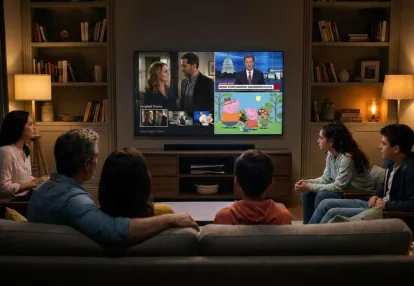
CTV advertising is becoming more attractive as consumers grow more comfortable with ad-supported streaming and AI improves creative optimization, targeting, and measurement. This article argues that native advertisers should treat CTV's growing operational maturity as a competitive warning rather than simply celebrating native's current advantages. It outlines how native can defend its position through competitive intelligence, stronger intent-driven attribution, CTV partnerships, and faster creative testing before streaming platforms absorb more of native's traditional performance advantages.
Affiliate fraud can distort attribution, inflate apparent campaign performance, and cause media buyers to make expensive decisions based on contaminated data. This article argues that ad spy tools should be used not only to find winning campaigns, but also as an early-warning system for suspicious activity. It identifies key signals including implausible campaign scale, sudden advertiser disappearances, unusually fast creative recycling, mobile-only activity, and cloned landing pages—and shows how monitoring these patterns can help advertisers avoid modeling their budgets on fraudulent or unsustainable campaigns.
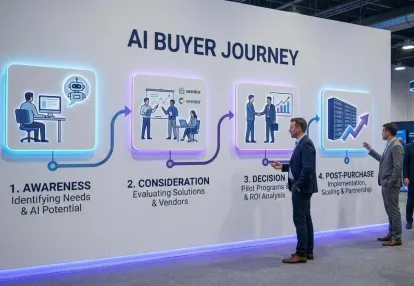
AI search is collapsing the discovery stage of the affiliate buyer journey, leaving affiliates with less opportunity to capture broad, curiosity-driven traffic. This article argues that the middle of the journey—validation and decision confirmation—is now the territory affiliates should own. By building landing pages around rapid authority transfer, third-party proof, transparent comparisons, and strong editorial signals, affiliates can convert higher-intent visitors while also improving their chances of being cited by AI answer engines.
AI-generated advertising is creating a growing trust problem: consumers may respond positively to AI content when they do not know it is AI-generated, but engagement and trust can decline once that origin is revealed. This article argues that native advertisers should not abandon AI, but should move it upstream into research, competitive intelligence, positioning, and creative planning while keeping human judgment responsible for final output. The stronger long-term advantage is trust infrastructure—real proof, credible expertise, authentic customer evidence, and governance that can withstand increasing platform and regulatory scrutiny.
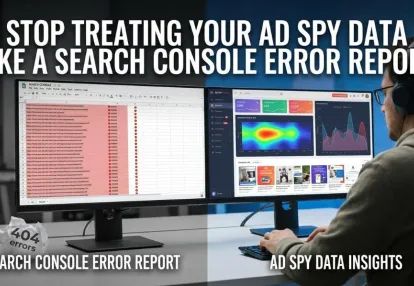
Ad spy data is valuable, but visibility alone does not make a signal actionable. Long-running ads, top-ranked creatives, and conflicting campaign variations can all be misleading when viewed without context. The smarter approach is to analyze the patterns behind competitor decisions—across geographies, networks, creative iterations, and landing pages—and build a pattern library that helps marketers identify durable strategies instead of simply copying visible ads.
Streaming's move into profitability signals a maturing ad market—and potentially rising competition and costs. Instead of following the crowd into increasingly expensive streaming inventory, performance marketers can look toward underpriced opportunities in TikTok InStream, native ads, and push. By monitoring creative volume, platform-native execution, new entrants, and landing-page changes, competitive intelligence can help identify where ad budgets are migrating before higher CPMs make the opportunity obvious.
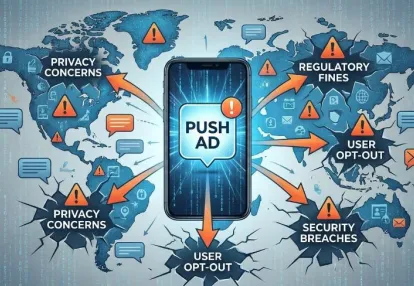
A recent TCPA ruling may have narrowed one private enforcement mechanism for marketing texts, but push advertisers still face significant legal, regulatory, and platform-level compliance risks. The smarter strategy is not to relax standards, but to monitor surviving campaigns, study current consent and creative patterns, and build an ongoing compliance process. Competitive intelligence can help marketers spot changing enforcement signals and adapt before campaigns, domains, or subscriber bases are affected.
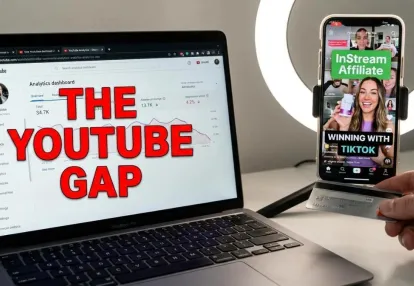
The YouTube gap in AI search may be real, but affiliate marketers have another major opportunity in TikTok InStream advertising. TikTok has evolved into a large-scale performance and commerce platform, offering lower-cost reach, strong engagement, and direct-response opportunities. Success depends on platform-native, human-led creative and systematic competitor research to identify winning hooks, offers, landing pages, and creatives before competition drives costs higher.
Big-brand campaign launches are more than industry news—they can serve as valuable research triggers for performance marketers. By tracking how major brands translate high-budget campaigns into native ads, push campaigns, landing pages, audience segments, and creative variations, advertisers can uncover tested messaging and funnel strategies. The key is using ad spy data systematically to observe what survives testing, adapt the underlying strategy, and build campaigns based on real market signals.
When AI gives every advertiser the ability to produce endless creative variations, production itself stops being a competitive advantage. The real edge shifts to competitive intelligence: identifying which ads, hooks, landing pages, and creative patterns are actually surviving in the market. By using tools like Anstrex as a signal detector rather than simply relying on AI as a content factory, marketers can make smarter creative decisions before spending their own budget.