6 миниюня 9, 2026

Наши инструменты отслеживают миллионы всплывающих и pop-under объявлений из более чем 90 стран и у тысяч издателей.
НачатьАмериканские компании в этом году направят примерно 57 миллиардов долларов на рекламу, основанную на ИИ — около двенадцати центов с каждого рекламного доллара теперь проходят через ту или иную форму машинного творчества, таргетинга или оптимизации. Несомненно, индустрия сделала огромную ставку на искусственный интеллект как двигатель своего будущего. И всё же контент, поступающий в ленты потребителей, всё чаще вызывает ироничные усмешки, а не вовлечение.
Разрыв поразителен. Бренды тратят на творческий контент, созданный с помощью ИИ, больше, чем когда-либо, в то время как доверие аудитории к такому контенту рушится. Когда примерно две трети потребителей заявляют, что реклама, созданная с помощью ИИ, «настолько очевидна, что выглядит смешно», возникает желание обвинить в этом технологию — сделать вывод, что модели пока недостаточно хороши или что генеративный ИИ просто не может сравниться с творчеством человека. Но подобное заключение полностью упускает из виду настоящую причину неудачи.
Проблема не в механизме генерации. Проблема в том, что в него закладывается.
Сегодня типичный творческий рабочий процесс с использованием ИИ выглядит так: бренд загружает свое руководство по стилю, добавляет несколько утверждённых изображений продукта, вводит запрос вроде "создай пять вариантов рекламы в Facebook, ориентированных на миллениалов, интересующихся фитнесом", и ждёт, пока машина выдаст результат. Входные данные стерильны — брендовые рекомендации, стандартные активы, шаблонные портреты целевой аудитории и канцелярский язык, который мог бы принадлежать любой компании в этой категории. ИИ послушно собирает эти компоненты в рекламу, которая формально соответствует бренду, но по сути пуста.
Это проблема «мусор на входе — мусор на выходе» в масштабах индустрии. Как утверждает Фрейзер Коттрелл из Fraggell, чтобы заставить ИИ производить то, что вам действительно нужно, требуется серьёзная работа, и качество результата определяется качеством предоставленного контекста и инструкций. Распространённое заблуждение о том, что ИИ по своей природе создаёт низкокачественный контент, скрывает более глубокую истину: большинство команд пропускают важнейший этап формирования подлинного творческого интеллекта, прежде чем открыть какой-либо инструмент генерации.
То, чего явно не хватает почти в каждом креативном брифе по ИИ, — это самые богатые данные, доступные любому маркетологу, — то, что действительно работает и приносит конверсии в активных конкурентных кампаниях прямо сейчас. Конкуренты ежедневно тратят миллионы, тестируя зацепки, предложения, визуальное оформление и подходы к подаче сообщений на всех основных рекламных платформах. Этот коллективный сигнал представляет собой фокус-группу огромного масштаба в режиме реального времени, однако почти никто систематически не собирает эти данные и не использует их в своих ИИ-процессах.
Вместо этого индустрия рассматривает разработку креативов и анализ конкурентов как отдельные дисциплины. Стратеги могут бегло взглянуть на рекламу конкурентов во время ежеквартального анализа. Медиа-покупатели оптимизируют ставки и размещение. А инструменты ИИ, генерирующие креативы, работают в вакууме, располагая лишь внутренними брендовыми материалами и догадками маркетологов о том, что может заинтересовать аудиторию.
Как сообщал MarTech, ведущие рекламодатели уже внедряют непрерывные циклы оптимизации креативов, в которых ИИ оценивает показатели вовлеченности и автоматически видоизменяет сообщения для улучшения эффективности. Однако эти циклы почти исключительно направлены внутрь компании — оптимизируются по историческим данным бренда, оставаясь слепыми к тому, что делают другие игроки рынка. Как отмечает тот же анализ, креативная стратегия должна переходить на более ранние стадии. Если этого не происходит, мы получаем именно то, о чём потребители говорят нам сегодня: поток рекламы, созданной с помощью ИИ, которая выглядит алгоритмически собранной, безликой и лишённой какой-либо конкурентной остроты.
Всю дискуссию о «качестве ИИ» необходимо переосмыслить. Это не технологический кризис. Это кризис входных данных — и решение начинается с признания того, что самые ценные креативные данные находятся не в медиатеке вашего бренда. Они находятся в реальных кампаниях ваших конкурентов.
Система Фрэзера Коттрелла, изложенная в недавнем пошаговом руководстве Social Media Examiner, представляет собой реальный шаг вперед по сравнению с тем, как большинство рекламодателей используют генеративный ИИ. Вместо того чтобы вводить однострочную подсказку в ChatGPT и надеяться на лучшее, Коттрелл создает многоуровневую базу знаний о бренде — загружая исследования потребителей, руководящие принципы бренда и примеры эффективных рекламных объявлений — до написания креативного задания. Затем ИИ направляется структурированными подсказками, ссылающимися на эту основу, и производит результат, который действительно звучит как голос бренда, а не как голос всех остальных брендов. Это дисциплинированный процесс, и если вы замечали, как коллеги создают пресные, взаимозаменяемые рекламные тексты с помощью простых подсказок, вы уже понимаете, почему это важно.
Однако согласованность бренда — это не то же самое, что конкурентное преимущество.
Рабочий процесс Коттрелла решает внутреннюю проблему: он гарантирует, что креативный контент, созданный с помощью ИИ, соответствует вашей позиционированию, тону и языку вашей аудитории. Однако он не может сделать то, что невозможно даже при всестороннем обучении бренда изнутри, — показать, что происходит на другой стороне аукциона. Он не покажет, какие заголовки ваш ближайший конкурент тестирует в кампаниях push-уведомлений на этой неделе, какие варианты посадочных страниц остаются эффективными после третьего дня в ротациях нативной рекламы или какие визуальные шаблоны доминируют в pop-трафике в вашей нише. Эта система представляет собой замкнутый цикл, работающий исключительно на основе собственных входных данных. Она создаёт контент, соответствующий бренду, но этот контент разработан в вакууме.
Это слепое пятно сегодня важнее, чем раньше, именно потому, что ИИ одновременно снизил порог производства для всех. Как отмечает сам Коттрелл, изображения товаров, которые раньше требовали дорогостоящих студийных съёмок, сейчас можно создавать за копейки, а обновление Andromeda от Meta подталкивает рекламодателей к созданию действительно уникальных креативных вариаций вместо сотен почти идентичных правок. Результат — поток грамотных, ориентированных на бренд материалов появляется на рынке одновременно, что усложняет выделение среди конкурентов, а не упрощает. Когда все объявления выглядят профессионально, стратегический вопрос смещается с «Отражает ли это наш бренд?» на «Выделяется ли это на фоне всего остального, что видит аудитория?»
Существует параллельный риск, усугубляющий проблему. Как сообщалось на MarTech, потребители уже дают понять, что реклама, созданная ИИ, должна сохранять человеческое прикосновение — качество, которое быстро теряется, когда каждый конкурент использует одни и те же генеративные модели в рамках одинаковых передовых методик. ИИ, обученный на данных бренда, если оставить его самого по себе, стремится к среднему: безопасные зацепки, предсказуемые макеты, знакомые эмоциональные сюжеты. Ему не хватает внешнего давления, которое заставляет креативы развиваться.
Пропущенный шаг — это то, что можно назвать введением внешних сигналов: включение в рабочий процесс ИИ не только собственных данных бренда, но и структурированной информации о конкурентной среде. Какие позиционирования используют конкуренты? В каких форматах осуществляются устойчивые расходы (надежный индикатор эффективности)? Где есть пробелы в коммуникации, которые может заполнить ваш бренд? ИИ, обученный на данных бренда, создаёт контент, который внутренне последователен. ИИ, обученный на рыночных данных, создаёт контент, который внутренне последователен и учитывает внешние данные — креативы, которые не просто представляют вас, но и конкурируют. Это различие не абстрактно. Это разница между разговором с самим собой перед зеркалом и оценкой обстановки перед тем, как заговорить. А чтобы оценить обстановку, требуются инструменты того типа, которые большинство рабочих процессов с ИИ пока не интегрировали: платформы рекламного интеллекта, которые показывают, что на самом деле сейчас активно в рынке.
Корпоративные рекламодатели уже много лет знают, что качество креативов определяет результаты кампаний. Проблема, как отмечал Иэн Форрестер из DAIVID, заключается в том, что креативы «оценивались обособленно, без связи с результатами размещения медиа», — слепое пятно, которое сохраняется даже сегодня, когда бренды вкладывают деньги в сложные модели атрибуции и тесты инкрементальности. Такие гиганты, как Unilever, сейчас создают собственную инфраструктуру для массовой оценки эффективности креативов и привязки этих оценок к результатам медиа в реальном времени. Это впечатляющий проект, который намекает на то, куда движется вся отрасль.
Но если вы рекламодатель, ведущий performance-кампании в форматах натив, пуш или поп, вам не нужна миллиардная система измерений. Вам нужно кое-что более насущное: надежный обзор того, что уже работает на практике.
Вот что на самом деле означает конкурентная рекламная аналитика в контексте рекламы, ориентированной на эффективность. Речь не о исследованиях узнаваемости бренда или дашбордах тональности. Речь о сырых, наблюдаемых данных о том, какие креативы запускают конкуренты, на каких сетях, как долго и с какими структурами посадочных страниц. Когда конкретная реклама работает в нескольких источниках трафика в течение нескольких недель или месяцев и не снимается, сама по себе такая продолжительность становится сигналом — признаком рентабельности, который ни одна генеративная модель не сможет вывести только из обучающих данных.
Это различие важно, потому что, как задокументировано в MarTech, в этом году американские компании, как ожидается, потратят 57 миллиардов долларов на рекламу с использованием ИИ, а ведущие рекламодатели внедряют "непрерывные циклы оптимизации креативов, в которых ИИ оценивает показатели вовлеченности и автоматически адаптирует сообщения для повышения эффективности". Скорость и итерации становятся конкурентным преимуществом. Однако для циклов оптимизации необходимо, что-то для оптимизации относительно — и когда вы действуете за пределами закрытых экосистем, таких как Meta и Google, исходный сигнал должен приходить извне. Инструменты слежения за рекламой как раз предоставляют это: структурированную ленту данных о креативах конкурентов, которая показывает, какие подходы, зацепки, заголовки и визуальные решения выдерживают дарвиновское давление реальных рекламных бюджетов.
Ни один ИИ не может сфабриковать эти данные. Генеративные модели могут переосмысливать то, чему они были обучены, но не могут сканировать рекламные сети, реверс-инжиниринг конкурентных воронок или определять, что конкретная реклама средств для похудения работает на трех нативных платформах в течение сорока пяти дней с единым посадочным страницей. Это ручная конкурентная разведка — или, точнее, разведка, собранная специально созданными инструментами сканирования и мониторинга, которые управляются аналитиками-людьми, знающими, какие сигналы имеют значение.
Магия происходит в точке пересечения. Когда вы берете результаты, полученные с помощью инструментов шпионажа, и используете их в рабочем процессе генеративного ИИ в виде структурированных креативных брифов — с указанием выигрышного подхода, эмоционального триггера, формулы заголовка, визуального стиля — вы превращаете ИИ из того, чем, как ясно указывает освещение системы Фрейзера Коттрелла на сайте Social Media Examiner, он является без этого: «инструмента, эффективность которого определяется контекстом и инструкциями, которые вы ему даёте». Без конкурентного контекста даже самый продвинутый подход к составлению промптов даёт лишь обоснованные догадки. А с ним вы предоставляете ИИ креативный бриф, основанный на данных о реальной рыночной эффективности, превращая игровой автомат в точный инструмент.
Именно этот разрыв в креативном интеллекте отделяет рекламодателей, использующих ИИ для создания большого объёма контента, от тех, кто использует его для создания объёма, который конвертируется. Разрыв заключается не в технологиях. Он в слое входных данных — в конкурентных данных, которые ни одна модель не может создать самостоятельно, но которые каждой модели крайне необходимы.
Настоящее конкурентное преимущество заключается не в наличии ИИ или шпионских данных, а в их объединении в дисциплинированный рабочий процесс, который преобразует исходную конкурентную информацию в высокоэффективный креатив с такой скоростью, которую традиционные команды просто не могут поддерживать. Вот как такой рабочий процесс выглядит на практике.
Шаг первый: использование продолжительности жизни рекламы как сигнала рентабельности. Начните с инструментов слежения за рекламой на площадках с нативным, пуш- и поп-трафиком, отфильтровав самые долгосрочные креативы конкурентов. Реклама, которая активна в течение шестидесяти или девяноста дней, почти наверняка приносит прибыль — ни один медийный покупатель не будет продолжать тратить бюджет на убыточный креатив столь долгое время. Отметьте эти выжившие креативы и сохраните полный рекламный элемент: заголовок, текст, изображения, призыв к действию и целевую страницу, на которую он ведёт.
Шаг второй: выявите закономерности и зафиксируйте их в брифе по конкурентам. Именно здесь большинство рекламодателей торопятся вперёд и теряют выгоду. Вместо того чтобы копировать отдельную рекламу, проанализируйте всю совокупность объявлений. Какие структуры заголовков встречаются чаще всего — списки, провокационные вопросы, приёмы создания срочности? Какие эмоциональные триггеры преобладают — страх упустить выгоду, стремление к лучшему, социальное подтверждение? Как компонуются визуальные элементы — снимки товара в повседневной жизни, контрастные «до и после», пользовательский контент с говорящими лицами? Какой текст призывов к действию оказывается наиболее эффективным — «Получить бесплатно…», «Узнайте, почему…», «Попробуйте сейчас»? Зафиксируйте также архитектуру целевой страницы: иерархию верхней части, размещение знаков доверия, длину формы. Результатом должен стать структурированный бриф по конкурентам — не творческий шаблон для копирования, а библиотека шаблонов, отражающая то, что уже вознаграждается на рынке.
Шаг третий: объедините конкурентный бриф с базой знаний о вашем бренде и используйте оба источника в инструментах генерации на основе ИИ. Как ясно показывает методология Фрэйзера Коттрелла, генеративный ИИ создает действительно полезные рекламные материалы только при наличии глубокого контекста: персон покупателей, руководящих принципов голоса бренда, отличительных особенностей продукта и примеров прошлых успехов. Конкурентный бриф добавляет второй уровень контекста — то, что работает сейчас на рынке. Когда вы используете ИИ, подавая ему одновременно оба источника данных, результат получается таким, какой невозможно получить от каждого из них по отдельности: варианты, которые соответствуют имиджу бренда и учитывают рыночную ситуацию. Вы не требуете от машины оригинальности; вы просите ее интерполировать между проверенными внешними паттернами и вашим уникальным торговым предложением.
Четвертый шаг: тестирование с той скоростью, которую обеспечивает только ИИ. На этом этапе рабочий процесс приносит сложный доход. Ведущие рекламодатели уже внедряют то, что MarTech описывает как непрерывные циклы оптимизации креативов, в которых ИИ оценивает сигналы вовлеченности и автоматически совершенствует сообщения для улучшения результатов. Вместо запуска трех или четырех основных концепций и ожидания неделю для достижения статистической значимости, вы выкатываете десятки — или сотни — вариаций в рекламный трафик, позволяя реальным данным по кликам и конверсиям определить победителей и проигравших, после чего эти данные об эффективности возвращаются в следующий цикл генерации. Бриф становится четче, промпты — точнее, а креативы — эффективнее с каждым циклом.
Ключевая идея, лежащая в основе всего этого рабочего процесса, заключается в том, что главное преимущество ИИ в рекламном креативе — это не оригинальность, а интерполяция. Людские стратеги по-прежнему необходимы для принятия решений: какие конкурентные шаблоны стоит перенять, какие этические границы нельзя нарушать и какие рамки бренда следует соблюдать. Однако механическая работа по объединению этих шаблонов с вашим предложением, созданию сотен вариантов рекламных объявлений и итерациям на основе актуальных данных — это именно тот вид задач, для которых был создан генеративный ИИ. Сочетайте его с конкурентными данными, полученными в результате исследования рекламы конкурентов, и вы перестанете гадать, что нужно рынку, начав создавать креативы, отвечающие его потребностям.
Рекламные каналы performance-рекламы, такие как нативная, пуш- и поп-реклама, работают по творческой логике, принципиально отличающейся от логики брендинга или рекламы в социальных сетях, — и именно это различие делает описанный выше рабочий процесс на основе конкурентной аналитики и ИИ настолько эффективным в этих средах.
В брендовой рекламе креатив выражает идентичность. Кампания люксового модного дома призвана подчеркнуть уникальность, донести ценности и эстетические предпочтения, которые невозможно воссоздать, просто скопировав подход конкурента. Копирование успешных решений Hermès не поможет Patagonia, потому что ключевая цель — дифференциация. Социальные сети занимают промежуточное положение — такие платформы, как Meta, сейчас требуют большого объема креативов, и, как объяснил Фрейзер Коттрелл, ИИ может выровнять условия конкуренции для брендов, которые ранее не могли позволить себе студийное качество производства. Однако ленты соцсетей по-прежнему поощряют новизну, индивидуальность и неожиданность, способную остановить прокрутку. Сопоставление шаблонов с действиями конкурентов имеет реальные ограничения в условиях, когда алгоритм активно наказывает за одинаковость.
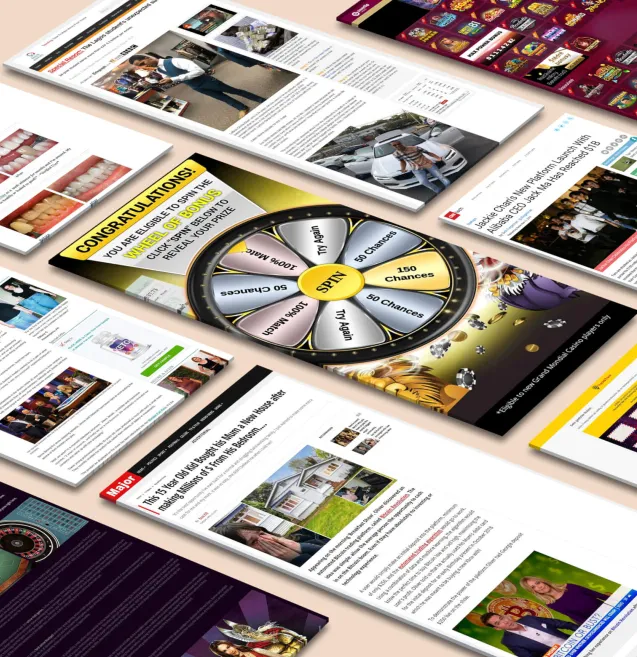
Нативная, пуш- и поп-реклама — совсем другой вид. В этих каналах креатив представляет собой механизм конверсии, работающий в строго ограниченных форматах: небольшое изображение вместе с заголовком в нативной рекламе, карточка в стиле уведомления в пушах, полностраничная всплывающая в попах. Параметры креативов умышленно сужены. Есть только определённое количество способов создать нативную карточку 300×250 для предложения розыгрыша и лишь ограниченный набор структур заголовков, способных спровоцировать клик по пуш-уведомлению. Эта ограниченность и является важнейшим моментом. Это означает, что конкурентные шаблоны интересны не просто так — они прогнозирующие. Когда вы замечаете, что семь из десяти долгосрочных нативных реклам в одной вертикали используют определённый стиль изображений, палитру цветов и структуру заголовков, вызывающих любопытство, вы видите схожие доказательства того, что конвертирует, а не просто совпадение в дизайне.
Именно поэтому здесь важнее подход, чем где-либо еще. Когда MarTech описывает необходимость создания "AI-ориентированных креативных и операционных моделей", сосредоточенных на постоянном тестировании, обучении и оптимизации, они описывают будущее, которое рекламодатели в сфере нативной, пуш- и поп-рекламы могут использовать уже сегодня, — при условии, что они обеспечивают свои AI-системы реальными конкурентными данными, а не дают запросы вслепую. Цикл постоянного тестирования, представленный MarTech, становится значительно эффективнее, когда отправной точкой выступают не случайные вариации креативов, а обоснованные гипотезы, основанные на том, что уже имеет успех на рынке.
Существует еще один структурный фактор, который делает конкурентную разведку незаменимой на этих каналах: им не хватает встроенных рекомендаций по креативам, которые предоставляют платформы-«закрытые сады». Meta предлагает рекламодателям рекомендации по креативам Advantage+, аналитику аудитории и показатели вовлеченности, которые подсказывают, что работает. Последние анонсы от Google включают встроенные функции A/B-тестирования и AI Brief, позволяющие рекламодателям устанавливать рамки для креативов простым языком и измерять прирост показателей без дублирования кампаний. Нативные сети, а также сети пуш- и поп-рекламы не предлагают ничего подобного. Никакого алгоритмического напарника, предлагающего следующее направление для креативов. Никакого встроенного тестового пакета для оптимизации заголовков за ночь. Вы летите с меньшим количеством приборов, что делает внешнюю конкурентную разведку не просто полезной, а необходимой — это максимально приближенный к сигналу инструмент в среде, которая иначе дает крайне мало обратной связи до тех пор, пока вы не потратите деньги.
Сочетание ограниченных форматов, прогнозируемых конкурентных моделей и скудных рекомендаций на уровне платформы создает особенно благоприятную среду для описанного нами рабочего процесса. Искусственному интеллекту здесь не нужно быть гениальным. Он должен быть систематичным, быстрым и основываться на фактических данных. Именно это и обеспечивает данные конкурентной разведки — и именно это делает такой подход чрезмерно ценным в каналах эффективности по сравнению с любыми другими рекламными контекстами.
Получайте лучшие конверсионные лендинги каждую неделю на свою почту.
Обязательно к прочтению
Узнайте, как поисковые системы на основе ИИ и агентная модель покупок меняют трафик, видимость рекламы и воронку performance-маркетинга. Научитесь использовать конкурентную рекламную аналитику и данные об ИИ-поиске, чтобы выявлять новые приоритеты покупателей, усиливать сообщения кампаний, создавать более эффективные посадочные страницы и находить возможности за пределами традиционных кликов.
Samantha Reed
7 минокт. 24, 2026
Обязательно к прочтению
Узнайте, как усталость от рекламы, созданной ИИ, делает нативные, пуш-кампании и кампании TikTok все более похожими, ослабляя вовлеченность и сокращая конкурентные преимущества. Научитесь использовать инструменты анализа конкурентной рекламы для выявления повторяющихся творческих шаблонов, разработки более оригинальной рекламы и выделения среди аукционов рекламы с использованием ИИ.
Liam O’Connor
7 минокт. 14, 2026
Инструкция
Узнайте, как связать рекламу вне дома (OOH) с цифровыми рекламными кампаниями для создания измеримых многоканальных воронок. Откройте для себя, как планировать маршруты светодиодных грузовиков, синхронизировать рекламу в поиске и социальных сетях, оптимизировать мобильные посадочные страницы и отслеживать конверсии, чтобы оффлайн-реклама приносила измеримые бизнес-результаты.
Samantha Reed
7 минокт. 13, 2026