6 минсентября 2, 2026

Наши инструменты отслеживают миллионы рекламных кампаний в форматах native, push, pop и TikTok.
НачатьЖюри премий и панели ROAS оценивают совершенно разные соревнования.
С одной стороны находятся работы, которые выигрывают Львов, Карандаши и One Show, — самые яркие «образцы портфолио» в презентации. Эти кампании оптимизированы для эффекта неожиданности, эмоционального воздействия и культурного престижа. Они созданы, чтобы заставить зал креативных директоров наклониться вперед и сказать: «Вот бы мне такое придумать».
С другой стороны — работы, которые тихо, но верно наращивают доходы. Эти кампании оптимизированы для систематического тестирования, безжалостного распределения бюджета и четкой аналитики. Они созданы, чтобы заставить финансового директора откинуться на спинку кресла, посмотреть на столбец ROAS и утвердить еще семизначную сумму.
Неприятная правда: индустрия по-прежнему рассматривает эти результаты как взаимоисключающие.
Это проявляется в том, как креатив часто «измеряется изолированно, оторванно от результатов медиа», как выразился генеральный директор DAIVID Ян Форрестер, описывая интеграцию моделей эффективности креативов в платформу адаптивной оптимизации ADIN.AI для компании Ajinomoto, которая постоянно связывает оценки креативов с данными об эффективности, чтобы корректировать распределение бюджета до, во время и после проведения кампаний, как сообщало издание Search Engine Journal. Это также видно по тому, как агентства одержимы построением нарративов для кейсов, в то время как медиа-команды живут внутри дашбордов, защищая собственные KPI.
Между тем, медиасреда стала слишком быстрой, слишком фрагментированной и слишком автоматизированной для того, чтобы «красивый, но неуправляемый» креатив мог выжить. Когда глобальный маркетолог, такой как Unilever, экспериментирует с сетью из 300 000 создателей контента, 71% из которых используют ИИ-инструменты, а контент распространяется по десяткам платформ и сотням рынков, прежняя инфраструктура оценки просто рушится. Работа людьми слишком медленна. Традиционные индикаторы бренда говорят вам, что сработало в прошлом квартале, а не в этот конкретный час, как отмечается в анализе того же Search Engine Journal.
В то же время оптимизация вышла далеко за рамки простых A/B-тестов заголовков. Современные специалисты должны постоянно совершенствовать таргетинг и ставки, масштабировать наиболее эффективные активы, исключать неэффективные сегменты и регулярно обновлять креативы — всё это на фоне серверного отслеживания каждого конверсионного действия, как указано в недавнем обзоре кросс-канальных стратегий на маркетинговом блоге HubSpot. Другими словами, «системная дисциплина» рекламы становится всё сложнее с каждым месяцем.
А ставки продолжают расти. Только в сфере стримингового ТВ 69% продавцов считают, что атрибуция и приростная эффективность — это сейчас самые важные функции ИИ, необходимые им для конкуренции, поскольку им нужно доказывать ROI с той же строгостью, которую предоставляют социальные платформы, как объясняется в обзоре AdExchanger о применении ИИ в стриминговом ТВ. Покупатели хотят эффективности и контроля, продавцы стремятся к максимальной выручке, а зрители требуют релевантного контента с меньшим количеством помех. Никто не готов платить премию за работу, которая просто «хорошо выглядит», если она не приносит реальной пользы в этой экосистеме.
Что же остаётся для амбициозного маркетолога или креатива в агентстве?
Застряли в ложном выборе — если только вы не измените то, как создаете рекламные кампании изначально.
В этой статье рассказывается об использовании инструментов рекламной аналитики, таких как Anstrex, чтобы сократить разрыв между демонстрацией наград и финансовым результатом. Вместо того чтобы воспринимать отличные идеи как разовые акции, вы научитесь воссоздавать высокорентабельные кампании в своей категории, расшифровывать креативные и структурные паттерны, реально приносящие прибыль, и перестраивать их в четкие, поддающиеся тестированию системы.
Здесь не обещают “bольше вдохновения”. Речь идет о воспроизводимом методе создания кампаний, способных побеждать как на фестивалях, так и на аукционах: идеи достаточно оригинальные, чтобы претендовать на награды, и при этом настолько точно выстроенные, чтобы их можно было масштабировать, оптимизировать и измерять с той же строгостью, что и самые суровые performance-маркетинговые кампании. Другими словами, превращение ваших лучших кейсов в предсказуемые двигатели прибыли.
Жюри наград и панели управления ROAS начинаются с разных определений «успеха» — и это различие незаметно влияет на всё: от написания брифов до обоснования бюджетов.
Награды поощряют оригинальность, повествовательную согласованность и культурное влияние. Они отдают предпочтение большой, единственной в своём роде идее, безупречно реализованной, которую можно оценить автономно: видео с кейсом, презентация, 90-секундный основной ролик. Не случайно такие программы, как награды Content Marketing Institute, делают акцент на «новаторской работе» и «высших достижениях» в развитии дисциплины. История должна ощущаться чёткой и значимой: смелое прозрение, отважный творческий прорыв и чёткая линия развития от проблемы к триумфу.
Информационные панели эффективности, напротив, не заботятся о том, аккуратна ли кампания или красива. Их волнует лишь, приносит ли машина деньги.
Именно поэтому работа, делающая креативщиков знаменитыми, так часто вызывает беспокойство у финансовых команд. Кампании, претендующие на награды, как правило:
Существует также временной дисбаланс. Наградные церемонии по своей сути ретроспективны: подача материалов осуществляется после завершения кампании, зачастую спустя длительное время. Дашборды работают в жёстком настоящем времени. Нативные платформы ИИ оптимизируют процессы за минуты, а не месяцы. Если красивая концепция показывает низкие результаты на ранних этапах тестирования, самонастраивающиеся системы незаметно снизят её охват и перенаправят бюджет в менее привлекательный, но более эффективный вариант. К моменту начала сезона подачи заявок кампания, которую увидит жюри, может мало напоминать ту гибридную монструозную конструкцию экспериментов, которая фактически принесла доход.
В то же время среды, в которых происходит открытие, переписываются такими способами, которые культура наград едва ли признает. В случае RealSense «Спасенные от забвения ИИ» ключевым пониманием стало то, что первое впечатление потенциального клиента было не сайтом или рекламой, а ответом ИИ-системы, которая ошибочно объявила компанию несуществующей — это вынудило команду заново переработать «истину» бренда в нескольких системах ИИ, как это описано в исследовании Content Marketing Institute. Нелегко превратить это в 90-секундный трогательный ролик, но именно такая инфраструктурная работа защищает и расширяет будущую выручку.
И наконец, структуры стимулирования расходятся. Премии поощряют редкость — несколько крупных, эффектных ставок в год. Оптимизация эффективности поощряет масштаб и устойчивость — десятки путей к покупке, каждый из которых постепенно совершенствуется. По мере того как системы ИИ всё чаще решают, какой креатив будет показан, где и по какой цене, бренды и агентства, которые добьются успеха в показателях ROAS, будут теми, кто разрабатывает решения для поисковых систем ответов, автономной оптимизации и пользовательского опыта после клика, рассматривая их как основные креативные компоненты, а не как дополнения, добавленные после выполнения «настоящей» работы.
Пока вы не согласуете эти противоположные силы притяжения, вы будете продолжать побеждать в видеороликах с кейсами и проигрывать в таблицах.
В большинстве агентств выражение «креатив, связанный со СМИ» по-прежнему означает аккуратное кейс-исследование: большая идея, набор активов, медиаплан и отчет задним числом, показывающий, как в итоге всё «сработало». Это рассказ о замкнутом цикле.
Но в средах с высокой эффективностью и высокой скоростью креатив и медиа не существуют в виде слайд-шоу; они существуют в режиме реального цикла.
Цикл в реальном времени начинается ещё до того, как показывается первое впечатление. Точно так же команда RealSense поняла, что первое взаимодействие в B2B-сфере зачастую представляет собой ответ, сгенерированный ИИ, а не посещение главной страницы сайта, и перестроила весь запуск на основе этого открытия. Как ясно указано в кейсе Content Marketing Institute, они рассматривали контент, дистрибуцию и алгоритмические сигналы как единую интегрированную систему, а не как отдельные потоки работы. Именно так на практике выглядит концепция "креативов, связанных с медиа": каждый элемент создается, размещается и улучшается с учётом реальной медиасреды, а не как абстрактная "идея", предназначенная для восхищения в вакууме.
В цикле в реальном времени креативы не просто тестируются; они постоянно оцениваются, ранжируются и получают перераспределение бюджета с учётом реальных расходов. Когда модели эффективности креативов от DAIVID напрямую подключаются к платформе покупки рекламы ADIN.AI, создается именно такая система обратной связи: рекламе заранее присваивается оценка по вероятности эффективности, бюджет направляется на то, что, как предсказывается, окажется эффективным, а затем в процессе кампании реальные медиаданные либо подтверждают, либо опровергают эти предсказания. Как объясняет Search Engine Journal, этот цикл не останавливается по окончании кампании; накопленные исторические данные становятся следующим набором первоначальных данных для принятия решений по креативам и распределению бюджета.
“Подключено” здесь — это не метафора, а структура данных. Творческие метаданные (формат, зацепка, визуальные коды, угол подачи сообщения), параметры аудитории и размещения, а также показатели результатов (ROAS, CPA, внимание, рост узнаваемости бренда) находятся в одной системе и с одинаковой степенью детализации. Именно это позволяет платформам, таким как AdStellar AI, массово запускать десятки или сотни вариантов рекламы в Meta, а затем автоматически выявлять победителей в “Центре победителей”, чтобы комбинации с самым высоким ROI можно было повторно использовать и масштабировать, не изобретая их заново в каждой кампании, как отмечается в блоге HubSpot по маркетингу. Как только у вас есть такая инфраструктура, закупка рекламы перестаёт быть статичным графиком и превращается в динамический механизм распределения, который постоянно согласует данные с эффективностью креативов.
Здесь также начинают проявляться интересные аспекты правовой и коммерческой реальности. Чем теснее творчество связано с медиарекламой, тем ценнее становятся конкретные воплощения по сравнению с широкими «идеями». Переговоры по контрактам начал разграничевать идеи, которые могут использоваться в разных концепциях, и отдельные исполнения, которые напрямую связаны с данными об эффективности и затратами на рекламу. Недавнее руководство по контрактам с рекламными агентствами от All About Advertising Law подчёркивает это различие. В условиях работающего в режиме реального времени цикла конкретный монтаж, сценарий или миниатюра — это не просто пример на видео, а доказанный актив, приносящий доход и вносящий измеримый вклад в ROAS, что изменяет подход к вопросам владения, лицензирования и повторного использования.
Важно, что «творчество, связанное с медиа», также меняет темп творческой работы. Когда вы управляете тысячами ассетов через сеть из 300 000 создателей, как это делает Unilever в модели, рассмотренной в Search Engine Journal, вы не можете полагаться на ежеквартальные исследования брендов или медленные человеческие группы для оценки эффективности. Вам нужна система оценки, которая работает с той же скоростью, что и создание и распространение контента. Это означает модели предварительного тестирования, применимые в массовом порядке, оценку в реальном времени на основе активных медиа и системы, которые автоматически регулируют расходы вверх или вниз в зависимости от эффективности творческих материалов.
Для креативных команд это не повод отказываться от мастерства или оригинальности. Это обязательство создавать идеи, которые изначально можно тестировать и развивать, и строить кампании как живые системы, а не как готовые артефакты. Когда креатив действительно связан со средствами массовой информации, кейс больше не является историей, которую вы рассказываете задним числом; это снимок цикла, который все еще работает, все еще учится и по-прежнему приносит прибыль.
Если вы открываете Anstrex как ребёнок в кондитерской, то утонете в сахаре. Правильный подход — рассматривать это как исследовательскую лабораторию: вы пришли не глазеть на “вдохновляющую” рекламу, а систематически добывать доказательства того, что работает и почему.
Начните с определения “рекламы, достойной наград и высокой отдачи”, используя фильтры, а не чувства.
Награды все чаще присуждаются кампаниям, построенным на четких, необычных инсайтах и четко доказуемых бизнес-результатах. Это касается как performance-маркетинга, так и контент-программ, таких как лучшая основанная на инсайтах стратегия маркетинга по версии CMI, где команда “Seeing RealSense” победила, обнаружив, что первое впечатление в B2B-сегменте сместилось с веб-сайта на ответы, сгенерированные ИИ. В Anstrex вы можете применить ту же дисциплину, выполнив следующее:
Вы ищете не красивое исполнение; вы ищете “это должно работать, иначе они бы уже перестали за это платить”.
Далее, занимайтесь обратной разработкой рабочего процесса, а не отдельной рекламы.
Большинство маркетологов по-прежнему одержимы кликами и пренебрегают опытом после клика, хотя исследование, описанное в анализе MarTech эффективности платной рекламы, показывает, что успешные специалисты более равномерно вкладывают средства в таргетинг, тестирование и посадочные страницы. Anstrex позволяет заглянуть на всем этом пути:
Вы создаете каркас системы, которая может как получать награды, так и достигать высоких показателей ROAS, поскольку демонстрирует целостную историю от показа до дохода, а не просто изобретательный баннер.
Затем анализируйте закономерности как медиа-ученый.
Инструменты, созданные для современной оптимизации, такие как оркестровка на основе ИИ, описанная в обзоре HubSpot об AdStellar AI, побеждают за счет масштабирования структурированного экспериментирования: множество вариантов, быстрые выводы, четкий «Центр победителей». Вы можете воспроизвести этот подход в Anstrex:
Именно эти выбросы являются местом обитания наград; нормы же определяют базовый уровень “не опозоримся”.
Теперь отделите идею от исполнения, чтобы вы могли юридически и творчески опираться на неё.
Юридические команды всё чаще чётко разделяют понятия “идеи” и “исполнение” в контрактах с агентствами, как отмечается в обзоре современных рекламных соглашений на сайте All About Advertising Law. Применяйте этот подход в Anstrex:
Скопируйте логику (диагностическую структуру, лежащую в основе «Seeing RealSense» — стратегию двойной аудитории «доказать, что мы живы как людям, так и алгоритмам»), а не дословные формулировки или художественное оформление. Обязательно перед тем, как перейти к созданию креативов, привыкайте переформулировать ключевую идею своими словами.
В конечном счёте превратите данные конкурентного анализа в стратегический план будущих тестов.
Команды с высокой отдачей не просто копируют то, что работает сегодня; они выстраивают спринты, чтобы обогнать конкурентов. Используйте полученную из Anstrex информацию для определения:
Вот как можно избежать “бесконечной прокрутки вдохновляющего контента”. Anstrex превращается из галереи обоев в генератор чертежей, основанных на данных: вы анализируете уже успешные продукты на рынке, выявляете лежащие в их основе стратегии и внедряете их в свой собственный рабочий процесс, чтобы ваш следующий “портфельный проект” с самого начала создавался по образцу прибыльного механизма.
Самый быстрый способ превратить разведданные в деньги — перестать относиться к ним как к доске вдохновения и начать воспринимать как телеметрию. Вы не просто «черпаете вдохновение». Вы занимаетесь обратной разработкой системы: ловушками, форматами и воронками, которые уже работают на других рекламодателей, а затем превращаете это в пошаговый план, который можно запустить, протестировать и развивать в собственном рабочем цикле.
В Anstrex начните с отфильтрованных победителей и откройте отдельные объявления и посадочные страницы рядом друг с другом. Ваша задача — разобрать стек крючков: каждый момент, когда потенциальный клиент вновь привлекается от прокрутки до покупки.
Ищите:
Относитесь к этому так, будто вы создаете таксономию. Проанализировав более 20–50 успешных объявлений, подсчитайте, какие паттерны повторяются: «истории трансформации из трёх частей», «конфликт «до/после»», «маленькая обещанная выгода, подкреплённая несоразмерно большим результатом» и т. д. Именно так вы переходите от мысли «это объявление выглядит неплохо» к осознанию того, что «данная аудитория реагирует на определённую, многократно воспроизводимую структуру зацепки».
Именно так работает премиальный аналитический подход. В рекламной кампании RealSense команда поступила не просто как авторы более качественного текста; они осознали, что «первое впечатление в B2B-сегменте уже больше не создаётся сайтом или звонком менеджера по продажам; оно формируется ответом, сгенерированным ИИ». Ваш набор зацепок должен аналогичным образом отражать реальное первое впечатление и настоящие страхи вашей аудитории, а не общие выгоды.
Далее проанализируйте, какие форматы наиболее эффективны и в каких случаях.
Ваши разведданные пометьте для каждого рекламного материала по следующим критериям:
Вам нужны шаблоны “формат x контекст”. Возможно, короткие видеоролики в стиле UGC доминируют в лентах соцсетей для низкобюджетных предложений, в то время как более длинные креативы в документальном стиле успешнее работают в стриминге или на YouTube, если продукт дорогой или сложный. По мере роста фрагментации омниканальных каналов основным ограничением становится не индивидуальная эффективность рекламы, а согласование всех этих компонентов; как отмечается в одном анализе использования ИИ в омниканальных кампаниях, сегодня реальная ценность заключается в управлении каналами и рабочими процессами, а не просто в оптимизации отдельных материалов.
Ваш документ должен четко отвечать на вопросы:
Это позволяет избежать случайных экспериментов типа «давайте попробуем видео, созданное пользователями», и заменяет их гипотезами формата, основанными на уже существующих лидерах рынка.
Теперь отойдите от отдельных объявлений и рассмотрите полные пути воронок, которые вы можете выявить:
Исходя из этого, набросайте вероятные схемы воронок: “Холодный вход → видео с эмоциональной историей → квалификационный вопрос → викторина → оформление заказа с акцентом на социальные доказательства” против “Потоковое предварительное воспроизведение → страница с объяснением бренда → ретаргетинг с короткими видеороликами, ориентированными на предложение”.
Здесь вы сталкиваетесь с реальностью, что креатив и медиа должны работать в режиме постоянного цикла, а не по принципу каскада. DAIVID и ADIN.AI описывают это как прямую передачу данных моделей эффективности креативов в медиа-реализацию, чтобы маркетологи могли “масштабировать высокорезультативные элементы и останавливать слабые в режиме реального времени”, а затем использовать эти результаты в качестве эталонов для будущего планирования. Ваши воронки должны быть спроектированы с такой же гибкостью: модульные блоки, которые можно переобъединять и оптимизировать на ходу, а не один хрупкий путь из 27 шагов.
Наконец, оформите всё в виде руководства, которым ваша команда сможет пользоваться на практике:
Важно организовать обратную связь: определите, какие сигналы (CTR, время удержания, частота отказов, доля квалифицированных лидов, прирост эффективности) станут триггерами для изменений в заголовках, форматах или этапах воронки. По мере того как платформы оркестровки с поддержкой ИИ всё активнее помогают агентствам координировать планирование, запуск и оптимизацию на всех каналах, преимущество получат те команды, чьи креативные стратегии изначально будут созданы для интеграции в слой оркестровки, а не адаптированы задним числом.
Результат — практическое преимущество: вместо того чтобы восхищаться рекламой конкурентов, вы управляете живой системой, которая постоянно анализирует данные разведки, выявляет рабочие модели и включает их в стратегию, которую ваша команда может внедрять, тестировать и развивать, превращая проекты в реальные двигатели прибыли.
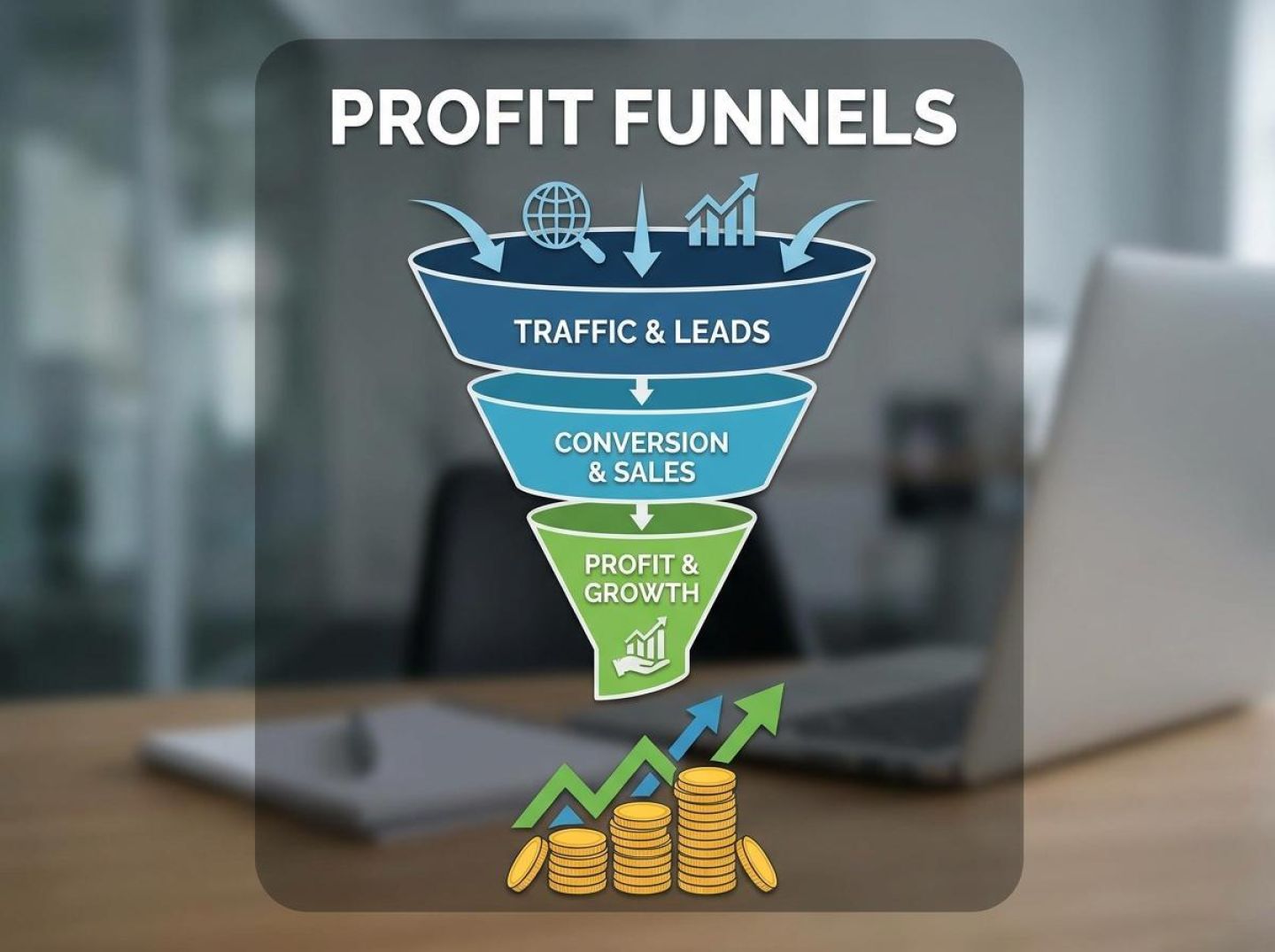
Воронки, ориентированные на прибыль, начинаются с непривлекательного предположения: объявление — не герой. Деньги зарабатываются (или теряются) уже после клика. Ваша аналитика рекламы выполняет только половину своей работы, если вы одержимы вводными посылами и игнорируете то, куда эти посылы в итоге ведут.
Большинство команд всё ещё делает именно так. Как показал недавний анализ MarTech, более половины маркетологов направляют платный трафик на общие страницы сайта, и почти две трети из тех, кто полагается на главные страницы, не достигают своих целей по ROI. В то же время маркетологи, превосходящие свои цели, значительно чаще используют многоразовые или специфические для кампаний целевые страницы. Вывод: «секрет» конкурентов заключается не только в лучшем таргетинге — у них также лучше места назначения.
Аналитика рекламы позволяет создавать такие места назначения, опираясь на доказательства, а не мнения.
Начните с построения последовательности шагов после клика успешных воронок, за которыми вы наблюдали: реклама → целевая страница → второй этап (доделка, стимул для лида, триггер покупки) → основная конверсия. Обратите внимание, где рекламодатели с высокими расходами нарушают шаблон “переход на главную страницу” и вместо этого направляют трафик на строго структурированные страницы, призванные выполнить одну задачу: получить микро-согласие, соответствующее обещанию из рекламы.
Затем внедрите три правила, ориентированных на прибыль, в собственные воронки:
Когда вы анализируете конкурентов, не просто копируйте их макеты; систематизируйте семантические сигналы, которые они подают ИИ, и проследите, как они проявляются в их рекламе, посадочных страницах и сопутствующем контенте.
3. Воспринимайте пост-клик как постоянный эксперимент, а не как разовый актив, настроенный и забытый.
На практике большинство брендов сосредотачивают основные усилия по оптимизации на таргетинге, креативе и ставках, в то время как работа с целевыми страницами отстаёт, хотя сами маркетологи считают оптимизацию landing page одним из самых эффективных способов повышения ROI, как отмечается в исследовании MarTech. Логичный шаг для увеличения прибыли — изменить это соотношение: использовать таргетинг и ставки, чтобы привлекать достаточно качественного трафика, а затем за счёт итераций целевой страницы получать нарастающий эффект.
Именно здесь инструменты на основе ИИ перестают быть просто новинками и превращаются в машины для увеличения маржи.
Как утверждает один из аналитиков MarTech, реклама, изначально построенная на ИИ, — это не просто более эффективные ставки; это создание систем для непрерывного тестирования и обучения. Применительно к воронкам это означает:
На уровне оркестратора ИИ также может связывать миры до и после клика. По мере роста сложности омниканальных стратегий реальная ценность ИИ заключается не столько в отдельных оптимизациях, сколько в координации рабочих процессов между каналами и точками взаимодействия, как отмечали комментаторы в AdExchanger. Для воронок эта оркестровка выглядит следующим образом:
Цель шпионажа состоит не в том, чтобы копировать действия других; цель — сократить срок получения доказательств эффективности. Когда вы рассматриваете посадочные страницы и пути после клика как наиболее эффективный способ демонстрации этих доказательств и поручаете ИИ непрерывно их оптимизировать, ваши примеры работ перестают быть просто красивыми скриншотами и начинают работать так, как должны были изначально: как движки, генерирующие стабильную и защищённую рентабельность вложений (ROI).
Получайте лучшие конверсионные лендинги каждую неделю на свою почту.
Обязательно к прочтению
Узнайте, как усталость от рекламы, созданной ИИ, делает нативные, пуш-кампании и кампании TikTok все более похожими, ослабляя вовлеченность и сокращая конкурентные преимущества. Научитесь использовать инструменты анализа конкурентной рекламы для выявления повторяющихся творческих шаблонов, разработки более оригинальной рекламы и выделения среди аукционов рекламы с использованием ИИ.
Liam O’Connor
7 минокт. 14, 2026
Инструкция
Узнайте, как связать рекламу вне дома (OOH) с цифровыми рекламными кампаниями для создания измеримых многоканальных воронок. Откройте для себя, как планировать маршруты светодиодных грузовиков, синхронизировать рекламу в поиске и социальных сетях, оптимизировать мобильные посадочные страницы и отслеживать конверсии, чтобы оффлайн-реклама приносила измеримые бизнес-результаты.
Samantha Reed
7 минокт. 13, 2026
Гайд
Узнайте, как реклама на открытом воздухе (OOH) может обеспечить измеримые конверсии, сочетая физические размещения с цифровыми рекламными кампаниями. Освойте использование геолокационной аналитики, данных о конкурентах, мобильной OOH-рекламы, ретаргетинга в TikTok, локализованных промостраниц и аналитики атрибуции для построения многоканальных воронок с высокой рентабельностью инвестиций.
Rachel Thompson
7 минокт. 12, 2026