12 миниюня 30, 2026

Наши инструменты отслеживают миллионы рекламных кампаний в форматах native, push, pop и TikTok.
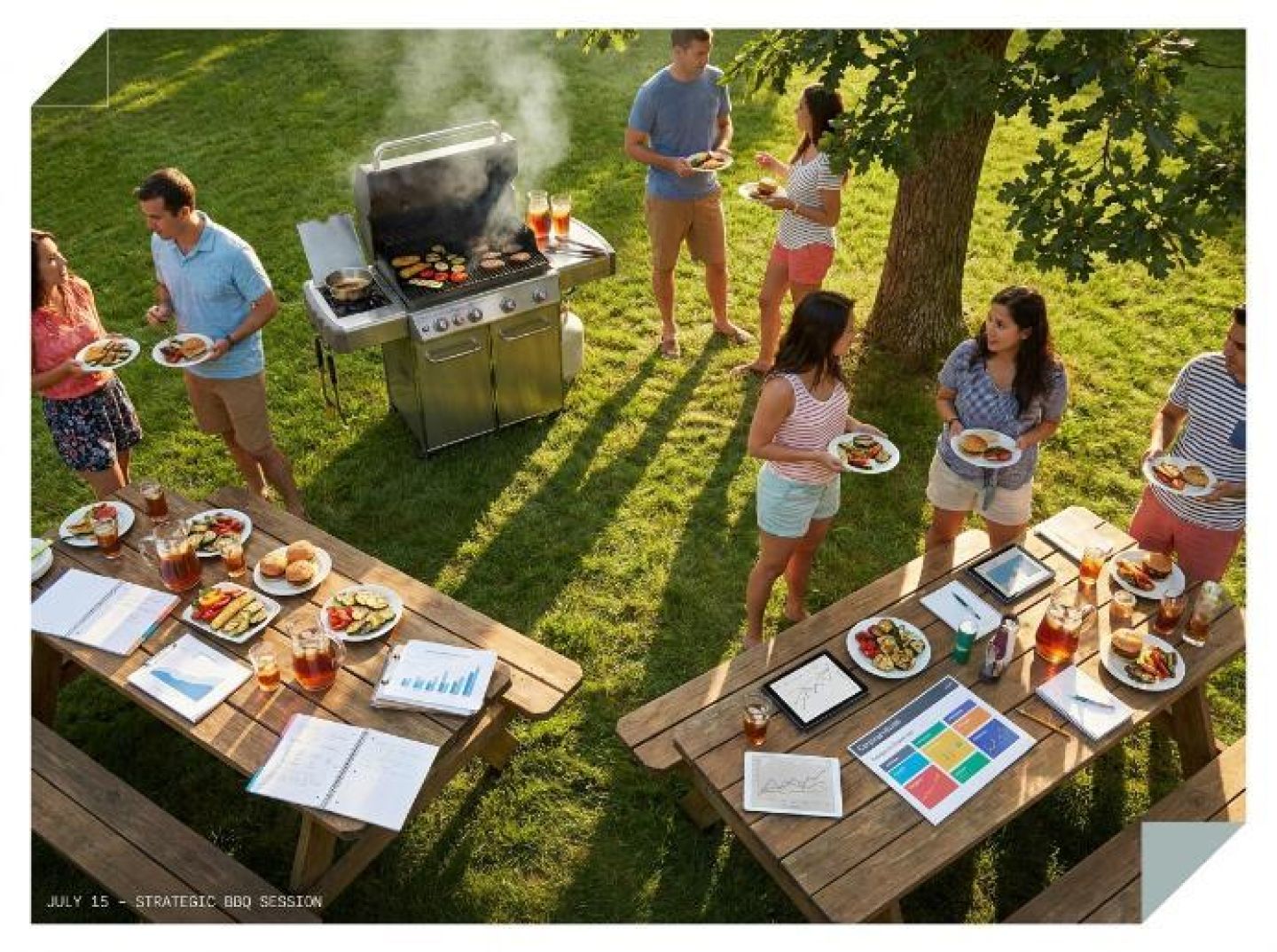
НачатьКаждые выходные Дня поминовения по всей стране в маркетинговых отделах проходит знакомый ритуал: кампании приостанавливаются, дашборды затухают, и команды приходят к общему мнению, что до вторника никто не обращает внимания. Это предположение выглядит разумным — и в почти всех случаях оно ошибочно. Перерыв в праздничные дни — это не отражение поведения аудитории; это отражение организационных привычек. Люди не перестают листать ленту, когда запускают гриль. Они листают больше. Они отдыхают на террасах, убивают время в аэропортах и рассеянно смотрят потоковый контент, держа в руке телефон. То, что действительно исчезает в эти длинные выходные, — это не спрос, а предложение. Ваши конкуренты сокращают активность, и аукционы становятся менее активными.
Именно этот разрыв отделяет рекламодателей, просто идущих в ногу со временем, от тех, кто уже на три кампании впереди. Чтобы понять его, нужно переосмыслить, что на самом деле означает понятие «сезонность» в рекламе. Модель ExoClick для сезонного маркетинга проводит полезное различие между двумя типами сезонности: естественными событиями, когда спрос меняется из-за внешних факторов, таких как погода или экономические циклы, и культурными событиями — праздниками, памятными датами и ключевыми моментами, формирующими настроения потребителей. Большинство команд рассматривают День памяти как культурное событие, требующее паузы, однако более разумный подход — распознать в нем окно с естественно низкой конкуренцией. Культурная значимость праздника не подавляет внимание потребителей; она просто меняет тех, кто за него конкурирует. Меньше рекламодателей участвует в торгах — значит, ниже плотность аукциона, что напрямую приводит к более низким CPM и более высокой доле показов для тех, кто принимает решение выйти в эфир.
Представьте это как конкурентное окно — короткий период, когда экономика внимания резко склоняется в пользу рекламодателя, готового оставаться активным. Здесь динамика аналогична той, что наблюдается в политической рекламе, которая, пожалуй, является наиболее конкурентной и сжатой по времени средой закупки медийных услуг в мире. Исследование Basis по промежуточным выборам 2022 года показало, что 50% бюджетов на цифровую рекламу было потрачено за последние 30 дней до дня выборов, причем половина этих расходов пришлась на последние 10 дней. Результат вполне предсказуем: жесткая конкуренция, завышенные цены и снижение отдачи у тех, кто затянул с размещением. Как отмечает Basis, когда все политические рекламодатели откладывают свои бюджеты до заключительного этапа, возможности воспользоваться более низкими ценами накануне выборов просто не остаётся. Кампании, которые заранее зафиксировали выгодные тарифы — через сделки по PMP, гарантированные программатические покупки или прямые переговоры, — выходили на финишную прямую с существенным структурным преимуществом, которое никакие последние траты не могли переломить.
Параллель между нативной, пуш- и программной рекламой поразительна. Выходные дни, приуроченные к праздникам, например День памяти, выступают в качестве вашего окна для первопроходцев — не потому, что сам праздник имеет стратегическое значение, а потому что отсутствие ваших конкурентов на аукционе имеет. В то время как другие команды придерживаются негласного перемирия, вы можете приобретать те же показы за небольшую часть стоимости, тестировать различные креативы в условиях минимальных рисков и наращивать частоту обращения к аудитории, которая более расслаблена и, по сути, более восприимчива к новым открытиям.
Миф о том, что праздничные выходные — это мёртвые зоны, сохраняется потому, что это удобно, а не потому, что это правда. Это позволяет командам отключиться и избавляет менеджеров от необходимости неловко просить о работе в выходные. Однако удобство — это не стратегия. Рекламодатели, которые уже планируют третий квартал, в то время как остальные планируют барбекю, понимают простую истину: лучшее время для конкуренции — это когда никто другой не конкурирует. А выходные Дня памяти, с их предсказуемым оттоком рекламных расходов с аукциона, являются одним из самых надёжных конкурентных окон в календаре.
Пока большинство рекламодателей рассматривают уик-энд Дня памяти как мертвое время, лучшие операторы считают его гораздо более ценным: контролируемой тестовой средой с почти полным отсутствием помех. Кампании, которые они запускают в этот период, призваны не максимизировать прибыль в данный момент. Их цель — получить данные и проверенные креативные материалы, которые дадут им структурное преимущество сразу же, как только в июне начнется полная конкуренция.
Вот как это выглядит на практике. Лучшие участники обычно используют четыре различных типа кампаний в периоды праздничного затишья, зачастую одновременно.
Сначала идут творческие тестовые партии. Здесь команды тестируют новые подходы, заголовки, стили изображений и ценовые предложения через рекламные наборы с небольшим бюджетом. Цель — получить чистые данные: какой зацепляющий элемент останавливает прокрутку, какой заголовок побуждает к клику, какая комбинация изображений обеспечивает наименьшую стоимость за вовлеченность. Как отмечает Semrush, запуск двух версий рекламы с разными заголовками, скидками или призывами к действию показывает, какие сообщения находят отклик, прежде чем вы начнёте использовать их на других каналах, а выполнение этого, когда меньше конкурентов участвует в торгах, значительно снижает стоимость за единицу данных.
Кампании по поиску аудитории с низкими ставками проводятся параллельно с творческими тестами. При снижении плотности аукциона вы можете исследовать новые сегменты интересов, расширенные lookalike-аудитории и демографические группы с лишь небольшой частью обычных затрат. Пока вы не стремитесь масштабировать эти аудитории. Вы пытаетесь выявить те, которые показывают ранние признаки конверсии, чтобы затем направить в них реальный бюджет в третьем квартале.
Ретаргетинг для тёплых лидов — это третий инструмент, и, возможно, самый недооценённый. Праздничные выходные создают определённый паттерн поведения пользователей: люди просматривают контент более непринуждённо, у них больше времени и меньше срочности. Такое расслабленное внимание идеально подходит для ретаргетинга. Тот, кто посетил страницу вашего товара в прошлый вторник и не совершил покупку, теперь лежит на патио с телефоном в руках и намного охотнее откликнется на своевременную ретаргетинговую рекламу, показывающую именно то, на что он смотрел, дополненную небольшим стимулом. Контекст праздников не подавляет вовлечённость — он меняет её характер.
Обновление вечнозелёных предложений завершает комплект мер. Именно здесь вы обновляете целевые страницы, добавляете новые отзывы, тестируете изменённые формулировки цен и в целом следите за тем, чтобы ваши постоянные кампании не устаревали. Когда конкуренты во вторник утром возвращаются с тем же креативом, на котором остановились в пятницу, вы возвращаетесь с проверенными улучшениями.
Стратегическая логика, объединяющая все четыре типа кампаний, сводится к одному принципу: спокойные периоды дают самые чистые данные. Методология MarTech для доказательства воздействия маркетинга описывает ценность выделения чистого исторического окна во время спокойного маркетингового периода, чтобы понять естественные уровни трафика без поддержки — базовый уровень, относительно которого можно измерять будущие росты от кампаний. Эта концепция создана для измерений, но она одинаково эффективна и как агрессивная тактика. Если спокойный период идеален для измерения трафика без поддержки, потому что в это время минимальное количество шумов от других кампаний, значит, он в равной степени идеален для проведения контролируемых тестов, где единственным изменяющимся фактором будет ваш. Каждый собранный сигнал становится чище. Каждый результат A/B теста более достоверен. Выходные дни становятся вашей наиболее надежной тестовой площадкой в квартале.
И что особенно важно, аудитория в эти периоды не отключается — её просто игнорируют большинство рекламодателей. Исследования от ExoClick показывают, что 49% потребителей реагируют на рекламные акции, а 42% ценят праздничные или сезонные темы в рекламе, что означает, что спрос в уравнении остается вполне активным во время праздников. А вот предложение — реклама ваших конкурентов — исчезает.
Именно эта асимметрия открывает все возможности. Вы не тратите больше, чем кто-либо, в выходные дни памяти. Вы просто знаете больше. И уже во вторник утром, когда они вновь запускают те же кампании с тем же креативом и той же аудиторией, вы уже на три шага впереди с проверенными материалами, подтвержденными сегментами и чистым набором данных, который четко указывает, куда направить бюджет на третий квартал.
Рекламодатели, которые стабильно показывают лучшие результаты в третьем квартале, преуспевают не благодаря более сильной интуиции — они просто используют более эффективный контроль. Они создали системные процессы отслеживания рекламы конкурентов, выявляют моменты их отступления и определяют, где возникают пробелы в динамике аукционов. Вы можете построить такую же систему, и для этого не требуются корпоративные бюджеты. Необходимы дисциплина и правильная структура.
Начните с библиотек объявлений и инструментов шпионажа, к которым у вас, вероятно, уже есть доступ, но вы не используете их стратегически. Библиотека объявлений Meta, Центр прозрачности рекламы Google и сторонние платформы, такие как AdPlexity, Anstrex или SpyPush, позволяют отслеживать ротацию креативов в режиме, близком к реальному времени, на нативных, пуш- и дисплейных сетях. Ошибка, которую допускают большинство рекламодателей, заключается в том, что они проверяют эти инструменты реагирующе — бегло просматривают рекламу конкурентов, когда вспоминают об этом. Правильный подход — разработать структурированный график мониторинга, отслеживающий активность конкурентов в определенные даты: неделя перед Днем памяти, сам праздничный уикенд, вторник после него и период перед серединой июня. Фиксируйте каждый увиденный вариант креатива, отмечайте появление новых целевых страниц и выделяйте случаи, когда объявления исчезают из ротации. Именно это исчезновение чаще всего упускают из виду.
Когда конкурент сокращает ротацию креативов или приостанавливает кампании в праздничный период, он сообщает вам что-то, что можно использовать, относительно предложения на аукционе. Как указано в отчете Basis, когда большинство рекламодателей концентрируют свои расходы в короткие промежутки времени, практически нет возможности воспользоваться более низкими ценами в пиковые моменты. Однако справедливо и противоположное. Если вы можете определить, когда конкуренты отступают, используя инструменты шпионажа, которые показывают меньше активных креативов, вы точно знаете, когда нужно наступать и захватывать инвентарь по выгодным ставкам. Стратегически правильным шагом будет заранее договориться об этих ставках, заключив соглашения по PMP или программные гарантированные покупки, и зафиксировать цены до начала окна.
Именно здесь конкурентная разведка становится чем-то большим, чем просто сборником образцов. Вы не просто собираете скриншоты объявлений конкурентов — вы накладываете временные графики их активности на собственные данные о ценах аукциона и изменениях объёмов показов. Когда объём креативов конкурента падает на 40% в праздничные выходные, но ваши расходы на показы снижаются лишь на 15%, вы знаете, что другие рекламодатели всё ещё участвуют в аукционе, даже если их видимая активность замедлилась. Эта разница указывает вам, является ли возможность реальной или мнимой.
Создайте свою подборку с временной метаданными. Каждую рекламу конкурента, которую вы фиксируете, следует помечать датой обнаружения, сетью, в которой она транслировалась, URL целевой страницы и указанием, была ли это новая креативная работа или повтор ранее виденного. За два-три сезона праздников появляются закономерности, которые предсказуемы почти до неловкости. Вы увидите, какие конкуренты всегда отключаются в выходные, длящиеся три дня, какие ведут минимальные кампании с сокращённым бюджетом, а какие — опасные — активно тестируют именно в эти периоды.
Информация о сроках становится ещё более детальной, когда вы добавляете мониторинг целевых страниц. Инструменты вроде Visualping или ChangeTower могут оповестить вас, когда конкурент обновляет пользовательский опыт после клика. Если конкурент за две недели до Дня памяти меняет заголовок целевой страницы с нейтрального контента на летний, такой ранний сигнал тестирования говорит о том, что они готовятся к сезонному рывку, и даёт вам конкретный срок, от которого можно отталкиваться при подготовке собственной кампании.
Рекламодатели, которые опережают вас на три кампании, не устранили неопределенность. Они просто создали воспроизводимую систему, следящую за действиями всех остальных, сопоставляющую их с данными о ценах и занимающую те ниши, которые открываются, когда организационные привычки побеждают стратегическое мышление. Стратегия несложная. Она просто более целенаправленна, чем готовы быть большинство команд.
В политической рекламе существует закономерность, которую коммерческим маркетологам было бы полезно внимательно изучить: согласно исследованию компании Basis Technologies о расходах на цифровую политическую рекламу, примерно 50 процентов цифровых бюджетов используются в последние 30 дней избирательной кампании. Такой перекос поражает — месяцы, отведённые на оптимизацию, сжимаются в паническую гонку на финише. И если честно посмотреть, как большинство брендов подходят к третьему кварталу, параллели окажутся тревожными. Большинство рекламодателей считают июнь и начало июля периодом бездействия, проходя равнодушно недели между Днём памяти павших и Днём независимости, не выделяя при этом бюджета, а затем спешно активизируясь в конце августа и сентябре, когда подготовка к началу учебного года и раннее планирование четвёртого квартала сталкивается с аналогичной срочностью всех остальных. Те рекламодатели, которые уже опережают вас на три кампании, полностью отвергают такой ритм.
Вот подход, который они используют вместо этого — календарь третьего квартала, построенный вокруг слепых зон других, с конкретными задачами, назначенными на каждый период, вместо неопределённого намерения «начать наращивание после лета».
1–2-я недели июня (после Дня поминовения): Это ваше окно для творческого тестирования. Цены на аукционах низкие, внимание аудитории доступно, и большинство конкурентов всё ещё анализируют результаты за второй квартал. Запустите три-пять творческих вариантов на основных каналах с умеренными бюджетами. Цель — не конверсии, а статистическая ясность в том, какие сообщения, форматы и уловки привлекают внимание. Как отмечал Semrush, запуск различных версий объявлений с разными заголовками, скидками или призывами к действию позволяет выяснить, какие сообщения находят отклик, прежде чем применять их на других каналах. Именно здесь вы получаете эту информацию.
3–4-я недели июня: Проанализируйте результаты творческого тестирования и начните формирование аудитории. Возьмите наиболее успешные уловки и разверните их в полноценные кампании, ориентированные на похожие и тематические аудитории. Одновременно запустите пулы ретаргетинга, которые будут увеличивать свою эффективность в течение последующих недель.
Неделя Дня независимости (конец июня — 5 июля): Запустите ваше первое подтверждённое предложение во время ажиотажа праздничных покупок, но рассматривайте это как проверку предложения, а не как масштабирование. Вы тестируете ценовые точки, структуры комплектов и механизмы срочности в реальных праздничных условиях, когда потребительские намерения естественно возрастают.
2–3 недели июля: Это самый большой слепой участок всего квартала. Закончились занятия в школах, пик отпусков, и большинство маркетинговых команд работает в ограниченном режиме. Используйте это окно для самого агрессивного расширения аудитории и тестирования форматов. Это также идеальное время для экспериментов с новыми форматами, такими как программная вставка рекламы на паузе или интерактивные размещения в CTV, — как сообщал VideoWeek, понимание когда использовать расширенные форматы, не нарушая впечатлений зрителей, не менее важно, чем выбор самого формата, а периоды с низкой конкуренцией снижают стоимость обучения.
Конец июля — середина августа: Масштабируйте свои успешные кампании. К этому времени у вас уже есть четыре-шесть недель данных об эффективности, проверенные креативы, действующие предложения и сформированные аудитории для ретаргетинга. Когда в августе конкуренты начнут возвращаться на аукцион, вы уже не будете тестировать — вы будете масштабировать проверенные активы с известной экономикой.
Последние две недели перед Днём труда: Стабилизируйтесь. Именно в этот период рекламодатели, откладывающие размещение, устремляются в эфир, и CPM резко растёт. Ваше преимущество в том, что вы уже собрали аудитории и определили эффективные креативы. Вы можете позволить себе быть избирательными, делая ставки только на тех сегментах, где ваши данные подтверждают прибыльность, в то время как конкуренты тратят бюджет на непроверенные кампании по пиковым ценам.
Ритм прост: развертывание в периоды простоев, анализ в течение следующей недели, масштабирование в периоды полной конкуренции активами, которые уже прошли проверку рыночным давлением. Победители в третьем квартале определяются не сентябрьскими бюджетами. Они определяются дисциплиной календаря, установленной в первую неделю июня.
Финансовому директору безразлично, запускали ли вы кампании на выходных в День памяти. Финансовому директору важно, изменились ли в результате этих кампаний показатели, имеющие значение. И вот неудобная истина: если вы ждете данных конверсии по последнему клику данных о конверсии, чтобы подтвердить эффективность праздничного запуска, вы применяете методы измерения, пригодные в мирное время, к боевым действиям. Эффект от кампаний в праздничные дни, когда конкуренция низка, редко проявляется в том же отчетном периоде, что и расходы. Вам нужно другое восприятие.
Начните с того, что MarTech называет базовой калибровкой — используйте неделю до праздника в качестве чистой исторической базы сравнения. Выгрузите объем поисковых запросов по бренду, сессии прямого трафика и соотношение новых и возвращающихся пользователей за пять рабочих дней до праздничных выходных. Это не является произвольным решением. Неделя перед праздником, таким как День поминовения, отражает нормальные конкурентные условия: большинство рекламодателей еще активны, поведение потребителей еще не изменилось, а ваши показатели отражают органический спрос, не затронутый вашей праздничной кампанией. Эта база становится отправной точкой вашего анализа.
Далее явно отметьте на временной шкале даты запуска праздничной кампании. Звучит очевидно, но тревожное количество команд запускают праздничные кампании, не фиксируя, когда они стартовали, когда изменились бюджеты и когда произошла смена креативов. Без таких отметок любые колебания показателей — просто шум, поскольку вы не сможете установить связь там, где не можете точно определить дату в календаре.
Фактическое измерение происходит в течение пяти–десяти дней после окончания выходных, связанных с праздником. Это окно задержки атрибуции, в котором раскрывается реальное влияние кампаний в праздничный период. Одновременно отслеживайте три сигнала: объем поисковых запросов с упоминанием бренда, сессии прямого трафика и когорты возвращающихся пользователей. Если все три показателя одновременно резко возрастают в этот период после праздников — и при этом на предыдущей неделе не наблюдалось сопоставимых изменений — перед вами по сути сильные косвенные доказательства того, что охват во время праздников вызвал осведомлённость, переросшую в намерения, как только люди вернулись к привычному образу жизни.
Подумайте о поведенческой логике. Кто-то просматривает телефон в субботний день длинных выходных и видит вашу рекламу. Покупать он не собирается — он на барбекю, в поездке или наполовину смотрит что-то на стриминговой платформе, где современные рекламные форматы всё чаще предоставляются программно в CTV-средах. Ваш бренд им воспринимается. Они не нажимают. А во вторник утром, вернувшись к рабочему столу, они вводят название вашего бренда напрямую в Google. Такой поисковый запрос с указанием бренда никак не будет отнесён к показу в прошедшую субботу в рамках модели атрибуции по последнему клику. Но именно там он и зародился.
Это та же проблема атрибуции, которая затрагивает любой канал, функционирующий в среде воздействия один ко многим. Как отметила Clearcode в своем анализе измерения показов DOOH, маркетологи в физических и массовых медиа анализируют показы и сопоставляют их с конверсиями на всех этапах кампании, а не ожидают четкого однозначного пути атрибуции. Цифровые кампании в праздничный период работают аналогично — это инструменты повышения узнаваемости, маскирующиеся под каналы продаж, и измерение их эффективности только по немедленной конверсии является ошибкой категоризации.
Комплексный подход к валидации сигналов объединяет всё воедино. Ни один показатель сам по себе не доказывает причинно-следственную связь. Но когда рост поисковых запросов с указанием бренда превышает базовое значение на 15 процентов, одновременно резко возрастает прямой трафик, а доля ваших постоянных пользователей, возвращающихся после рождественских и новогодних праздников, показывает более высокий уровень конверсии по сравнению с обычной аудиторией для ремаркетинга, — конвергенция этих сигналов рассказывает историю, которую никогда не смогла бы раскрыть модель атрибуции по последнему клику. Вы не гадаете. Вы производите триангуляцию.
Если вы игнорируете рождественские и новогодние кампании, потому что в понедельник утром показатель ROAS выглядит неизменным, вы оцениваете только закуску и заявляете, что в ресторане нет еды. Волна поисковых запросов с указанием бренда приходит. Нужно лишь знать, когда и где её искать.
Получайте лучшие конверсионные лендинги каждую неделю на свою почту.
Подробный разбор
Узнайте, почему «отличная реклама» больше не является достаточной в рекламной экономике, ориентированной на ИИ, где креативы всё чаще используются как сигнал таргетинга и входные данные для эффективности. В этом руководстве объясняется, как создать команды креативщиков, одержимых данными, заменить вдохновение на основе ощущений актуальной креативной аналитикой и превратить каждую кампанию в механизм обучения.
Liam O’Connor
7 минсент. 27, 2026
Самое читаемое
Узнайте, почему во многих описаниях вакансий для работы на открытом воздухе до сих пор преобладает мышление 2008 года, ориентированное в первую очередь на опись, и как операторы могут пересмотреть должности, сконцентрировавшись на данных, эффективности и конкурентной разведке. В этом руководстве показано, как представители по продажам, генеральные менеджеры, мобильные команды OOH и маркетологи, ориентированные на эффективность, могут превратить OOH в измеримый канал роста на всех этапах воронки продаж.
Marcus Chen
7 минсент. 27, 2026
Недавно обновлено
Изучите, что показывают классифицированные объявления о вакансиях в сфере наружной рекламы относительно будущего конкурентной рекламной аналитики и почему традиционных навыков продаж может больше не хватать. В данном руководстве показано, как команды по продажам, операциям, монтажу и креативу могут стать узлами сбора данных, которые помогут компаниям в сфере наружной рекламы быстрее выявлять изменения на рынке и активность конкурентов.
Samantha Reed
7 минсент. 26, 2026