6 минавгуста 13, 2026

Наши инструменты отслеживают миллионы рекламных кампаний в форматах native, push, pop и TikTok.
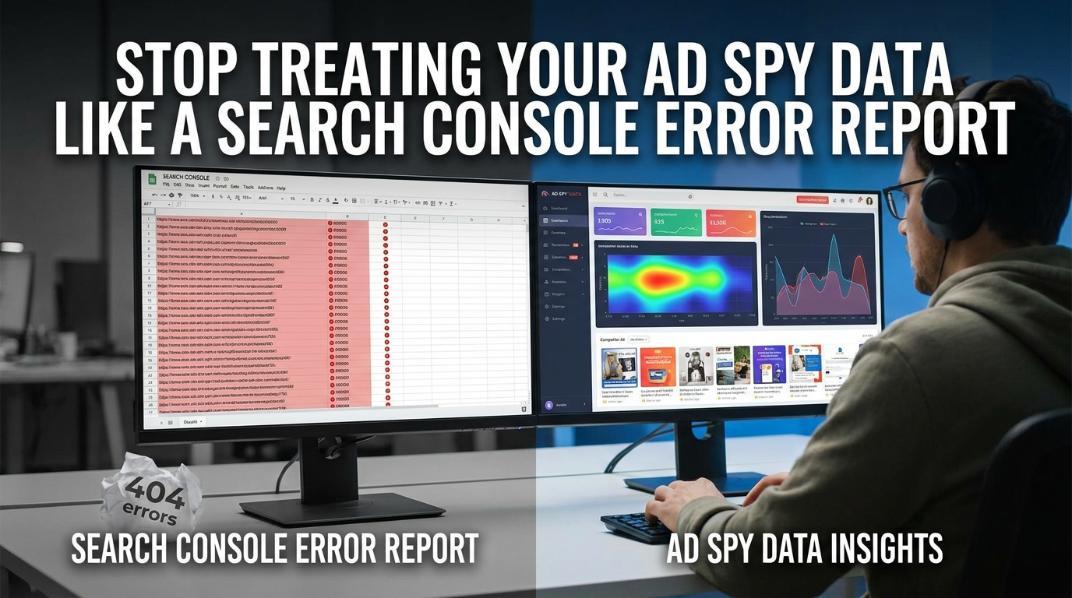
НачатьКаждый специалист по SEO знаком с таким ощущением: вы открываете Google Search Console, видите множество красных предупреждений, и у вас падает сердце. Ошибки сканирования. Заблокированные URL-адреса. Страницы, «исключённые» из индекса. Первое желание — реагировать на каждое как на пожарную тревогу и пытаться всё срочно исправить до окончания какого-то невидимого отсчёта. Однако паника почти всегда несоразмерна реальной угрозе. Как объясняет Search Engine Journal в своей статье о недавнем разъяснении от Google, не каждое предупреждение в Search Console требует немедленных действий по устранению проблемы — и во многих случаях «ошибка», на которую вы смотрите, на самом деле является правильным поведением сервера. Например, ответ 404 не является ошибкой, если страница действительно не существует. Это система, работающая так, как задумано.
Джон Мюллер неоднократно подчёркивал этот момент, и всё же рефлекс сохраняется. Часть проблемы — в особенностях мышления: когда на панели управления данные выделяются красным цветом, мы воспринимаем это как призыв к действию. Сама заметность информации вводит нас в заблуждение, будто она срочная. Мы смешиваем видимость сигнала с необходимостью на него реагировать. Google настолько хорошо понимает эту тенденцию, что в своей собственной документации проводит различие между ручными действиями — когда человек проверил и отметил реальное нарушение правил — и обычным алгоритмическим шумом, который Search Console честно записывает, но редко выдвигает на уровень кризиса. Как отмечает команда Нила Патела, Google может уведомить вас напрямую через отчёт о ручных действиях, когда действительно требуется вмешательство, однако подавляющее большинство изменений позиций после обновлений — алгоритмические, а не наказательные. Это различие имеет значение, но большинство им пренебрегает.
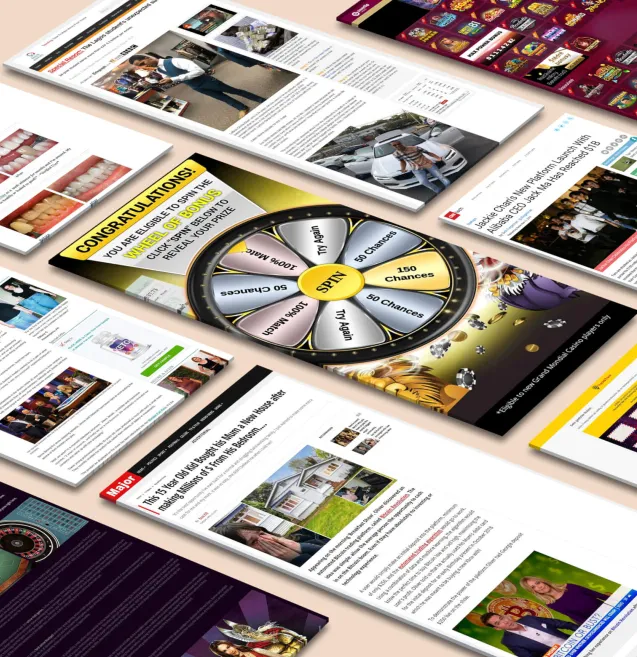
Теперь перенесите этот самый образ мышления на то, как партнёрские маркетологи взаимодействуют с Anstrex.com/blog/ai-cant-spy-on-your-competitors-ad-creatives-but-you-can-use-it-to-act-on-what-you-find" target="_blank" rel="noreferrer noopener">инструментами шпионажа за рекламой, такими как Anstrex, AdPlexity или SpyFu. Поведенческая модель идентична. Медиапокупатель заходит в систему, фильтрует по критерию «самые долгие» или «наибольший трафик» и немедленно начинает составлять каталог того, что похоже на выигрышную стратегию конкурента. Эта реклама работает уже 90 дней — значит, приносит прибыль. На этой посадочной странице используется таймер обратного отсчёта — значит, конвертирует. Данные видимы, следовательно, должны быть полезными. Верно?
Не обязательно. Так же, как код 404 зачастую является корректным ответом, а не проблемой, требующей решения, долговременная реклама конкурента может оказаться совершенно нерелевантным шумом для вашей конкретной кампании. Возможно, она ориентирована на географию, которую вы не обслуживаете, продвигает предложение со структурой выплат, не подходящей вашей воронке, или запускается на источниках трафика, где ваша команда по соответствию требованиям никогда не одобрила бы размещение. Длительность показа рекламы может даже не отражать рентабельность — это может быть вечная кампания по повышению узнаваемости бренда, либо рекламодатель просто забыл её остановить.
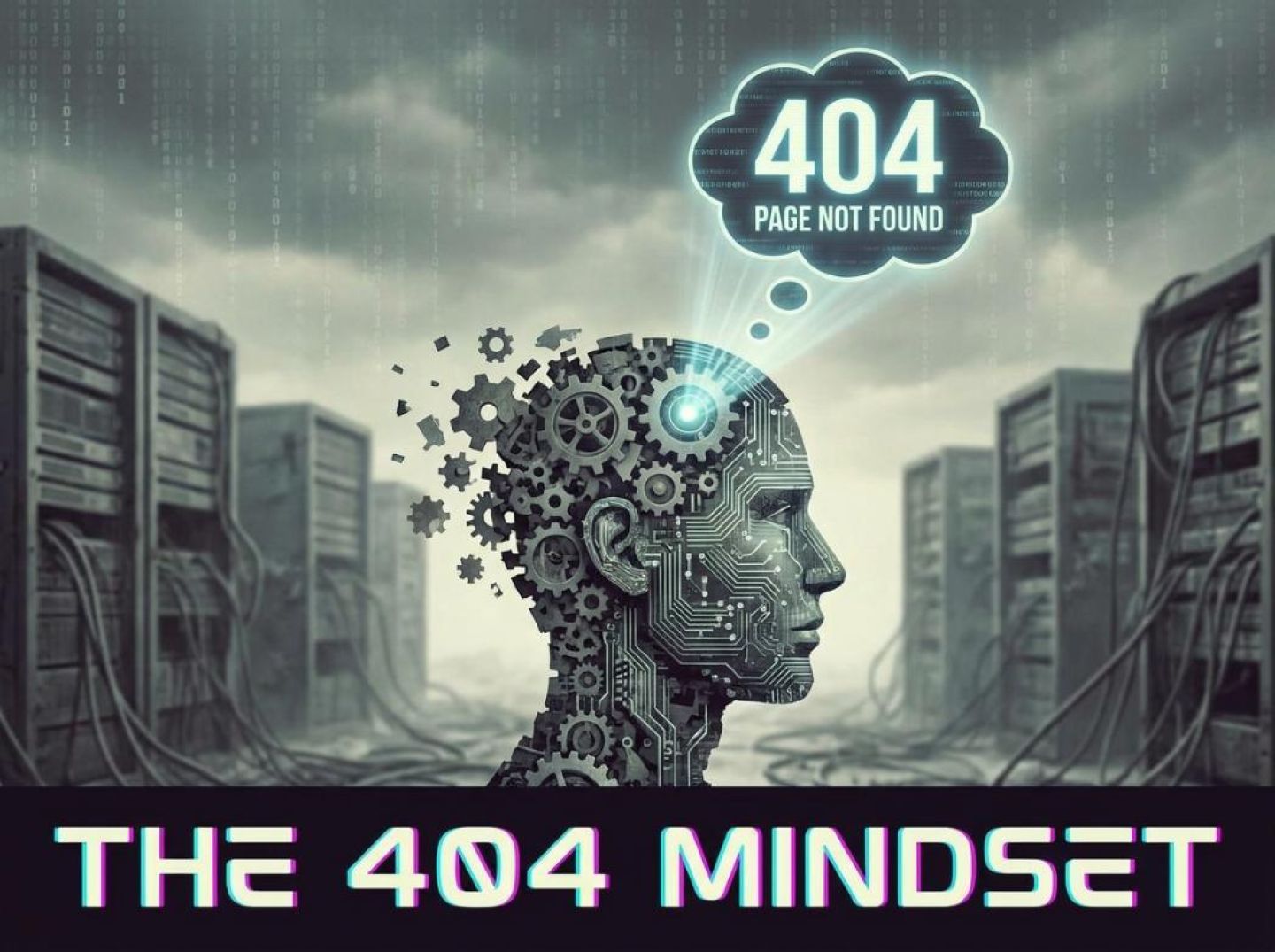
Когнитивная ловушка та же, о которой постоянно предупреждает Мюллер SEO-специалистов: вы воспринимаете само наличие данных как доказательство того, что что-то нужно исправить, скопировать или воспроизвести. Большинство медийных покупателей открывают свои шпионские инструменты с тем, что я называю «менталитетом 404» — изначальным предположением, что каждый сигнал является ошибкой, которую нужно устранить, или тактикой, которую можно перенять. Они ищут нечто вроде ошибок индексирования: пробелы в собственной стратегии, выявленные благодаря видимой активности других.
Но видимость — не равно возможность для действий. То, что вы можете увидеть креатив конкурента, не означает, что в нём содержится урок, достойный изучения, точно так же как отчёт Search Console, полный «исключённых» URL, не означает, что сайт сломан. Более разумный вопрос — в обоих случаях — это не «что мне исправить?», а «применим ли этот сигнал к моей ситуации, моей нише и моим целям?». Пока вы не выработаете дисциплину задавать сначала именно этот вопрос, каждая открываемая вами панель будет казаться кризисом, хотя на самом деле ни один из них таковым не будет.
Google предоставляет вам не просто данные — он решает, какие данные вы считаете важными. И его последний шаг в Search Console — это наглядный пример того, как стимулы платформы тихо меняют то, на что ориентируются маркетологи, часто в пользу платформы, а не специалистов.
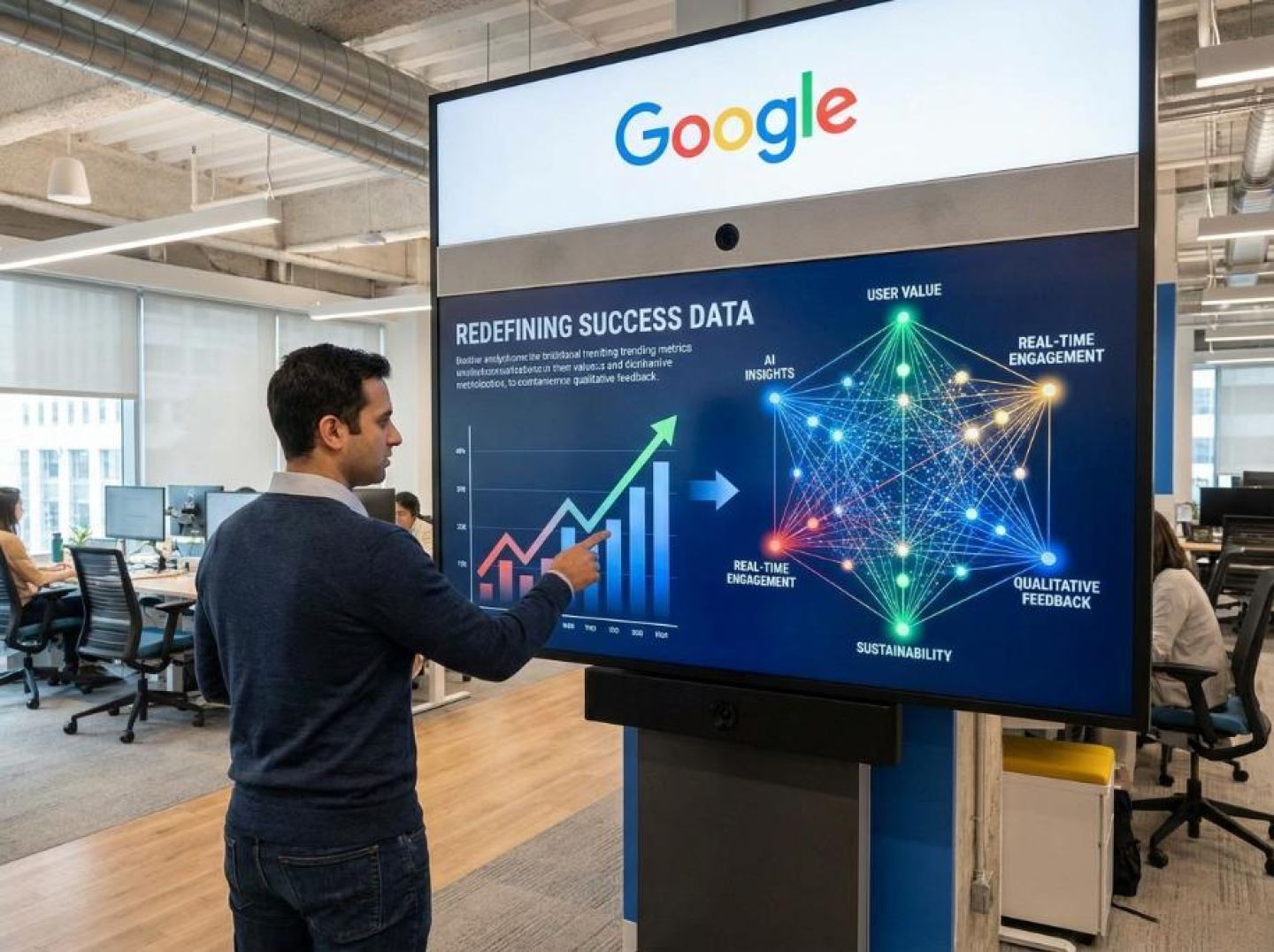
Обратите внимание на сроки. Поскольку обзоры ИИ поглощают всё больше кликов непосредственно на странице результатов, трафик, который раньше поступал на веб-сайты, исчезает. Маркетологи перешли от смутного беспокойства к активной диагностике, и запросы, связанные со стратегиями без кликов и анализом потери трафика, стабильно растут в течение 2026 года. Google понимает, что эта тенденция опасна: каждый разговор о пропадающих кликах — это разговор о том, как Google извлекает ценность, ничего не возвращая взамен. Так что же сделал Google? Он расширил Search Console, чтобы показывать данные о результатах контента с платформ третьих сторон — Instagram, TikTok, X и YouTube, позволяя владельцам сайтов видеть, как обстоит дело с их брендом в социальных сетях, которыми они даже не управляют, через интерфейс Google. На первый взгляд это выглядит щедро: больше данных, больше видимости, более комплексная отчётность. Но при более широком взгляде стратегическая логика становится очевидной: Google приучает вас оценивать своё онлайн-присутствие по показам и охвату, а не по кликам, которые вы всё меньше получаете. Это не функция, а переосмысление. Включив метрики социальных сетей в Search Console, Google изменяет базовое представление о том, как выглядит «успех». Если ваш CTR в органическом поиске падает, но показы на YouTube растут, а упоминания в Instagram находятся в тренде, на панели отображается картина роста — только не того вида, который приводит трафик на ваш сайт.
Это тот же самый механизм, который делает платформы поиска на базе ИИ настолько эффективными в удержании внимания пользователей, одновременно не выпуская пользователей за пределы своих экосистем, а направляя их на принадлежащие им ресурсы. Платформа проектирует панель управления, панель определяет KPI, а KPI формируют поведение. Вы никогда сознательно не решали, что охваты в соцсетях важны так же, как органические клики. Это решение принял за вас интерфейс.
Примените сейчас этот самый подход к инструментам spy-анализа рекламы. Когда вы открываете Anstrex, AdSpy или любую другую платформу конкурентной разведки, вас встречают настройки фильтрации и сортировки по умолчанию, которые кажутся объективными — топовые объявления, самые продолжительные, самые популярные. Однако эти настройки по умолчанию являются редакционными решениями, заложенными в продукт, а вовсе не нейтральным отражением рыночной реальности. Параметр "самые продолжительные" настраивает вас на лидеров рынка с большим бюджетом и отлаженными воронками. "Самые популярные" часто показывают креативы в стиле кликбейта, которые собирают реакции, но не обязательно ведут к конверсиям. "Новейшие" заваливают вас шумом от брендов, тестирующих по пятьдесят вариантов в неделю без какого-либо реального победителя.
Эти параметры по умолчанию служат интересам инструмента — они создают ощущение изобилия и возможности действовать, что побуждает вас оставаться подписчиком. Но они не отвечают вашим стратегическим интересам. Они толкают вас к механическому копированию уже существующего, вместо выявления пробелов, которые никто не заполняет. Медиапокупатель, сортирующий по "самому длительному показу" и копирующий лидирующий результат, совершает ту же ошибку, что и SEO-специалист, видящий рост показов в социальных сетях в Search Console и полагающий, что его стратегия в поиске работает. Оба позволяют интерфейсу кого-то другого определять, как выглядит победа.
Противоядием является не полное недоверие ко всем данным — а проверка самой структуры данных, прежде чем доверять содержащимся в ней цифрам. Каждая панель приборов — это аргумент. Вопрос в том, анализируете ли вы этот аргумент или просто принимаете вывод.
Большинство покупателей медийной рекламы относятся к противоречивым данным шпионских инструментов так же, как начинающий специалист по SEO относится к конфликтующим директивам сканирования — как к чему-то неработающему, что нужно привести к единому логичному ответу. Они видят одну и ту же рекламу потери веса с акцентом на страхе: «ваш врач вам лжёт» в США и вдохновляющие образы «представьте новую версию себя» в Юго-Восточной Азии, и их первой реакцией является выбор «победителя». Какой подход на самом деле работает? Какой креатив является настоящим контролем? Предполагается, что один из вариантов правильный, а второй — ошибка, тест, который ещё не завершили, или независимый партнёр, вышедший из-под контроля.
Именно это предположение и является ошибкой.
Сейчас в корпоративной SEO-сфере наблюдается параллельная тенденция, которая прекрасно подтверждает этот тезис. Как отметили в Ahrefs в своём анализе появляющихся тенденций ИИ-поиска, переход к средам с нулевыми кликами и ответам, генерируемым ИИ, вынуждает маркетологов иметь дело с реальностью, в которой стратегии оптимизации по-настоящему расходятся — где отказ от функций ИИ-поиска сохраняет один тип ценности, но ведет к потере другой, и где у кого-либо нет точных данных о том, какой компромисс правильный. Один и тот же автомобиль может позиционироваться как «роскошный» на одной целевой странице и как «доступный» — на другой, причем традиционные поисковые системы корректно справляются с этим, сопоставляя каждую страницу с разным намерением пользователя. Однако агрегирующие ИИ-системы запинаются на этом противоречии, поскольку стремятся свести всё к одному синтезированному ответу.
Перенесите это в контекст шпионажа за рекламой, и вы столкнётесь с той самой когнитивной ловушкой, в которую ежедневно попадают покупатели рекламы. Когда ИИ-обзор или панель конкурентной разведки пытается дать вам один окончательный ответ о том, что работает у конкурента, она сглаживает как раз те расхождения, в которых и содержится настоящая ценная информация. Противоречия — это не помехи. Это сигнал.
Подумайте, почему рекламодатель нутрацевтиков может использовать страницу-список в Соединенных Штатах и длинное рекламное видео в Латинской Америке. На поверхности объяснение может быть таким: "они тестируют", но более глубокий анализ показывает сложную стратегическую реальность: различные нормативные условия в отношении заявлений о здоровье, разный уровень осведомленности аудитории о форматах прямых откликов, различные правила соответствия сетей, разрешающие или запрещающие определенные подходы к копирайтингу, и принципиально различная психология покупателей, сформированная культурным контекстом. Каждое творческое изменение — это закодированный ответ на местное ограничение, и полная картина проявляется только тогда, когда вы анализируете варианты в противопоставлении друг другу, а не выбирая один из них.
Именно этот вид тонкой интерпретации становится всё более важным по мере того, как ИИ-системы превращаются в контролёров видимости брендов. Как сообщалось на MarTech, ИИ-модели всё чаще полагаются на сигналы авторитетности и достоверности, поступающие из различных контекстов, — и бренды, подающие разрозненные или противоречивые сигналы, могут фактически вводить эти системы в заблуждение. В мире SEO это проблема, требующая управления. В мире рекламной аналитики — это особенность, которую можно использовать. Когда конкурент разделяет свои сообщения по регионам и сетям, он вскрывает точные контуры своей сегментации аудитории, стратегию соответствия требованиям и понимание местной психологии покупателей.
Покупатель медийной рекламы, который делает скриншот "лучшей" рекламы и двигается дальше, только что отбросил 80% информации, фактически содержащейся в данных. Человек, мыслящий с точки зрения поиска закономерностей, делает наоборот: он фиксирует расхождения, сопоставляет их с географией и сетью и задаётся вопросом, почему одно и то же предложение должно по-разному звучать для разных людей. Противоречие — это не ошибка в ваших данных. Это самый честный сигнал, который когда-либо даст вам конкурент — непреднамеренное признание всех ограничений, допущений и понимания аудитории, заложенных в их операциях по покупке рекламы. Прекратите устранять противоречия. Начните их читать.
Самая долгоиграющая реклама в вашем инструменте шпионажа не обязательно является лучшей. Возможно, она просто наиболее субсидируемая. Тем не менее, медийные покупатели продолжают воспринимать долговечность объявления как показатель креативного совершенства, пролистывая месяцы данных о времени работы, и приходят к выводу, что продолжительность равна эффективности. Этот эвристический подход кажется логичным — зачем тратить деньги на то, что не работает? — но рушится при ближайшем рассмотрении, как только вы учитываете, как на самом деле работают бюджеты, отношения соответствия и структуры маржи в маркетинге на основе эффективности.
Начнём с аналогии из мира поиска, которая должна вызвать дискомфорт у каждого специалиста по медиазакупкам. Доверие к контенту, предлагаемому алгоритмами, крайне низкое: только 28% американцев доверяют результатам поиска ИИ, что означает, что почти три четверти населения с недоверием относятся к ответам, отобранным машиной. Как отмечает анализ Search Engine Journal, из этого следует, что реальная возможность заключается в том, чтобы стать источником, с которым люди сверяются вне зависимости от алгоритмически продвигаемого ответа. Применив это к инструментам для анализа рекламы: объявления, которые эти платформы демонстрируют наиболее явно — отсортированные по продолжительности показа, количеству размещений или охвату сети — не подтверждаются алгоритмической оценкой качества. Это просто самые заметные объявления. И заметность, как постоянно показывает поисковая экосистема, становится всё менее надёжным показателем реальной ценности.
Размывание поиска без кликов подчеркивает этот тезис с другой стороны. Как задокументировал Ahrefs в своём анализе тенденций ИИ-поиска 2026 года, клики, которые ранее стабильно поступали с позиций, хорошо заметных в поиске, исчезают по мере того, как ИИ-ответы занимают всё больше места на странице результатов. Поисковые запросы по темам «стратегия поиска без кликов» и диагностики потери трафика набирают популярность, потому что маркетологи начинают осознавать структурный разрыв: просто быть на виду уже не гарантирует вовлечённость. Точно такой же структурный разрыв затрудняет интерпретацию данных шпионских инструментов по рекламе. Реклама, которая размещается десятками вариаций на протяжении девяти месяцев подряд, в вашей панели шпионского инструмента выглядит как образец успеха. Но если её размещает участник партнёрской сети, чья команда по контролю смотрит сквозь пальцы на сомнительные утверждения, или же бренд с настолько высокой маржой, что может позволить себе ROAS на уровне 1,2, в то время как конкурентам для выживания требуется 3,0, то длительность присутствия этой рекламы ничего не говорит о том, насколько эффективно креатив конвертирует.
Рассмотрим феномен "зомби-объявлений". Объявление, работающее девять месяцев без каких-либо изменений в креативе — один и тот же заголовок, миниатюра и посадочная страница — почти наверняка не является тщательно оптимизированным победителем, к которому рекламодатель боится прикоснуться. Скорее это забытая кампания, бездумно тратящая бюджет, или утверждённый для соответствия требованиям шаблон, политически проще оставить в работе, чем заменить. Опытные медийные покупатели знают, что нужно сопоставлять продолжительность показов с частотой обновления креативов: тестирует ли рекламодатель новые подходы, меняет ключевые элементы, видоизменяет структуру посадочных страниц? Бренд, запускающий двенадцать вариантов за три месяца, учится. Бренд, использующий один и тот же вариант девять месяцев, просто плывёт по течению.
Проблема доверия усугубляется на уровне платформы. Как анализирует MarTech динамику доверия в поиске ИИ, системы ИИ при выборе рекомендаций всё чаще полагаются на авторитетные и достоверные источники — а бренды, не обладающие настоящей цифровой достоверностью, отсеиваются, независимо от их общей видимости. Та же фильтрация должна применяться и в вашем рабочем процессе конкурентного анализа. Долговечность — лишь один из сигналов в группе, но не вся группа целиком. Сравните её с географическим расширением — реклама распространяется на новые рынки или застоится? Оцените эволюцию промостраниц — проводят ли они A/B-тестирование после клика или используют тот же видеопрезентацию с момента запуска? Проверьте, проявляют ли другие рекламные материалы рекламодателя развитие или просто повторяются.
Когда вы считаете самой лучшей самую долговременную рекламу, вы совершаете ту же ошибку, что и маркетолог, отождествляющий первое место в обзоре ИИ с победой в привлечении кликов. Поверхностный сигнал вводит в заблуждение. На практике экономика часто оказывается иной.
Большинство медийных покупателей подходят к инструментам слежения за рекламой так же, как домовладелец подходит к доске вдохновений на Pinterest перед ремонтом кухни: они сохраняют всё, что выглядит хорошо, отрывая это от контекста, и надеются, что внешний вид перенесётся. Результатом становится файл вырезок — раздутая папка снимков экрана, сохранённой рекламы и наполовину забытых промостраниц, которая бесконечно растёт, но редко приносит полезных выводов. Библиотека шаблонов принципиально отличается. Она не каталогизирует отдельные объявления; она каталогизирует повторяющиеся структурные решения, лежащие в их основе — крючки, механики доказательств, архитектуру офферов и стратегии последовательности, которые встречаются в разных нишах, регионах и временных периодах. Создание такой библиотеки требует от вас перестать реагировать на то, какую рекламу запускают конкуренты прямо сейчас, и начать расшифровывать логику повторного появления определённых креативных подходов.
Сдвиг имеет значение, потому что ландшафт рекламы становится все более непрозрачным, а не наоборот. По мере того как Google незаметно тестирует функции, позволяющие рекламодателям Performance Max отказываться от участия в сети поисковых партнеров и сети Display, где ранее показы осуществлялись без прозрачности размещения, разрыв между тем, что можно увидеть в инструменте слежения, и тем, что на самом деле приносит результаты, продолжает увеличиваться. Файл примеров не может устранить этот разрыв. Библиотека шаблонов может, поскольку она основана на структурном повторении, а не на отдельных примерах креативов.
Вот практическая основа для осуществления перехода. Во-первых, перестаньте сохранять рекламу и начните помечать решения. Каждый раз, когда вы фиксируете креатив конкурента, отмечайте лежащий в основе выбор: начали ли они с болевой точки или с амбиций? Использовали ли они отзыв авторитетной фигуры или обычного человека? Вынесли ли они предложение на передний план или отложили его после повествовательной дуги? Со временем эти метки выявляют скопления — закономерности, которые ни одна отдельная реклама сама по себе не подсказала бы. Во-вторых, отделяйте нормы конкретного канала от универсальных стратегий. Зацепка, работающая в шестисекундной рекламе перед роликом, не то же самое, что зацепка, рассчитанная на статичное размещение в ленте, даже если используемый психологический рычаг идентичен. Ваша библиотека шаблонов должна фиксировать как сам рычаг, так и формат, в котором он был применён.
В-третьих, создайте слой декомпозиции. Самые ценные закономерности — это те, которые сохраняются, а значит, вашей библиотеке необходим механизм для пометки записей, которые перестают появляться в реальных условиях. Здесь напрямую применяется концепция доверия из поиска с использованием ИИ: точно так же, как модели ИИ теперь полагаются на авторитетные и достоверные источники для создания ответов, ваша библиотека шаблонов должна оценивать записи в зависимости от количества независимых сигналов, подтверждающих их достоверность. Структура хука, которую вы отметили в трёх разных нишах и на двух континентах, весомее, чем та, что вы заметили в аккаунте одного конкурента в прошлый вторник.
В-четвёртых, регулярно просматривайте вашу библиотеку — как минимум раз в месяц — и обращайте внимание на то, чего в ней нет, а не только на то, что присутствует. Отсутствие ранее доминирующего шаблона зачастую информативнее появления нового. Если все бренды DTC-ухода за кожей в вашей библиотеке полгода назад использовали креативы в стиле пользовательского контента «готовимся вместе со мной», а сейчас никто их не использует, это пустое пространство — сигнал, который стоит изучить.
Цель заключается не в создании энциклопедии. Цель — построить систему поддержки решений, которая позволит вам прийти на творческую мозговую атаку с концептуальными гипотезами, а не заимствованными реализациями. Файлы с примерами делают из вас копииста. Библиотеки шаблонов делают из вас стратега. Разница проявляется в первой кампании, когда вы сталкиваетесь с рынком, на котором раньше никогда не рекламировались, — и вместо того, чтобы в панике искать рекламу для подражания, вы уже знаете, какие психологические конструкции зарекомендовали себя как устойчивые в разных условиях, а какие изначально были всего лишь поверхностными тенденциями, выдаваемыми за лучшие практики.
Получайте лучшие конверсионные лендинги каждую неделю на свою почту.
Подробный разбор
Узнайте, почему «отличная реклама» больше не является достаточной в рекламной экономике, ориентированной на ИИ, где креативы всё чаще используются как сигнал таргетинга и входные данные для эффективности. В этом руководстве объясняется, как создать команды креативщиков, одержимых данными, заменить вдохновение на основе ощущений актуальной креативной аналитикой и превратить каждую кампанию в механизм обучения.
Liam O’Connor
7 минсент. 27, 2026
Самое читаемое
Узнайте, почему во многих описаниях вакансий для работы на открытом воздухе до сих пор преобладает мышление 2008 года, ориентированное в первую очередь на опись, и как операторы могут пересмотреть должности, сконцентрировавшись на данных, эффективности и конкурентной разведке. В этом руководстве показано, как представители по продажам, генеральные менеджеры, мобильные команды OOH и маркетологи, ориентированные на эффективность, могут превратить OOH в измеримый канал роста на всех этапах воронки продаж.
Marcus Chen
7 минсент. 27, 2026
Недавно обновлено
Изучите, что показывают классифицированные объявления о вакансиях в сфере наружной рекламы относительно будущего конкурентной рекламной аналитики и почему традиционных навыков продаж может больше не хватать. В данном руководстве показано, как команды по продажам, операциям, монтажу и креативу могут стать узлами сбора данных, которые помогут компаниям в сфере наружной рекламы быстрее выявлять изменения на рынке и активность конкурентов.
Samantha Reed
7 минсент. 26, 2026