Дропшиппинг, Реклама в TikTok, Электронная коммерция
12 минавгуста 5, 2026

Наши инструменты отслеживают миллионы TikTok-объявлений из более чем 55 стран. Крупнейшая библиотека TikTok-рекламы в сфере e-commerce и мобильных приложений!
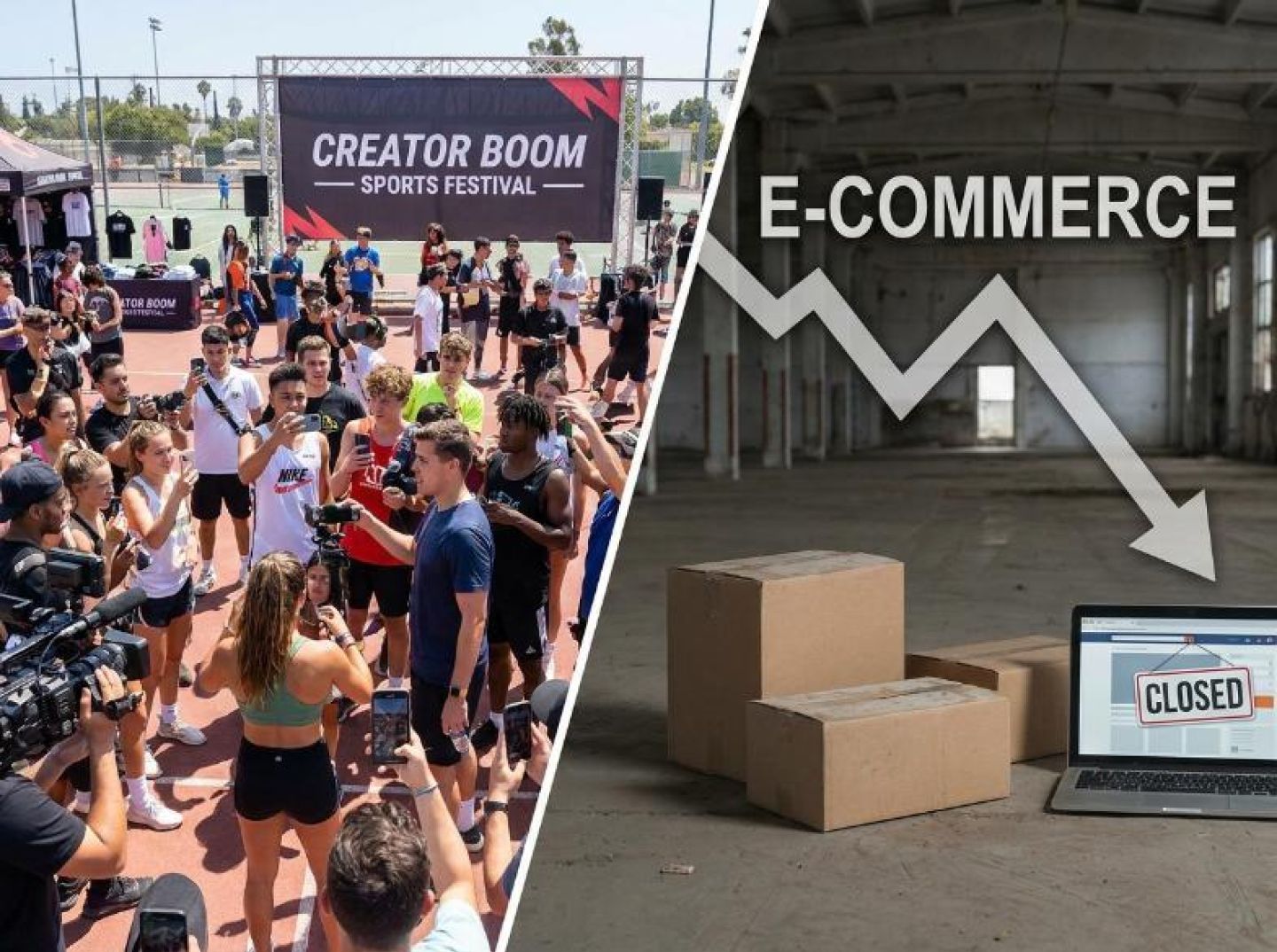
Попробуйте БЕСПЛАТНОКаждый дропшиппер в TikTok знает схему: найти популярный товар, дёшево его закупить, запустить рекламу через авторов контента и пользоваться спросом, пока маржа не исчезнет. Проблема в том, что все следуют одной и той же схеме в одних и тех же категориях — аксессуары для телефонов, сыворотки для ухода за кожей, светодиодные ленты, корректоры осанки. В это же время один из самых быстро растущих направлений контента на платформе вызывает огромный коммерческий интерес, но почти никто в сфере электронной коммерции не обращает на это внимание.
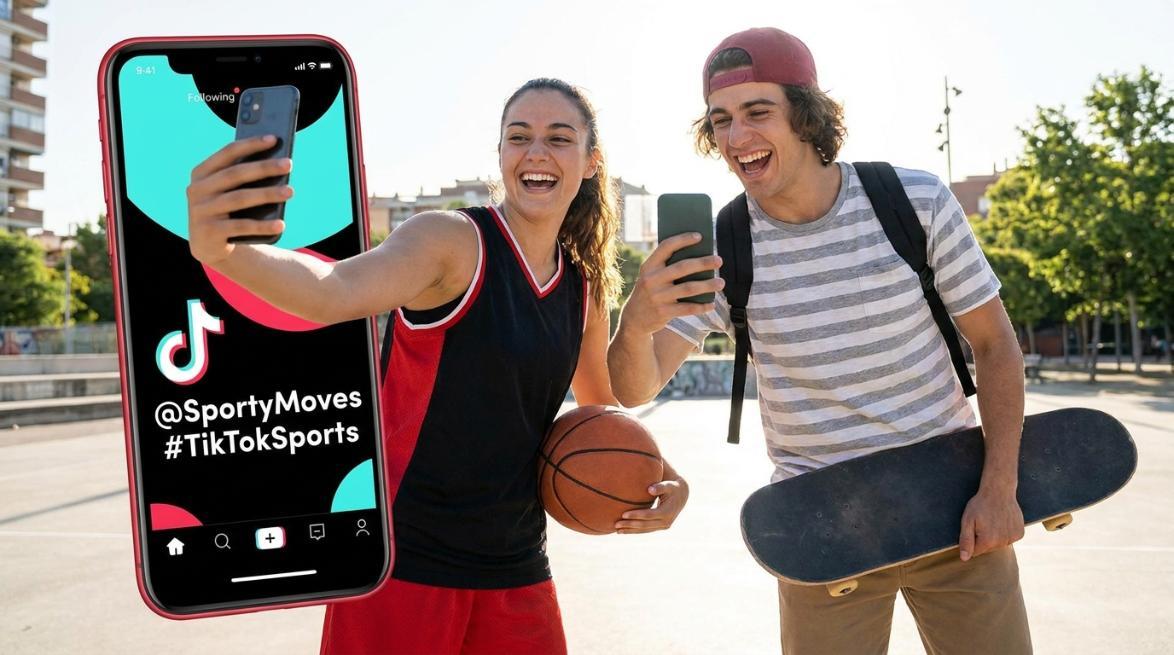
Создатели спортивного контента — демонстраторы фитнес-упражнений, авторы видео о спортивных событиях, аккаунты, посвящённые образу жизни спортсменов, и комментаторы фан-культуры — незаметно стали одной из самых коммерчески эффективных экосистем TikTok. Масштабные показатели убедительны ещё до погружения в детали. В 2025 году TikTok заработал 33,1 миллиарда долларов США на глобальной рекламе, что на 43 процента больше по сравнению с предыдущим годом, в то время как TikTok Shop достиг объёма продаж в США в размере 15,82 миллиарда долларов, ежегодно увеличиваясь на 108 процентов. Показатель вовлечённости платформы в размере 3,7 процента значительно превосходит все основные конкуренты, а более половины пользователей совершали покупки у брендов после того, как видели товары в ленте. Это не просто показатели ради показателей; они описывают коммерческий двигатель, работающий в промышленных масштабах. И при этом лишь 26 процентов маркетологов в настоящее время запускают кампании в TikTok, что означает огромный потенциал для продавцов, понимающих правильное время выхода на категорию.
Разрыв носит структурный характер. Когда маркетинговые издания освещают тему спортсменов-создателей контента, они подают это как медиаисторию — рост аудитории, брендовые партнёрства, стратегия контента. Когда же издания об e-commerce пишут о TikTok, они пересказывают одни и те же перенасыщенные товарные категории. Почти никто не видит связи между этими двумя сферами. Контент, связанный со спортом, выступает в роли фабрики именно тех товарных включений, которые, по словам руководства TikTok Shop, показывают наилучшие результаты. В интервью изданию Marketing Dive глава отдела продуктов питания в TikTok Shop Эмбер Паркер описала основной цикл платформы: тренд в контенте — быстрая коммерциализация — долгосрочная разработка продукта. Она подчеркнула, что «визуально привлекательный продукт, заточенный под контент, особенно эффектен», и призвала бренды «ставить во главу угла товары, которые легко продемонстрировать и интересны создателям контента». Замените продукты питания на спортивное снаряжение, средства для восстановления или сувенирную продукцию болельщиков — логика останется той же.
Этот цикл — тенденция, коммерциализация, итерация — идеально подходит для спортивного контента. Контент-мейкер снимает рутинное перед игрой обматывание лодыжки и вдруг резко растут продажи кинезио-тейпов. Фитнес-блогер демонстрирует портативную массажную пушку между подходами, и товар практически продает сам себя благодаря визуальному доказательству. Исследование, анализировавшее тысячи материалов, созданных авторами на TikTok и Instagram, показало, что контент, основанный на демонстрации, превосходил декларативные сообщения на 33 процента по благосклонности к бренду и на 15 процентов по уровню рассмотрения. Спортивный контент изначально носит демонстрационный характер — каждая тренировка, каждый лайфхак для восстановления, каждое вскрытие оборудования представляет собой продукт в действии.
Здесь речь идет не о постепенном росте. Это настоящая волна масштаба целой категории, которая находится на виду, но остаётся незамеченной, потому что те, кто изучают авторов контента, не занимаются продажами, а те, кто занимается продажами, изучают не тех авторов. Дропшипперы, которые осознают этот пробел и уже сейчас займутся подбором товаров, связанных со спортом, обнаружат кое-что всё более редкое на TikTok: аудиторию с высоким интересом к покупкам, формат контента, который естественным образом демонстрирует товары, и конкурентную среду, в которой ещё не выстроились все магазины на Shopify, использующие один и тот же стандартный каталог поставщиков.
Большинство дропшипперов оценивают популярный контент так же, как турист оценивает ресторан — видит длинную очередь и предполагает, что еда должна быть хорошей. Большое количество просмотров становится показателем жизнеспособности продукта, и весь процесс поиска продукта превращается в игру с цифрами: найти вирусное видео, найти поставщика товара, запустить магазин. Но появляющаяся наука о производительности контента создателей раскрывает гораздо более тонкую реальность, которая отделяет дропшипперов, создающих устойчивую прибыль, от тех, кто гоняется за призраками.
Важное исследование, проведенное Billion Dollar Boy и технологией отслеживания эмоций DAIVID, в ходе которого проанализировано 5000 материалов, созданных авторами, на предмет 39 различных эмоциональных сигналов, предоставляет наиболее четкие ориентиры на данный момент для понимания того, что действительно приводит к конверсии, и имеет непосредственное значение для всех, кто занимается конкурентным анализом продуктов. Первый вывод должен кардинально изменить подход к оценке контента вокруг потенциально успешного продукта: материалы, в которых первые секунды посвящены самому продукту, его преимуществам или брендовому сообщению, показали снижение показателя просмотров на 44%, уменьшение симпатии к бренду на 12% и падение намерения приобрести продукт на 41% по сравнению с контентом, который начинался с привлекающего внимание элемента и подводил к продукту как к логическому завершению. На практике это означает, что, обнаружив эластичную ленту для упражнений, набирающую просмотры в видео тренировки создателя, нельзя делать выводы по одному лишь количеству просмотров. Вам нужно понять, что привлекает аудиторию — сам продукт или привлекающий элемент в начале, так как именно первое указывает на реальный спрос на продукт.
Второй вывод подтверждает тенденцию, на которую уже обращают внимание опытные пользователи Anstrex при анализе рекламы конкурентов: демонстрация эффективнее деклараций. Контент, построенный на демонстрации товара в реальном использовании — настоящая тренировка, реальные «до и после», несценарная объясняющая речь автора — превзошёл сообщения в стиле «это потрясающе» на 33% по привлекательности бренда и на 15% по готовности рассматривать покупку. Спортивный автор, носящий компрессионные наколенники в течение всей тренировки и комментирующий свои ощущения во время подходов, передаёт принципиально другой коммерческий сигнал, чем отполированная реклама бренда, демонстрирующая тот же продукт при студийном освещении. У обоих материалов может быть миллион просмотров, но их профили намерения совершить покупку совершенно разные.
Третий вывод — это то, что подводит дропшипперов, работающих в различных нишах: не существует универсальной «наилучшей эмоции», которая стимулировала бы конверсию. Эмоциональный посыл, усиливающий результаты в контенте о фитнесе, может фактически снижать их для товаров для активного отдыха или средств восстановления. Это соответствует тому, что наблюдала собственная коммерческая команда TikTok, — как сообщалось в Marketing Dive, создание истории от лица автора оказалось эффективным в стимулировании покупок теми способами, которые невозможно повторить с помощью стандартной рекламы, именно потому, что каждый автор естественным образом подбирает эмоциональный тон под свою конкретную аудиторию.
Что это значит для вашего рабочего процесса по исследованию продуктов? Перестаньте использовать количество просмотров в качестве основного фильтра. Вместо этого оценивайте архитектуру убеждения самого контента. Просматривая рекламные объявления конкурентов или органические публикации авторов, ищите триаду, выявленную данными: захватывающее вступление, в котором раскрытие продукта откладывается, демонстрационные доказательства вместо декларативных заявлений и эмоциональный тон, соответствующий конкретной спортивной нише, а не общеэнтузиастический. Контент, соответствующий всем трем шаблонам, почти наверняка конвертируется на уровнях, оправдывающих то внимание, которое он получает. Контент, лишённый этих структурных сигналов — даже с впечатляющими показателями ванильной статистики — является шумом, маскирующимся под возможность. Дропшипперы, усвоившие это различие, не просто будут находить лучшие товары; они также будут создавать лучшую рекламу, когда придет время.
Двенадцать месяцев назад создатель, демонстрировавший товар в TikTok, запустил цепочку событий, в которой всё ещё оставались значительные разрывы: зритель мог сделать скриншот товара, поискать его в Google, попасть на магазин Shopify спустя три дня и, возможно, совершить покупку. На этих разрывах процветали дропшипперы. У них было время, чтобы определить товар, найти поставщика, создать посадочную страницу и перехватить спрос до того, как тренд пошёл на спад. Этот временной лаг и был бизнес-моделью. Инвестиции TikTok в инфраструктуру в 2025–2026 годах сократили его почти до нуля — и это меняет всё, как дропшипперы должны работать.
Платформа систематически перестроила каждый этап маркетинговой воронки внутри единой среды. На верхнем уровне Symphony AI теперь позволяет брендам и авторам создавать видео, характерные для TikTok, на основе текстовых запросов или существующих материалов, переводить закадровый голос на разные языки и выпускать контент в таком темпе, на который год назад потребовалась бы целая команда. Ниже инструменты оптимизации поиска TikTok превращают ленту «Для вас» в нечто вроде ориентированного на намерения рынка — только в 2025 году платформа зафиксировала более 103 миллиардов поисковых запросов с намерением покупки от пользователей из США. А в нижней части TikTok Shop завершает цикл: зрители могут покупать, не покидая приложение, и эта возможность обеспечила 15,82 миллиарда долларов продаж в США в 2025 году при годовом росте на 108 процентов.
Рекламная инфраструктура укрепляет этот эффект. Как подробно описала команда Ниеля Пателя, новые премиальные форматы, такие как Pulse Tastemakers, позволяют брендам размещать рекламу в рамках определенных сообществ создателей контента, тогда как Pulse Mentions размещает её рядом с органическими обсуждениями, уже происходящими в той или иной категории. R&F Max позволяет показать одному и тому же пользователю за пятнадцатиминутный промежуток времени последовательно три рекламных ролика, а TopReach объединяет показ первой рекламы при открытии приложения и первой рекламы в ленте в одну операцию. Эти форматы — не просто инструменты повышения узнаваемости, они призваны совмещать стадии рассмотрения и конверсии в рамках одного и того же сеанса, который начинается с открытия.
Для дропшипперов такой сжатый воронок обращает традиционное преимущество вспять. Ключевым фактором дифференциации становится скорость получения аналитики, а не скорость размещения в магазине. Когда создатель контента в области спорта демонстрирует тренажёр со световыми индикаторами для реакции во время плей-офф НБА, а зрители могут купить его через TikTok Shop ещё до завершения первого вирусного цикла ролика, окно для стороннего продавца, чтобы перехватить этот спрос, сокращается с дней до часов. Событийный характер спортивного контента — дни матчей, периоды трансферов, сетки турниров, драфты — делает это сжатие особенно острым, поскольку активность создателей контента резко и предсказуемо возрастает вблизи запланированных событий.
Вот где выбор инструментов становится стратегическим, а не факультативным. Anstrex Dropship выявляет успешные продукты и платную рекламу, которая уже запущена для них в нескольких сетях, предоставляя вам актуальную информацию о том, какие продукты наращивают объемы конкуренты. Но платная реклама — лишь половина сигнала. Instream отслеживает нативный и созданный авторами контент — органические видео, которые предшествуют платным кампаниям и зачастую превосходят их по эффективности. Вместе они работают как система раннего оповещения: Instream замечает момент, когда демонстрация продукта спортивным автором начинает набирать популярность естественным путем, а Anstrex показывает, использовал ли кто-то уже эту тенденцию в рекламе и открыл ли магазин.
Дропшипперы, которые получат прибыль от бума спортивных авторов в TikTok, — это не те, кто увидит вирусное видео и отреагирует. Это те, у кого мониторинговая инфраструктура распознаёт сигнал до того, как вирусность станет очевидной, ведь внутри упрощённой воронки TikTok, к тому моменту, как тенденция становится очевидной, покупка уже произошла.
Настоящее преимущество таких инструментов, как Anstrex, заключается не в том, что они показывают, что продается — любой инструмент слежения может это делать. Преимущество в том, что они позволяют создать систематический фильтр, отделяющий кратковременный вирусный интерес от товаров с реальным потенциалом прибыли и устойчивым спросом. Вот как превратить бум, связанный с создателями спортивных товаров, в процесс операционных исследований, а не в угадывание.
Первый шаг: отслеживайте креативный слой с помощью Instream. Начните использовать Anstrex Instream для мониторинга креативов нативной рекламы, распространяющихся через контент, связанный со спортом. Вы ищете не отдельную выигрышную рекламу — вы ищете закономерности. Когда один и тот же тип продукта (портативный массажёр для мышц, настенный вентилятор с опрыскивателем, магнитный браслет для планшета с расписанием игры) появляется в нескольких рекламных материалах в стиле блогеров от разных рекламодателей в течение двух–трёх недель, это является сигналом. Продукт, появившийся один раз, может быть тестом. Продукт, встречающийся в пятнадцати разных нативных размещениях с разными креативными подходами — это продукт, который приносит конверсии кому-то, и, вероятно, нескольким рекламодателям.
Шаг второй: перекрестная проверка с Anstrex Dropship. Как только вы отметили товар с повторяющимся спросом, переключитесь на Anstrex Dropship, чтобы подтвердить потенциал. Проверьте наличие поставщиков на AliExpress и других платформах выполнения заказов, рассчитайте свои фактические издержки по сравнению с розничными ценами, которые устанавливают конкуренты, и оцените, сколько магазинов уже продают этот товар. Ключевой показатель — это соотношение маржи и насыщения: высокая маржа при низком насыщении — это ваша выгода. Не менее важно изучить посадочные страницы, которые используют конкуренты. Используют ли они длинные рекламные воронки или быстрые одностраничные сайты? Структура посадочной страницы покажет вам, на каком уровне развития находится рынок.
Шаг третий: Оцените креативное качество с учетом того, что действительно работает. Не каждый рекламный креатив заслуживает подражания. Исследование Billion Dollar Boy проанализировало 5000 материалов, созданных блогерами, и выявило, что контент, в котором первые секунды посвящены продукту или сообщению о бренде, снижает показатели просмотров на 44 процента по сравнению со структурой, где сначала идет захватывающий элемент. Используйте это как прямой фильтр: при просмотре конкурентных креативов в Instream отбрасывайте любую рекламу, которая начинается с логотипа или утверждения о продукте. Креативы, которые стоит изучить и на которых стоит основываться, — это те, что построены вокруг демонстрации, когда создатель использует продукт в реальных условиях. То же исследование показало, что контент, основанный на демонстрации, превосходил декларативные сообщения на 33 процента по показателю благосклонности к бренду. Если креатив конкурента не следует этой структуре, его результаты, скорее всего, хуже, чем заслуживает продукт, а это значит, что у вас всё ещё есть возможность сделать всё правильно.
Шаг четвертый: ориентируйтесь на недообслуживаемые поднишев. Рынок основного спортивного снаряжения переполнен. Реальная прибыль скрывается в категориях, которые крупнейшие магазины пока не насытили: средства для восстановления после тренировок для пожилых любителей спорта, аксессуары для фан-культуры во время спортивных матчей, органайзеры для родителей юных спортсменов, которые совмещают турнирные выходные, и специализированное оборудование для сообществ скалолазов, игроков пиклбола или гребцов. Эти вертикали особенно хорошо реагируют на контент в стиле создателей, потому что для узкой аудитории подлинность важнее всего. Как показывает анализ стратегии Gymshark от Semrush, публикации с создателями, использующими снаряжение во время реальных тренировок, вызывают больше доверия, чем любые студийные съемки, — и этот принцип особенно эффективно работает в микро-нишах, поскольку создатель пиклбола, демонстрирующий тренажер для хвата ракетки, обладает авторитетом, недоступным для универсального фитнес-инфлюенсера.
План игры несложен. Но он требует дисциплины: систематический контроль, честный анализ маржи, творческая фильтрация качества и готовность стремиться к конкретике, а не к масштабу. Бум создателей спортивных товаров вознаграждает тех, кто относится к исследованию продукта как к разведывательной работе, а не к импульсивным покупкам.
Получайте лучшие конверсионные лендинги каждую неделю на свою почту.
Гайд
Большинство дропшипперов рассматривают популярность в TikTok как сигнал к покупке, хотя на самом деле это часто уже показатель поздней стадии. В этой статье объясняется, как анализировать рекламную активность, вход новых рекламодателей, зрелость креативов, ускорение расходов и метрики изменения показателей, чтобы находить товары с потенциалом на более раннем этапе. Здесь также представлена практическая система оценки и 48-часовая проверка, которые помогут дропшипперам решить, сохраняет ли вирусный товар достаточную маржу и перспективы на рынке перед выходом на него.
Priya Kapoor
7 минавг. 19, 2026
Гайд
Бурно развивающаяся экосистема спортивных создателей контента в TikTok открывает новые возможности для дропшипперов, которые знают, где искать. Отслеживая демонстрации продуктов от создателей контента вместе с рекламой конкурентов, продавцы могут выявлять появляющиеся продукты до того, как рынок станет перенасыщенным. Сочетание органических тенденций от создателей и информации о рекламе позволяет быстрее проверять продукты, создавать более сильный креатив и получать лучшую прибыль в быстро развивающихся спортивных нишах.
Liam O’Connor
7 минавг. 5, 2026
Подробный разбор
Маркетологи эффективности завоевывают более крупные маркетинговые бюджеты, поскольку они могут быстро продемонстрировать рентабельность инвестиций, общаться на языке финансовых показателей, которым доверяют руководители, и использовать конкурентную разведку для принятия более обоснованных инвестиционных решений. В то время как команда бренда сталкивается с проблемами атрибуции и внутреннего влияния, ориентированный на данные маркетинг эффективности продолжает получать организационные преимущества.
Liam O’Connor
7 миниюл. 23, 2026