Нативная реклама, Push-объявления
11 миниюня 19, 2026

Наши инструменты отслеживают миллионы push-объявлений из более чем 90 стран и у тысяч издателей.
НачатьПослушайте, как индустрия OOH говорит о себе в последнее время, и может сложиться впечатление, что она решила проблему подотчётности. Платформы вроде AdQuick гордо заявляют, что они "сделали измеримым то, что нельзя было измерить", и приблизили OOH к "современным каналам с эффективными показателями". Предложение выглядит привлекательно: оптимизация на основе ИИ, доставка данных в реальном времени, программная закупка рекламы в цифровых наружных медиа (DOOH) и точное измерение "ограждающего эффекта", который размещение рекламы на открытом воздухе оказывает на смежные цифровые кампании. Это история, призванная убедить директоров по маркетингу спокойно подписывать чеки на шесть и семь цифр за размещение на билбордах. Но если присмотреться внимательнее, за этой риторикой открывается более сложная и гораздо менее лестная картина.
Рассмотрим случай компании Saatva, производителя матрасов по прямым продажам, которая стала одним из любимых примеров успеха в индустрии наружной рекламы. Как подробно описал OOH Today, Saatva стартовала как бренд, работающий исключительно через поисковые системы, и добавила наружную рекламу в свой маркетинговый комплекс в 2017 году, когда одних маркетинговых каналов стало недостаточно для роста. Первые результаты? При оценке по стандартной модели прямой атрибуции — той же самой модели, по которой оценивается эффективность любой кампании в поисковой и таргетированной рекламе — кампания в наружной рекламе выглядела неудачей. Внутреннее решение было — закрыть её.
Но Saatva не стала закрывать кампанию. Вместо этого команда разработала совершенно другую систему измерения эффективности, которая отслеживала посещаемость магазинов, рост органического и платного поиска, трафик, направленный на бренд, узнаваемость бренда (как с подсказкой, так и без), и ввела временной лаг, соответствующий реальному циклу продаж компании. И только тогда кампания в наружной рекламе показала себя — по пересмотренной оценке Saatva — как самый эффективный канал.
OOH-индустрия представляет это как триумф. Однако настоящий урок гораздо более показателен: при тех же правилах атрибуции, которые действуют для всех остальных каналов с оплатой за результат, OOH не может оправдать собственное существование. «Решение» заключалось не в улучшении измеримости канала, а в изменении определения метрик до тех пор, пока цифры не начали рассказывать более выгодную историю.
Это принципиальное различие, которое специалисты по performance-маркетингу интуитивно понимают. Когда вы запускаете кампанию нативной рекламы, вы можете сравнить свои результаты с отраслевыми стандартами по CTR, конверсиям и стоимости клика в режиме реального времени. Вам не нужна индивидуальная модель многоканальной атрибуции с увеличенными временными окнами, чтобы понять, приносит ли ваша реклама результаты. Атрибуция заложена в саму инфраструктуру — от первого показа до финальной конверсии, каждый шаг отслеживаем, проверяем и оптимизируем на ходу.
Это вовсе не означает, что мультиканальная атрибуция изначально недобросовестна. Сложные пути покупки действительно существуют, и не каждый канал должен оцениваться по последнему клику. Но есть существенная разница между каналом, способствующим многоканальному пути, и каналом, который может продемонстрировать свою ценность только в том случае, если вы создадите собственную измерительную модель, достаточно лояльную, чтобы включить его. Когда сами энтузиасты отрасли открыто признают, что стандартная атрибуция заставляет офлайн-рекламу выглядеть неудачной, а их решение — отказаться от стандартной атрибуции, — это должно заставить задуматься любого маркетолога, следящего за бюджетом.
AdQuick позиционирует себя как силу, превращающую OOH в «стратегический канал эффективной рекламы», основанный на данных и точности, а не на догадках. Но если OOH действительно достиг статуса канала эффективной рекламы, зачем ему до сих пор требуются собственные специальные правила измерения ROI? Каналам эффективной рекламы не нужны защитники. Им не нужны вебинары, объясняющие, почему цифры выглядят плохо, если их читать «неправильным» способом. Они показывают результаты, на языке которых любой финансовый директор уже хорошо говорит: вложенные средства, полученные доходы, четкая маржа.
Неудобная правда заключается в том, что «прорывы» в измерении OOH в основном представляют собой сложные упражнения в постфактумном оправдании — изощрённые структуры, созданные не для того, чтобы выяснить, сработала ли кампания, а чтобы продемонстрировать, что она сработала. В то время как индустрия OOH совершенствует свои инструменты рационализации, маркетологи, ориентированные на эффективность, действуют в экосистемах, где подтверждение эффективности — не дополнительная опция. Это стандарт.
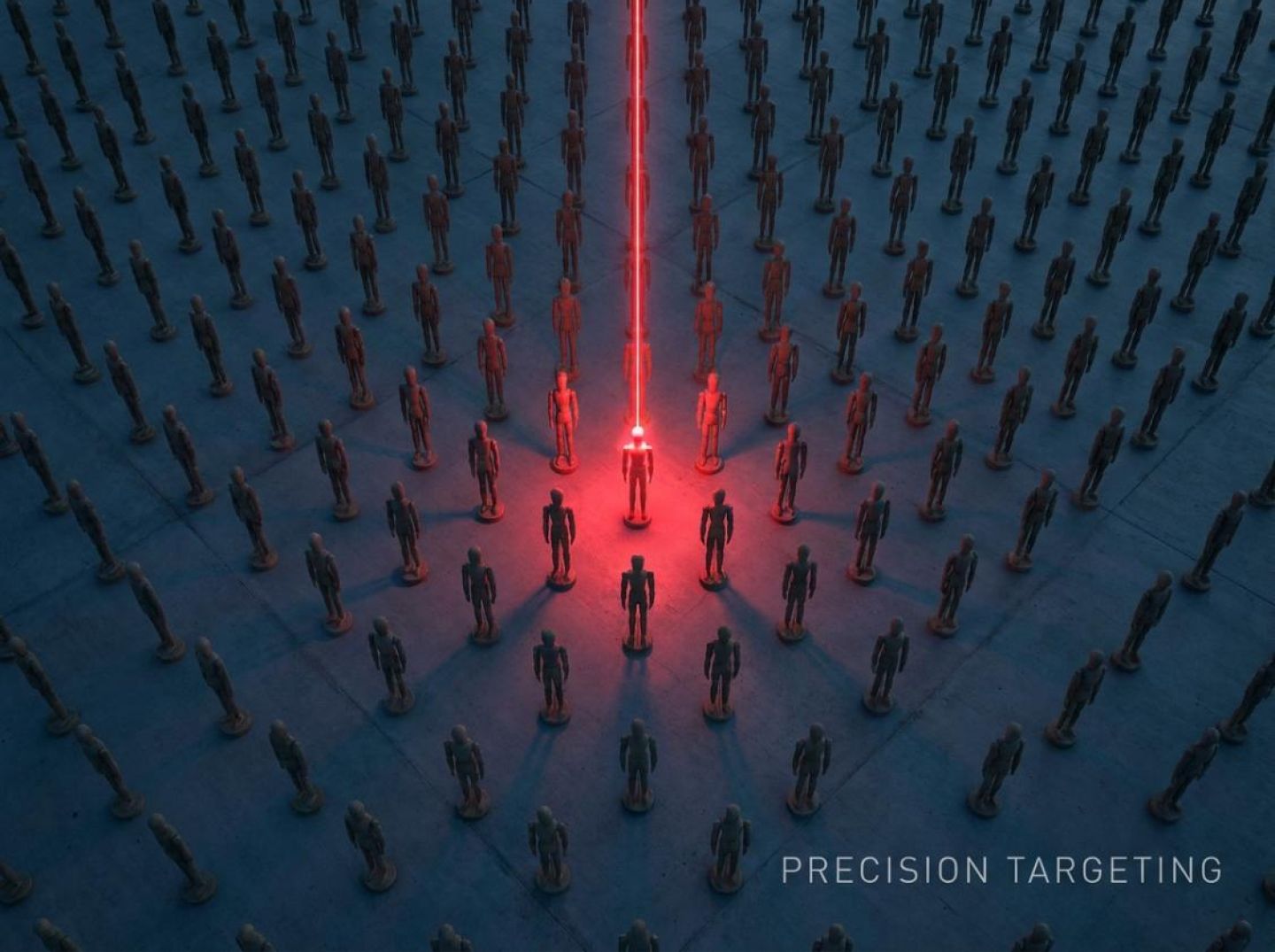
Таргетинг в секторе наружной рекламы, даже в своей наиболее сложной форме, всегда начинается и заканчивается физическим ограничением: кто-то должен стоять перед рекламным объектом. Вся система данных об аудитории, поведенческая сегментация и демографическое профилирование, построенная современными платформами наружной рекламы, в конечном итоге сводится к одной ставке — нужный человек окажется в нужном месте в нужное время. И хотя индустрии удалось добиться значительного прогресса в повышении вероятности этого события, фундаментальное ограничение остаётся неизменным.
Рассмотрим, как на самом деле работает передовая таргетированная наружная реклама. Как подробно описал OOH Today в своём разборе подхода мобильных рекламных щитов компании Lime Media, рекламные грузовики с LED-экранами действительно совершают скачок вперёд по сравнению со статичными носителями, поскольку они «следуют туда, где ваша аудитория действительно находится — по маршрутам перемещения, торговым зонам, местоположениям конкурентов, местам отдыха — на основе потребительских персонажей, поведенческой сегментации и карты конкурентов, составленной ещё до того, как грузовик покинет стоянку». Это впечатляющая инфраструктура. Грузовик просто не паркуется где-то и не надеется на удачу; он следует маршрутам, основанным на данных, спроектированным так, чтобы перехватить определённые сегменты аудитории в движении. OOH Today справедливо называет это «точным медиа-транспортом», и по сравнению со статичным билбордом на шоссе — это действительно так.
Но вот неудобное сравнение, которое оффлайн-индустрия предпочла бы вам не делать: направление физического грузовика мимо точек конкурентов на основе персональных данных потребителей по сути является тем, что рекламные платформы нативной и пуш-рекламы делают программно — на уровне отдельного пользователя, без географических ограничений — в течение последнего десятилетия. Когда платформа нативной рекламы нацеливается на потребителя, который недавно просматривал страницу товара конкурента, посещал физический магазин конкурента (по данным о местоположении с мобильного устройства), соответствует определённому демографическому и психографическому профилю и в данный момент потребляет контент, связанный с принятием решения о покупке, она реализует ту же стратегическую логику, что и тот самый светодиодный грузовик. Только ей не нужны топливо, водитель, разрешения муниципалитетов или благоприятная погода. И она достигает этого потребителя на его устройстве, где уже существует путь от клика до конверсии.
Разрыв в масштабах не менее ощутим. Когда платформы, такие как AdQuick, рекламируют оптимизацию на основе ИИ, анализирующую "триллионы комбинаций" объектов наружной рекламы для нахождения оптимальных размещений, они действительно решают сложную задачу — но эта сложность существует только потому, что физические носители изначально ограничены и недостаточно гибки. Платформы цифровой рекламы и push-уведомлений решают аналогичную задачу оптимизации, охватывая миллиарды индивидуальных показов каждый день, корректируя ставки, креативы и таргетинг в режиме реального времени на основе реального поведения пользователей, а не на основе моделируемых предположений о том, кто может проехать мимо определенного перекрестка в час пик.
Инфраструктура данных, теперь доступная для цифровых каналов, делает этот разрыв еще труднее для устранения со стороны наружной рекламы. Как подчеркнул представитель Amazon Таннер Элтон на презентациях, компания объединяет более 300 миллионов потребителей, использующих рекламную поддержку, с сигналами, которые «не моделируются» и «не предполагаются», а строятся на аутентифицированных, детерминированных данных, охватывающих 90% домохозяйств США. Такой уровень точности — на индивидуальном уровне, подтвержденный поведением, связанный с покупками — представляет собой стандарт, с которым теперь работают маркетологи, ориентированные на результат. Когда наружная реклама говорит о «правильной аудитории, в правильном месте и в правильное время», маркетологи, ориентированные на результат, воспринимают эту фразу как минимальные требования, которые у них были уже примерно с 2015 года. Разница не в том, что таргетирование наружной рекламы плохое. Просто цифровое таргетирование заставило гордые инновации наружной рекламы выглядеть дорогостоящими приближениями к тому, что хорошо настроенная рекламная панель может предоставить до обеда в понедельник.
В цифровой рекламе знания — это не просто сила, это прибыль. И маркетологи, ориентированные на результат, имеют доступ к такому уровню аналитики, о котором рекламодатели OOH только начинают мечтать: данные в реальном времени о конкурентах. Такие инструменты, как Anstrex, AdPlexity и SpyPush, позволяют любому партнеру или покупателю трафика открыть панель и за считанные секунды увидеть, какие именно креативы используют их конкуренты, в каких рекламных сетях, на каких географических рынках, с какими целевыми страницами и как долго эти кампании находятся в эфире. Если нативная реклама конкурента транслируется на Taboola в Германии уже 47 дней подряд, маркетолог, ориентированный на результат, понимает, что она прибыльна, — и может воссоздать весь воронок еще до обеда.
Это не какой-то тайный нелегальный метод. Это стандартная операционная процедура. Экосистема performance-маркетинга создана на предположении, что открытая конкуренция ускоряет оптимизацию для всех. Когда медиапокупатель оценивает свои кампании, он смотрит не только на собственные исторические данные — как подчёркивается в рекомендациях Brax по оптимизации, понимание того, как вы соответствуете конкурентам и отраслевым стандартам, играет ключевую роль в установке реалистичных ориентиров и выявлении недостатков ваших кампаний. Весь рабочий процесс — от создания идей для креативов до стратегии ставок и геотаргетинга — основывается на том, что уже работает на рынке сейчас, а не на том, что работало в прошлом квартале или что, по словам менеджера по продажам, будет работать в следующем месяце.
Теперь сравните это с положением дел в индустрии OOH. Мир наружной рекламы только недавно начал создавать интеллектуальную инфраструктуру, которую цифровые маркетологи считают базовой уже много лет. Когда Trillboards сменила бренд на hellOOH, компания объявила о планах создания так называемого «прогнозирующего движка спроса» и «графа интеллектуального анализа кампаний» — инструментов, призванных обеспечить операторам OOH прозрачность на уровне рекламодателей в отношении моделей спроса и эффективности кампаний по всем билбордам. Это действительно амбициозные продукты. При этом они решают проблемы, с которыми маркетологи, ориентированные на эффективность, справились еще десять лет назад.
Несоответствие поражает. В нативной и push-рекламе конкурентная разведка является мгновенной, детализированной и применимой на практике. Вы можете фильтровать по тематическим направлениям, по странам, по устройствам, по сетям, по периодам. Вы можете увидеть точное изображение миниатюры и заголовок, которые вызывают переходы. Вы можете определить, какие рекламодатели вышли на рынок на прошлой неделе, а какие покинули его. Между тем, сектор OOH до сих пор отмечает достижение базовых этапов. Когда AdQuick описывает свою трансформацию OOH «от канала, основанного на догадках, к каналу, управляемому данными и эффективностью», амбиции реальны — но финишная черта, к которой они стремятся, является стартовой линией, которую специалисты по эффективной рекламе оставили позади много лет назад.
Этот разрыв в разведданных со временем неумолимо возрастает. Каждый день, который маркетолог тратит на оптимизацию креативов на основе подтверждённых сигналов конкурентов, — это день, когда стоимость привлечения клиента снижается, конверсия растёт, а понимание рынка углубляется. Каждый день, который рекламодатель в сфере наружной рекламы тратит без такой видимости, — это день, проведённый на основе обоснованных предположений о том, какие сообщения работают, какие локации эффективны и следует ли кампании продолжаться или сменить курс. Одна сторона действует с боеприпасами; другая — с тренировочными упражнениями.
Индустрии наружной рекламы следует отдать должное за то, что она признала этот дефицит и вкладывается в его устранение. Но признание не нивелирует преимущество. Маркетолог, способный за минуты разобрать выигрышную кампанию конкурента и к полудню запустить конкурирующий вариант, действует в совершенно ином конкурентном поле, чем покупатель билбордов, ожидающий атрибуции по итогам кампании в течение нескольких недель. Задержка с разведданными — это отказ от них, и сейчас временной разрыв между этими двумя мирами измеряется не днями. Он измеряется годами.
Доверие — это невидимая валюта рекламы, и отрасль имеет дефицит. Несмотря на все разговоры о трансформации на основе данных и точности программатик-систем, отношения между рекламодателями и агентствами, управляющими их бюджетами, по-прежнему страдают отсутствием прозрачности, которое почти не улучшилось за последние почти десять лет. Согласно опросу, опубликованному Ассоциацией национальных рекламодателей, сорок три процента членов ANA по-прежнему обеспокоены отсутствием прозрачности со стороны своих партнёров-агентств — показатель, который практически не изменился с зафиксированных в 2016 году сорока шести процентов. Для отрасли, которая гордится своей инновационностью, такая стагнация — это не просто разочарование. Это структурная проблема.
Причины недоверия хорошо задокументированы. Кэшбэк — платежи, которые агентства получают от продавцов медийной рекламы и которые редко раскрываются клиентам — остаётся постоянным и в значительной степени неконтролируемым источником трений. Однако более важной и быстро растущей проблемой является рост сделок с медиарекламой по принципу «принципала», при которых агентства закупают рекламные места по оптовым ценам и перепродают их своим собственным клиентам с наценкой, зарабатывая на разнице. Эти практики не являются маргинальными. Как отметил AdExchanger, только в 2024 году WPP получила 713 миллионов долларов США от медиасделок по принципу «принципала», согласно судебным документам бывшего руководителя GroupM Ричарда Фостера. Это 713 миллионов долларов, которые пошли не издателям, не на инновации в медиа и уж точно не на улучшение результатов рекламодателей — а на увеличение прибыли самого агентства.
OOH-реклама, несмотря на все её недавние модернизации, по-прежнему в значительной степени функционирует в рамках этой перегруженной посредниками экосистемы. Процесс покупки изначально был не прозрачным: договорные цены, пакетные предложения и ограниченная видимость после кампании того, что было фактически доставлено по сравнению с обещанным. Даже по мере того, как такие платформы, как AdQuick, позволяют программную покупку DOOH через их DSP и автоматизируют выполнение кампаний с использованием данных в канале, долгое время определявшемся устными договорённостями, общая цепочка поставок по-прежнему проходит через холдинги и торговые подразделения агентств, у которых финансовые стимулы расходятся с интересами их клиентов. Технологии могут модернизироваться, но экономическая модель ещё не успела полностью измениться.
Теперь сравните это с тем, как работают маркетологи, ориентированные на результат. Партнёр, запускающий нативную рекламу, или соло-покупатель трафика, масштабирующий кампанию через push-уведомления, не платит агентству дополнительную наценку за свои расходы. Он не гадает, не получает ли его партнёр по размещению двойного вознаграждения через отката. Каждый потраченный доллар списывается с его собственного финансового отчёта, и каждый показ, клик и конверсия поступают в панель управления, которой он сам управляет. Здесь нет неясности, поскольку некому быть нечестным — покупатель и принимающий решения человек — это один и тот же человек.
Это не просто философское различие; это операционное преимущество, которое наращивается со временем. Когда маркетолог, ориентированный на результат, замечает неэффективный креатив или целевую аудиторию, которая сливает бюджет, он останавливает это за минуты — а не по итогам ежеквартального анализа, во время которого агентство представляет отдельные данные. Когда он видит, что посадочная страница конкурента эффективно конвертирует через инструмент шпионажа, он адаптируется в течение нескольких часов. Здесь нет закупочных процедур, цепочки утверждения медиа-планов и менеджера по работе с клиентами, который сглаживает цифры, чтобы сохранить отношения.
Ирония в том, что бренды, тратящие миллионы на наружную рекламу — те, кто больше всего нуждается в подотчетности своих медиаинвестиций, — чаще всего направляют свой бюджет через те самые агентские структуры, которые члены АНА отмечали как проблемные на протяжении десятилетия. В то время как двадцатишестилетний специалист, управляющий кампаниями с ноутбука в Лиссабоне, видит точно, куда уходит каждый цент, какой возврат он приносит и следует ли увеличивать или сокращать расходы уже утром. Проблема доверия в рекламе заключается не только в недобросовестных участниках. Речь идет о системе, которая поощряет посредничество вместо результатов, — и маркетологи, ориентированные на эффективность, просто полностью отказались от этой системы.
OOH-индустрия имеет любимый элемент риторической защиты: так называемый "эффект ореола". Вот как выглядит аргументация: кампании на рекламных щитах создают всеобъемлющую атмосферу осведомлённости о бренде, которая повышает эффективность всех последующих цифровых точек взаимодействия. Потребитель видит рекламный щит, бренд закрепляется в подсознании, а позже, при появлении рекламы в поисковой системе или нативной интеграции, вероятность клика возрастает. Это изящная история, которую индустрия рассказывает без устали. Но что, если причинно-следственная связь идёт в обратном направлении?
Маркетологи, работающие с моделями многоканальной атрибуции, давно подозревали то, что всё чаще подтверждается данными: цифровые кампании зачастую создают спрос, который затем учитывают в свою пользу размещения наружной рекламы. Когда бренд в течение нескольких недель активно запускает нативную, пуш- и социальную рекламу, а затем появляется на бигборде, аудитория уже подготовлена. Они уже видели продукт в лентах, переходили на целевую страницу, возможно, даже оставили товар в корзине. После этого они проезжают мимо бигборда, узнают бренд, и провайдер наружной рекламы с гордостью фиксирует «рост» узнаваемости бренда и повышение осведомлённости. Но бигборд не создал эту осведомлённость. Он лишь перехватил человека, который уже находился глубоко внутри воронки продаж.
Рассмотрим случай Saatva, люксового бренда матрасов, который был запущен в 2010 году как интернет-магазин, ориентированный только на поисковый маркетинг. К 2017 году компания уже построила солидный бизнес благодаря маркетингу на основе эффективности, прежде чем добавить наружную рекламу (OOH) в свой медиа-микс. Как подробно описано на OOH Today, Saatva в конечном итоге пришла к выводу с помощью расширенных методов измерения — отслеживания посещений магазинов, роста поисковых запросов и трафика, направленного на бренд, — что OOH стала их самым эффективным каналом. Но вот вопрос, который индустрия редко задаёт: самым эффективным по сравнению с какой базой отсчёта? Saatva потратила семь лет на создание капитала бренда через поисковый и целевой маркетинг, прежде чем была размещена первая наружная реклама. Объёмы органического поиска, трафик по брендовым запросам, узнаваемость без подсказки — всё это уже росло за счёт инвестиций в цифровой маркетинг. Когда наружная реклама появилась, она унаследовала аудиторию, которую целевой маркетинг выращивал годами. Приписывание этого накопленного импульса рекламным щитам требует такой щедрости интерпретации, которую большинство маркетологов, ориентированных на результат, никогда бы не допустили в своих собственных кампаниях.
Эта путаница в атрибуции не случайна. Она структурного характера. Методологии измерения эффективности OOH, как правило, опираются на исследования роста бренда до и после кампании, которые фиксируют изменения в течение периода показа, но редко выделяют причину этих изменений. В то же время, как сообщал Marketing Dive, цифровые платформы, такие как Amazon, теперь объединяют более 300 миллионов потребителей, использующих рекламные услуги, посредством аутентифицированных сигналов — данные, которые, по словам Таннера Элтона, «не построены на моделях» и «не предполагаются». Разрыв в точности между этими двумя мирами огромен. Цифровые платформы могут показать вам точную цепочку событий: от показа до клика и покупки. OOH требует доверять корреляции.
Маркетологи, ориентированные на эффективность, понимают то, что индустрия рекламных щитов предпочитает игнорировать: в медиасреде, где потребители перед выходом из дома подвергаются десяткам цифровых касаний, любое воздействие в физическом мире является результатом цифрового влияния. Эффект ореола реален — просто он идёт от экрана на улицу, а не наоборот. И именно те бренды, которые понимают это направление воздействия, тихо перераспределяют свои бюджеты в пользу каналов, где можно реально доказать, что именно изменило ситуацию, а не тех, кто просто присваивает заслуги после того, как другая сторона проделала всю основную работу.
Получайте лучшие конверсионные лендинги каждую неделю на свою почту.
Подробный разбор
Узнайте, как рекламная аналитика на уровне города может помочь маркетологам создавать кампании, которые воспринимаются как местные, но масштабируются глобально. Научитесь использовать Anstrex для выявления географических, языковых, творческих закономерностей и особенных для воронки продаж паттернов на Native, TikTok, Push и Pops, а затем превращайте эти данные в постоянно эффективные локализованные кампании.
Elena Morales
7 минсент. 16, 2026
Самое читаемое
Генерация спроса смещается от одной лишь маркетинговой автоматизации к рыночной аналитике в реальном времени и проверенным креативным сигналам. В этом руководстве показано, как использовать аналитику объявлений из родных источников, пуши, pop-окна и TikTok, чтобы выявить наиболее эффективные зацепки, превратить их в интеллектуальную собственность для генерации спроса и применить эти данные во всей клиентской воронке: рекламе, электронной почте, посадочных страницах и на всех этапах пути клиента.
Elena Morales
7 минсент. 13, 2026
Самое читаемое
Узнайте, как связать данные рекламного шпиона с поведением на сайте, информацией из CRM и результатами выручки, чтобы выявить реальные факторы рентабельности инвестиций. Узнайте, как превратить Anstrex из инструмента копирования креативов в замкнутую систему для тестирования выигрышных рекламных подходов, воронок и клиентских путей.
Dan Smith
7 минсент. 9, 2026