6 миниюня 17, 2026

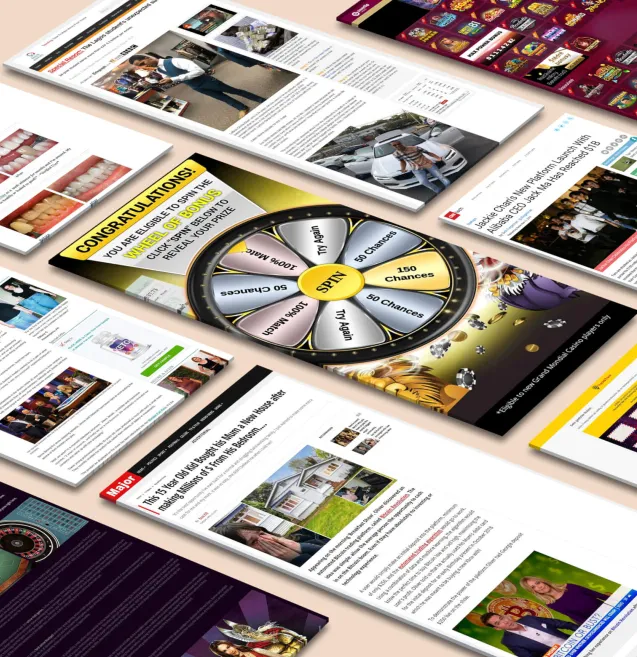
Наши инструменты отслеживают миллионы рекламных кампаний в форматах native, push, pop и TikTok.
НачатьДавайте честно посмотрим на то, что произошло: ситуация в поисковой выдаче изменилась под ногами у всех, и большинство бюджетов на четвёртый квартал всё ещё основаны на устаревших данных. Search Engine Journal ясно об этом заявил — если ваш бюджет на 2026 год был рассчитан на основе кликов, которые были в 2024 году, то этот план сейчас основан на данных о поисковой выдаче, которые устарели примерно на два года. AI Overviews поглотили долю органических кликов. Настроения потребителей обрушились до рекордно низкого уровня и показывают лишь слабые признаки восстановления. И большинство потребителей в каждом штате США испытывают ощутимую тревогу по поводу самого ИИ, что влияет на их реакцию на ориентированное на ИИ сообщение, как только они попадают на ваш сайт. Диагноз верен. Данные по поиску, на которые вы полагались в прошлом году, теперь опасно устарели, и любой, кто планирует расходы на четвёртый квартал исключительно на основе тенденций частотности ключевых слов, движется по устаревшей карте.
Но на этом согласие заканчивается.
Трехступенчатое решение, предложенное SEJ — собрать собственную аналитику для сравнения доли органического трафика за два года, найти данные уровня тревожности, связанной с ИИ, по штатам из исследований компании Anthropic и сформировать предположения по расходам на основе тренда индекса потребительских настроений Университета Мичигана, а не на основе одного месяца — представляет собой структуру, разработанную для бренд-стратегов с выделенными исследовательскими отделами, бюджетами на планирование в шестизначном диапазоне и с неделями на синтез междисциплинарных наборов данных перед принятием решений о расходах. Это не структура, предназначенная для людей, которым на самом деле нужно срочно распределить бюджеты на четвертый квартал: веб-мастеров, управляющих десятками кампаний в разных вертикалях, небольших команд закупки рекламы в агентствах среднего звена или руководителей эффективности в DTC-бренды, которым нужны конкретные указания в течение нескольких дней, а не месяцев.
Сама исследовательская нагрузка просто колоссальна. Вы просите маркетолога, отвечающего за эффективность, сопоставить ежемесячные опросы потребительского доверия, сопоставить данные о тревожности по поводу ИИ по регионам с географическим распределением его клиентской базы, а затем наложить это на два года падения их собственного органического трафика — и всё это, прежде чем они откроют рекламную платформу. Это не процесс планирования. Это диссертация для выпускников.
И даже если команда каким-то образом сумеет собрать все эти данные вовремя, результат всё равно покажет, где был спрос раньше, а не туда ли он движется. Это более глубокая проблема, которую макроданные решить не могут. Как отметила Semrush, проблема традиционных стратегий подбора ключевых слов заключается в том, что они показывают лишь то, что уже происходит в органическом поиске: позиции конкурентов показывают, на что конкуренты уже ориентировались, а базы ключевых слов построены на исторических данных поиска, которые не могут уловить появляющиеся сигналы спроса. Индексы потребительских настроений страдают от такой же задержки. К тому времени, как исследование Мичиганского университета сообщает вам о смене уверенности в расходах, ваши конкуренты уже перераспределили свои средства.
Настоящая проблема заключается не в том, что у команд нет данных. Проблема в том, что им говорят собирать еще больше не тех данных. Линии трендов, опросы настроения и индексы тревожности полезны как контекст для ежегодного брендинга. Но для маркетологов, ориентированных на результат, которым нужно понимать, куда делать ставки в ближайшие 90 дней, наиболее честным сигналом является не то, что макроэкономический показатель предполагает, что потребители возможно сделают, а то, что рекламодатели, конкурирующие за этих же потребителей, уже делают со своими бюджетами прямо сейчас. Где они увеличивают расходы? За какие ключевые слова они платят больше в этом месяце, чем в прошлом? На какие каналы поступают новые средства, в то время как другие сокращаются?
Этот вопрос никогда не задает методология SEJ. И это единственный вопрос, который действительно сокращает сроки вашего планирования с недель до дней.
Каждый инструмент для работы с ключевыми словами, существующий на рынке, независимо от степени своей сложности, по сути является архивом. Он показывает, что искали люди, по каким запросам ранжировались конкуренты и какие термины привлекали ставки на аукционах, которые уже завершились. Это не недостаток реализации, а структурное ограничение, заложенное в основу построения этих платформ. Даже Semrush, компания, чья вся бизнес-модель вращается вокруг анализа ключевых слов, открыто говорит о таком ограничении. В своих рекомендациях по стратегии ключевых слов в SEO упоминается, что традиционные методы работы с ключевыми словами показывают только то, что уже происходит в органическом поиске. Позиции конкурентов показывают, по каким запросам они уже ведут работу — и если они не затронули определённую тему, она просто не появится в вашем анализе пробелов. Базы данных ключевых слов имеют аналогичные ограничения, поскольку они основаны на исторических данных органического поиска, а не на том, что потребители будут искать в следующем месяце.
Это важное различие в любое время года, но в четвертом квартале оно превращается в стратегическую уязвимость. В последнем квартале полные циклы продукта сжимаются в считанные недели. Запускаются новые предложения, появляются новые вертикали, меняются подходы к промоакциям, а период для захвата спроса становится невероятно коротким. Анализ пробелов в ключевых словах, проведенный в сентябре, отражает конкурентную среду июля или августа. К тому времени, как вы создадите контент, оптимизируете посадочные страницы и запустите кампании, реальное поведение пользователей в поиске уже может измениться. Элементы SERP отражают запросы, которые пользователи уже делали в достаточном объеме, но они не предсказывают, какой запрос сделает потребитель после просмотра нового предложения конкурента утром в Черную пятницу.
Если наложить данные платного поиска, картина улучшается не так сильно, как хотелось бы. При проведении анализа конкурентов в Google Ads вы получаете оценку расходов на ключевые слова, на которые конкуренты уже делали ставки, что полезно для понимания прошлых решений по распределению бюджета, но по сути это взгляд в прошлое. Вы можете видеть, что конкурент активно тратил на запрос «корпоративные подарочные карты» в ноябре прошлого года. Но вы не можете понять, планируют ли они перенаправить этот бюджет на платформы для подарков с использованием ИИ в этом году или собирается ли совершенно новый конкурент выйти на рынок с предложением, которое определит новую категорию.
Риски усиливаются, если учесть, насколько быстро меняется отношение потребителей. Как сообщал Search Engine Journal, годовой план, в котором не учтены осторожность потребителей, реальная тревога, связанная с ИИ, и сокращающаяся доля трафика открытого интернета, — это план, основанный на устаревшей карте. Инструменты подбора ключевых слов не могут выявить ни один из этих сигналов, потому что они измеряют объем поиска, а не уверенность в расходах. Они измеряют позиции в рейтинге, но не эмоциональное состояние покупателя, который нервничает из-за экономики.
И именно поэтому инструменты искусственного интеллекта, несмотря на свою скорость, не могут самостоятельно преодолеть этот разрыв. Как отмечает блог TopRank, ИИ может ускорить исследование ключевых слов, анализ пробелов и конкурентную аудиторию, но он не может объяснить, почему ваша аудитория скептически относится к определённому сообщению, или распознать, что тенденция в вашей категории уже перенасыщена, ещё до того, как вы вложитесь в неё. Быстрый доступ к историческим данным — это по-прежнему исторические данные.
Это вовсе не означает, что инструменты для работы с ключевыми словами бесполезны. Они по-прежнему необходимы для понимания базового спроса и анализа уже имеющихся материалов. Однако они представляют собой индексы прошлого поведения, тогда как планирование на четвёртый квартал требует перспективных сигналов — сигналов о том, на что конкуренты делают новые ставки, а не о том, на чём они делали ставки раньше. Инструмент, показывающий, по каким запросам соперник занимал позиции в прошлом квартале, отвечает не на тот вопрос. Правильный вопрос: на чём они тратят средства сейчас, и что это говорит вам о направлении будущего спроса?
В экономике существует различие, которое любой медиапланер интуитивно понимает, но редко применяет при планировании кампаний: разница между декларируемыми и выявленными предпочтениями. Декларируемые предпочтения — это то, что люди говорят, что сделают: ответы на опросы, выраженные намерения, запросы, которые они вводят в поисковой строке. Выявленные предпочтения — это то, что люди действительно делают, когда за решением стоят реальные последствия. Данные по ключевым словам, независимо от их актуальности, находятся строго на стороне декларируемых предпочтений. Они сообщают вам, что кто-то набрал. Но они не говорят, привел ли этот поиск к покупке, носил ли его первоначальный характер коммерческий или простое любопытство, отражает ли видимый вами объем реальный спрос или является эхом алгоритма. Расходы конкурентов на рекламу, напротив, представляют собой выявленные предпочтения в их чистейшей форме — они показывают, куда кто-то с ответственностью за прибыли и убытки вкладывает реальные деньги прямо сейчас.
Это основной тезис, который должен изменить ваш подход к Q4: библиотеки рекламы конкурентов в каналах нативной рекламы, пуш-уведомлений и всплывающих окон функционируют как инструмент прогнозирования спроса в реальном времени, поскольку раскрывают фактические расходы. Когда конкурент масштабирует кампанию в нескольких географических регионах, увеличивает объем креативов по определённой вертикали или одновременно запускает один и тот же шаблон целевой страницы через десятки источников трафика, он не гадает. Он уже провел тесты. Он уже понес убытки от неудачных кампаний. Рекламные кампании, которые вы видите выжившими и расширяющимися, оказались прибыльными — и само решение о масштабировании является подтверждённым бюджетом сигналом того, где на самом деле находится спрос.
Традиционный, ориентированный на поиск, подход к такому анализу не является неправильным, он просто неполный. Собственные рекомендации Semrush по анализу конкурентов в Google Ads признают, что оценочные расходы конкурента и проценты распределения затрат могут указывать на наиболее ценные для них ключевые слова, но при этом справедливо предупреждают, что реальные затраты различаются и простое копирование расходов редко становится выигрышным ходом. Это справедливое предостережение, когда речь идет о ставках на ключевые слова в рамках единой аукционной среды. Но этот принцип становится гораздо мощнее, когда вы выходите за пределы поиска в каналы, где можно наблюдать не только на что тратят конкуренты, но и какие креативы они масштабируют, в каких направлениях они активно тестируют объемы, и *какие типы предложений появляются снова и снова из недели в неделю. В таких каналах сам креатив является сигналом — заголовок, который удерживается в течение трех недель трат по четырем географическим регионам, уже не догадка, а подтверждённая гипотеза о том, что хочет рынок.
Это особенно важно для 4-го квартала, потому что календарь создает срочность, с которой инструменты ключевых слов не могут конкурировать. К тому времени, как новый тренд наберёт достаточный объём поисковых запросов, чтобы появиться в базе данных ключевых слов, преимущество первопроходца уже упущено. Библиотеки рекламы, напротив, показывают изменения почти в режиме реального времени. Вы можете заметить, как конкурент начинает тестировать новое направление уже в сентябре, и принять решение, стоит ли действовать аналогично, до того, как в октябре будут закрыты бюджеты.
Здесь также есть более широкий стратегический аспект. Как отмечал MarTech, для устойчивого роста необходимо расширять спрос, а не просто ужесточать конкуренцию за тех же пользователей. Инструменты ключевых слов изначально предназначены для борьбы за существующие запросы — они показывают вам пруд и сообщают, сколько ещё людей ловят в нём рыбу. Аналитика рекламных библиотек показывает, где конкуренты находят совершенно новые пруды: новые географии, новые сегменты аудитории, новые креативные подходы, которые никогда не появятся в отчётах по ключевым словам, потому что спрос, на который они нацелены, не начинается с поисковой строки. Он начинается со скролла, push-уведомления или всплывающего окна, поймавшего человека в тот момент, который данные ключевых слов никогда не зафиксируют.
Если сочетать это с тем, что анализ конкурентного контента помогает маркетологам принимать решения на основе данных о том, куда инвестировать, картина становится ясной: самая полезная информация для четвертого квартала — это не то, что потребители искали в прошлом квартале. Это то, на что ваши конкуренты тратят сейчас — и растут ли эти расходы.
Модель Semrush для анализа конкурентов в SEO предлагает действительно полезную структурную модель: определить, когда начался рост конкурента, выяснить, совпадает ли он с какими-либо конкретными усилиями, и анализировать несколько источников трафика одновременно, чтобы сложилась полная картина. Проблема не в методологии — она в уровне сигналов, к которым она обычно применяется. Органические ключевые слова меняются в течение месяцев. Кластеры контента индексируются в течение нескольких недель, а для выхода в топ требуется еще больше времени. К тому моменту, как вы проследите SEO-траекторию конкурента и определите кластеры тем, которые способствовали их росту, уже начнется четвёртый квартал. Но если применить ту же аналитическую строгость к библиотекам платной рекламы на каналах, не связанных с поисковыми системами — нативной, социальной, программатик-дисплей — сигнал обновляется за дни, а не месяцы.
Ниже приведена практичная трёхуровневая модель анализа библиотек рекламы конкурентов в качестве сигналов спроса в четвёртом квартале.
Уровень первый: сигналы по вертикальным направлениям. Прежде чем рассматривать отдельные креативы, отойдите назад. В каких категориях продукции наблюдается рост объема креативов у нескольких рекламодателей одновременно? Если три конкурента в вашей нише одновременно увеличивают расходы на определенный тип предложения — например, праздничные подарочные наборы или скидки на подписки — это сигнализирует о росте спроса на уровне категории. Это означает, что рынок в целом делает ставку на то, что потребительский интерес к такой позиционированию достаточно высок, чтобы оправдать новые расходы на рекламу. Это эквивалент в библиотеке объявлений тому, что рекомендует Semrush, когда советует отмечать новых участников и уделять дополнительное внимание более быстро растущим конкурентам, так как они могут указывать на сдвиг в том, как ваш рынок целится в аудиторию. Разница в том, что вы отслеживаете не тех, кто делает ставки на новые ключевые слова, а тех, кто запускает новые креативы для новых предложений, что является более быстрым и требующим больших капиталовложений сигналом.
Второй уровень: сигналы креативов. После того, как вы определили, какие вертикали набирают обороты, углубитесь в сами креативы. Ищите подходы, зацепки и форматы, которые копируются и масштабируются. У конкурента, запустившего три варианта заголовка, идет тестирование. У конкурента, запустившего пятнадцать вариантов одного и того же подхода на нескольких площадках, а затем расширившегося до сорока креативов в трех географических регионах за две недели, идет масштабирование. Эта разница имеет огромное значение. Кампании на этапе тестирования отличаются высоким разнообразием креативов и коротким временем показа — рекламодатель ищет победителя. Кампании на этапе масштабирования отличаются низким разнообразием креативов, длительным временем показа и расширением охвата по географии или площадкам — победитель найден, и на него направляются бюджеты. Паттерн масштабирования является самым сильным сигналом, поскольку он отражает подтвержденные расходы, а не спекулятивные вложения.
Уровень три: сигналы на уровне целевой страницы. Креатив привлекает клик, но целевая страница обеспечивает конверсию. Когда несколько конкурентов используют похожие структуры воронок — длинные антагонистические страницы, воронки с опросами, презентации с ограниченным по времени ценообразованием, конкретные шаблоны CTA, такие как «получить предложение» вместо «купить сейчас» — такое совпадение не случайно. Оно является результатом итеративного тестирования на миллионах показов. Как отмечал MarTech, для устойчивого роста необходимо расширять спрос, а не просто усиливать конкуренцию за одних и тех же пользователей, и понимание, какие архитектуры конверсий подтвердили ваши конкуренты, позволяет вам использовать проверенные модели спроса, а не изобретать воронку заново.
Ключевой навык на всех трех уровнях — умение отличать сигнал от шума. Если один конкурент запускает десять рекламных материалов в сентябре, он, вероятно, просто проводит обычное тестирование. А если пять конкурентов одновременно запускают новые рекламные материалы в одной и той же категории в течение двух недель — это сигнал рыночного уровня о смещении спроса. Одна целевая страница с таймером обратного отсчёта — это тактика. Шесть конкурентов, использующих таймеры обратного отсчёта с одинаковым акцентом на срочности, — это паттерн конверсии, который стоит проанализировать. Библиотека рекламных объявлений рассказывает вам не просто, что делают конкуренты, — при правильном анализе она показывает, что уже работает, и делает это с такой скоростью, которую не может обеспечить ни один инструмент подбора ключевых слов.
Получайте лучшие конверсионные лендинги каждую неделю на свою почту.
Самое читаемое
Генерация спроса смещается от одной лишь маркетинговой автоматизации к рыночной аналитике в реальном времени и проверенным креативным сигналам. В этом руководстве показано, как использовать аналитику объявлений из родных источников, пуши, pop-окна и TikTok, чтобы выявить наиболее эффективные зацепки, превратить их в интеллектуальную собственность для генерации спроса и применить эти данные во всей клиентской воронке: рекламе, электронной почте, посадочных страницах и на всех этапах пути клиента.
Elena Morales
7 минсент. 13, 2026
Самое читаемое
Узнайте, как связать данные рекламного шпиона с поведением на сайте, информацией из CRM и результатами выручки, чтобы выявить реальные факторы рентабельности инвестиций. Узнайте, как превратить Anstrex из инструмента копирования креативов в замкнутую систему для тестирования выигрышных рекламных подходов, воронок и клиентских путей.
Dan Smith
7 минсент. 9, 2026
Обязательно к прочтению
Агентный ИИ перемещает исследование и сравнение продуктов на более ранний этап, часто до того, как покупатели нажмут на нативную или пуш-рекламу. В этой статье объясняется, как маркетологи могут адаптироваться к этим изменениям, делая фиды продуктов, предложения, креативные подходы, доказательства и пользовательский опыт на целевых страницах более понятными для систем ИИ и легкими для рекомендаций. Также рассматриваются изменения в кликах с высокой покупательской активностью, причины того, как рекомендации, сгенерированные ИИ, трансформируют креативные подходы, и способы оптимизации для решений, принятых с помощью ИИ, и для действий конечных пользователей.
Samantha Reed
7 минавг. 30, 2026