Our spy tools monitor millions of native ads from over 60+ countries and thousands of publishers.
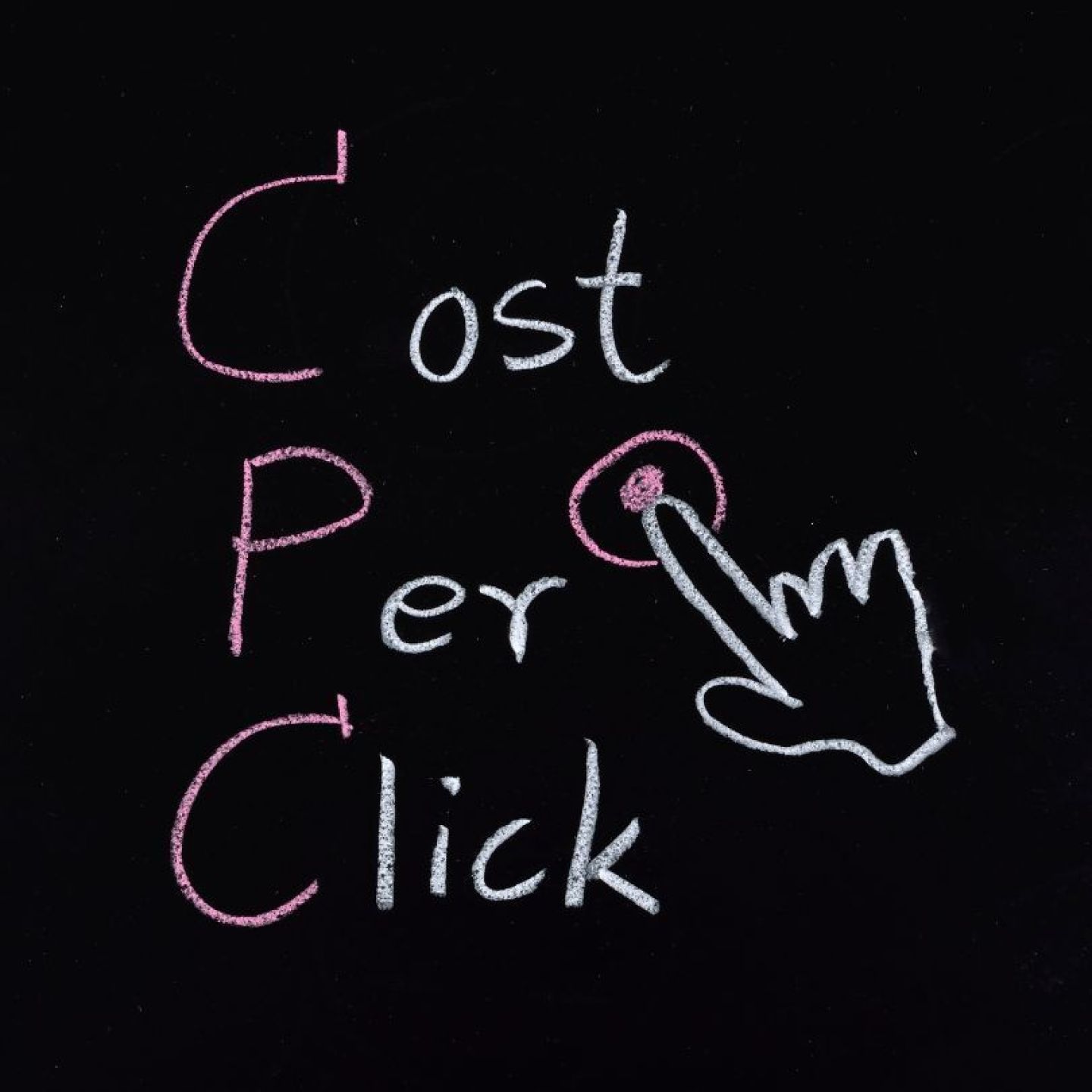
Get StartedIn the competitive world of PPC advertising, your success hinges on one critical metric: cost-per-click (CPC). This fundamental element determines how much you pay each time someone clicks on your ad, directly impacting your campaign's profitability and scalability.
CPC optimization isn't just about lowering costs—it's about maximizing the value of every dollar spent. When you master CPC optimization, you'll:
This guide reveals 5 powerful CPC optimization techniques used by PPC experts:
These proven strategies will transform your PPC campaigns from budget-draining experiments into profitable marketing channels. Let's dive into the expert techniques that will give you the competitive edge in PPC advertising.
Additionally, incorporating funnel automation tools can further enhance your ROI and profits by streamlining your sales processes and providing valuable insights into customer behavior.
Selecting the right keywords forms the foundation of successful PPC campaigns. Your keyword strategy directly impacts your cost-per-click and campaign performance.
Keywords with strong transactional intent signal a user's readiness to take action. Examples include:
Create a robust negative keyword list to prevent your ads from showing for irrelevant searches:
Analyze your keyword performance every 2-4 weeks:
Long-tail keywords typically offer lower CPCs and higher conversion rates:
Use different match types strategically:
Quality Score directly impacts your CPC rates - higher scores mean lower costs and better ad positions. Here's how to boost your Quality Score:
A Quality Score increase from 5 to 7 can reduce your CPC by up to 28%. Focusing on these elements creates a cohesive user experience from click to conversion, leading to better ad performance and lower costs. Regular testing of different landing page elements helps identify what resonates best with your audience and maintains high Quality Scores.
Smart bidding is a game-changer for managing PPC campaigns. It uses machine learning algorithms to optimize your bids automatically. With options like Target CPA and Target ROAS from Google, these smart bidding strategies analyze data in real time to adjust your bids accordingly. This means you can focus on achieving specific goals such as cost-per-acquisition or return-on-ad-spend without constantly monitoring and manually adjusting your bids.
But there's something important that many professionals in the industry know but don't always talk about: brand awareness matters just as much as performance when it comes to PPC campaigns. Unfortunately, this aspect often gets ignored even though it plays a significant role in the success of your overall marketing efforts.
Setting limits on how much you can bid helps prevent unexpected spikes in spending while still keeping your campaign performance intact. It's recommended to set maximum bid caps at 20% above your target cost-per-click (CPC) and minimum thresholds at 50% below average CPCs.
Manual bidding is still effective for niche markets or small-scale campaigns where human insight is better than automation. This approach works best when:
Dynamic ad copy transforms static advertisements into personalized messages that resonate with specific audience segments. Here's how to master this powerful technique:
Negative keyword strategies act as a filtering system for your PPC campaign, ensuring that your ads do not show up in searches that are not relevant. By creating a well-organized list of negative keywords, you can save a significant amount of money on advertising by preventing clicks from users who are unlikely to convert.
Key areas to monitor for negative keywords:
Your negative keyword strategy should include regular search query analysis. Pull your search term reports weekly to identify patterns of non-converting clicks. Add these terms to your negative keyword lists at the appropriate campaign or ad group level.
Creating effective negative keyword lists:
The true strength of negative keywords lies in their ongoing improvement. Set up automated rules to flag search terms with high impressions but low conversion rates. These often indicate potential negative keywords that are wasting your budget without producing results.
Remember to check for seasonal terms that may temporarily need exclusion, such as "Black Friday" or "holiday deals" during off-peak periods. Your negative keyword strategy should adjust to changing market conditions and business objectives.
PPC optimization requires a constant dedication to analyzing data and making improvements. The strategies mentioned here - such as mastering keywords and using negative keywords - work together as a cohesive system to lower costs and improve campaign performance.
Your success in PPC advertising depends on:
Start using these proven techniques today - you'll see immediate improvements in your campaign efficiency. Remember: PPC optimization isn't a one-time task. The most successful advertisers treat it as an ongoing process of testing, learning, and refining.
Take action now. Apply these strategies consistently, measure your results, and watch your ROI grow while your cost-per-click decreases. Your competitors are likely overlooking these optimization opportunities - use that to your advantage.
One way to gain an edge over your competition is by leveraging tools like Anstrex, which allow you to spy on profitable native ads. This can provide invaluable insights into successful advertising strategies that you can incorporate into your own campaigns.
Receive top converting landing pages in your inbox every week from us.
Featured
Most marketing teams are drowning in data yet struggling to answer the one question that matters: what's actually driving revenue? This article explores the growing gap between the metrics marketers collect and the intelligence that wins campaigns, exposing the limitations of vanity metrics, fragmented analytics stacks, and benchmark-only thinking. It argues that competitive creative intelligence is the missing layer in modern performance marketing and outlines a practical framework for combining benchmarks, conversion value data, and competitor insights into a decision-making system that drives profitable growth.
Rachel Thompson
7 minJun 22, 2026
Recently Updated
By analyzing more than 1,300 curated advertising examples across Food & Drink, Sports, and Automotive, this article uncovers the hidden creative patterns that consistently drive attention and engagement. From food advertising's sensory-proof techniques to sports marketing's urgency mechanics and automotive's context-first placement strategies, performance marketers can identify transferable frameworks that work across verticals and apply them to build more effective campaigns.
David Kim
7 minJun 21, 2026
In-Depth
As out-of-home advertising spending reaches record highs, a hidden competitive battle is unfolding across digital channels. This article reveals how major brands use billboards, transit ads, and digital OOH campaigns to generate awareness that fuels native advertising performance, how marketers can identify coordinated OOH-to-native strategies using competitive intelligence tools, and how to build a repeatable system that turns competitors’ brand budgets into profitable native advertising opportunities.
Elena Morales
7 minJun 21, 2026