7 minSeptember 17, 2026

Our tools monitor millions of native, push, pop, and TikTok advertising campaigns.
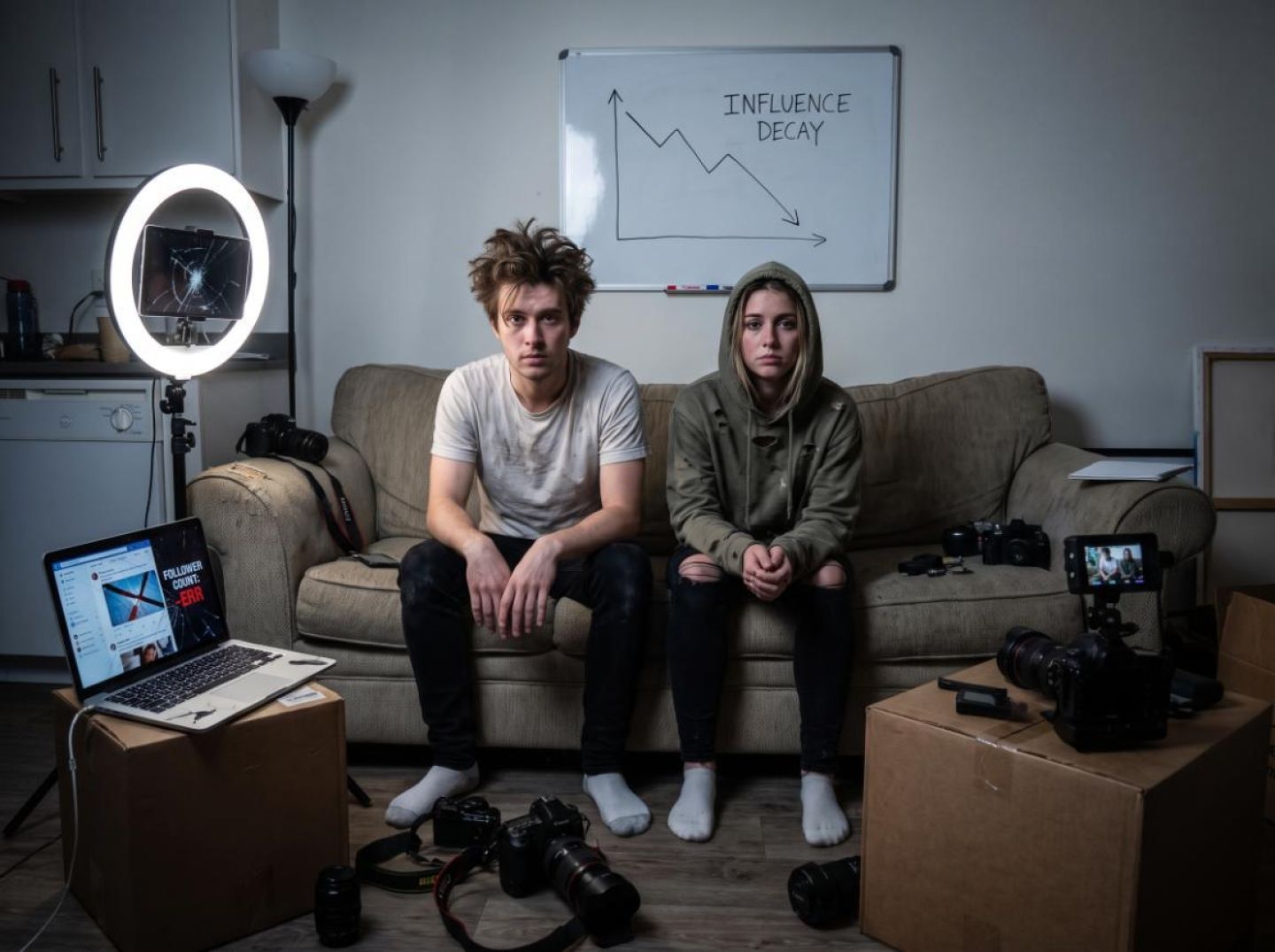
Get StartedInfluencer marketing still has a hangover from its “vibes era.” For years, brands picked creators the way they picked party guests: who looked good, who seemed popular, who had the biggest crowd around them. Influencer line items on media plans were, as one AdExchanger analysis put it, the “squishy” spend — justified by follower counts, aesthetics, and gut feel rather than any disciplined link to revenue.
That logic might have been defensible when influencers were treated as a fuzzy awareness play. It collapses the moment you expect them to behave like a performance channel.
Today, that’s exactly what’s happening. Creators are increasingly treated as media properties in their own right, with defined CPMs, audience segments, and measurement standards that sit alongside TV, display, and CTV in the same planning stack, as described in AdExchanger’s coverage of Influential’s acquisition by Publicis. When you can run test-and-control lift studies, feed creator impressions into your marketing mix model, and attribute in-store footfall back to a TikTok review, “she has 500K followers and great vibes” stops being a serious selection criterion.
The deeper problem is that follower counts don’t actually tell you what you think they do.
For starters, consumers themselves don’t care much. An analysis of 38 campaigns summarized by MarTech found that only 17% of people consider follower count when deciding whether to follow a creator. Almost half care more about what the creator actually talks about, and significant portions scrutinize recent posts and Anstrex.com/blog/tiktok-creator-fund-explained-start-earning-today" target="_blank" rel="noreferrer noopener">brand partnerships. When it comes to purchases, the numbers tilt even further away from scale: more consumers say they prefer recommendations from niche influencers than from large ones, and a third say either can drive them to buy, according to the same.
On the platform side, the algorithms have quietly broken the “big audience = big reach” shortcut. In Instagram’s Reels format, 60% of creators had at least 70% of their viewers coming from non-followers, and even regular posts now reach large percentages of people who never tapped “follow,” as reported in MarTech’s breakdown of algorithmic distribution. Audience size is now, at best, a lagging indicator — and often a distraction — when feeds are designed to push content well beyond an account’s own base.
The result: you can hire someone with a massive following who looks perfect on paper and still get “broken” results. Content that doesn’t match the right intent, the right community, or the right stage of the journey will generate engagement without revenue. That’s why so many brands are quietly disappointed with expensive influencer bets while, ironically, two-thirds of consumers say they made at least one purchase in the past year directly because of an influencer recommendation, as MarTech’s review of Sprout Social’s 2026 report points out. The channel isn’t broken — the selection playbook is.
The same mindset problem shows up in B2B. Many teams still reach for recognizable names or big LinkedIn followings, even though the most effective programs start by defining which voices genuinely resonate with their specific buyers and which attributes make someone a natural fit, according to TopRank’s research on B2B influencer programs. Their survey found that simply identifying and qualifying the right influencers is the top challenge for 41% of practitioners, precisely because it requires moving past superficial metrics into evidence of actual influence on decisions and deals.
Meanwhile, the creator ecosystem itself has moved on. Leading creators increasingly behave like “micro media companies,” syndicating their name, image, and content across social, podcasts, newsletters, out-of-home, and even CTV, as AdExchanger’s interview with Influential’s CEO Ryan Detert describes. Holding companies are wiring creator campaigns into the same AI-driven identity, targeting, and measurement stacks they use for programmatic. If creators want “serious money,” Detert argues, they have to live by the same data-driven rules as every other line on the media plan — and the same is true for the brands funding them.
In other words, the old playbook — chase follower counts, curate for aesthetics, hope for a halo effect — doesn’t just underperform; it actively hides the real signal. To replace “broken” influencers with proven sellers, you need to stop guessing who might move product and start interrogating how their content actually performs in the wild. That’s where ad spy data comes in, and why it’s becoming the quiet backbone of the next generation of creator vetting.
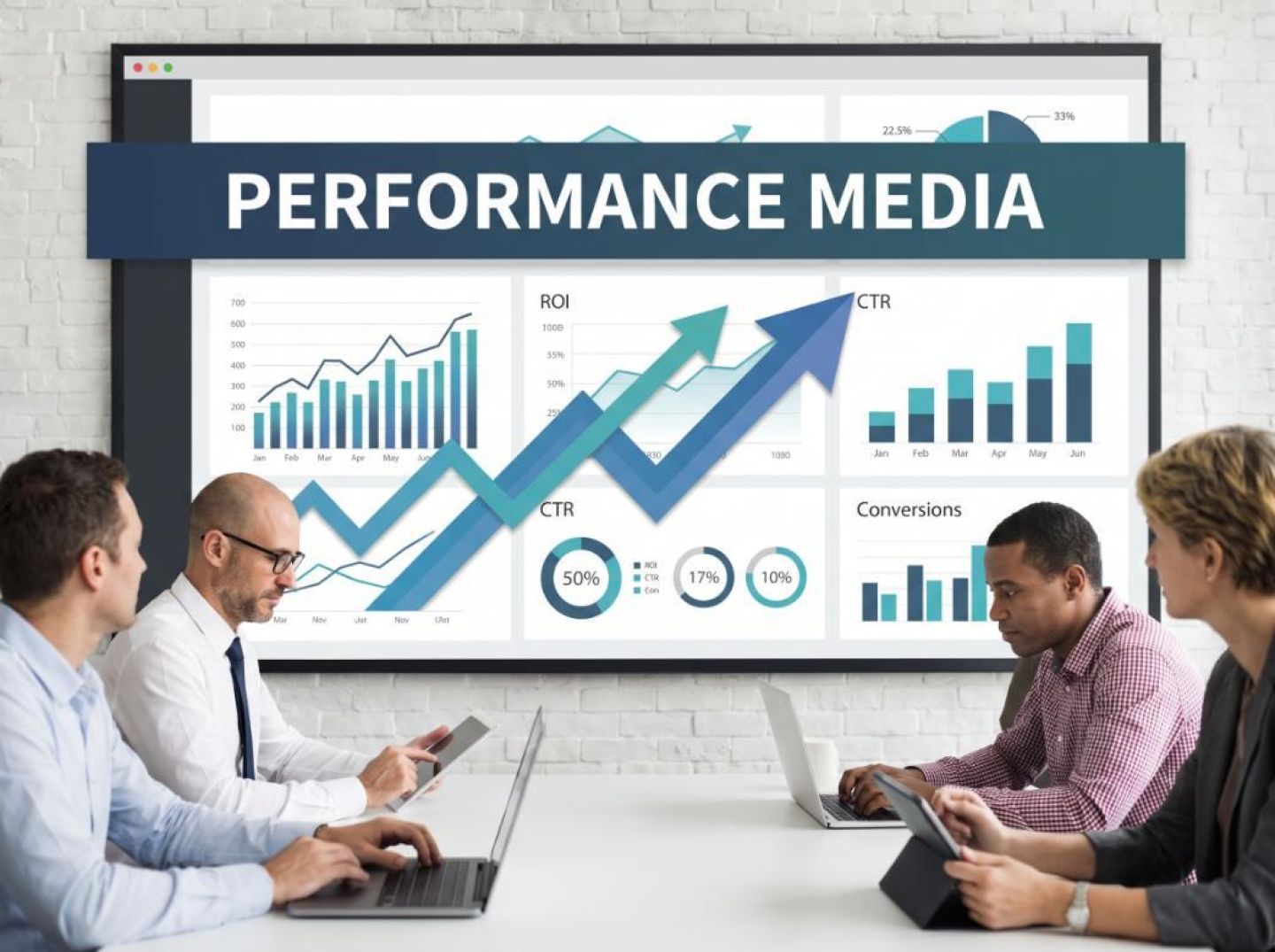
Influencer marketing isn’t a side dish anymore; it’s its own channel with its own P&L. The creator line on your budget now sits next to Meta, Google, and programmatic—not next to “PR stunts” and “brand love.” That shift should completely change how you evaluate and deploy creators.
Multiple industry datasets show this maturation. The global influencer market is on track to hit $32.55 billion by 2025, and more than half of marketers are already working with creators, with another 13.86% planning to, according to HubSpot’s 2026 State of Social report. In other words, this isn’t experimental spend anymore. It’s a scaled channel that deserves the same rigor you apply to search or paid social.
Marketers are starting to act accordingly. Instead of obsessing over sheer reach, they are prioritizing content quality, engagement rate, and authenticity as their top selection criteria, with follower count now sitting in fourth place in HubSpot’s influencer marketing data. That’s a quiet revolution. It’s the difference between asking “Who looks big?” and asking “Who can reliably move a metric?”
Think about how you treat performance media. You don’t buy a Facebook campaign because the ad account “has good vibes.” You buy because you can see historical click‑through rates, cost per acquisition, and creative variants that have proven they can convert your specific audience. You set clear goals, define your success KPIs, and optimize or kill based on results.
Creators should be managed the same way.
At a strategic level, that starts with clarity on what you want the channel to do. Leading B2B programs, for example, map creators across the funnel—using authoritative influencers for credibility and consideration, and format‑native creators for reach and engagement—then tie those efforts to pipeline and sales, not just impressions. As TopRank’s research notes, the highest‑performing programs intertwine influencer activity with paid amplification, search, and sales enablement instead of keeping it in a silo. That is a performance mindset: influencers aren’t “nice to have,” they are media levers you plug into a broader growth engine.
Treating creators like performance media also changes who you work with. Big brands are increasingly betting on micro‑ and even “budding” creators whose follower counts sit in the hundreds or low thousands but whose content is tightly relevant and algorithm‑favored. As WordStream’s analysis of 2026 trends points out, feed discovery now surfaces creators you’ve never followed, which lets brands tap into smaller voices that punch way above their weight in engagement. That’s exactly what you’d do in paid: chase underpriced attention with strong click and conversion signals, not just the most expensive inventory.
On the measurement side, the mechanics of influencer marketing are already set up to behave like performance. Promo codes, unique links, and affiliate structures explicitly connect creator activity to revenue, as the Semrush overview of influencer partnerships emphasizes. That makes it entirely reasonable to forecast return on ad spend (ROAS) for a creator, just as you would for a new keyword set or a new audience in your ad manager.
The mindset shift is simple but profound:
As creators and influencers become a fully fledged channel, the brands that win will be the ones that stop treating them like a PR wildcard and start treating them like a performance workhorse—planned, priced, and optimized with the same discipline you bring to every other line of your media plan.
The piece most brands are missing is sitting in plain sight: the ad library.
While marketers obsess over follower counts and “vibes,” creators are out there quietly proving whether they can sell — not on their own feeds, but inside performance ad accounts. Every time a brand whitelists a creator, turns their UGC into paid social, or runs a collab as a conversion campaign, they leave behind a trail of evidence in Meta’s Ad Library, TikTok’s Creative Center, YouTube’s Ads Transparency Center, and third‑party ad spy tools.
If you treat influencer as a proper media channel, that evidence is gold. Instead of asking, “Does this creator look on-brand?” you can ask, “Has anyone already turned this person into a top‑performing ad?”
This is especially important now that creators are being run and measured “alongside other media” with the same test‑and‑control rigor, lift studies, and MMM inputs, as AdExchanger’s profile of Influential points out. When big holding companies are wiring creator campaigns straight into their performance stacks, you can assume the content that keeps running is content that’s pulling its weight.
Ad libraries and spy tools let you reverse‑engineer that success:
Think about how this flips the usual influencer discovery process. Most marketers still start with social search: hashtags, “similar accounts,” and follower bands. That’s not wrong; in fact, searching persona‑driven tags (like “#DIYAustin” or “#YogaMomOrlando”) is a smart way to surface relevant creators, as one WordStream trend breakdown suggests. But it’s only the first pass.
The smarter move is to treat that initial list like a draft, then run a second, much harsher filter through ad spy data:
This matters even more as algorithms break the old follower‑count shortcut. Social feeds are now dominated by recommendation engines that surface content from people you don’t follow, which is why reach alone tells you little about a creator’s ability to move product, as one MarTech analysis of broken influencer strategies argues. What actually moves revenue is the combination of subject‑matter credibility, tight audience‑content fit, and ad‑ready creative — all of which are more visible in paid placements than in their polished organic grid.
Meanwhile, brands are shifting spend toward micro and mid‑tier creators, not because smaller feels nicer, but because they deliver better engagement‑to‑cost ratios and more authentic content, according to HubSpot’s recent creator economy research. Those same creators are also the ones most likely to be quietly powering performance ads behind the scenes — and charging fees that still make sense at your CAC targets.
Put bluntly: your best influencer shortlist isn’t in a spreadsheet of follower counts or an influencer marketplace export. It’s buried in ads other people are already paying to run.
Ad spy data turns those ads into a scouting report. Instead of gambling on “broken” influencers who only look good on paper, you can poach proven sellers — creators who have already survived someone else’s media math — and bring them onto your roster with far less guesswork and far more confidence that their next post won’t just get likes, it will get you paid.
Start by thinking like a performance marketer, not a talent scout. Your goal isn’t “find cool people” — it’s “reverse‑engineer who already sells in your category by following the ads.”
Here’s an Anstrex‑style workflow you can run with any decent ad spy tool or platform ad library.
Step 1: Build a seed list from the ad libraries — not from Instagram search
Instead of scrolling hashtags or exploring TikTok manually, begin where money is already changing hands: the ad libraries for Meta, TikTok, YouTube, and LinkedIn.
This is your raw “everyone who’s already being paid to sell in my niche” file. You’re not guessing at influence; you’re starting from a list of people brands have decided to put budget behind, reflecting the same channel‑level maturity that HubSpot’s data shows across the creator economy.
Step 2: Separate “one‑off tests” from “likely winners”
In ad spy tools, you don’t get ROAS, but you do get strong proxies. You’re looking for patterns that suggest an ad has earned its keep:
As a rule of thumb, add points for:
That’s the core heuristic of an Anstrex‑style approach: if media buyers keep spending on a creator’s assets, they’re almost certainly driving performance. It’s the paid‑media analog to what Content Marketing Institute calls “forgoing the follower count in favor of real impact” — but here, “impact” is inferred from budget allocation, not social vanity metrics.
Step 3: Click through to the creator and stress‑test fit
Now you have a performance‑biased list. Before you even think about outreach, pressure‑test each creator:
2. Format fluency
3. Brand and competitive conflicts
This is your “vibe and conflict” filter — applied only after the performance signal, not before.
Step 4: Infer their likely role: awareness engine vs. down‑funnel closer
You’re not just asking “can they sell?” but “where in the funnel will they sell best for us?” Borrow a page from how sophisticated B2B teams map roles across creator types, something TopRank’s research frames as matching voices to specific buyer‑journey stages.
From the ad data and their organic content, infer:
Annotate your sheet accordingly. This helps ensure you don’t hire an awareness engine and then judge them on last‑click revenue — a common failure mode even as creators have “graduated from tactic to channel,” as HubSpot points out.
Step 5: Shortlist and set hypotheses before you ever send a brief
By now, your spreadsheet should look less like an influencer wishlist and more like a planning doc:
From there:
You’ve now flipped the traditional process. Instead of gambling on creators and hoping you can make them work in ads later, you’re selecting creators because you already know their content moves budget in your vertical. And that’s the entire point of using ad spy data: to turn influencer selection from a hunch into an evidence‑based media decision before you spend a dollar.
Receive top converting landing pages in your inbox every week from us.
How-To
Follower counts and polished profiles don’t always reveal which creators can actually drive sales. This guide shows how to use ad spy data to identify proven creator content, evaluate performance signals, and build a stronger influencer shortlist before spending your budget.
Dan Smith
7 minSep 17, 2026
Most Read
GEO is evolving from a reporting exercise into a growth strategy, and paid ad data can provide valuable insight into the narratives, intents, and signals AI engines encounter. This guide explains how to use Anstrex and ad spy intelligence to research proven messaging, build AI-ready content, monitor competitors, and strengthen your brand’s presence in generative search.
Rachel Thompson
7 minSep 17, 2026
Most Read
AI systems are increasingly evaluating ads, landing pages, and funnels as trust signals when guiding users toward products and services. This guide shows how to apply E-E-A-T principles to paid media, structure funnel data for AI agents, and use intent signals to build more trustworthy, machine-readable customer journeys.
Samantha Reed
7 minSep 15, 2026