11 minSeptember 22, 2026

Our tools monitor millions of native, push, pop, and TikTok advertising campaigns.
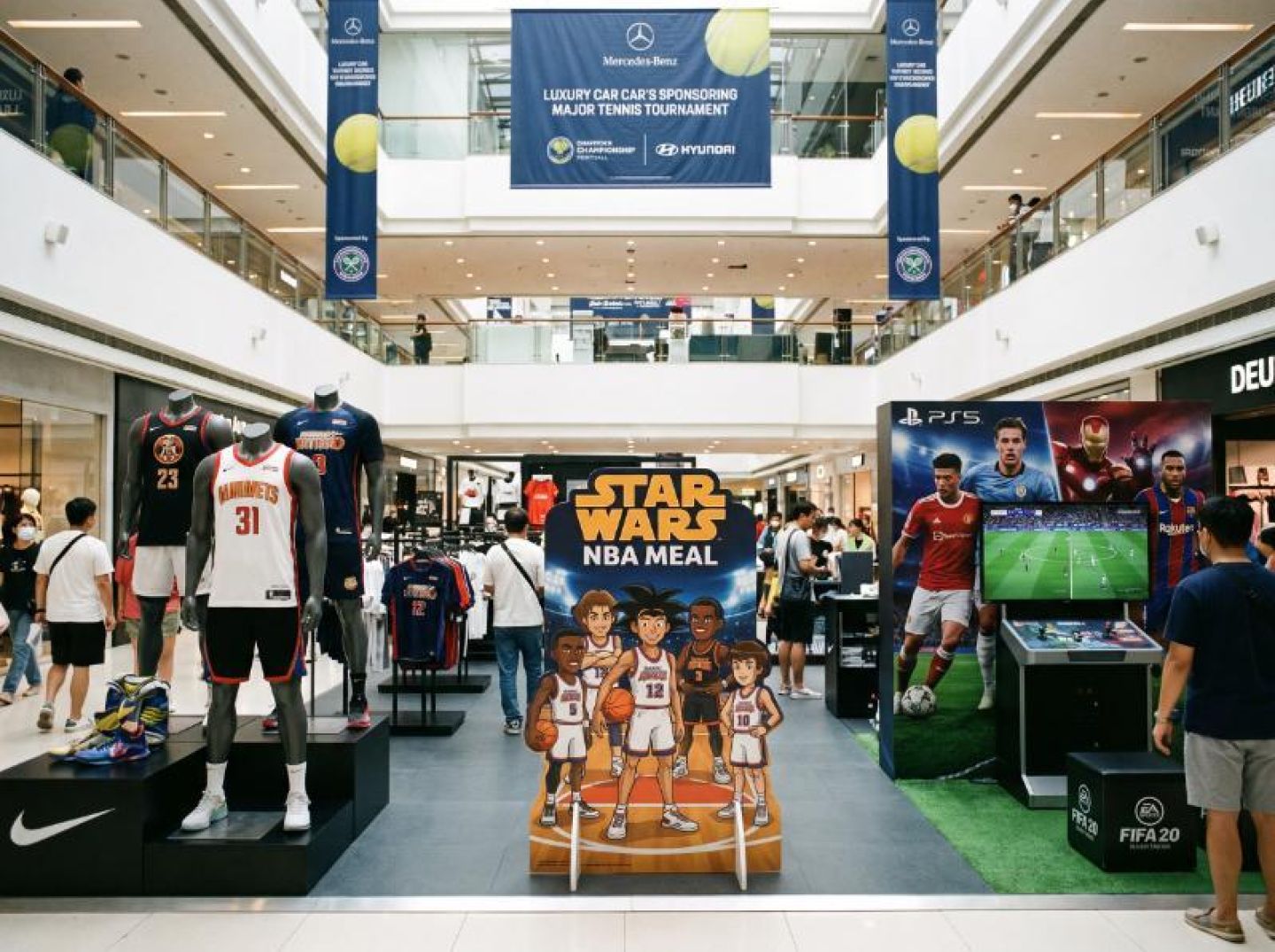
Get StartedSports tie-ins look unbeatable on a conference slide: massive live audiences, cultural heat, maybe a celebrity cameo or a buzzy NIL roster reveal. But for most brands, especially those without Pure Leaf-level budgets, they’re also a fantastic way to burn money without moving any meaningful metrics.
The core problem is that many sports activations are built for the moment, not for the system. Live sports is a textbook “stress test” for your marketing machine because it concentrates attention in a short window, across fragmented channels, with incredibly high CPMs. As one analysis of unified video planning notes, sports already account for nearly a third of ad-supported TV watch time, spread across a maze of broadcast, cable, CTV and YouTube environments, with younger fans juggling multiple screens at once while they watch a game. That fragmentation means the buy is complex and crowded, but it also exposes a deeper issue: if your broader demand engine is weak, sports will only amplify the weakness.
You see this in how many brands treat the sports moment as self-contained. They scramble for a Super Bowl pre-game buy, an All-Star jersey patch, or a one-week NIL stunt—and then go dark. At best, that creates a spike of impressions and some social chatter; at worst, it simply subsidizes the rights-holder’s bottom line. As a panel on durable brand relationships around fitness and sports pointed out, most sponsorships are one-off, tentpole opportunities. The brands that actually build equity are the ones that insinuate themselves into daily rituals—like a partnership with a fitness app that rewards people for running every day—rather than showing up once at a championship game and disappearing the next morning.
Even when the creative “works” by traditional measures, the business impact can be underwhelming. In emotionally charged events like the World Cup, campaigns such as Fox Sports’ “Miracle” can top rankings for positive emotional response, which correlates strongly with long-term brand lift. But as one analysis of that campaign argues, the real lesson isn’t that the ad made people feel something; it’s that TV and video creative only fulfills its potential if it’s wired into search and performance channels from the start. When a big sports spot hits, viewers don’t just smile—they immediately turn to Google, YouTube and social to learn more. If you haven’t planned for that second step with cohesive SEM, YouTube and site experiences, you’re effectively paying for demand that someone else will capture.
Social-focused sports work can fall into a similar trap. A brand like Wonderful Pistachios can roll out a visually sharp NIL “All-Stars” roster, complete with athlete-first creative that borrows from the Nike playbook and feels native to Anstrex.com/blog/10-viral-products-gen-z-cant-get-enough-of-in-2025" target="_blank" rel="noreferrer noopener">Gen Z’s feeds. The content can be culturally on-point and earn solid engagement, but unless that aesthetic world connects to a clear path to purchase—retail partners, shoppable links, retargeting, local sampling—its impact on actual sales will be thin. The attention sits on an island, insulated from the rest of the funnel.
Put bluntly: sports tie-ins are multipliers, not miracle workers. If your media is siloed, your search and video teams are disconnected, and your brand has no role in people’s everyday routines, a flashy sideline presence won’t change that. You’ll get the optics of relevance—screenshots, clips, maybe a PR hit—but you won’t get the compounding effects of a system where video sparks curiosity, search and social capture it, and ongoing engagement turns a one-night game into a durable relationship.
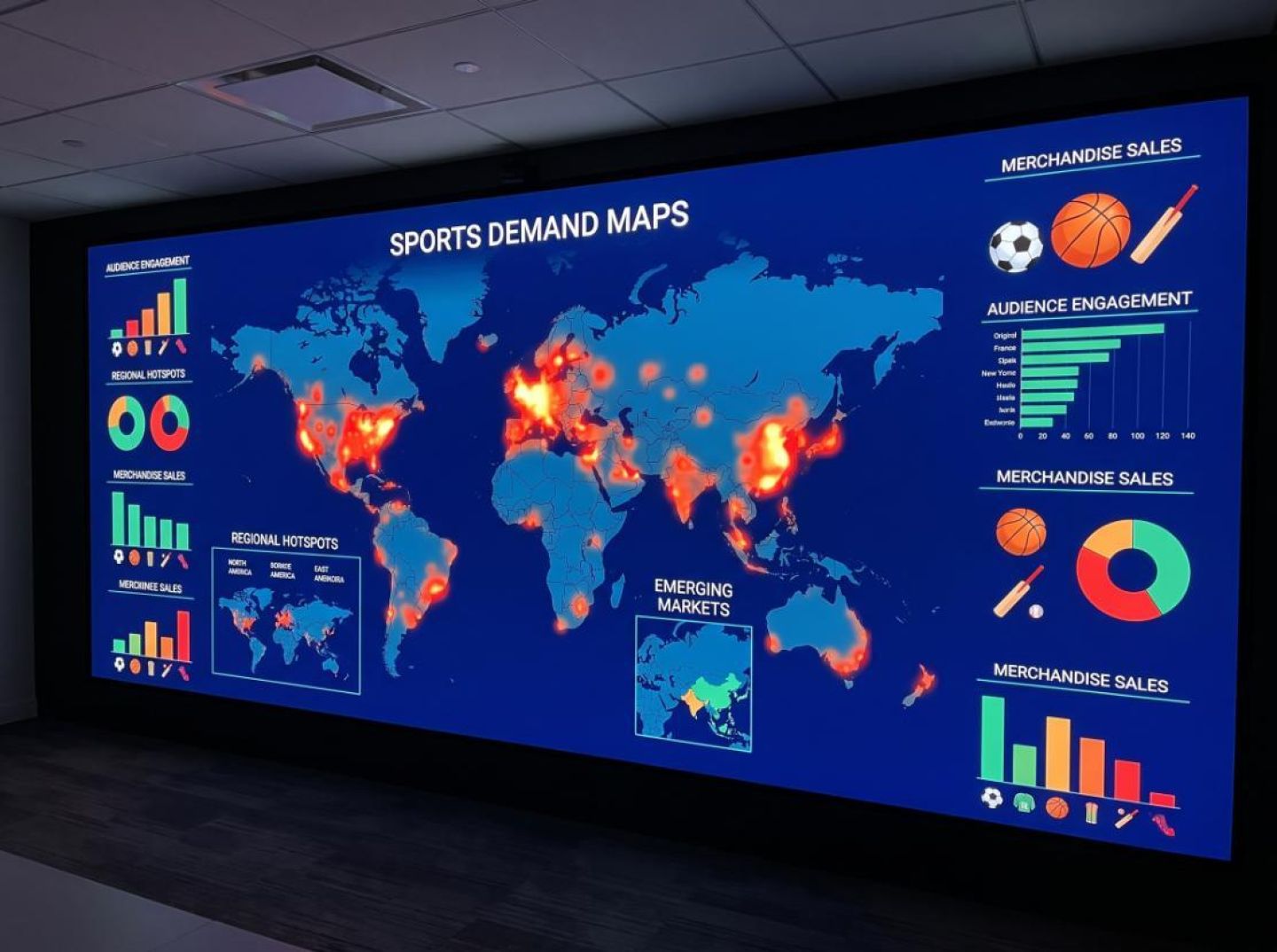
Most brands still brief sports creative like it’s a hype video: “Make it feel big. Make it feel like game day.” That’s fine for a sizzle reel, but useless for a demand engine. If you want Pure Leaf‑style impact without the Pure Leaf budget, you have to treat every sports asset as a demand map: a visual, behavioral clue to who’s watching, why they care and what they’ll do next.
Sports is already doing the segmentation work for you. The same fragmentation that makes inventory look chaotic — 10+ ways to watch a single NFL season and a swarm of pre-, mid- and post‑game content, as AdExchanger notes — is also a goldmine of intent signals. Each feed, format and creator is an audience slice with different motivations and purchase readiness.
The mistake is to build one “hero” spot and then simply resize it for all those surfaces. When you do that, your media plan is advanced, but your creative is still a blunt instrument. Instead, think like a spy, not a sponsor: every execution should be designed to test a hypothesis about demand.
For example, if you’re activating around college athletes, you’re not just picking faces — you’re picking segments. When Wonderful Pistachios built its first NIL roster, it paired each athlete with a distinct creative concept and a trading‑card‑inspired visual world that felt “authentic to their feeds,” not just to the brand. That’s not just an aesthetic choice; it’s a testable structure. You can look at performance by athlete, sport, visual language, and call‑to‑action and read it as a live map of which micro‑communities and narratives actually pull people down‑funnel.
This is where niche thinking stops being a “small brand” move and becomes your superpower in sports. As Convince & Convert points out, micro‑targeting is about precision over scale: veteran marathoners vs. casual 5K runners, vegan athletes vs. bulk‑up lifters. Sports creative gives you an excuse to dramatize those micro‑identities in public. A single “basketball” concept is a highlight reel; separate creatives for gym‑rat guards, sneakerheads and WNBA superfans are demand maps.
To make that practical, reframe your sports brief around three questions:
Larger players are already operationalizing this logic. Publicis’ new NIL network, Tekta, promises to match advertisers with thousands of athletes while layering in “fan intelligence” and a unified measurement framework so brands can see which partnerships and creative deployments actually drive impact, as Marketing Dive reports. You don’t need that infrastructure to copy the mindset. You need to stop judging sports creative by how much it feels like ESPN and start judging it by how clearly it reveals where demand is hiding, and how easily you can scale the winners.
The scoreboard isn’t views or vibes; it’s how many actionable demand signals each asset generates. When your sports creative is built to be read, not just watched, you can run small, smart, repeatable plays that add up to Pure Leaf‑level impact — without ever stepping on a Super Bowl field.
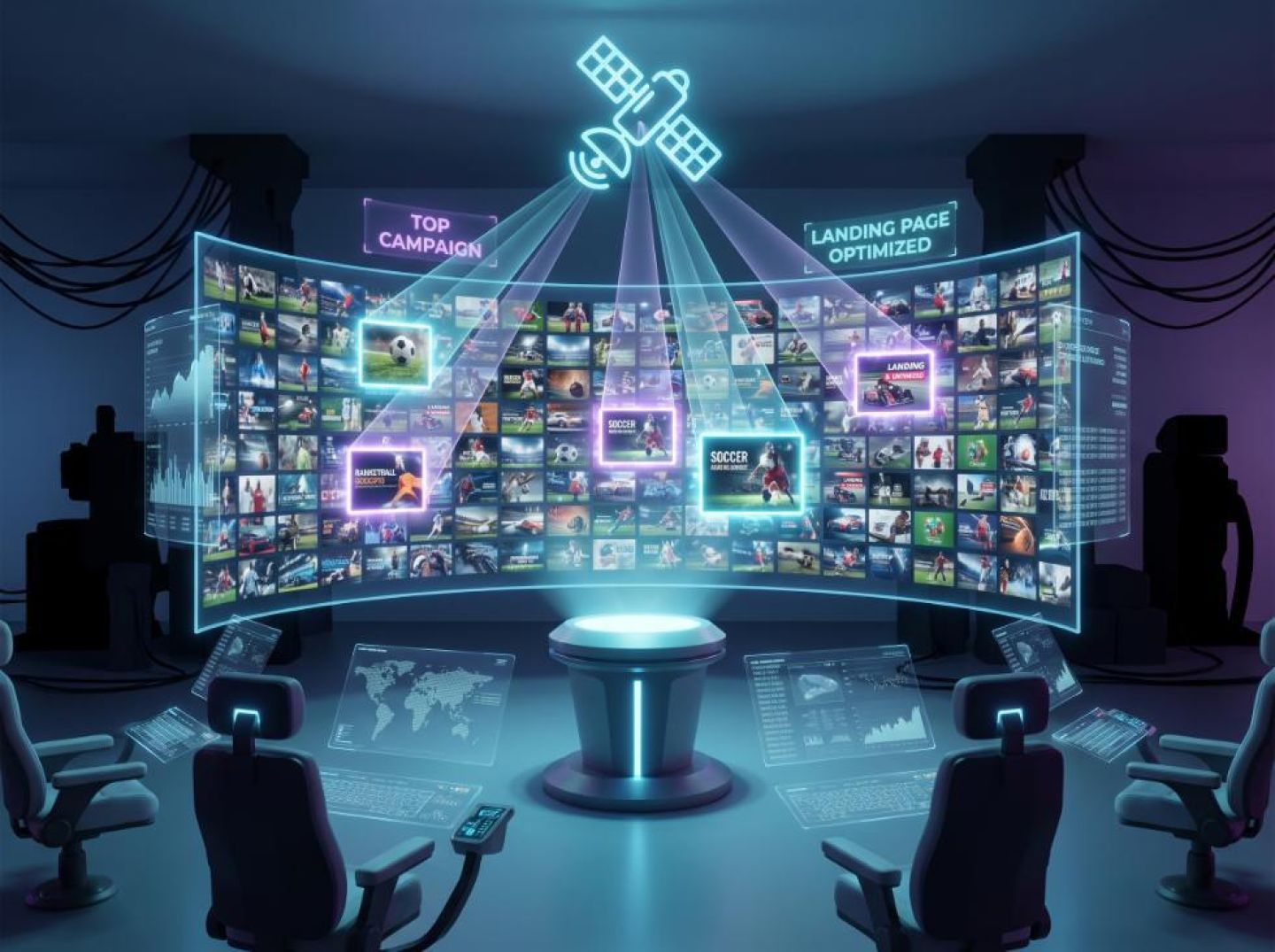
If sports creatives are demand maps, Anstrex is your satellite imagery.
Most marketers know Anstrex as a spy tool for affiliates. For sports and athlete work, treat it instead as a live, always‑on research lab: a way to see which brands are turning highlight moments into actual demand, and how they’re structuring the entire click‑path around those moments.
Here’s how to use it like a strategist, not a voyeur.
First, narrow your hunting ground. In Anstrex, filter by verticals that naturally over‑index on sports adjacencies: beverages, betting, fitness, CPG snacks, performance apparel. Then layer in athlete or league keywords (names, team nicknames, “NIL,” “draft,” “opening night,” “World Cup,” “March Madness,” “race day,” “PR,” “run club”). You’re not just looking for ads with a jersey in them; you’re looking for creatives that clearly assume the viewer is in a sports‑adjacent mindset.
Next, sort by longevity and spend. One‑off Super Bowl flexes are the exact “anti‑scale” spectacles that Adweek described as impressive but ultimately inefficient compared with scrappier, system‑driven content. The ads you care about are the ones that have been running for weeks or months with consistent spend. Those are your system plays: creatives that reliably convert specific slices of sports culture into measurable action.
Now, reverse‑engineer them like a demand map, not a storyboard.
Instead of asking “Is this cool?” ask:
Then, click through. The magic of Anstrex is not the thumbnail; it’s the full funnel.
Follow the ad into its landing page, pre‑sell article, quiz, or lead form. Capture:
Finally, codify what you find into reusable “spy strategies” instead of one‑off swipe files.
From each winning sports or athlete creative you uncover, document:
Then rebuild that spine with your own brand, budget, and channels. When a big sports moment hits, you’re not guessing what to make; you’re selecting from proven, reverse‑engineered blueprints—and that’s how you get Pure Leaf‑style impact without Pure Leaf‑style spend.
If Anstrex is your satellite, your landing page is the ground game where all that sports attention either turns into revenue or evaporates.
Pure Leaf’s athlete and sports tie-ins work because the click doesn’t drop people into a generic “learn more” abyss. The entire path is choreographed: creative → context → landing page → conversion. To clone that playbook on a push‑ad budget, you have to architect your pages like they were built for live sports pressure, not evergreen browsing.
Start with how people actually arrive. During big moments, fans are bouncing between TV, social, and search in real time. As one unified video analysis pointed out, nearly a third of ad‑supported TV watch time is sports, and 88% of viewers under 35 are on a second screen while watching, often shopping or checking brands in parallel with the game, as this breakdown of live sports behavior noted. That means your landing page has to be “second‑screen native”: built for fast thumbs, half attention, and high intent.
Here’s the simple clone: build one “game‑day hub” template you can re‑skin for any sport, athlete, or NIL partner.
Above the fold, match the promise of the ad with ruthless clarity. If your creative showed your product in a “locker‑room ritual” with a college QB, the hero of your page should be that same athlete in that same visual world, not a random product shot. When Wonderful Pistachios built NIL content around athletes, they leaned into an athlete‑first look, borrowing from core sports brands’ visual language and even using trading‑card‑style graphics to make the work feel like it “was coming from an authentic athletic space,” as their CCO explained in a campaign deep dive. Your landing page should do the same: the fan should feel like they just walked from the athlete’s “feed” into your brand’s locker room, not into a corporate brochure.
Structurally, think in drives, not sections:
To scale this, you need a modular system, not bespoke pages for every activation. The fragmentation problem that plagues media—dozens of feeds, platforms, and properties for the same game, as outlined in that unified sports video playbook—has a landing page twin: you’ll have dozens of entry points. Solve it by creating plug‑and‑play modules:
Finally, don’t treat this as just a direct‑response asset. Big holding groups are already building NIL platforms that integrate fan intelligence and unified measurement so brands can see which partnerships actually move the needle, as one update on Publicis’ sports and NIL initiatives described. Your landing pages should feed the same kind of intelligence loop: tag them by athlete, league, creative angle, and offer type, then watch which combinations produce the most add‑to‑carts, email signups, or branded search lift after game day.
You can’t buy Pure Leaf’s budget, but you can absolutely steal their discipline. Treat every sports click as the culmination of a multi‑screen moment and every landing page as a tightly scripted next chapter in that story. When the second screen lights up, you won’t just be “there”—you’ll be ready.
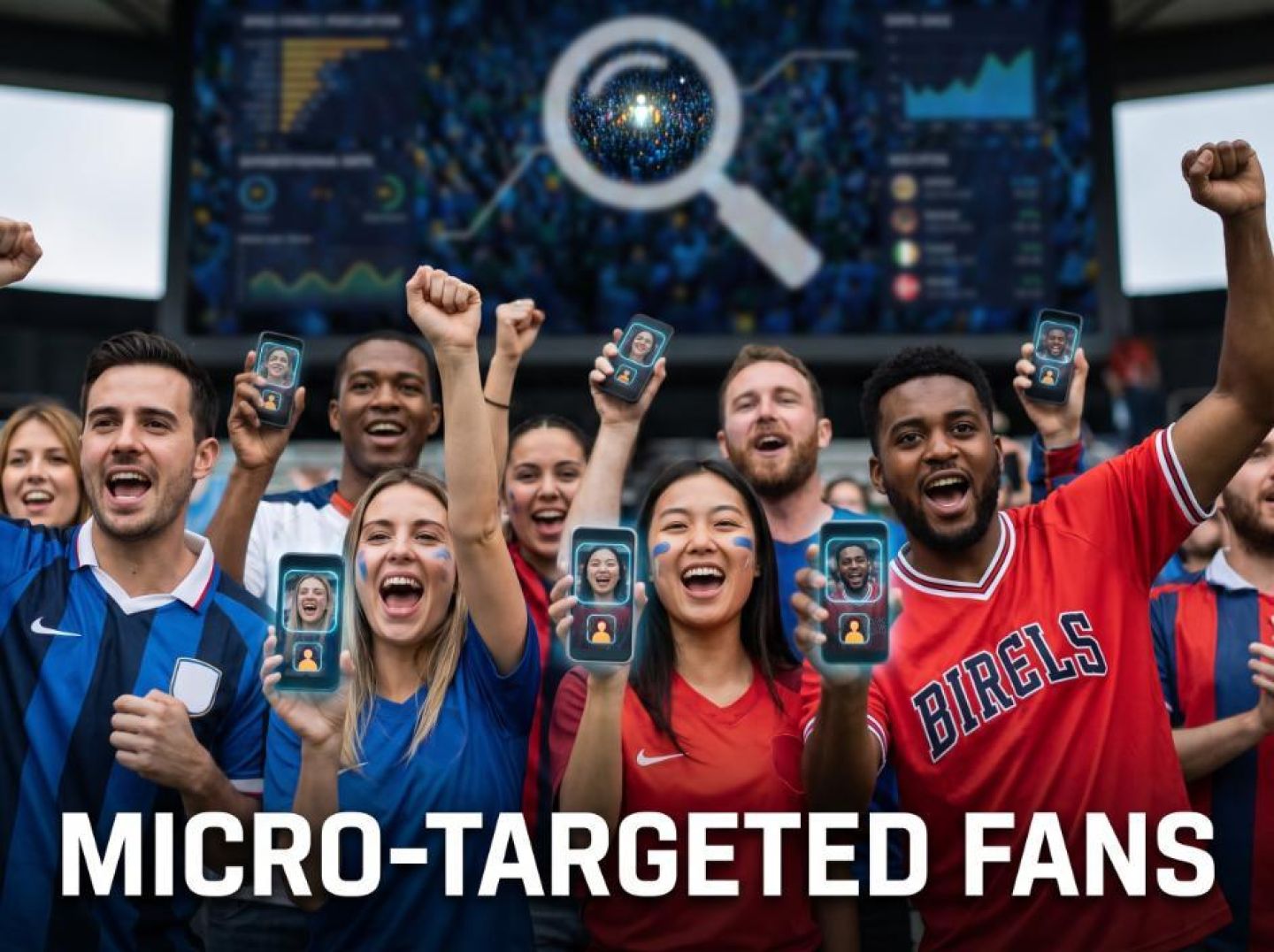
Micro‑targeted sports creative will beat a single expensive celebrity almost every time, not because it’s “cheaper,” but because it’s built for how fans actually consume sports now: fragmented, second‑screen, and obsessively niche.
Live sports has become the ultimate stress test for that reality. As one unified video strategist noted, a single NFL season now spans more than ten different ways to watch, from broadcast to CTV to YouTube, while nearly 88% of under‑35 viewers are on a second screen checking stats, betting, or shopping during the game, according to this analysis of the always‑on sports fan. That’s not an environment where one big “hero” spot with a celebrity endorsement carries the day. It’s an environment where you win by surrounding micro‑moments and micro‑tribes with creative that feels like it was made just for them.
That’s exactly what sophisticated brands are doing when they ditch the “one size fits everyone watching the Super Bowl” mindset and build campaigns around very specific slices of fandom. The team at Convince & Convert calls this “micro‑targeting,” and their framing is perfectly suited to sports: you don’t market “fitness” to a generic fan; you talk to veteran marathoners, sneaker‑obsessed pickup hoopers, or barefoot‑curious minimalist runners in language and visuals that mirror their subculture. That same logic applies to sports tie‑ins. Instead of “football fans,” you go after Bills Mafia tailgaters, Pac‑12 nostalgics, or New York run‑club diehards with creative that reflects their rituals and in‑jokes.
Notice how this shows up in real campaigns. Wonderful Pistachios didn’t blow its budget on one megastar; it assembled an NIL “roster” and built athlete‑first executions where each spot’s look and concept came from the athlete’s sport, tastes, and feeds, creating a trading‑card‑inspired visual world around its college All‑Stars. That’s a micro‑targeting strategy in disguise: dozens of smaller creative bets, each deeply relevant to a defined pocket of fans, instead of one giant, generic “we love sports” anthem. You don’t need a LeBron‑size check to do this; you need a spreadsheet of fandom niches and a workflow that makes it cheap to spin up twenty versions of a concept.
The same pattern is emerging on the participation side of sports. At a recent ADWEEK House Sports Summit, Strava’s team talked about helping brands become part of people’s daily fitness rituals rather than chasing one‑off “big game” moments. Their Starbucks challenge asking users to walk or run 22 minutes a day for 10 days wasn’t aimed at “everyone who likes coffee”; it was built for a highly engaged slice of social runners who treat the app, and their run clubs, like a digital locker room, as the Strava‑for‑Business lead explained during the panel. That is micro‑targeting in motion: narrow audience, high context, repeat exposure.
For marketers trying to clone a Pure Leaf‑style presence without Pure Leaf’s media budget, the takeaway is blunt: your unfair advantage is not reach, it’s relevance. Your one celebrity can’t compete with a hundred fan‑specific messages, delivered where attention actually lives.
Practically, that means:
Do that, and suddenly you don’t need the biggest name on the court. You just need to be the brand that shows up in the right feed, with the right angle, for the right fan micro‑tribe—over and over again.
Pure Leaf-level results don’t come from a great spot alone; they come from a workflow that turns “spy” moments into scalable plays. The constraint isn’t budget, it’s orchestration. You need a system where every sports moment—whether it’s the World Cup or a random Tuesday mid-major game—can move through the same spine: detect → decide → deploy → measure → recycle.
Start by accepting what live sports really are: an “illusion of scarcity.” As one unified video strategist noted, the 2026 NFL season spans more than ten distinct ways to watch, with sports already accounting for nearly a third of all ad-supported TV watch time, making live games the ultimate stress test for a unified video plan, as AdExchanger explained. That fragmentation is not a media-buying problem; it’s your creative and workflow brief. The modern fan is “always on,” toggling between broadcast, CTV, YouTube, social and group chats, with 88% of viewers under 35 using a second screen during games according to that same analysis. Your system has to be built for that behavior by default.
The first building block is a shared sports calendar that sits above channels and teams. This isn’t just “Super Bowl” and “March Madness”; it’s NIL signing days, Fanatics-style tentpoles, local rivalry weeks, and even social-native events like a star player’s transfer announcement. Think of it more like a production slate than a media calendar. Publicis’ creation of Tekta—a platform wiring together tens of thousands of D1 athletes and dozens of Power Four programs with unified measurement and faster speed-to-market—shows how much value there is in systematizing fragmented sports moments instead of chasing one-off hero deals, as.
Once you have that slate, your “spy” function lives where attention spikes first: search and social. The second screen is your early-warning system. When a specific athlete, rivalry, or meme starts to pop—reflected in hashtag volume, social mentions and query trends—you treat it as a creative trigger, not an FYI. As one performance strategist noted, the most advanced brands treat TV and video as upstream curiosity creators and search as the capture mechanism, building integrated pathways like “TV → Social → Search → Conversion,” a dynamic detailed in MarTech’s coverage. Your workflow should mirror that: social and search analytics light up, a pre-approved creative kit is pulled, and media shifts in hours, not weeks.
That’s the second building block: modular creative kits instead of bespoke “campaigns.” Look at how Wonderful Pistachios approached its NIL roster: each athlete got a visual world inspired by their sport and feeds, using trading cards as the organizing metaphor, which created a flexible template the brand could repeat and remix across talent, as Marketing Dive highlighted. You want the same kit logic:
When the spy layer pings “SEC women’s basketball is blowing up tonight,” you aren’t briefing new work; you’re dropping different variables into the kit.
The third building block is ritual-based sequencing. Sports moments are powerful, but what makes them durable is how they hook into daily habits. Strava’s approach to brands—embedding partners into pre- and post-workout routines instead of one-off tentpole hits—shows how sports can become part of a consumer’s recurring fitness ritual, as Adweek’s Strava partnership piece discussed. Your workflow should treat “game day” as just one node in a loop:
Each phase uses the same creative kit, but with different copy, CTAs and placements.
Finally, stitch all of this together with a simple, ruthless measurement loop. If your top-of-funnel video tests generate search lift or higher click-through, that learning should flow back into your next sports moment, just as emotionally resonant TVCs have been shown to spike branded search and then rewrite the next creative brief, according to campaign testing insights summarized by MarTech. And because NIL and micro-athlete activations often outperform traditional influencers—Opendorse found NCAA partners can deliver engagement rates close to 5.7%, almost four points higher than standard creators, as noted in the Tekta announcement covered by Marketing Dive—your workflow should prioritize these scalable, high-intent nodes over chasing the next global face of the brand.
When all four pieces are in place—calendar, spy layer, modular kits, and a feedback loop—you don’t need Pure Leaf’s budget or a single mega-star. You have a machine that can see sports attention forming in the wild and instantly route it into a familiar, conversion-ready path, over and over again.
Receive top converting landing pages in your inbox every week from us.
How-To
Learn how to replicate the strategic value of big-budget sports tie-ins without relying on celebrity deals or massive media spend. This guide shows how to use Anstrex, micro-targeted sports creative, modular landing pages, and a unified spy-to-scale workflow to turn sports moments into repeatable performance campaigns.
Liam O’Connor
7 minSep 22, 2026
In-Depth
OOH hiring is still heavily focused on traditional sales, printing, and operations while modern advertisers increasingly demand measurable, digitally integrated campaigns. This guide explores how funnel-fluent marketers, landing-page optimization, competitive intelligence, and performance measurement can help OOH operators connect physical media to measurable business outcomes.
Priya Kapoor
7 minSep 21, 2026
Most Read
The post-cookie world is pushing OOH beyond traditional awareness media and toward measurable digital funnels. This guide explores new OOH-first roles that connect physical placements to digital actions, experiential data, attribution, and real-time demand signals.
Rachel Thompson
7 minSep 20, 2026