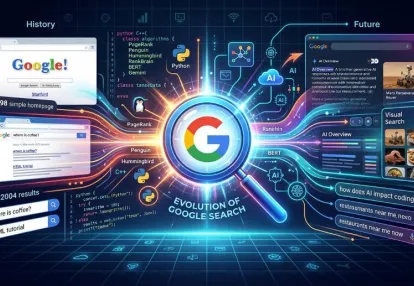
Google and other AI platforms increasingly extract, synthesize, and monetize information created by publishers and advertisers, while many marketers still conduct competitor research manually and infrequently. The article argues that advertisers should adopt AI-assisted competitive intelligence to continuously analyze public competitor campaigns, identify strategic patterns, and use those insights to create more original, differentiated ad creative. The goal is not copying—it is turning market signals into informed originality and creative authority.

Our spy tools monitor millions of TikTok ads from over 55+ countries. Biggest TikTok Ad Library in E-commerce and Mobile Apps!
Samsung’s Spider-Man campaign shows that small advertisers do not need blockbuster budgets to benefit from big cultural moments. By reverse-engineering the emotional triggers, monitoring competitor campaigns, and quickly testing lightweight creative across native, push, and programmatic channels, performance marketers can ride existing attention instead of paying to create it. The advantage comes from speed, data, and competitive intelligence—not licensed IP.
Google’s removal of rich results and the growth of AI-powered search are making organic visibility increasingly dependent on platform decisions marketers cannot control. At the same time, unreliable conversion tracking can distort paid optimization. The article argues for a rebalanced marketing stack centered on competitive ad intelligence, using live competitor campaigns as a source of market-validated conversion signals while keeping SEO, structured data, product feeds, and owned channels as complementary long-term assets.
TikTok viral products rarely emerge completely at random. By examining product attributes, creative volume, UGC adoption, engagement velocity, format innovation, and early audience response, performance marketers can identify signals that appear before a product reaches mainstream trend lists. The article presents a practical five-step workflow for monitoring these pre-viral indicators, scoring potential breakout products, and testing opportunities before competition and costs increase.
Seth Godin’s “bakery problem” offers a useful framework for modern ad creative: marketers do not have to choose between handmade authenticity and AI-powered scale. The advantage comes from understanding which hooks, visuals, emotional angles, and creative structures are already converting, then using that intelligence to generate genuinely differentiated variations. The article presents a practical workflow combining competitive creative research, AI production, human judgment, brand guardrails, and continuous performance learning.
Google's AI-driven search is reducing traffic to the open web, disrupting publisher inventory and making traditional search signals less reliable for performance marketers. As audiences shift toward newsletters, social feeds, editorial content, and permission-based channels, native and push advertising may benefit from growing inventory and budget migration. The article explains why this transition could create an arbitrage opportunity and why competitive intelligence tools are becoming increasingly important for tracking live campaigns when search data becomes less transparent.
Publishers are facing a structural decline in search traffic as AI Overviews and zero-click behavior reduce visits to editorial websites. This disruption is creating a potential native advertising arbitrage window: traffic and inventory are being redistributed, while pricing and programmatic buying systems may still reflect older market assumptions. The article explains how native advertisers can identify underpriced inventory, track where attention is moving, use competitive intelligence to distinguish demand relocation from true demand loss, and act before the market fully reprices.
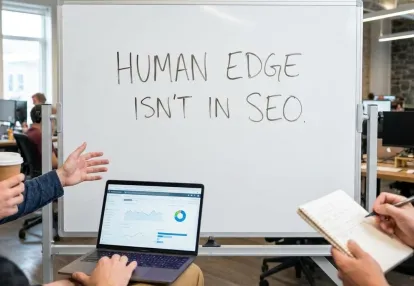
As AI makes creative production and SEO increasingly commoditized, the real competitive advantage is shifting to human judgment. Performance marketers who can interpret live competitor campaigns, identify emerging advertising patterns, and make smarter budget decisions before the market reacts will outperform those relying solely on automation or creative generation.
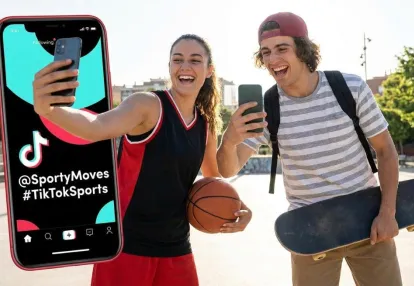
TikTok's booming sports creator ecosystem is creating new opportunities for dropshippers who know where to look. By tracking creator-led product demonstrations alongside competitor ads, sellers can identify emerging products before they become saturated. Combining organic creator trends with ad intelligence enables faster product validation, stronger creatives, and better margins in fast-moving sports niches.
AI has made high-quality ad production accessible to everyone, but it has also flooded advertising platforms with endless creative variations. The real competitive advantage is no longer creating more ads—it's identifying which AI-generated campaigns are actually driving conversions. By combining creative longevity, spend patterns, landing page analysis, and competitive intelligence, marketers can separate profitable signals from AI-generated noise.
Newsweek's dramatic traffic decline alongside record revenue demonstrates that digital publishing is shifting from monetizing pageviews to monetizing audience intent. For native advertisers, the opportunity lies not in chasing massive traffic volumes but in identifying high-intent publisher environments where contextual relevance, competitive placement intelligence, and engaged audiences generate stronger business outcomes than cheap impressions ever could.
Second-screen viewers—or "sofa commentators"—are becoming one of the most valuable yet overlooked audiences in native advertising. While large brands focus on premium streaming inventory, agile affiliates can capitalize on these highly engaged communities by combining contextual native ads, push notifications, and competitive intelligence to reach consumers during moments of peak emotional engagement.
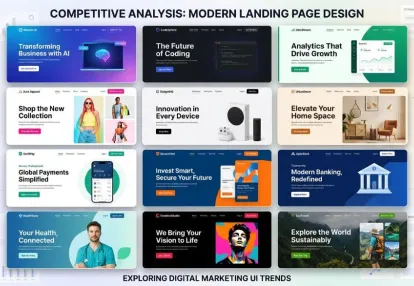
Most marketers know landing pages drive conversions, yet few invest enough in optimizing them because building and testing pages is slow and resource-intensive. The smarter approach is to reverse-engineer competitors' proven landing page structures, combine those insights with AI, and accelerate optimization using patterns already validated by real advertising spend.