6 minAugust 20, 2026

Our spy tools monitor millions of TikTok ads from over 55+ countries. Biggest TikTok Ad Library in E-commerce and Mobile Apps!
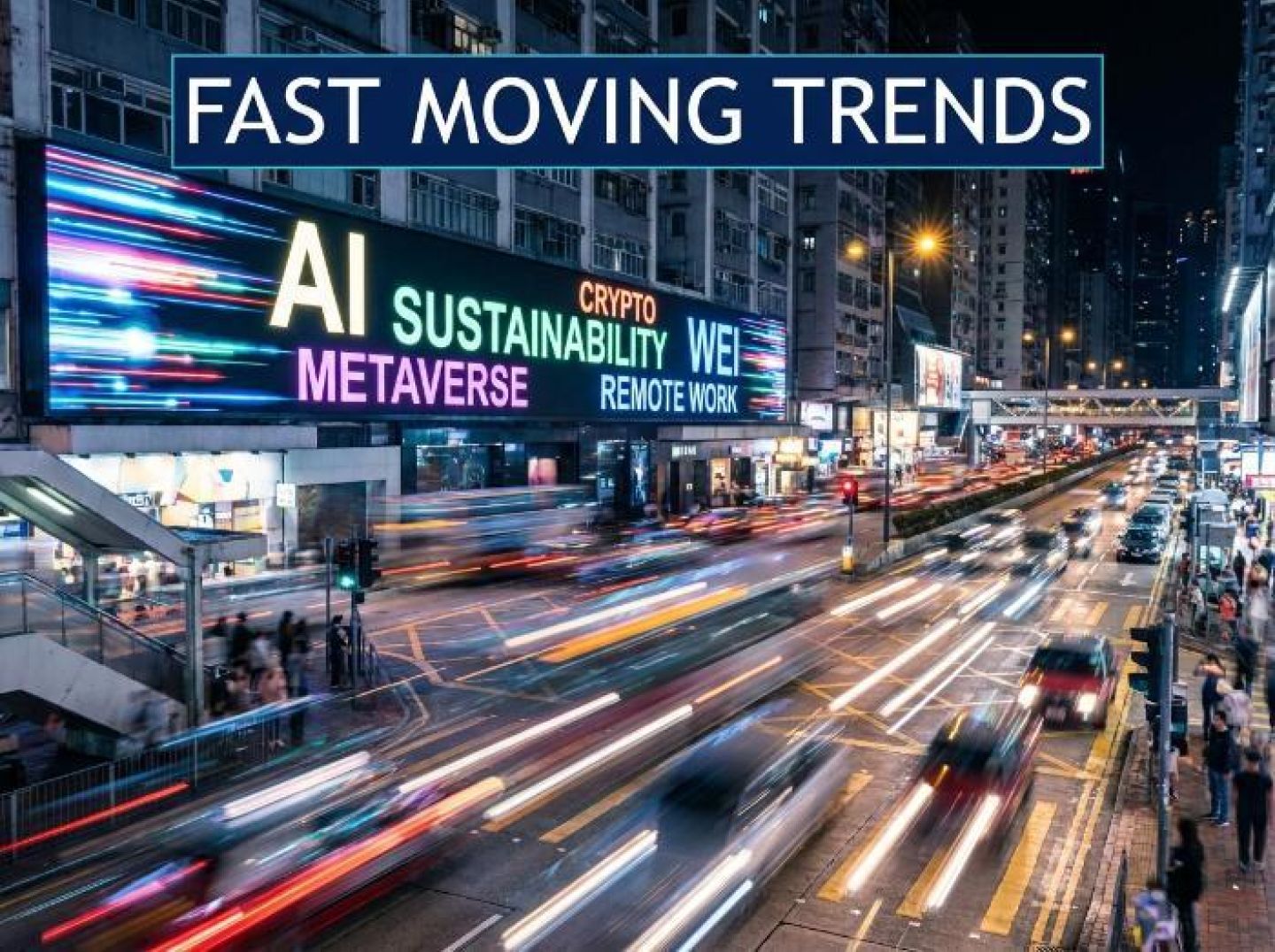
Try It FREETikTok doesn't operate on the same temporal plane as the rest of digital advertising. While most marketing teams are still building dashboards around weekly reporting cadences and monthly trend summaries, the platform's cultural metabolism has already chewed through an entire narrative arc — emergence, peak, mutation, decay — before the first Slack thread gets flagged. This isn't a marginal speed advantage. It's a structural mismatch that renders most conventional social listening infrastructure effectively useless.
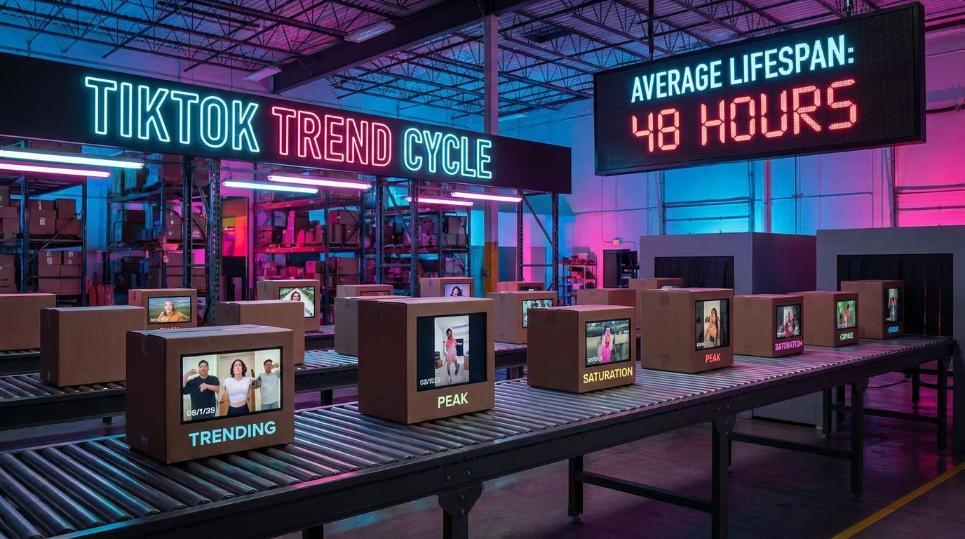
The data confirms what practitioners feel intuitively. Silverpush's analysis of more than 80 TikTok campaigns across nine APAC markets found that trends typically peak within 48 to 72 hours of emergence. That same compressed timeline applies to risk. By the time an unsafe narrative crosses a volume threshold — the point at which most monitoring tools even register it — the exposure has already happened. Media buyers relying on post-spike volume analysis aren't just arriving late to the party. They're arriving after the venue has been condemned.
This velocity isn't accidental. It's architecturally incentivized. TikTok's recommendation engine operates on a fundamentally different principle than the social graphs of legacy platforms. Content is algorithmically surfaced based on engagement signals, not follower relationships, which means a single video can vault from obscurity to millions of impressions without any existing audience infrastructure. As MarTech has detailed, platforms like TikTok increasingly let machine learning determine who engages with content, using creative itself as the primary targeting signal rather than predefined audience segments. The algorithm doesn't just distribute content — it actively selects for the content most likely to escalate engagement, creating a feedback loop where emotionally charged or provocative material doesn't merely spread but accelerates.
This is what makes the concept of "cultural velocity" so critical for anyone managing brand exposure on the platform. Cultural velocity isn't just about speed of dissemination. It's about the rate of narrative mutation — how quickly a seemingly innocuous trend mutates into something darker, more polarized, or reputationally dangerous. A trending challenge may appear harmless on the surface, yet include language or themes misaligned with brand values within hours of its initial emergence. Silverpush's research emphasizes that safety decisions on TikTok are rarely binary — they are contextual, requiring content-level interpretation and continuous reassessment rather than static category blocking.
The implications for media buyers are severe. Traditional brand safety models were built for slower ecosystems — platforms where content moved through editorial gates, where audience reach scaled predictably, where a problematic adjacency could be caught and corrected over days rather than minutes. Those models assumed that monitoring volume after a spike would provide sufficient warning. On TikTok, that assumption is structurally broken.
What this demands is a fundamentally different monitoring infrastructure — one that identifies risk patterns as they accelerate, not after they peak. Reactive blocking, keyword exclusion lists, and broad inventory tiers offer baseline control but lack the contextual nuance that a platform moving at cultural velocity requires. The 48-hour window isn't just a tactical challenge. It's an epistemological one: by the time you have enough data to confirm a trend exists, the strategic window for acting on it — whether to capitalize or to avoid — has already closed. And in that gap between emergence and recognition, both opportunity and reputational damage compound at a rate most organizations are simply not built to process.
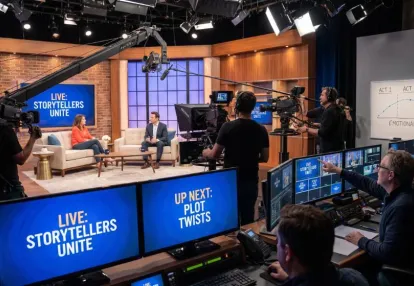
Every dark trend on TikTok follows the same structural arc, and the documentary confession format is a near-perfect case study. It began, as these things always do, at the fringe: a handful of creators borrowing the visual grammar of Netflix true-crime specials — low lighting, direct-to-camera address, text overlays mimicking case-file typography — to share raw, confessional stories about trauma, addiction, or personal crisis. The content felt transgressive precisely because it was unpolished. It carried the weight of authenticity in a feed full of choreographed dances and product hauls. And it performed, which is exactly the problem.
Phase one is experimentation. A small cohort of creators tests the format, and the engagement signals — watch time, shares, saves — are unusually strong. The algorithm notices before any human trend analyst does.
Phase two is amplification. This is where TikTok's recommendation engine becomes a co-author of the trend. The platform's own systems begin surfacing the format to broader audiences, and because emotionally charged content tends to generate the longest dwell time, it receives disproportionate distribution. Whistleblowers have revealed how TikTok's trust and safety teams were directed to prioritize cases involving politicians over reports of harmful content targeting teenagers, illustrating the structural gap that allows dark content to scale unchecked during this critical window. When moderation resources are allocated based on reputational risk to the platform rather than actual harm, the amplification phase runs longer and hotter than it should.
Phase three is mainstream adoption. The format mutates. What started as a genuine confessional becomes a template: creators who have no personal connection to the subject matter begin performing trauma narratives for reach. Production values creep upward. The tone shifts from vulnerable to theatrical. This is the phase where the content is most visible — and most misleading, because it looks like a stable cultural moment rather than the late stage of an escalation cycle.
Phase four is brand adjacency risk. As the format saturates feeds, advertisers inevitably appear alongside it. On a platform where content is algorithmically surfaced and creator ecosystems are constantly shifting, brands don't choose their neighbors — the algorithm does. A wellness brand running mid-roll against a fabricated trauma confession doesn't just face awkward juxtaposition; it faces guilt-by-association at scale. The commercial incentives are real: microdrama content and trend-adjacent formats generate enormous impressions, and the temptation to ride the wave is substantial. But the brands that pile on during phase four are buying exposure at the exact moment the narrative is most likely to collapse.
Phase five is backlash or tragedy. Someone gets hurt — a real victim's story is co-opted, a vulnerable viewer is triggered, or a journalistic exposé reveals the format's manipulative mechanics. The cycle doesn't end with a whimper; it ends with a reckoning that retroactively poisons every brand that was adjacent.
The sophisticated media buyer's advantage isn't access to better volume data. It's the ability to read structural signals — the shift from first-person vulnerability to third-person performance, the moment production templates start circulating, the first cross-platform bleed to YouTube Shorts or Instagram Reels — and identify which phase the cycle is in before the metrics catch up. You don't need to avoid dark trends entirely. But you need to understand that the window between "culturally resonant" and "reputationally toxic" is measured in days, not quarters, and that the architecture of escalation is remarkably consistent once you learn to see it.
Here's the uncomfortable truth most media buyers still haven't internalized: in the current landscape, your creative is your targeting. Not a complement to it. Not a secondary signal. The primary mechanism by which platforms decide who sees your ad.
This shift has been building for years, but it's now functionally complete. As MarTech has argued, the simultaneous push toward AI-driven broad targeting across Google's Performance Max, Meta's Advantage+ ecosystem, and TikTok's recommendation engine means that platforms are increasingly asking advertisers to provide broad audience inputs, strong conversion signals, and compelling creative — then letting machine learning determine who's most likely to convert. The granular audience layering that once defined performance marketing — demographics, interest stacking, behavioral remarketing — isn't disappearing, but its influence is shrinking. What's expanding is the algorithmic weight placed on creative signals: your headline, your thumbnail, your color grading, your cadence, your emotional register. Every one of these elements now functions as a contextual fingerprint that tells the platform's recommendation engine which content clusters your ad belongs near, and by extension, which users should see it.
This changes the stakes of trend alignment in ways that should make every brand strategist deeply uncomfortable. Consider the documentary confession format discussed in the previous section. If your brand runs confessional-style creative — direct-to-camera, low lighting, text overlays, a vulnerable emotional tone — during a week when that trend is peaking, the algorithm doesn't evaluate your intent. It reads your creative's surface-level signals and matches them to the audience cluster actively consuming similar content. Your ad doesn't need to reference trauma, crime, or any specific dark theme. It just needs to look and feel like content that does. The platform will handle the rest, surfacing your ad alongside material you never audited, never approved, and never imagined your brand appearing next to.
This is precisely why the traditional brand safety playbook fails in short-form environments. As SilverPush's analysis of TikTok campaigns makes clear, a single category label does not always reflect tone, context, or intent — a video discussing current events may fall under a general news category while carrying deeply polarizing sentiment, and a trending challenge may appear harmless while containing language or themes misaligned with brand values. Safety decisions on TikTok are contextual, not binary, and the same logic applies to targeting adjacency. Your creative can be perfectly brand-safe in isolation and still end up algorithmically tethered to a harmful content cluster because it shares the same aesthetic DNA.
This means that "reading a trend" is no longer just a creative exercise or a cultural intelligence function. It's a targeting audit. When your team identifies a trending format and builds creative inspired by its visual language, they are implicitly instructing the algorithm to place that ad within the gravitational field of everyone consuming that format — including the darkest, most extreme expressions of it. The confessional style that works beautifully for a mental health brand's awareness campaign can, without any change to audience settings, get served to users deep in a content spiral around self-harm or violent true-crime reenactments. Not because anyone chose that placement, but because the creative's contextual fingerprint matched.
The practical implication is straightforward but demanding: every piece of creative now needs to be audited not just for brand tone, message clarity, and production quality, but for unintentional signal alignment with active dark trend clusters. What aesthetic codes is this creative borrowing? What emotional register does it occupy? What trending format does it most closely resemble, and what is the full spectrum of content currently living inside that format's ecosystem? These are no longer optional questions for brand safety teams to answer after launch. They are pre-production questions that determine where your ad will actually land — because in a world of automated audience selection, your creative is making targeting decisions whether you authorize it to or not.
The traditional brand safety toolkit was built for a different internet — one organized by pages, categories, and crawlable text. Keyword exclusion lists, broad category blocks, and static inventory tiers made sense when ads ran alongside articles with headlines, bylines, and predictable taxonomies. But TikTok doesn't work that way. Its content is algorithmically surfaced, visually driven, ephemeral, and context-dependent in ways that a blocklist can never parse. A keyword filter that excludes "crime" or "confession" would have shielded brands from the documentary confession trend we've been tracking — but it also would have blocked adjacency to some of the most culturally resonant, high-engagement content on the platform that week. The real cost of static safety models isn't exposure to risk; it's the systematic exclusion from relevance.
Consider the confessional format itself. The same direct-to-camera, low-lit visual grammar can house an authentic trauma narrative that generates millions of empathetic engagements — or it can be weaponized for escalation, exploitation, and rage-bait. A keyword blocklist treats both identically. It has no mechanism to distinguish between a creator sharing a genuine story of survival and a bad actor using the same aesthetic for shock value. This is the core failure: static models flatten nuance into binary decisions, and on a platform where algorithmic incentives have been shown to push borderline harmful content into users' feeds for engagement, the line between safe and unsafe within any given thematic cluster is not a line at all — it's a spectrum that shifts by the hour.
What's required is content-level contextual interpretation: AI-powered systems that evaluate tone, sentiment, visual cues, and narrative trajectory in real time, not just the presence or absence of flagged words. This means analyzing whether a video's emotional register is confessional or confrontational, whether its comment section signals community support or pile-on behavior, and whether its creator has a history of authentic engagement or manufactured controversy. It also means continuous reassessment — because the same trend can start brand-safe on Monday and become brand-toxic by Thursday as imitators flood in and the algorithmic incentive structure rewards escalation.
There's another dimension that most brand safety conversations still ignore: content authenticity as a performance and safety signal. TikTok has now labeled more than three billion AI-generated videos using Content Credentials, creator disclosures, and watermarking technology — and it's treating synthetic content with the same suspicion it reserves for spam. As Billo CEO Donatas Smailys has argued, platforms don't spend resources fighting content that works; TikTok is cracking down on AI-generated videos because they make people scroll past, which degrades both user experience and advertising performance. This introduces authenticity itself as a contextual signal. A brand safety model that can't distinguish between a real creator and a synthetic one is already outdated — not just ethically, but commercially.
The sophistication gap is clear. Brands operating with keyword blocklists and category exclusions are using a map drawn for a world that no longer exists. The new baseline demands systems that read content the way a culturally fluent human would — rapidly, contextually, and with an understanding that the same format, the same words, and even the same hashtag can mean completely different things depending on who's using them, how, and when. Static models don't fail occasionally on TikTok. They fail structurally.
Receive top converting landing pages in your inbox every week from us.
Most Read
Discover how OOH teams can use Native, Push, and TikTok ad intelligence to move beyond location-first planning and build smarter, audience-driven campaigns. This guide shows how to translate digital creative, targeting, and performance signals into OOH ideas, test them in the physical world, and feed the results back into digital campaigns.
David Kim
7 minOct 4, 2026
Most Read
Learn how OOH employers can move beyond selling billboard inventory and start monetizing the full funnel impact of every outdoor impression. This guide shows how to connect OOH with Native and TikTok-style funnels using competitive intelligence, creative research, tracking, retargeting, and performance-focused roles.
Rachel Thompson
7 minSep 28, 2026
Must Read
Learn how to transform one powerful brand moment into scalable Native, Push, and Pop funnels instead of relying on a single hero ad. This guide covers modular creative, TikTok funnel thinking, competitive intelligence with Anstrex, cross-channel testing, and a repeatable creative supply chain.
Dan Smith
7 minSep 26, 2026