11 minNovember 19, 2026

Our spy tools monitor millions of native ads from over 60+ countries and thousands of publishers.
Get StartedMost performance marketers are trapped in a race to the bottom, pulling the "10% off" lever every time they need revenue, then wondering why their best customers refuse to buy unless there's a coupon in the subject line. Meanwhile, brands looking to build stronger customer relationships are using ad intelligence and creative research to uncover premium stories, value-rich offers, and post-click experiences that give shoppers compelling reasons to pay full price.
The opportunity is particularly interesting on Native and TikTok. Both environments give advertisers room to communicate through stories, demonstrations, and useful content rather than relying entirely on promotional messages. As Neil Patel's discussion of TikTok premium advertising explores, content quality and presentation matter when brands want to stand out. At the same time, as MarTech explains in its analysis of creative as the new targeting, creative can provide important context to automated advertising systems.
The goal isn't to eliminate discounts. It's to stop making them the only reason customers buy.
Discount-first performance marketing didn't die overnight. It has been quietly hollowing out the value proposition of many brands for years.
What started as the occasional "save 10%" incentive to nudge hesitant buyers has become a default operating system. Need to hit end-of-month numbers? Launch a sitewide sale. Retargeting underperforming audiences? Sweeten the offer. Introducing a new product? Start with a discount.
The problem isn't that discounts exist. It's that, for some brands, they have become the value proposition.
You can see the consequences in customer behavior long before they appear clearly in the profit and loss statement. Shoppers pause at checkout, open a new tab, and search for "[brand] promo code" before completing an order.
As one practitioner demonstrated in a session recapped by Search Engine Journal, even a relatively small number of branded coupon searches can represent high-intent shoppers who are already close to purchasing. These are customers who may have been ready to pay full price but have learned to look for another offer first.
Worse, that promo-code detour can become a multichannel revenue leak. Third-party coupon and affiliate websites may take over the purchase experience at the moment of conversion, displaying outdated offers, introducing competing products, or claiming commissions on orders that might otherwise have happened directly.
Instead of building a direct relationship with the customer, brands risk paying intermediaries to influence an existing purchase.
This is how discount-first performance marketing can gradually rewire a business:
Ironically, some of the channels best suited to breaking this cycle are also being used to reinforce it.
Native placements and in-feed social formats are built around context. Native advertising is designed to match aspects of the surrounding editorial or content environment. As Basis explains in its overview of native advertising, the format can integrate advertising into the user's content experience rather than presenting it as a conventional banner.
That gives advertisers an opportunity to communicate through useful information, a compelling point of view, or a mini-documentary instead of immediately asking for a purchase with a discount.
The same principle applies to TikTok. In-feed advertising can communicate a transformation, routine, product demonstration, or customer story long before price becomes part of the conversation.
Performance marketers are already accustomed to testing hooks, angles, and calls to action on the platform. The WordStream guide to TikTok advertising provides useful context for testing creative approaches. The missed opportunity is that many advertisers only test different ways of saying "Limited-Time Offer" instead of developing concepts that don't rely on discounts at all.
What needs to change isn't performance marketing itself. It's the narrow version of performance marketing that treats discounts as the only reliable conversion lever.
The brands that build stronger long-term customer relationships won't necessarily be the ones that eliminate promotions entirely. They'll be the ones that give discounts a supporting role and rebuild their acquisition strategies around content, context, and creative that can stand on its own at full price.
TikTok and native aren't simply cheap-reach channels. They give advertisers opportunities to communicate value through content, context, and specificity.
On many performance platforms, advertisers have become accustomed to narrow creative windows: a few seconds to capture attention, one frame to show a coupon, and a quick push toward the click.
TikTok and native can certainly support direct-response campaigns, but they're also suited to a different approach: using stories to attract relevant audiences and explain why a product deserves its price.
Start with how automated advertising works.
TikTok and other major platforms use recommendation and optimization systems to distribute content and advertising. Their targeting and delivery mechanisms differ, but advertisers increasingly rely on automated systems to identify potential customers using campaign objectives, available audience signals, creative, and conversion information.
As MarTech's analysis of creative as the new targeting explains, creative is becoming an increasingly important input in automated advertising environments.
In practical terms, what you communicate in an advertisement can help establish its relevance to particular customer interests and needs.
That's an opportunity if you're trying to sell value instead of discounts.
When creative helps qualify the audience, you can communicate your positioning directly:
Platforms also encourage creative that feels appropriate to the environment where it appears. Creator-led storytelling, product demonstrations, and native-feeling placements can help brands communicate in a more familiar format.
As Neil Patel's discussion of TikTok premium advertising explores, the way a brand presents its message can influence how audiences perceive it.
When an advertisement needs to earn attention as content, a generic "Limited Time 15% Off" message may not be enough.
A stronger opening might introduce a story:
The opening frame matters because viewers make rapid decisions about whether to continue watching. Practitioners discussing TikTok creative in Social Media Examiner's analysis of AI and TikTok advertising emphasize the importance of the first visual and message.
If your opening immediately introduces an interesting problem, a recognizable situation, or a meaningful product benefit, you have an opportunity to attract people who care about the category—not simply people who respond to discounts.
Native placements work similarly.
Whether they appear in recommendation widgets or sponsored editorial environments, they often perform their communication role through a headline, thumbnail, and opening narrative.
Useful formats include:
These formats give advertisers room to explain value drivers such as durability, ingredients, support, convenience, and long-term return on investment.
None requires a discount to make the story interesting.
Research also plays an important role.
On TikTok, creative research tools can help marketers explore advertisements and content across categories. The objective is to identify useful narrative patterns and creative approaches—not simply copy another brand's offer.
As Social Media Examiner explains, exploring creative examples from relevant brands can give advertisers concrete references for developing original content.
The same applies to native advertising. Studying advertorials, landing pages, and recurring creative approaches can help marketers understand how other advertisers communicate value.
Combine that research with a broader ecommerce strategy.
Paid campaigns can act as a testing environment for new messages and angles. The insights can then inform organic content, email campaigns, product pages, and search-visible content.
As the Semrush ecommerce marketing guide explains, paid media can support broader ecommerce growth when it is integrated with the rest of the marketing strategy.
The net effect is a more useful role for Native and TikTok: discovering and communicating the reasons customers should choose a product.
If you keep reaching for discounts, you're limiting the stories these channels can tell. If you lean into value storytelling, you can use creative to explain why the product is worth buying.
Most marketers approach ad spying like coupon hunting.
They open a competitor's advertising library, sort through visible advertisements, and copy whichever discount appears most frequently. Then they wonder why their own campaigns still depend on 20% off.
The problem isn't the tools. It's the question being asked.
TikTok's advertising research resources and platforms like Anstrex can help marketers investigate creative activity, but their value goes beyond identifying promotional hooks.
As Social Media Examiner explains, creative research can help advertisers understand what other brands are publishing and use those observations to inform original content.
The objective should be to reverse-engineer the strategy—not steal the offer.
If you want to stop training shoppers to search for "[your brand] promo code" before every purchase, rethink ad spying as competitor value mapping.
Instead of screenshotting every "Limited-Time Sale," build a simple value map for each competitor.
Who are they claiming to be for?
Look at the first frame and opening line of copy. Are they speaking to busy parents, budget-conscious students, performance-focused athletes, or people who value premium craftsmanship?
The audience identity communicated by the creative is often an important part of the message.
What problem are they promising to solve?
Remove the coupon from the equation and examine the underlying promise.
"Sleep better."
"Save time cooking."
"Stop replacing cheap skincare products."
You're mapping customer problems and motivations, not prices.
How do they justify the price?
Do they emphasize ingredients, durability, expert backing, social proof, customer support, or lifestyle identity?
Native placements are particularly interesting here because the format gives advertisers room to explain their positioning through a story. As Basis notes in its explanation of native advertising, native ads are designed to match aspects of their host environment.
Where does price appear, if at all?
Is the discount the main headline, a secondary incentive, or absent from the message?
If a competitor's creative focuses on product quality and customer outcomes, copying its occasional sale may mean missing the more important part of its strategy.
When you analyze several competitors this way, you stop seeing "10% off versus 15% off" and begin identifying broader positioning patterns.
One brand competes on convenience. Another emphasizes longevity. A third sells status or expertise.
That is your value map.
Most competitive research stops at the advertisement.
On TikTok and native, that's only half the picture.
Follow the click and investigate the landing page.
Landing-page promise match
Does the page continue the value story from the advertisement, or does it immediately pivot into "Enter your email for 15% off"?
That disconnect can undermine the message the advertisement worked to establish.
Search Engine Journal's breakdown of promo-code search behavior highlights how shoppers can move into a separate coupon-search journey when the brand doesn't provide a clear, official explanation of its offers and savings.
Placement of offers
Does the page position loyalty benefits, subscriptions, bundles, or additional services as sources of value?
Or does it immediately introduce a large promotional pop-up that encourages shoppers to delay their purchase?
Narrative structure
Especially in native advertising, examine how the advertiser introduces the problem, explains the stakes, presents the solution, and establishes credibility before presenting the offer.
As Basis highlights, native advertising can provide an environment where informative content and advertising are integrated.
You're not simply copying page layouts. You're studying how competitors move a cold visitor from curiosity toward a purchase decision.
Once you've mapped competitor value propositions and funnels, translate those observations into your own strategy.
Define your "why buy at full price" story.
Where can your brand credibly differentiate itself?
If competitors focus on low prices, perhaps your strongest argument is durability, better support, a more convenient experience, or a product that solves the underlying problem more effectively.
Only use claims you can substantiate.
Design hooks around tension, not discounts.
Use strong, specific opening messages inspired by the creative structures you observe on TikTok.
For example:
The WordStream TikTok advertising guide provides useful context for testing hooks, formats, and calls to action.
Build an official savings story.
If shoppers already search for your brand and coupon codes, give them a clear, brand-owned destination explaining legitimate ways to save.
That could include loyalty rewards, bundles, subscriptions, free shipping thresholds, or occasional promotions.
The objective isn't to hide savings. It's to make sure customers understand your official offers instead of relying on third-party websites.
This is consistent with the stable, brand-owned destination approach discussed in Search Engine Journal's analysis of promo-code behavior.
When you approach ad spying this way, every TikTok and native placement becomes an opportunity to understand how the market communicates value.
Your job isn't to out-discount that story. It's to create a more compelling reason to buy.
If your goal is to stop teaching buyers that waiting for a promotion is the smartest way to shop, you need to look beyond advertisements built around "50% OFF."
Start investigating the funnels that communicate value before price.
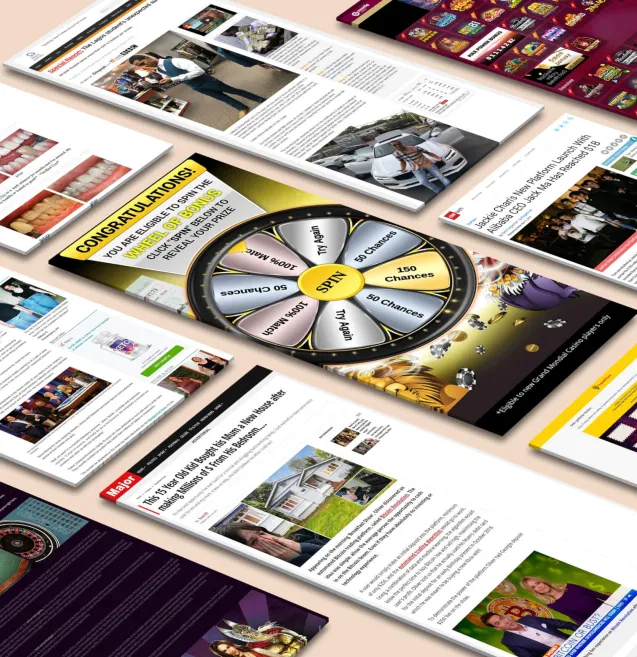
Anstrex Native can support this research by helping marketers explore visible native advertisements and investigate the creative and landing-page paths associated with them.
The important shift is to use the platform as a research environment rather than a collection of advertisements to copy.
Here's how to approach that process.
Most advertisers open an ad intelligence tool and immediately sort by available performance indicators or search for promotional language.
That can lead to a collection of familiar "Last Chance!" banners and discount-heavy campaigns.
Instead, deliberately search for value-oriented messaging.
When using available ad-text filters, exclude or deprioritize obvious discount signals such as:
Then look for language that may indicate a more educational or value-driven approach:
These terms aren't proof that a campaign sells at full price. They're research filters that can help you uncover different types of advertising approaches.
This aligns with the shift toward creative as an important input in automated advertising. As MarTech's analysis of AI-driven campaigns explains, advertisers increasingly need to consider how their creative communicates relevance.
An advertisement that speaks specifically to a customer problem—rather than leading with a price reduction—may reveal a more developed value narrative on its landing page.
Those are the funnels worth investigating.
Once you've shortlisted relevant advertisements in Anstrex, don't stop at the creative gallery.
Investigate the available destination information and follow the landing-page path where accessible.
Look for:
Tracking URLs and destination paths
Identify whether the advertisements lead to:
Repeated creative and destination patterns
If you observe several advertisements leading to the same landing page over time, record that relationship.
It may indicate that the advertiser is testing different creative approaches around a common funnel. It could also reflect a campaign structure designed to reuse an established destination.
Treat this as an observation, not proof that the funnel is profitable.
Your goal is to develop a testable hypothesis.
For example:
"They appear to be using educational native advertisements to introduce a product benefit, then directing visitors to a shorter product page without leading with a discount."
That is much more useful than simply saying, "They have a lot of ads running."
It also reflects how paid and owned marketing can work together. Paid campaigns provide opportunities to test messages, while the insights can inform SEO, email, and on-site content.
The Semrush ecommerce marketing guide provides broader context for using paid media as part of an integrated ecommerce strategy.
For each promising campaign, document the buyer's journey.
1. Native advertisement
Ask:
2. Pre-sell or advertorial page
Investigate:
3. Primary conversion page
Look at:
Potential value drivers include:
4. Lead capture and follow-up
Check whether the advertiser uses:
These interactions can help visitors understand whether an offer is appropriate for their needs before committing to a purchase.
TikTok's Invisalign Smile Quiz, highlighted in HubSpot's breakdown of high-impact TikTok campaigns, is an example of how an interactive experience can help qualify interest and guide potential customers toward a next step.
The important lesson is that a useful experience can itself be part of the value proposition.
Your task in Anstrex is to find comparable patterns in native advertising and understand how the advertiser moves visitors from the initial message to the final conversion opportunity.
Across several value-oriented funnels, you may begin to identify recurring approaches.
Organize these by the function they serve rather than by the advertiser's brand.
Risk reversal instead of price cuts
Guarantees, trials, and clear return policies can reduce the perceived risk of purchasing.
Instead of lowering the price, the brand makes the decision feel safer.
Time savings instead of money savings
Some products are valuable because they make everyday tasks easier.
Messaging such as "stop wasting time" or "finish this in five minutes" communicates convenience instead of relying on a lower price.
The WordStream TikTok guide offers useful context for experimenting with hooks and calls to action around different benefits.
Identity and status
Some products appeal to the way customers see themselves.
A premium product might be positioned as the choice for people who value craftsmanship, expertise, or a particular lifestyle.
Personalization and fit
Quizzes, assessments, and product finders help customers understand which option is appropriate for them.
Proof and transparency
Demonstrations, product comparisons, expert explanations, and customer experiences can help establish why the product deserves its price.
Create a swipe file that categorizes these approaches by function:
You're not copying a competitor's headline. You're studying the role that headline or page structure plays in helping customers feel confident about paying full price.
Finally, translate your research into concrete experiments.
Rebuild the funnel structure.
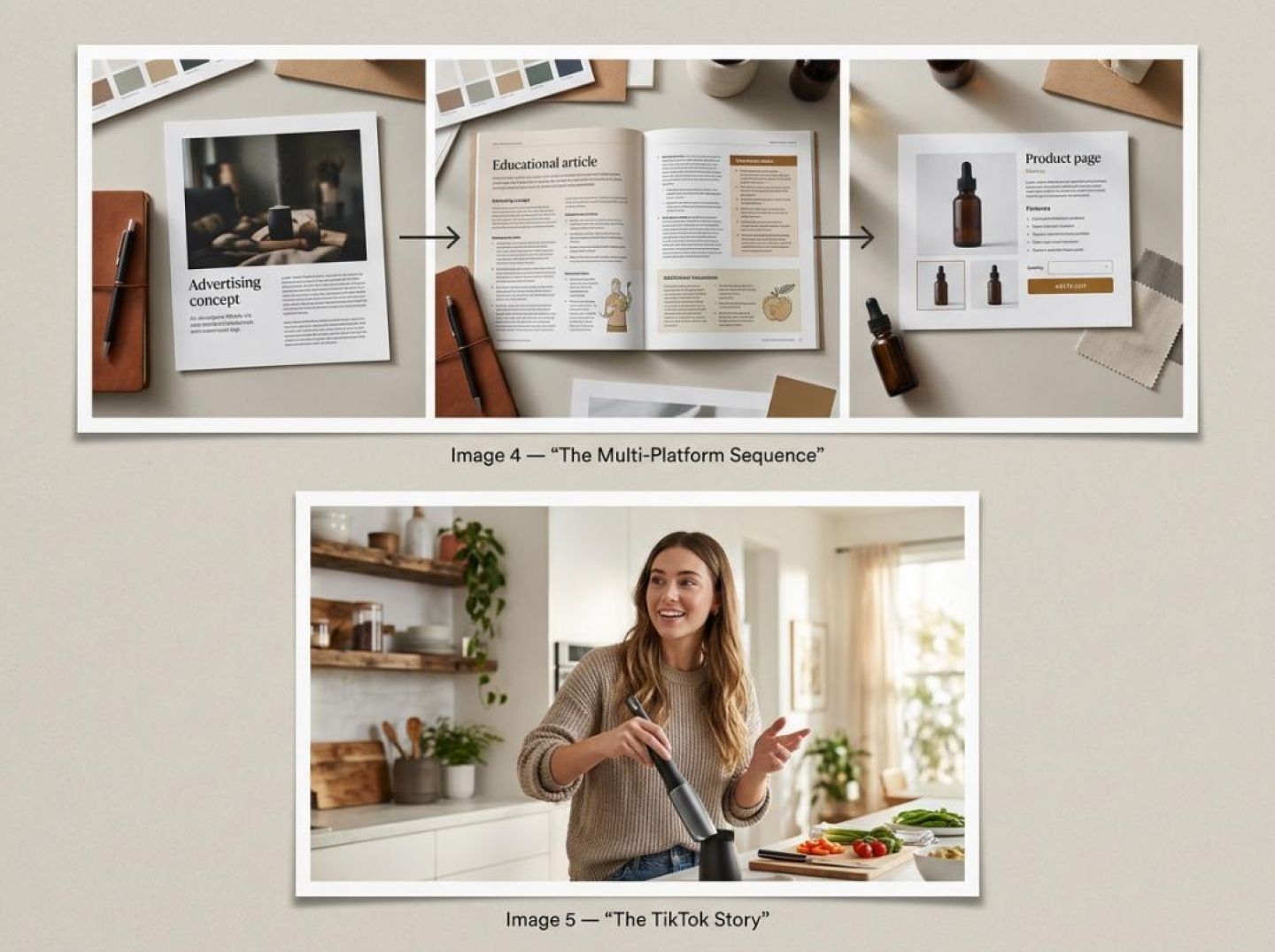
If a competitor uses an advertisement → educational pre-sell page → product detail page sequence, consider testing a similar structure with your own brand, evidence, and messaging.
Keep the general journey, not the competitor's copy, images, or proprietary creative.
Compare a discount-led campaign against a value-led funnel.
Run a controlled test where comparable audiences receive different experiences:
Keep other important variables as consistent as possible and account for differences in traffic quality.
Track more than CPA and ROAS.
Include:
The goal is to understand whether the value-focused experience attracts customers who are more willing to buy at the intended price and whether that improves the economics of the business.
Over time, you want a clearer, more consistent brand-owned explanation of product value and official savings.
That is the kind of experience Search Engine Journal's analysis of promo-code behavior suggests can help reduce the need for shoppers to leave the purchase journey in search of an offer.
Anstrex Native becomes more than an ad spy tool in this process. It becomes part of your competitive research workflow: helping you identify advertising approaches, examine landing pages, and turn market observations into testable funnel ideas.
The real advantage comes from what you do with that intelligence.
TikTok trains people to expect entertainment and interesting content on demand. If you're not careful, your advertisements can create another habit: "Wait, and I'll get 20% off."
To break that pattern, build campaigns where the story does the heavy lifting and the product feels like the logical next step.
Start by thinking about creative as a way to communicate relevance.
As platforms automate more aspects of audience selection and delivery, your video can provide important context about the product, the problem it solves, and the people who may care about it.
As MarTech explains in its analysis of creative as the new targeting, creative is becoming increasingly important in automated campaign environments.
That means your first few seconds should do more than flash a discount or use a generic scroll-stopping effect.
They should introduce a specific problem, desire, or situation that makes the right customer want to keep watching.
Think about hooks that resonate with people who genuinely care about your category.
For a premium skincare brand:
"If your moisturizer makes your skin tingle, here's what you should understand about the ingredients."
For a high-end coffee subscription:
"If your beans taste flat three days after opening, this might be why."
These openings introduce specific concerns that help viewers recognize whether the content is relevant to them.
The language also gives the platform contextual information, although advertisers shouldn't assume that a particular phrase guarantees delivery to a specific audience.
Your video structure should follow a natural customer journey.
The viewer watches, understands, develops interest, and then considers the product.
A practical three-part structure is:
1. Emotional context
Start with a relatable situation, problem, or identity.
This could be a short personal story, a creator's reaction, a customer frustration, or a visual demonstration of an everyday problem.
The purpose is to make viewers feel that the content is relevant to their lives before introducing the product.
2. Credible proof
Show why the product deserves attention.
Use a clear demonstration, a comparison, a customer testimonial, or an explanation of the features that support the main promise.
Make sure any before-and-after presentation or performance claim is accurate and properly supported.
As the WordStream guide to TikTok advertising discusses, testing different creative formats and approaches can help advertisers identify which messages resonate with their audiences.
3. A specific next step
End with a concrete action that helps the viewer move forward.
Examples include:
You're selling fit and clarity, not a countdown clock.
One way to keep the spotlight on value is to build a useful interaction into the advertising experience.
Quizzes, checklists, product finders, and assessments can help potential customers understand whether an offer is right for them.
Invisalign's Smile Quiz, highlighted in HubSpot's write-up of the campaign, is an example of using an interactive experience to help potential customers explore whether a product or service may suit their needs.
The campaign reported improvements in form completion and acquisition metrics compared with its previous approach. Those results are specific to that campaign and should not be treated as a guaranteed outcome for other advertisers.
The broader lesson for ecommerce is to consider how you can help customers answer an important question before asking them to purchase.
For example:
When the immediate reward is useful information rather than a discount, you give shoppers another reason to engage with the brand.
Finally, build your testing plan around creative and messaging decisions.
Rather than testing "15% versus 20% off" every time, experiment with:
The WordStream TikTok advertising guide provides a useful foundation for testing hooks, creative formats, and CTAs.
Monitor more than CTR and ROAS.
Depending on the campaign objective, also examine:
These metrics help you understand whether the campaign is attracting meaningful interest and producing valuable customers.
A high CTR doesn't automatically mean that customers understand the product or are willing to pay the intended price. Likewise, strong engagement doesn't guarantee profitability.
The objective is to identify creative approaches that attract relevant customers, communicate the product's value, and support sustainable business results.
Stopping discount dependence requires more than changing one advertisement.
Your landing pages, product descriptions, email follow-ups, retargeting campaigns, and customer experience should reinforce the same value proposition.
If your TikTok video explains why a product is worth its price but the landing page immediately offers a discount, the customer receives a conflicting message.
Keep the story consistent from the first impression through the purchase.
Use customer feedback to improve the message. Use creative research to identify new approaches. Use Anstrex to investigate how competitors structure their visible native advertising and landing pages. Then use controlled testing to determine which ideas work for your own audience and business.
The strongest campaigns don't simply persuade customers to click. They help customers understand why the product is worth choosing.
Discounts will always have a place in performance marketing. Seasonal promotions, product launches, inventory clearances, and customer loyalty incentives can all serve legitimate business purposes.
The problem begins when every campaign depends on a lower price to generate a purchase.
If shoppers learn that waiting always produces a better deal, you risk weakening your perceived value, reducing margins, and making it harder to sell without a promotion.
Native and TikTok offer opportunities to change that pattern.
They give brands room to communicate through demonstrations, customer stories, educational content, comparisons, and interactive experiences. Instead of making the discount the main attraction, you can explain what makes the product different and why that difference matters.
Anstrex Native can support this strategy by helping you investigate competitor advertisements, examine visible landing-page paths, identify value-focused messaging, and organize creative research into actionable ideas.
But remember: visible advertising activity is a source of competitive intelligence, not proof of another advertiser's profitability. Use those observations to form hypotheses, then test your own campaigns with reliable business metrics.
The objective isn't to copy what competitors are doing. It's to understand how they communicate value and use those insights to build a more convincing story for your own customers.
Stop teaching shoppers to wait for a coupon.
Start giving them a reason to feel confident buying at full price.
The best performance strategy isn't always the biggest discount. It's making the value so clear that the discount stops being the main reason to buy.
Receive top converting landing pages in your inbox every week from us.
Editor’s Pick
Constant discounts can weaken perceived value and train customers to delay purchases. Learn how to use competitor ad intelligence, Anstrex Native, and TikTok storytelling to uncover premium positioning, reverse-engineer value-focused funnels, and build campaigns that give shoppers a reason to buy without waiting for a coupon.
Marcus Chen
7 minNov 19, 2026
Most Read
AI answers reveal the questions, brands, and narratives shaping buyer discovery. Learn how to capture those prompts, map their intent and entities, and connect the insights with Anstrex to research advertising creatives and landing pages across native, push, and TikTok.
Elena Morales
7 minNov 17, 2026
How-To
ChatGPT is changing how people research products and make decisions. Learn how to study conversational intent, identify creative patterns, and test those insights across Native, Push, Pops, and TikTok.
Elena Morales
7 minNov 12, 2026