8 minOctober 23, 2025

Our spy tools monitor millions of popup and pop-under from over 90+ countries and thousands of publishers.
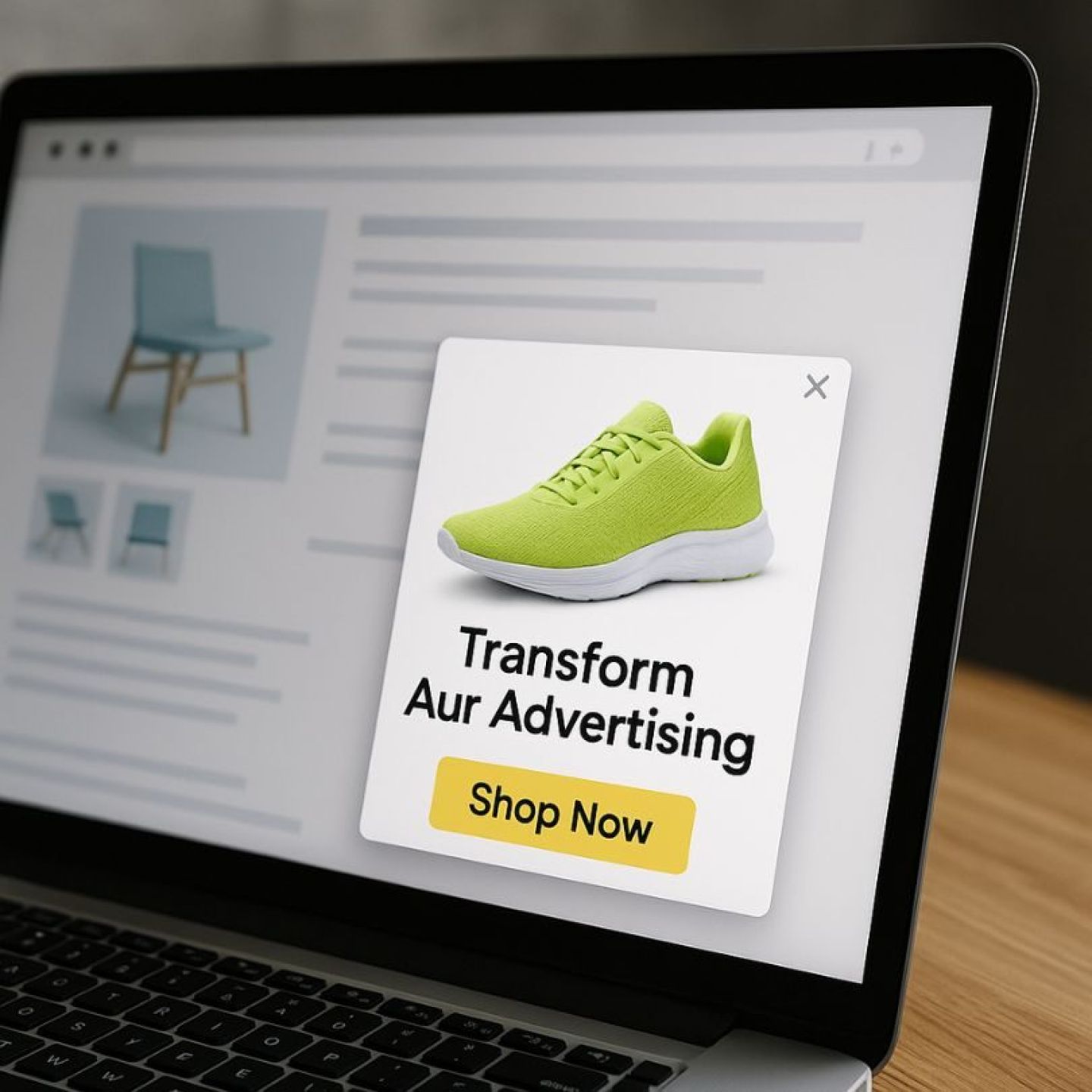
Get StartedPop ads have earned a controversial reputation in digital advertising. You've probably experienced the frustration of intrusive pop-ups that disrupt your browsing experience. Yet, when executed strategically, conversion-focused pop ads can transform your advertising results without alienating your audience.
This article shows you how to move beyond clickbait tactics toward creating high-intent pop ad experiences that respect user intent while driving measurable conversions. You'll discover how to design pop ads that capture attention at precisely the right moment, deliver personalized value, and seamlessly integrate into the user journey.
What you'll learn:
The key lies in prioritizing relevance and timing over aggressive tactics.
High intent pop ads, like those offered by Anstrex, target users who show clear signs of being ready to make a purchase or engage with your content. Unlike regular pop-ups that appear randomly, these ads respond to specific actions taken by the user—such as how they're scrolling, how long they've been on the page, or if they've abandoned their shopping cart. This means you're reaching out to people at times when they're most likely to take action.
The difference between high-intent pop ads and other forms of advertising lies in the importance of timing and relevance. These factors directly influence how many people end up converting into customers. For example, a visitor who's spent five minutes reading product reviews is likely more interested in making a purchase than someone who just landed on your page for three seconds.
High-intent pop ads understand these subtle differences and deliver messages that are appropriate for each situation.
Exit intent pop-ups are one of the most effective types of high-intent advertising. They use technology that tracks mouse movements to figure out when users are about to leave the page—specifically, when their cursor moves toward the close button or address bar of the browser.
When this happens, the exit intent pop-up appears, giving you one last chance to grab the user's attention before they navigate away from your site.
This approach works because it targets a crucial moment in decision-making. By this point, the user has already consumed your content, evaluated your offer, and made up their mind to leave. The exit intent pop-up interrupts this moment with a compelling reason for them to reconsider.
To make your pop ads even more effective, it's important to align them with user intent. This means understanding what brought visitors to your website in the first place.
For example:
By tailoring your pop ad strategy based on real user behavior and intent, you create experiences that feel helpful instead of annoying.
Creating non-intrusive pop ads requires a careful approach that respects your visitor's browsing experience while still capturing their attention. You need to think about timing, frequency, and visual design as interconnected elements that shape how users perceive your message.
You should implement scroll-depth triggers that activate pop-ups only after users have engaged with 50-70% of your content. This demonstrates they're genuinely interested before you present an offer. Set frequency caps to ensure returning visitors don't see the same pop-up multiple times within a 30-day period. Cookie-based tracking helps you avoid bombarding users who've already converted or dismissed your message.
Your pop ad visuals need to strike a balance between visibility and restraint. Use semi-transparent overlays instead of completely blocking page content. Keep pop-up dimensions to 40-50% of screen real estate, allowing users to still see the underlying page. Choose color schemes that complement rather than clash with your site's existing design palette.
Personalization in pop ads transforms generic interruptions into relevant conversations. Location-based targeting lets you present region-specific offers—displaying winter gear promotions to users in colder climates while showing summer collections to those in warmer areas. Behavioral triggers based on browsing history enable you to show product recommendations aligned with previously viewed items.
You can segment audiences by referral source, presenting first-time visitors from social media with welcome discounts while offering loyal customers from email campaigns exclusive early access to new products. Dynamic content insertion pulls user data like name or company to create tailored messaging that feels personal rather than automated. This approach to pop ad user experience builds trust by demonstrating you understand individual needs rather than broadcasting one-size-fits-all messages.
Audience segmentation transforms generic pop ads into precision tools for conversion-focused pop advertising. You need to identify distinct user groups based on behavior patterns, demographics, and browsing history. A first-time visitor requires different messaging than a returning customer who abandoned their cart. When you segment your audience, you deliver experiences that resonate with specific needs and pain points.
Your segmentation strategy should consider:
Compelling CTAs serve as the backbone of effective pop ad strategies. You want action-oriented language that creates urgency without pressure. "Get Your Free Guide" outperforms "Submit" because it emphasizes value over transaction. Keep your copy scannable—three to five lines maximum. Users decide within seconds whether your offer deserves their attention.
Contextual offers align your pop ads with the user's current journey. Someone reading a blog post about email marketing tools responds better to a free email template than a generic discount code. You increase form-fill rates when your offer solves an immediate problem or fulfills a demonstrated interest.
Creating high-intent pop ad experiences means matching the right offer to the right person at the right moment. A visitor from a comparison blog post might appreciate a feature comparison chart, while someone on your pricing page needs a limited-time discount. This approach moves beyond clickbait by delivering genuine value that justifies the interruption.
Exit intent pop-ups are a powerful tool to capture visitors who are about to leave your website. These pop-ups use technology to detect when someone is moving their mouse towards the close button or address bar, indicating that they plan to leave. This is the perfect opportunity for you to show them a pop-up and try to convince them to stay.
Your headline needs to create immediate pause. Consider these proven approaches:
The best headlines acknowledge the user's intent to leave while presenting a compelling reason to reconsider. You're not begging them to stay—you're offering genuine value they might regret missing.
Your call-to-action should emphasize scarcity and urgency without feeling manipulative. Engaging pop traffic campaigns rely on CTAs that speak directly to the moment:
These action-oriented phrases work because they're specific and immediate. You're giving users a clear path forward rather than vague promises. Pair your CTA with a visible "No Thanks" option to maintain trust—forcing users to stay feels desperate and damages your brand credibility.
The offer itself should match the user's browsing context. If they viewed specific products, reference those items. If they abandoned a cart, address their hesitation directly with free shipping or a limited-time discount.
Mobile optimization has become essential for your pop ad strategy. With mobile devices accounting for over 60% of web traffic, you can't afford to ignore how your pop-ups perform on smaller screens. A desktop-optimized pop-up that looks stunning on a 27-inch monitor can become a conversion killer when it forces mobile users to pinch, zoom, and struggle with tiny close buttons.
Responsive pop ads automatically adjust their layout, font sizes, and button dimensions based on the device being used. You need to test your pop-ups across multiple screen sizes—not just iPhones, but Android devices, tablets, and various orientations. What works in portrait mode might break completely when a user rotates to landscape.
Consider these critical elements when designing mobile-specific pop-ups:
Mobile-specific pop-ups can also leverage device capabilities. App download prompts that appear when users browse your mobile site can drive installations, while location-based offers become more relevant when users are on-the-go.
While clickbait tactics might deliver a temporary spike in clicks, they sabotage your long-term conversion potential. When you promise one thing in your pop ad and deliver something entirely different, you create a trust deficit that's difficult to recover from. Users who feel deceived rarely convert—they bounce, and they remember the negative experience. The initial engagement metrics might look impressive on paper, but the actual conversion rates tell a different story.
Beyond clickbait means committing to authenticity in every pop ad you create. Your headlines should accurately reflect the value you're offering, not exaggerate or mislead. If you're promoting a 20% discount, say exactly that—don't tease "massive savings" that turn out to be minimal. This honest approach builds pop ad trust that compounds over time.
Creating high-intent pop ad experiences requires you to think about relevance at every touchpoint:
Personalization extends beyond inserting someone's name into your copy. You need to demonstrate that you understand their needs and pain points. When a user browsing your pricing page sees a pop ad offering a free consultation or comparison guide, that's relevant. When they see a generic "Sign up now!" message, that's noise.
The seamless integration of your pop ads into the user journey means timing matters as much as content. You're not interrupting their experience—you're enhancing it with timely, valuable information that helps them make better decisions.
Pop ad performance metrics tell you whether your campaigns are actually working or just annoying your visitors. You need to track specific data points that reveal the true impact of your pop-ups on your bottom line.
Conversion tracking starts with these essential metrics:
A/B testing transforms guesswork into data-driven decisions. You can test different headlines, CTA button colors, timing triggers, and offer types to discover what resonates with your specific audience. Run one test at a time to isolate variables and get clear results.
The iterative improvement process means you're constantly refining your approach. You might discover that pop-ups triggered after 30 seconds perform better than immediate displays, or that offering a specific discount percentage outperforms generic "special offer" language. Each test cycle brings you closer to the optimal combination of targeting strategy and creative elements that maximize conversions while maintaining positive user experience.
The shift toward conversion-focused pop ads represents more than a tactical adjustment—it's a fundamental reimagining of how you connect with your audience. When you prioritize high-intent experiences over disruptive tactics, you create advertising that respects your visitors while driving measurable results.
Creating High-Intent Pop Ad Experiences means building trust through relevance, personalization, and strategic timing. Your engaging pop traffic campaigns become powerful conversion tools when they align with user needs rather than interrupt them.
You now have the framework to transform your approach:
Start implementing these strategies today. Test one element at a time, measure your results, and refine your approach. The advertisers who win aren't those with the loudest pop-ups—they're the ones who understand that conversion-focused pop ads succeed by adding value, not demanding attention.
Your next high-converting campaign starts with a single, well-crafted pop-up.
Receive top converting landing pages in your inbox every week from us.
Most Read
Discover how to connect ad spy data with on-site behavior, CRM insights, and revenue outcomes to uncover the real drivers of ROI. Learn how to turn Anstrex from a creative swipe tool into a closed-loop system for testing winning ad angles, funnels, and customer journeys.
Dan Smith
7 minSep 9, 2026
Must Read
AI crawlers are becoming a new layer of web discovery, but many performance landing pages are effectively invisible to them because of JavaScript rendering, redirect chains, cloaking, deep URLs, and short campaign lifespans. This article explains why push, pop, and native advertisers should rethink disposable landing pages, fix their technical crawlability, and build persistent “anchor” pages that AI systems can understand and cite. It also addresses the infrastructure and analytics costs of unwanted bot traffic and provides a two-tier playbook for making performance landing pages more AI-discoverable without sacrificing conversion performance.
Priya Kapoor
7 minAug 25, 2026
Guide
Push and pop advertising may offer granular tracking, but many media buyers still optimize using incomplete platform-reported metrics. This article explores the measurement gap at the carrier-device layer, where differences in mobile networks, devices, operating systems, rendering, and traffic behavior can significantly affect downstream performance. It presents a practical framework for segmenting historical data, benchmarking creative by high-value traffic segments, and using independent verification to identify discrepancies between reported and confirmed conversions.
Rachel Thompson
7 minAug 21, 2026