11 миниюля 3, 2026

Наши инструменты отслеживают миллионы рекламных кампаний в форматах native, push, pop и TikTok.
НачатьОтдадим должное AEO: эта дисциплина выявила нечто реальное. Ответы, сгенерированные ИИ, кардинально меняют то, как покупатели находят товары, оценивают решения и составляют короткие списки, зачастую даже не заходя на брендовые веб-сайты. Цитаты превратились в новую форму видимости, действуя не столько как обычные обратные ссылки, сколько как алгоритмические рекомендации, формирующие восприятие в момент запроса. Поисковые запросы без кликов — это не гипотетическая угроза, а измеримая реальность. Вся парадигма AEO — концепции, инструменты отслеживания, выступления на конференциях — строится вокруг одного насущного и справедливого вопроса: как стать источником, который ИОМ выберет для цитирования?
Это хороший вопрос. Но он является лишь половиной вопроса.
Вот здесь и проявляется слепое пятно. Разговоры об AEO почти исключительно сосредоточены на предварительных этапах — на получении упоминания, на том, чтобы быть упомянутым, появиться в синтезированном ответе. Практически никто не говорит о том, что происходит в решающие секунды после того, как пользователь переходит по ссылке. И собственные данные отрасли указывают на то, что это катастрофическая ошибка.
Рассмотрим цифры, опубликованные HubSpot. Согласно их исследованию 2026 года, трафик из искусственного интеллекта конвертируется в три раза чаще, чем традиционный поисковый трафик, а количество лидов, поступающих от LLM, резко выросло на 1850%. Эти цифры часто приводятся для обоснования инвестиций в стратегию AEO — и совершенно справедливо. Но задумайтесь, что они на самом деле означают. Если трафик, поступающий из упоминания ИИ, в три раза чаще приводит к конверсии, значит, целевая страница, получающая этот трафик, в три раза сильнее страдает от ошибок. Каждый элемент трения, каждый запутывающий заголовок, каждая несоответствующая кнопка призыва к действию теперь наказывает вас гораздо более ценного посетителя.
Увеличение количества лидов, поступающих из LLM, на 1850% не делает посткликовый опыт менее важным. Напротив, это делает каждый упущенный процент конверсии экспоненциально более затратным. Вы больше не теряете случайных посетителей с низкой вовлечённостью, которые зашли с общей выдачи SERP. Вы теряете покупателей, которые уже получили синтезированную ИИ рекомендацию вашего контента — людей, пришедших с контекстом, с намерением и с конкретной проблемой, которую, как они считают, вы можете решить. Это самый качественный трафик, который когда-либо видели маркетинговые команды, и он попадает на страницы, созданные для принципиально другого посетителя.
Однако проанализируйте руководства по AEO, распространяющиеся по всей отрасли, и вы найдёте подробные инструкции по структурированным данным, актуальности контента, семантической ясности и отслеживанию упоминаний — всё это вопросы, относящиеся к предварительным этапам. Практически ничего вы не найдёте о той самой странице, которая должна завершить сделку после того, как упоминание выполнило свою задачу. Будто вся дисциплина исходит из того, что получить клик — это сложная часть, а всё, что происходит после, само собой устраивается.
На самом деле все иначе. Среда поиска без кликов наоборот усиливает требования к обоим аспектам. Как ясно показывает методология Semrush, контент теперь должен эффективно работать в двух контекстах: использоваться в качестве источника информации для платформ ИИ и выступать самодостаточным ресурсом, когда пользователи посещают ваш сайт. Большинство стратегий AEO чрезмерно сосредоточены на первом контексте и полностью игнорируют второй. Результат — растущий разрыв: бренды серьезно инвестируют в получение ссылок от систем ответов, одновременно пренебрегая качеством пользовательского опыта, который дают эти ссылки.
Именно этот разрыв является слепым пятном. И его цена растет с каждым днем по мере роста трафика.
Сообщество AEO создало впечатляющий измерительный аппарат. Структура Semrush для стратегии без кликов излагает это четко: в то время как SEO отслеживает позиции в рейтинге, трафик и CTR, AEO добавляет параллельный слой, который отслеживает цитирования, упоминания бренда, захват сниппетов и видимость в ИИ. Эти метрики реальны, их можно измерить, и для маркетолога бренда, занимающегося долгосрочным повышением узнаваемости, они рассказывают содержательную историю о возможности обнаружения в условиях ландшафта, опосредованного ИИ.
Теперь представьте себя специалистом по продвижению, запускающим нативную рекламу или пуши. Вашему медийщику всё равно, упоминал ли ChatGPT ваш бренд в сгенерированном ответе на запрос «лучшие инструменты управления проектами». Его заботит CPA — стоимость привлечения клиента сегодня, по этой кампании, через эту посадочную страницу. Его интересуют ROAS, EPC и конверсии, потому что именно эти цифры определяют, будет ли кампания масштабироваться или остановлена ещё до обеда. Разрыв между «мы получили 47 упоминаний ИИ в этом квартале» и «эта посадочная конвертирует в 3,2% при цене клика 0,38 доллара» — это не просто пробел. Это каньон.
И сообщество AEO это знает. HubSpot, один из самых продвинутых пропагандистов оптимизации под поисковые системы ответов, поразительно честен насчёт проблемы измерения. В своём руководстве по отслеживанию упоминаний ИИ они признают, что цитаты приводят к так называемому «немеряемому влиянию» — покупатели видят бренд в ответах ИИ, а затем уже сами ищут его напрямую, упоминают в рабочем чате Slack или просто формируют иное впечатление о бренде, которое повлияет на будущую покупку. Как объясняет HubSpot, влияние затягивается далеко за рамки того, что можно однозначно отнести к конкретному источнику. Это не мелкая оговорка, затерянная в мелком шрифте. Это принципиальное признание того, что основная ценность AEO существует в чёрном ящике измерений.
Для директора по контент-маркетингу, который на протяжении кварталов создает брендовую ценность, — человека, для которого KPI включают долю голоса, настроение в отношении бренда и вклад в органический воронку продаж, — «неизмеримое влияние» является приемлемым компромиссом. Брендовый маркетинг всегда работал с определенной долей веры в атрибуцию. Вы запускаете рекламу во время Суперкубка, затем спустя две недели замечаете рост прямого трафика и с разумным уровнем уверенности связываете эти события.
Но performance-маркетинг работает иначе. Когда вы закупаете трафик в большом объеме, каждый доллар должен иметь прослеживаемую линию от клика до конверсии и выручки. Фраза «мы не можем доказать ROI» — это не философское допущение, а основание для отказа. Если вы не можете отнести выручку к конкретному действию, вы не можете оптимизировать процесс ради него. Вы не можете корректировать ставки. Вы не можете проводить A/B-тесты. Вы не можете решить, стоит ли тратить больше завтра или прекратить траты уже сегодня.
Это фундаментальное несоответствие, которое разговоры об AEO последовательно игнорируют. Эта концепция была разработана и для брендовых маркетологов — команд с квартальными горизонтами планирования, воронками на этапе повышения осведомлённости и терпимостью к вероятностной атрибуции. Маркетологи, ориентированные на прямой отклик, работают по совершенно другому графику. Им нужны достоверные данные: этот клик, эта страница, эта конверсия, эта стоимость. Когда HubSpot рекомендует продемонстрировать влияние AEO руководству, проанализировав, сколько конверсий или сколько выручки было получено от трафика из источников ИИ, они описывают рабочий процесс, который работает только в том случае, если трафик из ИИ достаточно велик, чтобы быть статистически значимым, и если конверсия фактически происходит на ресурсе, который вы контролируете, а не внутри самой поисковой системы на основе ИИ.
Это вовсе не означает, что метрики AEO бесполезны. Это значит, что они измеряют не то, в чём нуждаются маркетологи, работающие на результат. Упоминания показывают, что ваш контент потребляется. Конверсии показывают, что ваша посадочная страница справляется со своей задачей. Перепутать эти два показателя — или, что еще хуже, считать, что первый неизбежно ведёт ко второму — вот как бюджеты на рекламу оказываются неправильно распределены. Видимость — это ввод. Выручка — это результат. А расстояние между ними никогда ещё не было так трудно измерить.
Представьте себе, как кто-то спрашивает ChatGPT: «Какая CRM лучше всего подойдёт для команды продаж из 50 человек?». Модель анализирует десятки источников, взвешивает противоречивые утверждения и возвращает структурированную рекомендацию — со ссылками на несколько источников. Пользователь читает ответ, усваивает логику и затем переходит по одной из этих ссылок. Этот человек принципиально отличается от посетителя, который вводит тот же запрос в Google и выбирает третью синюю ссылку, потому что описание в метатеге выглядело многообещающе.
Разница заключается не только в семантике — она психологическая. Тот, кто ищет через Google, всё ещё сканирует информацию, сравнивает и решает, кому доверять. Посетитель, пришедший по рекомендации ИИ, уже прошёл через фильтрующий слой, который выполнил значительную часть этой когнитивной работы за него. Как подробно описано в исследовании HubSpot о ссылках в ИОА, трафик от ИИ имеет гораздо более высокую целевую направленность по сравнению с традиционным поиском, конвертируясь в показатели, которые затмевают органические ориентиры. Данные самого HubSpot показывают, что лиды из СЯО конвертируются в 3 раза лучше, чем лиды из традиционного поиска, — и не потому, что целевые страницы лучше, а потому, что посетитель приходит в совершенно другом психическом состоянии.
Подумайте о том, что происходило до клика. СЯО не просто перечислил ваш бренд среди девяти конкурентов и не стал оставлять решение за пользователем. Он сравнил контент бренда со всеми другими проиндексированными источниками по этой теме и выбрал именно его — алгоритмическую рекомендацию, которую посетитель принимает на уровне подсознания, независимо от того, может ли он это сформулировать или нет. К тому моменту, когда пользователь попадает на вашу страницу, он уже получил сформированную рекомендацию, благодаря которой ваш продукт позиционируется как достоверное решение. ИИ провел обучение. Он создал контекст. Он даже сформулировал конкретный сценарий использования.
И все же большинствоlanding-страниц приветствует такого посетителя так, будто он только что случайно зашел по баннерной рекламе.
В этом и заключается проблема. Стандартный подход — основной блок с описанием продукта, три блока преимуществ, панель логотипов клиентов, длинный FAQ — был разработан для холодного или теплого трафика, которого нужно убеждать. Посетителю, пришедшему через ИИ, не нужен курс «для чайников». Ему нужно подтверждение того, что полученный им ранее ответ точен, а также быстрый путь для дальнейших действий. Когда он попадает на страницу, где 800 слов повторяют ту же информацию, которую только что синтезировал ИИ, это не укрепляет доверие. Это создает трение. Это сигнал о том, что бренд не понимает, зачем пришел посетитель.
Это крайне важно с учетом масштабов, которые сейчас возникают. Согласно данным, 42% покупателей CRM-программ сейчас используют поиск на основе ИИ при оценке решений, объем таких высоконамеренных, предварительно контекстуализированных посетителей уже нельзя игнорировать как статистическую погрешность. Это отдельный канал, требующий собственной логики landing-страниц.
Как будет выглядеть эта логика? Начните с подтверждения, а не с обучения. Подтвердите конкретные утверждения или позиционирование, которые, вероятно, были затронуты в ответе ИИ. Приведите доказательства — кейсы, ориентиры, конкретные цифры — немедленно, потому что этот посетитель уже прошел этап "что" и глубоко погружен в вопрос "а правда ли это?" Сократите путь до конверсии: запрос демо, бесплатная пробная версия, ссылка на страницу с ценами — что бы это ни было, выберите следующий логический шаг для того, кому уже сказали это именно то.
Маркетологи, которые заметят этот сдвиг в намерениях и создадут отдельные пользовательские сценарии для трафика из ИИ, извлекут из упоминаний непропорционально большую выгоду. Те, кто будет считать упоминание финишной чертой — празднуя упоминание, но не продумывая, что произойдет после клика — увидят, как трафик с высоким намерением уходит к конкуренту с более быстрым воронкой. Как показывает модель Semrush для нулевых кликов, контент теперь должен работать в двух контекстах: как исходный материал для платформ ИИ и как самостоятельный ресурс, когда посетители приходят. Целевая страница и есть этот второй контекст, и сейчас большинство брендов создают её для посетителя, которого больше не существует.
Semrush поднимает важный вопрос о том, что ваш контент теперь должен работать "." Они правы — но их определение "автономного ресурса" ограничивается только передачей информации. В нём рассматриваются структура, формат и оптимизация для цитирования ИИ. Однако то, что действительно приносит доход, остаётся за рамками — побуждение посетителя к действию после его прихода. Именно здесь дискуссия о AEO приобретает настолько серьёзный пробел, что вы можете потерять всю свою прибыль.
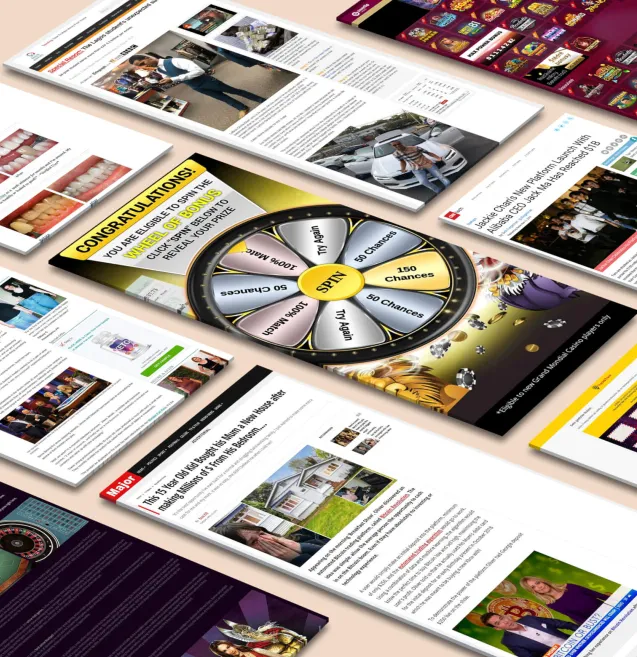
Если вы хоть немного изучали целевые страницы эффективных native- и push-кампаний — страницы, созданные для конверсии холодного трафика из размещений на Taboola или push-уведомлений, — то вы знакомы с дисциплиной, которую стратегии AEO редко признают. Эти страницы успешны не благодаря безупречной разметке schema или правильно оформленным блокам FAQ. Они успешны потому, что каждый пиксель служит архитектуре конверсии: точное сочетание соответствия сообщения, ясности предложения, сокращения барьеров, создания срочности и сигналов доверия направлено на один четкий путь к требуемому действию.
Начните с соответствия сообщения. Посетитель, пришедший по рекомендации ИИ, уже имеет четкое представление о вашем предложении и его значимости. Если заголовок вашей целевой страницы противоречит, усложняет или хоть немного переформулирует обещание, ради которого пользователь перешел по ссылке, вы вводите когнитивное трение в тот самый момент, когда доверие имеет наивысшее значение. Наиболее конверсионные лендинги в performance-маркетинге одержимы соответствием — то, что пользователь прочитал в рекламе (или в данном случае, в ответе ИИ), должно практически дословно повторяться в видимой части страницы (выше сгиба). Для посетителя, пришедшего после AEO, это означает, что ваша страница должна подтверждать и дополнять выводы ИИ, а не пересказывать их с нуля.
Далее предложите ясность. Контент AEO, как правило, стремится к полноте — охватывает все аспекты, перечисляет всех конкурентов, отвечает на каждый подвопрос. Целевая страница делает наоборот. Она сводит решение к одному конкретному обещанию и единственному пути вперед. Один CTA. Одно предложение. Один следующий шаг. Посетитель уже провел свое исследование в интерфейсе ИИ; ваша задача — не переобучать, а принять решение.
Затем идет накопление социального доказательства — многоуровневое размещение отзывов, кейсов, статистики использования и подтверждений от третьих сторон в каждом месте глубины прокрутки, где может возникнуть сомнение. Это не то же самое, что "сигналы доверия", упоминаемые вскользь в руководствах по AEO. Маркетологи, ориентированные на результат, рассматривают доказательства как структурный элемент, а не как украшение: каждый элемент доказательства отвечает на конкретное возражение, выявленное на основе осведомленности, которой уже обладает посетитель.
HubSpot рассматривает разговор о лидерстве в контексте AEO, утверждая, что наиболее важными показателями для подтверждения влияния AEO являются конверсия и выручка. Такой подход абсолютно правилен, однако он выявляет определённую напряжённость. Если ключевым показателем является выручка, полученная от трафика, привлечённого ИИ, тогда основное внимание следует уделить не очередному раунду сопоставления сущностей или уточнению схемы, а улучшению того, что происходит после клика: самой страницы, предложения и пути от интереса к принятию решения.
Никоим образом это не означает, что AEO не имеет значения. Получение упоминания — это необходимое условие. Однако упоминание — это лишь знакомство, а не завершение сделки. Если ваша оплата зависит от результатов — количества генерируемых лидов, оформленных демонстраций, совершённых покупок — то вложение времени в изучение того, что делает посадочную страницу конверсионной, почти всегда принесёт больший возврат, чем совершенствование структурированных данных. Чек-лист AEO даёт вам доступ к разговору. Архитектура конверсий делает этот разговор прибыльным.
Вот ментальная модель, которая объединяет всё: цитирование → клик → целевая страница → конверсия. Четыре звена в одной цепи, каждое зависит от предыдущего, и каждое бесполезно без следующего. Если вы будете держать эту последовательность в голове каждый раз, принимая решение о распределении ресурсов, вы будете работать эффективнее подавляющего большинства команд, которые сейчас борются за видимость в AEO, — потому что большинство из них вкладывают бюджет в первое звено, игнорируя то, которое на самом деле приносит доход.
Рассмотрим это подробнее. Цитирование — это ваш входной билет. Двигатель ИИ представляет ваш контент как источник своего ответа, и ваш бренд получает момент видимости перед пользователем с высоким намерением. Это ценно, но, как ясно указывает HubSpot, «цитирования — это ещё не вся суть победы в AEO». Это сигнал о том, что ваш контент работает внутри систем, формирующих поведение покупателей, но не гарантия того, что эти покупатели предпримут следующий шаг. Цитирование открывает дверь. Оно не закрывает сделку.
Клик возникает тогда, когда цитирование вызывает достаточное доверие — благодаря узнаваемости бренда, привлекательному названию страницы или просто высокой релевантности — и пользователь решает, что резюме ИИ недостаточно полно и ему нужна полная картина. Здесь наблюдение Semrush приобретает практическое значение: ваш контент должен работать и как самостоятельный ресурс, когда пользователи заходят на ваш сайт, и как источник для платформ ИИ. Другими словами, клик должен оправдать обещание, данное цитированием.
Целевая страница — это место, где намерение сталкивается с трением. Каждый элемент — заголовок, подтверждающие моменты, расположение призыва к действию, длина формы, скорость загрузки страницы — либо ускоряет, либо замедляет движение пользователя. А конверсия является результатом, который вся цепочка существует, чтобы создать: регистрация, покупка, запрос демо-версии, квалифицированный лид.
Теперь вот неприятная правда о том, куда большинство команд вкладывают слишком много средств. В настоящее время разговоры об AEO в основном сосредоточены на стратегии цитирования — оптимизация сущностей, структурированные данные, форматирование контента для восприятия LLM. Эта работа важна. Однако отдача от оптимизации цитирований быстро снижается. Как только вы получили цитирование и обеспечили клик, самая сложная работа по генерации спроса уже завершена. Посетитель, оказавшийся на вашей целевой странице, более образован, более целеустремлён и ближе к принятию решения, чем любой другой источник трафика. И всё же большинство команд рассматривают целевую страницу, получающую этот трафик, так же, как и все остальные страницы своего сайта. Нет сегментации. Нет адаптированных сообщений. Нет осознания того, что этот посетитель пришёл по принципиально другому пути.
Именно здесь проявляется реальный разрыв в эффективности. Команды, которые преуспевают в AEO, — это те, кто, как описано в руководстве HubSpot по исследованию ключевых слов, "перестают гнаться за ключевыми словами изолированно и начинают глубоко понимать свою аудиторию и проблемы, которые она пытается решить". Этот принцип не заканчивается на уровне контента. Он распространяется вплоть до целевой страницы. Понимание своей аудитории означает понимание как она попала на сайт, что она уже знает и какие конкретные трудности мешают ей перейти от текущего состояния к действию, которое вы от нее хотите получить.
Итак, вот практическая корректировка, которую я бы рекомендовал: на каждый час, потраченный на оптимизацию контента для упоминаний ИИ, тратить как минимум столько же времени на оптимизацию пользовательского опыта на целевой странице для посетителей, пришедших из ИИ. Создавайте специальные варианты целевых страниц. Тестируйте заголовки, отражающие контекст поиска пользователя. Удаляйте избыточную информацию, которую пользователь уже усвоил. Сокращайте формы. Выносите на первый план социальные доказательства. Измеряйте конверсию с разбивкой по источникам перехода — ИИ, органический поиск, прямые заходы — и работайте с каждым как с отдельной площадкой для оптимизации.
AEO доставляет их к вашей двери. Целевая страница заставляет их достать кошельки. Те команды, которые усвоят обе части этого уравнения, будут доминировать в следующей эре маркетинга, ориентированного на результат. Те, кто будет сосредоточен только на цитированиях, будут иметь отличные показатели видимости и посредственные показатели воронки продаж.
Получайте лучшие конверсионные лендинги каждую неделю на свою почту.
Обязательно к прочтению
Узнайте, почему традиционный опыт в сфере наружной рекламы больше не является достаточным, поскольку она становится более ориентированной на данные, измеримой и связанной с цифровыми каналами. В этом руководстве описаны навыки работы в кросс-канальной среде, измерения эффективности, искусственного интеллекта и анализа конкурентной информации, необходимые современным работодателям и соискателям в сфере наружной рекламы.
David Kim
7 минсент. 25, 2026
Инструкция
Узнайте, как измерить, приводит ли реклама со участием звезд спорта и шоу-бизнеса к эффективной стоимости за клик (CPC), стоимости за действие (CPA), росту поисковых запросов и конверсий на последующих этапах. В этом руководстве показано, как протестировать рекламные материалы со звездами против альтернатив с участием контент-создателей, а также как использовать конкурентную аналитику и измерения, чтобы превратить дорогостоящее влияние знаменитостей в измеримый актив результативности.
Elena Morales
7 минсент. 25, 2026
Коротко
Инструменты анализа рекламы и маркетинг производительности способствуют превращению каналов наружной рекламы из традиционного медийного канала в управляемую среду на основе данных и программных решений. В этом руководстве рассматривается, как конкурентная разведка может повлиять на наем сотрудников в сфере наружной рекламы, требования к персоналу, стратегию воронки продаж, измерение эффективности и процессы работы с агентным искусственным интеллектом.
Dan Smith
7 минсент. 23, 2026