

8 миниюня 11, 2026

Наши инструменты отслеживают миллионы push-объявлений из более чем 90 стран и у тысяч издателей.
НачатьУ наружной рекламы есть проблема измерения, и это не та проблема, которую можно решить с помощью более совершенных технологий, сложных API или очередного раунда венчурного финансирования. Это структурная проблема. Основная единица воздействия этого медиа — человек, перемещающийся в физическом пространстве и бегло смотрящий (или нет) на статичный или цифровой рекламный носитель — не может быть однозначно связана с последующей конверсией. Вы не можете провести прямую линию от водителя на шоссе I-405 до страницы подтверждения покупки так же, как проводите линию от клика до корзины с оплатой. Каждая попытка устранить этот разрыв, какой бы изобретательной она ни была, остаётся вероятностной заменой: обоснованным предположением, одетым в лабораторный халат.
Индустрия OOH это знает. Показательно, как наиболее красноречивые её сторонники описывают эту проблему. Основатель AdQuick назвал задачу измерения одним из настоящих интеллектуальных удовольствий этой работы, проблемой, о которой он признаётся, что «говорит на вечеринках больше, чем разумно». Сама формулировка красноречива. Когда генеральный директор компании называет вашу модель атрибуции увлекательной интеллектуальной головоломкой, на самом деле вы слышите признание, преподнесённое как энтузиазм. Атрибуция не должна быть источником интеллектуального удовольствия. Она должна быть скучной, автоматизированной и однозначной — записью в реестре, а не предметом философских споров.
И философский — это именно то самое слово. В той же статье основатель AdQuick утверждает, что вся цифровая система измерений основана на соглашениях о том, что считать доказательством, которые, как оказывается, "по своей сути несколько философские". Риторический ход здесь несомненен: если цифровые измерения также неустойчивы, то дефицит измерения в OOH на самом деле не дефицит. Это равные условия игры. Он указывает на мошенничество с кликами, ошибки атрибуции по последнему клику и view-through конверсии, которые "заставили бы покраснеть гадалку", — всё это обоснованная критика самоотчётных метрик цифровой рекламы.
Но данный аргумент работает, путем принижения цифрового, а не поднятия OOH, и этот трюк разваливается при ближайшем рассмотрении. Да, у цифровой атрибуции есть хорошо документированные недостатки. Да, модели последнего клика являются редуктивными. Но даже недостаточный детерминированный сигнал — пользователь щелкнул по этой рекламе, посетил эту страницу, ввел этот номер кредитной карты — содержит больше прямой причинно-следственной информации, чем что-либо, что может произвести щитовая реклама. Когда цифровая атрибуция плоха, она плоха так, что это можно проверить, исправить и уточнить. Когда атрибуция OOH плоха, она плоха потому, что сам носитель физически не может зафиксировать важную точку данных: видел ли этот конкретный человек эту конкретную рекламу, а затем совершил ли он это конкретное действие?
Инструменты, разработанные OOH для приблизительного ответа, впечатляют с инженерной точки зрения, но являются порицающими с концептуальной. Отслеживание посещений магазинов использует данные о местоположении мобильных устройств, чтобы сделать вывод о том, что тот, кто проходил мимо рекламного щита, позже заходил в розничную точку. Измерение корреляции веб-лифта определяет, увеличился ли трафик поисковых запросов или посещений сайта в географическом районе, где проводилась кампания. Оценка эффекта ореола пытается выделить вклад OOH в более широкую медиастратегию. Каждый из этих методов измеряет вокруг рекламного щита — до него, после него, рядом с ним, — но никогда сквозь него. Они реконструируют возможный путь от воздействия до действия, не подтверждая при этом, что воздействие действительно было зафиксировано человеческим мозгом.
Этот разрыв в течение многих лет и за миллионы долларов пытались устранить лучшие операторы в сфере наружной рекламы. AdQuick создала собственный набор инструментов измерений и инфраструктуру API специально для того, чтобы предоставить рекламодателям нечто, приближённое к уверенности в атрибуции, которую цифровые каналы предоставляют изначально. То, что вся технологическая платформа была создана как структурная корректировка, чтобы наружная реклама и её измерение стали работоспособными, не доказывает, что проблема решена. Это доказывает, что проблема присуща самой среде. Когда ваша наиболее передовая возможность измерения — это обходное решение, вы не устранили разрыв в атрибуции. Вы просто построили более изящный мост через него.
Индустрия OOH нашла риторически изящный способ представить свою главную слабость как преимущество: если цифровые методы измерений несовершенны, то более грубые измерения OOH, признаваемые как таковые, не являются недостатком — они являются формой добросовестности. В этом аргументе есть привлекательная логика, и он набирает обороты. Как написал основатель AdQuick, вся система измерений в цифровой сфере основана на наборе соглашений о том, что считается доказательством, которые при ближайшем рассмотрении «оказываются по сути философскими по своей природе». Мошенничество с кликами, завышенные показатели конверсий по просмотру, заблуждение о последнем клике — всё это реальные проблемы. В этом не сомневается никто серьёзный. Далее аргумент делает поворот: поскольку для разработки метрик OOH пришлось обходиться без удобства использования самозаносимых данных платформ, индустрия утверждает, что в итоге построила нечто более строгое, чем некоторые цифровые аналоги, измеряя эффективность «так, как сделал бы учёный».
Это убедительная история. Это также является отвлечением.
Логика работает следующим образом: цифровые измерения — это домик из карточек, поэтому измерение OOH, которое никогда не претендовало на точность на уровне кликов, выглядит более достоверным в сравнении. Но это всё равно, что утверждать, будто солнечные часы честнее сломанных механических. Возможно, и так. Но ни те ни другие не говорят вам, который час, с достаточной точностью для ведения бизнеса. То, что программная реклама в сети страдает от трафика ботов, не делает автоматически достоверным канал, который до сих пор не может с уверенностью сказать, видел ли конкретный человек конкретную рекламу и совершил ли конкретное действие. Сравнительная честность — это не то же самое, что полезная информация.
Более глубокая проблема этого аргумента заключается в его цели. Когда сторонники OOH критикуют «цифровые измерения», они в подавляющей степени нападают на программатику и социальные сети — каналы, где показы учитываются платформами, получающими прибыль за счет их завышения, и где различие между ботом и человеком действительно размыто. Но они распространяют обвинения на все цифровые каналы, будто вся экосистема функционирует на одной и той же шаткой эпистемологической основе. Это не так.
Push-уведомления, например, работают в совершенно иной среде атрибуции. Доставка определена однозначно — либо уведомление достигло устройства, либо нет. Показатели открытия измеримы, а не моделируются. Путь от клика до действия прямой и однозначный: человек нажал на уведомление, перешел на целевую страницу и либо совершил конверсию, либо нет. Здесь нет философской неопределенности относительно того, произошел ли показ, нет необходимости делать выводы о внимании на основе данных о близости или объемов трафика. Сигнал чистый.
Нативная реклама занимает столь же прочную позицию. Поскольку нативные объявления показываются в лентах контента, они формируют сигналы вовлеченности — время на странице, глубина прокрутки, конверсии на последующих этапах — связанные с отдельными сеансами пользователей. Это не вероятностные оценки, экстраполированные из данных мобильных устройств, проходящих в пределах радиуса геозоны рекламного щита. Это данные о поведении, привязанные к реальным взаимодействиям.
Утверждение индустрии наружной рекламы о том, что нейронаучные исследования якобы доказывают, что билборды вызывают значимую "активность памяти", лишь подчеркивает разрыв. Помнить о билборде — это не то же самое, что совершить по нему конверсию. Нейронная активация в лабораторных условиях лишь доказывает, что мозг человека обрабатывает визуальные стимулы, что само по себе не является откровением, требующим ссылки на нейронауку, чтобы в это поверили. Это определённо не является измерительной базой, которую маркетолог эффективности мог бы использовать для расчёта отдачи от рекламных вложений. Память — это интересное когнитивное явление. Это не ключевой показатель эффективности.
Это вовсе не означает, что наружная реклама не имеет ценности. Кампании по повышению узнаваемости бренда всегда работали с менее точными метриками, и это нормально — если все признают эту неточность, а не выдают её за превосходство в познаниях. Честная позиция заключается не в том, что измерение эффективности наружной рекламы лучше, потому что цифровые метрики flawed. Честная позиция в том, что измерение эффективности наружной рекламы ограничено теми способами, которые некоторые цифровые каналы — в частности, пуш-уведомления и нативная реклама — уже решили. Критиковать самые слабые цифровые форматы, игнорируя сильнейшие, — это не интеллектуальная строгость. Это избирательное отношение к оппоненту.
Достаточно критики. Поговорим о том, как выглядит измерение, когда оно изначально встроено в саму среду — не добавлено задним числом, не приблизительно определено через корреляции, а спроектировано в каждом взаимодействии, от первого впечатления до последней конверсии.
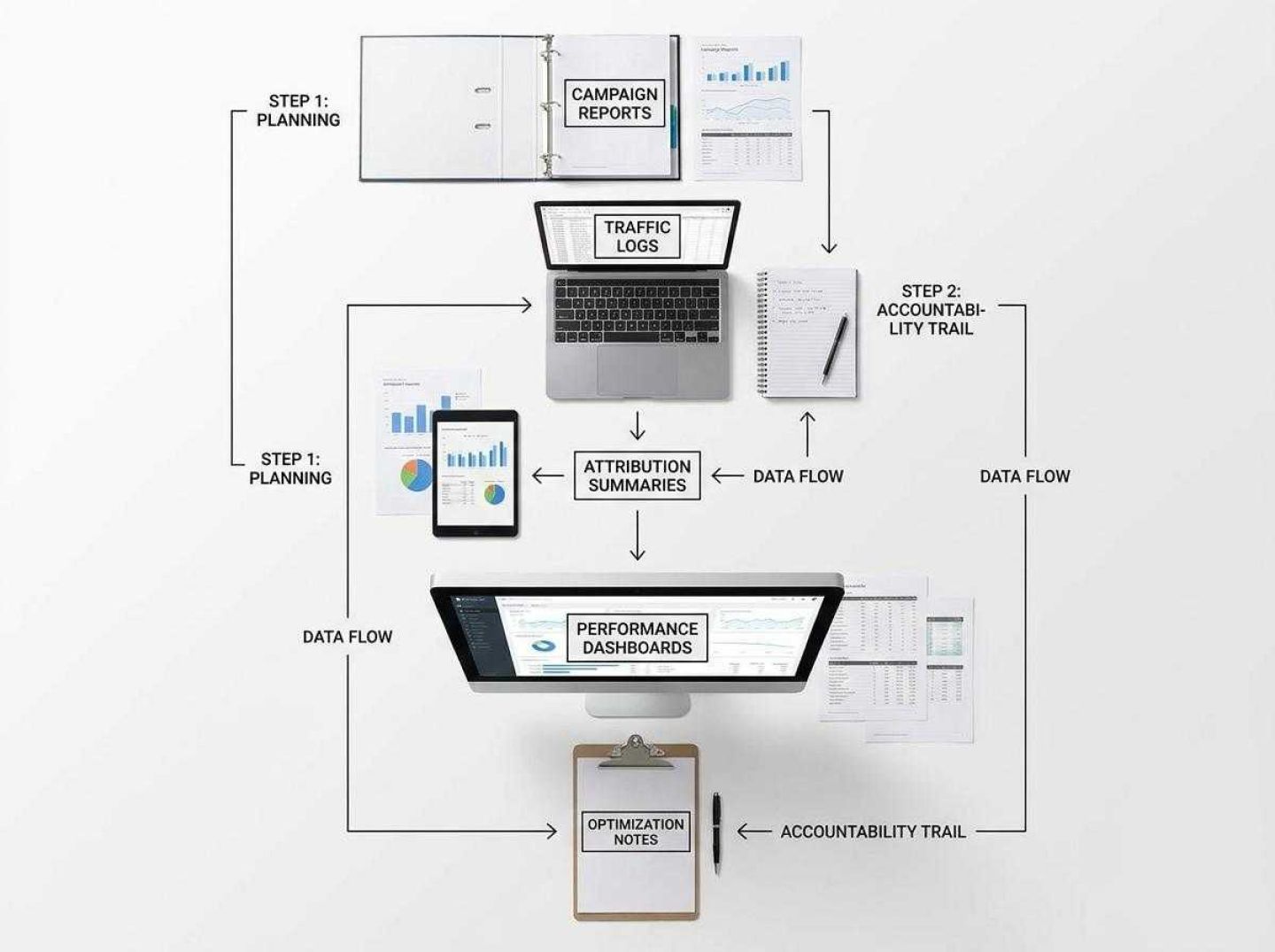
В нативной рекламе сбор данных начинается задолго до клика пользователя. Каждый показ регистрируется с указанием времени, типа устройства, географических координат, операционной системы, браузера и, в зависимости от сети, демографических данных и сегментов аудитории по интересам. Проверка показов — это не дополнительная функция, за которую нужно платить; это стандартное состояние. Когда пользователь взаимодействует с нативной рекламой, сам клик генерирует второй уровень данных: на какую версию заголовка он отреагировал, какое миниатюрное изображение было показано, на каком сайте издателя была размещена реклама и сколько именно времени пользователь провел на целевой странице после перехода. Каждый элемент креатива — заголовок, изображение, текст описания, призыв к действию — можно тестировать в реальном времени по методу A/B, достигая статистической значимости за часы, а не за недели. Атрибуция конверсий замыкает цикл с помощью пиксельного отслеживания, серверных postback-уведомлений или обоих методов одновременно, связывая первоначальный показ с покупкой, регистрацией или любым другим событием, которое определил рекламодатель. Это не передовые методы измерения. Это базовые требования.
Реклама через пуш-уведомления добавляет совершенно измерение: достоверная доставка. Пуш-уведомление не попадает на рекламный щит, мимо которого кто-то может пройти. Оно приходит на конкретное устройство, принадлежащее конкретному пользователю, который явно дал согласие на его получение. Доставка подтверждается. Открытие подтверждается. Переход подтверждается. Нет необходимости в вероятностном моделировании, чтобы определить, произошло ли "воздействие", потому что само событие воздействия является двоичным и фиксируется. В сочетании с данными об аудитории, давшей согласие, — интересами, историей подписок, географическим местоположением в момент доставки — рекламодатели, использующие пуш-уведомления, работают с уровнем достоверности атрибуции, который уличная реклама не может структурно обеспечить, независимо от объема используемой инфраструктуры.
Но вот конкурентное преимущество, о котором редко говорят в дебатах оффлайн-рекламы и цифровой рекламы: конкурентная разведка. В нативной рекламе и пуши таких инструментов шпионажа не являются узкоспециализированными секретами — они широко используются и открыто предлагаемые продукты, позволяющие любому рекламодателю видеть точно, какие креативы запускают их конкуренты, на каких источниках трафика, с какими посадочными страницами и, что особенно важно, как долго. Длительность кампании является надежным индикатором прибыльности; если конкурент в течение шести недель использует одну и ту же комбинацию заголовка и изображения в конкретной сети, то этот креатив почти наверняка прибылен. Рекламодатели могут воссоздать целые воронки продаж — от рекламного креатива до посадочной страницы и структуры предложения — и разрабатывать продуманные стратегии на основе наблюдаемых рыночных данных. В сфере наружной рекламы конкурентная разведка означает поездки по городу, звонки менеджерам по продажам или надежду, что кто-то выложит в соцсетях фото рекламного щита конкурента. Дисбаланс информации — это не просто незначительное неудобство. Это стратегическая слепота, из-за которой запуск каждой кампании обходится дороже и оказывается менее продуманным, чем мог бы быть.
Именно этот контекст делает представление индустрии наружной рекламы о прогрессе настолько показательным. Когда AdQuick рассказывает о том, как приводит наружную рекламу "в соответствие с современными каналами с продвинутой аналитикой" благодаря возможностям корреляции охвата с веб-аналитикой и измерения "эффекта ореола" на соседние цифровые кампании, само это стремление указывает на разрыв. Соответствие базовой цифровой аналитике — это не ориентир, к которому стремятся рекламодатели нативной и пуш-рекламы; они достигли этого много лет назад. Сейчас они уже на три уровня глубже, действуя в среде, где базовое ожидание заключается не в том, можете ли вы измерить свои результаты, а в том, можете ли вы измерить результаты своих конкурентов. Когда самая передовая платформа наружной рекламы на рынке празднует решение проблем, которые рекламодатели нативной сети считают уже решёнными на уровне инфраструктуры, такое сравнение не красит наружную рекламу. Оно лишь измеряет разрыв.
Есть причина, по которой специалисты по performance-маркетингу, тратящие свои дни на оптимизацию CTR и стоимости привлечения клиента, всё ещё испытывают лёгкое волнение, когда кто-то предлагает разместить рекламную кампанию на билбордах. Это нелогично. Да и стратегически это зачастую сомнительно. Это эмоционально — и понимание этих эмоций необходимо для осознания того, почему наружная реклама продолжает занимать долю бюджета, которую невозможно обосновать статистически.
Назовем это престижным предубеждением. Всплывающее уведомление невидимо для всех, кроме человека, чей телефон издаёт звук. Контекстная реклама появляется внутри чужой ленты и видна только адресату и алгоритму, который её показал. Но вот рекламный щит? Рекламный щит — это материальная сущность. Он огромен. Он присутствует. Ваша тёща может видеть его по дороге на работу. Ваш одногруппник по университету может прислать вам его фотографию. Это подтверждает, как ничто другое из показов рекламы, что ваш бренд — настоящий — что он достиг многого, что он важен, что он занимает место в этом мире, а не только во вкладке браузера.
Это эффект «взгляд CEO», и любой, кто работал в отделе маркетинга компании с основателем или руководителем, который ездит на работу через крупный городской район, прекрасно знает, как он работает. Рекламный щит на шоссе 101, оформленная автобусная остановка рядом с офисом в центре города, гигантская цифровая вывеска на Таймс-сквер — все это реклама, предназначенная не столько для внешней аудитории, сколько для внутренних заинтересованных сторон. Она вызывает ажиотаж у руководства. Появляется в презентациях для совета директоров. Заставляет директора по маркетингу выглядеть настоящим директором по маркетингу. Ни один из этих эффектов не поддается измерению. Но все они мотивируют.
Затем идет повествование о доверии, которое стало наиболее изощренной эмоциональной аргументацией в сфере наружной рекламы. Самые ярые сторонники отрасли начали позиционировать наружную рекламу не как канал для повышения эффективности, а как своего рода противоядие от цифрового цинизма. Блог AdQuick передает эту идею с удивительной ясностью, описывая аудиторию наружной рекламы как "людей с телами, в городах, делающих дела — не ботов и не синтетические копии". Это образный, почти поэтический язык. Он опирается на обоснованные опасения по поводу мошенничества в рекламе, сайтов, созданных исключительно для показа рекламы, и растущей ненадежности цифровой атрибуции. При этом это также оказывается аргументом для брендинга, упакованным в одежду эффективности.
Тот же источник подкрепляет свою позицию яркой статистикой: 98 процентов маркетологов теперь рассматривают OOH как ключевой или вспомогательный элемент своих стратегий подключенной коммерции. Это похоже на консенсус. Но присмотритесь внимательнее к тому, что на самом деле означает это число. Утверждение, что OOH является «вспомогательным элементом», многое значит в данном контексте. Никто не спорит, что OOH может играть вспомогательную роль. Вопрос в том, может ли она играть измеримую роль — и здесь эмоциональные доводы резко расходятся с фактическими.
Ничто из этого не означает, что создание бренда не имеет значения. Имеет. Заметность, запоминаемость, доверие — это реальные активы, которые со временем накапливаются и в конечном итоге снижают затраты на привлечение. Ошибка не в желании получить такие результаты. Ошибка в том, чтобы полагать, что только афиша размером сорок восемь листов может обеспечить их. Нативная реклама уже предлагает форматы креативов для создания бренда — размещение материалов в ленте, спонсируемый контент, который копирует стиль и авторитет публикаций, на которых он размещается, — с дополнительным преимуществом отслеживания каждой прокрутки, каждого взаимодействия и каждого последующего действия. Уведомления же доходят до устройств, которые находятся у проверенных людей, добровольно подписавшихся на них, и, по любому разумному определению, это живые люди, совершающие реальные действия.
ООH действительно романтичен. Но романтика — это не медийная стратегия. И когда сияние рекламной бигборды затухает, маркетологам эффективности всё ещё необходимо открывать свои панели и объяснять, что произошло. Каналы, которые позволяют им это сделать, не те, о которых они хвастаются на обедах. Это те, что действительно работают.
Получайте лучшие конверсионные лендинги каждую неделю на свою почту.
Обязательно к прочтению
Узнайте, как поисковые системы на основе ИИ и агентная модель покупок меняют трафик, видимость рекламы и воронку performance-маркетинга. Научитесь использовать конкурентную рекламную аналитику и данные об ИИ-поиске, чтобы выявлять новые приоритеты покупателей, усиливать сообщения кампаний, создавать более эффективные посадочные страницы и находить возможности за пределами традиционных кликов.
Samantha Reed
7 минокт. 24, 2026
Обязательно к прочтению
Узнайте, как усталость от рекламы, созданной ИИ, делает нативные, пуш-кампании и кампании TikTok все более похожими, ослабляя вовлеченность и сокращая конкурентные преимущества. Научитесь использовать инструменты анализа конкурентной рекламы для выявления повторяющихся творческих шаблонов, разработки более оригинальной рекламы и выделения среди аукционов рекламы с использованием ИИ.
Liam O’Connor
7 минокт. 14, 2026
Инструкция
Узнайте, как связать рекламу вне дома (OOH) с цифровыми рекламными кампаниями для создания измеримых многоканальных воронок. Откройте для себя, как планировать маршруты светодиодных грузовиков, синхронизировать рекламу в поиске и социальных сетях, оптимизировать мобильные посадочные страницы и отслеживать конверсии, чтобы оффлайн-реклама приносила измеримые бизнес-результаты.
Samantha Reed
7 минокт. 13, 2026









)