9 минавгуста 23, 2026

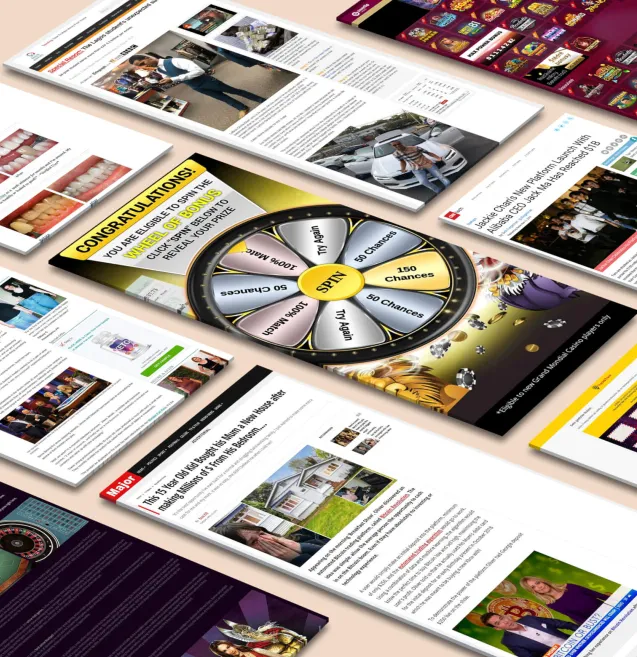
Наши инструменты отслеживают миллионы push-объявлений из более чем 90 стран и у тысяч издателей.
НачатьЦифры впечатляют. Ожидается, что в этом году американские компании вложат 57 миллиардов долларов в рекламу на основе искусственного интеллекта, что составляет около 12% от общих расходов на рекламу, и каждая крупная платформа соревнуется, чтобы запустить генеративные инструменты, обещающие автоматизировать масштабное производство креативов. Meta всё настойчивее подталкивает рекламодателей к использованию созданных ИИ изображений и текстов. Бренды, которые раньше долго выбирали одно главное изображение, теперь запускают сотни вариантов в непрерывных циклах оптимизации, пытаясь попасть в алгоритмически идеальную точку, где быстрота соединяется с эффективностью.
Звучит как революция. А выглядит скорее как лавина посредственности.
Разрыв между инвестицией и реализацией огромен. Согласно последнему опросу CMO от Gartner, 70% руководителей маркетинга признают, что их процессы недостаточно зрелы для эффективного внедрения и масштабирования ИИ, а 38% называют отсутствие внутренних компетенций в области ИИ главным препятствием. Другими словами, индустрия выписывает чеки, которые не в состоянии оплатить по уровню операционной зрелости. Миллиарды вкладываются в инструменты, которые большинство команд не готовы использовать со стратегической сложностью.
Потребители это заметили. Почти половина американских потребителей считает, что генеративный ИИ ухудшил качество контента, а среди поколения Z и миллениалов этот показатель достигает 57% — именно тех демографических групп, на привлечение которых бренды тратят больше всего. Как отметила вице-президент-аналитик Gartner Кейт Мюль, контент, созданный с помощью ИИ, увеличивает объём медиаконтента, с которым сталкиваются потребители, "но не обязательно его ценность". Объём без интеллекта — это просто дорогой шум.
Свидетельства этого шума трудно не заметить. Как сообщал AdExchanger, недавно Meta запустила рекламу, созданную с помощью ИИ, в которой был изображён велосипед с двумя рулями для бренда товаров для активного отдыха REI, а также поместила мужчину в центр рекламной кампании женской сетевой группы. Когда представителя Meta спросили об этих ошибках, он сослался на условия предоставления услуг компании, по сути, заявив рекламодателям, что контроль за результатами ИИ — их проблема, а не проблема Meta. Бренды вынуждены заниматься устранением последствий с растерянными клиентами, а платформа лишь пожимает плечами.
Это неизбежный результат сосредоточенности на стороне предложения. Вся отрасль зациклена на одном вопросе: как генерировать больше креативов быстрее?, в то время как почти никто не задаётся действительно важным вопросом: как выглядит выигрышное объявление в вашей нише, на вашем источнике трафика, прямо сейчас?
Различие имеет решающее значение. Скорость и объем — это бессмысленные преимущества, если вы масштабируете неправильное сообщение, неверный хук, неправильную визуальную концепцию. Бренд, выпускающий 500 вариаций с помощью ИИ на основе изначально flawed концепции, на самом деле не инновирует. Он автоматизирует провал. И когда даже опытные специалисты предупреждают о передаче ИИ исследований и разработки идей на высоком уровне — поскольку такие инструменты возвращают шаблонные сегменты и не обладают уверенностью, возникающей от наблюдения за настоящим спросом собственными глазами — сообщение должно быть ясным: этап создания креативов идёт после гораздо более важного шага.
Прежде чем позволить какому-либо инструменту ИИ прикоснуться к вашей рекламной учетной записи, вам нужно получить конкурентную разведку. Вы должны знать, что действительно конвертируется в вашей нише, какие паттерны объединяют лучших игроков, какие хуки привлекают внимание реальных людей на реальных платформах. Гонка за креативами, сгенерированными ИИ, полностью пропустила этот этап, и результат — рынок, переполненный блестящей, бездушной рекламой, мимо которой пользователи просто пролистывают, а то и вовсе насмехаются, в то время как бренды сжигают бюджет, задаваясь вопросом, почему их кампании на базе ИИ ощущаются как крик в пустоту.
Вот неловкая правда, которую большинство энтузиастов ИИ умалчивают: проблема не в инструментах. Проблема в входных данных. Каждая крупная генеративная платформа — ChatGPT, Midjourney, собственный пакет инструментов Meta — использует примерно одни и те же обучающие данные и реагирует на примерно одинаковые запросы примерно одинаковыми результатами. Когда тысячи рекламодателей из одной и той же ниши загружают одни и те же технические характеристики продуктов, одни и те же рекомендации по брендингу и одни и те же шаблоны, предоставленные платформой, в одни и те же модели, создаваемый в результате контент сходится к единому эстетическому среднему значению. Это не совсем плохо. Просто невозможно отличить от всего остального в ленте.
Фрейзер Коттрелл, генеральный директор рекламного креативного агентства прямых продаж потребителям, чья методология легла в основу анализа рабочего процесса создания рекламы с ИИ на сайте Social Media Examiner, прямо заявляет основной принцип: «ИИ настолько хорош, насколько хорош контекст и инструкции, которые вы ему даёте». Его трёхэтапная система намеренно переносит в начало работу, которую большинство рекламодателей пропускают, — создание базы знаний о бренде, наполненной языком клиентов, конкурентной позиционированием и реальными примерами эффективных креативов до создания любого изображения или заголовка. Последовательность имеет значение. Без этого контекстного слоя вы по сути даёте талантливому, но страдающему амнезией дизайнеру пустое техническое задание и надеетесь на гениальность.
Однако большинство команд вообще никогда не создают такую базу знаний, а те, кто создают, обычно формируют её исключительно на основе внутренних данных — презентаций о бренде, руководств по стилю, материалов прошлых кампаний. Это создаёт замкнутый цикл. Вы обучаете ИИ на своих собственных догадках о том, что работает, и перерабатываете вчерашние креативные инстинкты с помощью сегодняшних технологий, называя результат «инновацией». В итоге возникает своего рода алгоритмическая эхо-камера, где каждая новая реклама — это незначительная вариация предыдущей, оформленная немного другим текстом. Кажется, что работа продуктивна, потому что объём высок. Но результаты посредственные, поскольку исходные данные никогда не менялись.
Тем временем потребители это замечают. Исследование Gartner, освещенное на MarTech, показало, что 49% потребителей в США считают, что генеративный ИИ ухудшил качество контента, а среди поколений Z и миллениалов этот показатель возрастает до 57%. Как отметила вице-президент-аналитик Gartner Кейт Мюль, контент, созданный с помощью ИИ, увеличивает объем информации, с которой сталкиваются потребители, "но не обязательно добавляет ценность". Эта настороженность — не абстрактный бренд-риск. Это реальное измеримое препятствие. Когда более половины самых молодых и технологически подкованных аудиторий считают, что контент, созданный ИИ, ухудшает их опыт, каждая шаблонная реклама подтверждает это предубеждение и подтачивает доверие.
Усложняется это тем, что недоверие на самом деле связано не с самим ИИ. Потребители отвергают не технологию, а лень, которую они чувствуют в ее результатах. Как сообщал MarTech, команды используют эти мощные инструменты "не понимая их ограничений и ответственного подхода к их применению", в результате чего создается поверхностная и непоследовательная работа, жертвующая долгосрочным имиджем бренда ради краткосрочного ускорения производства. Редакционный узкий участок не исчез — он просто переместился на более ранний этап, от создания контента к креативному мышлению.
Именно здесь на помощь приходит конкурентная разведка. Лучшие запросы не спасут вас, если все конкуренты тоже пишут лучшие запросы. Отличительной чертой является не проектирование запросов, а подача в вашу ИИ-систему данных, которых нет у других: реальных показателей эффективности с рынка, фактических творческих подходов, которые масштабируют ваши конкуренты, и языка, который находит отклик у аудитории, которую вы можете подтвердить, а не предполагать. Без этого внешнего слоя конкурентных данных вы просто проводите тот же самый эксперимент, что и все остальные, и задаетесь вопросом, почему результаты выглядят одинаково.
Самые светлые умы индустрии продолжают кружить вокруг одной и той же идеи, так и не приземляясь на ней. Собственный анализ MarTech в области рекламы, изначально основанной на ИИ, признает, что стратегия креатива должна смещаться на более ранние этапы, а скорость становится конкурентным преимуществом, когда бренды могут «быстро тестировать и адаптировать сотни вариантов» в ответ на «действия конкурентов». Но в статье так и не дается ответ на очевидный последующий вопрос: как вообще увидеть эти действия конкурентов с самого начала? Вы не можете реагировать на то, что не можете наблюдать. И уж точно не сможете предоставить ИИ постановку задачи, основанную на конкурентной реальности, если до сих пор не потрудились изучить, как эта конкурентная реальность выглядит.
Вот и разрыв — и он огромен. Подход, основанный на разведданных, полностью меняет господствующую логику. Вместо создания креативов в вакууме с надеждой, что алгоритм выявит победителей за счёт количественных итераций, вы проводите обратную инженерию уже успешных решений на действующих рекламных сетях и используете этот массив данных как основу для всего, что создаёт ИИ в дальнейшем. Вы не просите языковую модель угадывать, что может сработать. Вы просите её опираться на проверенные сигналы.
На практике сбор конкурентной разведки означает систематическое изучение активных кампаний в нативных, пуш- и поп-рекламных сетях — экосистемах, где большинство маркетологов, ориентированных на эффективность, реально тратят деньги, выходя за пределы закрытых платформ Meta и Google. Вы фиксируете успешные подходы: на какие боли делают акцент конкуренты, какие эмоциональные триггеры используются в объявлениях, которые работают неделями или месяцами (надёжный индикатор прибыльности), и какие визуальные паттерны — определённые цветовые решения, композиции изображений, стили миниатюр — регулярно встречаются в наиболее эффективных креативах. Вы анализируете структуру посадочных страниц: иерархию заголовков, размещение социальных доказательств, подачу предложения, формулировки призыва к действию. Вы отслеживаете срок жизни креатива, потому что объявление, которое в эфире уже шестьдесят дней, говорит вам нечто иное по сравнению с тем, что исчезло через три дня.
Такая структурированная разведка формирует нечто вроде проприетарной базы сигналов — набор данных о творческих решениях, подтверждённых рынком, которой ни одна генеративная модель самостоятельно не обладает. Подробный анализ AI-контента для рекламы от Social Media Examiner подчёркивает важность этого, и эксперт по рекламному контенту Фрэйзер Коттрелл делает акцент на том, что AI настолько хорош, насколько хорош контекст и инструкции, которые вы ему предоставляете, а первоочередным шагом перед любой генерацией должно быть обучение модели тому, "как выглядит отличная реклама". В статье рекомендуется создать базу знаний бренда. Это хороший старт. Но база знаний бренда без рыночной базы знаний — это просто разговор с самим собой перед зеркалом.
Это различие ещё более важно вне крупных закрытых экосистем. Meta и Google предлагают встроенную инфраструктуру оптимизации — алгоритмическую доставку, автоматическое A/B тестирование, API конверсий, — которая может частично компенсировать слабые творческие заделы. Нативные сети, пуш- и поп-сети — нет. Эти платформы поощряют медийных покупателей, которые приходят с более чёткими творческими гипотезами, поскольку здесь отсутствует алгоритмическая подстраховка, которая спасала бы посредственную работу. Конкурентная разведка становится вашим главным преимуществом, а не просто приятным дополнением.
Когда вы потратили время на каталогизацию рекламных заголовков, которые привлекают клики на нативных платформах, последовательностей прелендеров, конвертирующих трафик по пуши, и формулировок офферов, устойчивых к объемам на поп-сетях, вы подходите к генерации ИИ с чем-то неизмеримо более ценным, чем техническое описание продукта. Вы приходите с картой того, что рынок уже поощряет, и четким руководством для своих генеративных инструментов по итерации паттернов, которые прошли единственный важный тест: реальные расходы, реальные пользователи, реальные конверсии.
Одно объявление конкурента ничего вам не говорит. Папка скриншотов с прошлого вторника говорит почти ничего. Но структурированная база данных сотен активных кампаний по вашей нише — с категориями, отметками времени и аннотациями — превращается в настоящий источник выявления закономерностей, который преобразует расплывчатые творческие инстинкты в обоснованную стратегию. Принцип аналогичен тому, что происходит в прогнозировании оценки лидов: как объясняет MarTech, настоящая сила ИИ проявляется, когда вы перестаёте воспринимать каждый клик одинаково и начинаете воспринимать каждый сигнал как точку данных в сложном пути. Та же логика применима к конкурентной разведке. Каждое рекламное объявление, которое вы каталогизируете, — это сигнал. Вопрос в том, достаточно ли структурированно вы собираете эти сигналы, чтобы они были полезны.
Вот структура. Ваша база сигналов конкурентов должна быть организована по шести ключевым измерениям, каждое из которых будет влиять на отдельный слой творческого брифа, который вы в конечном итоге предоставите своим инструментам ИИ.
Формат и тип сети. То, что работает в нативной выдаче, совершенно не похоже на то, что работает в push-уведомлениях, размещениях в ленте Meta или видеороликах перед воспроизведением на YouTube. Фиксируйте платформу и место размещения для каждой рекламы, которую вы собираете, поскольку особенности формата — это одни из самых надежных показателей соответствия каналу. Заголовок, выполненный жирным шрифтом и пробуждающий любопытство, может хорошо работать в нативной сети, но провалиться в Instagram Stories, где выигрывают визуальные крючки.
Креативные элементы. Разбейте каждую рекламу на составляющие: структуру заголовка, стиль изображения, формулировку призыва к действию и эмоциональную составляющую крючка. Категоризируйте по типу воздействия — страх, стремление, любопытство, социальное доказательство, срочность. Со временем вы поймете, какие эмоциональные воздействия работают в вашей нише, а какие были настолько перегружены, что утратили свою эффективность. Именно этот этап построения контекста подчеркивает Фрэйзер Коттрелл, утверждая, что искусственный интеллект работает настолько хорошо, насколько хорош контекст и инструкции, которые вы ему даете, и это утверждение в равной степени применимо к анализу конкурентов.
Архитектура посадочной страницы. Документируйте её отдельно от рекламного креатива. Архитектура конверсии — использует ли конкурент рекламные статьи, воронки-опросы, видео-продажи или упрощённые прямые страницы — так же важна, как и цепляющий элемент, привлекающий клик. Красивая реклама, ведущая на несоответствующую посадочную страницу, каждый раз проваливается, а данные шпионских инструментов позволяют увидеть, какие пары действительно работают.
Позиционирование предложения. Фиксируйте реальное предложение: структуру цен, формулировки гарантий, бонусы, пробные периоды. Предложения со временем меняются, а отслеживание этих изменений показывает, когда конкуренты тестируют новые цены или меняют своё ценовое предложение.
Сигналы географической и демографической таргетировки. Многие шпионские инструменты показывают данные о геотаргетинге и оценочной демографии аудитории. Фиксируйте и эти данные. Они показывают, на каких территориях конкуренты тратят больше всего и на каких аудиториях они подтвердили эффективность длительных расходов.
Долговечность рекламы. Это ваш лучший показатель эффективности. Реклама, которая непрерывно работает 30 дней и более, почти наверняка прибыльна — ни один рациональный покупатель трафика не будет месяц тратить бюджет на убыточную кампанию. Отмечайте долгозапущенные креативы и уделяйте им больше внимания при анализе. Это подтверждённые победители, а не эксперименты.
Ценность создания такой базы заключается не только в организационной аккуратности. Дело в том, что ИИ, как отмечается в анализе MarTech по прогнозной оценке, замечает связи, которые ускользают от человека. Когда вы подаёте хорошо структурированную базу данных о конкурентах в свой генеративный процесс, вы даёте модели нечто гораздо более ценное, чем технические характеристики продукта. Вы предоставляете ей карту того, что уже подтверждено рынком, и чёткий набор ограничений, которые не дают ей уйти в сторону шаблонных, непроверенных решений.
Система Фрейзера Коттрелла по созданию рекламных материалов с помощью ИИ правильно выстраивает последовательность: создайте базу знаний о бренде до того, как приступить к генерации. Как описывает Social Media Examiner, первый шаг — обучить генеративный ИИ тому, кто ваши клиенты, что символизирует ваш бренд и как должен выглядеть отличный рекламный материал. Эта база крайне важна. Но она также не полна. База знаний, созданная исключительно на основе внутренних данных бренда — руководства по стилю, тона общения, технических характеристик продукции — позволяет ИИ чётко понимать, кто вы, но при этом полностью ослепляет его в отношении рынка, на котором вы действуете.
Ваша база конкурентных сигналов заполняет этот пробел. Когда вы вводите структурированные шпионские данные в подсказки ИИ вместе с информацией о бренде, вы создаёте трёхуровневую архитектуру знаний, которая обеспечивает значительно более чёткий результат. Первый уровень — ваши внутренние данные о бренде: голос, визуальная идентичность, позиционирование продукта и язык общения с клиентами, которым правильно уделяет приоритетное внимание Коттрелл. Второй уровень — рыночная разведка: зацепки, форматы, предложения, эмоциональные акценты и шаблоны преодоления возражений, которые вы собрали от конкурентов. Третий уровень — выводимые из эффективности ограничения: структурные правила, выведенные вами из наблюдений за тем, какие рекламные объявления конкурентов существуют достаточно долго, чтобы показать, что они действительно работают.
Вот как это работает на практике. Вместо подсказки инструменту ИИ «Напиши пять заголовков для рекламы в Facebook для нашей беговой обуви» вы даёте контекст: «Самые долгосуществующие рекламные объявления наших конкурентов делают акцент на предотвращении травм, а не на утверждениях о производительности. Доминирующей структурой зацепки в нашей сфере является сочетание провокационного вопроса с конкретным числом. Объявления с изображением образа жизни показывают лучшие результаты по сравнению с изображением товара на белом фоне с точки зрения продолжительности пробега. Напиши пять заголовков, используя угол предотвращения травм, начни с зацепки в виде нумерованного вопроса и соответствуй голосу нашего бренда, определённому ниже». Это принципиально иной ввод — и он даёт принципиально иной результат.
Причина, по которой это важно, выходит за рамки творческого качества. Без конкурентных ограничений, заложенных в запрос, инструменты ИИ по умолчанию создают наиболее статистически средний вариант того, что вы запрашиваете. Именно так вы вносите вклад в то, что AdExchanger назвал растущей "проблемой белиберды" Meta — это творческие материалы, созданные ИИ, которые выглядят безлико отполированными, но не вызывают отклика, потому что они не были сформированы на основе реального понимания рынка. Когда собственные инструменты ИИ от Meta создают рекламу с велосипедами, имеющими две рулевые рейки, или мужчин в рекламных кампаниях для женских сетей, основная проблема — не просто техническая ошибка. Это отсутствие контекстного интеллекта. Ваша база данных о конкурентах — это антидот от такой же контекстной пустоты в вашем собственном рабочем процессе с использованием ИИ.
Особое внимание следует уделить слою ограничений. Большинство маркетологов думают о создании запросов для ИИ как о добавлении информации — чем больше информации вы даёте модели, тем лучше она работает. Однако собранные вами данные-шпионы наиболее эффективны при использовании для ограничения результата. Укажите ИИ, чего нельзя делать, на основе того, что, как вы видели, не сработало на рынке. Уточните, какие подходы уже перенасыщены. Отметьте визуальные клише, которые уже использовали все конкуренты. Эти негативные ограничения не дают ИИ повторять одни и те же шаблоны, мимо которых ваша аудитория уже научилась пролистывать.
Этот подход соответствует более широкому сдвигу, который MarTech выявляет в рекламе, изначально созданной с помощью ИИ: креативная стратегия должна продвигаться на более ранние этапы, а победителями станут те бренды, которые будут использовать непрерывные циклы оптимизации креативов, основанные на реальных сигналах вовлеченности. Ваша база конкурентных сигналов, по сути, является заменителем таких сигналов вовлеченности — она основана не только на данных вашей собственной кампании, но и на наблюдаемом поведении всего рынка. Когда вы подаете эти данные на ранних этапах в генерацию ИИ, вы перестаете создавать креативы в вакууме и начинаете производить креативы, которые уже адаптированы к конкурентной среде, в которой им предстоит существовать.
Получайте лучшие конверсионные лендинги каждую неделю на свою почту.
Гайд
Узнайте, почему команды OOH по-прежнему испытывают трудности с установлением связи между воздействием наружной рекламы и измеримыми цифровыми результатами. В этом руководстве объясняется, как рекрутеры могут создавать команды OOH, готовые к атрибуции, используя шпионские инструменты, системы отслеживания, контролируемые тесты и измерение эффективности на всех каналах.
Liam O’Connor
7 минокт. 6, 2026
Подробный разбор
Изучите повторяющиеся темы и аргументы, заложенные в объявлениях о работе в OOH Today, от преобладающей в отрасли ориентации на продажи до зависимости от традиционных структур найма. В статье рассматривается напряженность между все более цифровыми и интерактивными медиа в сфере OOH и недостаточным акцентом на стратегии, данных, аналитике и навыках, ориентированных на будущее, на рынке труда отрасли.
Samantha Reed
7 минокт. 5, 2026
Гайд
Узнайте, как специалисты в области наружной рекламы могут перейти от традиционных ролей в сфере билбордов, продаж, операций и креатива к карьере в области аналитики рекламы, основанной на данных. В этом руководстве существующие навыки наружной рекламы сопоставляются с компетенциями в анализе, планировании, активации и сетевых платформах, демонстрируя, как знание городской среды может стать конкурентным преимуществом в современной эффективной рекламе.
Marcus Chen
7 минокт. 2, 2026