10 минавгуста 26, 2026

Наши инструменты отслеживают миллионы рекламных кампаний в форматах native, push, pop и TikTok.
НачатьКаждое июня рекламный мир спускается на Лазурный берег Франции, чтобы почтить свои лучшие творческие работы. Поднимаются золотые львы. На экранах с видом на Средиземное море бесконечно проходят ролики потрясающих рекламных роликов. И в течение одной ослепительной недели индустрия сама себе рассказывает утешительную историю: великая реклама жива и здравствует. Ирония в том, что это празднование творческого мастерства разворачивается на фоне глубокой неопределенности относительно того, действительно ли какая-либо из этих отмечаемых работ приносит реальные результаты.
Разрыв не является секретом. Недавние исследования Forrester и принадлежащей WPP фирмы по измерениям Gain Theory показывают, что бренд-маркетологи по-прежнему не уверены, как лучше всего измерять эффективность креативов, даже когда метрики для измерения возврата инвестиций в медиа — показы, стоимость за клик, охват и частота — хорошо установлены и широко применяются. Другими словами, отрасль создала сложные механизмы для оценки где показывается реклама, но по-прежнему испытывает нехватку надёжных инструментов для оценки того, насколько хорош сам рекламный материал. Маркетинговые директора могут точно сказать, насколько эффективно была проведена закупка медиа. Попросите их количественно оценить вклад креатива, и разговор станет неопределённым.
Это не из-за отсутствия осознанности. Отрасль ясно понимает, что доказательство возврата инвестиций крайне важно. Например, в секторе стримингового ТВ 69% продавцов называют атрибуцию и инкрементальность наиболее важными возможностями ИИ, которые помогут им конкурировать с платформами социальных сетей. Желание продемонстрировать чёткие результаты эффективности почти повсеместно среди медиа-специалистов. Однако та же строгость редко применяется к креативной стратегии, которая продолжает опираться на изменчивую смесь интуиции, подтверждения коллегами и престижа рекламных премий.
Масштабы проблемы становятся яснее, если посмотреть, как сами рекламодатели описывают её. Исследование 2026 года от Всемирной федерации рекламодателей и Cannes Lions показало, что лишь каждый третий маркетолог из числа международных компаний считает, что их команды последовательно работают над достижением творческого превосходства. Более половины признали, что, хотя они формально ценят творческое превосходство, приоритеты по-прежнему не согласованы между командами. К числу препятствий отнесли краткосрочность ориентиров (68% опрошенных), стремление избегать рисков (45%) и недостаточные инвестиции в творческое развитие (37%). Некоторые бренды признали, что до сих пор разрабатывают базовое определение творческого превосходства, не говоря уже о способах его измерения.
Этот вакуум в измерениях имеет реальные стратегические последствия. Если эффективность творчества невозможно количественно оценить, её нельзя отстоять в обсуждениях бюджета. А когда бюджеты сокращаются — как сейчас сообщают 90% маркетологов — расходы смещаются в пользу того, что может быстрее доказать свою эффективность. Обычно это означает увеличение расходов на таргетирование аудитории, программатик-инструменты и нативные оптимизации платформ, в то время как само творчество рассматривается как фиксированная стоимость, которую нужно сокращать, а не как инвестиция, которую следует оптимизировать.
Таким образом, парадокс Канны сохраняется: наиболее престижная площадка индустрии прославляет искусство рекламы в мире, который все больше финансирует только науку. Трофеи сверкают, шампанское льется, а за кулисами маркетинговые директора тихо задаются вопросом, приносит ли работа, которую они только что одобрили, им вообще прибыль. Именно это напряжение — между творческими устремлениями и коммерческими доказательствами — и является скрытым разрывом между «великими рекламами» и «прибыльными рекламами».
Существует сигнал, скрытый на виду, который большинство маркетологов упускают: простой и упрямый факт продолжительных расходов конкурента. Речь идет не о разовой рекламной кампании и не о сезонном всплеске, приуроченном к запуску продукта, а о постоянных, ежемесячных вложениях в определённый креатив, канал или размещение. Эта тенденция непрерывных расходов является более надёжным индикатором рентабельности, чем вердикт любой премиальной жюри, отраслевой справочный отчёт или аккуратно оформленное кейс-исследование, представленное на конференции. Логика поразительно проста — ни один рациональный бизнес не будет продолжать вкладывать деньги в то, что не приносит результатов. Бюджеты ограничены, финансовые директора задают вопросы, а советы директоров требуют отчётности. Когда рекламодатель продолжает выписывать чеки, рынок говорит вам кое-что такое, о чём кейс-исследования никогда не скажут.
Рассмотрим сферу страхования — одну из самых ожесточённо конкурентных областей рекламы. Компания Progressive не просто тратит на рекламу больше своих конкурентов — она привлекает внимание намного эффективнее. Как сообщал AdExchanger, Progressive достигла значительно более низких CPM, чем конкуренты, несмотря на то, что была крупнейшим рекламодателем в своей категории. Это контринтуитивный результат, над которым стоит задуматься. Распространённое мнение гласит, что масштаб ведёт к росту затрат: чем больше показов, тем глубже приходится проникать в дорогостоящие рекламные источники, тем чаще приходится конкурировать самому с собой, исчерпывая высокодоходные аудитории. Однако Progressive удалось изменить эту динамику. Компания не просто покупала больше внимания — она покупала внимание дешевле, в масштабах и на постоянной основе. Такая стабильная эффективность — не удача. Это показатель предпочтений, наблюдаемое доказательство того, что их стратегия креативов и размещений работает настолько хорошо, что оправдывает продолжение и наращивание инвестиций при выгодной экономике на единицу товара.
Большинство маркетологов следят за бюджетом. Гораздо меньше следят за эффективностью. Именно этот скрытый разрыв выявляет конкурентная разведка. Два бренда могут потратить по десять миллионов долларов за квартал, но если один из них получает показы по стоимости за тысячу вдвое ниже, то он фактически покупает вдвое больше возможностей для конверсии. Статьи расходов по бюджету выглядят одинаково; основы экономики при этом совершенно разные. Когда вы видите, что конкурент сохраняет такое преимущество в эффективности на протяжении длительного времени — не в рамках одной рекламной кампании, а в течение нескольких кварталов — вы наблюдаете нечто более ценное, чем любые усреднённые показатели. Вы видите сигнал о том, что реально вознаграждается на рынке.
Вот здесь сравнительный анализ с отраслевыми показателями становится одновременно полезным и ограниченным. Как отмечает блог Brax, сравнение вашей эффективности со средними показателями по отрасли — это "шаг к принятию обоснованных решений, основанных на данных", но эти средние значения всего лишь средние показатели, сформированные бесчисленными переменными, включая тип продукта, аудиторию и географию. Они показывают только, находитесь ли вы в пределах нормы. Они не показывают, нашел ли ваш ближайший конкурент золотую жилу, которую вы еще даже не начали разрабатывать. Brax прямо признает это различие: сравнение с общими отраслевыми показателями необходимо, "поскольку крайне маловероятно, что вы сможете получить данные конкурента", но если вы можете их получить, то "и это еще лучше". Это откровенное признание указывает на настоящий рубеж: отраслевые стандарты лишь ориентируют вас, а данные о конкретных конкурентах — направляют.
Именно разница между этими двумя уровнями понимания определяет принятие наиболее важных решений. Маркетолог, располагающий лишь средними показателями категории, может посмотреть на свои CPM и признать их «достаточно хорошими». Маркетолог, вооружённый конкурентной информацией, может обнаружить, что конкурент достигает такого же охвата за долю стоимости — и делает это уже достаточно долго, чтобы такую тенденцию нельзя было списать на случайность. Как утверждал MarTech, расходы на рекламу никогда не следует путать с эффективностью, а рекламодатели, стремящиеся к масштабированию без эффективности, «часто сгорают и теряют поддержку заинтересованных сторон». По-настоящему прибыльные рекламодатели — это не те, кто тратит больше всех. Это те, чьи расходы сохраняются — незаметно, эффективно и прибыльно — задолго после того, как эффект от громких запусков уже исчез.
Так где же находятся сигналы, которые отличают прибыльную рекламу от просто популярной? Не в резюме отраслевой прессы. Не в списках номинантов на награды. Даже не в стенограммах квартальных отчетов о прибылях, которые аналитики изучают в поисках подсказок о медиа-стратегии. Самая полезная информация существует непосредственно в торгах — в поведении конкурентов в режиме реального времени, когда они делают ставки, распределяют, масштабируют и отступают на различных платформах.
Рассмотрим типы сигналов, которые показывают, работает ли на самом деле реклама конкурента. Устойчивое снижение CPM у бренда с большими расходами говорит о том, что он нашел удачную аудиторию или место размещения, которое рынок еще не освоил. Внезапное изменение распределения бюджета — от размещения в лентах к историям, от широкой национальной таргетированности к сосредоточенным географическим кластерам — расскажет вам о том, что выявили их данные. Длительность показа креатива, пожалуй, является самым недооцененным сигналом: некрасивая, неполированная реклама, которая показывается шесть месяцев подряд, почти наверняка прибыльна, потому что ни один здравомыслящий закупщик не будет продолжать финансирование неудачного объявления. В то же время потрясающий, достойный наград ролик, исчезающий спустя две недели, говорит вам всё, что нужно знать о его эффективности, даже если никто не скажет об этом вслух.
Как подробно описал AdExchanger в анализе рекламы в категории страхования, наиболее ценные сигналы в современной рекламе «скрыты в решениях по распределению медиа, тенденциях эффективности, стратегиях размещения и переходах между каналами. Они редко появляются на звонках по итогам кварталов, в пресс-релизах или в традиционной отчетности. Они впервые появляются на аукционах». В статье анализировалась рекламная активность Meta компаний Progressive, GEICO, Allstate, Liberty Mutual и Nationwide, и было выявлено, что Progressive не просто тратит больше конкурентов — она привлекает внимание по значительно более низкой CPM, несмотря на то, что является крупнейшим рекламодателем в категории. Такое сочетание масштаба и эффективности настолько редко, что оно представляет собой настоящее стратегическое преимущество, однако оно совершенно незаметно для всех, кто наблюдает за отраслью через традиционные каналы.
В этом заключается основная проблема сбора конкурентной разведки большинством маркетологов. Традиционные инструменты сосредоточены на базах креативов, оценочных данных о расходах и архивах кампаний — информации, которая, как отметил AdExchanger, полезна, но не всегда применима. К тому времени, когда стратегический сдвиг конкурента отразится в отраслевом издании или годовом отчете, рынок уже изменился. Окно для ответных действий сузилось или полностью закрылось.
Даже отраслевое сравнительное тестирование, полезное для установления базовых показателей, имеет свои ограничения. Brax наблюдал, что публикуемые отчеты с такими показателями, как CTR, CPC и коэффициенты конверсии, отражают средние значения, а не абсолютные цифры, и такие факторы, как целевая аудитория, специфика продукта и география могут значительно изменить показатели эффективности. Сравнение себя со средними отраслевыми значениями — разумная отправная точка, но это не раскроет детализированного, в режиме реального времени конкурентного поведения — изменения в размещении, характеристики масштабирования креативов, перемещения между каналами, — которое на самом деле обеспечивает преимущество.
Вывод неудобен для отрасли, любящей заметное мастерство: реклама, наиболее важная для прибыли конкурента, может никогда не появиться на виду. Она находится в торгах, работает незаметно, стабильно масштабируется и наращивает отдачу, в то время как остальной рынок восхищается чем-то более ярким. Сигнал заключается не в аплодисментах. Он — в расходах, которые никогда не прекращаются.
В рекламной индустрии существует эстетическая предвзятость, которую редко честно анализируют. Креативщики стремятся создавать красивые работы. Агентства строят репутацию на визуальном отличии. Жюри наград поощряет мастерство. И все же, если посмотреть на то, что действительно выживает в дарвиновской среде платных медиа — то, что приносит клики, стимулирует конверсии и оправдывает дальнейшие расходы, — победители часто выглядят совсем не как отполированные кинематографичные шедевры, завоевывающие награды в Каннах.
Это не побочное наблюдение. Это закономерность, наблюдаемая на всех каналах продвижения: от ленты Meta до Google Покупки и подключенного ТВ. Объявления, которые успешно масштабируются и приносят прибыль, как правило, ставят ясность выше остроумия, актуальность выше изысканности, а выгодное предложение выше художественного оформления. Они часто выглядят грубо, прямо и визуально непримечательно. По меркам индустрии они уродливы. По меркам рынка — эффективны.
Сегмент стримингового ТВ предлагает особенно показательное исследование того, насколько сильно индустрия ошибается в понимании того, что на самом деле хотят зрители. Исследование AdExchanger об ИИ в стриминговом ТВ выявляет впечатляющий разрыв в восприятии: продавцы и покупатели уверены, что зрители скептически относятся к креативам для рекламы, созданным с помощью ИИ, однако лишь 10 % зрителей сообщили, что им не нравятся рекламные объявления, созданные с применением ИИ. Индустрия проецирует свою внутреннюю тревогу насчёт качества производства на аудиторию, которой это просто не важно. Зрителей волнует актуальность и частота показов: 89 % поддерживают использование ИИ для уменьшения повторяемости рекламы и сокращения помех, а 76 % предпочитают объявления, более соответствующие их интересам. Им не нужно лучшее освещение. Им не нужна более дорогая продукция. Им нужно больше актуальных объявлений.
Это открытие разрушает одно из самых укоренившихся предположений креативной индустрии: что качество производства является показателем эффективности. Зрители не сидят на своих диванах, оценивая цветокоррекцию и звуковое оформление. Они оценивают, затрагивает ли реклама то, что им действительно важно, и видели ли они её уже двенадцать раз на этой неделе. Эти выводы имеют глубокое значение для рекламодателей, ориентированных на результат: инвестиции в креативное разнообразие и соответствие аудитории почти всегда принесут больше пользы, чем вложения в единый главный рекламный продукт с киношным качеством производства.
Этот более общий принцип распространяется далеко за пределы потокового вещания. Как уже утверждал Нил Патель, искусственный интеллект снижает ценность краткосрочных тактических преимуществ и исключительно технической оптимизации, одновременно усиливая значение доверия и ясной авторитетности. Применительно к креативной стратегии это означает, что внешний лоск, ранее бывший фактором различия — безупречность стоковых фотографий, фирменная типографика агентств, плавная анимация — быстро превращается в товарный продукт. Когда любой сможет генерировать визуально отполированные материалы за копейки, привлекательность внешнего вида перестаёт быть защитой. То, что остаётся защищённым, — это содержательная резонансность: точно знать, что ваша аудитория должна услышать, и говорить об этом с недвусмысленной ясностью и достоверностью.
Вот где конкурентная разведка становится бесценной. Когда вы отслеживаете, какие креативы конкуренты запускают месяц за месяцем — какие материалы выдерживают постоянное давление эффективности в условиях аукционных медиа, — вы быстро замечаете, что выжившие креативы редко напоминают работы, претендующие на награды. Они выглядят как четкие предложения. Прямые утверждения. Честные снимки товаров с видимыми ценами. Отзывы, снятые на iPhone. Такие материалы, которые вызывают гримасу у младшего арт-директора, но заставляют улыбнуться финансового директора.
Урок не в том, что эстетика совсем не важна. Плохо созданные объявления, которые запутывают зрителя или подрывают доверие к бренду, тоже будут неэффективными. Урок в том, что отрасль систематически переоценивает визуальную сложность и недооценивает переменные, на которые аудитория реагирует на самом деле: соответствие сообщения и рынка, ясность предложения и простое уважение, заключающееся в том, чтобы не показывать одному и тому же человеку одно и то же объявление в сороковой раз. Когда вы позволяете реальным рыночным данным — а не творческой интуиции — определять, как выглядит «хорошее» объявление, определение кардинально меняется. И разрыв между рекламой, которой вы гордились бы в своем портфолио, и рекламой, которая на самом деле финансирует ваш следующий квартал, становится невозможно игнорировать.
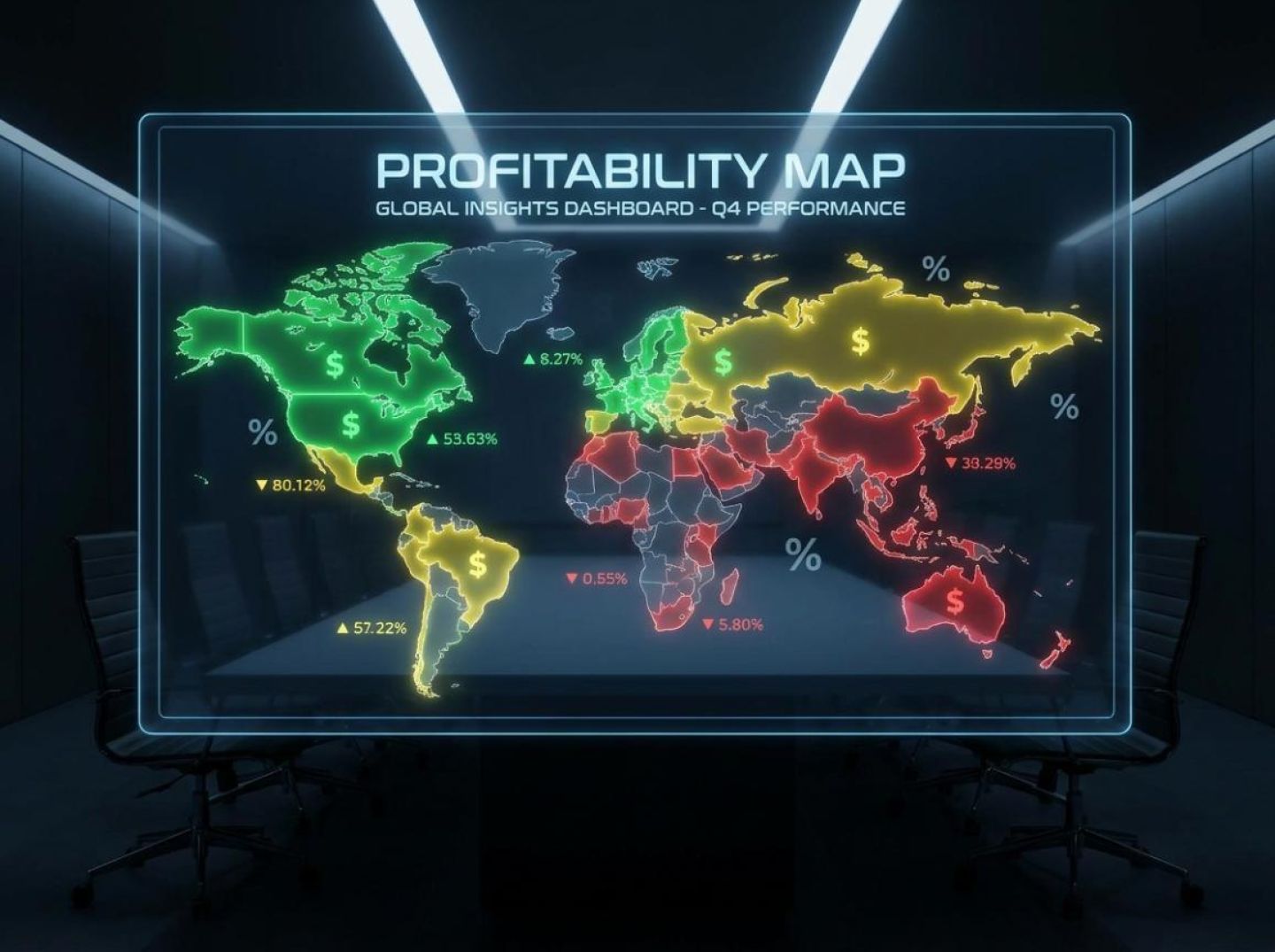
Сравнение с отраслевыми показателями — это то, на чём останавливаются большинство маркетологов, но именно с этого момента должна начинаться настоящая работа. Как отмечает Brax, сравнение себя с отраслью в целом является обязательным, поскольку раньше получить детальные данные о конкурентах было практически невозможно. Однако инструменты конкурентной разведки, такие как Anstrex, изменили эту ситуацию. Теперь вы уже не ограничены сравнением вашего CTR с отчётом Taboola и надеждами на лучшее. Вы можете теперь воссоздать то, что действительно работает в вашей нише, и построить карту прибыльности на основе следов, которые конкуренты оставляют каждый день. Вот как сделать это систематически.
Шаг 1: Ищите долговечность, а не новизну. Первым фильтром при любом конкурентном анализе должен быть срок показа. Отсортируйте рекламные объявления конкурентов по времени их непрерывного показа и обратите внимание на те, которые работают уже неделями или месяцами. Никто не будет неограниченно долго финансировать убыточную рекламу. Объявление, которое работает уже девяносто дней, почти наверняка прибыльное — или, по крайней мере, достигает показателей эффективности, оправдывающих продолжение расходов. Эти долгоиграющие объявления — ваш исходный набор данных, ваш шорт-лист креативов, которые прошли главное испытание рынка.
Шаг 2: Анализируйте структуру распределения бюджета и следите за изменениями. Там, где конкуренты концентрируют расходы, вы можете увидеть, где они нашли рентабельность. Но более интересный сигнал — изменение этой концентрации. Если конкурент внезапно перенаправляет бюджет с одного источника трафика или гео на другой, это значит, что он либо обнаружил новое выгодное направление, либо вытеснен из прежнего из-за роста цен. Как показал анализ страховых рекламодателей от AdExchanger, важен не сам бюджет, а то, что структура расходов означает в отношении стратегических преимуществ, которые мог обнаружить конкурент.
Шаг 3: Деконструируйте креативные шаблоны лучших исполнителей. Как только вы определили рекламу, доказавшую свою эффективность на долгосрочной основе, изучайте её не с точки зрения эстетики, а с позиции структурных элементов. Какие формулы заголовков повторяются? Какие эмоциональные крючки преобладают? Используют ли лидеры списки, заголовки в форме вопросов, приёмы, создающие ощущение срочности, или прямые формулировки выгод? Вы часто обнаружите, что рекламные объявления с совершенно разным визуальным стилем имеют идентичную базовую структуру. Шаблон скрыт не на поверхности дизайна — он в механике убеждения.
Шаг 4: Сравнивайте результаты с конкурентами, а не только со средними показателями отрасли. Общие средние показатели сглаживают как раз те сигналы, которые вам необходимо выявить. Если средняя стоимость клика в отрасли составляет 0,85 доллара, но у наиболее стабильной рекламы конкурентов в вашей нише эффективная стоимость клика ближе к 0,50 доллара, то это и есть ваш реальный ориентир — а разница между вашими текущими результатами и их результатами — это и есть реальная упущенная выгода. Инструменты конкурентной разведки позволяют с гораздо большей точностью оценить эти специфические для конкурентов показатели, чем любой годовой отраслевой отчет.
Шаг 5: Следите за аномалиями эффективности. Именно здесь карты рентабельности превращаются в стратегические карты. Когда конкурент достигает более низких издержек при увеличении масштаба — как показал шаблон, выявленный AdExchanger, когда у Progressive значительно ниже CPM, несмотря на то, что компания является крупнейшим рекламодателем в категории, — перед вами не просто результат качественного креатива или умной ставки. Перед вами целостная система: сочетание таргетирования аудитории, скорости создания креативов, оптимизации посадочных страниц и обратных связей, которые со временем многократно усиливают преимущество. Эти аномалии стоит тщательно изучать, потому что они раскрывают архитектуру рентабельности, а не просто ее симптомы.
Оптимальная зона между отличной и прибыльной рекламой находится не с помощью догадок или интуиции, основанной на том, как выглядит объявление. Она достигается тогда, когда вы рассматриваете конкурентную среду как живой набор данных, в котором выживание означает рентабельность, распределение бюджета раскрывает стратегию, а аномалии указывают на системы, которые стоит создавать.
На протяжении десятилетий творческое задание начиналось с чистого листа и большой идеи — проблеска вдохновения, остроумного понимания ситуации или внутреннего ощущения того, что может найти отклик. Но эта модель постепенно устаревает. В эпоху, когда конкурентная разведка может показать, что на самом деле работает на рынке ещё до проведения мозгового штурма, самый эффективный процесс разработки творческих решений начинается не с вдохновения, а с информации.
Сдвиг кажется незначительным, но на самом деле он структурный. Традиционные брифы, как правило, сосредоточены на позиционировании бренда, портретах целевой аудитории и субъективных суждениях о тоне и сообщениях. Эти данные не являются ошибочными, но они неполны — и зачастую приводят к работе, которая выглядит креативно обоснованной, но не проверена с коммерческой точки зрения. В результате возникает разрыв, который мы рассматривали в этой статье: реклама отлично смотрится в презентации, но показывает слабые результаты в аукционе.
Более разумный подход полностью меняет последовательность действий. Прежде чем кто-либо откроет графический редактор или напишет заголовок, команда должна изучить, какую именно рекламу запускают конкуренты, где они её размещают, насколько эффективно покупают охваты и какие креативные шаблоны проходят отбор алгоритмов. Как подробно описано в AdExchanger, такие платформы, как Polaris AI, теперь отображают метрики эффективности креативов — включая CTR, CPM, долю голоса и эффективность расходов — в режиме реального времени, преобразуя сырые сигналы аукциона в стратегические гипотезы о том, почему определённые конкуренты добиваются успеха. Такая информация должна быть на первой странице каждого креативного брифа, а не добавляться в качестве дополнения.
Это вовсе не означает копирование действий конкурентов. Речь идет о понимании контекста, для которого вы проектируете. Если данные показывают, что все основные игроки в вашей нише сходятся к одному и тому же формату и визуальному языку, это сигнал: либо найти свою уникальную нишу, либо признать, что данный формат работает не случайно. Если CPM конкурента снижаются, а объем креативов растет, это говорит о том, что им удалось создать масштабируемую систему, достойную изучения. Бриф должен отразить эти тенденции и представить их в виде ограничений и возможностей для творческой команды.
Слой аналитики также помогает решить одну из самых устойчивых проблем в разработке креативов: разрыв между тем, что маркетологи считают источником роста ROI, и тем, куда они реально вкладывают свои усилия. Исследование Unbounce и Ascend2 показало, что маркетологи последовательно вкладывают ресурсы в творческие материалы и таргетирование аудитории, но пренебрегают опытом после клика, например, посадочными страницами, хотя 40% респондентов назвали оптимизацию целевой страницы одним из наиболее эффективных способов максимизировать расходы на рекламу. Бриф, основанный на аналитике, решает эту проблему, расширяя творческий охват за пределы самой рекламы и включая в начальный бриф данные об эффективности посадочных страниц и анализ путей конверсии, а не рассматривая их как последующую задачу.
Новый креативный бриф, таким образом, становится меньше похожим на креативную манифестацию и скорее напоминает стратегическое досье. Он начинается с анализа конкурентного ландшафта: кто тратит, где, на каких форматах и с какой эффективностью. В него включаются показатели производительности — не претендующие на лидерство отраслевые средние значения, а фактические результаты прямых конкурентов. Определяются пробелы в форматах и сообщениях. И только затем вводится уникальная позиция бренда, его стиль и креативные цели.
Такое переосмысление не умаляет креативность — оно направляет её. Лучшие креативные команды не хотят абсолютной свободы; они стремятся к осмысленным ограничениям, которые направляют их талант на достижение значимых результатов. Когда бриф основывается на данных, а не только на интуиции, выполненная работа с большей вероятностью попадает в узкую зону пересечения мастерства и коммерции — в золотую середину, где великие рекламные кампании и прибыльные кампании наконец становятся одним и тем же.
Получайте лучшие конверсионные лендинги каждую неделю на свою почту.
Гайд
Узнайте, почему рекомендации знаменитостей и глобальная интеллектуальная собственность не всегда приводят к успеху в рекламе. В этом руководстве с использованием данных рекламного шпионажа рассматриваются такие аспекты, как релевантность аудитории, контекст размещения, тестирование креативов и эффективность после перехода по ссылке, которые помогают рекламодателям создавать кампании с высокой отдачей без дорогостоящего сотрудничества со знаменитостями.
Elena Morales
7 минокт. 9, 2026
Гайд
Узнайте, как нативные рекламодатели могут превратить психологию масштабных брендовых акций, таких как «Break Conference» и «World Menu Heist», в кампании с измеримыми результатами. Научитесь использовать ограниченность, собственные интеллектуальные права, фан-сообщества, вовлечение и кросс-канальные воронки для создания нативных кампаний и кампаний в TikTok, которые привлекают внимание и обеспечивают конверсии.
Marcus Chen
7 минокт. 8, 2026
Самое читаемое
Узнайте, как превратить спорт, закуски, тренды создателей контента и моменты поп-культуры в рекламные воронки с высокой рентабельностью инвестиций, не полагаясь на крупные бюджеты. В этом руководстве показано, как использовать Anstrex Native, Instream и Push-аналитику для выявления возникающих культурных аспектов, анализа продолжительности и воздействия рекламы, а также адаптации проверенных концепций к размещению на более дешёвых площадках.
Rachel Thompson
7 минокт. 7, 2026