11 миниюня 27, 2026

Наши инструменты отслеживают миллионы рекламных кампаний в форматах native, push, pop и TikTok.
НачатьРеклама всегда была одной отраслью в теории и как минимум двумя на практике. С одной стороны, существует круг наградных шоу — D&AD Pencils, Cannes Lions, The One Show, — где креативные директора создают минутные брендовые фильмы, иммерсивные акции и социальные кампании, призванные заставить жюри плакать, смеяться или аплодировать. Эта работа великолепна, провокационна и подвергается подробному обсуждению в специализированной прессе. Параллельно, с гораздо большей скоростью и масштабом, существует мир, ориентированный на результат: рекомендательные виджеты Taboola, карточки контента Outbrain, TikTok Spark Ads и бесчисленные объявления в лентах, отслеживаемые, клонируемые и итерируемые с помощью инструментов конкурентной разведки, таких как Anstrex. Второе направление генерирует подавляющее большинство цифровой рекламы в мире, однако при этом практически полностью отсутствует в культурном дискурсе.
Цифры делают асимметрию почти абсурдной. Ожидается, что расходы на нативную рекламу в глобальном масштабе достигнут 402 миллиардов долларов к 2025 году, что на 372 процента больше, чем 85,83 миллиарда долларов в 2020 году, в основном благодаря программатик-форматам в ленте и нативному видео outstream. Для контекста: весь глобальный рынок телевизионной рекламы — традиционная вотчина Cannes Lions — составлял около 170 миллиардов долларов в 2023 году. Экономика нативной эффективной рекламы — это уже не узкая ниша «на всякий случай» по отношению к «настоящей» рекламе; по объему расходов это главный тренд. И, как отмечает Basis, нативная реклама сейчас составляет примерно 62 процента всех расходов на баннерную рекламу, став доминирующим форматом в цифровом пространстве, а не экспериментальным.
Однако можно прочитать каждый выпуск Campaign, Ad Age и Shots в течение года и почти не найти критического обсуждения того, что заставляет миниатюру нативной рекламы эффективно конвертировать, почему заголовки, пробуждающие любопытство, работают лучше безопасных для бренда, или как специалисты по эффективной рекламе еженедельно тестируют десятки комбинаций изображений и заголовков. Творческие каноны этих двух миров расходятся настолько резко, что они, по сути, говорят на разных языках. Работы, ориентированные на награды, ценят голос бренда, кинематографическое мастерство и культурные высказывания. Работы в сфере нативной эффективной рекламы ценят показатель кликабельности, способность остановить скроллинг и эффективность по стоимости за привлечение клиента. Одна экосистема вознаграждает идею, которую вы помните спустя месяц; другая — идею, по которой вы кликаете в следующие 1,3 секунды.
Это расхождение не произошло за одну ночь. Когда IAB впервые признал нативную рекламу формальной категорией в 2014 году, она всё ещё оставалась диковинкой — вот очередной список от BuzzFeed, а вот спонсируемая статья в New York Times. Но коммерческая логика этого формата оказалась непреодолимой: потребители проявляют в целом позитивное отношение к нативной рекламе, если контент соответствует интересам, а бренд заслуживает доверия, а показатель кликабельности нативной рекламы на мобильных устройствах регулярно превышает один процент, оставляя традиционные баннеры далеко позади. Маркетологи, ориентированные на результат, обратили внимание. Они направили туда бюджеты. И поскольку их метриками успеха были показатели в аналитике, а не награды, никто из членов премиальных жюри не обращал внимания.
Результатом стало неравенство в уровне знаний, которое данная статья призвана устранить. Мир нативной рекламы и performance-маркетинга объёмом в 402 миллиарда долларов разработал собственную культуру креативов — свой визуальный язык, свои формулы заголовков, свои ритуалы тестирования, — которую премиальные жюри никогда не видят, а большинство креативных директоров, обучавшихся на роликах Каннского фестиваля, не смогли бы понять, даже если бы попытались. И напротив, принципы мастерства, за которые присуждают Black Pencil, редко выживают при первом столкновении с лентой Taboola. Ни одна из сторон не ошибается. Но пока они движутся параллельно, обе стороны остаются неполными.
Если вы хотите понять, что на самом деле заставляет остановить скроллинг, забудьте обо всём, что вы узнали из кейсов премий. Творческие шаблоны, доминирующие в эффективности нативной рекламы, выглядят как фотографическое негативное изображение работ, которые получают награды, и данные, лежащие в их основе, поражают своей ясностью.
Начнём с цвета. Работы, удостоенные наград в печатных изданиях и кино, зачастую делают ставку на приглушённые палитры, мрачные контрасты света и тени и тот род кинематографической тьмы, который говорит о «серьёзном мастерстве». Нативная реклама следует противоположным законам. Согласно данным Taboola за 2023 год по рынку США, цветные изображения обеспечивают на 49 % более высокий показатель кликабельности по сравнению с чёрно-белыми. Это не незначительный рост — это почти на полторы больше вовлечённости просто за счёт выбора насыщенности вместо сдержанности. Тогда как жюри может вознаграждать элегантность монохрома, аудитория, находящаяся посреди скроллинга, инстинктивно тянется к теплу и визуальной энергии.
Затем возникает вопрос о тексте на изображениях. Любимый ход при оформлении наградных мероприятий — тщательно продуманный оверлей: провокационный заголовок в сочетании с яркой фотографией, при этом над каждым кернингом проделана огромная работа. Однако в родных лентах такой подход активно вредит. То же исследование показывает, что фотографии без наложенного текста превосходят изображения с обилием текста на 19% по показателю CTR. Урок кажется контринтуитивным для любого, кто обучался традиционному художественному руководству: когда люди просматривают ленту, чистое изображение, передающее свою историю самостоятельно, вызывает большее любопытство, чем изображение, пытающееся одновременно выполнять функции визуала и заголовка.
А затем идут животные. Почти звучит как шутка, но изображения с животными увеличивают CTR на 12% по сравнению с рекламой без них. Будь то золотистый ретривер, кошка в неожиданной ситуации или снимок дикой природы, образы животных вызывают примитивную реакцию любопытства, которую концептуальная изысканность просто не способна воспроизвести за три секунды пролистывания. Вы не найдете много наград D&AD, присуждённых миниатюрам щенков, но именно в лентах щенки работают.
Помимо отдельных творческих элементов, нативная реклама требует такого темпа производства, который шокировал бы большинство творческих сотрудников агентств. Как указано в рекомендациях Brax по отслеживанию эффективности, успех в нативной рекламе достигается постоянным сравнением с эталонными показателями и непрерывной итерацией — речь идет не об одном идеально отполированном рекламном материале, а о постоянном обновлении библиотеки вариантов, которые тестируются, чередуются и выводятся из обращения до наступления усталости от них. Крупнейшие покупатели нативной рекламы обновляют креативы каждые несколько дней, понимая, что даже изображение с высокой эффективностью имеет срок жизни в несколько недель, а не месяцев. Творческий процесс больше напоминает итерации в разработке программного обеспечения, чем традиционные циклы кампаний.
Это вовсе не означает, что маркетологи, ориентированные на результат, не обладают эстетическим вкусом. Это говорит лишь о том, что они решают принципиально другую задачу. Работы, претендующие на премии, создаются для осознанного восприятия с высокой концентрацией внимания — например, член жюри изучает материал в тишине, активно ища глубокие концепции. Нативная реклама перехватывает людей в состоянии пассивного серфинга, когда когнитивная обработка поверхностна, а решения принимаются за доли секунды. Цвет привлекает внимание быстрее, чем оттенки серого. Простые изображения воспринимаются быстрее, чем сложные композиции. Животные вызывают эмоциональный отклик быстрее, чем метафоры.
Креативный стратег, который понимает обе грамматики — который знает, когда применять кинематографическую сдержанность, а когда переходить к насыщенной простоте, — обладает возрастающим преимуществом. Он может наращивать бренд-эквити и стимулировать клики, говоря на двух креативных языках вместо того, чтобы настаивать на том, что весь мир должен общаться на одном.
Если изучить шорт-лист любой крупной премии в области креатива — D&AD, Канн, The One Show — вы заметите, что год за годом одни и те же направления вращаются вокруг победителей: некоммерческие кампании по сохранению океана, запуск люксовых автомобилей, снятых на 35-мм плёнку, государственные социальные ролики о вождении в состоянии отвлечённости, манифесты технологических платформ о человеческих связях и социально-ориентированные проекты гигантских брендов, временно притворяющихся активистами. Эти категории имеют общую черту: они предоставляют креативным командам огромную свободу в том, чтобы отдавать приоритет эмоциям, эстетике и амбициозным рассказам, а не измеримым коммерческим результатам. Благотворительной организации не нужно достигать цели по стоимости привлечения клиента. Люксовый автопроизводитель может оправдать создание брендингового фильма, который не даёт ни одного отслеживаемого клика. Бриф в таких направлениях по сути звучит как «сделайте что-нибудь красивое и важное».
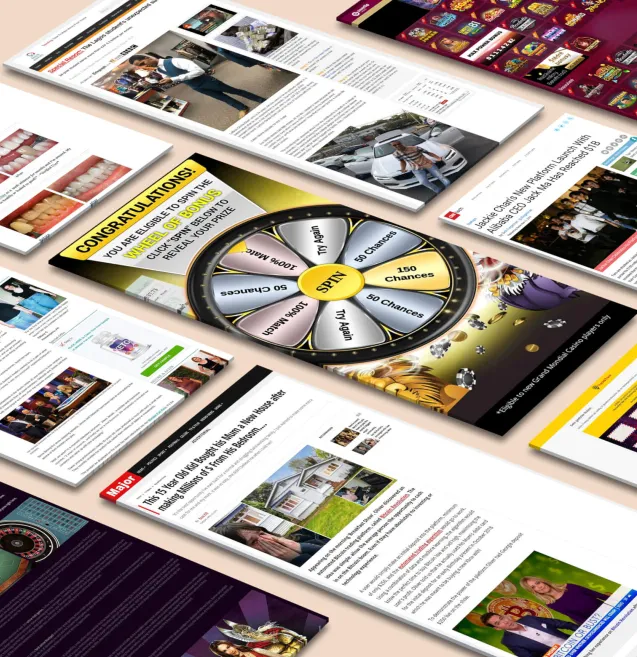
Теперь взгляните, куда на самом деле уходят деньги нативной рекламы. Категории, доминирующие в программатике нативной рекламы — добавки для здоровья и благополучия, инструменты личных финансов, сервисы сравнения страхования, электронная коммерция DTC, платформы для знакомств, онлайн-образование и арбитраж новостного контента — существуют в параллельной вселенной, которую экосистема премиальных наград едва ли замечает. Это сферы, в которых нативная реклама стала доминирующим форматом рекламы, составляя большую часть затрат на баннерную рекламу, однако они остаются почти полностью невидимыми в креативной культуре. Вы не найдете премию D&AD за "Лучшую рекламную статью о добавках" или Каннскую львицу за "Самую эффективную целевую страницу сравнения страхования". Категории, вкладывающие миллиарды в нативную инфраструктуру, не просто не выигрывают награды — о них даже не ведут разговор.
Это несоответствие категорий показывает нечто большее, чем простое снобство. Оно вскрывает фундаментальное разногласие внутри индустрии о том, что представляет собой творческое превосходство. Определение, принятое на награждающих церемониях, ставит во главу угла оригинальность, мастерство и культурные комментарии. Определение, основанное на расходах на нативную рекламу, ценит убедительность в стрессовой ситуации — способность получить клик от человека, никогда ранее не слышавшего о вашем бренде, не испытывающего эмоциональной привязанности к вашей категории и находящегося в одном движении пальца от того, чтобы полностью проигнорировать вас. Компания по производству добавок, запускающая нативные кампании на Yahoo или Taboola, не может позволить себе полагаться на десятилетия брендинга или покупку рекламы во время Суперкубка. Каждый показ начинается с чистого листа. Каждый заголовок — это гипотеза. И, как подчёркивается в анализе Voluum, посвящённом лучшим практикам нативной рекламы, существует сильная корреляция между регулярным обновлением рекламного контента и стабильными результатами — что означает, что ведущие нативные рекламодатели используют десятки вариантов заголовков и изображений каждую неделю, постоянно проводят сплит-тестирование и отключают слабые объявления в течение нескольких дней.
Это не нижний уровень воронки. Это креативный дарвинизм, действующий с такой скоростью и строгостью, которые большинству брендовых команд показались бы пугающими. Рекламодатель БАДов тестирует сорок вариантов заголовков через шесть источников трафика, измеряя кликабельность, конверсию и стоимость привлечения клиента с ежедневными итерациями, и создал систему оптимизации креативов, более совершенную, чем те, которые большинство агентств используют для своих ключевых клиентов. Методология — быстрая генерация гипотез, беспощадный отбор на основе данных, постоянные итерации — в точности то, чего брендовые рекламодатели заявляют, что хотят, но на практике почти не используют.
Ирония здесь очевидна. Сегменты, которые креативное сообщество с пренебрежением считает несерьёзными, по необходимости развили самые дисциплинированные культуры креативного тестирования в отрасли. Брендовые рекламодатели, тратящие месяцы на обсуждение одной концепции кампании, могли бы узнать больше, изучая, как компания по генерации лидов в сфере финансов выстраивает свою матрицу тестирования заголовков, чем анализируя большинство кейсов с Канн. Инновации существуют. Просто они происходят в категориях, которые отрасли эстетически неудобно отмечать.
Несмотря на все различия, зафиксированные в предыдущих разделах — палитры цветов, категорийные предпочтения, бюджеты производства — существует более глубокий пласт, в котором мир креативных рекламных наград и эффективной нативной рекламы разделяет одну и ту же основополагающую идею: лучшая реклама стирает границы между контентом и продвижением.
Это не просто благополучное клише. Это наблюдение, подтверждённое одновременно с обеих сторон. Жюри рекламных фестивалей в Каннах и D&AD на протяжении более чем десяти лет поощряет брендированный контент, который поначалу воспринимается как журналистика или развлечение, а как рекламу — только во вторую очередь. Вспомните работы студии T Brand Studio из The New York Times — захватывающие, наполненные данными материалы о женщинах в тюрьмах или о науке старения, которые при этом спонсируются брендом. Именно за такие материалы присуждают Pencil, потому что в них рекламное послание подчинено повествованию. Жюри видит мастерство. Читатель — ценность.
Теперь рассмотрим вопрос эффективности. Как отмечает AdPushup, нативная реклама в своей основе определяется как платный медиаконтент, соответствующий стилю и содержанию медиаисточника, то есть реклама, которая «не выделяется как реклама», а «кажется естественной частью контента, который просматривают пользователи». Тридцать один процент потребителей считает, что нативная реклама проще для понимания, чем социальная реклама, а данные опросов показывают, что аудитория в целом положительно относится к нативной рекламе, если она релевантна и размещается проверенными, заслуживающими доверия брендами. Механизм действия здесь такой же, как и у привлечения жюри премии: подлинность важнее полировки, редакционная правдоподобность — важнее рекламного вмешательства, рассказывание истории — важнее прямой продажи.
Визуальные данные подтверждают эту тенденцию. Исследование компании Taboola, проанализированное The Native Agency, показало, что фотографии без наложенного текста обеспечивают на 19% более высокий показатель кликабельности, позволяя изображению рассказать историю без текстовых вмешательств. Уберите рекламный слой, устраните надпись «КУПИТЕ СЕЙЧАС» — и останется изображение, которое вполне уместно в редакционной ленте. Именно такой сдержанный, визуально выверенный способ коммуникации жюри наград считают образцовым. Творческий принцип тот же; отличается лишь бюджет на производство.
Формат рекламного контента — это та сфера, в которой оба мира уже физически сошлись. Как отмечает Basis, наиболее эффективные кампании нативной рекламы придерживаются главного отличия такого формата — невмешательства, органично вписываясь в форму и функциональность информационной среды, в которой размещаются. По-настоящему лучшие из них предлагают чрезвычайно релевантный контент, излучающий подлинность, одновременно обучая и развлекая. Такое описание можно буквально перенести из критериев оценки практически любой награды за брендированный контент. Платные статьи, появившиеся благодаря BuzzFeed и The New York Times, на которые особенно обращает внимание AdPushup как на контент, привлекший большое внимание, — это буквально тот формат, где престиж и эффективность уже успешно сосуществуют.
Вот тот действенный мост, который упускают большинство креативных организаций. Агентства, получающие награды, часто игнорируют натив-контент, считая его низкокачественным прямым откликом. Команды эффективности, работающие с натив-контентом в большом масштабе, зачастую отвергают бренд-сторителлинг как дорогостоящую прихоть без измеримой отдачи. Обе стороны ошибаются, и подтверждение тому — в их пересечении: заголовки в стиле редакционных статей, интеграция контента в ленту, изображения, зеркалирующие органические публикации, и повествования, в которых интерес аудитории важнее эго бренда. Креативные команды, способные применять мастерство бренд-сторителлинга к форматам натив-контента и внедрять дисциплину результативности обратно в брендированный контент, обладают арбитражной возможностью, которую ни одна из сторон пока полностью не использовала.
Каждая из методологий, описанных в этой статье, ничего не значит, если она остается теоретической, поэтому ниже приведен конкретный план объединения творческих инстинктов, которые приносят отраслевые награды, с рефлексами, основанными на данных, которые способствуют эффективности нативной рекламы в широком масштабе.
Шаг 1: Превратите конкурентную разведку в творческий инструмент выявления трендов
Большинство медийных покупателей рассматривают шпионские инструменты как платформы для анализа ставок — возможность проанализировать CPC и посадочные страницы. Это базовый уровень. Более эффективный подход — использовать инструмент, подобный Anstrex, как постоянно обновляемую подборку вдохновения. Раз в неделю фильтруйте по своей вертикали, сортируйте не по новизне, а по продолжительности показа, и делайте снимки всех объявлений, которые существуют дольше 30 дней. Выживание — признак прибыльности, а прибыльность — признак резонанса. Собирайте заголовки, композиции миниатюр и эмоциональные триггеры в общий каталог вместе с последними кейсами с наградных шоу. Когда одна и та же эмоциональная тема — например, амбициозная идентичность или тихая уязвимость — встречается в обоих источниках, вы находите творческую жилу, которую стоит разрабатывать.
Шаг 2: Примените методику повествования с премиальных шоу к нативным форматам
Кампании, получающие карандаш (Pencil), почти всегда следуют трёхактной микросюжетной структуре: несогласованное начальное изображение, середина, наращивающая напряжение, и переосмысление, которое меняет контекст роли бренда. Вы можете сжать эту структуру в нативную рекламную единицу, рассматривая миниатюру как Первый акт, заголовок — как Второй акт, а посадочную страницу — как Третий акт. Миниатюра должна создавать визуальное трение — нечто слегка неожиданное, что остановит прокрутку, но без кричащих наложений, которые, как собственные данные Taboola показывают, на самом деле снижают CTR на 19 процентов. Заголовок должен открывать эмоциональный разрыв, который читатель почувствует необходимость закрыть. А посадочная страница должна разрешить этот разрыв с помощью истории, достаточно насыщенной, чтобы восприниматься как контент, а не реклама.
Шаг 3: Постройте график тестирования, заимствуя лучшее из обоих подходов
Культура наград поощряет однократное исполнение; культура результативности поощряет постоянную итерацию. Гибридный подход находит компромисс между ними. Начните каждый цикл кампании с «основной концепции» — одной творческой идеи с ярко выражным нарративом, которую вы не постеснялись бы представить на суд жюри. Затем создайте вокруг неё от пяти до восьми тактических вариантов, каждый из которых тестирует один параметр: формулировку заголовка, обрезку миниатюры, насыщенность цвета, эмоциональный оттенок. Как рекомендует руководство по нативной рекламе от Voluum, добавляйте новые варианты изображений и заголовков каждые несколько дней, и никогда не запускайте один и тот же креатив дольше чем на три месяца. Проверяйте данные эффективности ежедневно на начальном этапе, безжалостно останавливая неэффективные варианты, но защищая основную концепцию достаточно долго, чтобы собрать статистически значимые данные о росте бренда — не только о кликах.
Шаг 4: Оценка креатива по двойной таблице результатов
CTR необходим, но совершенно недостаточен. Создайте таблицу, в которой оба столбца имеют равный вес. В столбце А учитываются показатели эффективности: кликабельность, стоимость привлечения клиента, конверсия на странице и рентабельность рекламных расходов. В столбце Б учитываются показатели построения бренда: среднее время на целевой странице, глубина прокрутки, количество публикаций в социальных сетях, косвенные конверсии в течение 30-дневного окна и качественный анализ тональности комментариев. Как подчёркивается в системе отслеживания эффективности Brax, сравнение с отраслевыми стандартами, а не только с собственными историческими данными, позволяет выявить пробелы и разрабатывать действительно конкурентоспособные стратегии. Креатив, входящий в верхнюю четверть по обоим столбцам — это единорог: объявление, которое привлекает внимание и запоминается. Когда вы находите такой, проанализируйте его структуру, задокументируйте все переменные и внесите полученные выводы обратно в шаг 1, чтобы этап поиска становился умнее с каждым циклом.
Цель заключается не в том, чтобы креатив, создающийся на премии, начал хорошо работать, или чтобы эффективная реклама выглядела престижно. Цель — построить единый творческий метаболизм, в котором строгость и воображение рассматриваются как одна и та же дисциплина.
Получайте лучшие конверсионные лендинги каждую неделю на свою почту.
Гайд
Отслеживайте, как новое креативное руководство может изменить оригинальные рекламные кампании конкурентов, связывая назначения руководителей с изменениями в библиотеках объявлений, креативными шаблонами и стратегиями воронки. В этом руководстве показано, как использовать Anstrex для наблюдения за этими изменениями, выявления новых креативных систем и повторного проектирования воронок конкурентов без зависимости от внутренних данных об эффективности.
Marcus Chen
7 минсент. 24, 2026
Гайд
Рекламные объявления, удостоенные наград, могут вдохновить на создание результативного креатива, но их необходимо переработать с учётом особенностей алгоритмов, лент и поведения пользователей в Native и TikTok. В этом руководстве показано, как преобразовать масштабируемый креатив высокого уровня в цепляющие зацепки, углы подачи, форматы и системы тестирования с использованием ИИ, способные повысить эффективность.
Elena Morales
7 минсент. 19, 2026
Подробный разбор
Узнайте, как рекламная аналитика на уровне города может помочь маркетологам создавать кампании, которые воспринимаются как местные, но масштабируются глобально. Научитесь использовать Anstrex для выявления географических, языковых, творческих закономерностей и особенных для воронки продаж паттернов на Native, TikTok, Push и Pops, а затем превращайте эти данные в постоянно эффективные локализованные кампании.
Elena Morales
7 минсент. 16, 2026