8 минавгуста 9, 2026

Наши инструменты отслеживают миллионы рекламных кампаний в форматах native, push, pop и TikTok.
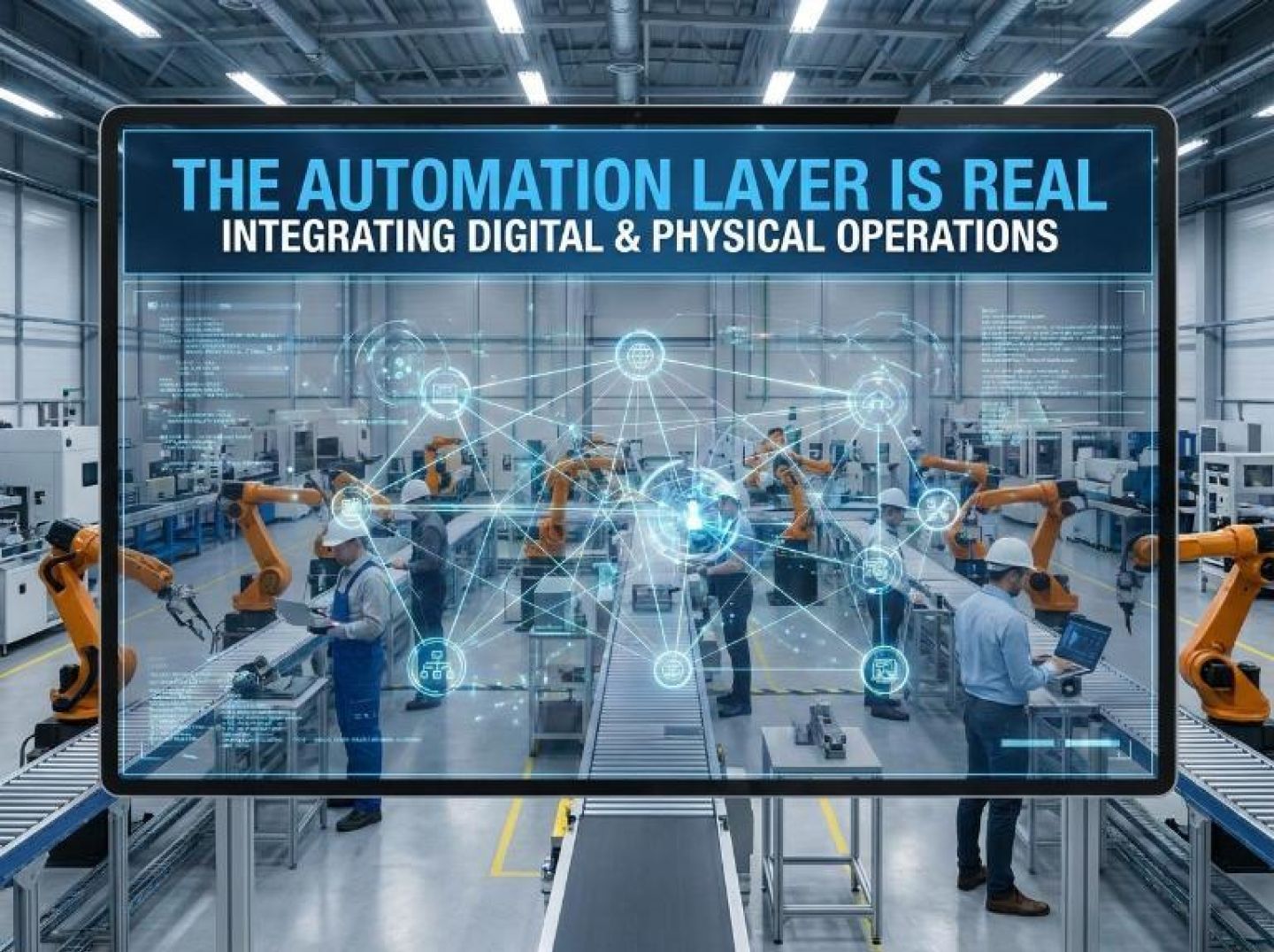
НачатьДавайте откажемся от удобной выдумки, что автоматизация угрожает рабочему процессу специалиста по маркетингу. Она уже здесь, и почти полностью поглотила исполнительский уровень.
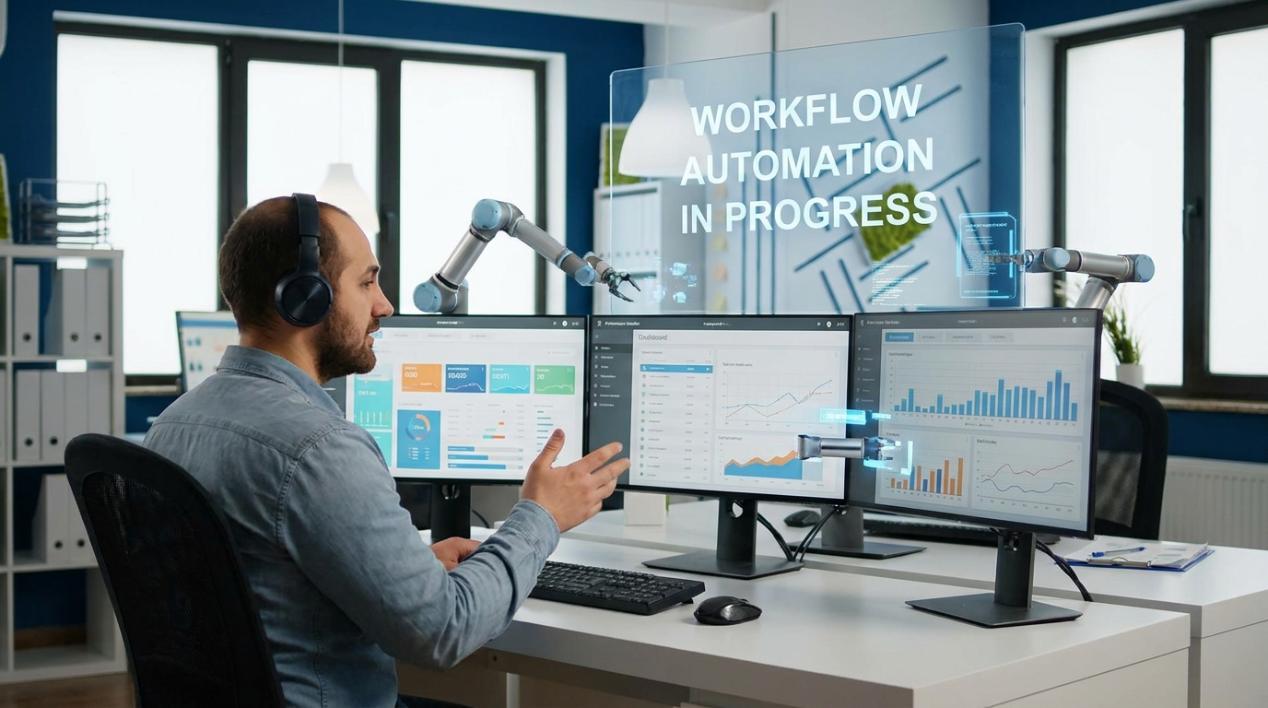
Представьте, чем занимался средний специалист по закупке рекламы пять лет назад: вручную собирал рекламные материалы, выбирал сегменты аудитории, настраивал стратегии ставок, контролировал равномерность показов, перераспределял бюджеты между рекламными наборами и проводил A/B-тесты, меняя по одному параметру за раз. Сегодня почти все эти задачи выполняют машины быстрее, дешевле и, если быть честными, стабильнее. Кампании Google Performance Max теперь берут исходные элементы маркетинга, включая заголовки, изображения и описания, и экспериментально комбинируют их такими способами, которые ни одна команда людей не смогла бы повторить с той же скоростью. Система отслеживает эффективность и автоматически корректирует креативы, запуская постоянный цикл оптимизации, сокращающий дни ручных итераций до нескольких часов.
Но Performance Max — это лишь самый заметный пример гораздо более масштабных изменений. Программная инфраструктура, которая уже автоматизирует покупку и продажу в режиме реального времени через платформы сторон спроса и предложения, а также биржи, входит в новую фазу. Как сообщал MarTech, следующая граница — это агентный ИИ, системы, которые не просто реагируют на простые правила вроде «повысь ставку, если CPA снижается», а, напротив, самостоятельно принимают решения, постоянно экспериментируя: перераспределяют бюджет, корректируют таргетинг и улучшают креативы без участия человека. Это не теоретические возможности, агрегированные в плане развития продукта. Это уже реализованные функции в платформах, которые маркетологи используют сегодня.
Эта тенденция распространяется далеко за пределы поиска и социальных сетей. В рекламе в потоковом телевидении, исследование FreeWheel показывает, что почти половина покупателей уже определяет планирование кампаний и оптимизацию как сферу, где ИИ оказывает наиболее немедленное воздействие. От настройки кампаний до регулирования темпа и мониторинга эффективности, ИИ сокращает ручной труд и обеспечивает более быстрое и точное принятие решений даже в самых сложных средах покупки. Тем временем аналитики отрасли прогнозируют, что маркетинговые команды будут всё чаще работать совместно с агентами ИИ, координирующими действия в планировании, создании контента, аналитике и управлении кампаниями, сокращая ручные передачи задач, которые ранее оправдывали существование целых команд специалистов.
Что это означает на практике? Задачи, определявшие повседневную рутину маркетолога по эффективности, — корректировка ставок, сегментация аудитории, графики ротации креативов, проверки темпа — поглощаются автоматизированными циклами, которые работают непрерывно и обучаются по ходу дела. Уровень исполнения автоматизирован не частично. Он приближается к полной автономности.
Это не повод для паники, но это повод откровенно взглянуть на то, где создается ценность. Если вашим конкурентным преимуществом как маркетолога было знание, какие настройки использовать в рекламной платформе — какую стратегию ставок выбрать, какие аудитории исключить, какие размеры креативов лучше работают на разных местах размещения — это преимущество в реальном времени превращается в товарный ресурс. Машина теперь может сама управлять этими настройками, причем быстрее, чем вы.
Автоматизированный цикл тестирования креативов идеально это иллюстрирует. Как отмечает MarTech, он невероятно дешев по сравнению с ручным тестированием. Однако здесь есть подвох: если вы подаете в систему шаблонные входные данные, вы получите шаблонный результат. Система жестко оптимизируется под любой сигнал, который вы ей даете, но сама сгенерировать этот сигнал не может. Именно это различие — между исполнением стратегии и ее определением — и должно стать центром обсуждения.
Заманчивое обещание полной автоматизации заключается в том, что вы можете исключить человеческий труд, и машина просто… разберётся. И нужно отдать должное, она часто что-то и выясняет, просто это не то, что вам было нужно. Проблема излишней делегации автоматизации заключается не в том, что система ломается. Проблема в том, что система безупречно движется к результатам, которых никто с стратегическим мышлением бы не выбрал.
Инструменты генеративного ИИ от Meta для рекламодателей представляют яркий пример. Как задокументировал AdExchanger, генерация креативов с помощью ИИ на платформе привела к рекламе с велосипедами, имеющими две пары рулей, показу рекламы косметических товаров совершенно не той гендерной аудитории и созданию изображений, варьирующихся от слегка неловких до глубоко жутких. Это не редкие случаи, а типичные результаты работы системы, которой не хватает вкуса, контекста и какого-либо понимания брендовой идентичности. Даже собственные условия предоставления услуг Meta фактически отказываются от ответственности, предупреждая рекламодателей, что креативы, созданные ИИ, могут содержать ошибки, и именно на рекламодателях лежит обязанность их выявлять. Машина создала рекламу, показала её, потратила на неё бюджет — и реклама оказалась мусором. Автоматизация сработала безупречно. Результатом стала дорогостоящая посредственность.
Этот шаблон не ограничивается креативом платного медиа. В случае органического контента последствия автоматизации без стратегического подхода могут быть ещё более разрушительными, поскольку они накапливаются с течением времени. Команда Ниела Пателя описала случай компании по управлению программным обеспечением ИТ, которая быстро нарастила объёмы создаваемого с помощью ИИ контента, выпуская материалы, слабо связанные с основной сущностью или миссией бренда. Сначала увеличение объёма дало эффект — компания достигла пика видимости на первой странице поиска в мае 2025 года. Однако уже к середине года эта видимость упала до уровней апреля 2024 года. Контент не был наказан за то, что был сгенерирован ИИ; он провалился, потому что был обезличенным, безымянным и оторванным от реальных ценностей бренда. Система создавала контент ради контента, и алгоритмы Google в конечном итоге распознали его именно таким.
Структурная основа в обоих примерах одинакова: универсальные входные данные производят универсальные выходные данные. Это не ошибка в автоматизации — это конструктивное ограничение. Как отмечал MarTech в анализе рабочих процессов творческого тестирования, если вы подаёте машине общие данные, вы получите общие результаты, а для получения реальных результатов необходимо участие человека, который будет предоставлять стратегически ценные и качественные материалы. Эта зависимость характерна для Google Performance Max, творческого пакета Meta Advantage+ и всех генераторов контента на основе ИИ на рынке. Это движки оптимизации, а не стратегии. Они способны с захватывающей скоростью находить локальный максимум, но не могут определить, стоит ли вообще его достигать.
Бренды, пострадавшие от чрезмерной автоматизации, имеют один общий пробел. Они автоматизировали выполнение — создание активов, выбор аудитории, управление ставками, производство контента — не обеспечивая систему осознанными, стратегически дифференцированными входными данными. Никто не объяснил машине, как звучит бренд, какие сегменты клиентов действительно важны для долгосрочной ценности и где находится конкурентное свободное пространство. Никто не проявил суждение относительно того, что не нужно производить. А машина, не обладая способностью к конкурентному осознанию или редакционному вкусу, сделала то, что машины и делают: она оптимизировала объёмы и показатели поверхностного уровня, в то время как реальная позиция бренда постепенно ухудшалась.
Это дорогой урок, который отрасль осваивает в реальном времени. Автоматизация без стратегического участия не экономит деньги — она тратит деньги быстрее, получая худшие результаты. Машина работала безупречно. Просто ей было некуда идти.
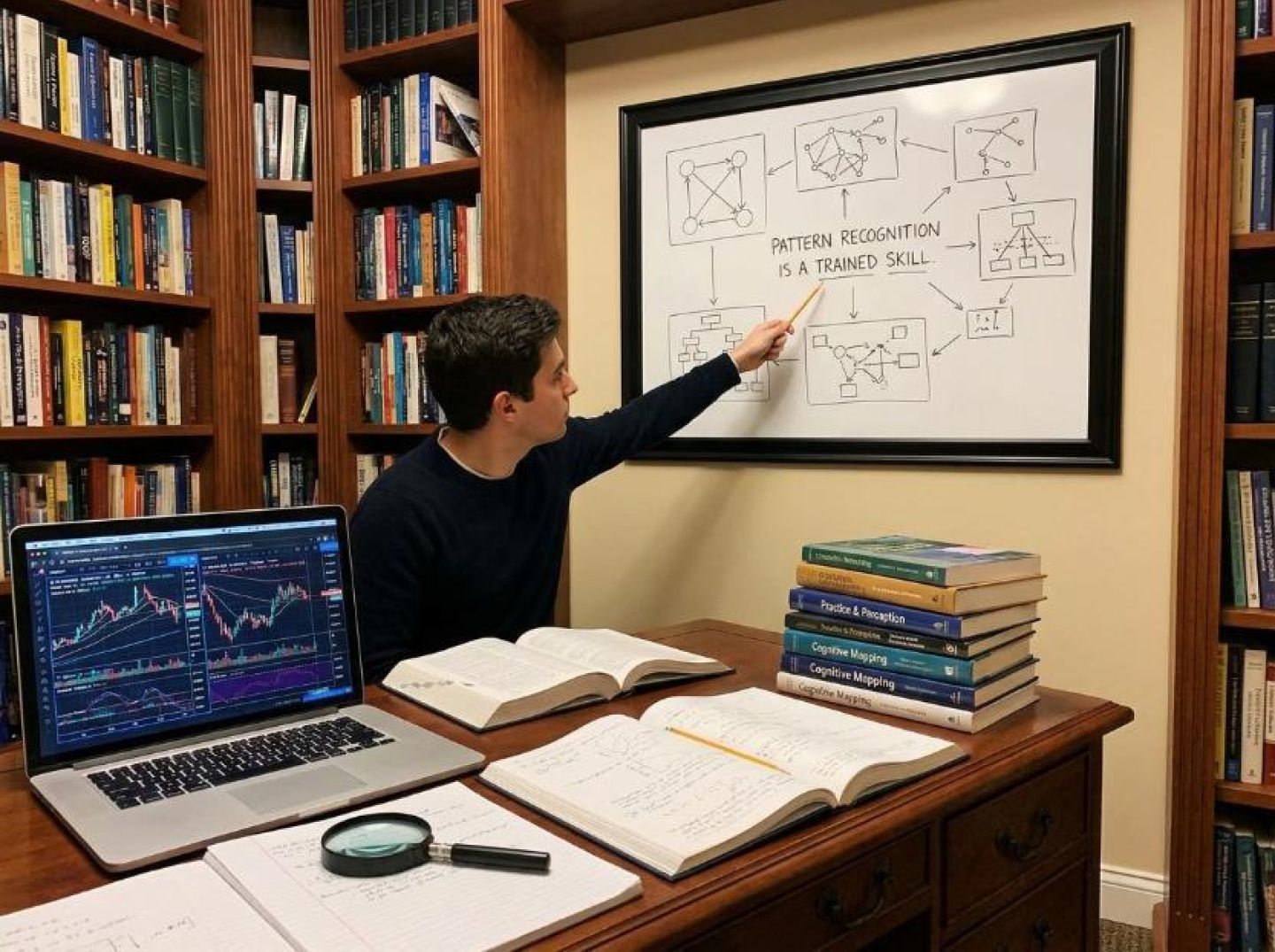
Давайте уточним, что означает «распознавание закономерностей» в данном контексте, потому что это не интуиция и не догадки. Это приобретённый аналитический навык, выработанный за месяцы и годы активного конкурентного наблюдения, который позволяет маркетологу по работе с эффективностью выявлять изменения в обстановке и извлекать смысл, который никакая панель инструментов не покажет сама по себе.
Вот как это выглядит на практике. Маркетолог замечает, что конкурент заменяет длинные рекламные посадочные страницы на короткие, ориентированные на прямой отклик, во всех своих нативных кампаниях. Через неделю тот же конкурент начинает тестировать трафик через push-уведомления на эти посадочные страницы. Еще через две недели второй конкурент в той же нише делает аналогичный шаг. Инструмент на базе ИИ может отметить каждое из этих событий по отдельности — смену креативов, изменение распределения каналов, обновления посадочных страниц. Однако он не может объединить их в связную картину: что у аудитории в данной нише наступил эффект усталости от рекламных материалов, что первый конкурент, вероятно, столкнулся с падением уровня вовлеченности и переходит на форматы нижней воронки, не зависящие от редакционного доверия, а временной窗口 для использования аналогичного подхода в нативной рекламе до полного насыщения рынка стремительно сокращается. Эта интерпретация — объединение разрозненных данных в стратегический анализ — является навыком, который со временем усиливается и устойчив к автоматизации.
Это различие важно, потому что инструменты становятся примечательно хорошими на уровне обнаружения. Как отметил AdExchanger, маркетолог должен иметь возможность спросить, какие конкуренты увеличили инвестиции в CTV в Германии, как это соотносится со стратегией в Великобритании и какие креативы поддержали этот переход — и получить ответ за секунды, а не за дни. Диалоговый ИИ и проактивные аналитические выводы могут выявить изменения, которые команды могли и не подумать исследовать. Однако в том же материале проводится важная грань: настоящий прорыв наступает тогда, когда рекламная аналитика перейдёт от отчёта о произошедшем к рекомендации того, что следует делать дальше. Именно этот интерпретационный скачок — от сигнала к решению — требует человеческого суждения, и ни одна модель пока не способна надёжно совершить его самостоятельно.
Команда Нила Пателя подкрепляет это с позиции SEO, отмечая, что данные о рейтинге говорят вам, что произошло, но понимание того, почему конкуренты набирают обороты, требует контекста, которого нет в самих данных. Инструмент показывает вам движение; стратег — интерпретирует его. Этот контекст включает в себя то, что платформы не могут чётко зафиксировать: знание о кадровых изменениях у конкурента, осведомлённость о сдвигах в регулировании в определённой стране, память о том, что происходило в прошлый раз, когда соперник испытывал конкретную позиционирующую стратегию и в итоге отказался от неё. Это не входные данные. Это накопленное суждение.
Именно поэтому навык усиливается. Маркетолог, который в течение двух лет активно анализировал сигналы конкурентов в определённой нише, выстраивает своеобразную ментальную модель поведения этого рынка — какие подходы быстро насыщаются, какие источники трафика в первую очередь подвергаются арбитражу, какие форматы креативов обладают более длительным сроком эффективности. Каждая новая информация от ИИ интерпретируется в свете уже накопленного контекста, что делает каждый последующий анализ быстрее и точнее. Маркетолог без такого контекста, даже при наличии тех же самых инструментов, будет постоянно делать более медленные и менее точные выводы.
Неудобный вывод очевиден. Маркетологи, которые рассматривают ИИ как замену своей интерпретационной работе, будут производить тот самый дорогостоящий посредственный результат, о котором шла речь в предыдущем разделе — технически оптимизированные кампании, полностью упускающие стратегическую картину. Маркетологи, которые используют ИИ как ускоритель для распознавания закономерностей, которые они уже выявляют, будут отрываться всё дальше, поскольку инструменты сокращают время между вопросом и ответом, а человек — время между ответом и действием. Именно в этом сочетании сейчас и заключается конкурентное преимущество.
Распознавание закономерностей — это не дар. Это не то, с чем вы рождены, и не то, что появляется спустя несколько лет "работы в отрасли". Это навык, который развивается так же, как и любая диагностическая экспертиза: благодаря продолжительной, целенаправленной работе с огромным объемом реальных случаев.
Рассмотрим аналогию с рентгенологом. Резидент первого года, глядя на рентгеновский снимок грудной клетки, видит формы. Рентгенолог с пятнадцатью годами опыта видит слабую асимметрию, указывающую на злокачественное новообразование на ранней стадии, — не потому что он изначально умнее, а потому что он просмотрел десятки тысяч снимков. Каждый из них внес небольшую корректировку в его суждения. Продвижение в маркетинге работает по тому же принципу. Стратег, который, взглянув на креатив конкурента в формате нативной рекламы, мгновенно определяет используемый психологический рычаг или замечает изменение структуры landing page во всём сегменте ещё до подтверждения этой тенденции данными, приобрел эту способность, потратив тысячи часов на изучение реальных креативов конкурентов, воронок продаж и моделей размещения рекламы в различных форматах, географиях и каналах. Никаких коротких путей нет. Есть только объём и внимание.
Вот здесь необходимо провести принципиальное различие между инструментами автоматизации и инструментами интеллекта — различие, которое в большинстве дискуссий об ИИ в маркетинге полностью игнорируется. Как исследовал AdExchanger в анализе платформ для рекламного интеллекта, настоящий прорыв заключается не в добавлении большего количества автоматизации к дашбордам, а в создании более быстрого пути от вопроса к ответу — возможности для маркетолога спросить, какие конкуренты увеличили инвестиции в CTV на конкретном рынке, какие креативы поддержали этот сдвиг и как это соотносится в разных регионах. Такая сквозная, межрыночная видимость ничего не выполняет за вас. Она открывает перед вами конкурентную среду, делая ваше суждение всё острее с каждой новой сессией.
Именно эту роль выполняют платформы для рекламного интеллекта, такие как Anstrex, — и она принципиально отличается от функций автоматизации. Инструменты автоматизации действуют от вашего имени. Инструменты интеллекта развивают ваше мышление. Они создают среду, в которой формируется способность распознавать закономерности — нечто вроде архива клинических случаев для рентгенолога. У стратега, посвятившего сотни часов изучению рекламных кампаний конкурентов с push-уведомлениями, разбору подходов к оформлению нативной рекламы в разных отраслях и анализу воронок pop-трафика в различных регионах, появляется то, что никакой ИИ-процесс не в состоянии воссоздать внутри себя: глубоко развитое чувство того, что работает, что меняется и что вот-вот насытится.
И этот «некий фактор для улучшения» имеет огромное значение. Как отмечал MarTech в своём анализе рекламы, созданной с использованием ИИ, когда исполнение автоматизировано, преимущество обеспечивается более качественными входными данными — более чёткой позицией, более точными рамками сообщений и более яркими нарративами бренда. Однако эти качественные входные данные не возникают из ниоткуда. Они появляются у стратегов, которые глубоко погружаются в конкурентную среду своих каналов, чтобы их интуиция при подготовке техзаданий формировалась на основе реального рыночного поведения, а не предположений.
Именно этот пробел никакая настройка промтов или автоматизация рабочих процессов не в состоянии закрыть. ИИ может усиливать суждения, но он не может создать базовую конкурентную осведомлённость, от которой зависят эти суждения. Платформы, изолирующие конкурентные данные — Meta, Google, TikTok — преднамеренно усугубляют эту проблему, удерживая рекламодателей внутри своих закрытых экосистем, где единственными доступными данными являются собственные. Инструменты, обеспечивающие перекрёстную анализацию данных, разрушают эту изоляцию, предоставляя маркетологам доступ к сырью, необходимому для распознавания закономерностей: к реальной, актуальной конкурентной активности в тех форматах и на тех рынках, которые действительно важны. Без такого доступа вы ничему не обучаетесь. Вы всего лишь угадываете, пользуясь более совершенными технологиями.
Аргумент, проходящий через всю эту статью, сводится к одному вопросу: если ИИ автоматизирует выполнение, где на самом деле заключается конкурентное преимущество? Ответ, как прямо указывает MarTech, заключается в том, что "когда выполнение автоматизировано, дифференциация достигается за счет более сильных входных данных — более четкой позиционирования, ясных рамок сообщений и более выразительных нарративов бренда". Это теория. Практический вопрос в том, откуда берутся эти более сильные входные данные — и для маркетологов, работающих с нативной рекламой, пуш-уведомлениями и всплывающими окнами, ответ оказывается удивительно конкретным.
Сильные идеи не появляются просто так после запроса к языковой модели с просьбой «придумать десять рекламных подходов для средства для похудения». Они исходят от специалиста, который неделями наблюдал, как рекламные кампании конкурентов проходят через творческое выгорание в push-уведомлениях, который заметил определённую структуру целевых страниц, перекочевавшую из нативной рекламы в всплывающие окна с изменёнными элементами выше сгиба, и способного точно определить момент, когда рекламный ход перестаёт быть новым и становится перенасыщенным. Такие знания детализированы, специфичны для канала и невозможны для получения без ежедневного масштабного анализа реальных конкурентных данных. Именно такие навыки пользователи инструментов рекламной аналитики, таких как Anstrex, развивают как базовую компетенцию.
Рассмотрим, как это выглядит на практике. Маркетолог, отслеживающий кампании в нативной сети, замечает всплеск посадочных страниц в рекламном стиле, использующих определённую последовательность убедительных элементов — социальное доказательство, объяснение механизма, призыв к срочным действиям. Уже через несколько дней он видит вариации той же структуры в push-кампаниях других партнёров. Эта тенденция говорит ему о чём-то, что ни одна автоматизированная система не отметит: структура настолько эффективна, что продвинутые партнёры начинают применять её на разных каналах. Вооружившись этим пониманием, он может дать инструкцию своим инструментам креативов на базе ИИ, которая будет не общей, а основана на реальных наблюдаемых изменениях в конкурентной среде. Машина создаёт варианты быстрее, чем это мог бы сделать человек, но именно человек обеспечивает, чтобы эти варианты основывались на подходе, уже показавшем успех на рынке.
Вот в чем заключается структурное преимущество, которое создает ежедневный контроль за конкурентами. Как отметил AdExchanger, сама категория рекламной аналитики развивается, чтобы соответствовать требованиям рабочих процессов на основе ИИ, но ключевое ценное предложение остается прежним: видимость того, какую рекламу запускают конкуренты, где они ее размещают и как эффективность этих кампаний меняется со временем. Маркетолог, который анализирует эту информацию по native-, push- и pop-каналам, не просто собирает данные — он создает слой интерпретации, который делает каждый последующий инструмент ИИ более эффективным.
Речь не в том, что рабочие процессы на основе ИИ не нужны. Они необходимы. Автоматизированное тестирование креативов, автономная оптимизация ставок и основанная на ИИ таргетизация аудитории — все это сейчас базовые требования. Но, как заключается в анализе illumin по использованию ИИ в AdTech, «самые эффективные платформы ИИ не заменяют маркетологов — они усиливают их», оставляя за людьми ответственность за стратегию, творческое направление и бизнес-цели. Пользователь Anstrex, просматривающий сотни рекламных кампаний конкурентов еженедельно, выполняет не просто рутинную работу. Он накапливает именно те навыки распознавания закономерностей, которые превращают общие результаты ИИ в высокорезультативные кампании.
Именно здесь появляется разрыв между маркетологами, использующими ИИ как костыль, и теми, кто использует его как ускоритель. Тот, кто использует костыль, просит машину думать за него. А пользователь ускорителя уже знает, какие подходы устаревают, какие форматы только появляются и какие конкурентные пробелы существуют, — и использует автоматизацию для использования этих инсайтов с такой скоростью и в таком масштабе, которые вручную были бы невозможны. Конкурентная разведка дополняет рабочий процесс на основе ИИ. Это основа, на которой построен весь рабочий процесс, и без нее даже самый сложный стек автоматизации дает посредственные результаты, упакованные в эффективную оболочку.
Получайте лучшие конверсионные лендинги каждую неделю на свою почту.
Избранное
Интеллектуальная аналитика рекламы на основе ИИ меняет подход брендов к оценке креативов, сместив фокус с отдельных лидеров креативных направлений на масштабируемые, основанные на данных системы. В этом руководстве рассматривается, как конкурентная аналитика рекламы, автоматизированное тестирование и данные о рекламодателях в крупных масштабах могут помочь командам быстрее создавать, оценивать и оптимизировать креативы.
Samantha Reed
7 минсент. 21, 2026
Коротко
OOH становится все более измеримым рекламным каналом, но многие отраслевые роли по-прежнему строятся вокруг продажи инвентаря, а не конечных результатов. В этом руководстве рассматривается, как карьеры в сфере OOH могут развиваться в сторону эффективного маркетинга посредством атрибуции, рекламной аналитики, проектирования воронки, данных с целевых страниц и оптимизации измеримых кампаний.
David Kim
7 минсент. 20, 2026
Избранное
Тестирование только внутри Google Ads и TikTok может скрывать предвзятость платформы, проблемы с атрибуцией и вводящие в заблуждение сигналы о производительности. В этом руководстве показано, как сочетать разведывательные данные инструментов слежения с контролируемыми экспериментами в Google, TikTok, Native, Push и Pops, чтобы определить, какие креативы и воронки действительно приносят прирост результатов.
Priya Kapoor
7 минсент. 18, 2026