11 миниюня 7, 2026

Наши инструменты отслеживают миллионы TikTok-объявлений из более чем 55 стран. Крупнейшая библиотека TikTok-рекламы в сфере e-commerce и мобильных приложений!
Попробуйте БЕСПЛАТНОЗайдите в любой средний или крупный маркетинговый отдел, и вы обнаружите один и тот же структурный разлом. С одной стороны офиса расположена команда органического продвижения в соцсетях — менеджеры сообществ, контент-мейкеры, тренд-аналитики, которым поручено привлекать аудиторию и «искренне присутствовать» на TikTok. С другой стороны, иногда на другом этаже или даже в другой компании, находится команда performance-маркетинга — специалисты по размещению рекламы, аналитики данных, эксперты по конверсиям, задача которых — превращать расходы на рекламу в измеримые результаты. Они используют разные инструменты, подчиняются разным руководителям, ориентируются на разные KPI и действуют, исходя из совершенно различных предпосылок о том, что делает контент эффективным. И это разделение обходится всем в деньги.
Ирония заключается в том, что TikTok, в большей степени, чем любая другая платформа до него, архитектурно устранил различие, вокруг которого организованы эти команды. Когда пользователь открывает приложение и начинает пролистывать страницу «Для вас», органические публикации и платные размещения переплетаются в единый поток, курируемый алгоритмически. Нет боковой панели. Нет баннеров. Нет прерывания перед воспроизведением «настоящего» контента. Рекламный пост Spark от бренда DTC находится между видеороликом с рассказом создателя и видео приготовления еды от друга, и единственное, что их разделяет — это небольшая надпись «Реклама», мимо которой большинство пользователей пролистывают, даже не замечая. Как отмечает Basis, нативная реклама успешна именно потому, что имитирует внешний вид, ощущение и функциональность редакционной среды — настолько органично вписываясь, что потребители зачастую не понимают, что взаимодействуют с рекламой, пока не пройдут пятнадцать секунд. В социальных сетях в частности это не нишевая тактика; это доминирующая парадигма. Поразительные 97% всех расходов на рекламу в социальных сетях приходятся на нативную рекламу, что означает, что практически каждый доллар, который бренды вкладывают в платные социальные сети, покупает размещение, эффективность которого зависит от того, насколько успешно она выглядит как органический контент.
Подумайте о том, что на самом деле означает эта статистика. Если почти все ваши вложения в платный социальный контент разработаны так, чтобы без проблем вписываться в органическую ленту, значит, творческие принципы, определяющие успех органического и платного контента, не являются родственниками — они близнецы. Та же структура зацепки, которая останавливает прокрутку в видео неплатного автора, останавливает прокрутку и в вашей рекламе в ленте. То же темпирование, тот же визуальный язык, те же звуковые сигналы. Тем не менее большинство организаций по-прежнему дают своим командам по созданию платного контента отполированные брендовые руководства и рамки маркетинговых сообщений, в то время как командам по органическому контенту говорят «быть искренними» и «ловить тренды». Эти две группы редко делятся знаниями, редко сравнивают данные об эффективности и почти никогда не собираются вместе, чтобы разобрать, почему тот или иной контент сработал.
Этот разрыв становится еще более затратным, если учитывать масштаб платформы, на которой обе стороны стремятся добиться успеха. Рост TikTok был поистине экстраординарным — с ростом с примерно 55 миллионов глобальных пользователей в 2018 году до более чем 1,7 миллиарда и поглощением огромной доли дополнительных рекламных расходов по ходу дела. Такая скорость означает, что TikTok — это не второстепенный канал, на котором можно без последствий экспериментировать. Это основная арена, где правила взаимодействия требуют непрерывного обмена информацией между платным и органическим продвижением.
Маркетолог, занимающийся продвижением, который никогда не изучает органические тренды, создаёт рекламу, которая выглядит чужеродной в ленте. Специалист по органическому охвату, который никогда не анализирует наиболее эффективные платные креативы, упускает проверенные зацепки, форматы и структуры повествования, на которые аудитория уже реагирует. Оба работают вслепую и платят за это бюджетом. Для преодоления этого разрыва не требуется кардинальная перестройка — нужно просто осознать, что лента TikTok уже изменила правила игры за вас, а ваша организационная структура просто не поспевает за этим.
Большинство маркетологов считают алгоритм TikTok чёрным ящиком — загадочным, капризным, непредсказуемым. Такой подход удобен, но он неверен. Рекомендательный движок — это не игровой автомат; это система сопоставления с образцом с чёткими предпочтениями, причём эти предпочтения обновляются с такой скоростью, которую большинство брендов даже не пытаются учитывать.
Старший инженер, который помогал создавать рекомендательный движок TikTok с 2020 по 2024 год, рассказал, что компания совершенствовала свой алгоритм почти каждую неделю, стремясь увеличить долю рынка. Подумайте, что это означает на практике: определение системы «хорошего контента» — сигналы, которые она учитывает при решении, продвигать ли видео от небольшой тестовой аудитории к миллионам — не является статичным. Он постоянно развивается, и развивается в одном направлении: к тому, что максимизирует вовлечённость. Каждое еженедельное обновление усиливает аппетит алгоритма к контенту, который заставляет людей смотреть, нажимать, комментировать и пересматривать. Контент, который случайно задевает эти считывающиеся машиной сигналы, усиливается. Контент, который этого не делает, оказывается похороненным — независимо от качества производства.
Вот тот важный аспект, который упускают маркетологи. Виральность — это не удар молнии. Это результат работы системы, имеющей определённые, наблюдаемые предпочтения. Эти предпочтения сосредоточены вокруг нескольких структурных качеств: скорость захвата (насколько быстро видео останавливает прокрутку), эмоциональная нарастание (переход от любопытства к вознаграждению за несколько секунд), провокация комментариев (элементы, побуждающие к выражению мнения или дискуссии), и механика повтора (финалы, заставляющие зрителя пересмотреть видео, не принимая осознанного решения). Это не творческие инстинкты — это инженерные характеристики.
То, что делает систему TikTok особенно мощной — и особенно понятной, если знать, на что обращать внимание, — это то, что она гораздо меньше зависит от социальных связей, чем другие платформы. Как отмечали исследователи, изучающие алгоритмическое влияние платформы, в исследовании, опубликованном в журнале Nature, пользователи TikTok не обязаны ни за кем следить, потому что «система принимает решения на основе поведенческих сигналов, таких как время просмотра», что делает её «уникально чистой средой для изучения алгоритмического влияния, поскольку минимизируется самоотбор пользователей». Другими словами: количество подписчиков имеет меньшее значение, чем структурные сигналы контента. Бренд с 200 подписчиками может превзойти бренд с 200 000, если архитектура видео будет лучше.
Рассмотрим, что произошло, когда California Pizza Kitchen отреагировала на вирусную жалобу на их сырные макароны. Вместо того чтобы опубликовать сухое официальное заявление, CPK разместила ответ в TikTok, используя местный формат stitch — с акцентом на юмор, самоиронию, прямо обратившись к комментариям из оригинального видео. Ответ не просто достиг такого же количества просмотров, как первоначальная жалоба; как задокументировано Semrush, он превзошел её. В этом не было удачи. Это было структурное соответствие. Видео затронуло почти все сигналы, по которым алгоритм выставляет оценки: родной формат (без водяных знаков, без переработанных материалов), эмоциональная зацепка, сочетающая юмор с корпоративной ответственностью, контекст ответов в цепочке комментариев, давший существующим зрителям повод вовлечься, и врождённая полярность, практически гарантировавшая дискуссию в комментариях.
Вот как выглядит контент, находящий отклик у масс, если его разобрать по частям, — это не творческое чудо, а видео, архитектура которого случайно соответствует еженедельно обновляемому списку рекомендаций алгоритма. Команда CPK прочитала ответы перед тем, как сдавать экзамен. Каждый маркетолог, создающий контент для TikTok — органический или рекламный, — должен делать то же самое: изучать, какие структурные сигналы в данный момент поощряет алгоритм, а затем создавать контент, исходя из этих критериев. Техническое задание должно начинаться с предпочтений алгоритма, а не с презентации руководства по фирменному стилю.
Вот неудобная математика, которая делает этот исследовательский процесс не просто возможным, но и статистически надежным: TikTok стал одной из пяти платформ, поглотивших практически весь прирост рекламных инвестиций за последние восемь лет, а это означает, что объем платного креатива, ежемгновенно запускаемого на платформе, просто поразителен. Эта концентрация — не просто рынок, это возможность для исследований. Та огромная плотность рекламных расходов, которая направляется в TikTok, означает, что массив данных о конкурентной разведке, доступный любому маркетологу, желающему взглянуть, является обширным, разнообразным и постоянно обновляющимся. Вам не нужны эксклюзивные данные. Вам нужна методология.
Начните с собственного креативного центра TikTok, который работает как открытая библиотека рекламы. Отфильтруйте по своей нише — уход за кожей, финтех, корм для домашних животных, что угодно — и выберите лучшие платные креативы за последние 30 дней. Дополните это сторонними инструментами слежения, такими как Minea, AdSpy или Foreplay, которые позволяют искать по показателям вовлеченности, длительности рекламы и формату. Ваша цель — не просто посмотреть несколько рекламных роликов и «вдохновиться». Ваша цель — собрать корпус из 40–60 эффективных креативов в вашей категории, а затем проанализировать каждый из них по структурным параметрам.
Самыми важными переменными являются следующие: тип начального кадра (вопрос, шокирующий визуал, высказывание от первого лица, нарушение шаблона), момент и расположение текста поверх видео, выбор аудио (популярный звук, оригинальное озвучивание, отсутствие звука), расположение призыва к действию (в середине ролика, в конце или встроенного в повествование), эстетика пользовательского контента против профессионального, длина видео, темп монтажа и структура повествования (проблема-решение, отзыв, инструкция, день из жизни). Когда вы выстраиваете 50 закодированных рекламных роликов в таблице, вы перестаете видеть творческие решения и начинаете замечать сгустки. Наиболее эффективные рекламные ролики средств по уходу за кожей в первом квартале, возможно, в подавляющем большинстве случаев начинаются с крупного плана текстуры кожи, используют оригинальное озвучивание вместо популярного звука, длятся от 18 до 24 секунд и содержат мягкий призыв к действию на 15-й секунде. Это не рекомендации. Это технические параметры для вашего первого цикла творческой разработки.
Этот процесс работает именно благодаря тому, как функционирует нативная реклама на социальных платформах. Как объясняет Basis, нативная реклама достигает успеха за счет имитации внешнего вида, ощущений и функций редакционного окружения — настолько гармонично вписываясь, что пользователи зачастую не осознают, что взаимодействуют с оплачиваемым контентом, до тех пор, пока уже не окажутся на 15-й секунде просмотра. Это принципиальное следствие для ваших исследований: платные креативы, показывающие наилучшие результаты в TikTok, по определению являются теми, которые наиболее успешно имитируют органический контент. Когда вы анализируете структурные шаблоны самых эффективных рекламных объявлений, вы одновременно выявляете структурные шаблоны наиболее успешных органических публикаций. Один исследовательский процесс — две стратегии для каналов.
Шаблон, который вы создадите в результате этого упражнения по кодированию, должен быть настолько конкретным, чтобы создатель или редактор мог реализовать его без двусмысленности. Не «сделайте это подлинным» — это настроение, а не инструкция. Вместо этого: «Начните с обращения в камеру в первые 0,5 секунды, используйте фон с зелёным экраном и скриншотом, на трёхсекундной отметке наложите два абзаца жирного текста, общая продолжительность видео должна быть от 19 до 25 секунд, завершите вербальным призывом к действию, который не звучит как таковой». Именно такой уровень конкретики отличает команды, тестирующие грамотно, от тех, кто просто швыряет контент в стену и молится, что алгоритм сегодня благосклонен.
Всё упражнение — извлечение рекламы, кодирование переменных, выделение кластеров, составление инструкции — можно выполнить за один сосредоточенный день. Оно ничего не стоит, кроме потраченного времени. И оно предотвращает самую дорогостоящую ошибку в маркетинге в TikTok: трату реальных рекламных бюджетов на изучение того, чему рынок уже научил любого, кто готов посмотреть.
Теперь у вас есть библиотека структурных сигналов — типов зацепок, ритма подачи, эмоциональных сюжетных линий, моментов появления текста поверх видео, аудиорешений — извлеченных из успешных креативов в вашей категории. Появляется соблазн передать свои находки команде по производству с указанием «сделать что-то вроде этого». Такой подход обойдется вам дороже, чем когда-либо мог бы стоить проваленная закупка рекламы, потому что самой дорогой ошибкой в рекламе в TikTok является не таргетинг на неправильную аудиторию или переоценка размещения. Это создание креативов, похожих на рекламу, на платформе, где пользователи неврологически обучены — за тысячи часов пролистывания — игнорировать всё, что нарушает эстетику органической ленты.
Творческое задание, формируемое на основе структурного анализа, должно сделать нечто, что редко делают традиционные задания: определить не только что говорить, но и как это сказать на языке платформы. У этого языка своя грамматика. Он отдаёт предпочтение пользовательскому формату, а не студийному освещению, разговорному тону, а не отточенному фирменному стилю, точке зрения автора контента, а не анонсам от бренда. Как отмечает Semrush, правило — вести диалог там, где он происходит — означает, что ответ в TikTok может состоять из двух слов и эмодзи и при этом идеально сработать. Та же минималистичность должна определять диалоги вашей рекламы, подписи и призывы к действию. Если в задании указано использовать дословно написанный тридцатисекундный монолог, произносимый кем-то, кто явно не является реальным пользователем, вы уже проиграли борьбу за формат ещё до того, как объявление увидят.
Вот где бренды начинают беспокоиться о своей целостности. «Если наша реклама похожа на случайное видео в TikTok от обычного пользователя, как кто-нибудь поймёт, что это мы?» Такой вопрос выявляет непонимание того, что означает термин «нативная». Нативная реклама соответствует форме и функции пользовательского опыта платформы, на которой она размещается, — и исследования компании Basis показывают, что потребители, как правило, взаимодействуют с контентом более пятнадцати секунд, прежде чем поймут, что смотрят платный материал. Это не обман. Это креатив, который заслуживает внимания, соблюдая неформальные правила среды, а не нарушая их. Идентичность бренда в нативном креативе не исчезает; она проявляется через интеграцию продукта, стилевое единство и предоставление ценности, а не через логотип водяного знака в первом кадре.
Ваше руководство должно закрепить эти правила применительно к вашей конкретной категории. Вот как это выглядит на практике. Вместо обобщённого раздела о «тоне и манере» в вашем руководстве должен быть указан контекст ленты: каким, вероятно, будет содержание вокруг вашей рекламы и как ваш креатив будет соседствовать с ним, не вызывая рефлекса пролистывания? Вместо одного главного сценария следует описать эмоциональную дугу — напряжение, раскрытие, эффект — с привязкой к структурным вехам, выявленным в ходе исследований. Вместо указаний использовать фирменные цвета и логотип в финальном кадре, необходимо определить момент и способ раскрытия бренда, соответствующие шаблонам, которые используют ваши самые успешные конкуренты.
Цель — не имитация. Копирование успешной рекламы конкурента дает вам производный контент, который алгоритм уже видел, а аудитория — уже восприняла. Цель состоит в том, чтобы передать те же структурные сигналы — темп, подачу, разговорную форму — в оригинальном креативе, который передает голос вашего бренда и конкретное предложение. Думайте об этом так же, как музыкант думает о жанре: вы не списываете хитовую песню, вы пишете в той же тональности, диапазоне темпов и структуре песни, на которую аудитория уже откликается. Кампании, которые вызывают сильные эмоции или ощущение узнаваемости, успешны не потому, что скопировали чужой крючок — они успешны, потому что поняли лежащую в основе закономерность и перестроили её вокруг чего-то по-настоящему своего.
Когда вы передаёте подобный бриф создателю или продакшн-команде, вы не ограничиваете их. Вы предоставляете им архитектурный план привлечения внимания в TikTok и просите обставить помещение в стиле вашего бренда. Разница между этим и традиционным ТВ-брифом заключается не только в эстетике — она стратегическая. Каждый элемент брифа присутствует потому, что ваши исследования до запуска доказали его эффективность в ленте, а не потому, что бренд-менеджеру понравилось, как это выглядело в зале для совещаний.
Публикация одного видео и ожидание того, что произойдет, — самый распространённый способ, с помощью которого бренды тратят впустую структурную информацию, которую они только что собирали в течение нескольких недель. Обратная связь — цикл публикации, измерения, интерпретации и повторения — превращает распознавание закономерностей в конкурентное преимущество, а не в одноразовый трюк. А механика этого цикла в TikTok принципиально отличается от всех других平台, где вы размещали рекламу, потому что сам алгоритм основывается на совершенно ином подходе к распространению контента.
На большинстве социальных платформ ваш контент доходит до людей, которые уже изъявили желание за вами следить, а затем органическое охват снижается. TikTok инвертирует эту модель. Как обнаружили исследователи Центра социальных медиа и политики при Университете Нью-Йорка, изучая алгоритмическое распространение, пользователям не нужно ни за кем следить; система принимает решения на основе поведенческих сигналов, таких как время просмотра, что означает, что каждый фрагмент публикуемого вами контента оценивается по собственным достоинствам аудиторией, которая никогда не просила его увидеть. Окно оценки — обычно первые несколько сотен показов — это момент, когда ваши структурные решения либо оправдываются, либо рушатся. Интригующее начало, разработанное в разделе 4, либо останавливает чужой палец, либо нет, и алгоритм выносит свой вердикт в течение нескольких часов, а не недель.
Вот почему цикл обратной связи нужно измерять в днях, а не в запусках кампаний. Когда вы публикуете первую партию креативов — три-пять вариантов, созданных на основе одного и того же структурного шаблона, но с разными зацепками, разным звуком, разным временем вывода текста поверх видео — вы вовсе не запускаете кампанию. Вы проводите живой эксперимент с аудиторией, у которой нет никакой связи с вашим брендом и нулевой обязанности смотреть видео дольше первой секунды. Ключевыми метриками в первые сорок восемь часов являются процент просмотра по квартилям, соотношение числа просмотров к числу делег с ними, а также тональность комментариев. Показы важны лишь в том смысле, что TikTok показал видео; вам же нужно понимать, где и почему люди перестают смотреть.
Темп итераций, который требует эта ситуация, ближе к редакции новостного агентства, чем к традиционному медиаплану. Когда в 2024 году вирусным стало видео с жалобой клиента на California Pizza Kitchen, компания не стала заседать неделю в переговорной, согласовывая формулировки сообщения, а ответила спустя два дня видео от шеф-повара в том же формате, что и оригинал, настолько точно попав в родной стиль платформы, что просмотров ответа оказалось больше, чем у самой жалобы. Такой двухдневный срок не был беспечностью — это была правильная скорость итераций для платформы, где культурная значимость живет всего несколько часов.
Примените одинаковый темп к тестированию платного контента. Если один из вариантов вступления демонстрирует высокий уровень удержания к первому квартилю, но затем падает к середине, диагноз очевиден: ваше вступление работает, но подача ценности или темп дают сбой до кульминации. Вам не нужна новая идея. Вам нужно более чёткое развитие сюжета — сократите один кадр, ускорьте развязку, добавьте текстовую вставку, чтобы вновь привлечь внимание. Опубликуйте обновлённый вариант утром и сравните кривые удержания уже вечером следующего дня. Если соотношение показов к пересылкам резко возрастёт в одном из вариантов, но уровень завершения просмотра останется прежним, значит, найдена идея, вызывающая реакцию, но не удерживающая внимание — полезно для повышения узнаваемости, но опасно для конверсии. Каждая точка данных сужает шаблон, пока вы не придёте к формуле создания контента, по-настоящему принадлежащей вам, основанной на шаблонах категории, но адаптированной под поведенческий отпечаток вашей аудитории.
Бренды, побеждающие в TikTok, — это не те, у кого лучшее первое видео. Это те, у кого самые быстрые циклы обратной связи, превращающие каждый выпуск в урок, позволяющий сделать следующий выпуск дешевле, чётче и труднее для конкурентов, чтобы те могли его скопировать.
Получайте лучшие конверсионные лендинги каждую неделю на свою почту.
Самое читаемое
Узнайте, как специалисты по performance-маркетингу могут создавать кросс-канальные пути верификации, превращая скептически настроенных потенциальных клиентов в уверенных покупателей на платформах TikTok, в native-, push- и pop-рекламе. Научитесь согласовывать креативные сообщения, укреплять доверие на каждом соприкосновении и измерять скрытое влияние фрагментированных путей клиента с помощью конкурентной рекламной аналитики.
Elena Morales
7 минокт. 20, 2026
Недавно обновлено
Samantha Reed
7 минокт. 18, 2026
Самое читаемое
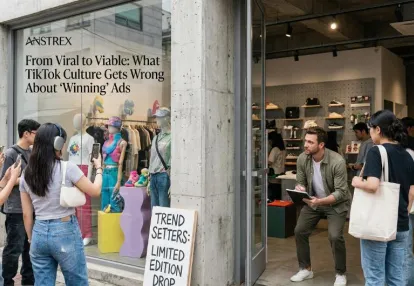
Узнайте, почему вирусная реклама в TikTok не всегда приводит к прибыльным и устойчивым кампаниям. Научитесь использовать систему анализа рекламы Anstrex, чтобы выявлять эффективные хуки, определять мотивацию аудитории, управлять рисками безопасности бренда и превращать культурные тренды в многократно применимые рекламные стратегии.
David Kim
7 минокт. 17, 2026