

9 миниюня 16, 2026

Наши инструменты отслеживают миллионы рекламных кампаний в форматах native, push, pop и TikTok.
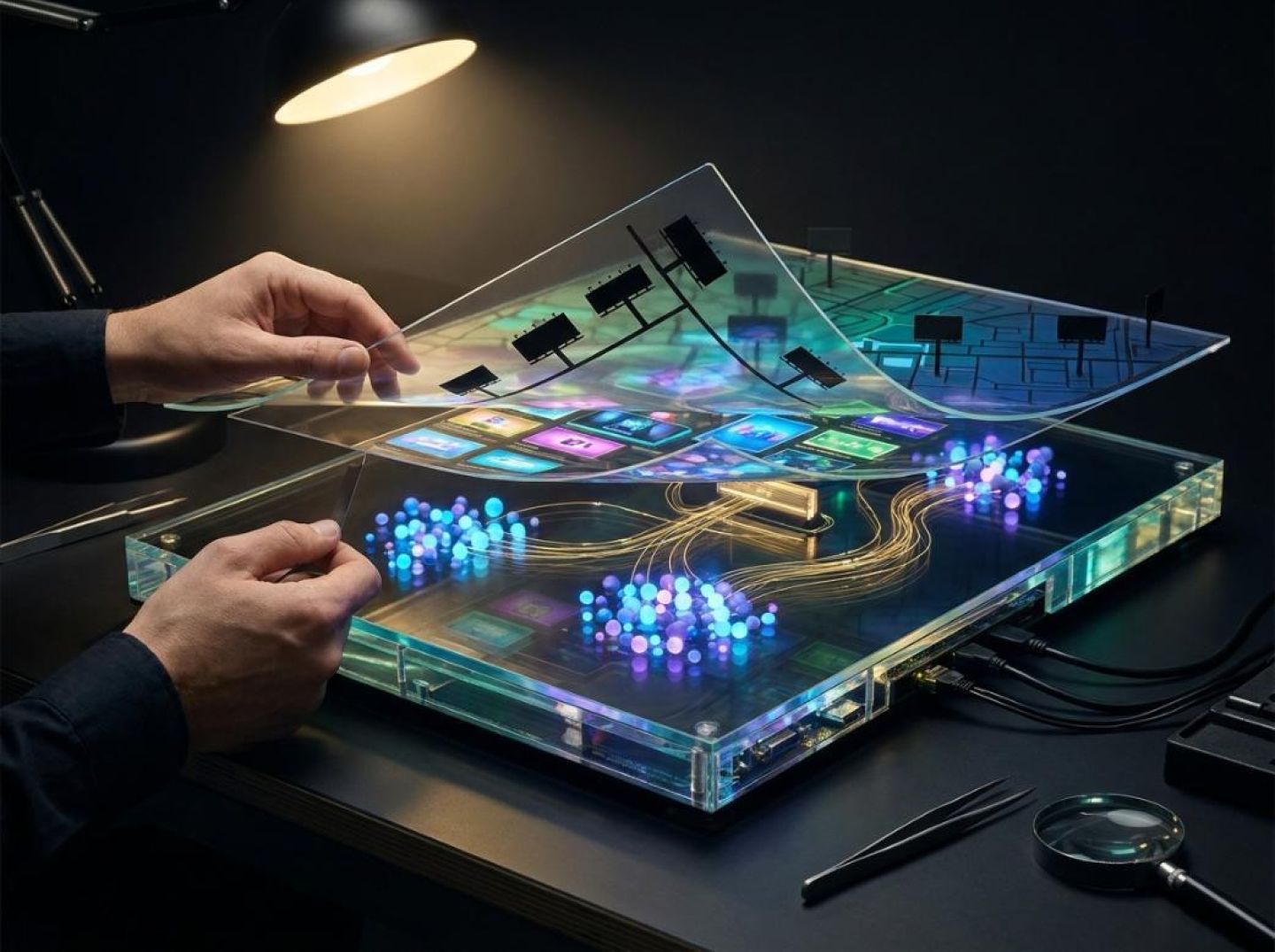
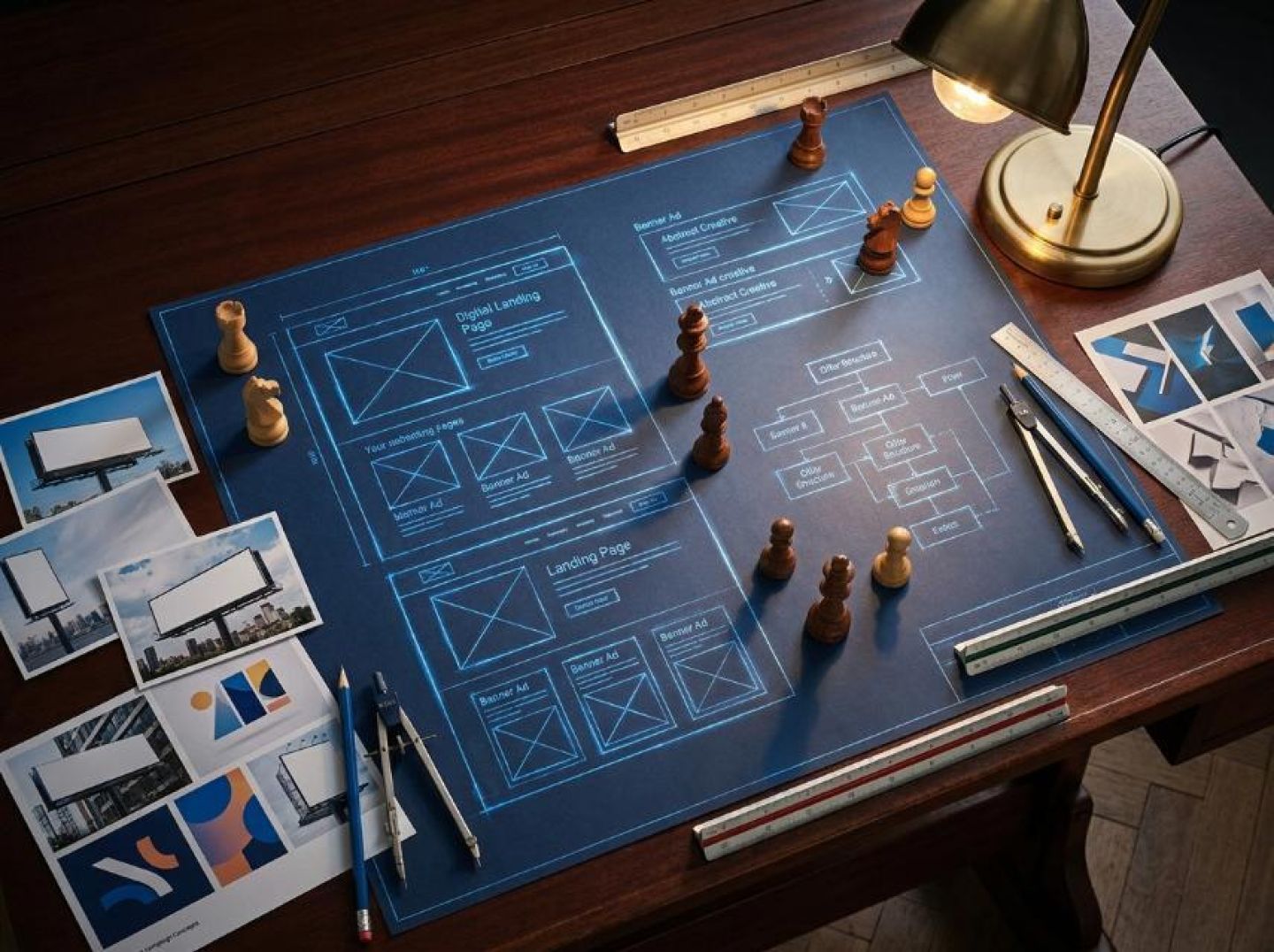
НачатьБыло время, когда кампания OOH могла существовать сама по себе — рекламный щит на трассе тихо повышал узнаваемость бренда, не связанная ни с чем, что происходит на экране. Это время прошло. Современная OOH-кампания — это не отдельная акция по повышению осведомленности; это тщательно спланированный начальный этап масштабной цифровой операции, одновременно охватывающей нативную рекламу, баннерную рекламу, пуш-уведомления и подключенное телевидение. Рекламный щит — это прелюдия. Цифровая кампания — это всё остальное выступление.
Собственные лидеры индустрии были удивительно откровенны в отношении этого сдвига. AdQuick, одна из крупнейших платформ для планирования и покупки OOH-рекламы на рынке, построила всё своё ценовое предложение вокруг так называемого "эффекта ореола", который OOH оказывает на сопутствующие цифровые кампании, позиционируя наружную рекламу не как канал, работающий изолированно, а как инструмент, который измеримо усиливает все смежные активности. Их платформа позволяет программную покупку DOOH через DSP, обеспечивая автоматическое, основанное на данных выполнение, соответствующее тому, как маркетологи уже работают с баннерной, мобильной рекламой и CTV. Язык не оставляет сомнений: OOH стал обязательной частью современных маркетинговых стратегий, а не просто желательным дополнением. Когда платформа отрасли говорит своим собственным клиентам, что наружная реклама "полностью интегрирована" с цифровой, она подтверждает ключевой момент — цифровая составляющая структурно необходима.
Механизмы такой интеграции делают это сочетание ещё более предсказуемым. Как указывает Clearcode в своём подробном обзоре DOOH, рекламодатели теперь могут использовать цифровую наружную рекламу как полноценный канал для всего воронки, активируя её внутри той же платформы для покупки рекламы, где размещаются их баннеры, мобильные и CTV-объявления. На практике это означает, что аудитории, видевшие DOOH-рекламу, попадают в пулы для ретаргетинга, а атрибуция может учитывать вклад OOH на всех этапах клиентского пути, а не только в изолированном измерении. Человек, прошедший мимо рекламы на остановке общественного транспорта утром, к полудню превращается в сегмент для мобильного ретаргетинга, вечером видит баннерную рекламу, а перед сном сталкивается с видеороликом на CTV. Эти аудитории не просто пересекаются — они целенаправленно передаются из одного канала в другой через единую программную инфраструктуру.
Это не маргинальная тактика, используемая несколькими продвинутыми покупателями медиа. Это стандартная процедура. Даже Тони Джейкобсон, ветеран индустрии наружной рекламы с 45-летним стажем, признал, что цифровые медиа действительно играют роль в реальном медиаплане — подтвердив, что возможности ретаргетинга и атрибуции делают цифровые каналы эффективным дополнением к тому, что наружная реклама делает лучше всего. В индустрии больше не ведут споры о том, нужна ли наружной рекламе цифровая. Теперь спорят о оптимальном соотношении.
Это имеет глубокие последствия для анализа конкурентной разведки. Каждый бренд DTC, закупающий размещения в метро при запуске продукта, каждая крупная компания, покупающая программные билборды вдоль маршрутов коммутеров, каждое мобильное приложение, запускающее гео-таргетированную цифровую наружную рекламу во время масштабного события, — каждый из них гарантированно параллельно ведёт цифровые кампании, призванные привлекать, ретаргетить и конвертировать аудиторию, подготовленную их физическими размещениями. Интеграция не является опциональной. Она заложена в процесс закупки, в рабочие процессы DSP и в модели атрибуции. И именно эта предсказуемость является уязвимостью. Потому что если вы знаете — практически наверняка — что у конкурента, активно использующего наружную рекламу, параллельно запущена цифровая реклама, вы точно знаете, где следует начать поиск, что вы найдёте и как сможете этим воспользоваться.
В индустрии наружной рекламы существует проблема восприятия, и она сама является её причиной. На протяжении десятилетий специалисты в области наружной рекламы строили свою систему сбора конкурентной информации вокруг физических активов: кто контролирует те или иные рекламные щиты вдоль шоссе, с каким транспортным управлением только что заключён эксклюзивный договор, какой бренд тестирует интерактивные активации в определённом DMA. Сбор такой информации действительно трудоёмок. Он требует присутствия на местах, налаженных связей с владельцами медиа и иногда не требует ничего более сложного, чем проехать по маршруту и сфотографировать увиденное. Сложность этого процесса породила глубоко укоренившееся предположение — что сбор конкурентной информации в сфере наружной рекламы по своей сути трудоёмок, медлителен и неполон. И это предположение бесконтрольно распространилось на то, как рекламодатели в сфере наружной рекламы думают о цифровых кампаниях, которые они теперь запускают параллельно с каждым физическим размещением.
Слепое пятно носит структурный характер. Как утверждал Тони Джейкобсон в OOH Today, индустрия годами пыталась противопоставить наружную рекламу цифровой, будто бы это была борьба на выживание, обсуждая качество вовлеченности, кривые частотности и вопрос о том, превосходит ли пассивное воздействие активное взаимодействие. Эта философская тяжба поглотила огромные интеллектуальные ресурсы — ресурсы, потраченные на доказательство того, что наружная реклама заслуживает места за стратегическим столом, вместо того чтобы изучить, что произойдет, когда наружная и цифровая реклама займут это место вместе. Результатом стало своего рода институциональное сужение поля зрения: команды по наружной рекламе рассматривают её цифровые дополнения как подчиненные элементы, вспомогательные компоненты, креативы которых, последовательности push-уведомлений и варианты посадочных страниц не стоит защищать, поскольку они не являются «настоящей» кампанией. Билборд — это кампания. Цифровые каналы — лишь последующие действия.
Такой подход игнорирует фундаментальную асимметрию. Конкуренту, желающему понять вашу OOH-стратегию, необходимо физически обследовать ваши рынки, направлять запросы по закону о свободе информации (FOIA) на предмет транспортных контрактов или выстраивать отношения с владельцами медиа, готовыми делиться данными о доступности. Однако конкуренту, которому нужно разобраться в вашей цифровой стратегии — нативных креативах, переадресующих людей, прошедших мимо вашего баннера, целевых страницах, получающих этот трафик, и push-кампаниях, способствующих конверсиям, — достаточно лишь зайти под своей учетной записью на одну из множества платформ для слежки за рекламой и инструменты конкурентного отслеживания рекламы, которые индексируют креативы в сетях в режиме реального времени. Ров, окружающий ваши физические размещения, не простирается ни на дюйм в вашу цифровую экосистему.
Особую опасность представляет структурное предположение, которое, как показал анализ исследования Kochava, проведённый AdQuick на странице AdQuick, «организовывало индустрию рекламы на протяжении двух десятилетий», а именно предположение о том, что наружная и цифровая реклама существуют в отдельных системах атрибуции и имеют разные конкурентные динамики. В рамках такой модели специалист по планированию наружной рекламы рассматривает выбор билбордов как стратегическое решение, сохраняемое в тайне, а пул цифрового ретаргетинга, который он формирует, воспринимает как техническую деталь реализации. Однако эти «детали реализации» — творческие сообщения, структуру предложения, сегментацию аудитории, архитектуру целевой страницы — легче всего обнаружить конкурентам. Эта информация полностью индексируется, свободно доступна для поиска и обновляется в базах данных иногда спустя несколько часов после публикации.
Ирония заключается в остроте ситуации. Рекламодатели в сфере наружной рекламы годами боролись за признание того, что их канал способствует цифровым конверсиям, что рекламный щит стимулирует последующий поиск, а физическое присутствие создаёт сигнал намерения, который затем в цифровой среде используется повторно. Они выиграли этот спор. Однако, выиграв его, они связали свой самый труднокопируемый актив — физическое размещение — со своим самым легко контролируемым активом — цифровым креативом — и при этом так и не обновили свою защиту от конкурентов с учётом этой связи. Рекламный щит может быть незаметен среди привычного пейзажа на шоссе, по которому ездят только местные жители. А вот нативная реклама, нацеленная на тех, кто проехал мимо, нигде не скрывается.
Данные таргетинга, которые формируют покупку OOH-рекламы, — это не проприетарная информация, запертая в голове медийного планировщика, а сигнал, передаваемый открыто и доступно. Как объясняет блог Clearcode, таргетинг DOOH обычно опирается на демографические данные, информацию о времени суток, мобильные геолокационные сигналы и события, такие как продажа билетов на концерты и спортивные мероприятия. Это не просто данные для размещения рекламы на билборде. Это те же самые переменные, которые определяют, где и когда будут запущены соответствующие цифровые кампании. Бренд, покупающий цифровой билбор у стадиона в воскресенья во время матчей НФЛ, вряд ли принимает это решение в вакууме — его нативная реклама, push-уведомления и баннерные кампании с высокой долей вероятности геотаргетируются на тот же DMA, запускаются по тому же графику и ориентированы на ту же психографическую аудиторию. Физическое расположение рекламы расскажет всё необходимое о том, где начать поиски в интернете.
Вот как использовать эти сведения в Anstrex.
Шаг 1: Начните с названия бренда. Откройте инструмент для анализа Native или Push-рекламы Anstrex и введите в строку поиска название рекламодателя, продукта или домен. Если вы заметили рекламу DraftKings на билборде в центре Чикаго, выполните поиск по запросу "DraftKings" и отфильтруйте результаты по США. Вы сразу увидите все используемые этим брендом native- и push-креативы, показываемые в отслеживаемых сетях.
Шаг 2: Отфильтруйте по временному диапазону, соответствующему кампании OOH. Кампании OOH имеют чёткое расписание показов, а их цифровые версии почти всегда соответствуют этим периодам. Если билборд появился в начале сентября, отфильтруйте результаты Anstrex, чтобы отобразить креативы, впервые замеченные в тот же период. Кампании, запущенные одновременно с размещением на носителях, работают в рамках единой комплексной закупки.
Шаг 3: Проанализируйте креатив на наличие схожих элементов сообщения. Обратите внимание на рекламный текст, изображения и призывы к действию. Бренды, ведущие омниканальные кампании, часто адаптируют свои сообщения для наружной рекламы под цифровые форматы — слоган с информационного щита на шоссе будет сокращён в заголовке нативной рекламы, а единый визуальный стиль сохранится в иконках push-уведомлений. Именно эти элементы связывают кампанию воедино и подтверждают, что вы имеете дело с согласованной стратегией, а не случайным совпадением.
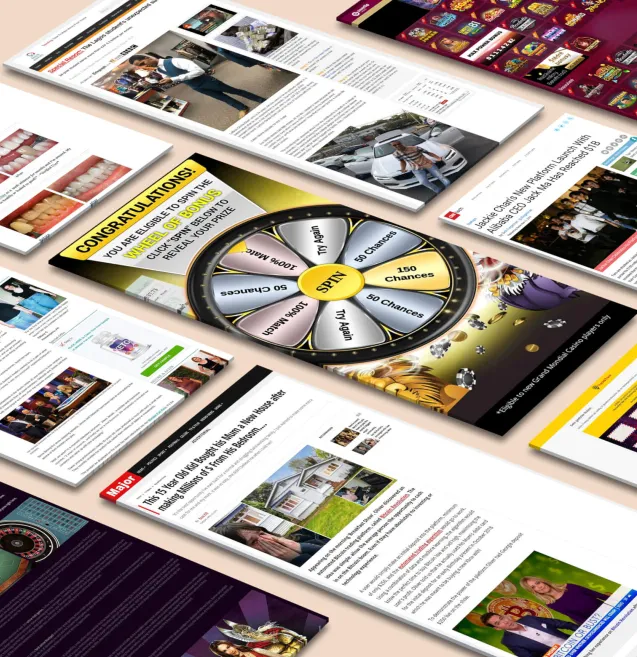
Шаг 4: Скачайте целевые страницы. Anstrex позволяет захватывать и скачивать точные целевые страницы, на которые ведут эти рекламные объявления. Здесь сосредоточена настоящая аналитическая ценность. Вы можете разобрать структуру предложения, изучить воронку конверсии, выявить, какие трекинговые пиксели срабатывают, и увидеть, как бренд обеспечивает переход от осведомлённости (билборд) к действию (целевая страница). Этот уровень — тот, который рекламодатели OOH предполагают недоступным для кого-либо за пределами своей команды.
Шаг 5: Отслеживайте продолжительность кампаний, чтобы выявить победителей. Anstrex показывает, сколько дней работает каждый креатив. Нативная реклама, которая активна в течение шестидесяти дней, является прибыльной — никто не будет тратить деньги на убыточную кампанию два месяца подряд. Эти данные о продолжительности покажут вам, какие сообщения, предложения и структуры воронки действительно конвертируют, а не просто запускаются.
Мощь этого процесса заключается в том, что сама логика планирования рекламодателей OOH играет против них. Как подробно описано в блоге AdQuick, платформы оптимизации на базе ИИ теперь используют данные о потребителях, демографии и поведении, чтобы гарантировать стратегическое размещение каждого рекламного доллара — а это означает, что точность таргетинга, определяющая их физические размещения, точно такая же, как и та, которая формирует их цифровые закупки. Билборд — это лишь видимая часть стратегии. Anstrex показывает вам невидимую половину: точные креативы, сети, на которых они транслируются, посадочные страницы, конвертирующие трафик, и продолжительность, доказывающую их эффективность. Вам не нужно иметь доступ к их медиаплану. Вам просто нужно знать, где искать.
Вот цифра, которая должна изменить ваше представление о конкурентных сроках в цифровых медиа: исследование Kochava показало, что коэффициент конверсии цифровых наружных рекламных объявлений возрастает с 0,24% после одного контакта до 1,28% после десяти контактов — это шестикратное увеличение, которое представляет собой самую чистую восходящую кривую частоты среди всех измеренных типов медиа. Наземное телевидение, в сравнении, остается на уровне 0,22%. CTV едва движется. Наружная реклама продолжает расти. И, что особенно важно, этот рост конверсии происходит в течение семидневного периода атрибуции, что означает, что каждый человек, проехавший мимо рекламного щита в понедельник утром, статистически с наибольшей вероятностью совершит действия, поддающиеся цифровому измерению — поиск, посещение сайта, покупку — в течение последующей недели.
Это «призрак семидневки». Он представляет собой остаточный след потребительских намерений, который остаётся после показа рекламы в реальном мире. Этот след остаётся незаметным для рекламодателя наружной рекламы, который заплатил за билборд, но при этом отлично виден любому маркетологу, ориентирующемуся на результат, который знает, где и что искать. Бренд, использующий наружную рекламу, потратил деньги, чтобы подготовить аудиторию, посеять семя узнавания. Однако он не владеет цифровым пространством, где это узнавание превращается в действие. Никто им не владеет. Это свободная территория.
Рассмотрим структурную асимметрию, действующую здесь. Как утверждает OOH Today, цифровая баннерная реклама отлично справляется с поиском конкретного человека и его сопровождением — повторно показывая рекламу тем, кто уже просматривал кроссовки, оставаясь в поле зрения, пока человек принимает решение, — тогда как наружная реклама хороша в чём-то принципиально ином: она достигает реальных людей в реальных ситуациях за счёт пассивного, неизбежного воздействия. Эти два канала работают по разной логике, ориентируются на разные сигналы и измеряют успех в разных системах. Это означает, что «призрак семидневки» существует в пробеле между двумя системами. Наружная реклама порождает намерение, но не может последовать за потребителем домой. Цифровая реклама может последовать за потребителем домой, но она не породила это намерение. Поэтому, если вы — конкурент и займёте этот пробел точно рассчитанной платной поисковой рекламой, ретаргетингом в баннерной сети или рекламой в соцсетях в течение этих семи дней, вы вовсе не крадёте клиента — вы просто ловите того, кого никто другой не был готов поймать.
Тактическое применение простое. Когда вы определяете OOH-кампанию конкурента, используя методы, описанные в предыдущем разделе — находя их параллельные цифровые креативы с помощью инструментов слежения за рекламой, выявляя DMA и сегменты аудитории, на которые рассчитана их OOH-покупка, — вы настраиваете свои конкурентные цифровые кампании так, чтобы они запускались синхронно с их графиком. Не до начала их OOH-рекламной кампании, когда спрос еще отсутствует. Не через три недели после ее завершения, когда эффект уже рассеялся. Во время ее проведения и в течение семи дней после каждого пика воздействия. Вы выбираете момент перехвата точно в тот временной интервал, когда, как доказывают данные Kochava, потребители наиболее склонны к конверсии, но еще не были привлечены цифровыми каналами конкурента.
Ирония в том, что собственные исследования индустрии OOH показывают: наибольшую отдачу в цифровой конверсии приносят более длительные кампании и насыщение рынка. Однако чем дольше кампания идет и чем шире ее охват, тем больше и устойчивее призрак, который она создает для конкурентов, чтобы те им воспользовались. Каждый дополнительный билборд, каждая дополнительная неделя в эфире увеличивают возможности для перехвата. Вы не тратите больше, чем рекламодатель OOH. Вы даже не превосходите его креативно. Вы просто появляетесь в точке конверсии, которую он оплатил, но не потрудился защитить, — делая ставки на урожай, который он вырастил, как раз в ту неделю, когда он созрел и готов к сбору.
Ваш конкурент только что потратил шестизначную сумму, чтобы настроить аудиторию на покупку чего-либо. Ваша задача — собрать машину, которая поймает таких клиентов в тот момент, когда они начнут искать нужный продукт, и даст им лучшую причину выбрать именно вас.
Начните с анализа их креативов. Каждая кампания в формате наружной рекламы — это публичное брифование. Фотографируйте билборды, делайте скриншоты рекламы на транспорте, фиксируйте ротации цифровых наружных объявлений (DOOH). Вам нужно искать не просто слоганы — а архитектуру сообщений, скрытую за ними. Большинство кампаний, сделанных преимущественно в формате наружной рекламы, опираются на одну эмоциональную привязку или общее заявление бренда, поскольку сам формат требует простоты. Это ограничение — ваш шанс. Определите конкретные утверждения, которые делает конкурент, и спросите себя: чего они не сказали? Если на их билборде написано: «Самая быстрая доставка в городе», значит, они сами только что сообщили, что не конкурируют по цене, ассортименту или качеству обслуживания. Каждое слово на билборде — это выбор, а каждое упущенное слово — это брешь, которую вы можете заполнить в своих цифровых креативах.
Теперь определите, где находится их цифровое сопровождение. Как подробно описано в блоге Clearcode, опытные рекламодатели рассматривают DOOH как канал полного воронки продаж, направляя охваченные аудитории в пулы ретаргетинга, чтобы атрибуция учитывала роль внеофисного размещения на всех этапах пути клиента, а не измеряла его обособленно. Это означает, что цифровые кампании ваших конкурентов, вероятно, работают на средних и нижних этапах воронки — осуществляя ретаргетинг посетителей, видевших рекламу на билбордах, с помощью баннеров, размещения в социальных сетях или рекламы в поиске, нацеленной на завершение продажи. Соберите их объявления для ретаргетинга с помощью инструментов конкурентной разведки, таких как Meta Ad Library или AdBeat. Сравните сообщение на билборде с сообщением в объявлениях для ретаргетинга. В девяти случаях из десяти вы обнаружите несоответствие — яркое эмоциональное обещание из OOH-креатива превращается в стандартную страницу продукта или нейтральный призыв к действию «узнать больше» в интернете. Это несоответствие и есть ваша вторая возможность.
Создавайте свои целевые страницы так, чтобы они давали ответы на вопросы, возникшие после запуска рекламной кампании. Если ваш билборд вызвал интерес к быстрой доставке, то на целевой странице нужно ответить на вопрос, который остался без внимания: "Насколько быстро и сколько это стоит?" Постройте структуру страницы, учитывая возражения, вызванные вашей наружной рекламой, но оставшиеся без ответов. Используйте сравнительные таблицы, конкретные данные и социальное доказательство там, где ранее вы ограничивались расплывчатыми обещаниями. Вашей странице необязательно упоминать билборд по имени — память потенциального клиента о нем сама создает неявный контраст.
Ваша стратегия предложения должна соответствовать профилю аудитории, определенному их кампанией для вас. Платформы вроде AdQuick анализируют потребительские, демографические и поведенческие данные, чтобы стратегически размещать каждый доллар на рекламу — а это значит, что конкурент уже провел исследование аудитории. Если их рекламные щиты сосредоточены возле университетских кампусов и транспортных узлов, они уже показали вам возрастную группу, диапазон доходов и привычки передвижения людей, на которых нацелены. Используйте такую же таргетировку в своих платных социальных сетях и рекламных кампаниях в поиске, но создайте предложение, которое повысит конверсию спроса, а не просто усилит узнаваемость. Ограниченные по времени пробные периоды, скидки на первую покупку или комбинированные стимулы работают эффективно, потому что вы обращаетесь к людям, уже подготовленным — они видели рекламное сообщение категории десять раз по дороге на работу или учебу. Им не нужно еще одно напоминание о бренде. Им нужна причина для действий.
Последний элемент — скорость. Ваша реклама, целевая страница и предложение должны быть запущены в течение первой недели размещения наружной рекламы — в тот период, когда частота показов растет, а интерес становится более явным. Каждый день задержки дает возможность конкуренту с помощью ретаргетинга перехватить внимание. Заранее подготовьте модульные шаблоны целевых страниц и одобренные варианты объявлений, чтобы можно было запустить кампанию в течение 48 часов после подтверждения запуска рекламной кампании конкурента. Тот, кто пробудил интерес, еще не владеет им. Им владеет тот, кто удовлетворил этот интерес.
Получайте лучшие конверсионные лендинги каждую неделю на свою почту.
Самое читаемое
Узнайте, как связать данные рекламного шпиона с поведением на сайте, информацией из CRM и результатами выручки, чтобы выявить реальные факторы рентабельности инвестиций. Узнайте, как превратить Anstrex из инструмента копирования креативов в замкнутую систему для тестирования выигрышных рекламных подходов, воронок и клиентских путей.
Dan Smith
7 минсент. 9, 2026
Обязательно к прочтению
Агентный ИИ перемещает исследование и сравнение продуктов на более ранний этап, часто до того, как покупатели нажмут на нативную или пуш-рекламу. В этой статье объясняется, как маркетологи могут адаптироваться к этим изменениям, делая фиды продуктов, предложения, креативные подходы, доказательства и пользовательский опыт на целевых страницах более понятными для систем ИИ и легкими для рекомендаций. Также рассматриваются изменения в кликах с высокой покупательской активностью, причины того, как рекомендации, сгенерированные ИИ, трансформируют креативные подходы, и способы оптимизации для решений, принятых с помощью ИИ, и для действий конечных пользователей.
Samantha Reed
7 минавг. 30, 2026
Выбор редакции
По мере снижения органических кликов и роста конкуренции в платном привлечении рекламодателям необходимо выйти за рамки CTR и CPC и сосредоточиться на архитектуре конверсии, которая связывает рекламные объявления, целевые страницы, предложения и опыт после клика. В этой статье объясняется, как деанализировать воронки конкурентов, выявить закономерности, прошедшие проверку в реальных условиях, и использовать эти знания для создания более сильных и оригинальных систем конверсии.
Dan Smith
7 минавг. 29, 2026








)